The opening has been postponed. Please check the official exhibition website for details.
Masterpieces from the National Gallery, London
A historic exhibition will be held in Tokyo and Osaka in 2020.
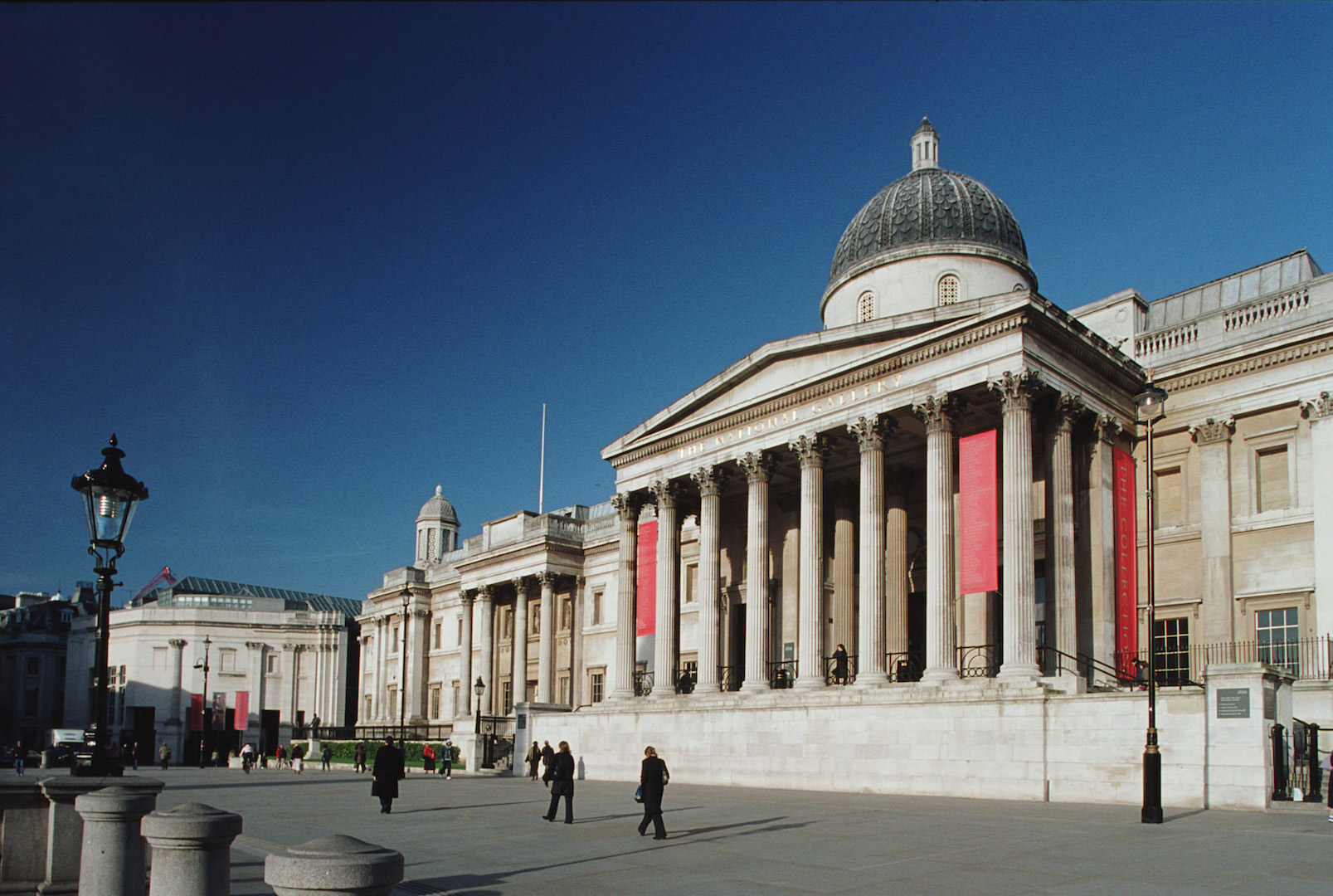
The National Gallery, London — known for its outstanding collection encompassing European painting — will, for the first time in its 200-year history, present a large-scale exhibition of its holdings outside the museum. Astonishingly, all 61 works on view will be exhibited in Japan for the first time.
Highlights of the Exhibition
The highlights of the exhibition are as follows.
1) The National Gallery, London’s first-ever large-scale exhibition of its collection abroad
This is a large-scale exhibition of the collection of the National Gallery, London — one of the world’s foremost temples of beauty — the first of its kind that the Gallery has ever held anywhere in the world.
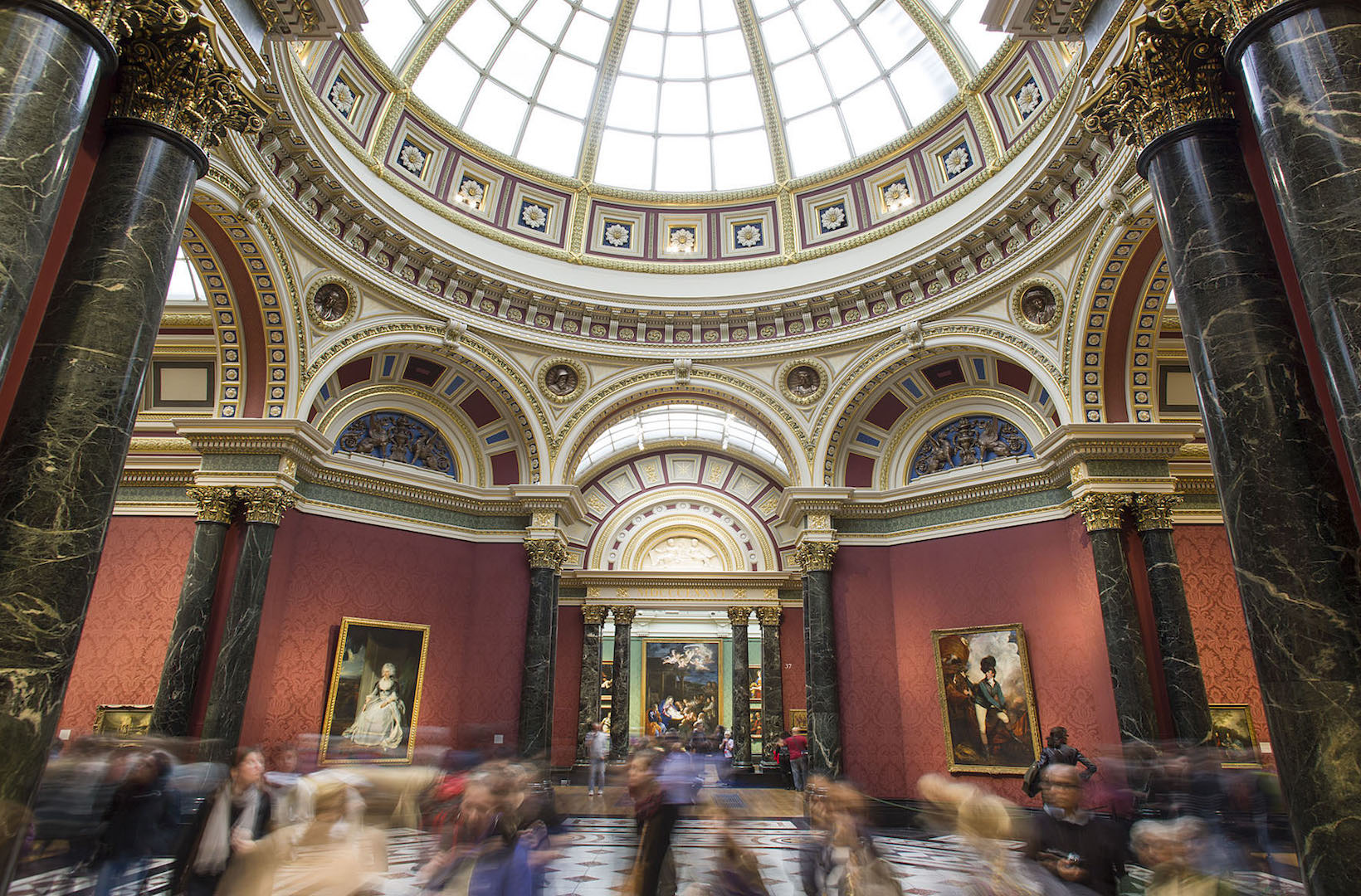
2) All 61 works — first showing in Japan.
Masterpieces spanning the Renaissance to the 19th-century Post-Impressionists are on view together.
World-renowned masterpieces from the Gallery’s collection — including Vermeer’s Young Woman Seated at a Virginal, Rembrandt’s Self-Portrait at the Age of 34, and Van Gogh’s Sunflowers — will make their long-awaited Japan debut.
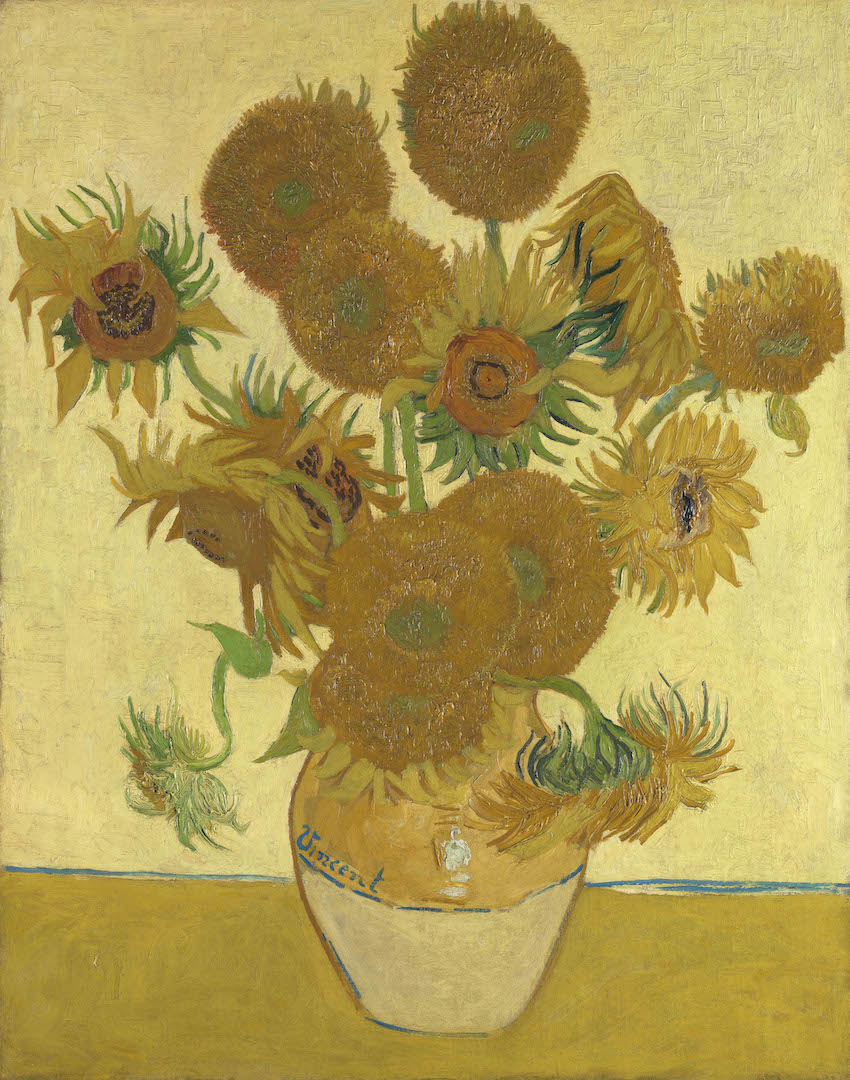
©The National Gallery, London. Bought, Courtauld Fund, 1924
3) Reading the history of Western painting
The greatest feature of the National Gallery, London is its wide-ranging, high-quality collection — often called a “textbook of Western painting.”
Through a collection that comprehensively covers European art, the exhibition traces the history of Western painting from the perspective of “exchange between Britain and continental Europe.”
Structure
The exhibition is organized into the following seven chapters.
Chapter 1: Collecting Italian Renaissance Painting
The exhibition opens with Italian Renaissance painting.
Since the founding of the National Gallery, London, 16th-century painting from Florence, Rome, and Venice has been a core area of the collection.
Also noteworthy is the strength of the Gallery’s holdings of early Renaissance painting from before the 15th century — a field that was reevaluated in Britain from the mid-19th century onward.
This chapter presents fine works across a wide range of periods and regions, from Uccello and Crivelli to Titian and Tintoretto.
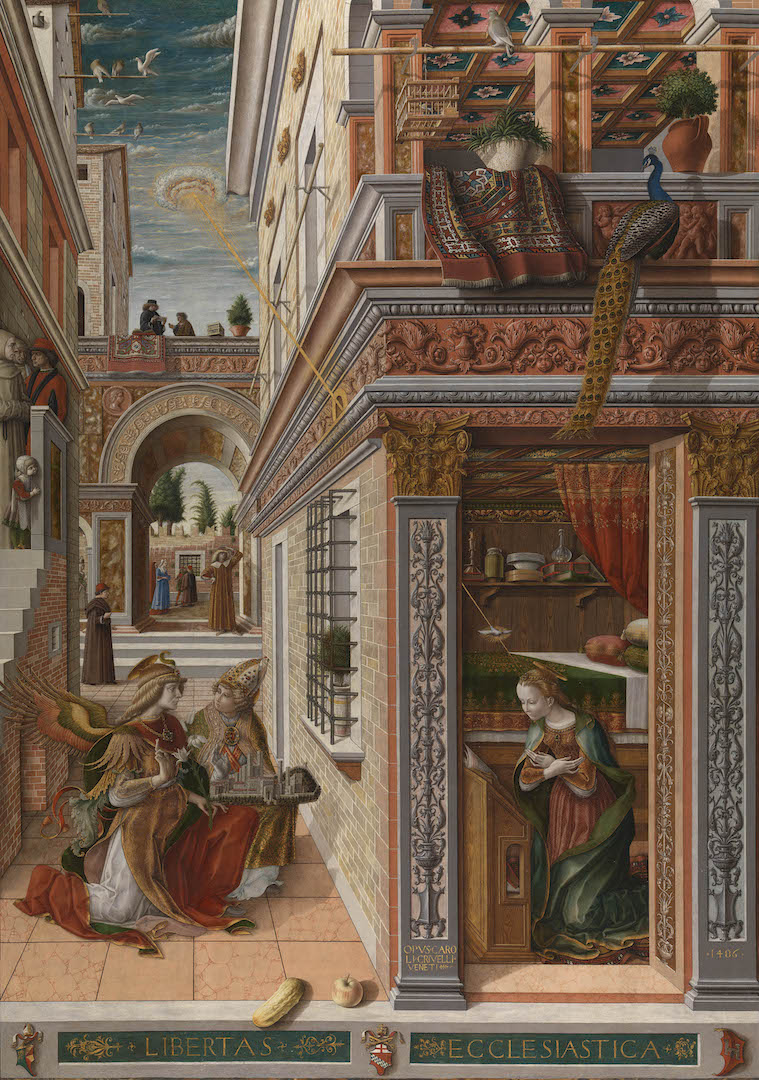
©The National Gallery, London. Presented by Lord Taunton, 1864
Crivelli was a painter active in the Marche region of Italy. Precise perspective, delicate ornamentation, and motifs such as fruit that appear to leap from the picture plane are features common to many of his works. Normally, only the Archangel Gabriel and the Virgin Mary appear in Annunciation scenes. Here, however, Saint Emidius, patron saint of Ascoli Piceno, holds a model of the town, and scenes of everyday life are woven in — presenting a sacred moment as an ordinary scene.
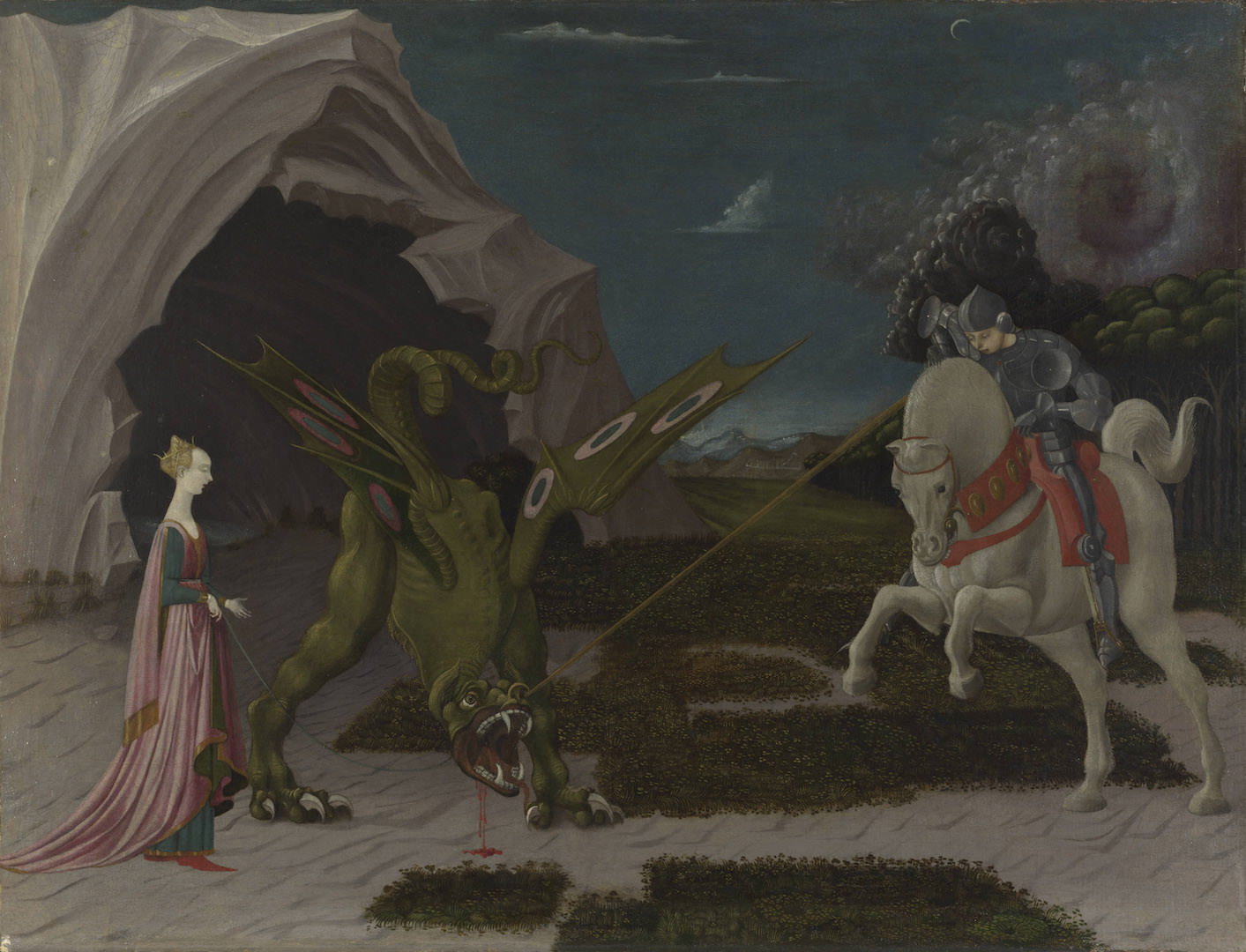
©The National Gallery, London. Bought with a special grant and contributions from the Phillot and Temple-West Funds, 1959
The early Renaissance painter Uccello is known for his mastery of perspective and mathematics. Saint George is a saint depicted as a warrior famed for slaying the dragon; here, the scene shows him defeating a plague-bringing dragon and rescuing a captured princess. The diagonal thrust of the lance and the shape of the grass on the ground emphasize the three-dimensional depth of the space, powerfully conveying this painter’s obsession with linear perspective.
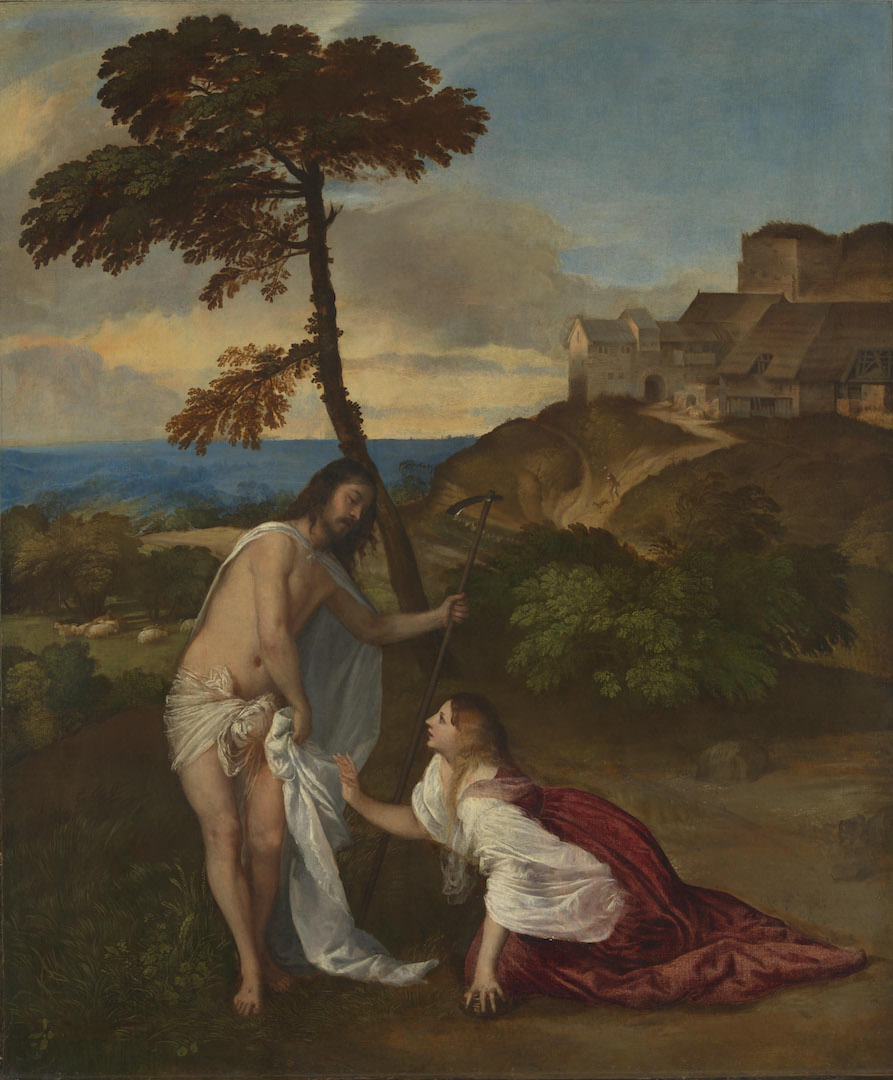
©The National Gallery, London. Bequeathed by Samuel Rogers, 1856
Titian, the great 16th-century Venetian master, excelled at the expression of color and left a profound influence on later painters. The scene depicts the risen Christ telling Mary Magdalene not to touch him (“Noli me tangere”) because he has not yet ascended to the Father. Weaving religious symbols such as a flock of sheep into a lyrical landscape, Titian pursued an expression designed to stir the viewer’s emotions.
Chapter 2: The Golden Age of Dutch Painting
In the second half of the 19th century, the National Gallery collected an important group of 17th-century Dutch paintings.
Geographically close and having prospered through trade and commerce, Dutch culture was familiar to Britain, which followed in the 19th century to reach the height of its own maritime empire.
Alongside masters such as Rembrandt, Hals, and Vermeer, the chapter also presents genres particularly popular in Britain, such as genre scenes and marine painting.
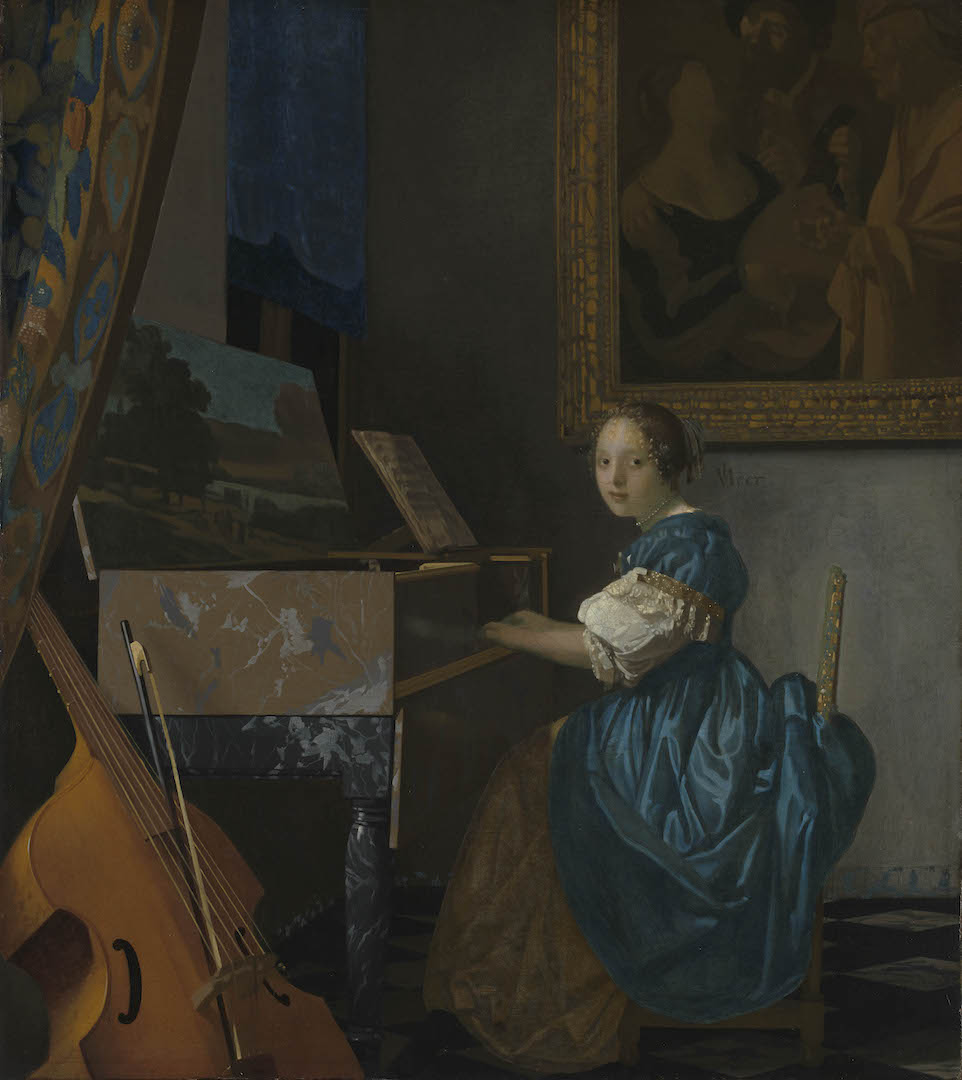
©The National Gallery, London. Salting Bequest, 1910
A tapestry, a viola da gamba, a gilt-framed painting. In an elegantly appointed interior, a woman rests her hand on a virginal. Perhaps a guest has arrived, and she turns to face the viewer. The Dutch painter Vermeer made his name with genre paintings that captured moments of everyday life among his contemporaries. At first glance this work appears meticulously detailed, but in fact it is impressions of light reflections and color that are transferred onto the canvas.
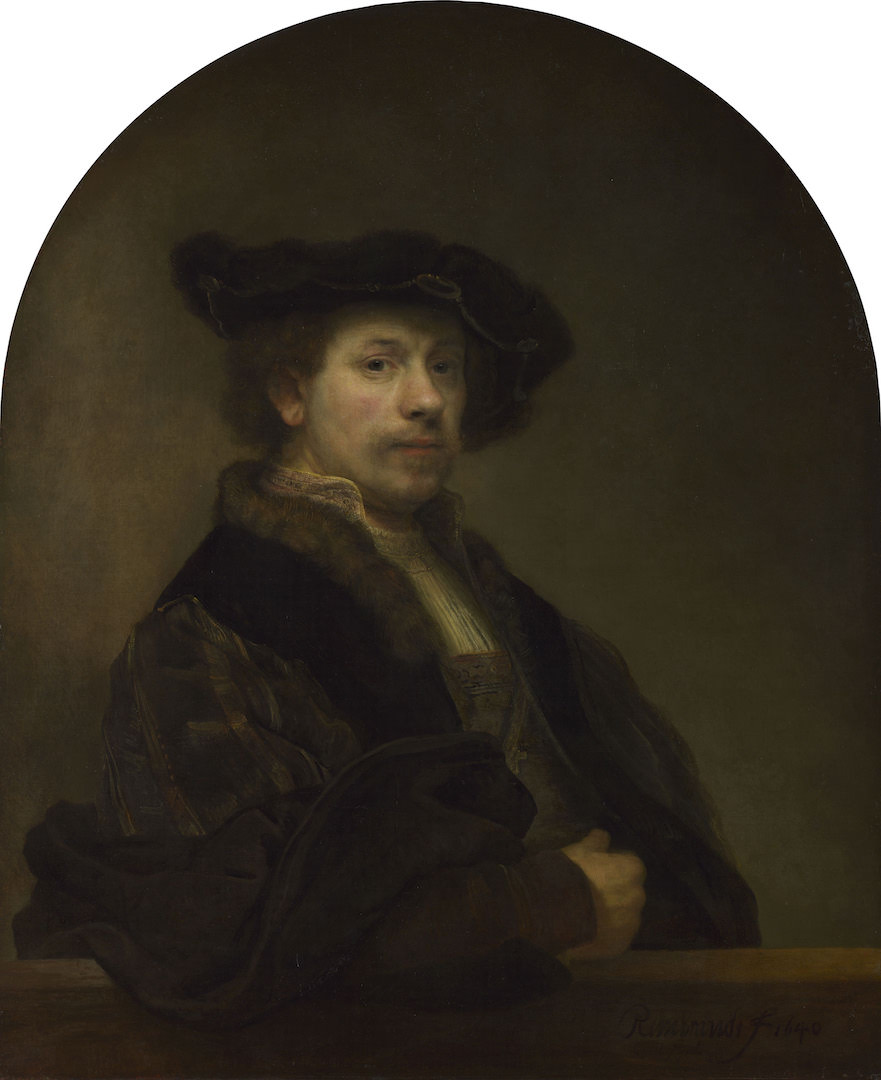
©The National Gallery, London. Bought, 1861
Renowned as a painter of light and shadow, Rembrandt painted self-portraits again and again throughout his life. This work dates from the height of his fame, and conveys a serene, self-possessed atmosphere. In it, Rembrandt refers to costumes and poses from portraits by earlier masters such as Raphael and Titian, proclaiming his place in the lineage of the great artists.
Chapter 3: Van Dyck and English Portraiture
In the 18th century, Britain produced many important portrait painters.
Yet the decisive figure in establishing this tradition was the Flemish painter Van Dyck, who worked in England in the first half of the 17th century.
The chapter examines how 18th-century British painters such as Reynolds and Gainsborough inherited Van Dyck’s formulas and developed their own dignified portrait styles, comparing works by both.
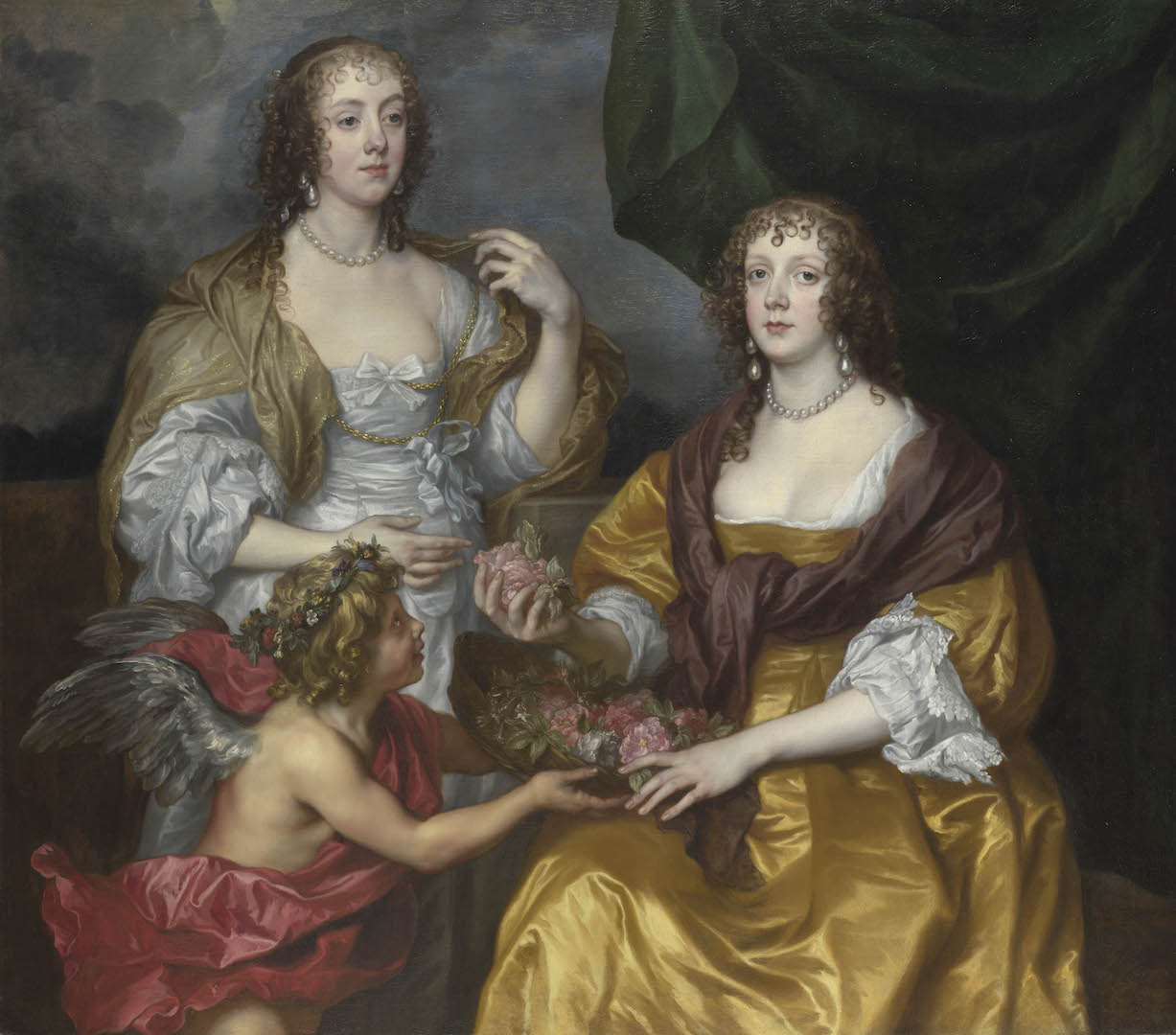
©The National Gallery, London. Bought, 1977
Elizabeth, the younger sister, receives flowers from Cupid, while her elder sister Dorothy stands beside her. The work was likely painted to mark Elizabeth’s marriage. The Flemish-born painter Van Dyck flourished as a portraitist in England, captivating royalty and nobility with his elegant depictions of figures and brilliant color. His portraits held enormous influence in Britain right up to the 19th century.
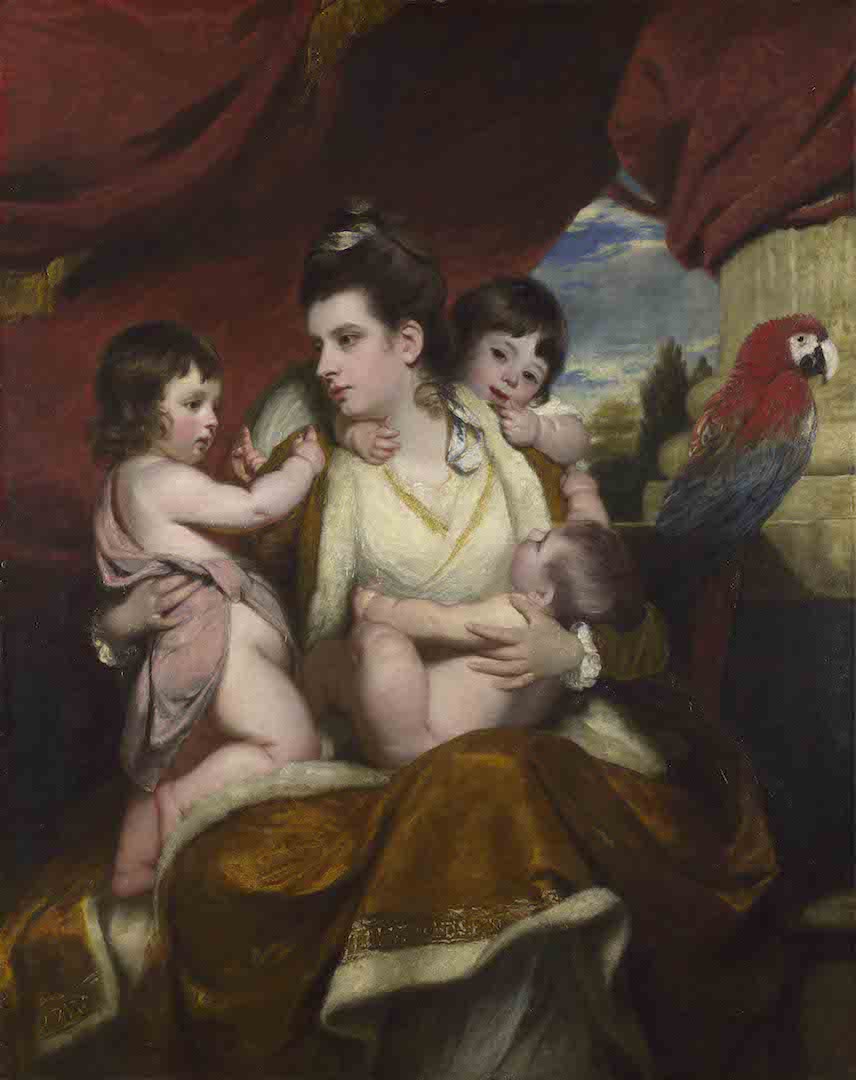
©The National Gallery, London. Bequeathed by Alfred Beit, 1906
Reynolds, the first president of the Royal Academy, was a leading 18th-century British portraitist. In painting this work, he drew inspiration from Van Dyck’s figures, inheriting their dignified quality while imparting a gentle, tender atmosphere. The smooth brushwork, stable composition, and rich color are the hallmarks of Reynolds, an artist deeply versed in the classics of art.
Chapter 4: The Grand Tour
In the 18th century, it became fashionable for sons of the British upper class to visit Italy, the cradle of European civilization, giving rise to the phenomenon known as the Grand Tour.
This chapter presents various aspects of artistic and cultural exchange between Britain and Italy through the Grand Tour, centering on cityscapes of Venice and Rome by Canaletto and others, which such travelers were fond of bringing home.

©The National Gallery, London. Wynn Ellis Bequest, 1876
Canaletto was the painter who established cityscape painting in 18th-century Venice, then teeming with visitors on the Grand Tour. The scene depicts a regatta held on the Grand Canal during carnival season. With tourists and onlookers leaning from windows, the city is bursting with life. Canaletto arranges his motifs with care so that the composition converges on the Rialto Bridge — Venice’s symbol — in the distance.
Chapter 5: The Discovery of Spanish Painting
Just as Murillo had been highly esteemed from the 18th century for his sweet style, Britain took the lead in reevaluating Spanish painting outside Spain.
In particular, the British army under the Duke of Wellington fought in the Peninsular War in the early 19th century, and this became the catalyst for works by Velázquez, Zurbarán, and others to be brought to Britain during that century, with their reputations becoming established.
This chapter traces that history through the works themselves.

©The National Gallery, London. Bequeathed by Sir William H. Gregory, 1892
Before becoming a court painter, the Spanish painter Velázquez produced innovative genre works known as “bodegones.” This is one such work, adopting the double-composition device popular in 16th-century Flemish painting: two women in a kitchen occupy the foreground, while a biblical scene appears through the window frame. The rendering of the fish on the table and the mortar in which garlic is being ground makes clear the extraordinary skill of this painter — only 20 at the time.
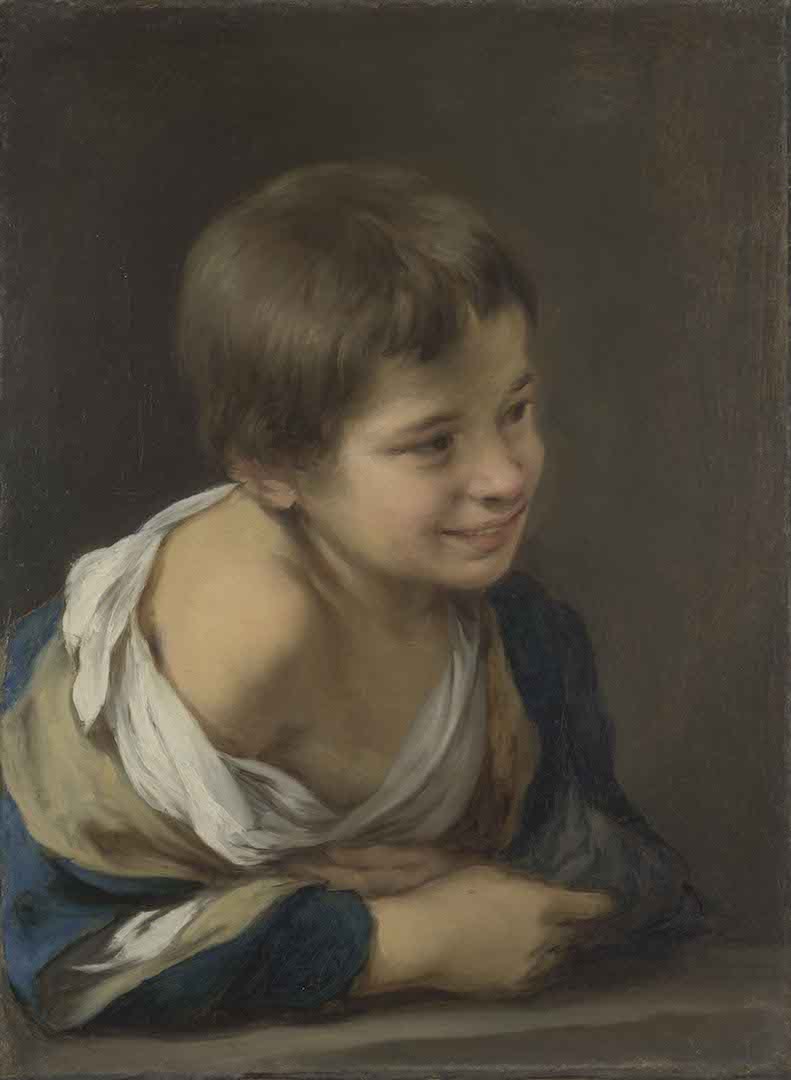
©The National Gallery, London. Presented by M.M. Zachary, 1826
Murillo, active in Seville in the later 17th century, painted many genre scenes featuring humbly clad boys of the common people. This work focuses on a boy alone. His innocent smile is thought to be directed at a girl of the same age depicted in a companion piece. Murillo’s genre paintings were highly esteemed in 18th-century Britain and influenced Gainsborough and Reynolds.
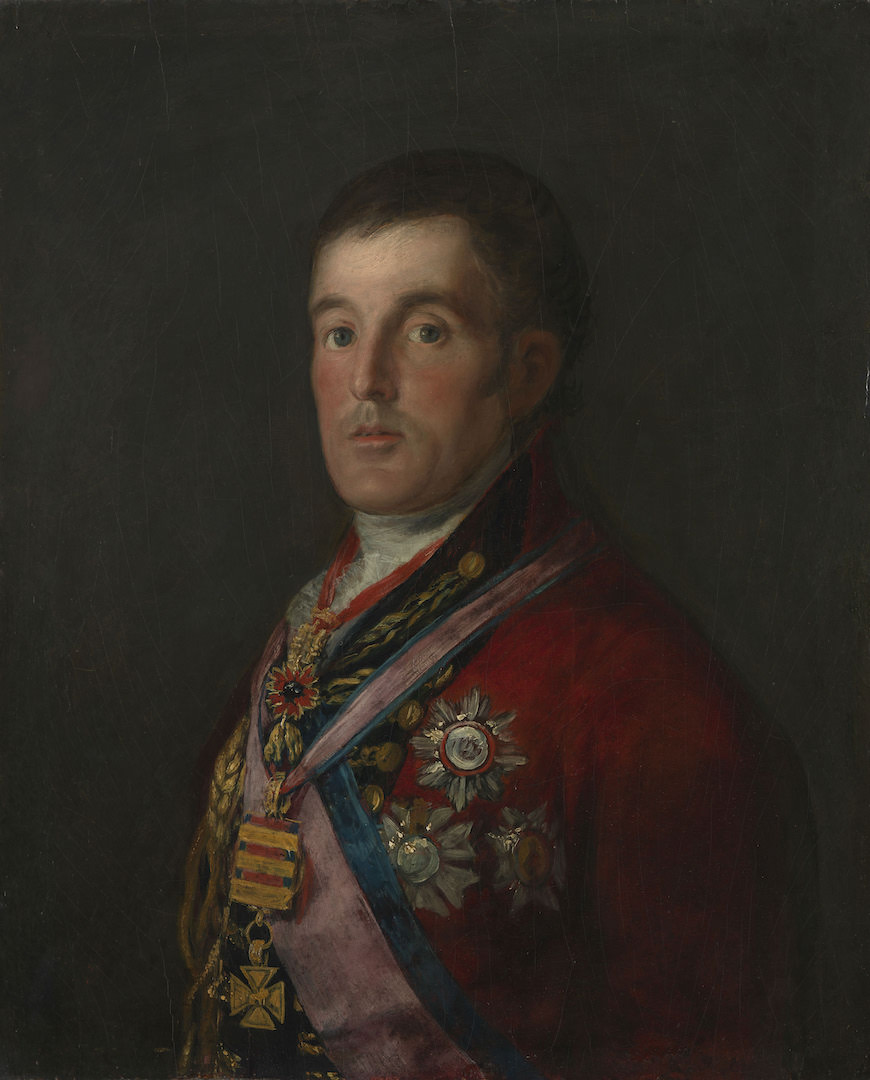
©The National Gallery, London. Bought with aid from the Wolfson Foundation and a special Exchequer grant, 1961
The Duke of Wellington — Arthur Wellesley — was a British officer who drove Napoleon’s army from Spain during the Peninsular War. Goya’s vivid portrait was painted in Madrid in 1812, with an additional decoration added two years later. The Duke was also important in bringing Spanish paintings back to his homeland, taking the lead in reevaluating Spanish painting in Britain.
Chapter 6: Landscape Painting and the Picturesque
From the late 18th century, a taste flourished in Britain for the irregular, wild “picturesque” beauty, distinct from the harmony-valuing classical ideal, and landscape painting rose to prominence.
Behind this shift lay the ideal landscapes of the 17th century, led by Claude Lorrain.
Through the works themselves, the chapter examines how the current running from 17th-century painting to the two masters of Romantic landscape — Constable and Turner — came to be.
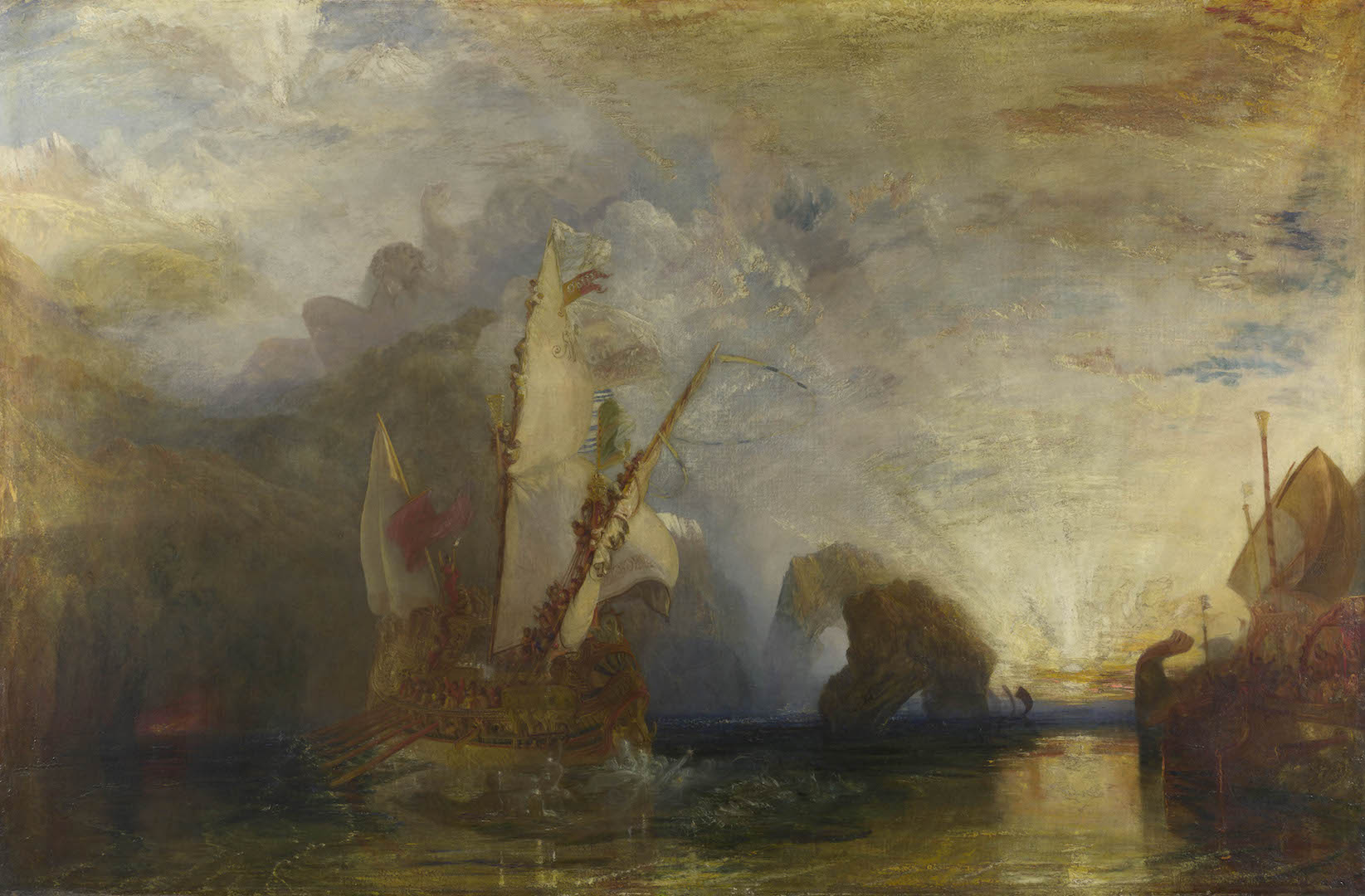
©The National Gallery, London. Turner Bequest, 1856
The scene depicts the Greek hero Odysseus, having defeated the one-eyed giant Polyphemus, setting sail with his companions. Draped in red on the ship, Odysseus stands triumphant, deriding the giant whose silhouette appears in the clouds behind the strange rocks. But the British painter Turner was more interested in light and natural phenomena than in narrative clarity, and a fantastical landscape suffused with the light of dawn is rendered in vivid color.
Chapter 7: British Reception of French Modern Art
The final chapter presents how the modernist reforms in French painting of the 19th century found their way into Britain.
Some painters, such as Pissarro and Monet, worked while visiting Britain, but the reception of Impressionism and Post-Impressionism was generally much slower there than in France, and serious collecting did not really begin until the 20th century.
The chapter unfolds the current from Ingres through Impressionism to Van Gogh and Gauguin, seen from the British perspective.
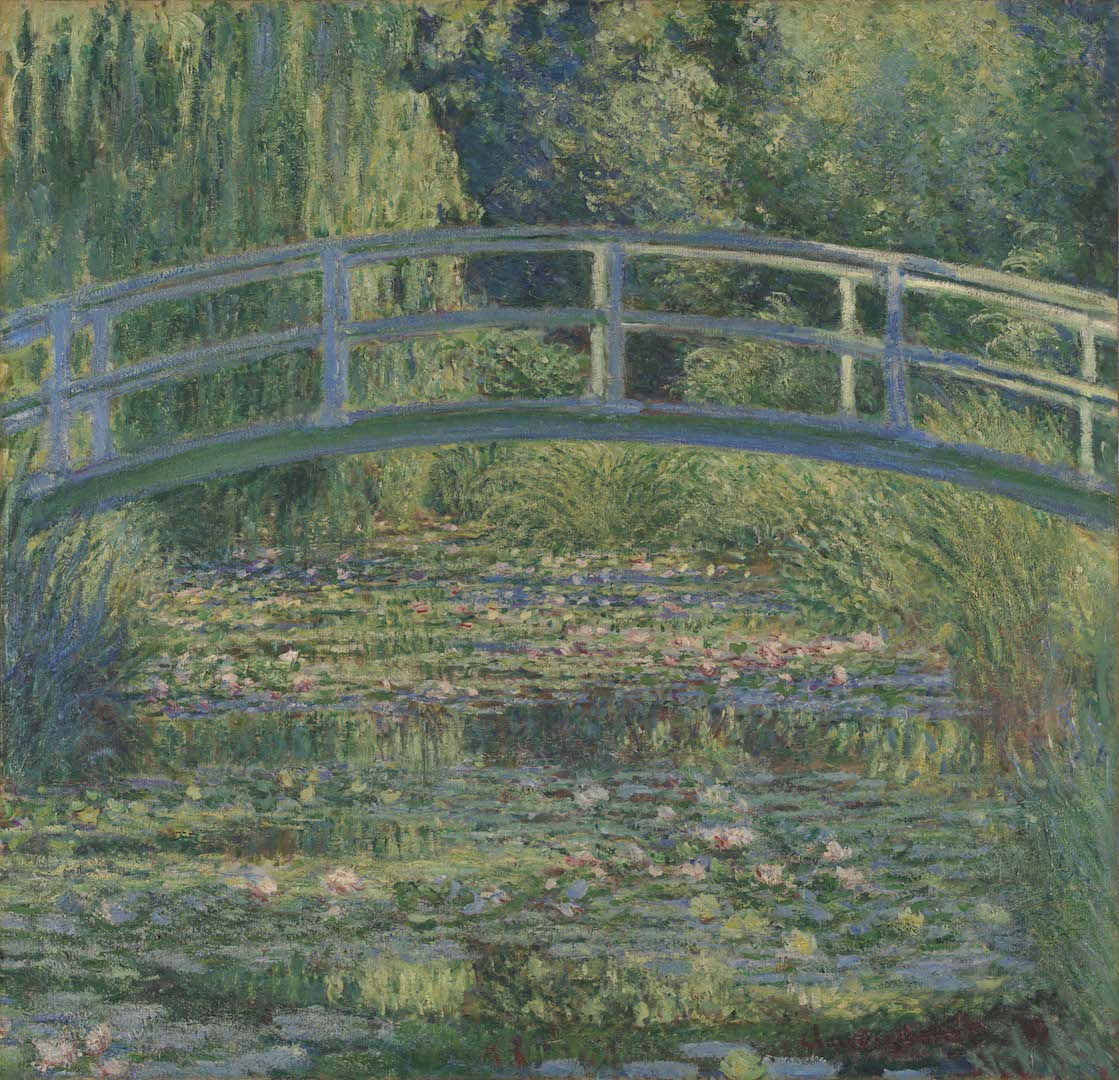
©The National Gallery, London. Bought, 1927
In his later years, Monet built an Oriental-style garden at his home in Giverny in northern France, and painted the scenery there again and again in pursuit of the ever-changing light. A composition capturing the arched bridge over a pond of water lilies from directly to the side was one of his favorites. Here, the shimmering surface of the water in the light of a summer afternoon is rendered in fine touches of violet and green.
》.jpg)
©The National Gallery, London. Bought, Courtauld Fund, 1923
A theatre crowded with patrons. Seated in a box, a young girl gazes at the stage. Places of entertainment such as theatres, dance halls, and cafés — emblems of modern life — were favorite subjects of the Impressionists. Renoir in particular, who believed art should be “pleasant, joyful, and beautiful,” used such subjects to depict the cheerful side of modern urban culture.
In Closing
The array of masterpieces coming to Japan for the first time draws great interest.
This is set to be a historic exhibition!
Overview
Masterpieces from the National Gallery, London
[Tokyo]
Venue: The National Museum of Western Art
Dates: Tuesday, March 3 to Sunday, June 14, 2020
Closed: Mondays *Open on Monday, March 30 and Monday, May 4 (holiday)
Hours: 9:30–17:30 (until 20:00 on Fridays and Saturdays)
*Last admission 30 minutes before closing
[Osaka]
Venue: The National Museum of Art, Osaka
Dates: Tuesday, July 7 to Sunday, October 18, 2020
[Inquiries]
– Tokyo
TEL: 03-5777-8600 (Hello Dial)
– Osaka
TEL: 06-6447-4680 (The National Museum of Art, Osaka main line)