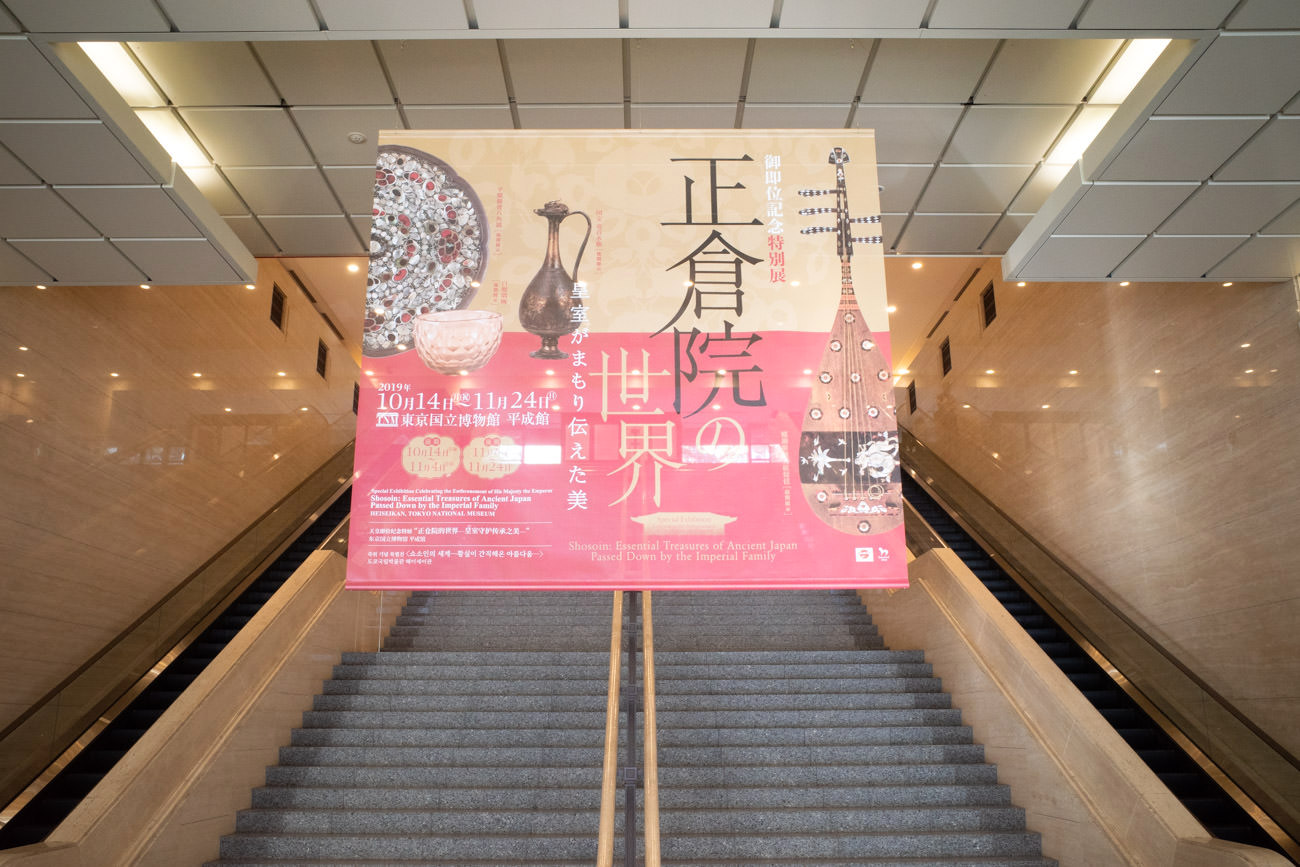
The Shosoin and Horyuji: The Culture of the Ancient World Cherished by the Imperial Family
Commemorating His Majesty the Emperor’s enthronement, we visited the special exhibition “The Shosoin and Horyuji: The Culture of the Ancient World Cherished by the Imperial Family,” which focuses on the internationally rich visual culture of the Asuka and Nara periods, centered on the treasures of the Shosoin. The venue is the Heiseikan of Tokyo National Museum.

This exhibition is a rare occasion in which the treasures of the Shosoin and the treasures donated to Horyuji Temple, both representative cultural properties of Japan, are gathered together in one place.
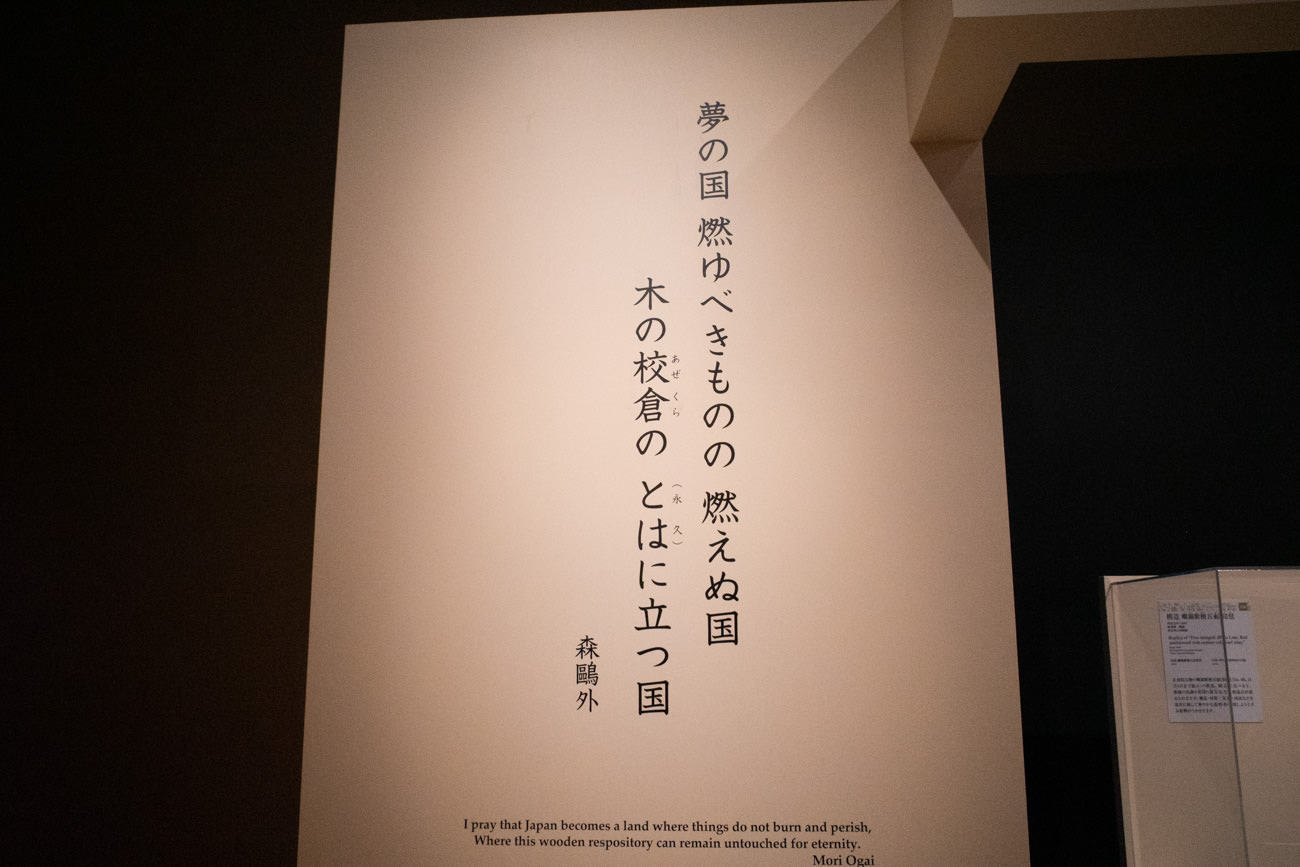
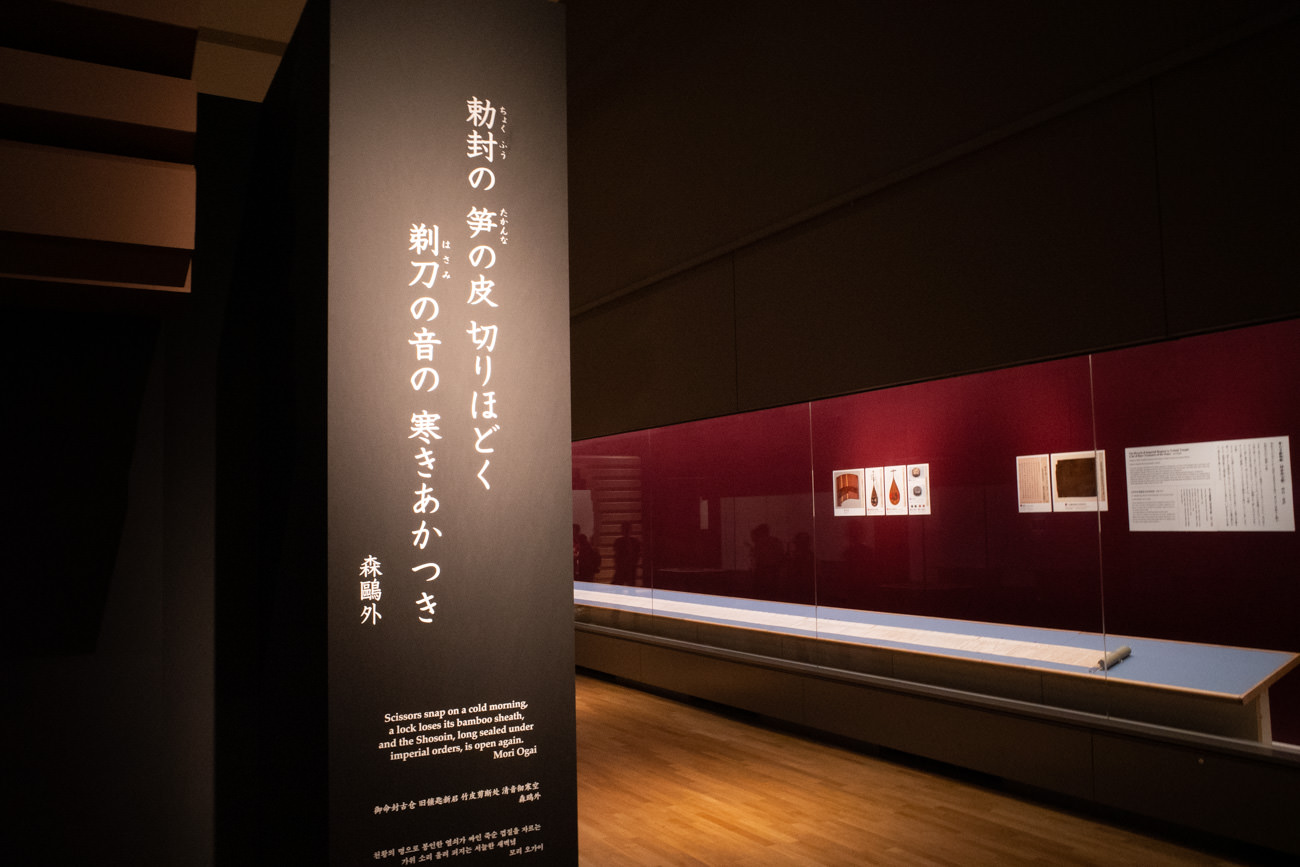
Passing through the entrance, a verse by Mori Ogai, known from the “Fifty Poems of Nara,” is displayed prominently, opening the curtain on the exhibition.
Exhibition Structure
This exhibition is organized around six themes.
Chapter 1: “Treasures Associated with Emperor Shomu and Empress Komyo”
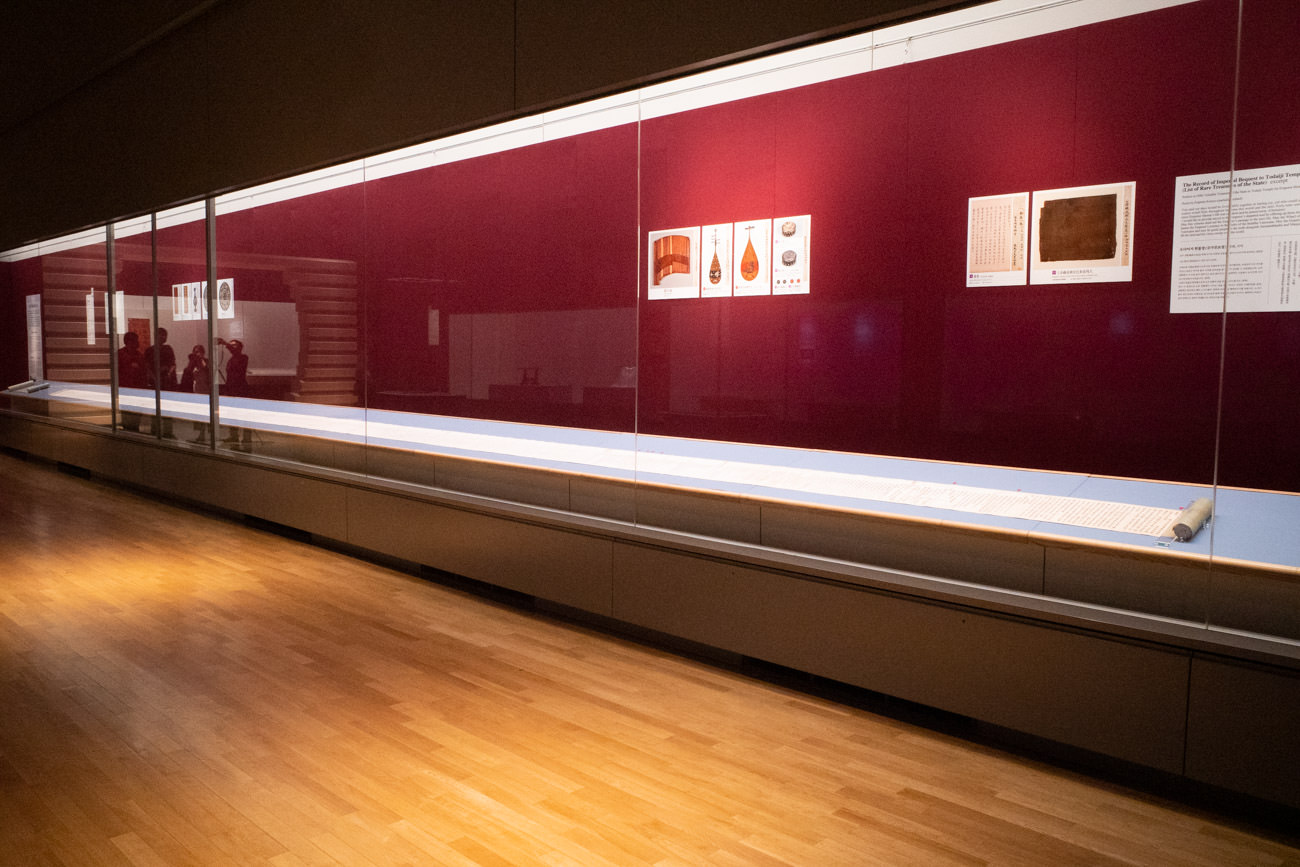
On the 21st day of the 6th month of the 8th year of Tempyo-shoho (756), the forty-ninth day after Emperor Shomu’s passing, Empress Komyo dedicated more than six hundred treasures, including items cherished by the late emperor, to the Great Buddha (Vairocana) of Todaiji Temple, praying that the emperor might dwell peacefully in the world of Vairocana Buddha, the “Jeweled Temple of the Lotus Treasury.”
This chapter introduces treasures associated with Emperor Shomu and Empress Komyo, centered on the objects recorded in the “Register of Rare National Treasures” (Kokka Chinpo Cho), the inventory prepared on that occasion.
![The Shosoin treasure "Round Mirror with Mother-of-Pearl Inlay on the Back," Shosoin [first-half display]](https://art-on.jp/wp-content/uploads/2019/10/2019_shosoin32.jpg)
![The Shosoin treasure "Folding Screen with Bird-Feather Calligraphy," Shosoin [first-half display]](https://art-on.jp/wp-content/uploads/2019/10/2019_shosoin2.jpg)
![The Shosoin treasure "Go Stones with Engraved Ivory Dyed Red," Shosoin [display rotation]](https://art-on.jp/wp-content/uploads/2019/10/2019_shosoin34.jpg)
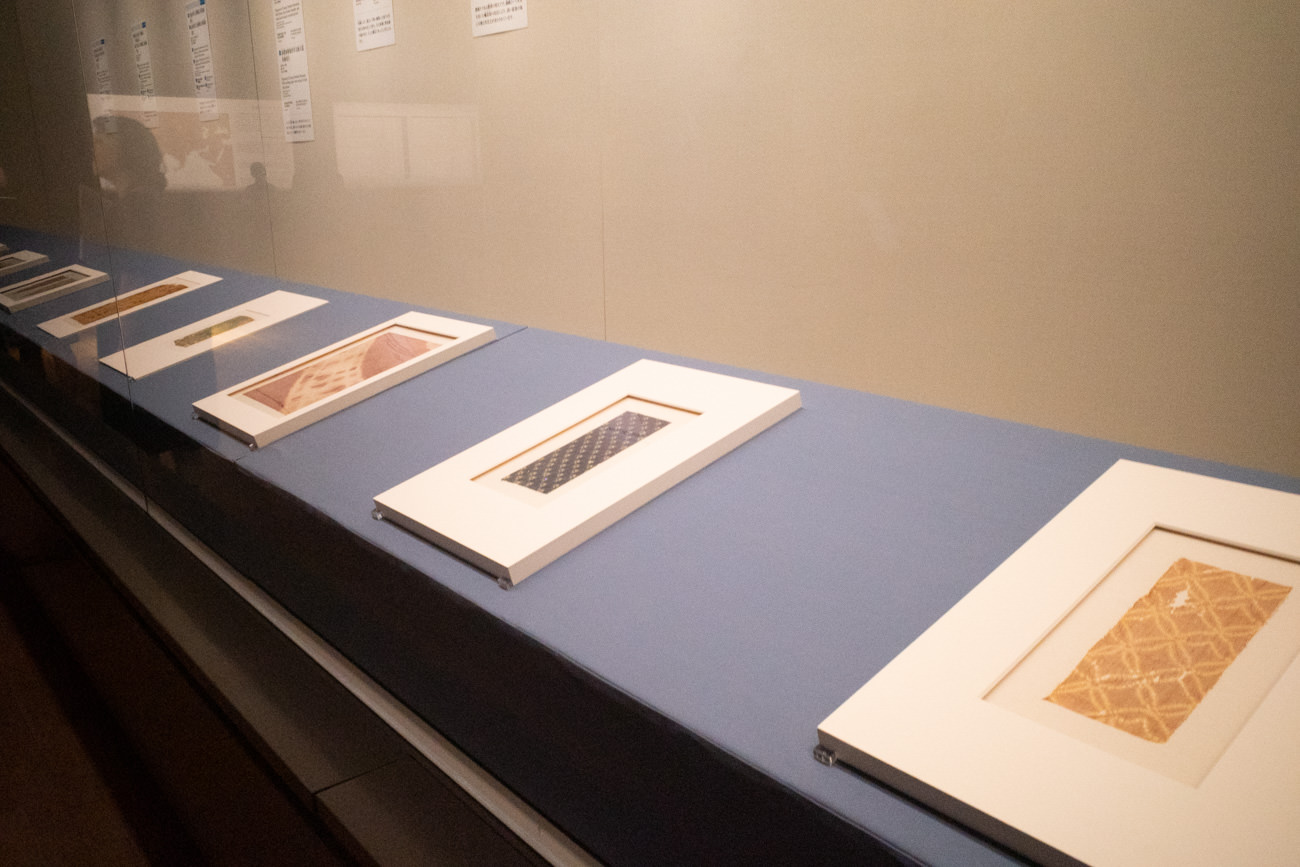
Chapter 2: “The Splendor of Textile Art”
The textiles of the Shosoin, along with those among the treasures donated to Horyuji Temple, are known as the world’s oldest transmitted examples.
For the eye-opening ceremony of the Great Buddha at Todaiji and the first-anniversary memorial service for Emperor Shomu, large numbers of banners, canopies, and cushions were required, and after the ceremonies they were dedicated to Todaiji, where they have been transmitted to the present as Shosoin treasures.
In this chapter, the representative works of the Shosoin are brought together. Enjoy the splendid world of textile art that colored the Tempyo culture.
![The Shosoin treasure "Ink Painting of a Buddhist Image," Shosoin [first-half display]](https://art-on.jp/wp-content/uploads/2019/10/2019_shosoin81.jpg)
![The Shosoin treasure "Felt Rug with Floral Design," Shosoin [first-half display]](https://art-on.jp/wp-content/uploads/2019/10/2019_shosoin82.jpg)
Chapter 3: “The World of Famous Fragrances”
In Buddhist rituals, precious incense is burned as an offering to the Buddha.
Ritual settings such as the eye-opening ceremony of the Great Buddha at Todaiji must have been filled with rich fragrance.
This chapter introduces fragrant woods, focusing on the Ojukuko — the representative fragrant wood of the Shosoin — as well as the aloeswood transmitted among the treasures donated to Horyuji Temple, along with implements such as incense burners and censers used for burning incense.
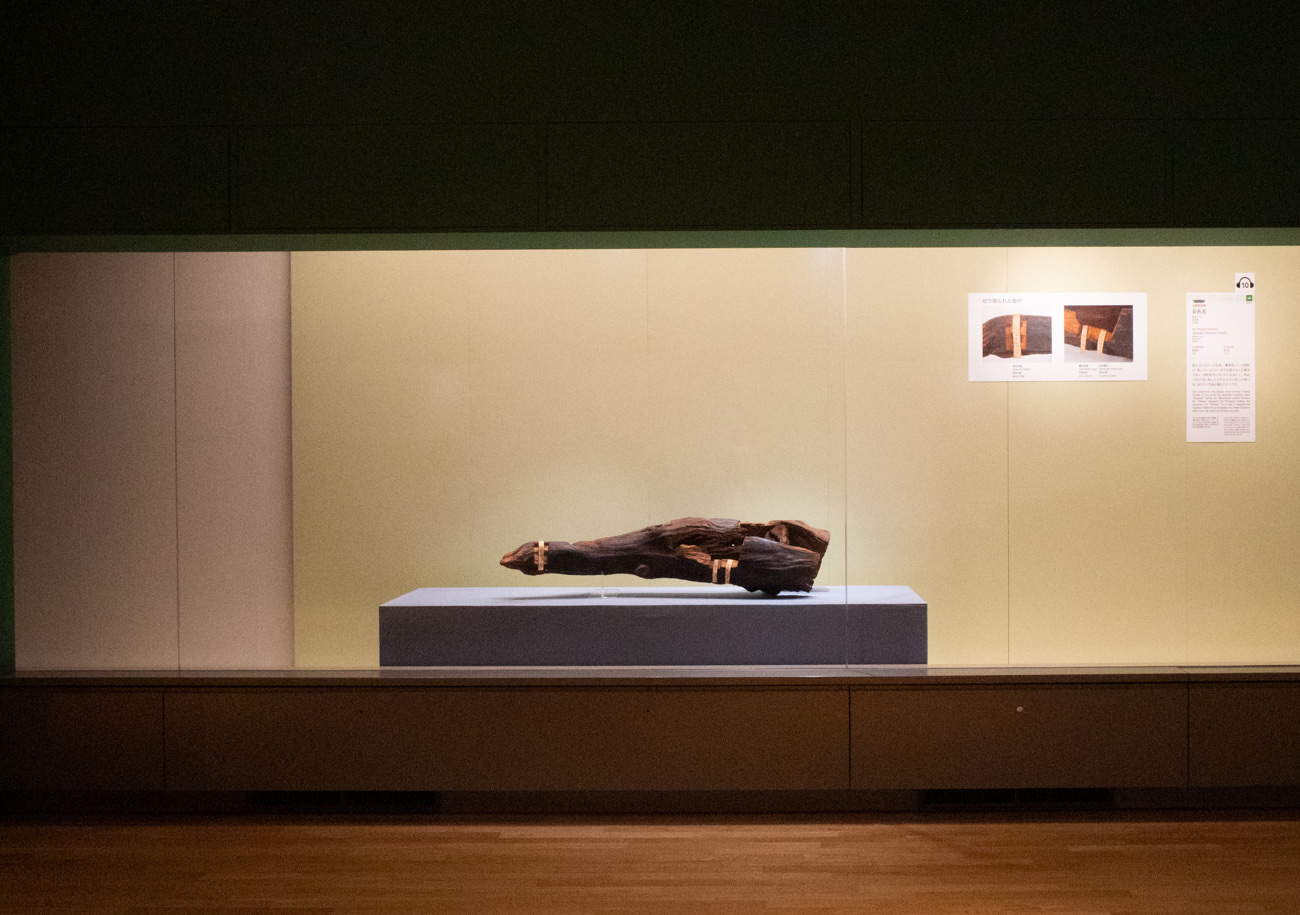
![The Shosoin treasure "Ojukuko (Fragrant Wood)," Shosoin [full-run display]](https://art-on.jp/wp-content/uploads/2019/10/2019_shosoin40.jpg)
!["Genroku-Era Storage Box for the Ojukuko," Shosoin [full-run display]](https://art-on.jp/wp-content/uploads/2019/10/2019_shosoin43.jpg)
![From left: Reproduction of "Silver Censer," Office of the Shosoin Treasure House [full-run display]; the Shosoin treasure "S…](https://art-on.jp/wp-content/uploads/2019/10/2019_shosoin7.jpg)
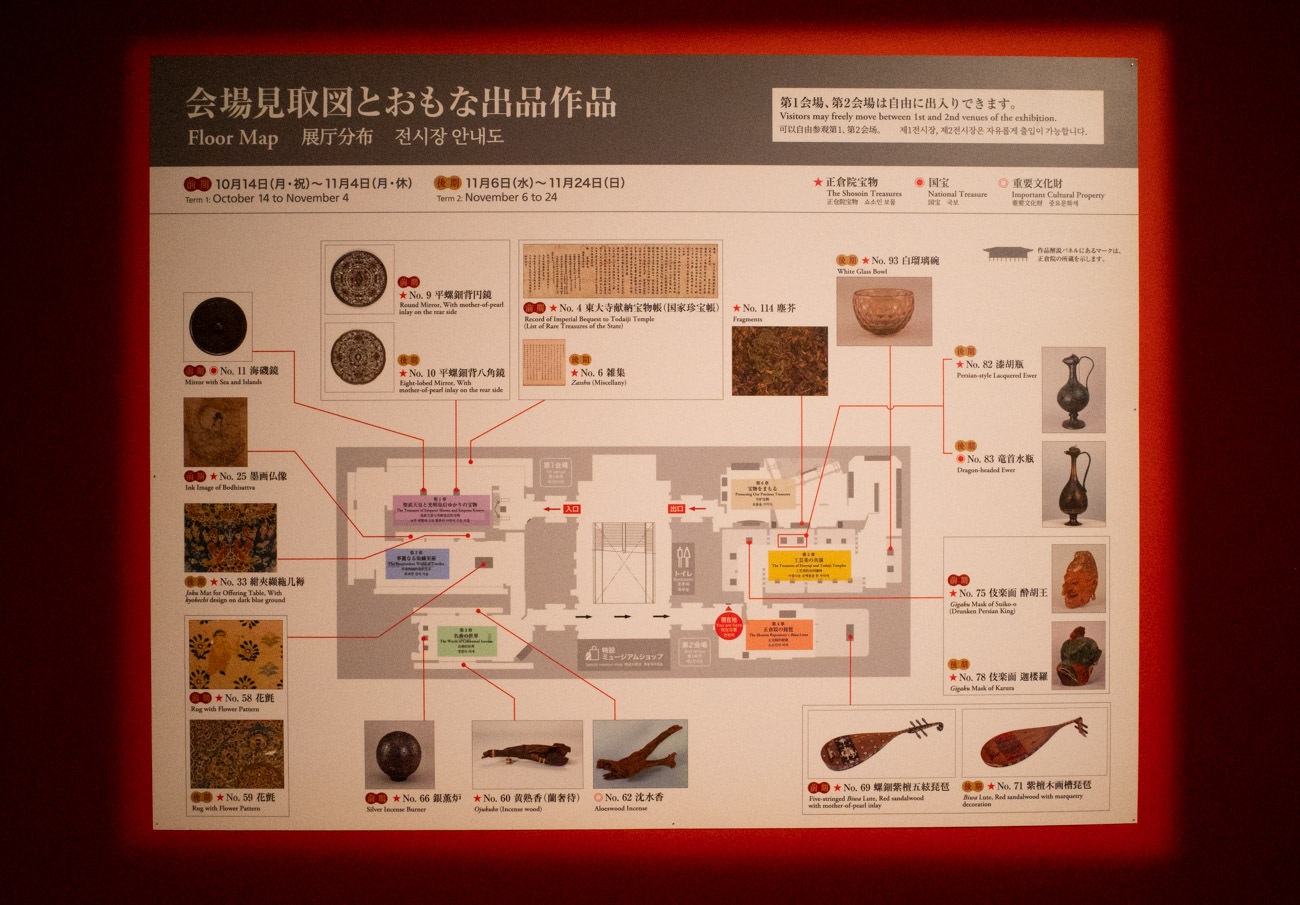
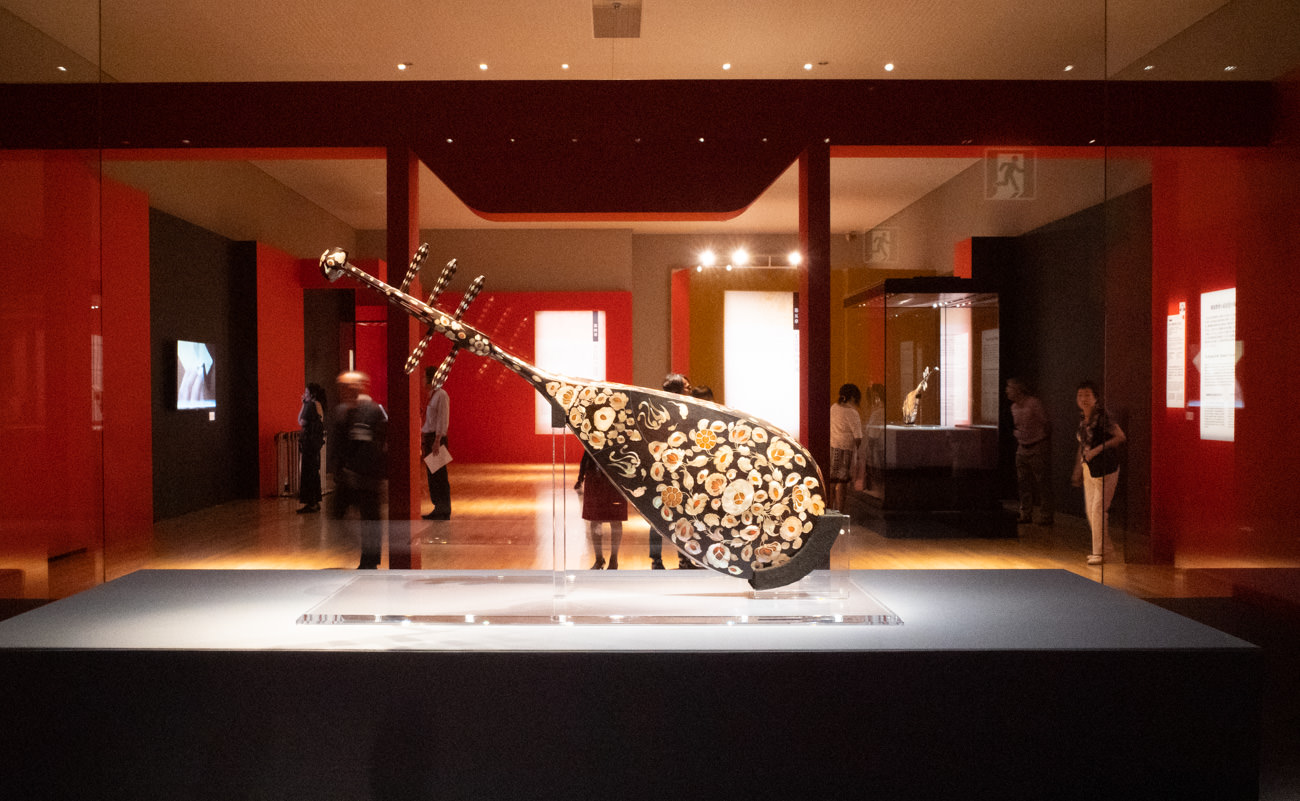
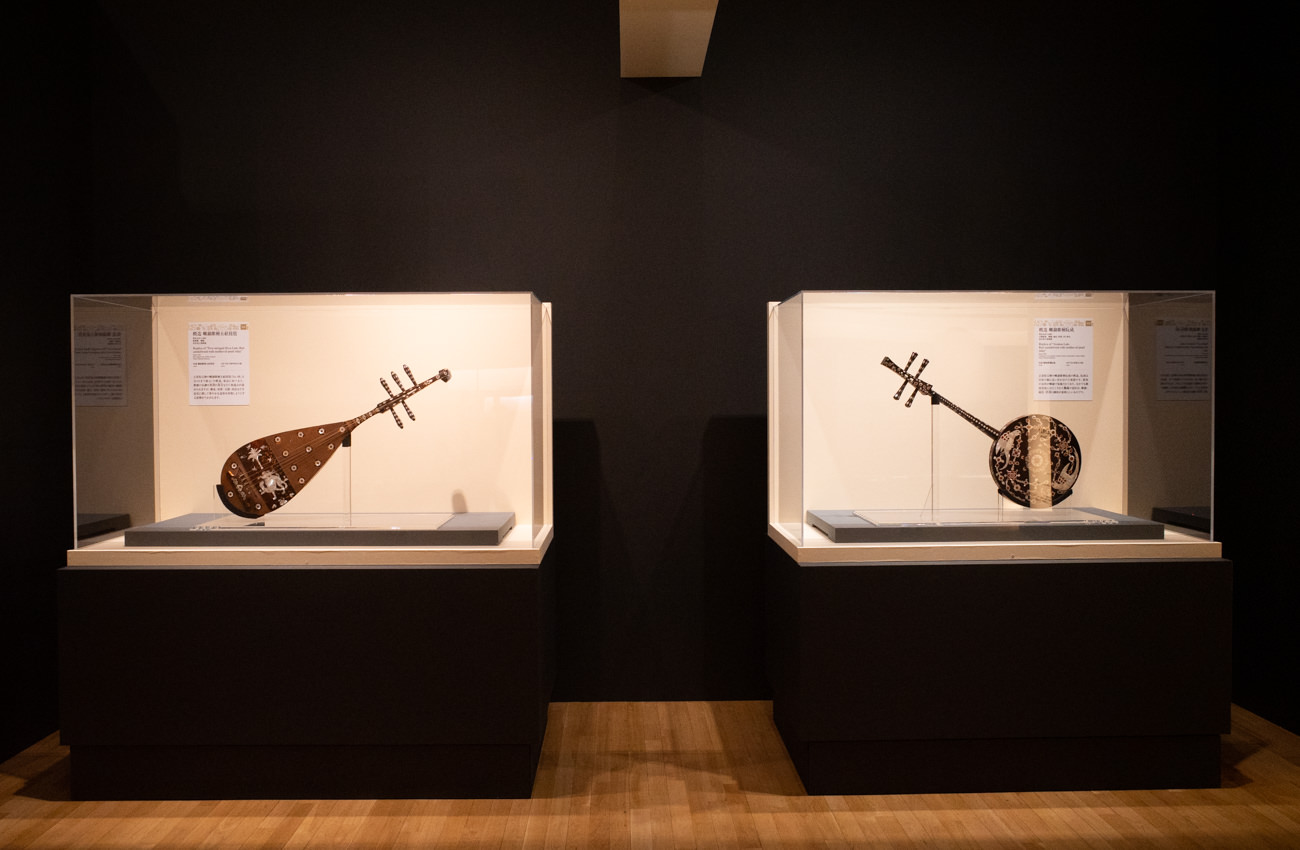
Chapter 4: “The Biwa Lutes of the Shosoin”
The Shosoin is also a treasure house of ancient musical instruments.
The fact that it has preserved instruments from ancient China and the Korean Peninsula that have already been lost in their places of origin is worthy of special mention in the history of world music.
Among them, the biwa lutes with their gorgeous decorations are especially famous.
This chapter presents two biwa lutes representative of the Shosoin’s ancient instruments, along with the results of the reproduction project completed this year. Enjoy the ultimate beauty of form of what might be called instruments of a heavenly world.
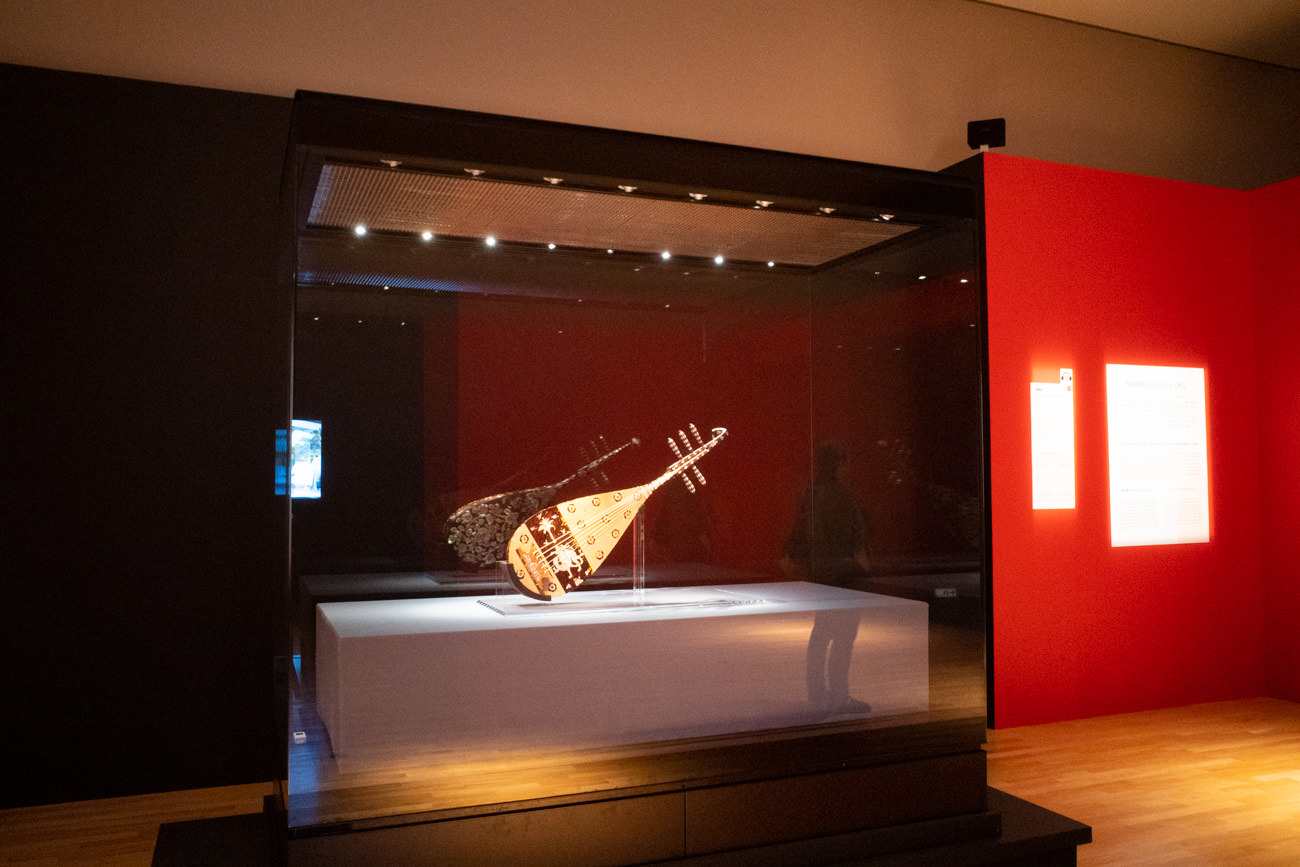
![The Shosoin treasure "Five-Stringed Biwa Lute of Red Sandalwood with Mother-of-Pearl Inlay," Shosoin [first-half display]](https://art-on.jp/wp-content/uploads/2019/10/2019_shosoin52.jpg)
Chapter 5: “A Duet of Craft Beauty”
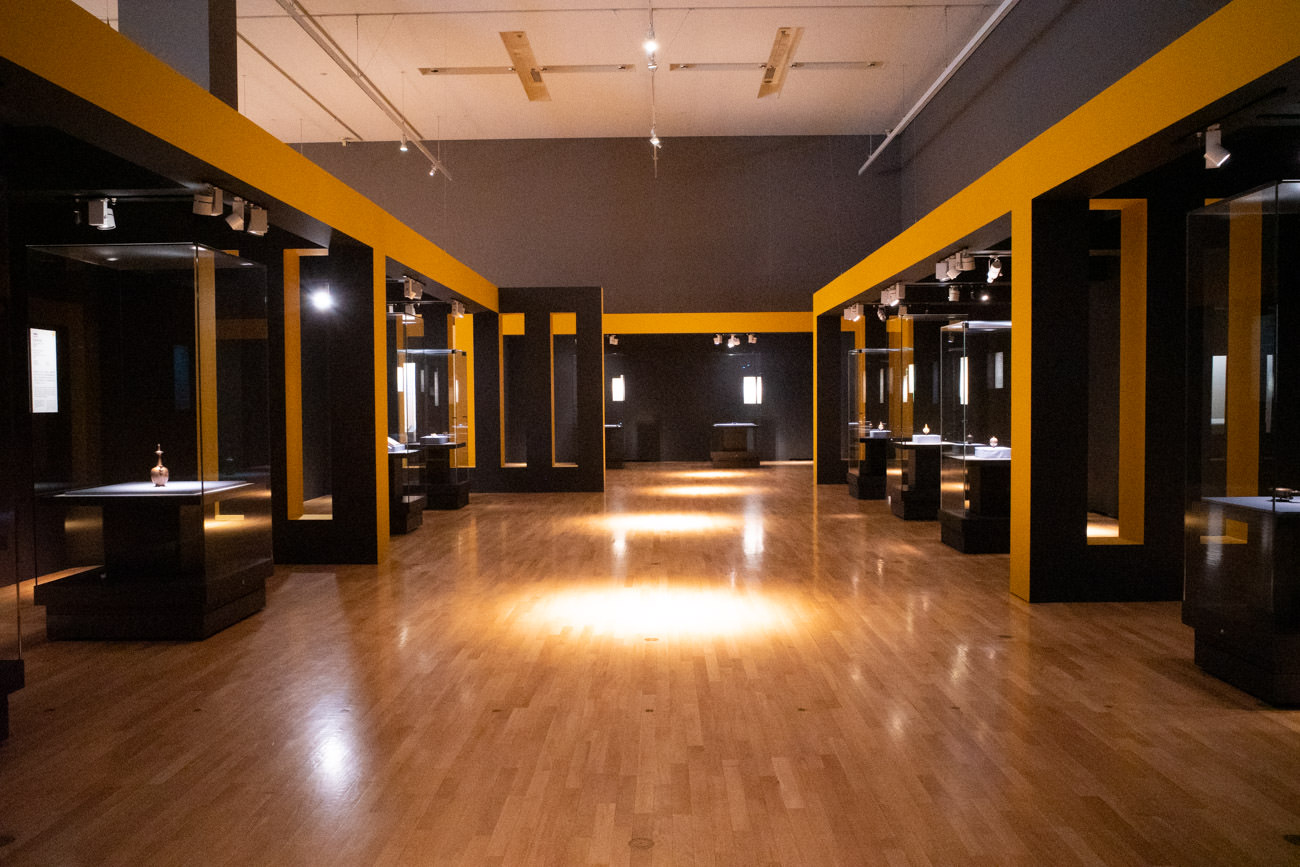
The treasures donated to Horyuji Temple, representing 7th-century Japanese art, and the Shosoin treasures, representing 8th-century Japanese art.
Although the treasures associated respectively with Prince Shotoku and Emperor Shomu span a considerable stretch of time, they include works made for the same purposes.
This chapter primarily displays the two collections side by side, examining how the forms of the works changed from the Asuka to the Nara period, and characterizing their aesthetic sensibilities.
![Foreground: the Shosoin treasure "Brass Lidded Vessel," Shosoin [first-half display]](https://art-on.jp/wp-content/uploads/2019/10/2019_shosoin24.jpg)
!["Belt Ornament with Animal Combat Motif," Tokyo National Museum [full-run display]](https://art-on.jp/wp-content/uploads/2019/10/2019_shosoin22.jpg)
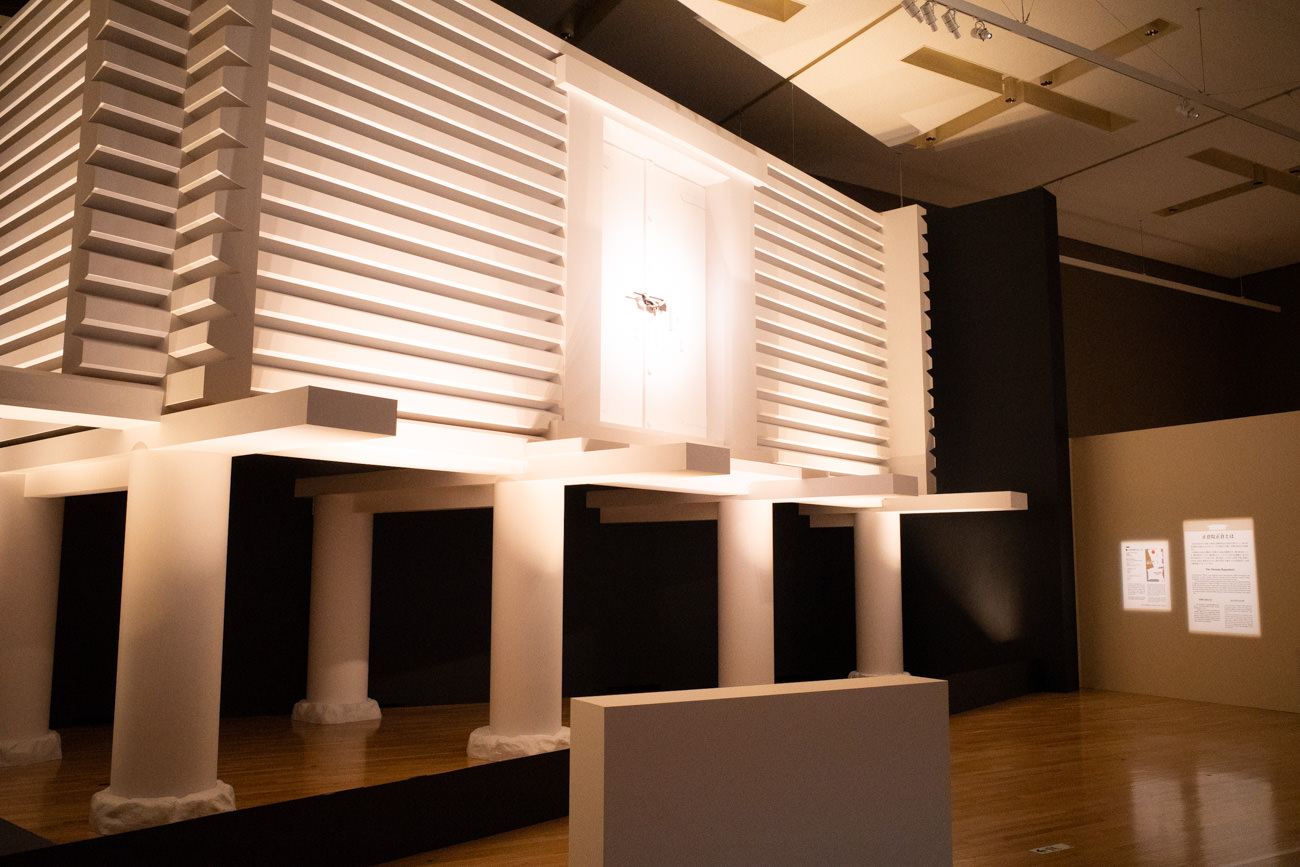
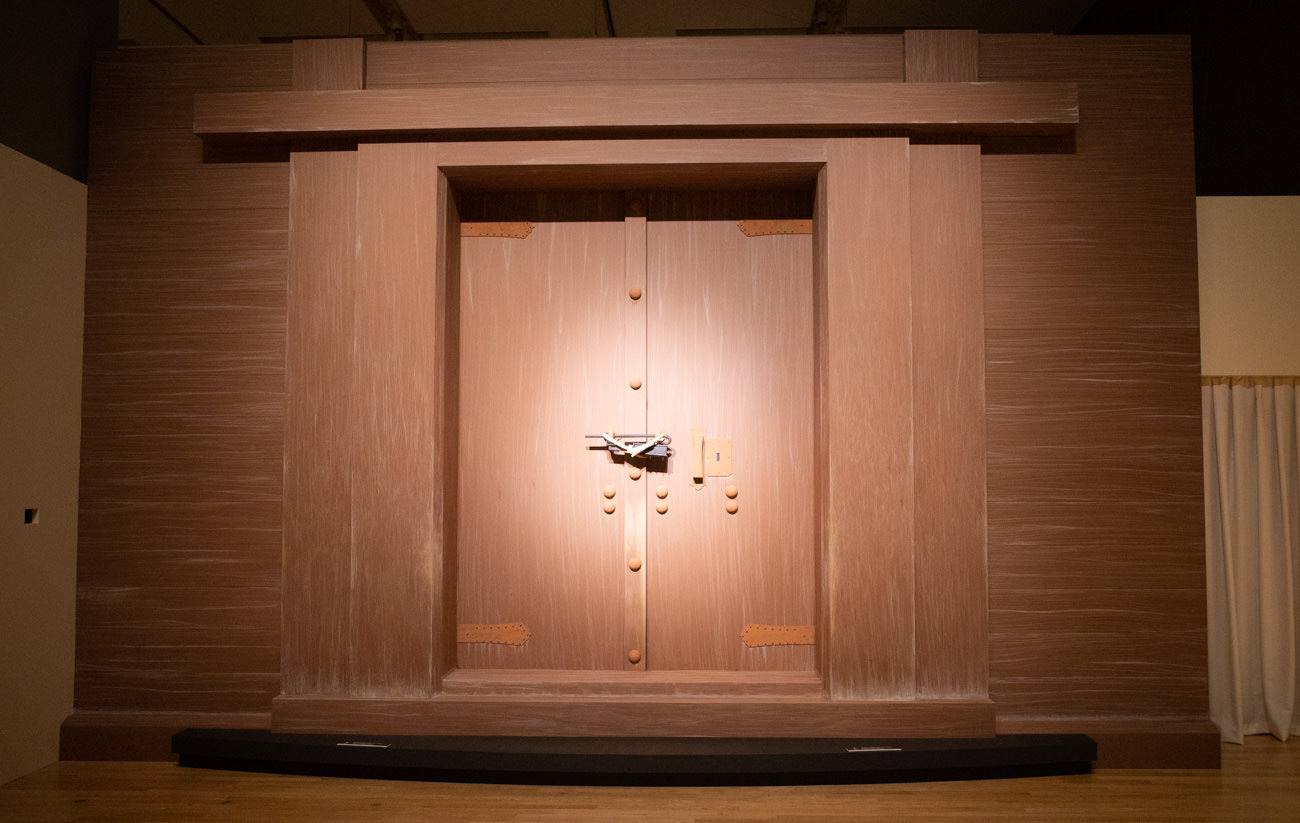
Chapter 6: “Protecting the Treasures”
For more than 1,260 years, the Shosoin has transmitted its treasures.
That works made of fragile materials such as lacquerware and textiles have been preserved to the present day is by no means a matter of chance. Protected by successive imperial households and handed down from person to person — this is what gives them irreplaceable significance in world cultural history.
This chapter focuses on the survey and conservation work on the Shosoin treasures, which began in earnest in the Meiji era, and also introduces the ties between Tokyo National Museum and the Shosoin dating back to the era of the Imperial Museum.
Near the exit, another verse by Mori Ogai closes the exhibition.