Hammershoi and Danish Painting
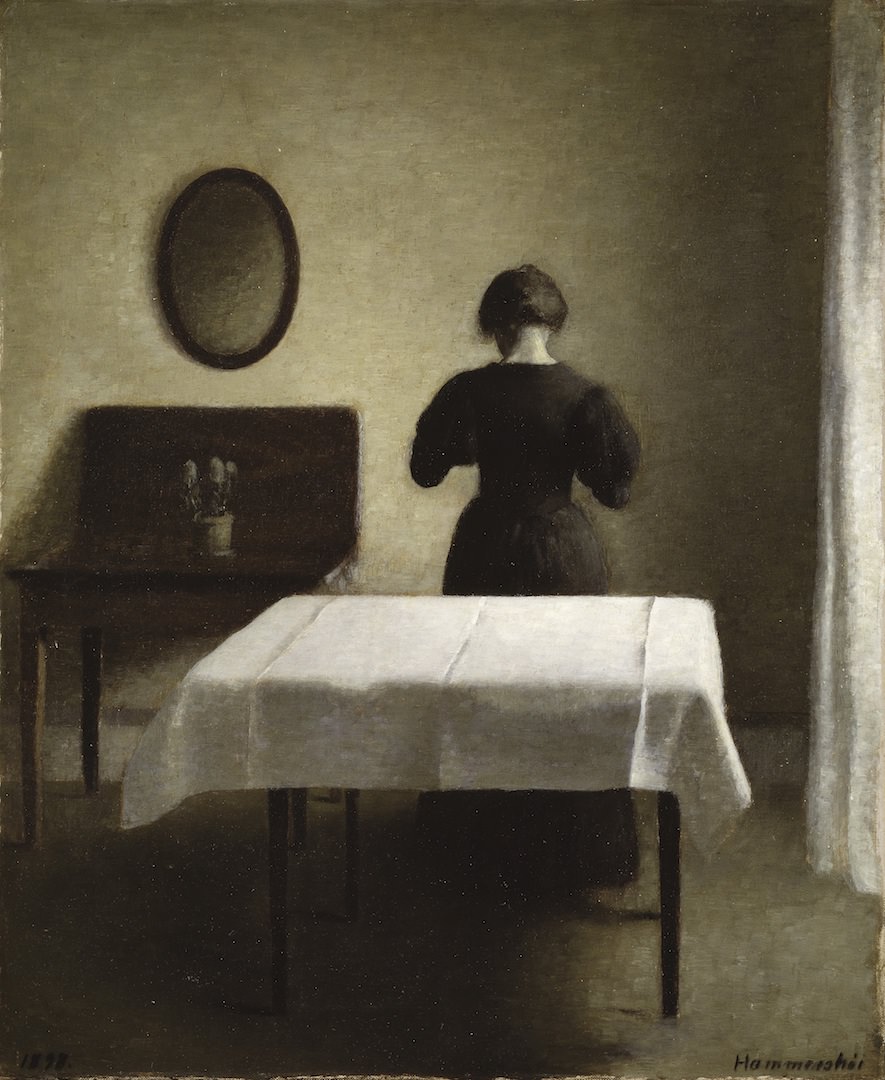
A hushed interior bathed in the soft light of northern Europe — an open door, restrained and refined furniture and fittings, a woman with her back turned.
What is depicted here is the living room or bedroom of the painter’s own home, but every trace of daily life has been carefully erased. In this serene world where sound and light are sealed in, time itself seems to have stopped. The works of the Danish painter Vilhelm Hammershoi (1864–1916) — sometimes called “the Vermeer of the North” for their echoes of 17th-century Dutch genre painting — carry an air recalling the classics of Western art, while also evoking a certain nostalgia peculiar to the modern urban dweller.
Hammershoi was active during the roughly fifteen years around 1900, when Western art was unfolding in dazzling fashion. Post-Impressionism followed Impressionism, and new artistic movements — Symbolism, Cubism, Expressionism — emerged one after another. Removed from the “clamor” of that mainstream, Hammershoi pursued a painting of his own, quietly and continually depicting old apartments, old streets, old furniture — places and motifs where time had settled in layers. Amid the glittering fin-de-siècle art, Hammershoi’s reticent works stand out with a singular presence. After his death, he was for a time regarded as an out-of-date painter and forgotten. His beautifully harmonious color, delicate depiction of light, and minimal compositions reveal the artist’s modest disposition and a refined, modern sensibility.
Major museums in Europe and America have been adding his works to their collections one after another, and Hammershoi’s international reputation has continued to rise in recent years. In Japan, his first exhibition was held in 2008, and although he was almost entirely unknown here at the time, he captivated many art fans.
More than a decade after that quiet shock, Hammershoi’s gem-like works return to Japan, this time alongside the first full-scale introduction of 19th-century Danish masterpieces to be shown here.
Exhibition Highlights
The exhibition has three main highlights.
1) Approximately 40 Hammershoi works assembled
More than a decade on from the 2008 exhibition, long-awaited Hammershoi works are once again gathered in Japan.
Including pieces shown in Japan for the first time, the exhibition introduces the appeal of the artist known as “the Vermeer of the North.”
By situating his works within the flow of 19th-century Danish art, the exhibition sheds new light on Hammershoi’s singular talent.
2) Japan’s first full-scale exhibition of Danish painting
From the simple, pure paintings of the “Golden Age of Danish Painting,” which flourished in Copenhagen — the center of Nordic art — in the first half of the 19th century, to the beautiful works of the Skagen Painters incorporating Impressionist depictions of light, and the interior scenes that characterize the painters active in the capital at the end of the century, this exhibition offers Japan’s first full-scale introduction to the enchanting world of Danish painting.
3) Encounter with the Danish culture of “hygge”
The images of northern Europe’s beautiful nature and the people who live there, of families relaxing in their private spaces — the “small happinesses hidden in everyday moments” that these late-19th-century Danish painters depicted — pulse with the value that the Danes hold dear: “hygge” (a relaxed, cozy atmosphere).
Enjoy the gem-like paintings born of the country of happiness.
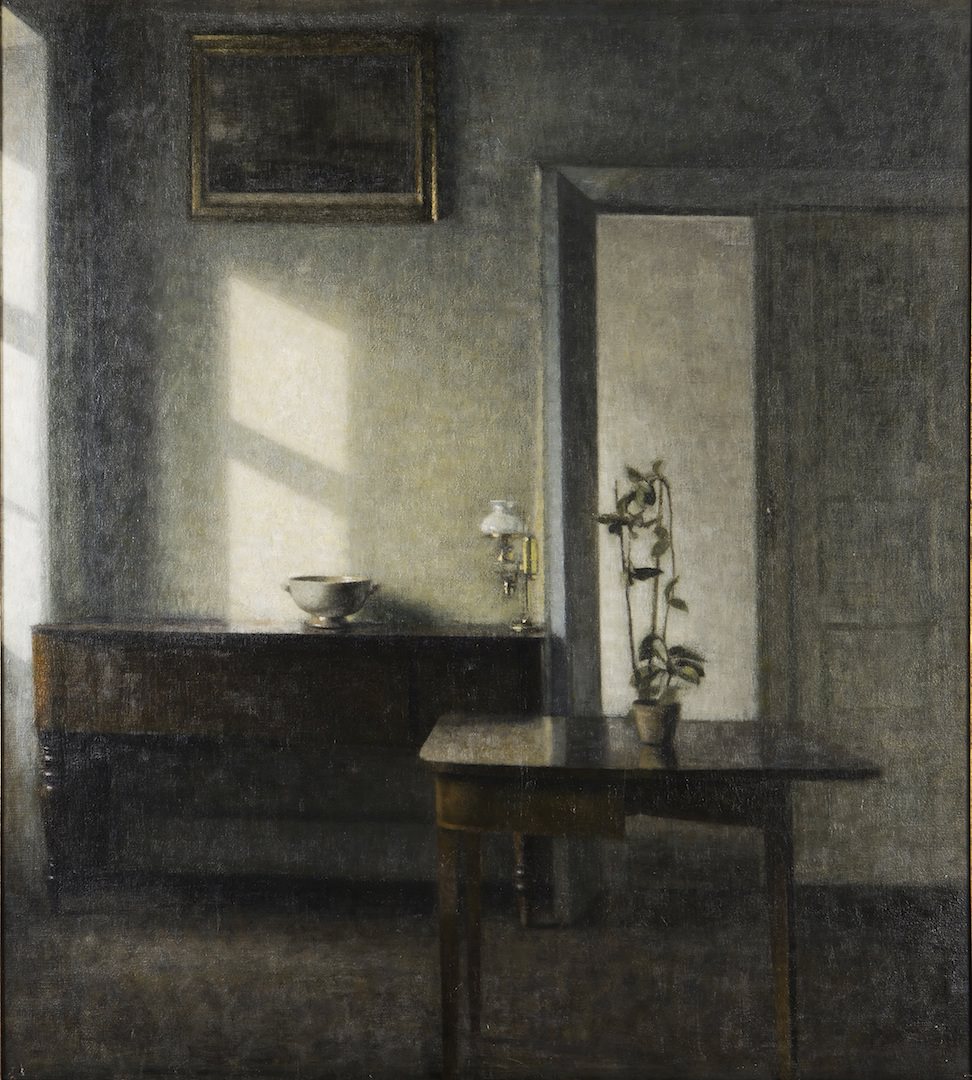
1910–11, Malmö Art Museum, Sweden Malmö Art Museum, Sweden
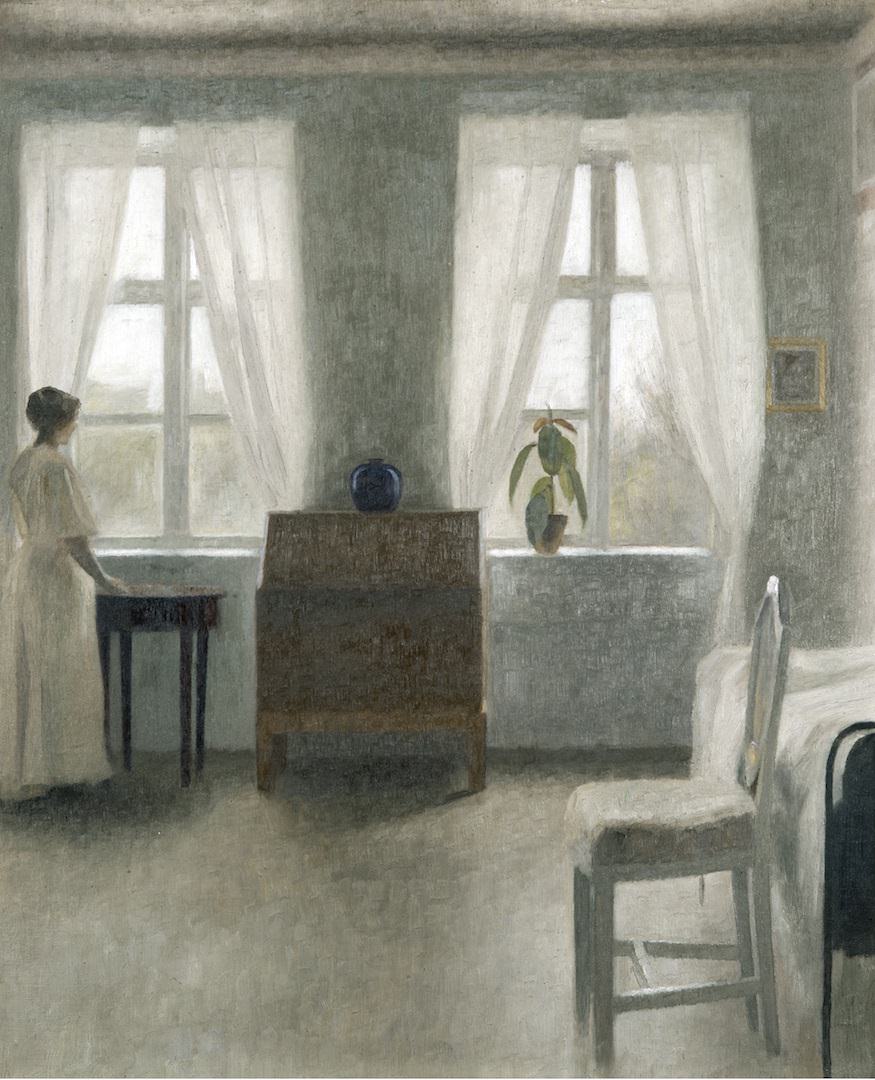
Gothenburg Museum of Art, Sweden Photo: Hossein Sehatlou
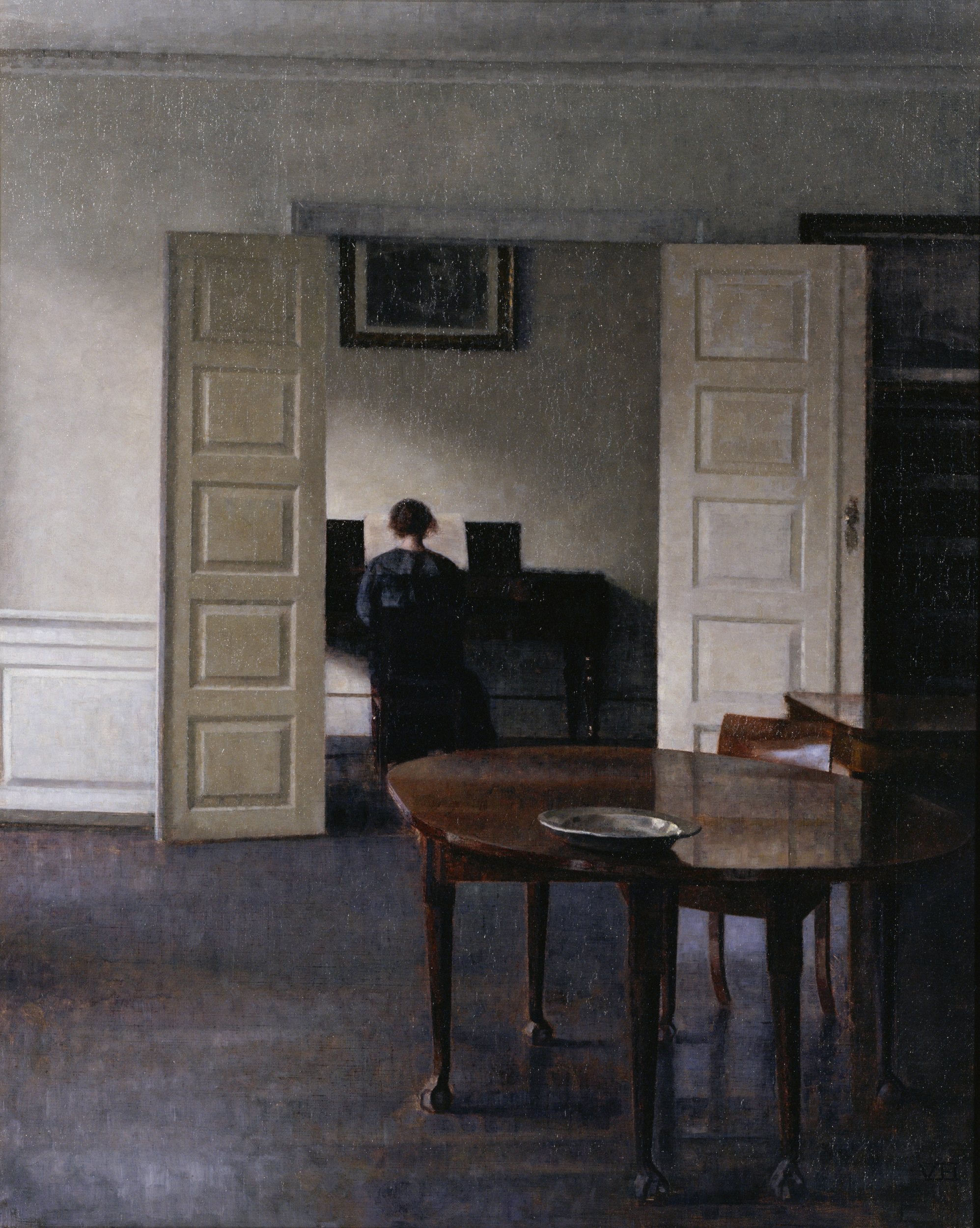
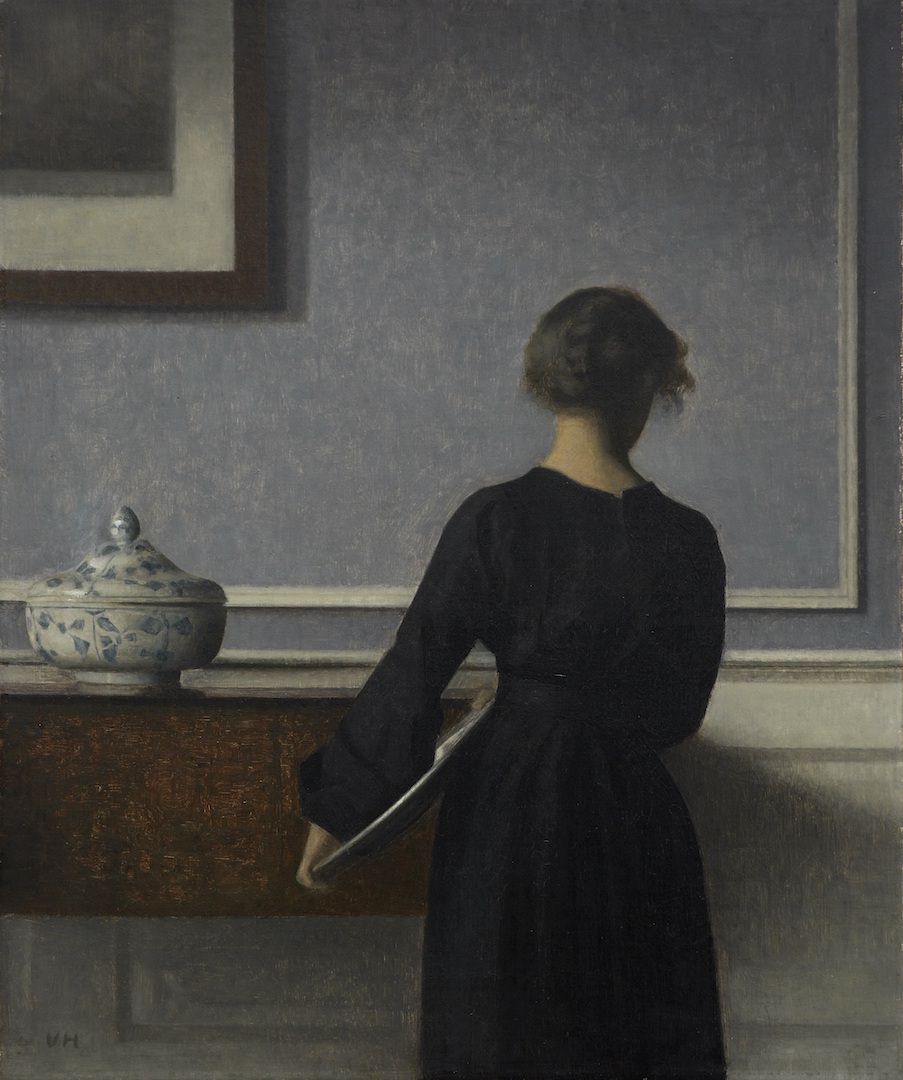
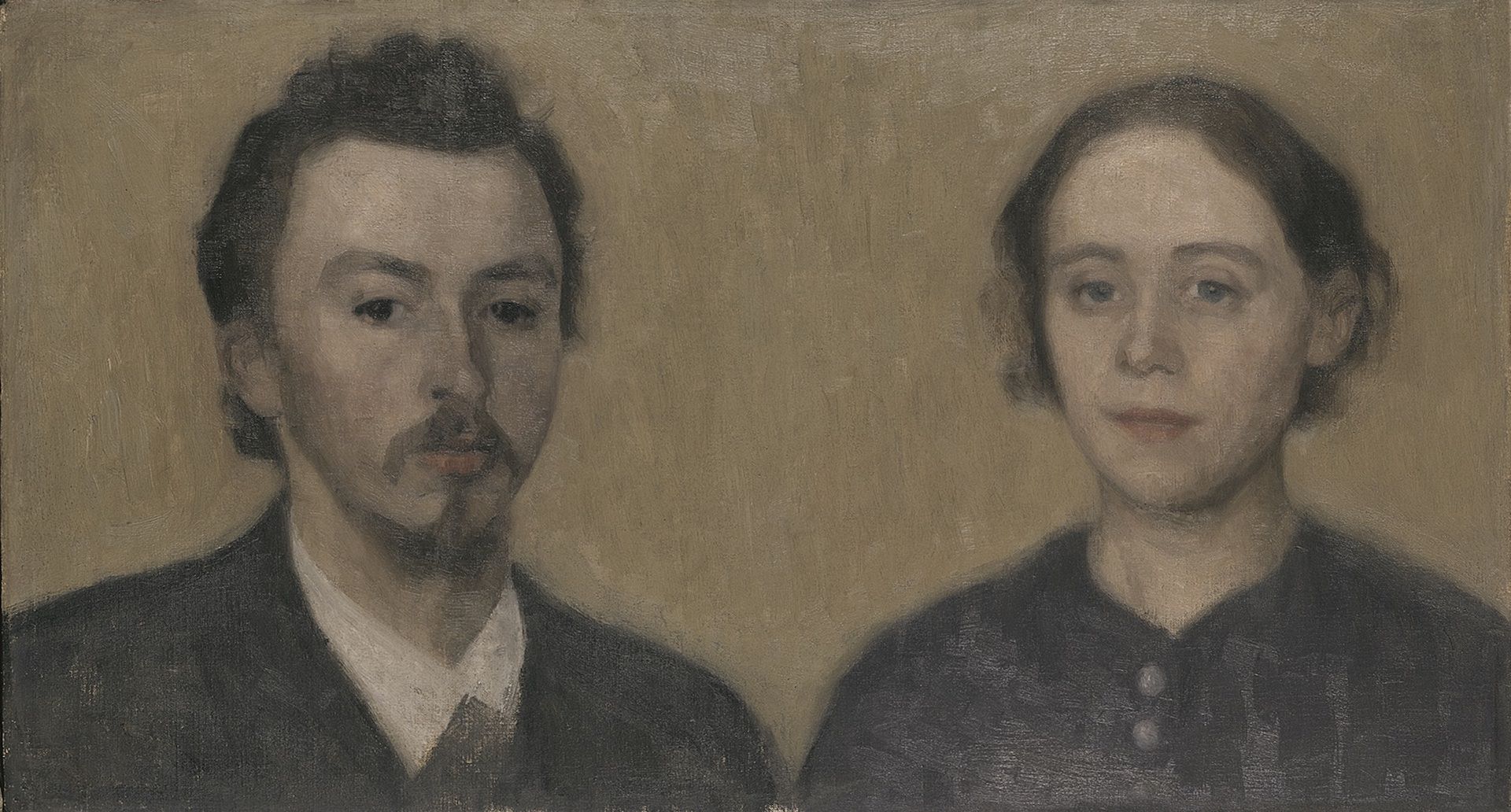
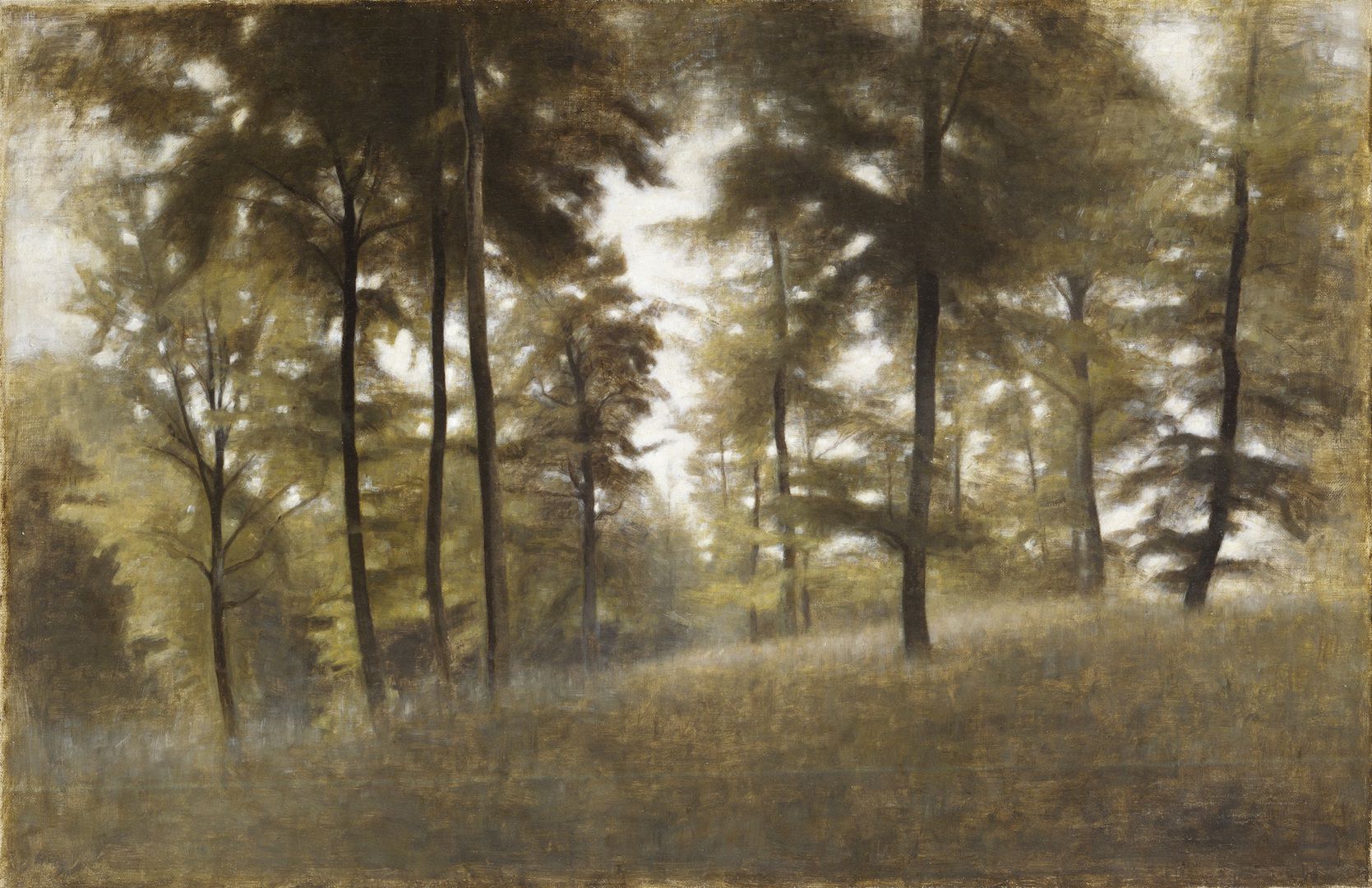
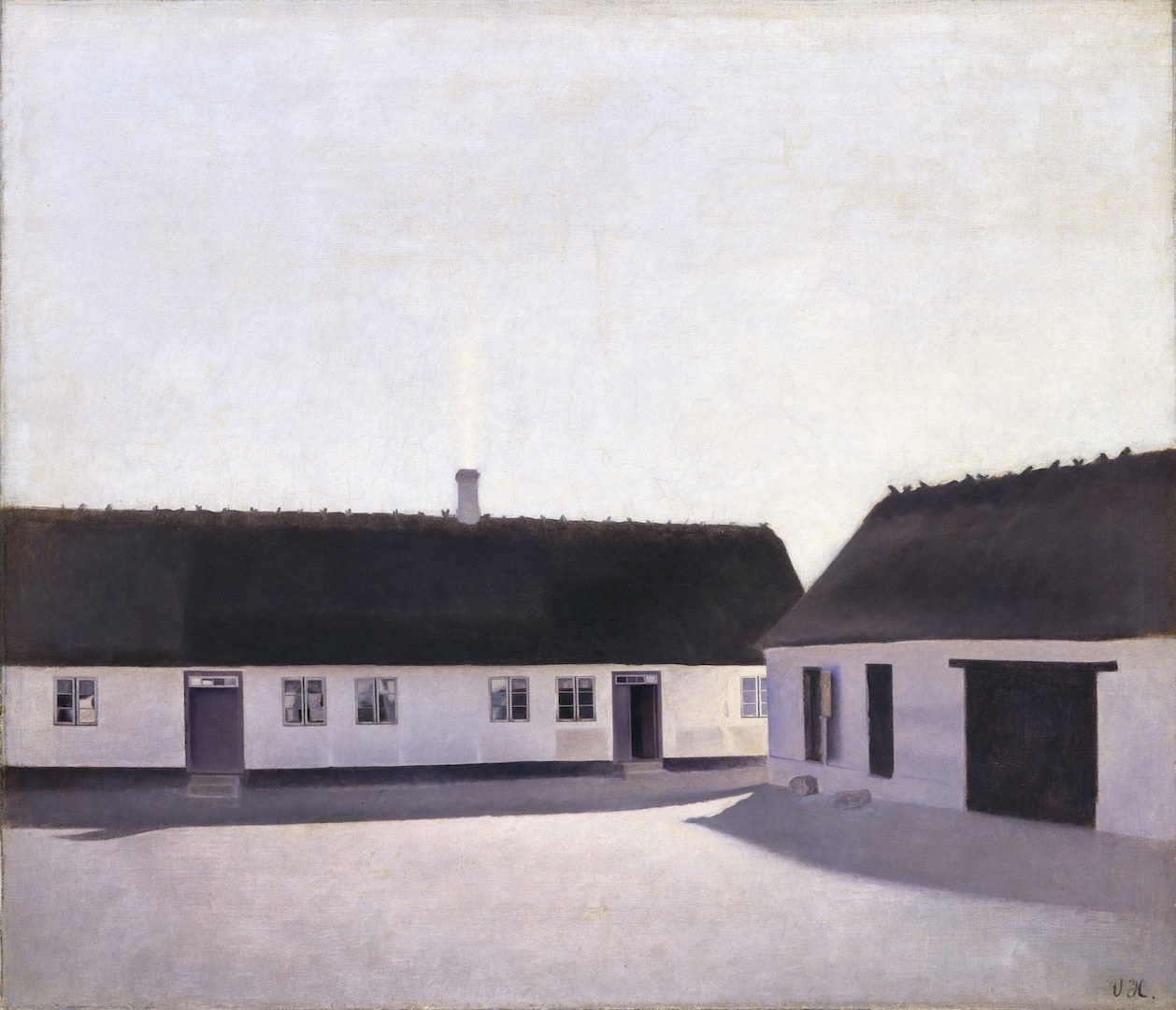
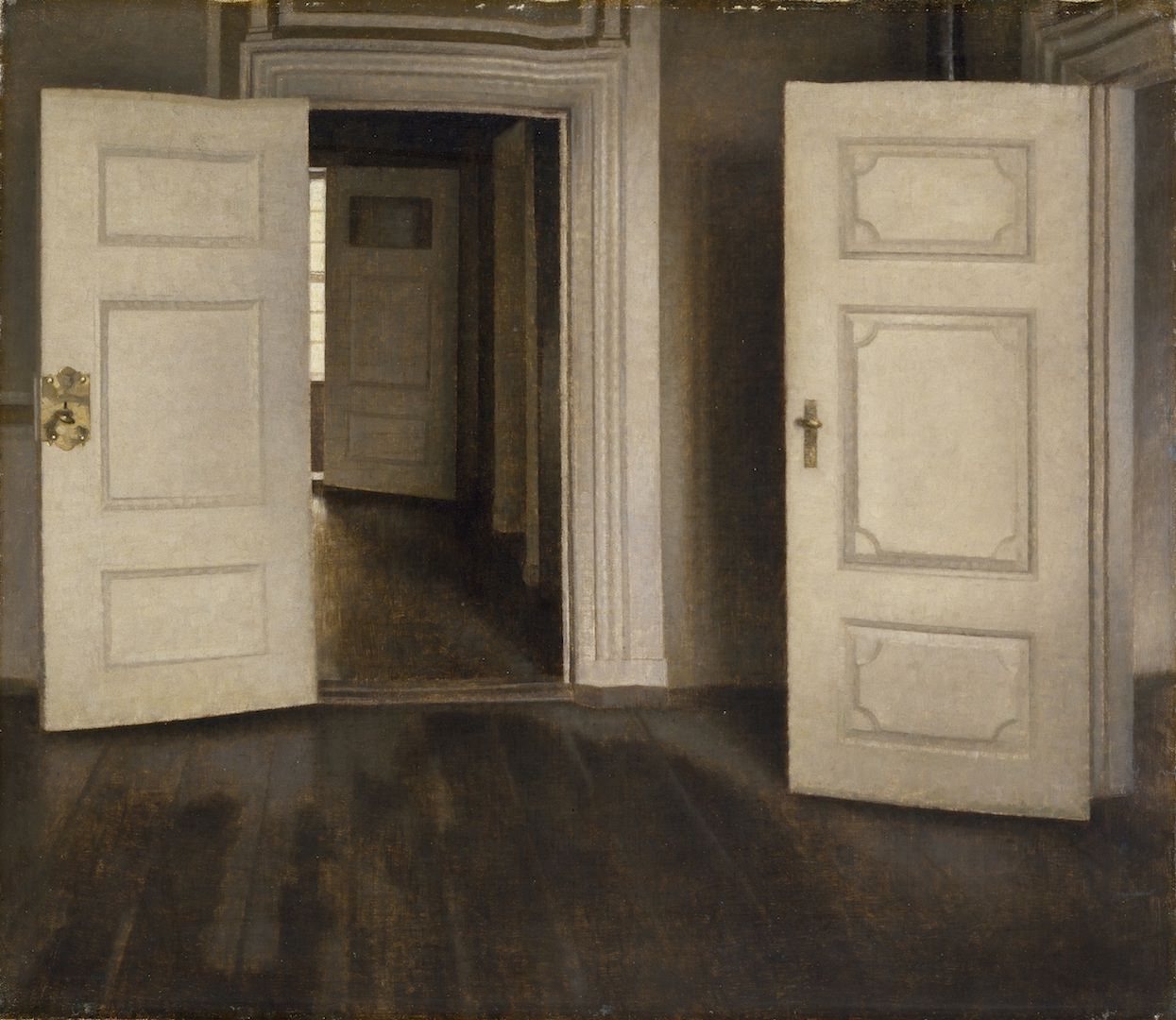
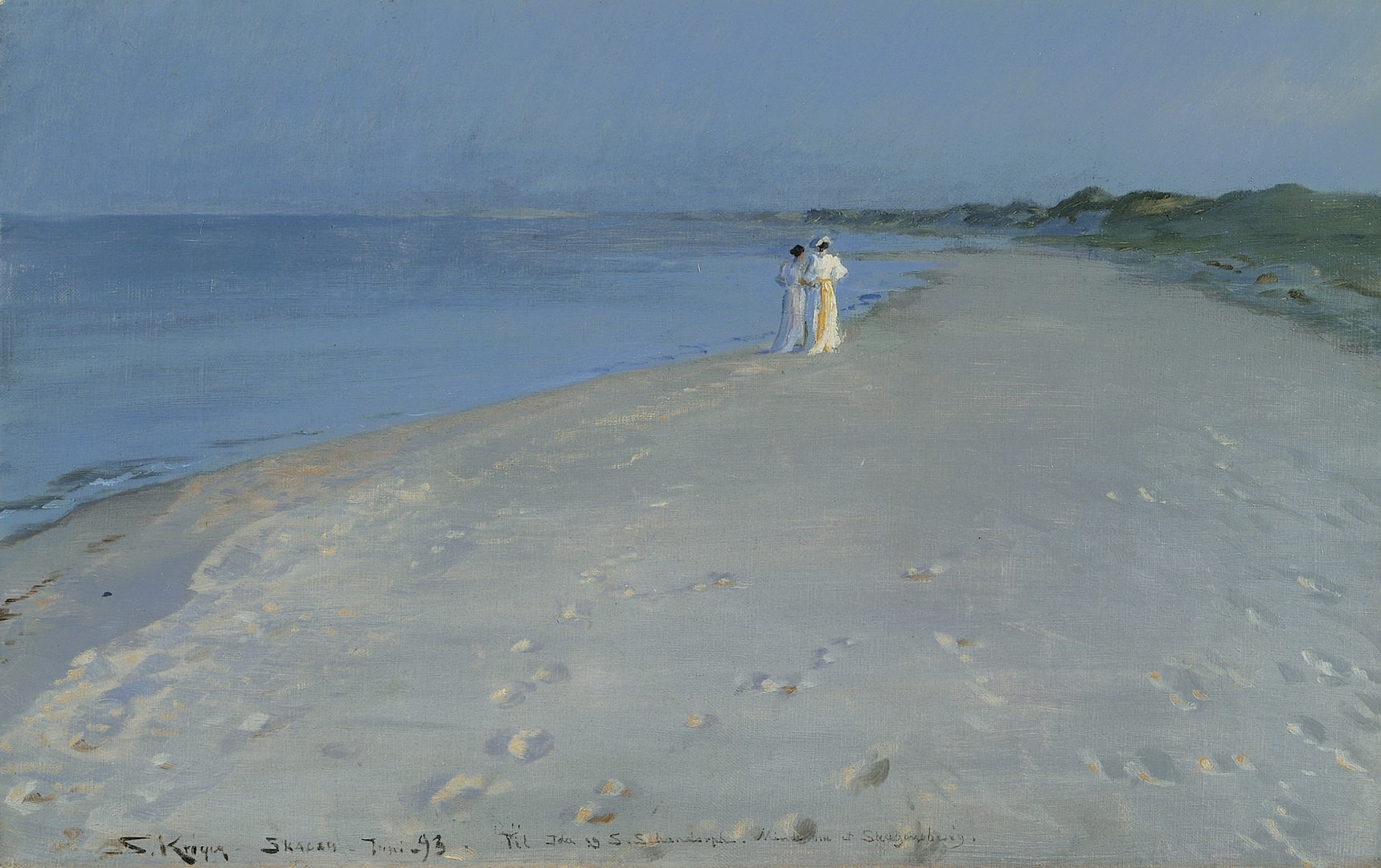
The Hirschsprung Collection ©The Hirschsprung Collection
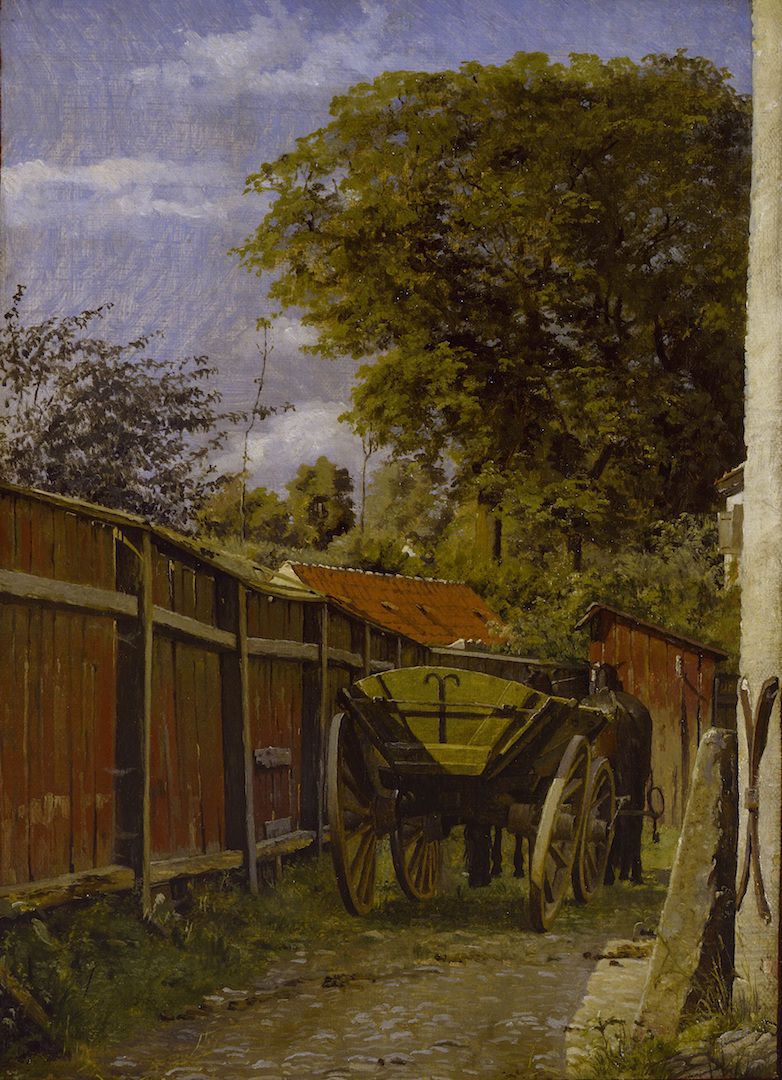
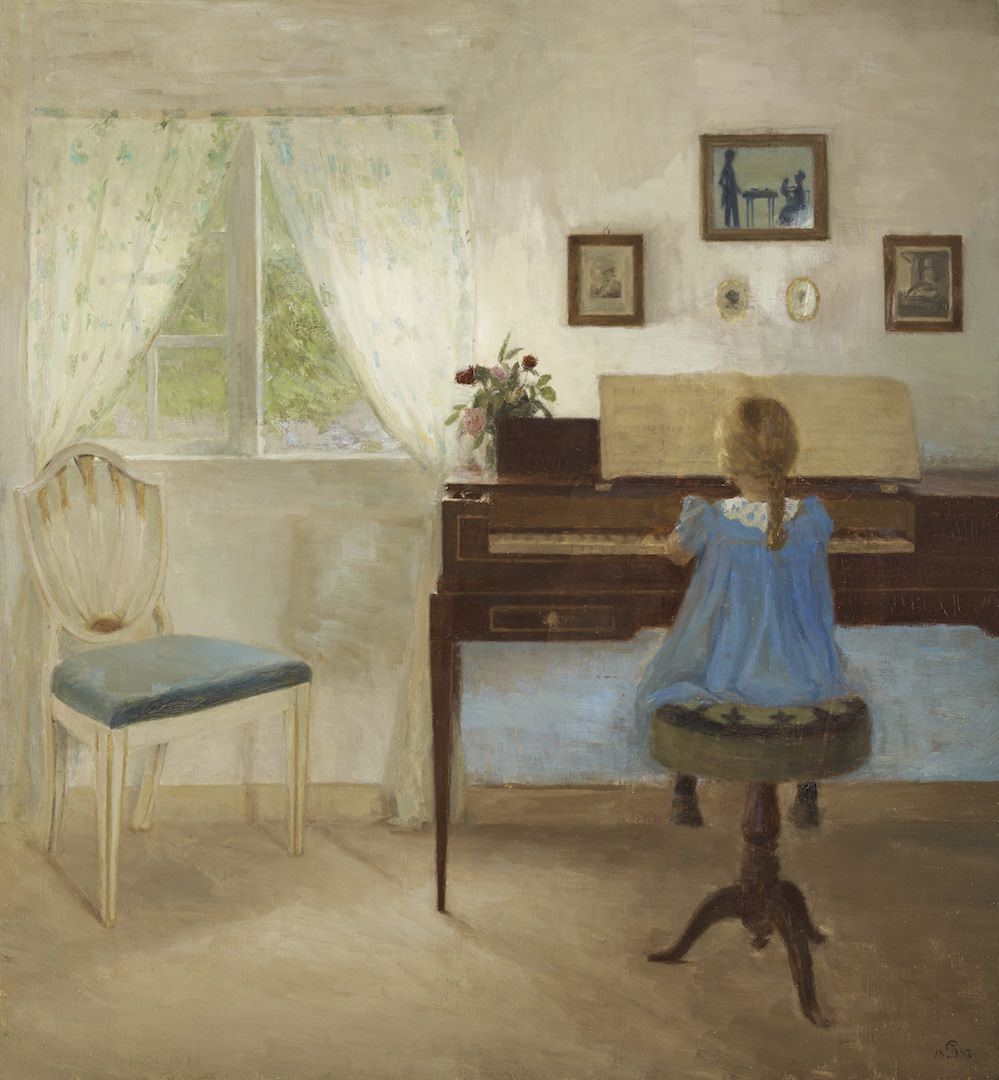
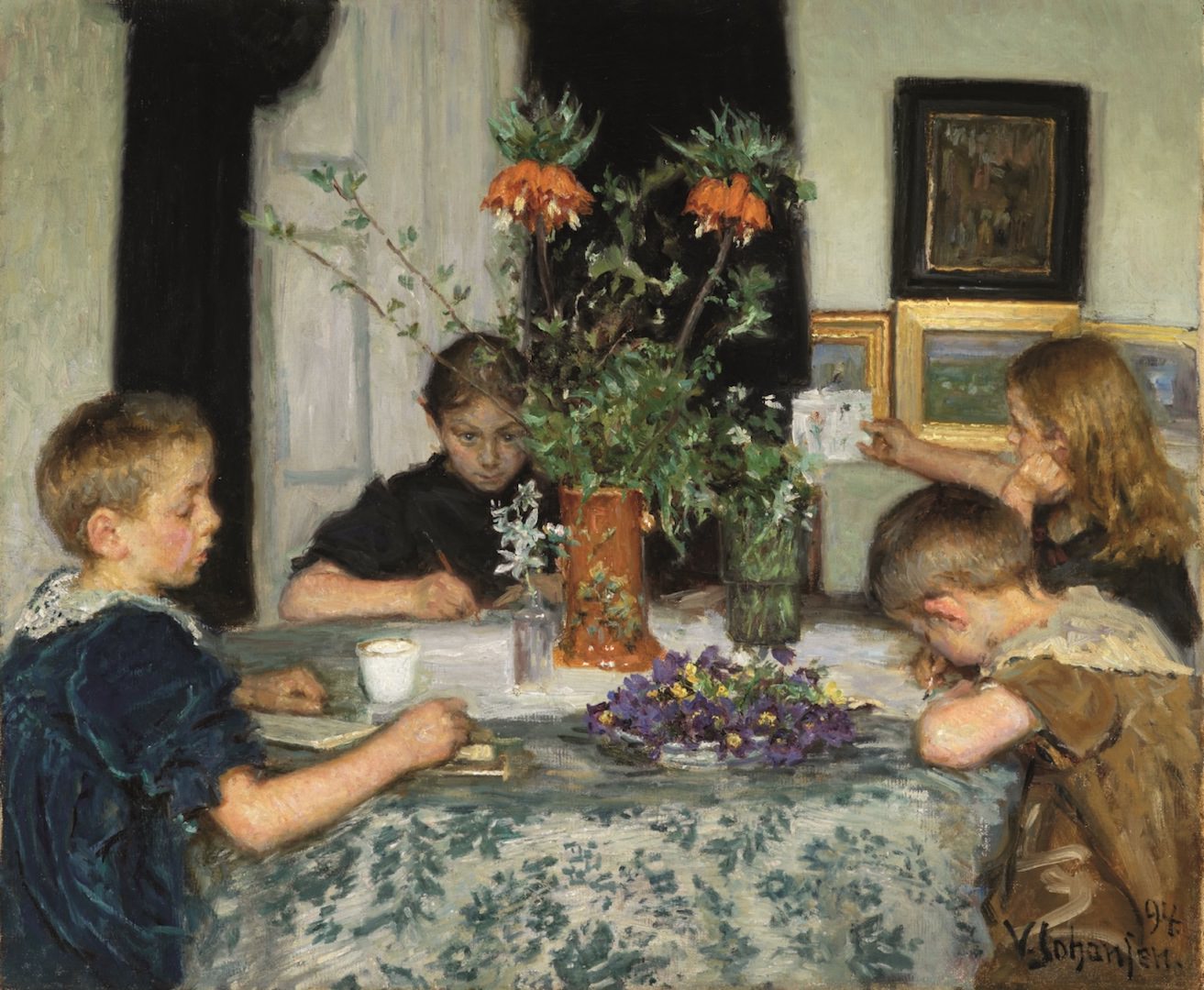
Art Museums of Skagen
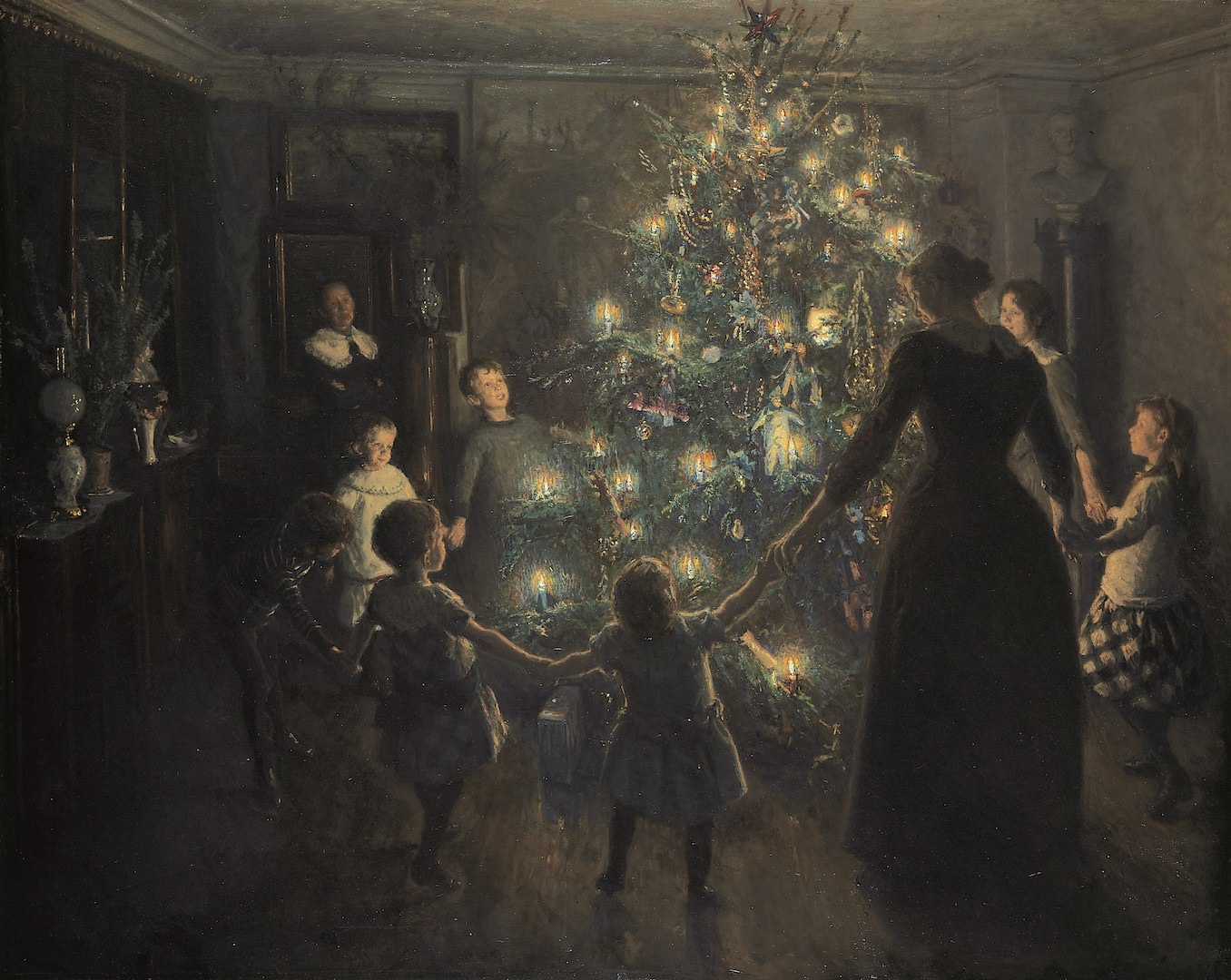
Just looking at the photographic images sends a shiver down your spine.
A long-awaited exhibition fitting for the opening of 2020. We look forward to it with high hopes!
Overview
Hammershoi and Danish Painting
Venue: Tokyo Metropolitan Art Museum
Dates: Tuesday, January 21, 2020 – Thursday, March 26, 2020
Closed: Mondays and Tuesday, February 25 ※However, open on Monday (substitute holiday), February 24 and Monday, March 23
Hours: 9:30 – 17:30 (last admission 30 minutes before closing)
Evening hours: Fridays, plus Wednesday, February 19 and Wednesday, March 18: 9:30 – 20:00 (last admission 30 minutes before closing)
Admission
Advance tickets | Adults 1,400 yen / university and vocational-school students 1,100 yen / high school students 600 yen / seniors 65+ 800 yen
Same-day tickets | Adults 1,600 yen / university and vocational-school students 1,300 yen / high school students 800 yen / seniors 65+ 1,000 yen
Group tickets | Adults 1,400 yen / university and vocational-school students 1,100 yen / high school students 600 yen / seniors 65+ 800 yen
※Group discount applies to parties of 20 or more
※Free for junior high school students and younger
※Free for holders of a Physical Disability Certificate, Ai no Techo, Ryoiku Techo, Mental Disability Certificate, or A-bomb Survivor’s Health Certificate, and one accompanying person
※Please bring proof of eligibility in all cases
Organized by: Tokyo Metropolitan Foundation for History and Culture, Tokyo Metropolitan Art Museum, The Yomiuri Shimbun
Sponsored by: Dai Nippon Printing
Supported by: Royal Danish Embassy
Special website: https://artexhibition.jp/denmark2020/
Inquiries: 03-5777-8600 (Hello Dial)