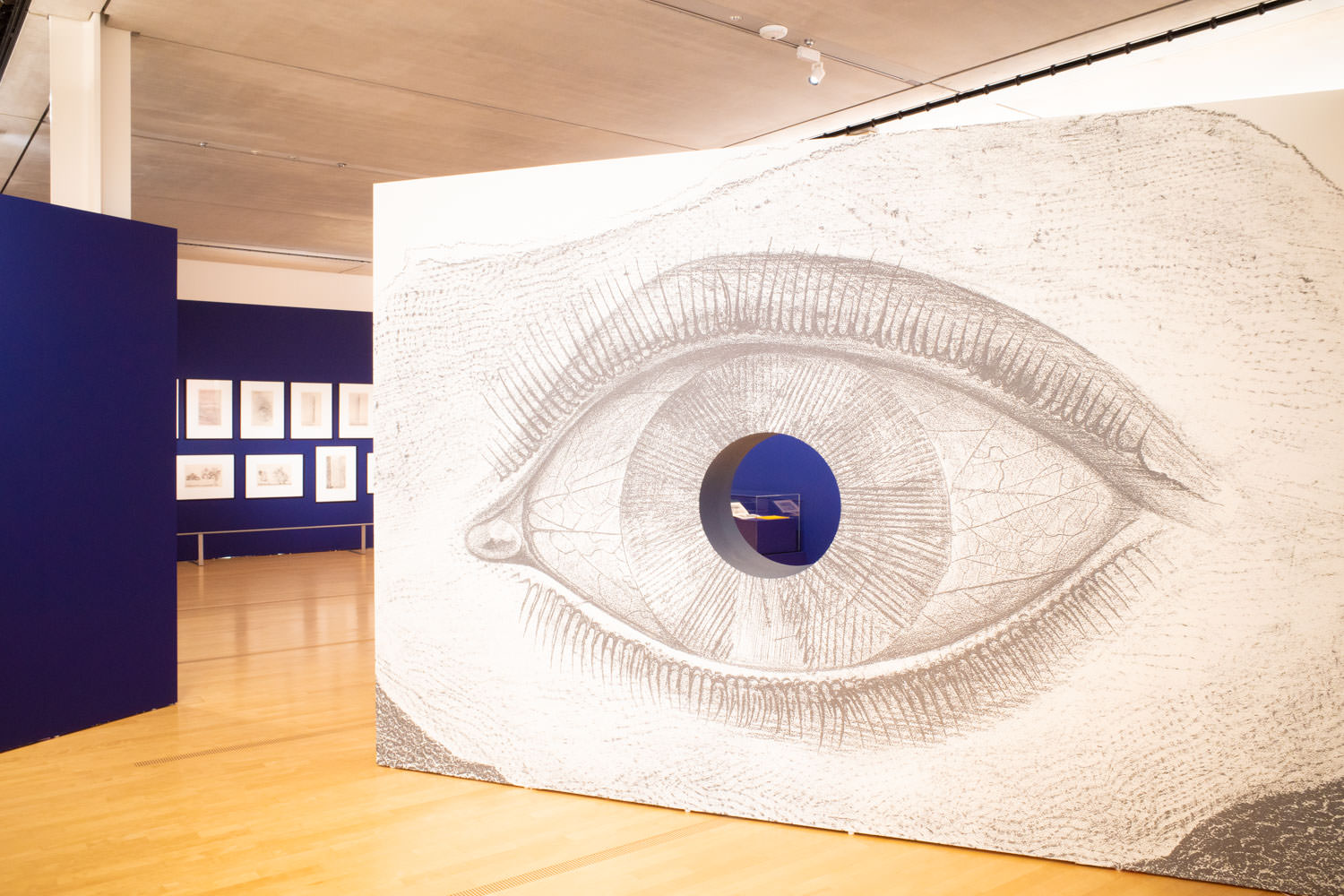
Surrealist Painting
We visited “Surrealist Painting — Dalí, Ernst and Japan’s ‘Surréal’,” held at the Pola Museum of Art.
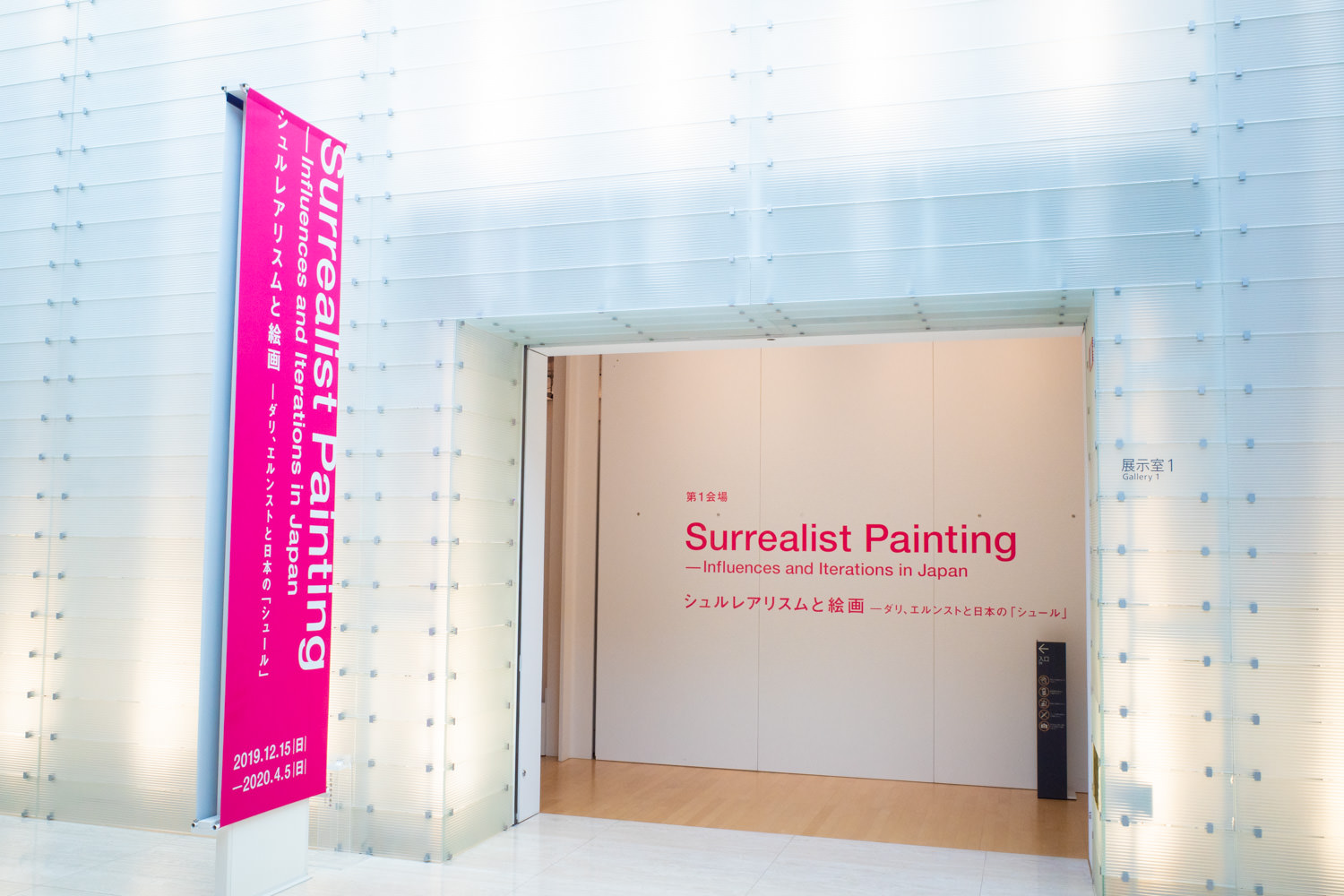
Surrealism — one of the art movements that most profoundly shaped 20th-century art — was driven forward by the French poet André Breton.
Focusing on Surrealism, this exhibition zooms in on painting, as its title suggests, tracing the movement from its origins to the emergence of Japan’s own uniquely developed “surréal” expression, and includes works by contemporary artists.
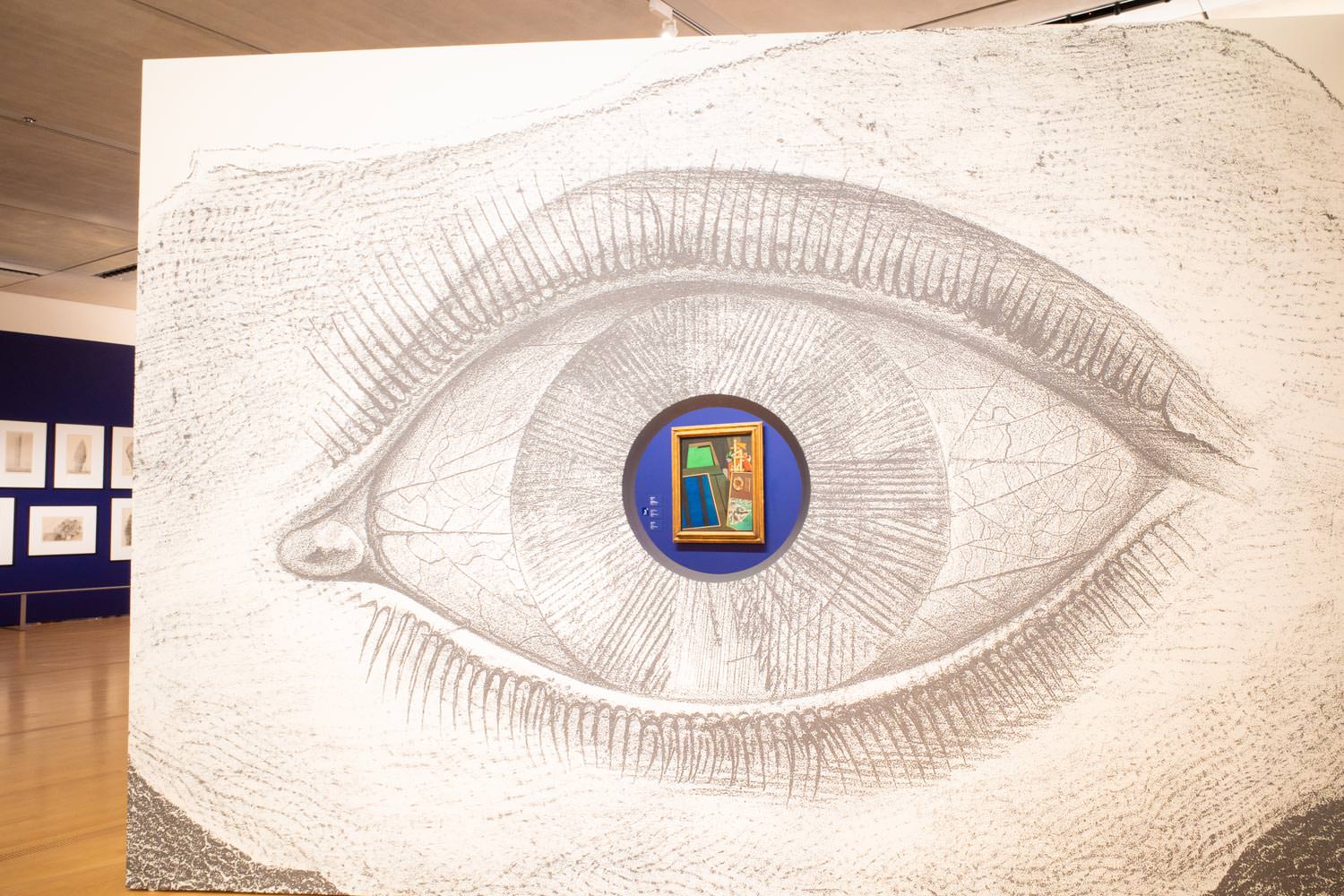
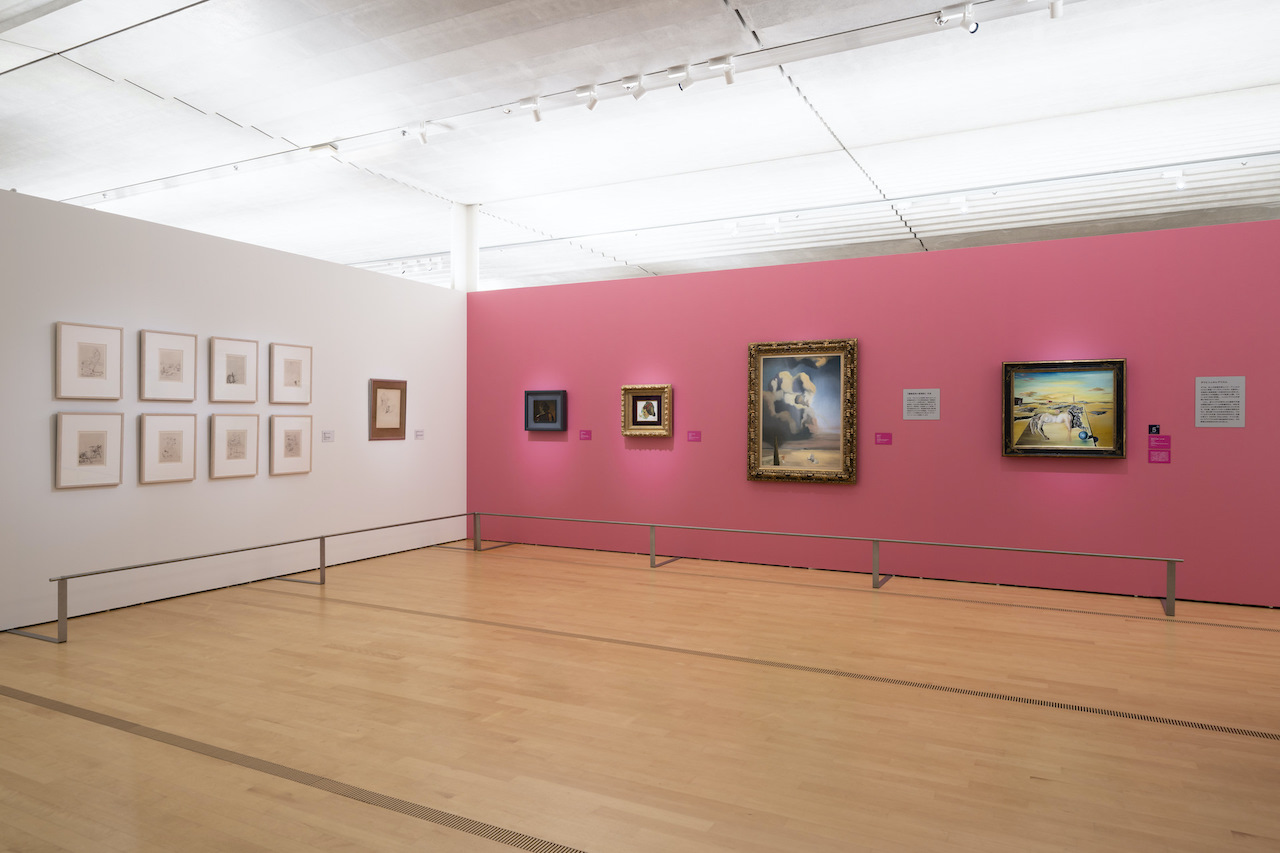
The exhibition included a large number of works by Max Ernst, around ten by Salvador Dalí, and pieces by other major artists such as René Magritte, Joan Miró, and Pablo Picasso (image reproduction was not permitted, so we were unable to introduce them within this article).
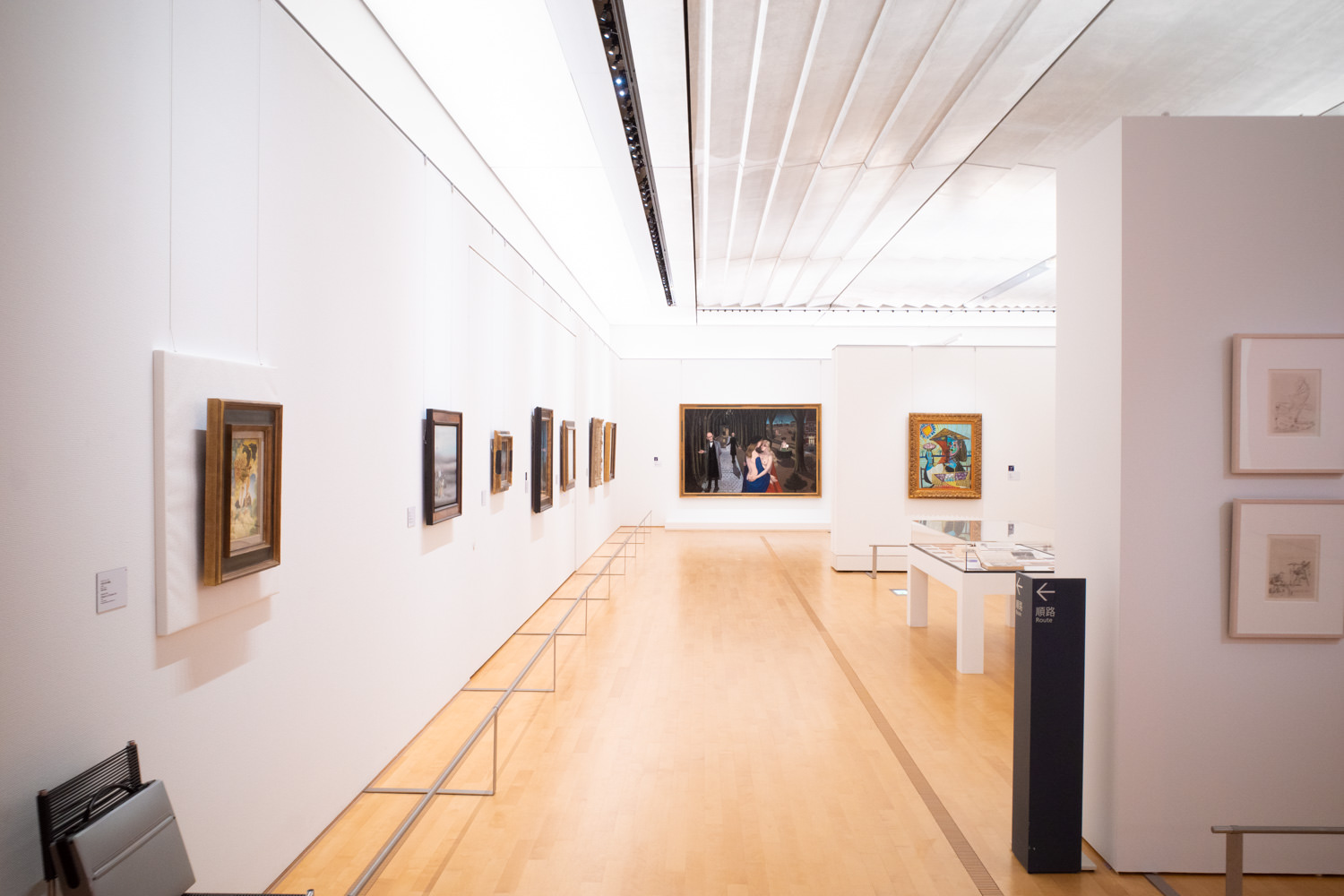
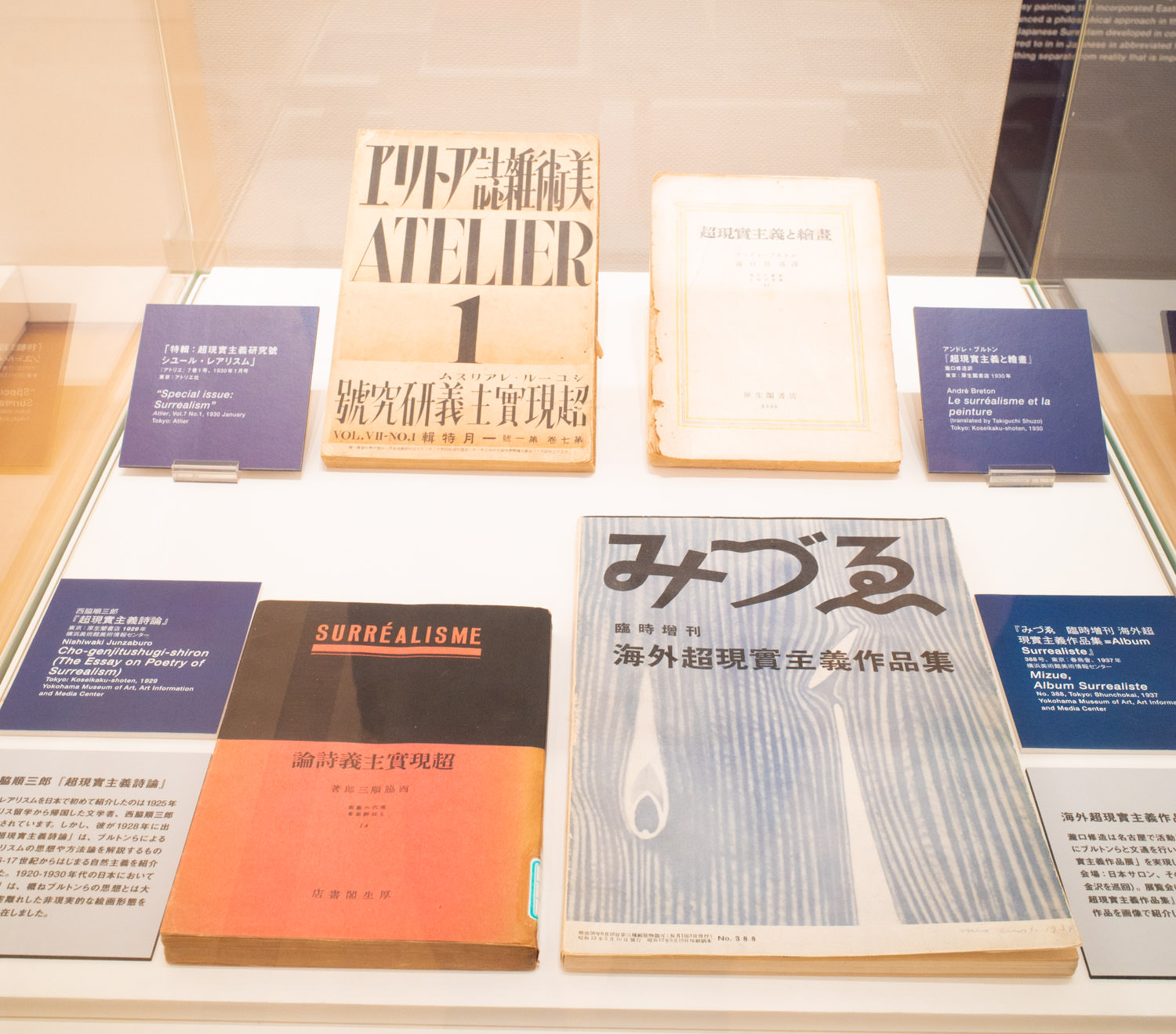
Surrealism was a movement that rejected the modern belief in reason and pursued a stronger, more insistent form of reality. In Japan, however, the emphasis fell on the “super” of “super-realism” (choougenjitsu shugi), and the term spread with a slightly different nuance: a dreamlike world beyond reality, something detached from the everyday.
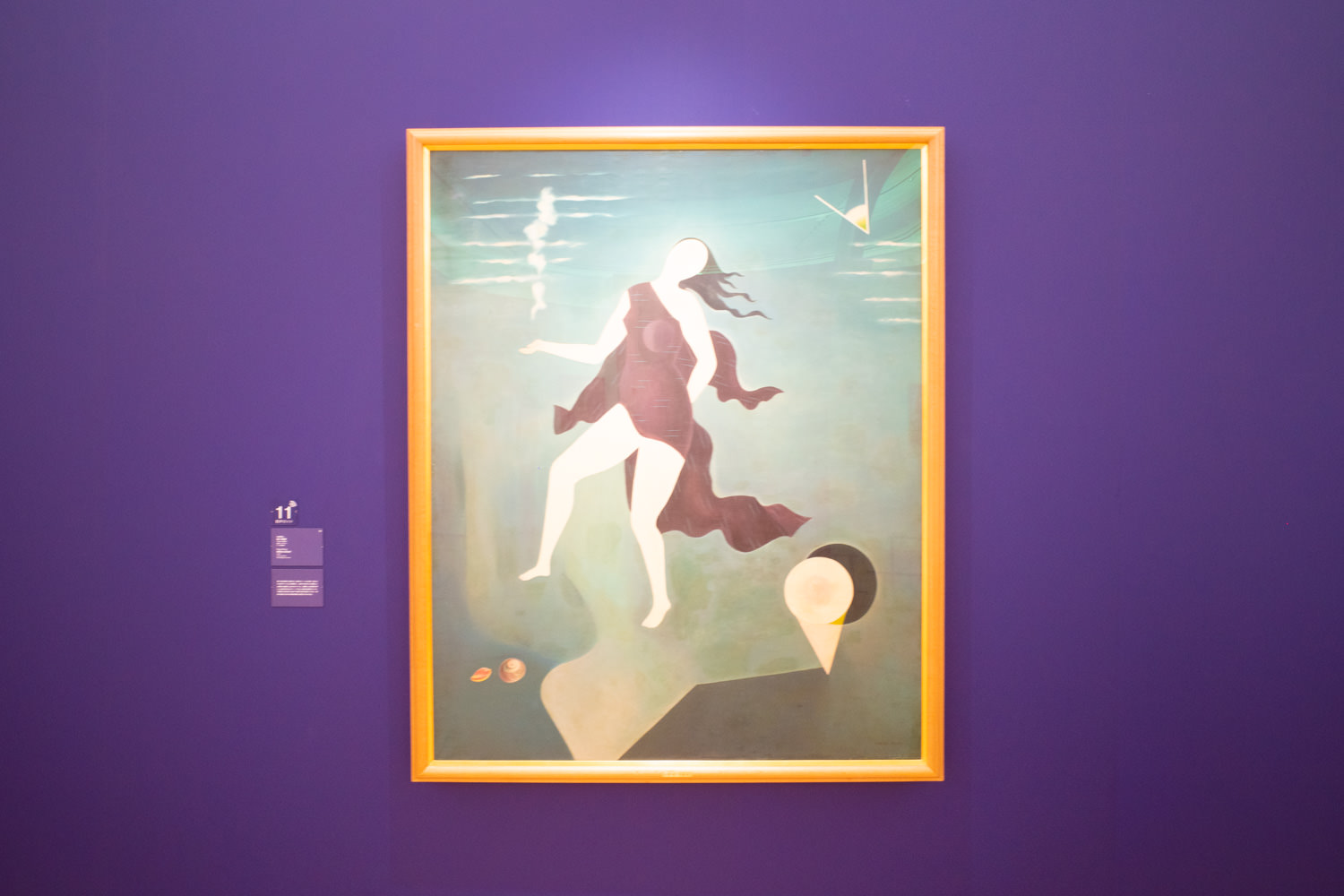
A number of works by Japanese artists were also on view.
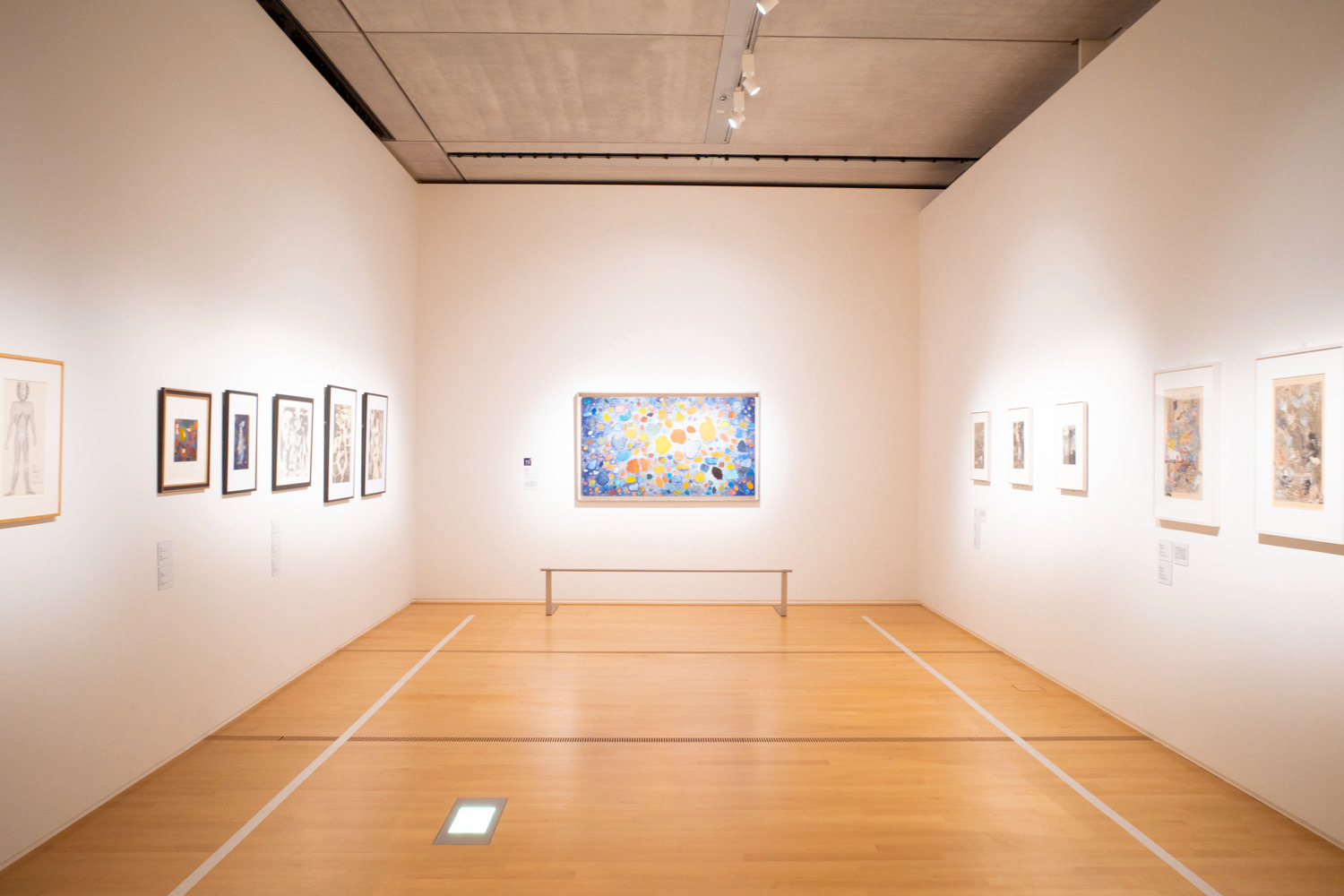
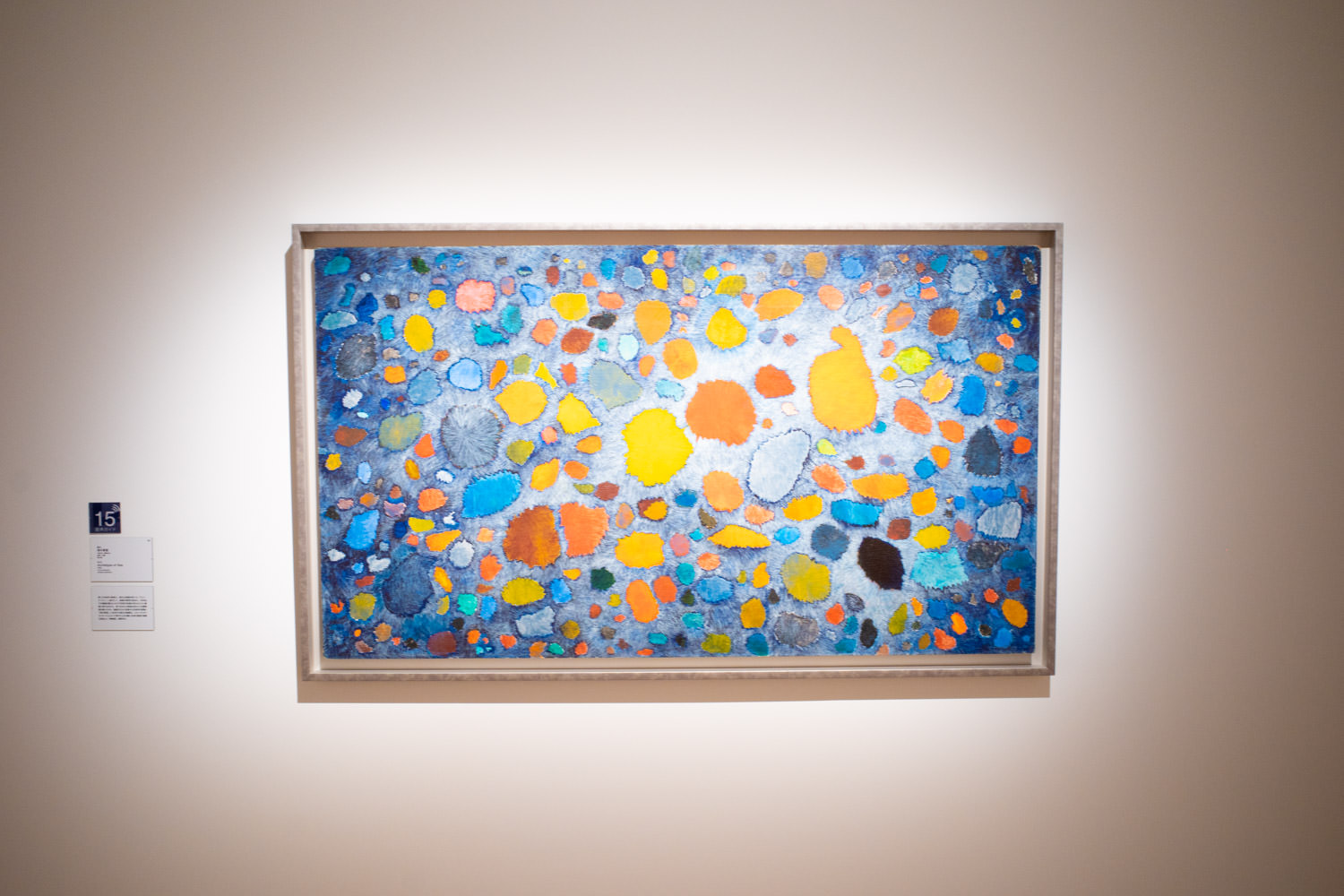
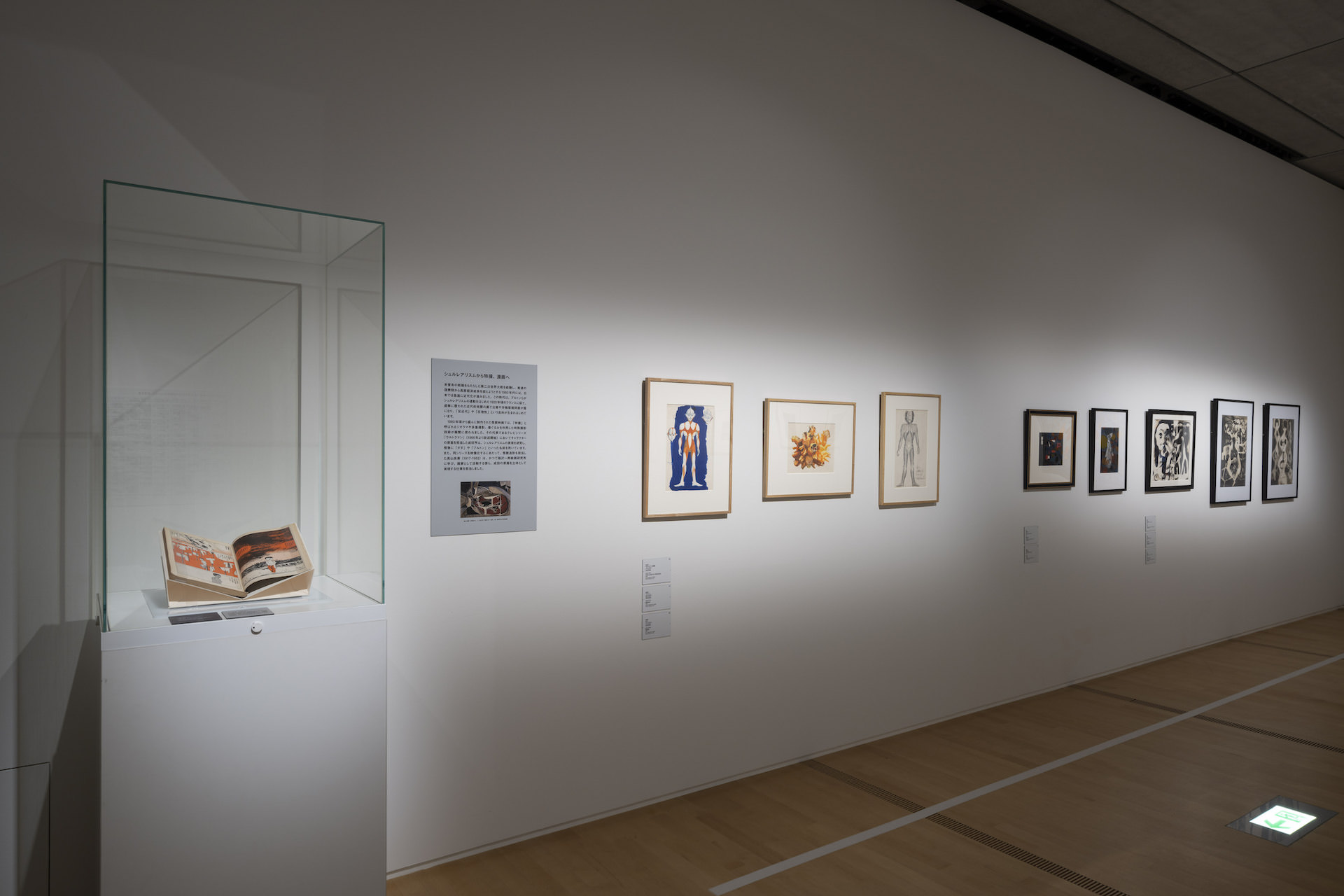
Special exhibit
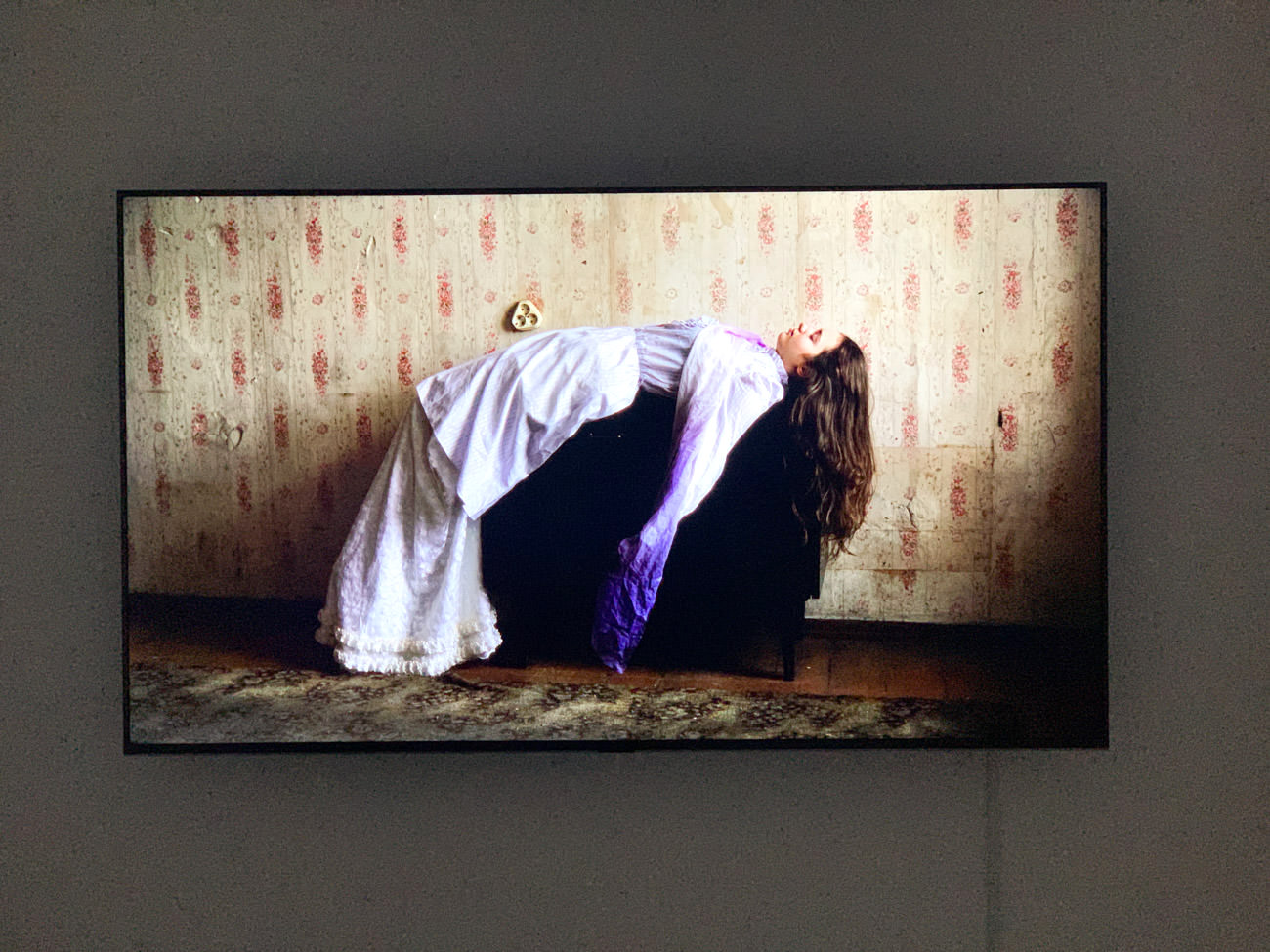
As a contemporary Japanese artist referencing Surrealism, Tabaimo was invited for a special exhibition.
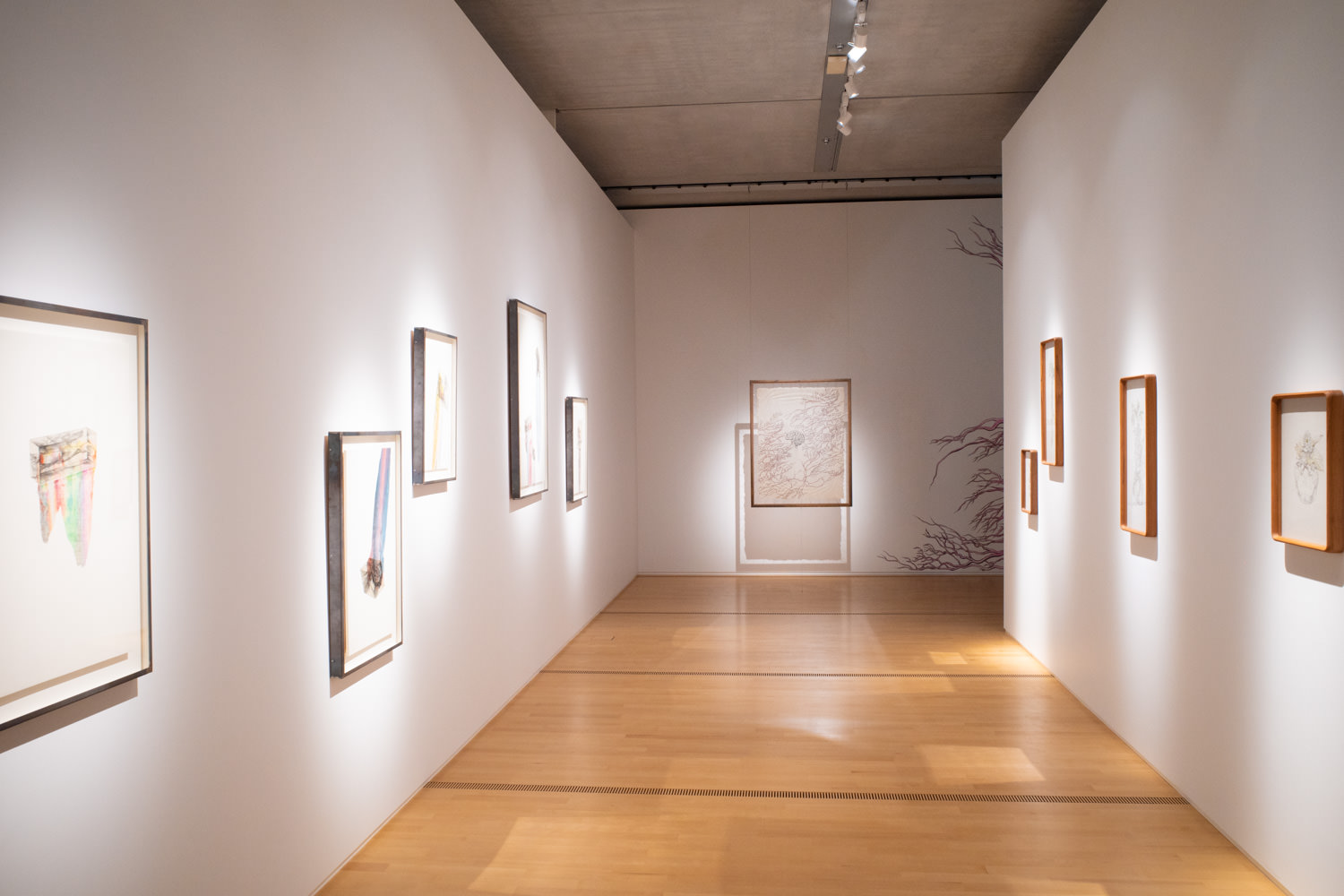
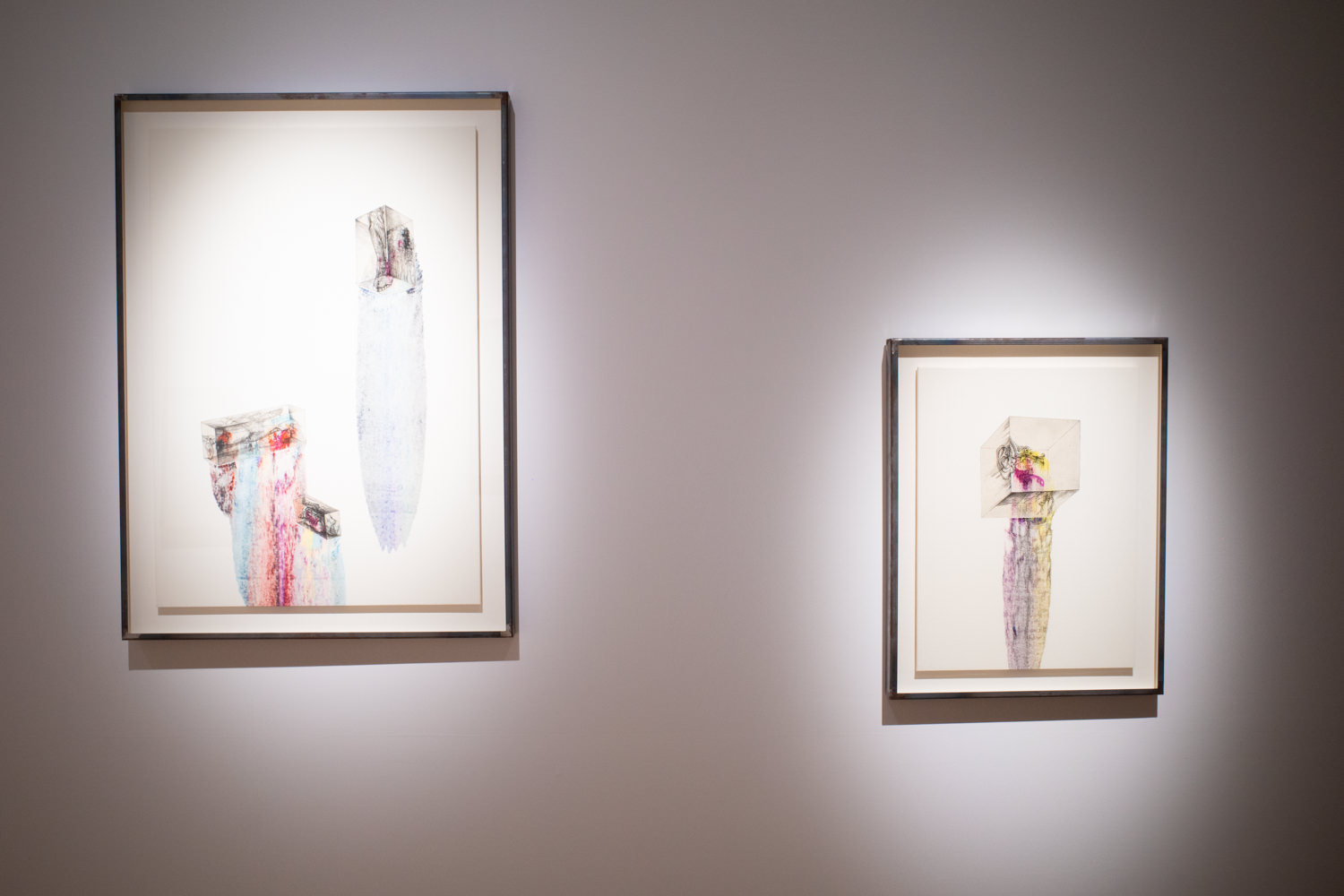
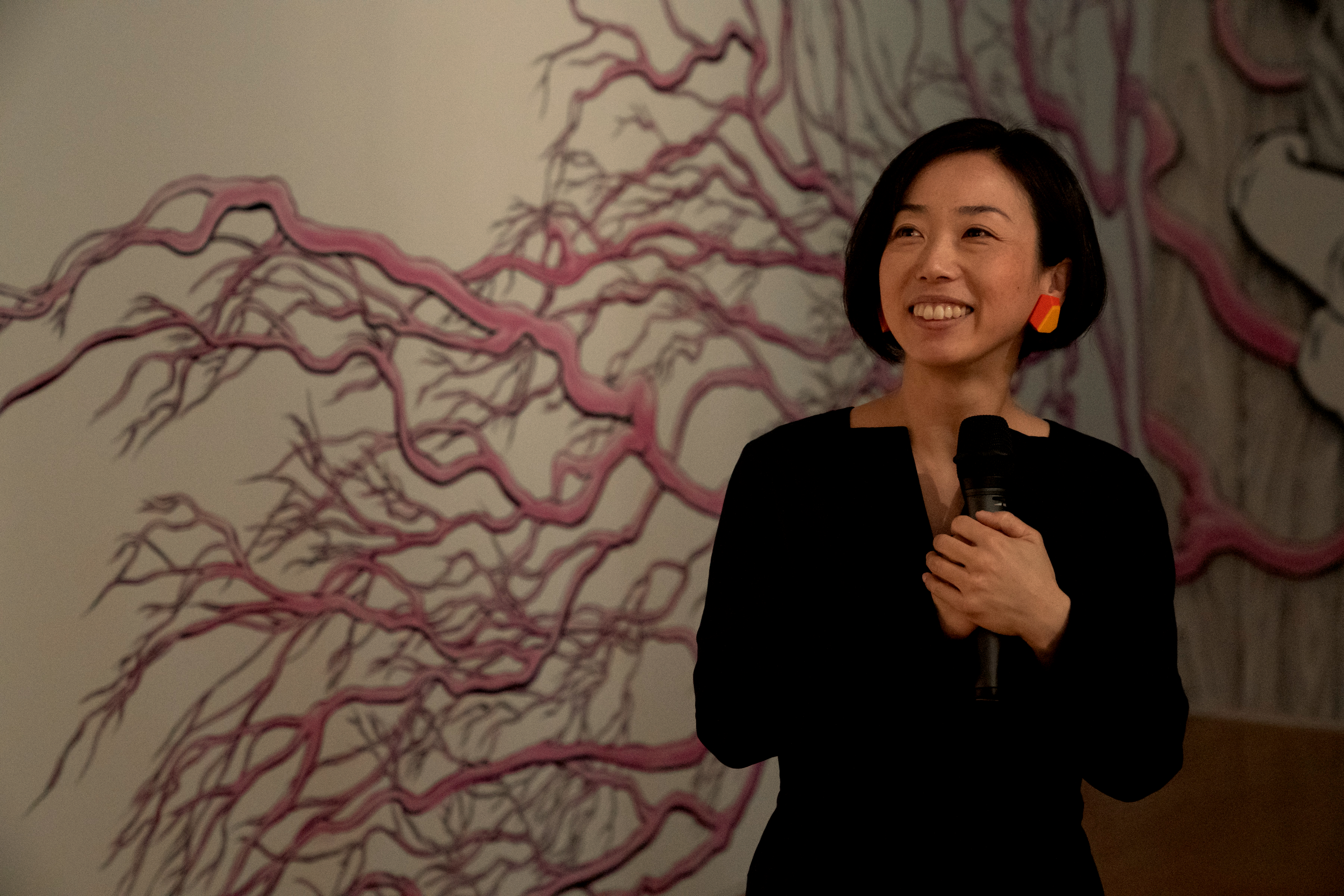
This is the world’s first exhibition to focus on how Surrealist painting emerged out of the Surrealist movement and, from there, how it developed into Japan’s own super-realism.