Special Exhibit: Tabaimo
In the latter half of the “Surrealist Painting” exhibition held at the Pola Museum of Art, there was a special exhibition room dedicated to contemporary artist Tabaimo.
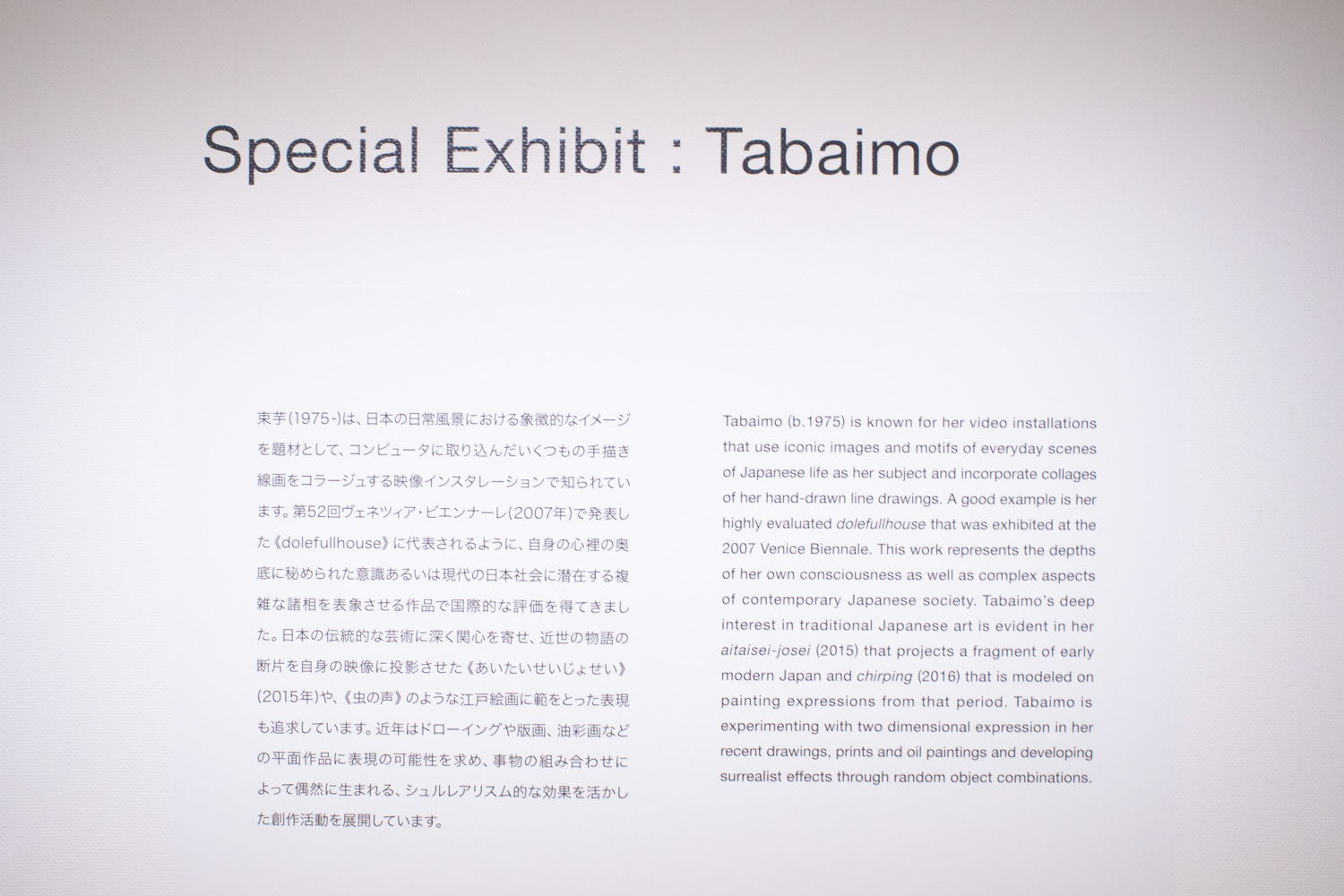
This presentation, titled “Special Exhibit,” was conceived out of the relationship between the main exhibition “Surrealist Painting” and Tabaimo’s practice.
According to the Pola Museum of Art curator, the following three points connect with the theme of the exhibition, and Tabaimo was invited as part of its curatorial program.
- Tabaimo’s works, including her moving-image pieces, are fundamentally built on “collage,” one of the classic Surrealist techniques.
- Tabaimo’s hand-drawn drawings share affinities with postwar manga that carry Surrealist expression.
- Her practice of confronting the essence of the real world resonates with Surrealism.
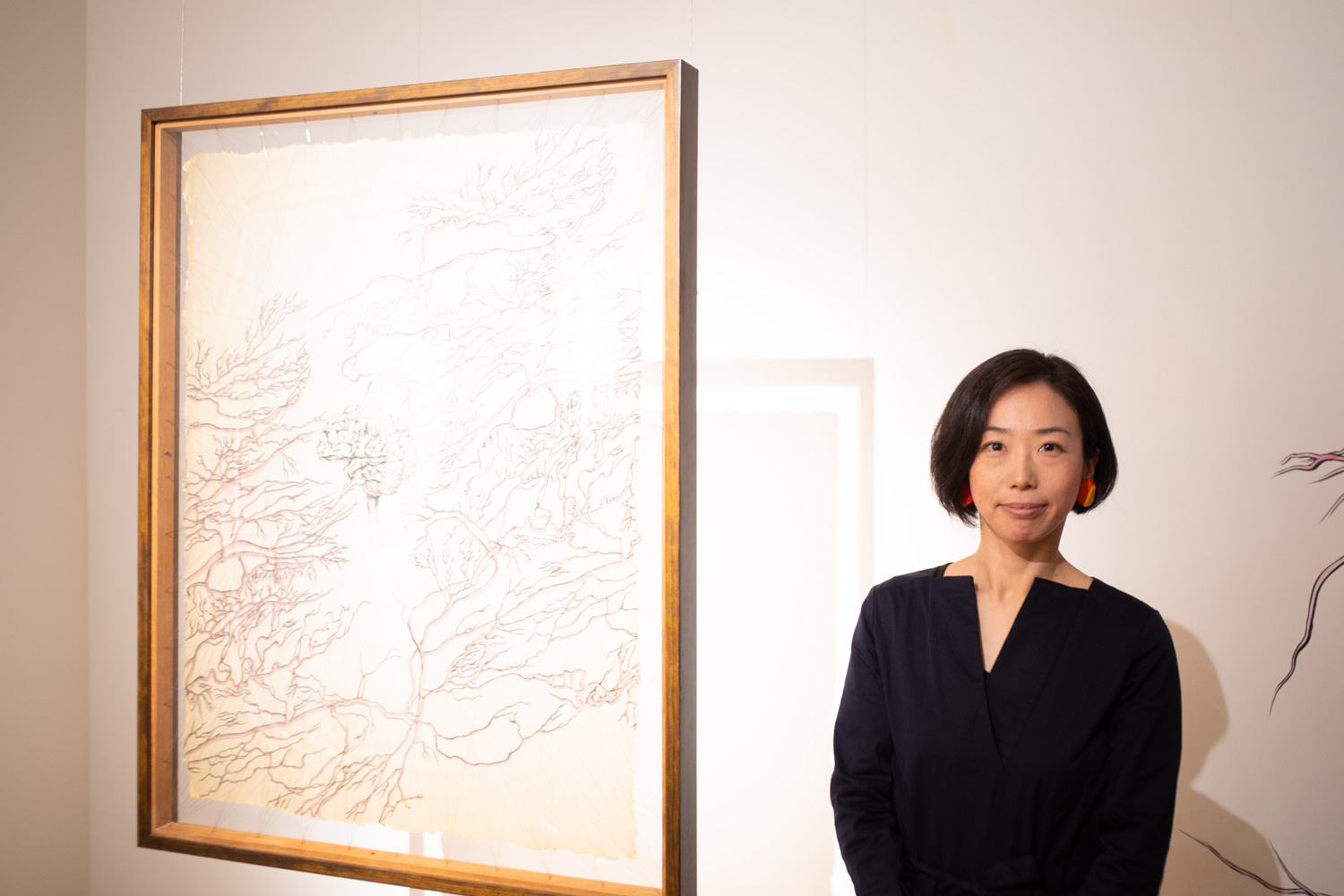
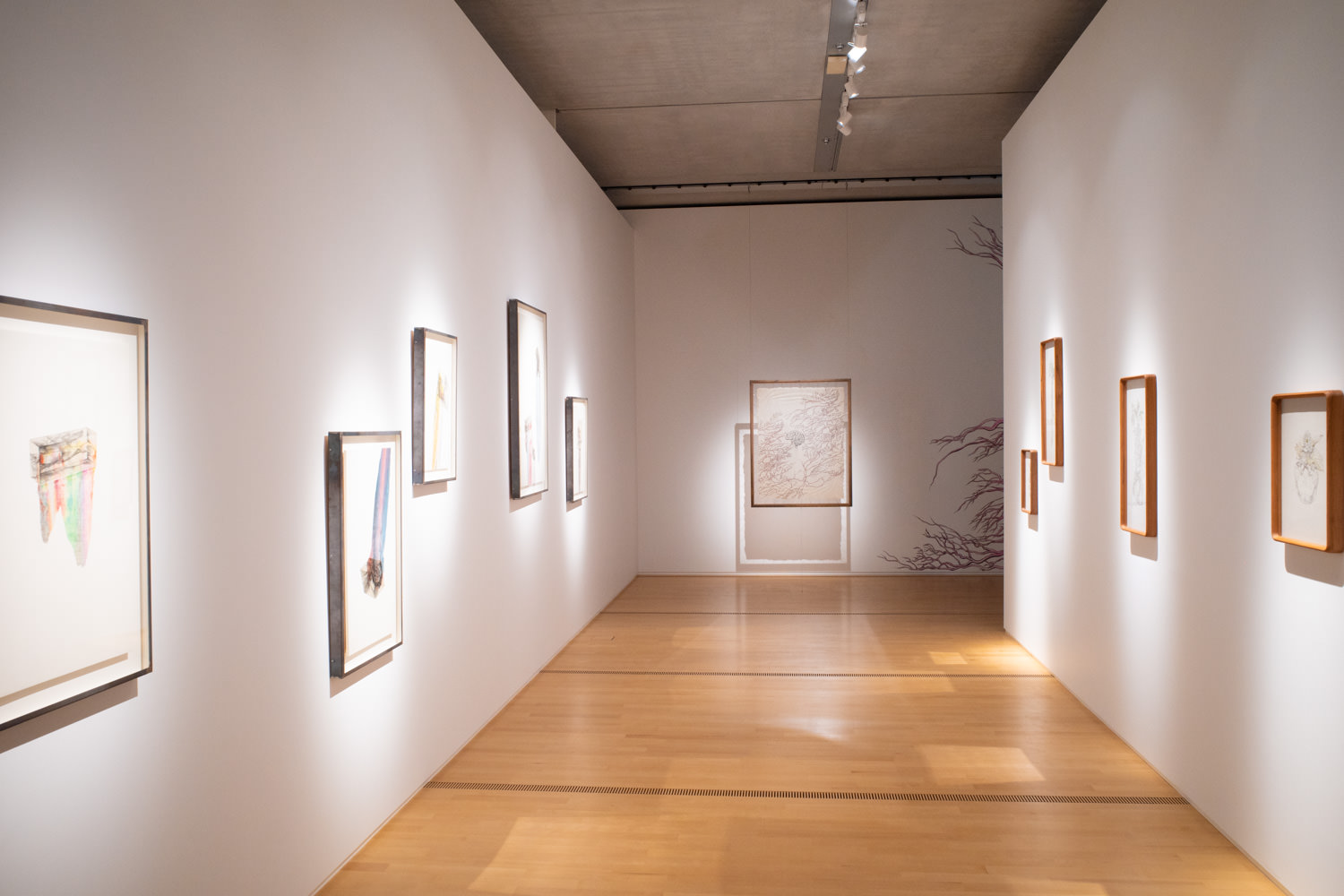
Exhibition composition
“Special Exhibit: Tabaimo” was structured around four main works.
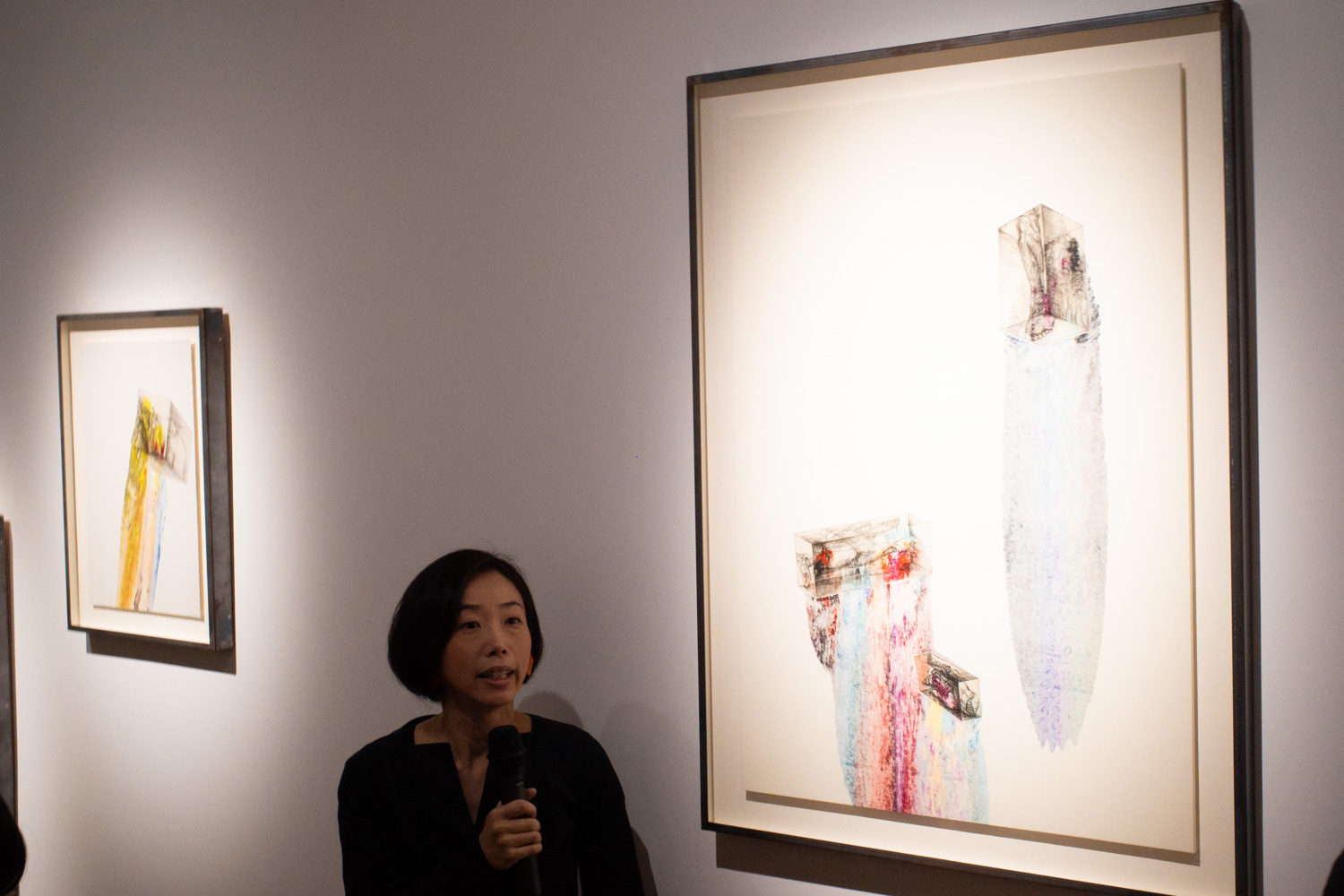
1) ghost-running
The print series “ghost-running,” which she unveiled in 2019, takes its name from a printmaking term: after a proper impression is pulled, a second sheet is printed using the ink still left on the plate — that residual print is called a “ghost.”
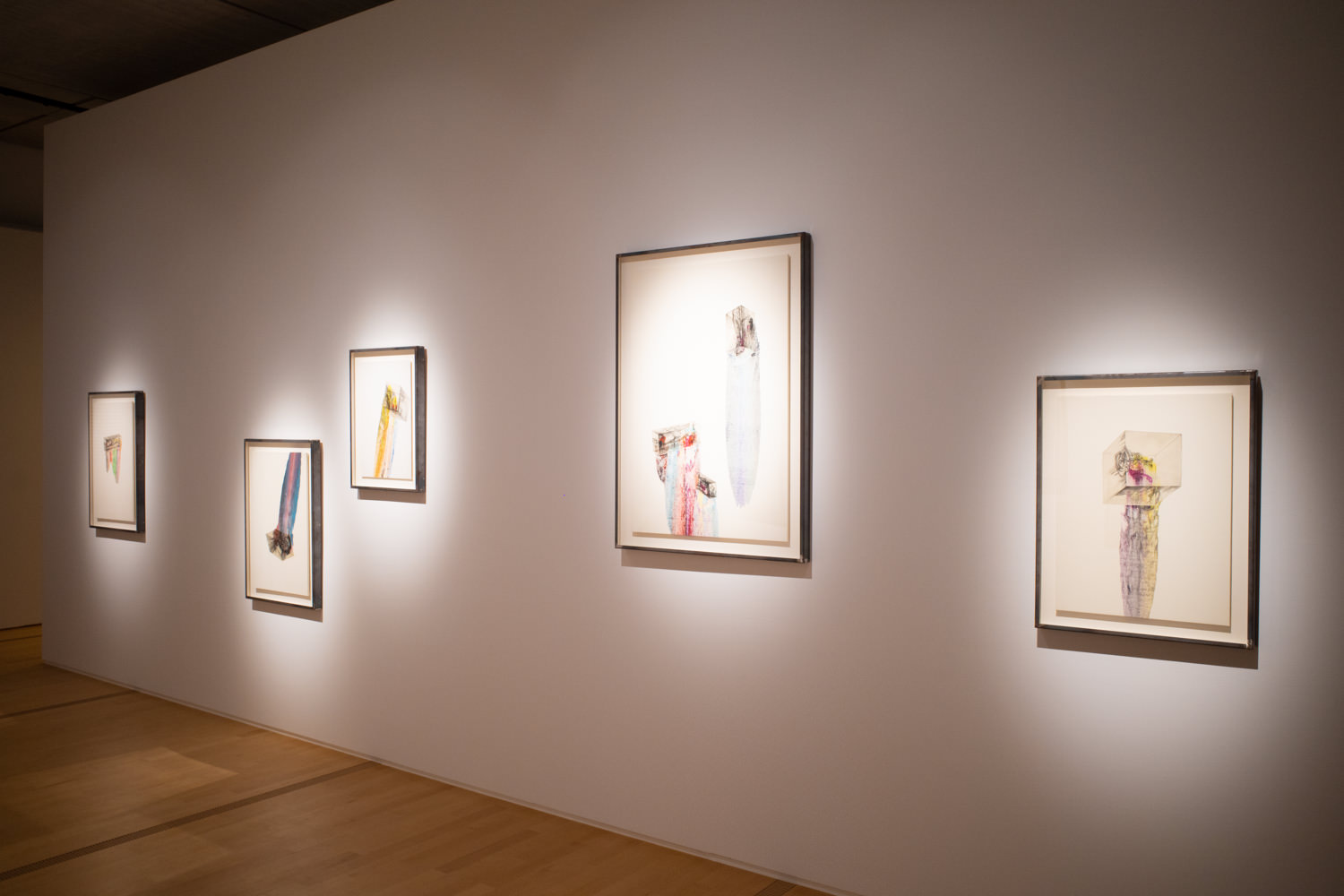
Through ongoing experimentation with a master printer at a printmaking studio, Tabaimo arrived at her own method for “capturing the ghost.”
It is a distinctive body of work, exploring how images can be drawn out of a process the artist did not herself construct. Each piece was printed three times, and the individual impressions can be identified by their work number.
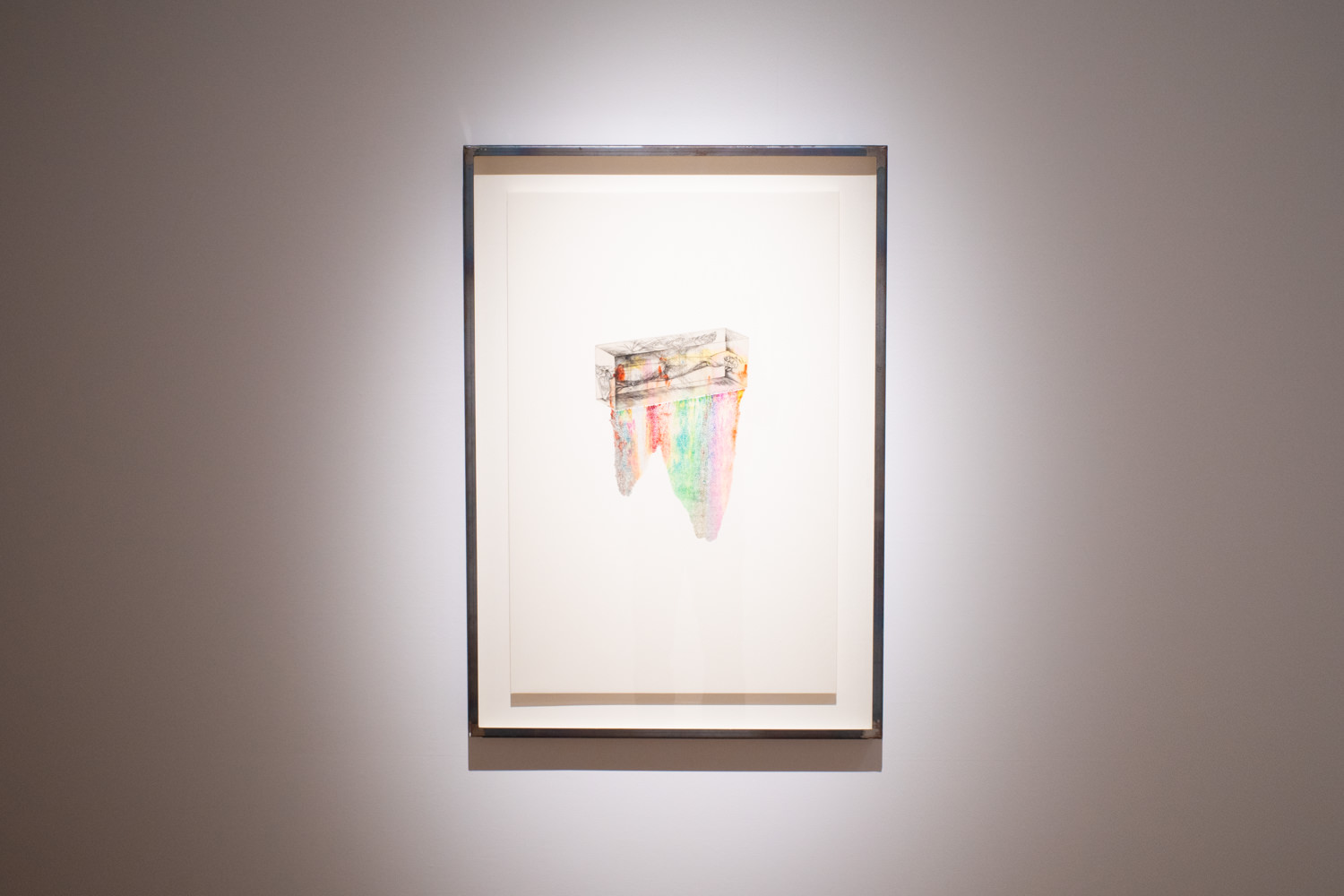
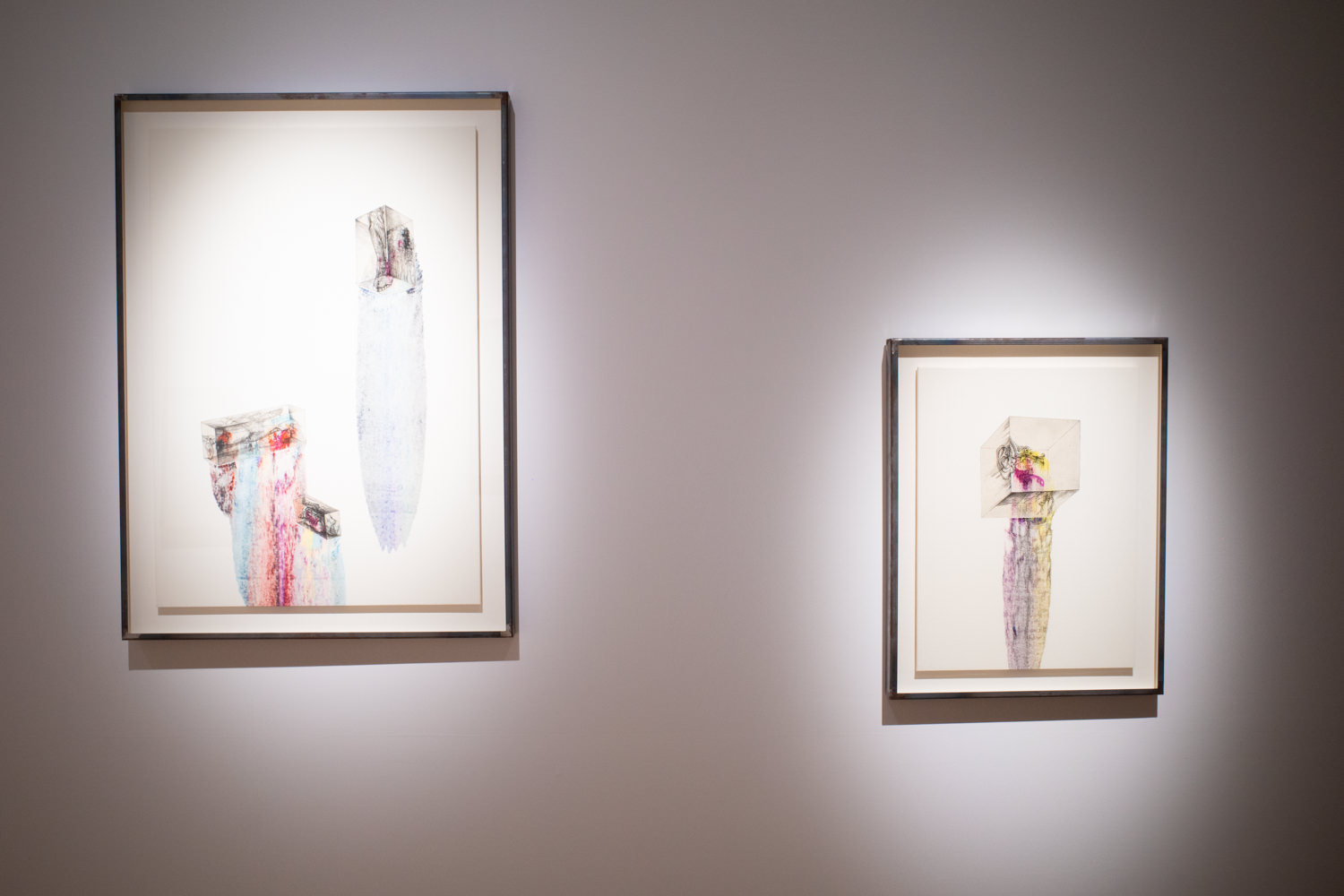
Right: Tabaimo, ghost-running01-3, 2019, ©2019 Tabaimo
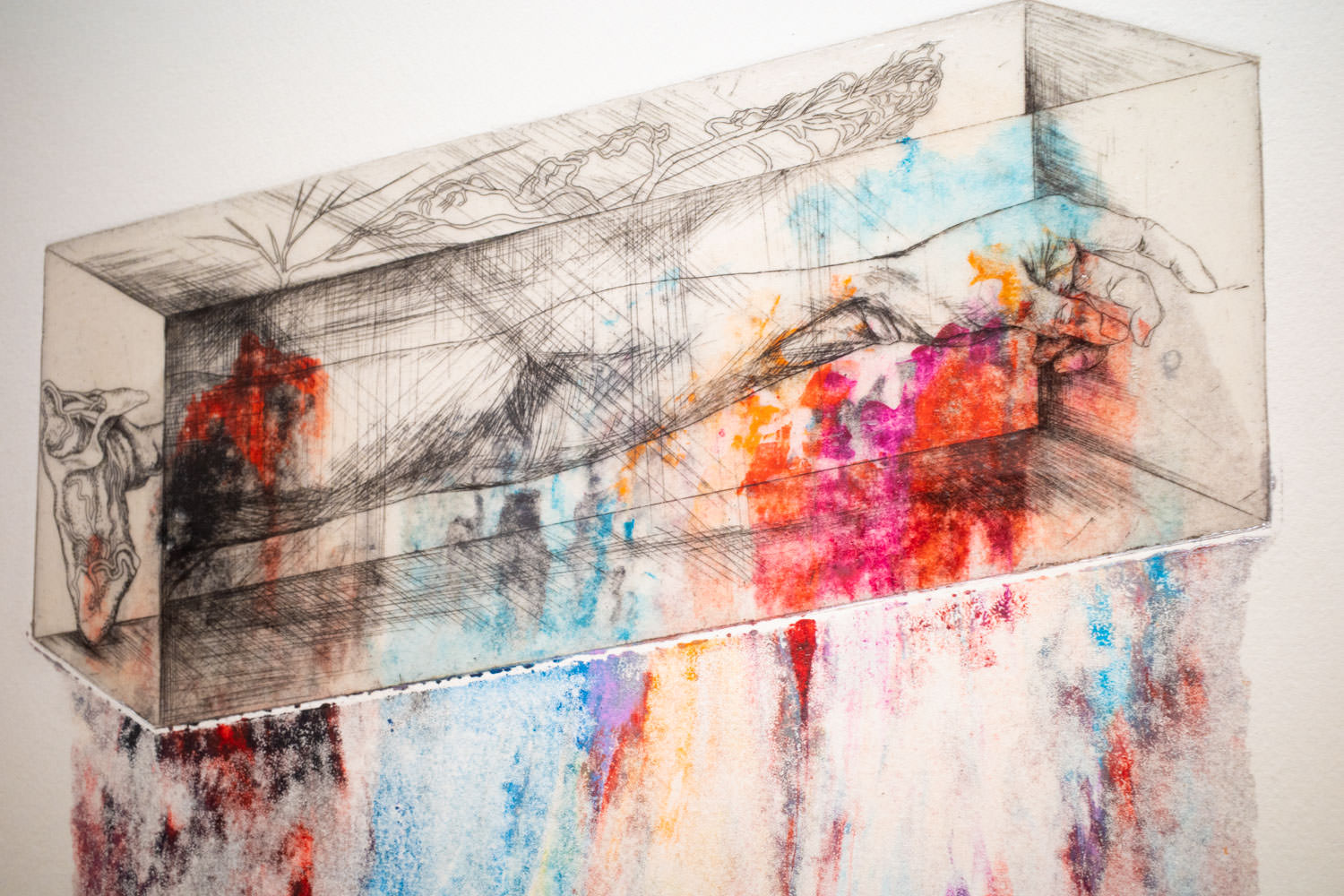
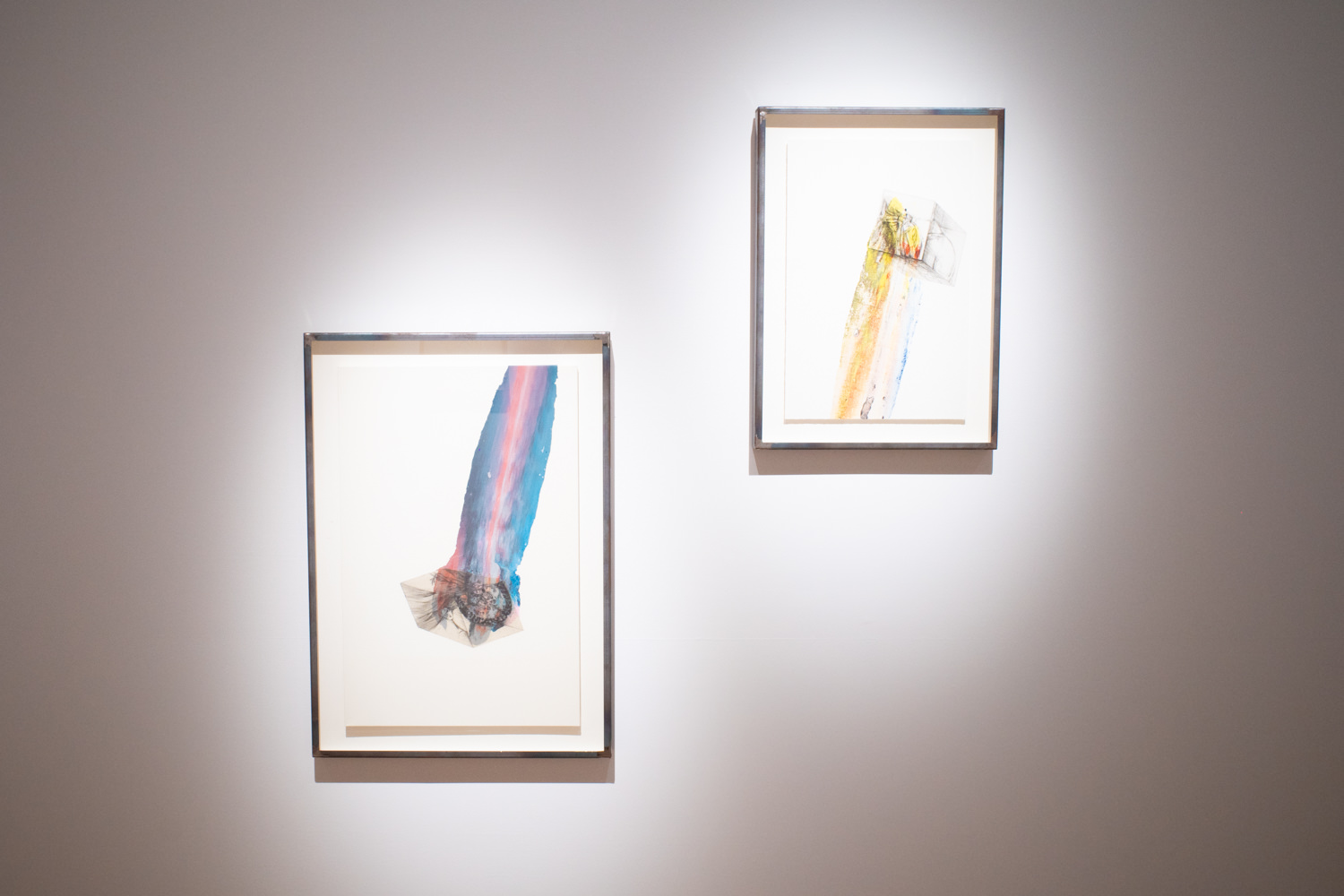
Right: Tabaimo, ghost-running03-2, 2019, ©2019 Tabaimo
2) flow-wer
The flow-wer series is a body of work that Tabaimo — who had already been drawing internal organs for years — began in 2013.
Once removed from the body, an organ loses its individuality; here, however, that individuality is revived by combining the organ with a flower.
Living organs and flowers cut off from the soil: their separate lives are grafted together, and the works seem to ask us as viewers about our own individuality and how we live.
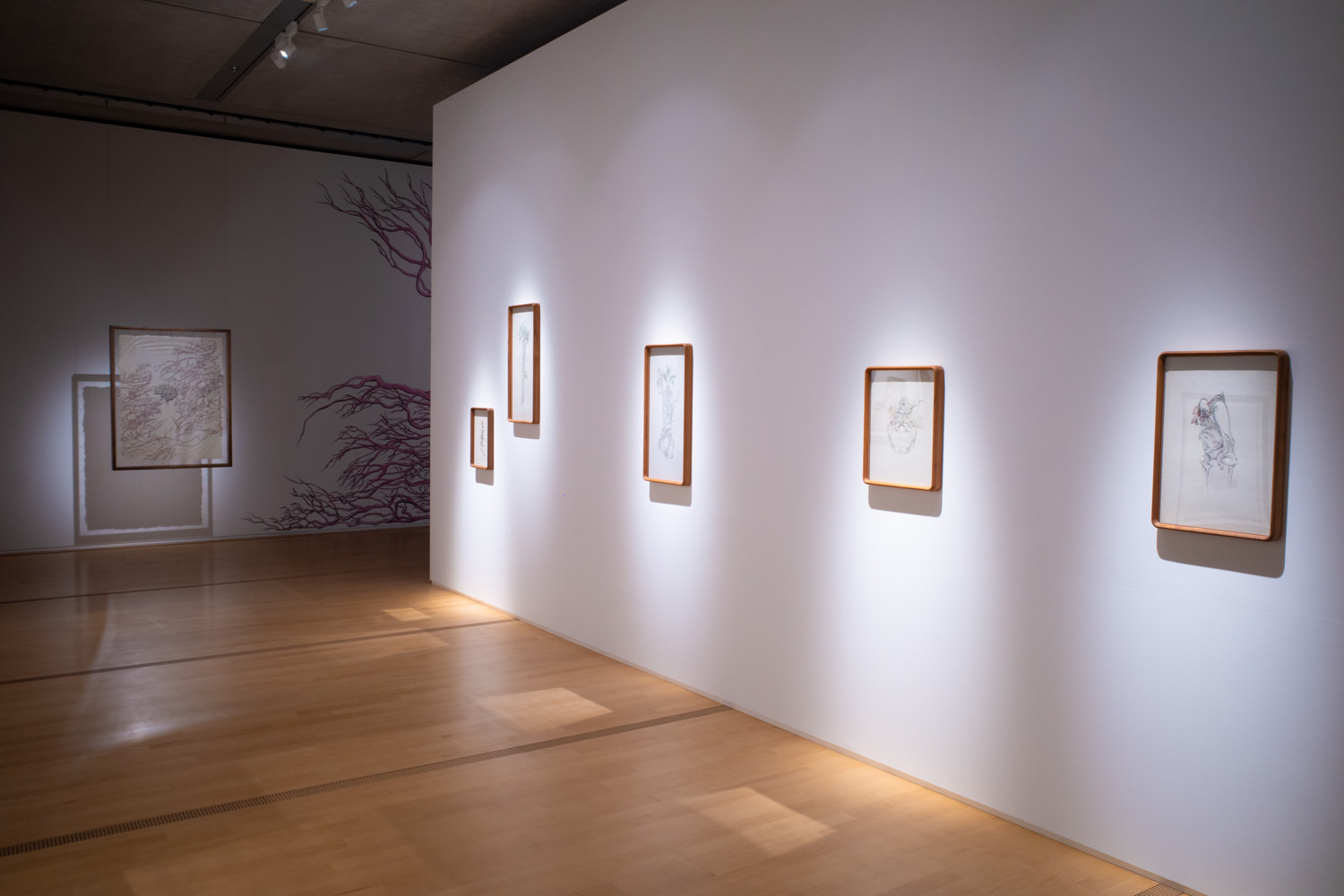
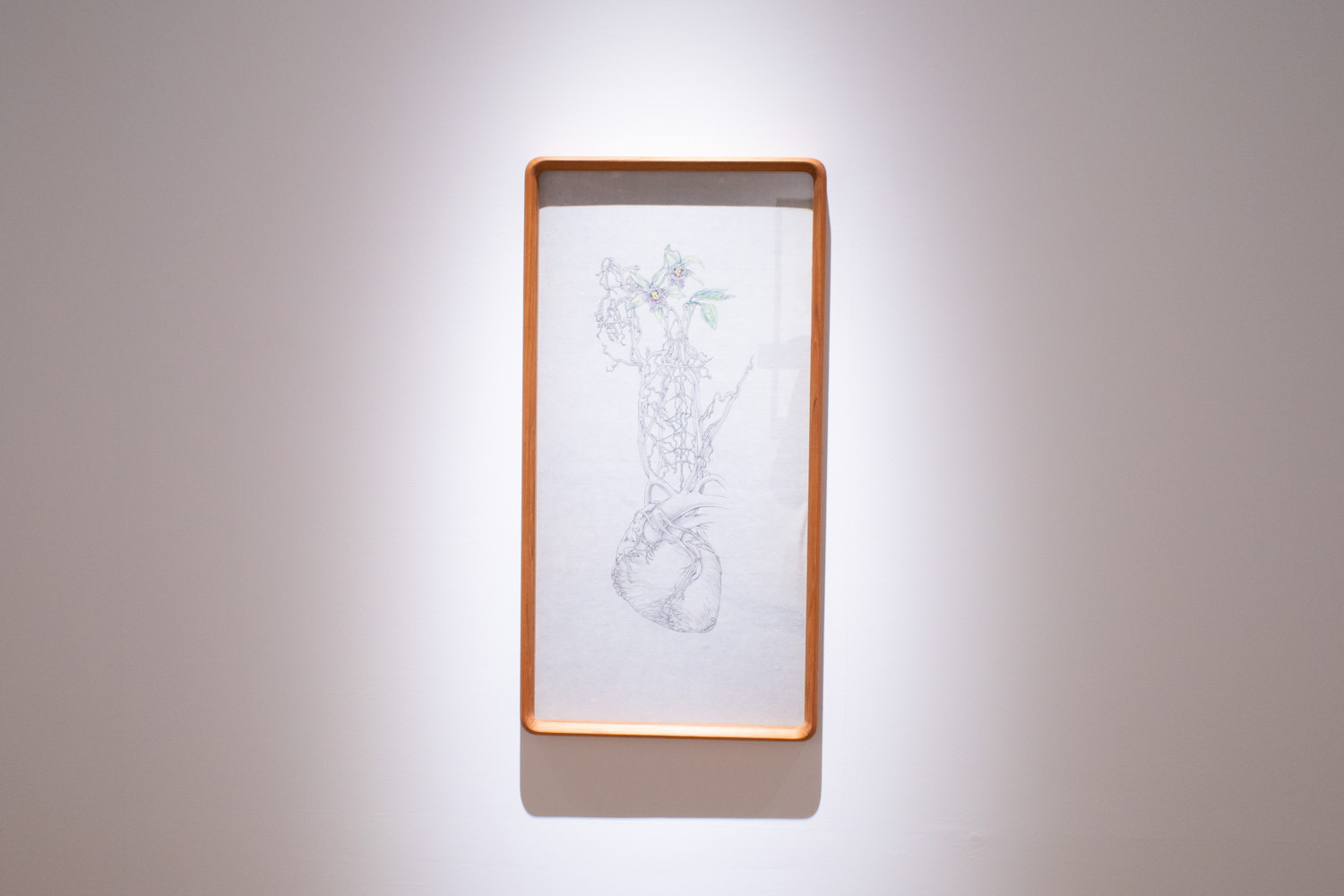
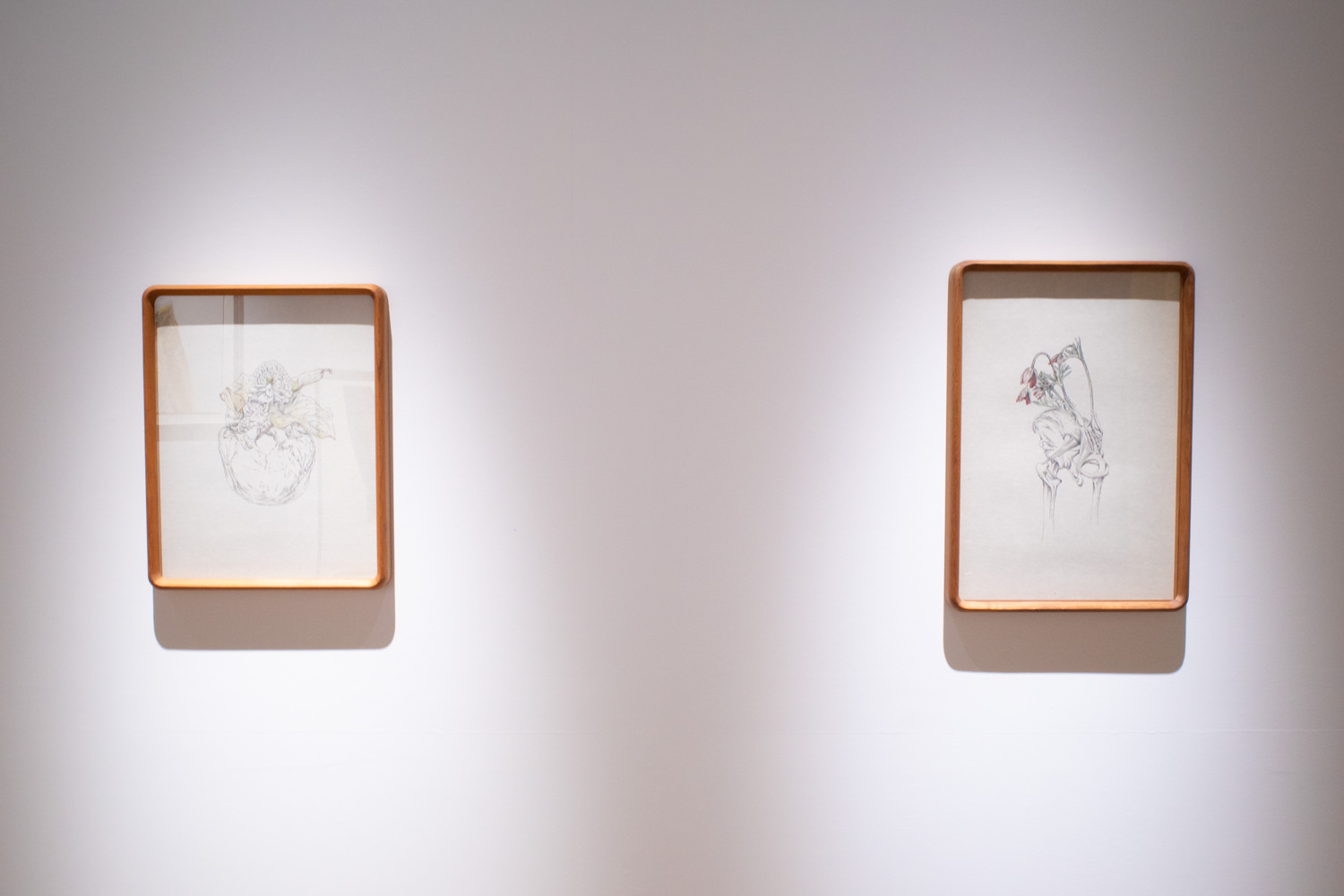
Right: Tabaimo, flow-wer 026, 2015, ©2019 Tabaimo
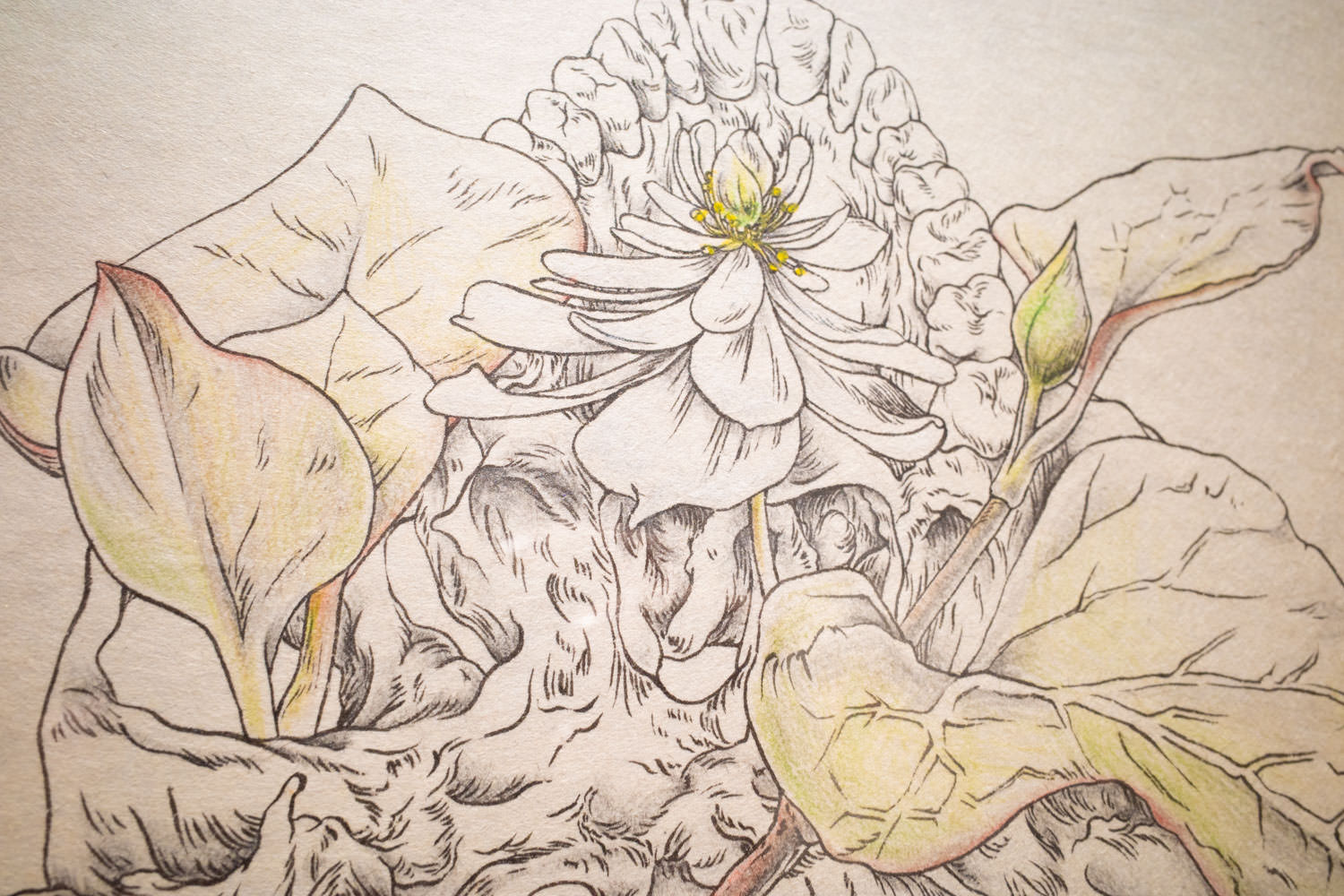
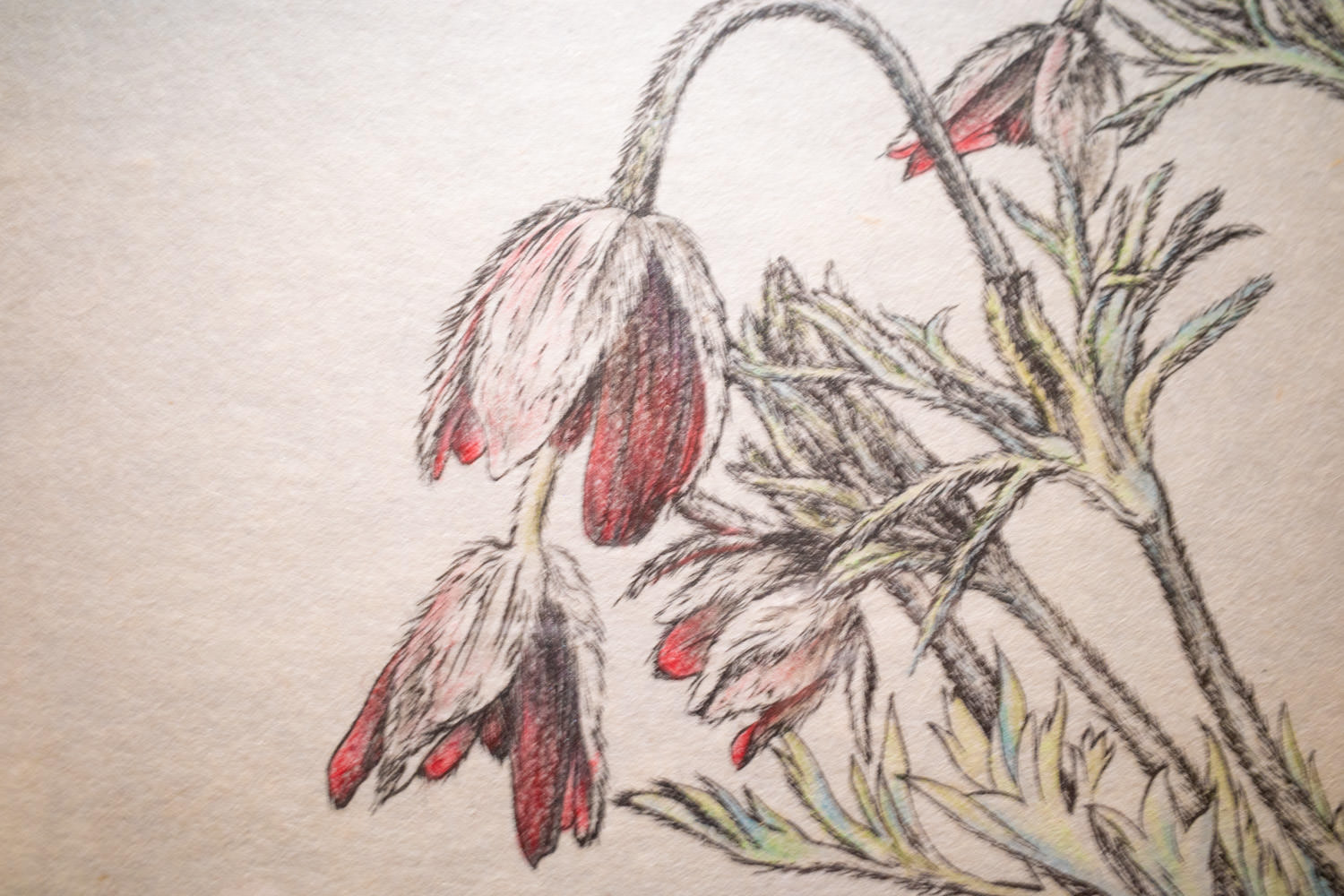
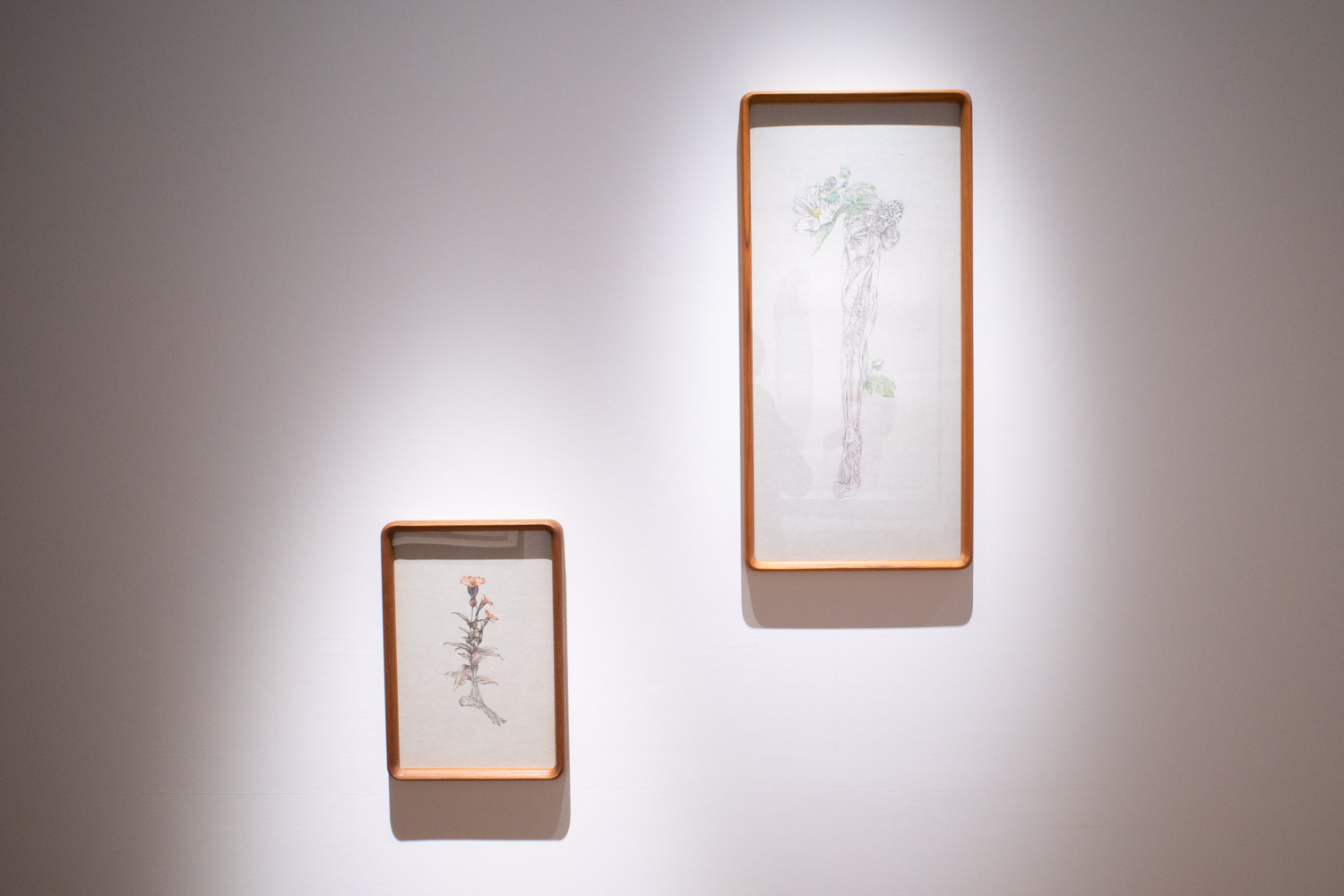
Tabaimo, flow-wer 021, 2015, ©2019 Tabaimo
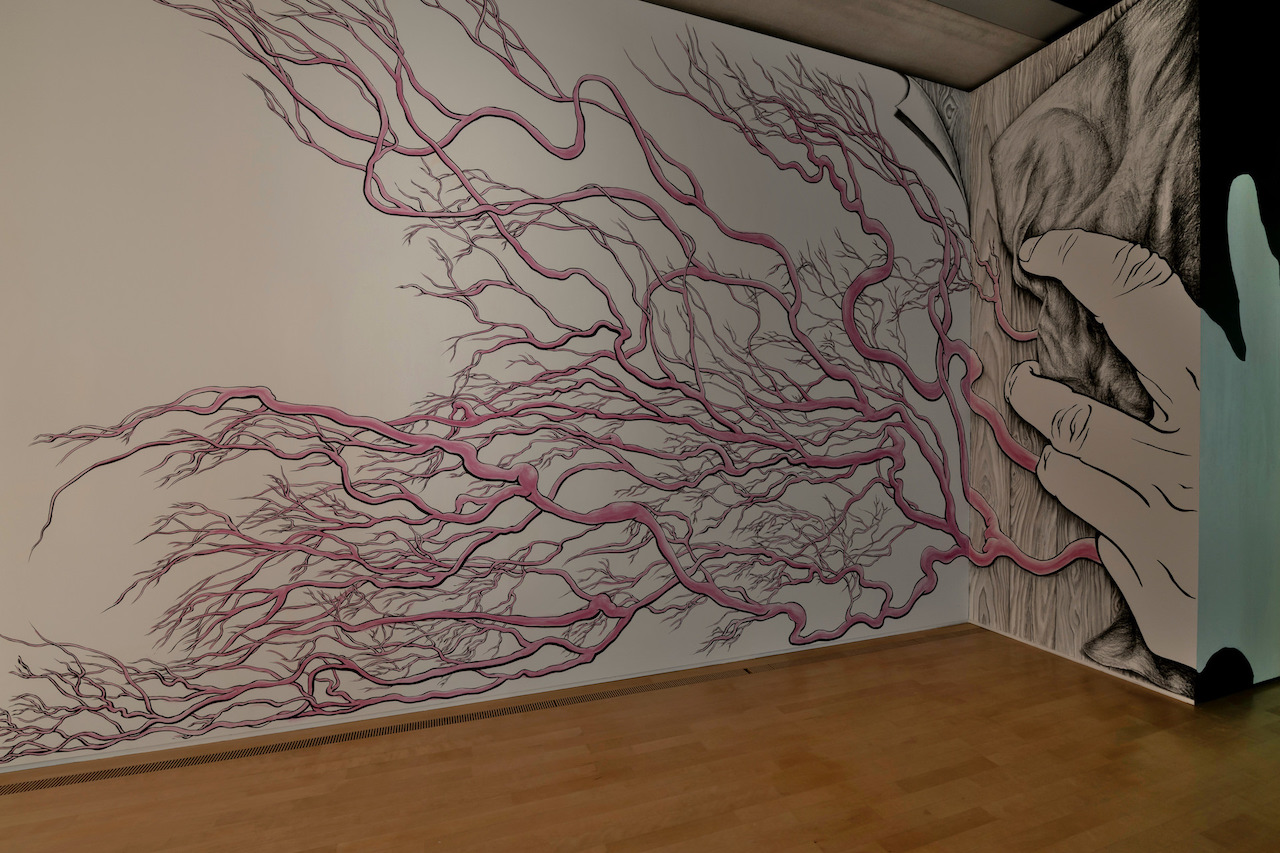
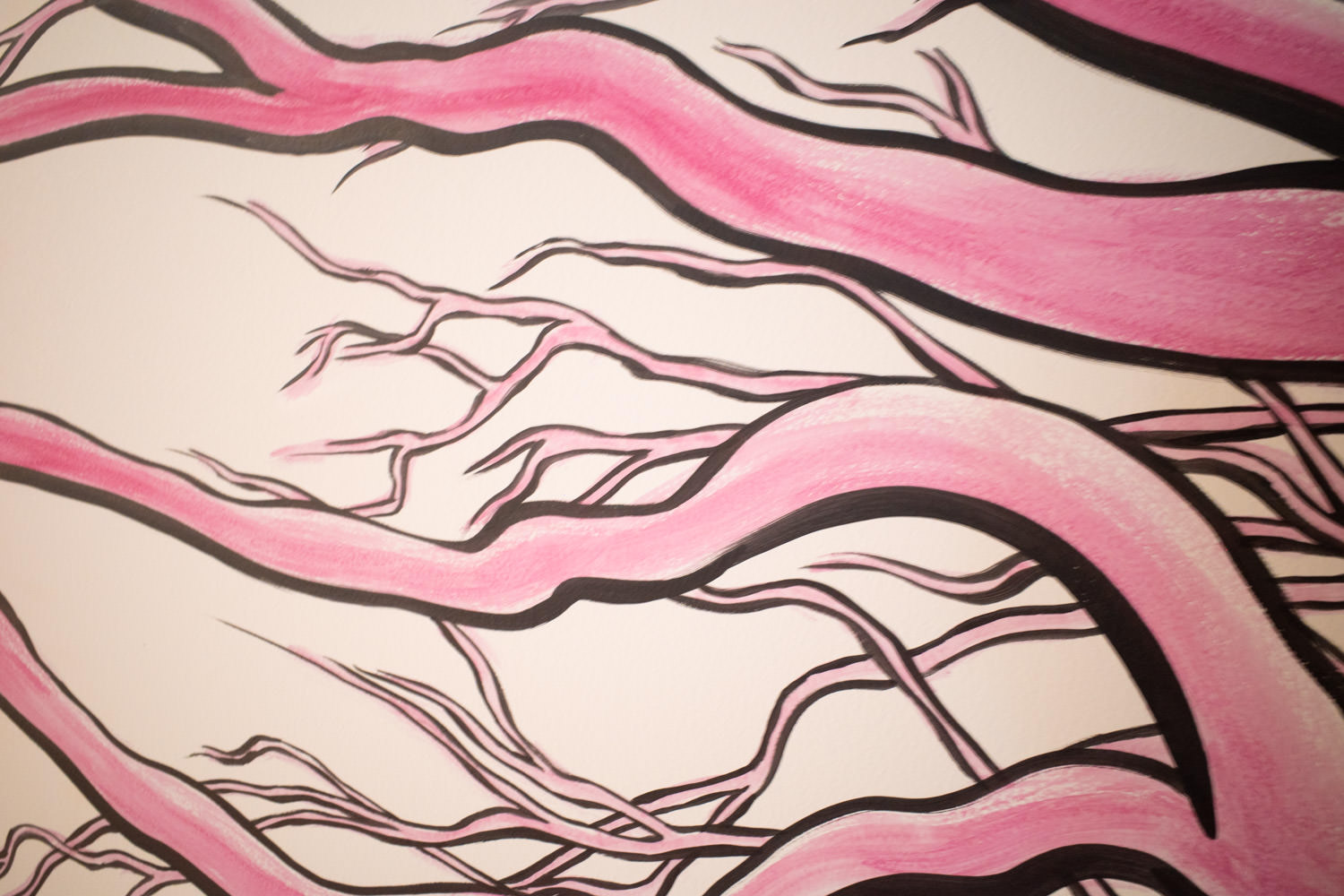
3) Wall drawing
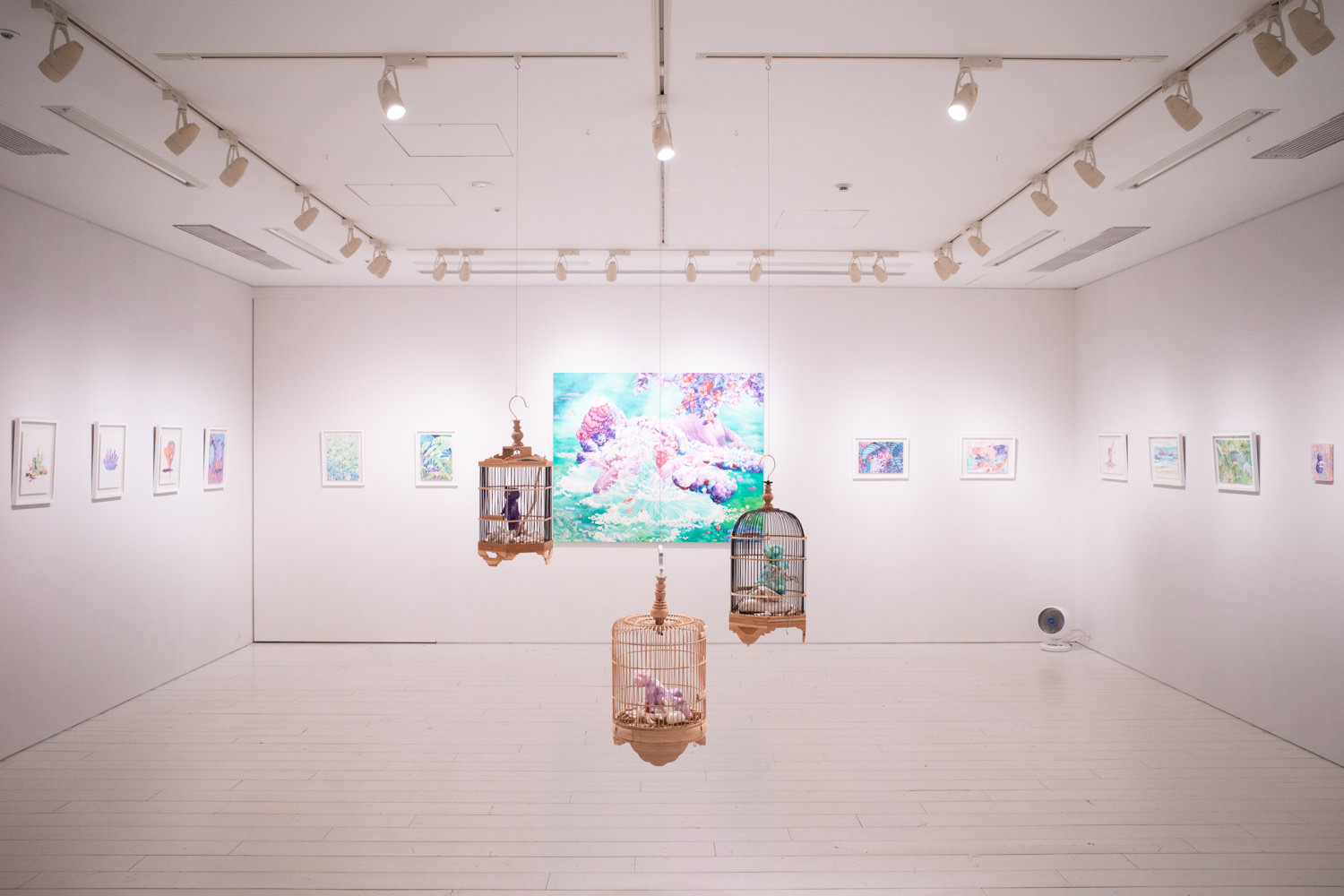
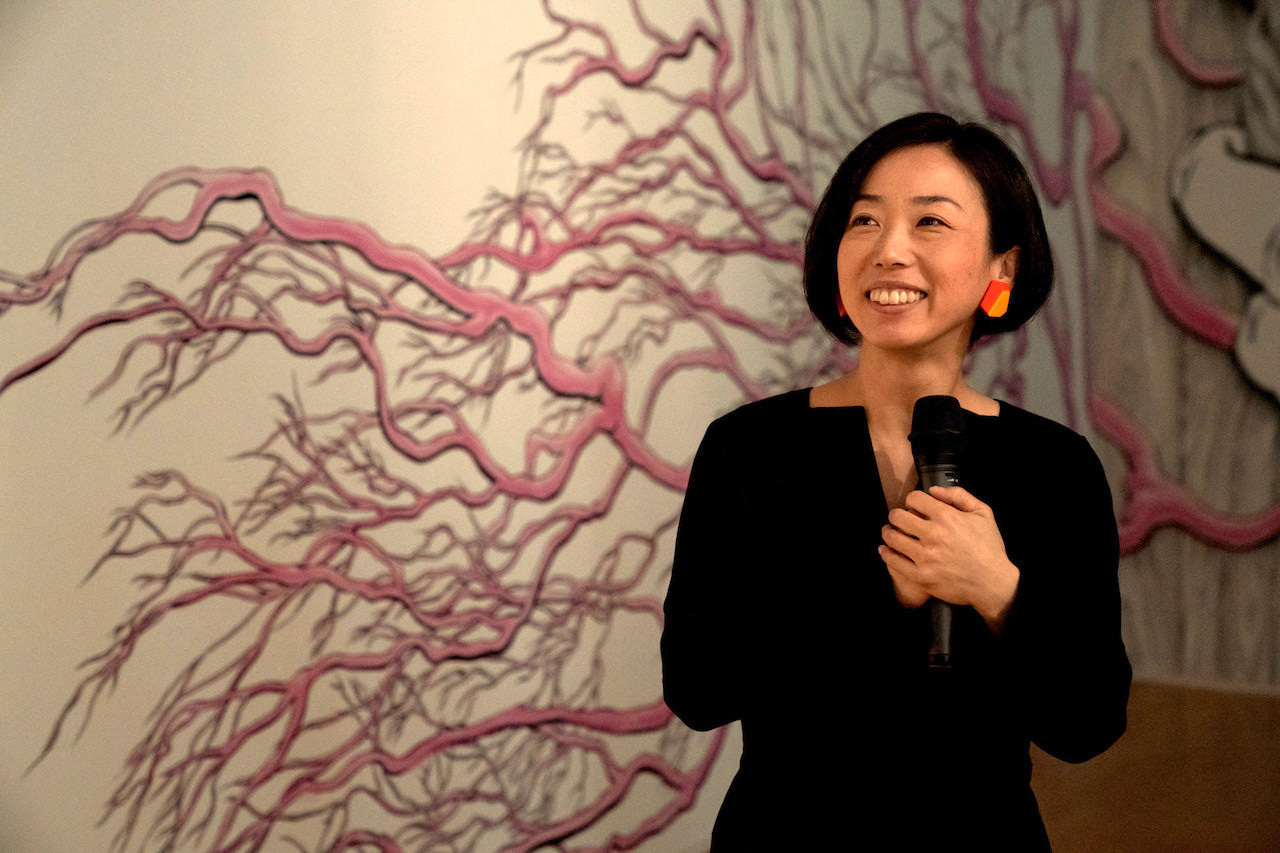
For this exhibition, Tabaimo spent a week in residence at the museum to create the wall drawing on the gallery walls.
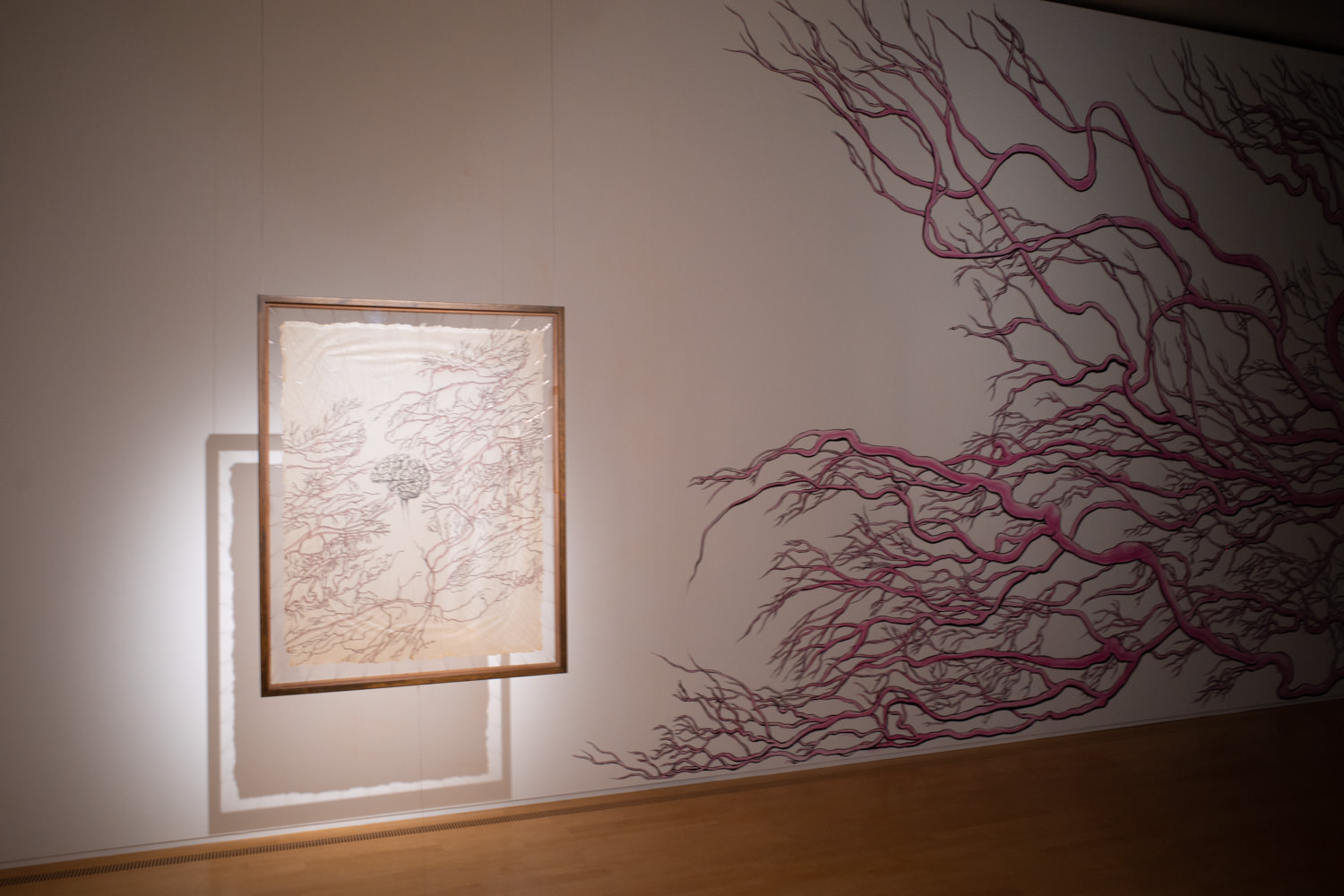
4) Video installations
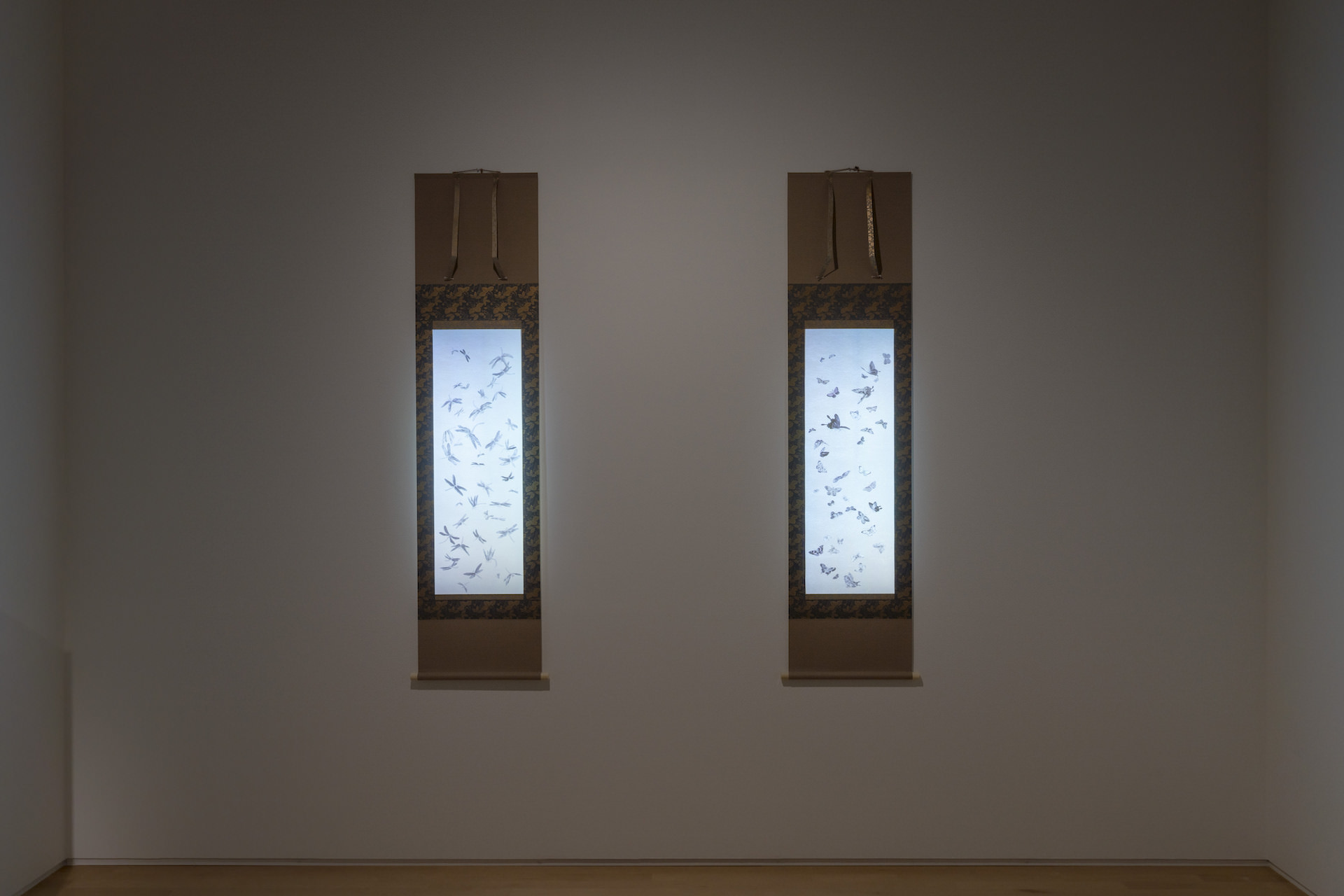
Two video installations were on view.
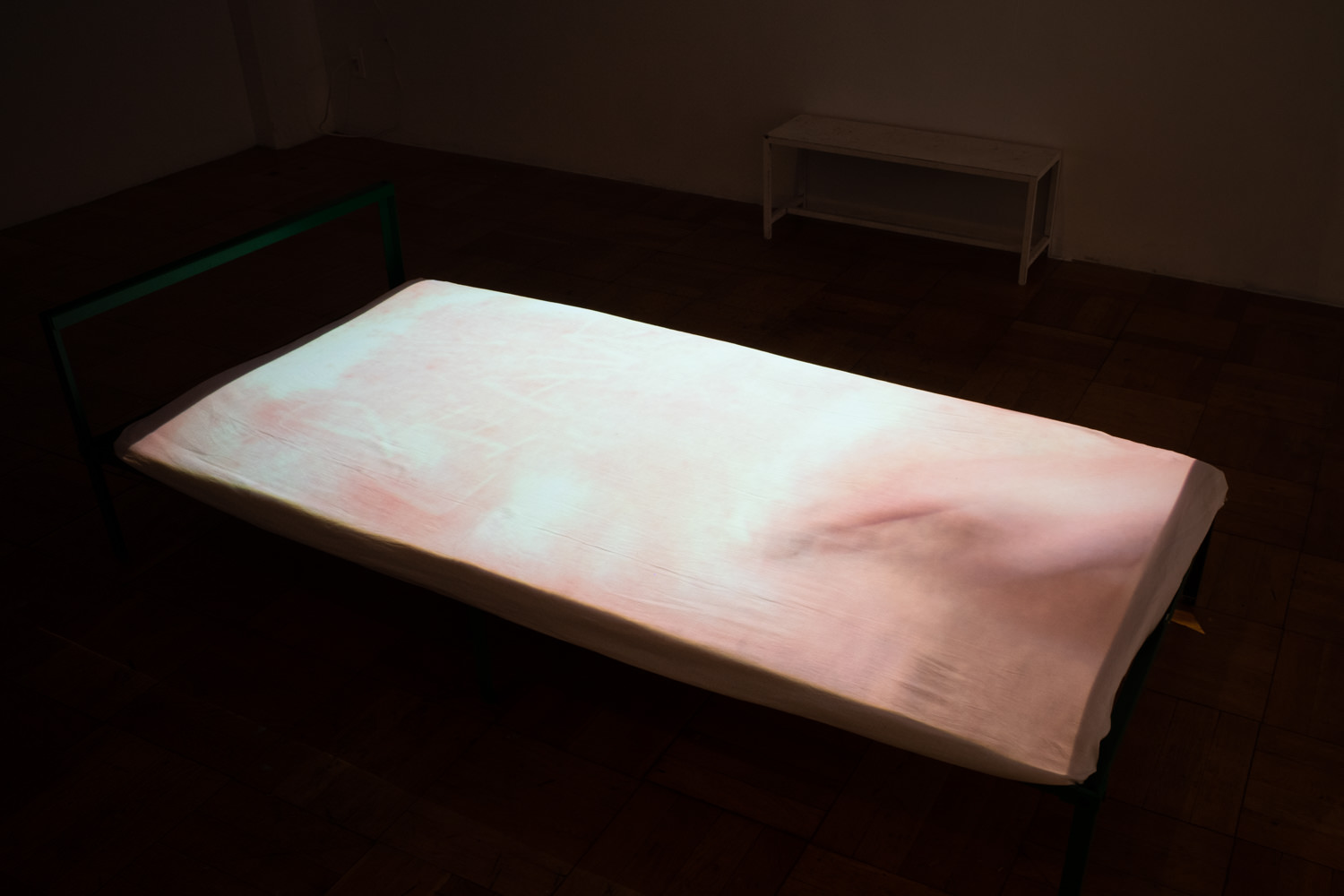
Insect Voices, shown for the first time in Japan, projects video onto a plain white hanging scroll.
There is no sound, yet it is a work you can enjoy while imagining a space that extends beyond the frame.
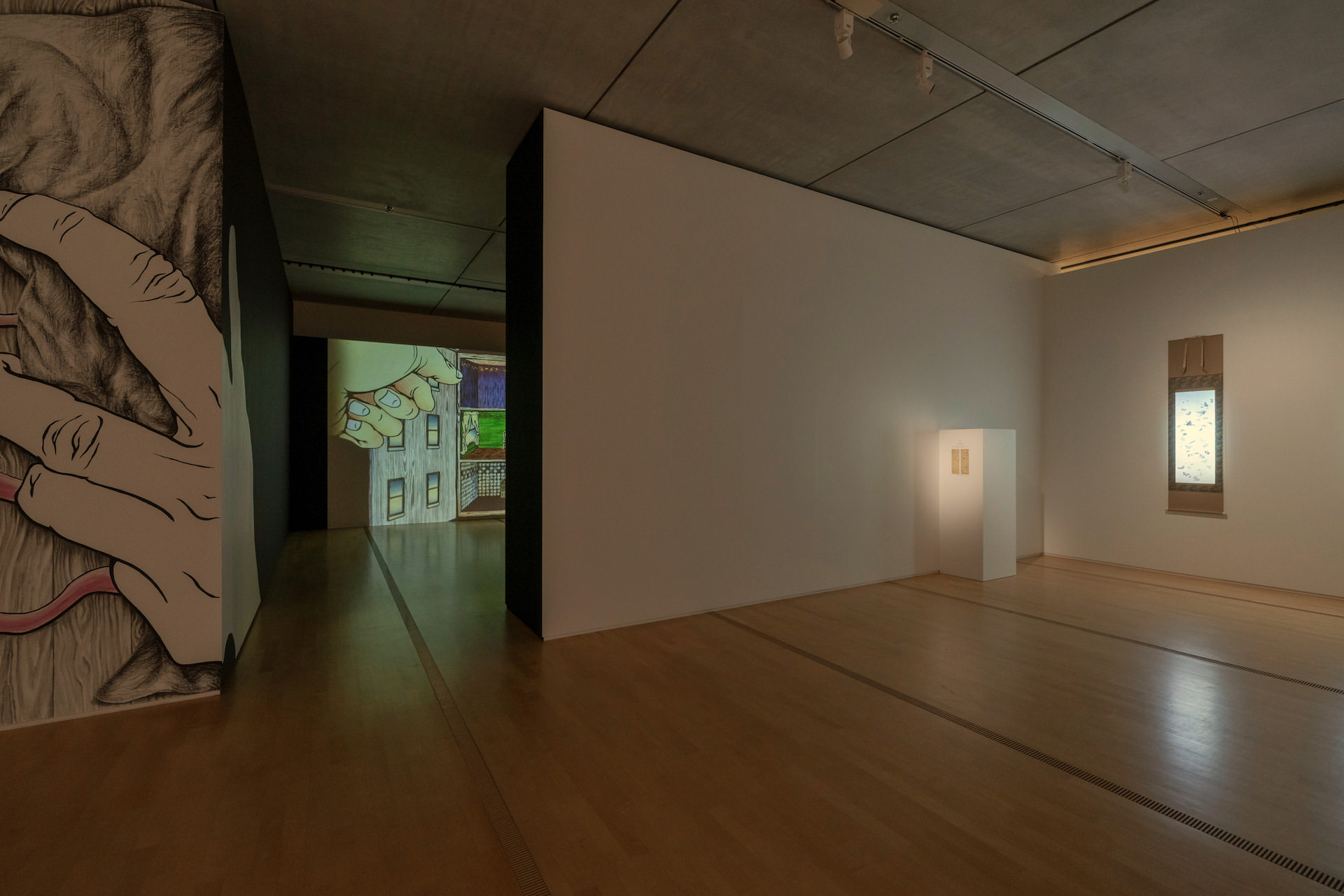
dolefullhouse was projected across a large screen that filled the wall.
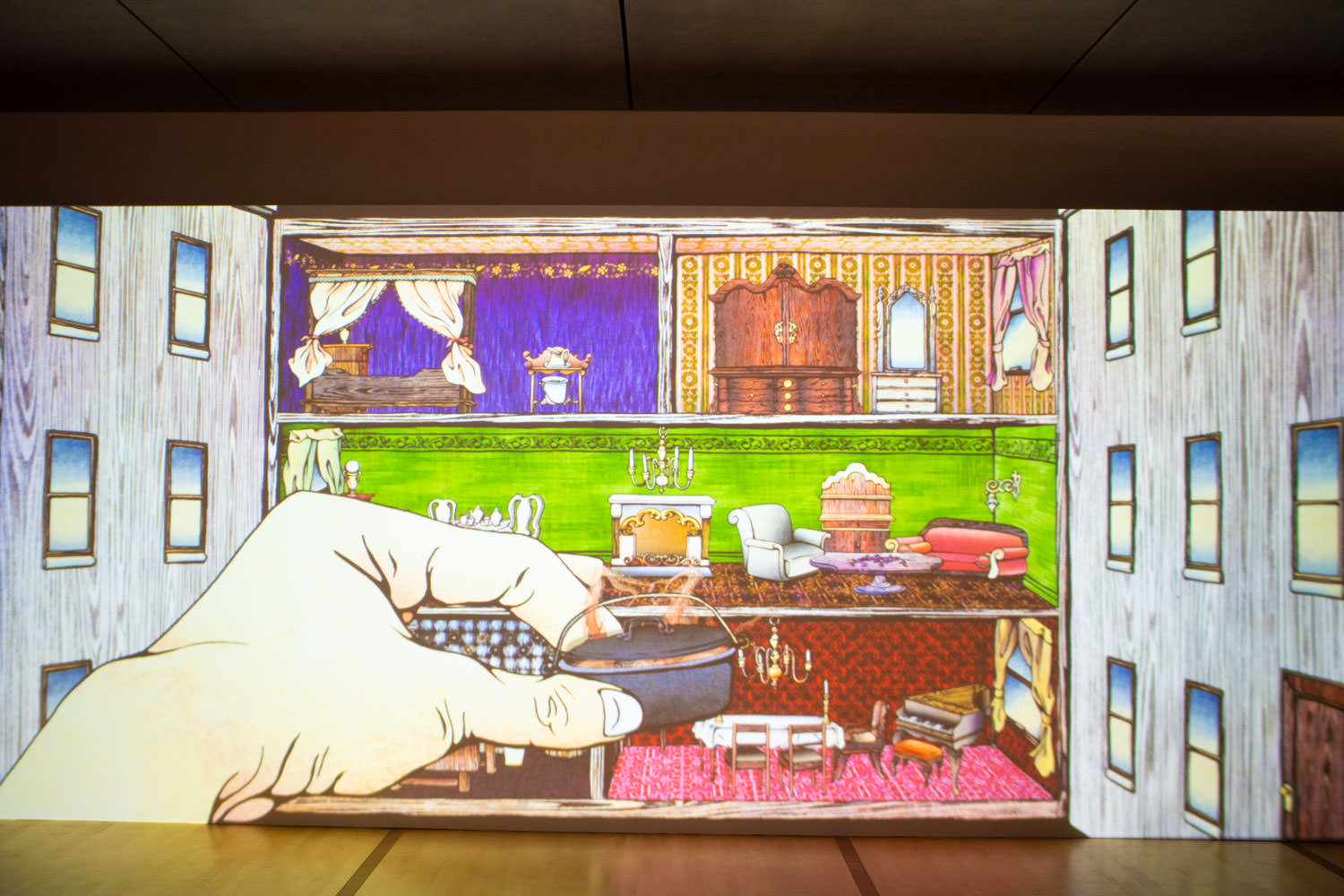
A giant hand repeatedly sets items into a miniature house, moving in ways that make the sense of scale hard to pin down. In between, the hand scratches its skin, and an octopus repeatedly emerges through the windows, weaving from outside to inside as if entangling everything. The itching grows, the house fills with objects, and in the end the whole scene is washed away by water. It felt like a metaphor for something, and it left behind an uneasy, prickling sensation.
If Surrealism is defined as a heightened reality that reason alone cannot reach, then Tabaimo’s gaze on contemporary society, expressed through her works, feels as if it carries much the same charge.
Her works have the power to make us imagine — playing exactly the role fitting for the closing chapter of this exhibition.