Interview Feature
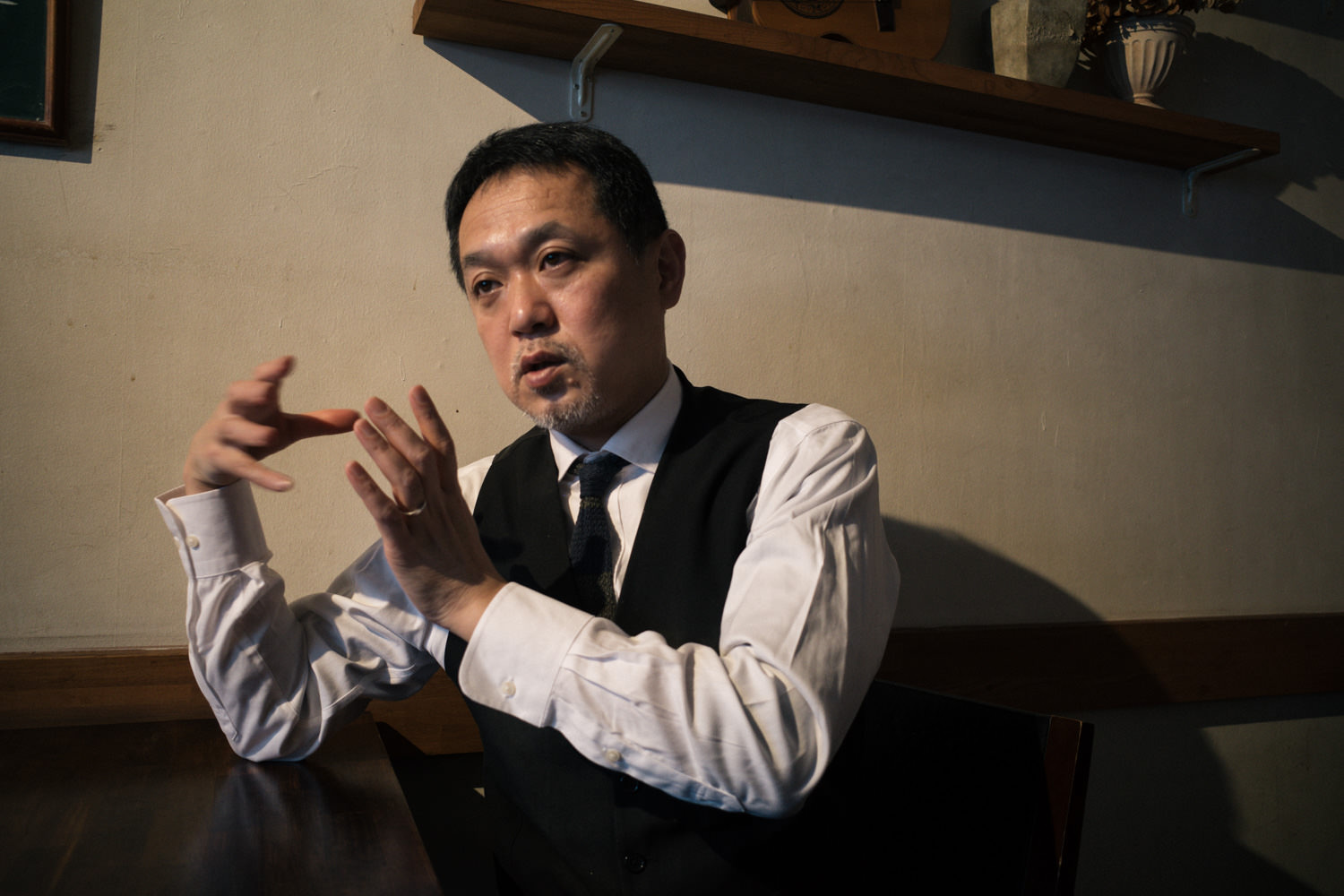
For a change of pace, we bring you an interview with Shinji Hayashi, who runs the Shibuya bar “BAR BOSSA”.
In fact, I’ve long thought I’d like to run a gallery alongside this site one day. But every gallerist I’ve spoken with says gallery management is extremely tough, and each one has advised me, “You shouldn’t.”
So I thought I’d talk to Shinji Hayashi — someone from another industry who might give me useful hints.
Who is Shinji Hayashi of BAR BOSSA?
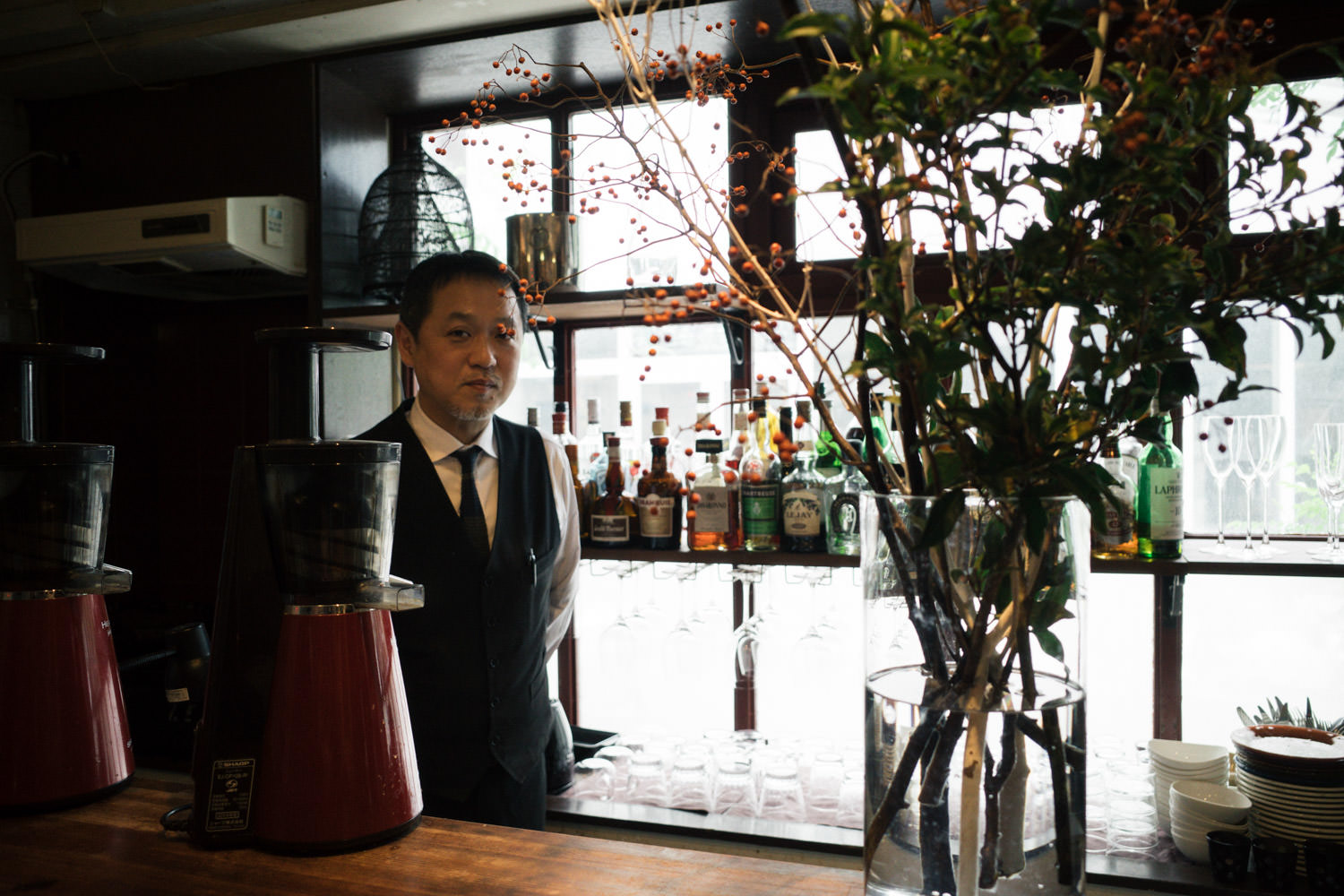
Meet BAR BOSSA’s owner, Shinji Hayashi.
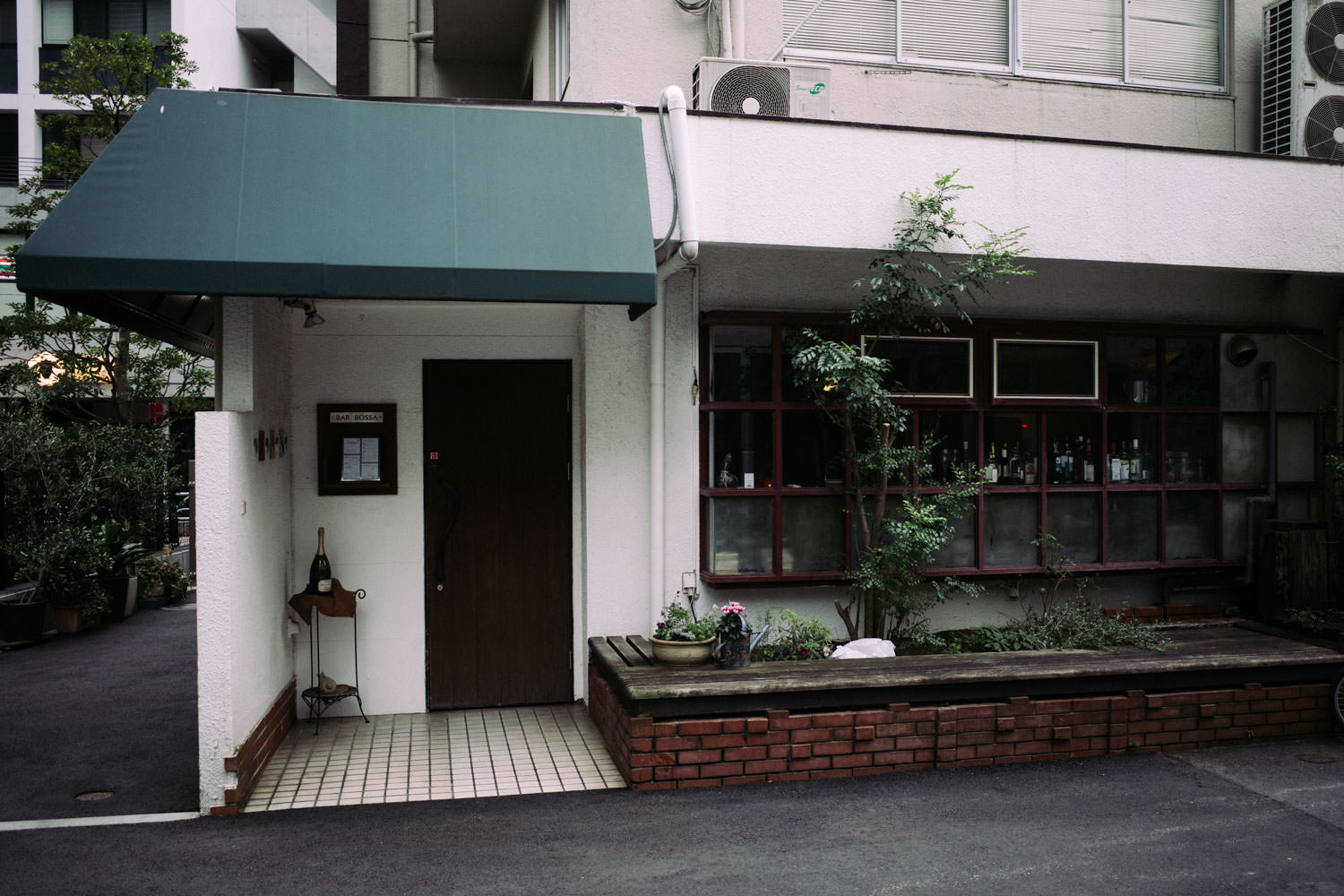
BAR BOSSA is a bar that has been running for over 20 years down a back alley off Shibuya’s Center-gai. Shinji Hayashi is on the floor as owner-manager, but is also active as a writer. On note, the article-publishing service, he posts a daily diary, answers reader questions with the tempo only a bar owner steeped in hospitality can bring, and pens articles from his own vantage point — commanding a large readership. He also writes columns on CAKES, and draws many readers with the “Beautiful Women Interview” series in the magazine “LEON”.
His newly published book, “Why Customers Gather at That Restaurant,” is an interview feature that brings the perspective of a fellow operator to bear on the owners of Tokyo restaurants that he found “amazing!” “Why is that restaurant thriving?”, “What is it exactly that makes those thriving restaurants remarkable?” — the book accurately weaves in numbers such as opening capital (interior costs), rent, and per-customer spending, running the gamut from what sparked each opening through the management specifics unique to the restaurant business.
Hayashi runs his own restaurant in tandem with the web, and for this book he has interviewed many restaurant cases, so I thought he might offer me a fresh perspective on gallery management, and asked for the interview.
About the book “Why Customers Gather at That Restaurant”
I asked Shinji Hayashi about his book.
Interviewer: Could you tell me why you wrote “Why Customers Gather at That Restaurant”?
Shinji Hayashi: The trigger was reading “Nihon Bonjin Den” (“Portraits of Ordinary Japanese”), which Naoki Inose compiled during his no-name-writer days. It was a collection of interviews with all sorts of ordinary people — like a documentary film that captured an era. I found it fascinating, pitched the idea, and it ended up as a serial in the café-industry trade magazine “CAFERES.”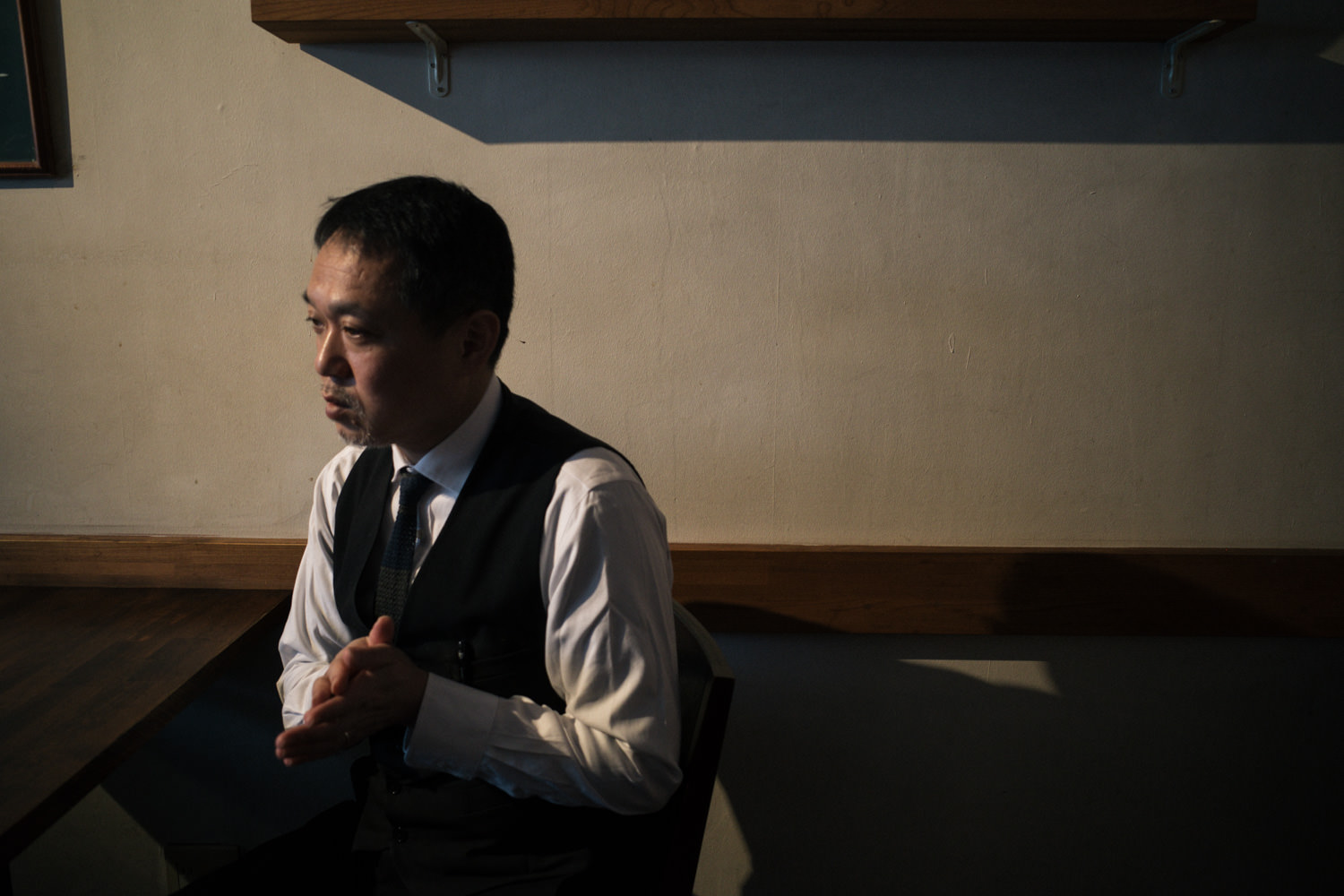
Interviewer: Many restaurants disclose detailed figures in the book, but is there any other document — like a real record of restaurants — that discloses such candid numbers?
Shinji Hayashi: No, there isn’t. They probably talked because I’m in the same business. Being fellow operators, they may have felt at ease speaking peer-to-peer.
Interviewer: Basically only successful restaurants are covered, but are there any traits shared by restaurants that fail?
Shinji Hayashi: Restaurants are easy to copy, so if you don’t have originality, you’re done for. It’s probably the same in art — most cultures start as imitations of someone. And when you imitate, if you don’t bring your own ideas and personality, it doesn’t work. Sometimes I get asked, “What’s the secret to success?” I think the strongest are those who pursue their obsessions more deeply than anyone else.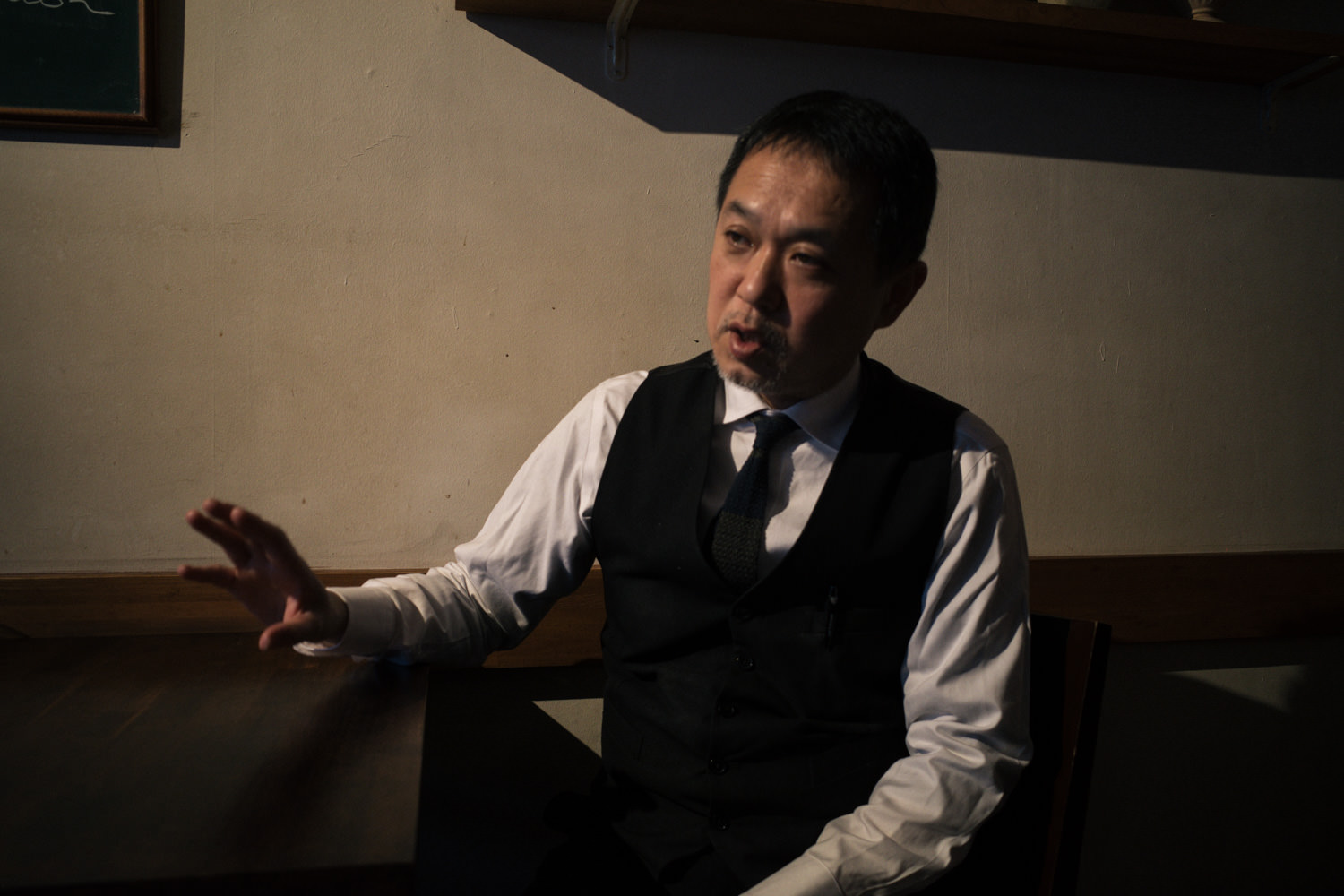
Interviewer: Reading the book, the analysis of successful restaurants was laid out and introduced very logically.
Shinji Hayashi: You could call it success-bias — the people who failed were surely thinking logically too, so it probably comes down to two things: originality and obsession. It sounds trite, but I think the strong ones are those who have that one line they will not cross.
Interviewer: (Explaining the kind of gallery I would like to run… I described my dream gallery, one unlike any that exists today.)
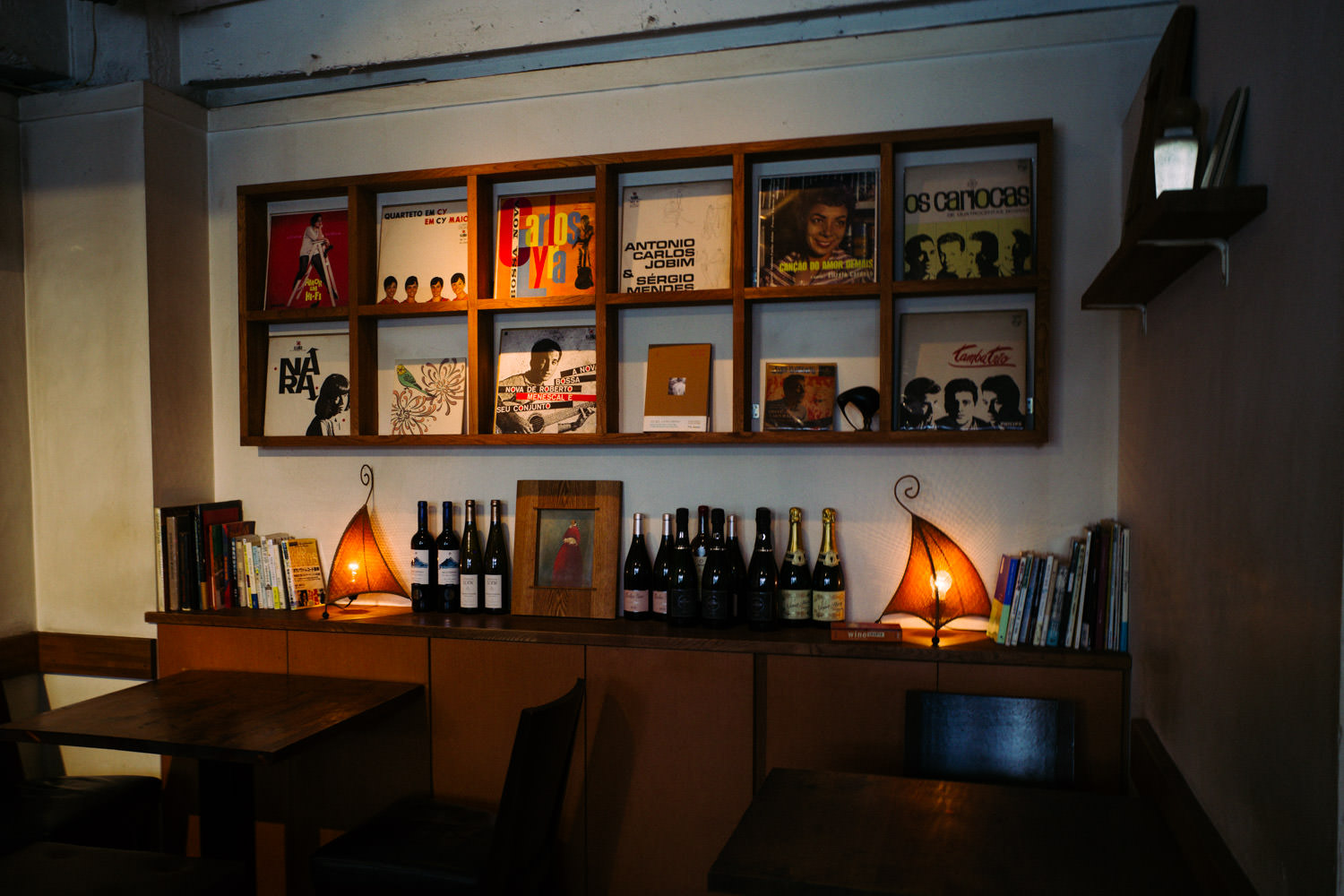
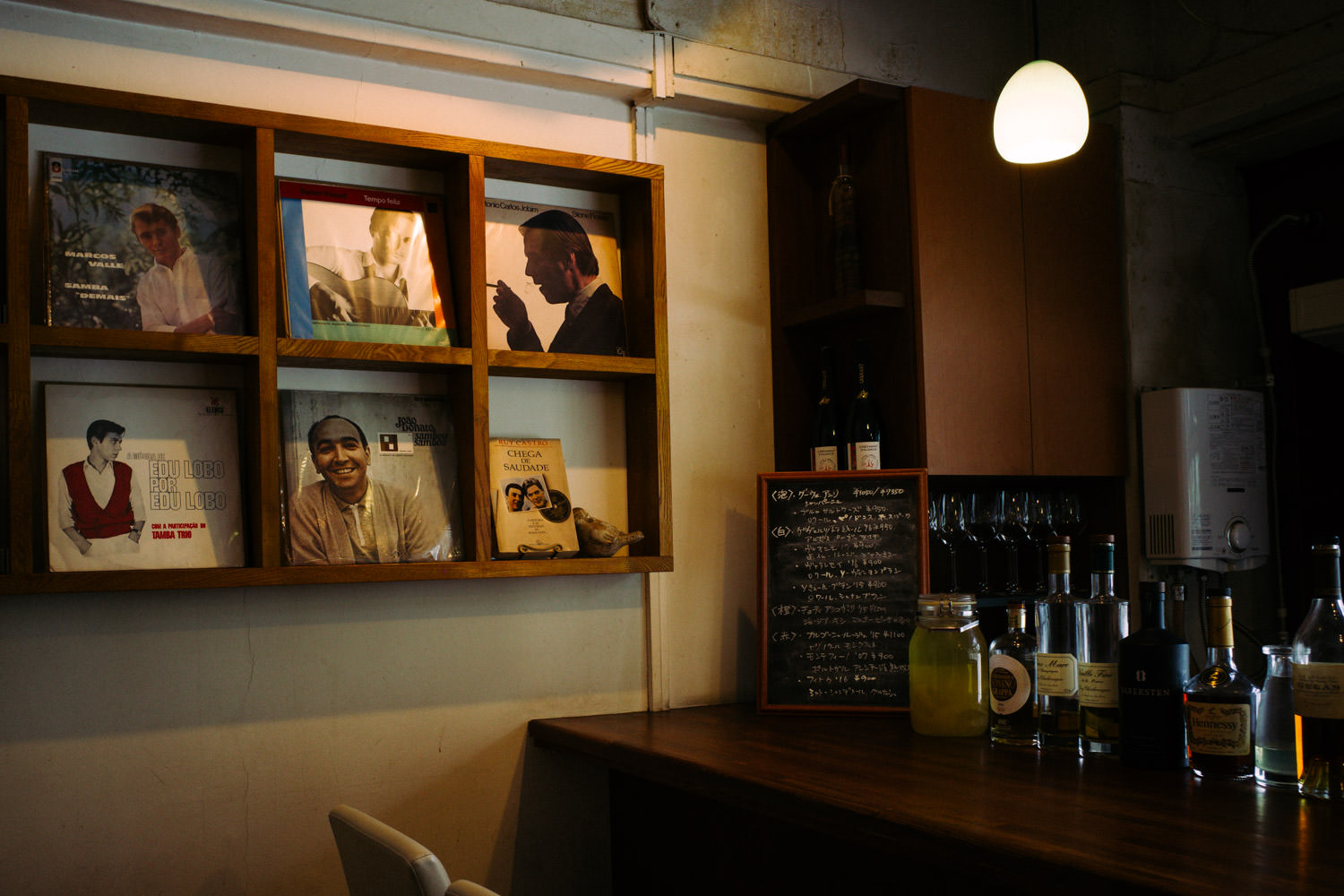
Shinji Hayashi: Being the first to think “there isn’t one, so let’s try” — that’s incredibly strong, I think. The reason people don’t do it is precisely because it doesn’t exist; it’s like trying to build a jungle in the desert — it takes a lot of courage. I too started a bar that played bossa nova, but at the time there were jazz bars, soul bars, rock bars, but no bossa nova bar anywhere.
Questions I asked Hayashi
Including the possibility of a new form of gallery, I asked Hayashi about his thoughts.
Interviewer: Near BAR BOSSA, I came across a shop hosting a solo exhibition inside a café. So in Shibuya there are shops that hold art exhibitions and sales inside a café. Could you talk about the potential of a business combining café and gallery?
Shinji Hayashi: Ah, that shop — they hold shows from time to time. When you run a shop and want customers, you often host events. There are people out there who just love events. Customers who come for an event will drop by from time to time afterward. Humans have a sense of territory, and once they’ve been inside a shop, they find it easier to visit again.
When an artist holds an event, it gets shared on social media, and people come to the shop. And once they’ve come, a pattern of returning starts to take shape.
BAR BOSSA once held a “meet-and-greet” event to pair up men and women. It was a hassle and didn’t make money, but customers who came at that time would come back next time. Rent in Shibuya is high, so there are many shops that keep drawing customers through these kinds of events.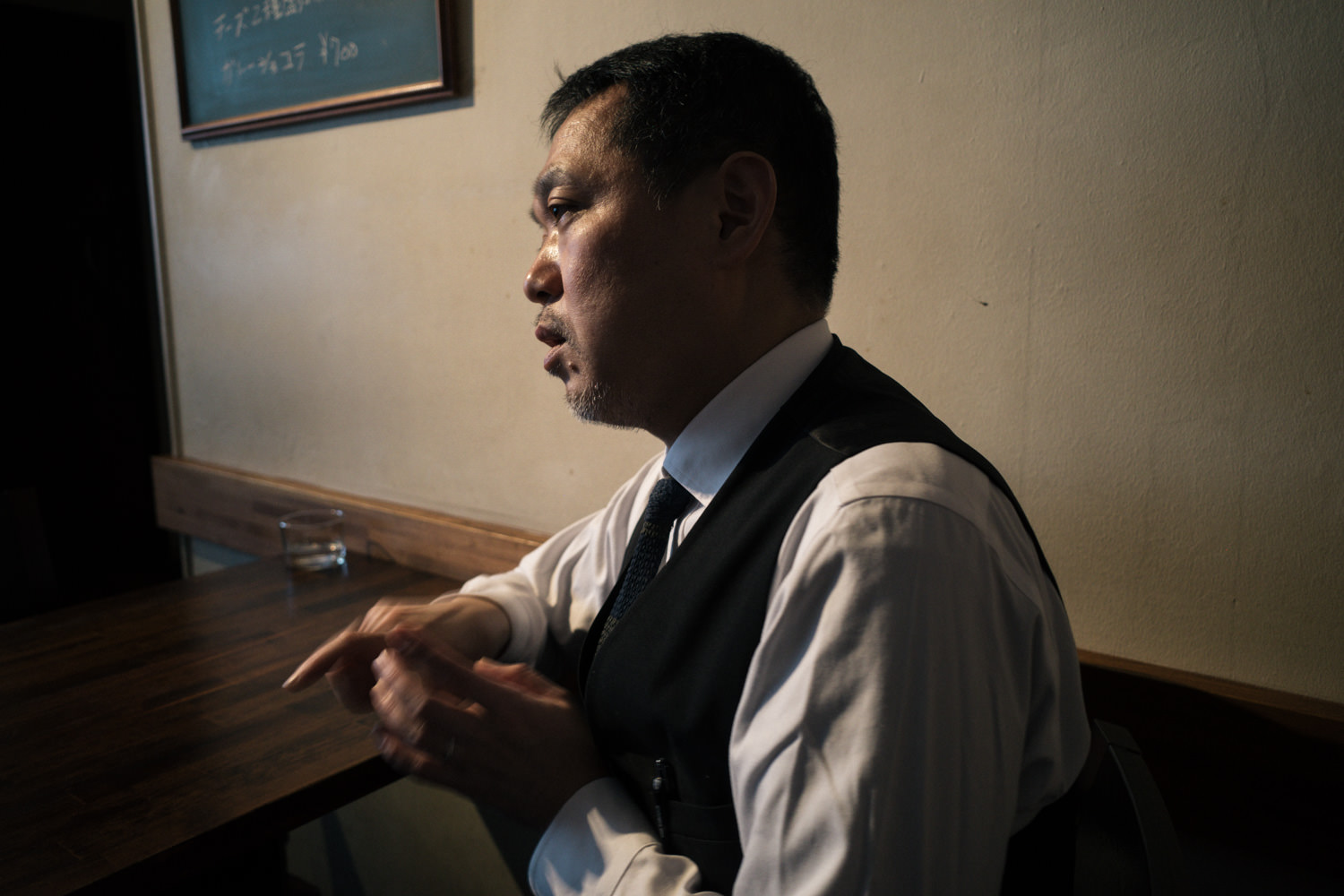
Interviewer: On top of running a few one-off events like that, are there shops where — like the old bundan bars or jazz kissa — people of a certain scene gather, where culture becomes tied to the shop, and the place itself takes on power?
Shinji Hayashi: There’s a certain famous café where the owner draws big crowds whenever he holds an event, and goods sales end up higher than café sales. I’m not attached to material things and it doesn’t interest me, so I don’t do it myself.
There’s a CD shop called “Ame to Kyujitsu.” It used to be in Nishiogi — Ryuichi Sakamoto gave it a shout-out on Twitter, and it was featured in the magazine BRUTUS — but now the storefront is only in Hachioji, and they basically sell over the internet.
Interviewer: So you’re saying an effective approach is to raise the owner’s profile and use that reach to sell goods online?
Shinji Hayashi: Yes. In my case, I’d like to sell goods, but I have no interest in the goods themselves. I could sell wine glasses, I suppose, but that sort of thing doesn’t interest me. In my case it turned into writing.
Interviewer: Let me ask about community. Around me, a network of fellow art collectors has been growing. What do you think about connecting a café with a community to run the business?
Shinji Hayashi: I think it’s a very good approach. I think it’s going to be incredibly viable going forward, but I don’t think it will bring in money.
I too originally planned to lean the shop toward music, but doing this and that, what I realized was that collectors and people like that don’t really spend on food and drink. People who’ve just watched a live show all go home after a single oolong tea.
Still, I do think community will be enormously in demand going forward.
There are moments when people do come to the shop, and if you want to monetize the community, it’s good to think about the system. In the case of snack bars, they charge 3,000 yen for all-you-can-drink. The cost of a highball, for example, is 50 yen. Even at 10 drinks that’s only 500 yen, so you always turn a profit.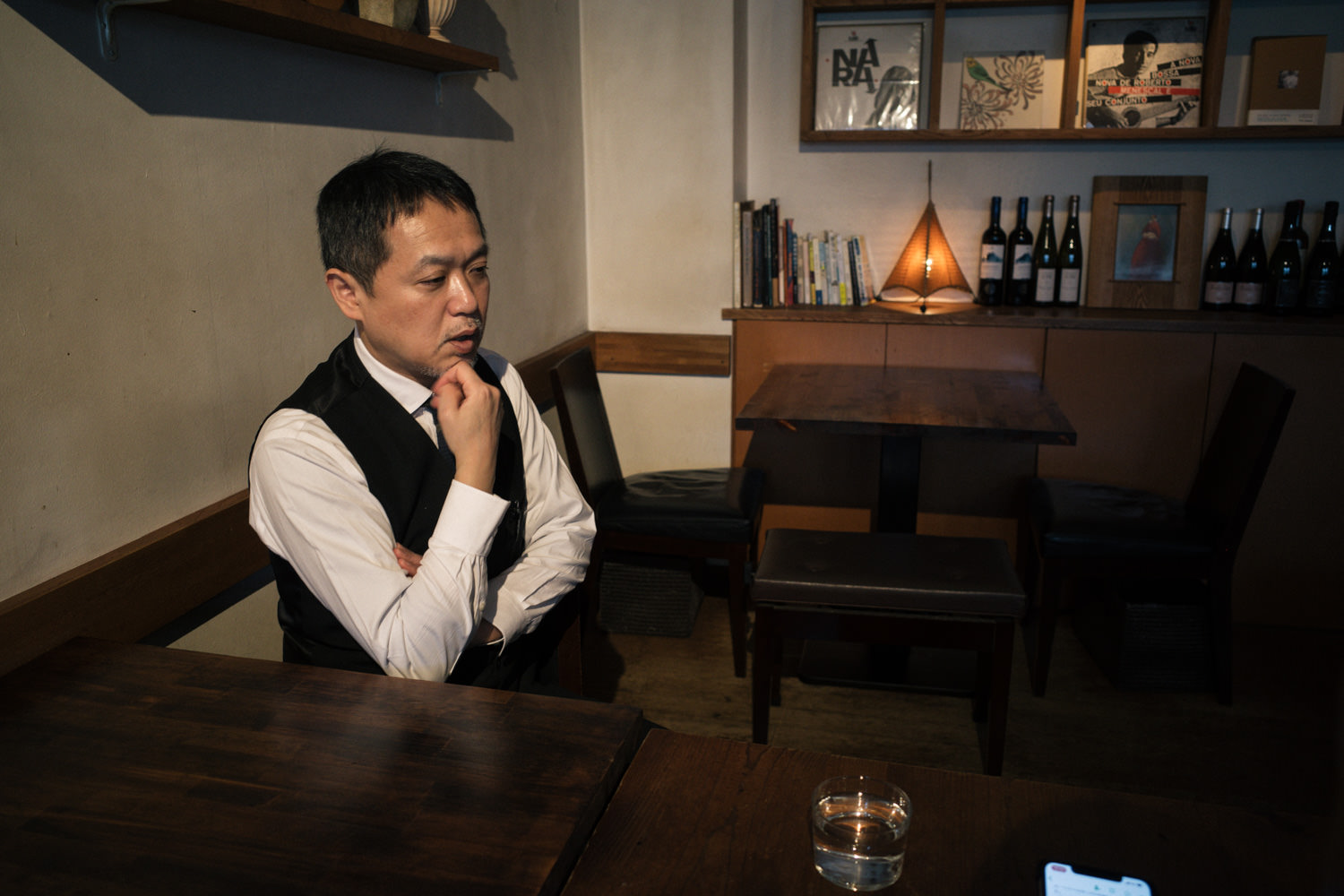
Shinji Hayashi: That gallery idea you mentioned earlier — it really sounds like it could work!
Interviewer: Really?
Shinji Hayashi: Sadaaki Kato, the head of the company that runs note and CAKES, once said that CAKES was launched because he wanted to do something about the fact that high-quality content wasn’t growing on the internet. Back then it was hard for web content to take root — so he launched the service out of a sense of crisis over the future of web content. There’s real strength in the will that says, “The situation is like this now — I want to make it like that next.”
Do you know Shintaro Tabata? Tabata was saying from the very start that note would take off — “If plenty of people succeed on note, others will gather.” If you make a few “note millionaires” who made it big on the platform, a pattern forms where people say, “Ah, so-and-so came out of there.” I hope you can create that kind of virtuous cycle for the gallery, too.
Wrap-up
I came into this interview with a hypothesis: could a new element be added to the existing gallery system to reshape it? Hayashi returned clear answers to every question. To what I asked, he responded in a calm tone, without pause, and with real substance.
What struck me most was his perspective on community, his approach to building relationships with customers, and his sense of how to use the internet. It wasn’t a matter of “just use it” — he offered theories rooted in experience, and advice drawn from case studies, and I came away with a lot that made deep sense.
I feel I’ve gained a rough outline of what a new form of gallery could look like.