Hammershøi and Danish Painting
In recent years, Hammershøi’s reputation has continued to rise worldwide.
Major museums in Europe and America have been adding his works to their collections one after another, and in Japan too the first exhibition, “Vilhelm Hammershøi: The Poetry of Silence (National Museum of Western Art),” was held in 2008; though he had been an almost unknown painter until then, it captivated many art fans.
This exhibition presents, in addition to about 40 works by Vilhelm Hammershøi—a painter representative of late-19th-century Denmark—a wealth of appealing Danish painting: from the simple, pure paintings of the “Golden Age of Danish Painting” that flourished in early-19th-century Copenhagen, to the Skagen school that incorporated Impressionist-style depictions of light, to the interior paintings by artists active in the fin-de-siècle capital. It is the first full-scale introduction of Danish painting in Japan.
Chapter 1: In Praise of the Everyday — The Golden Age of Danish Painting
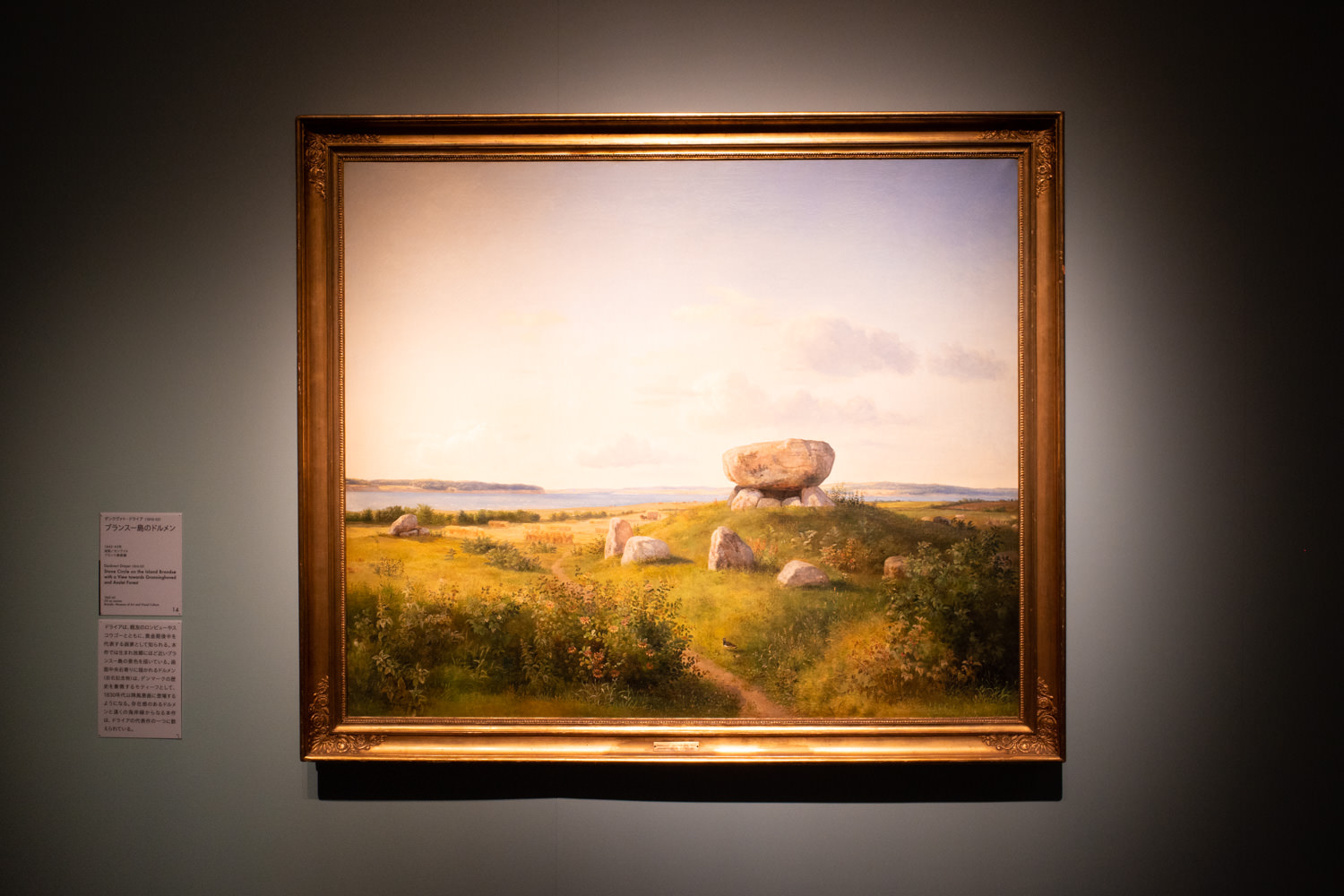
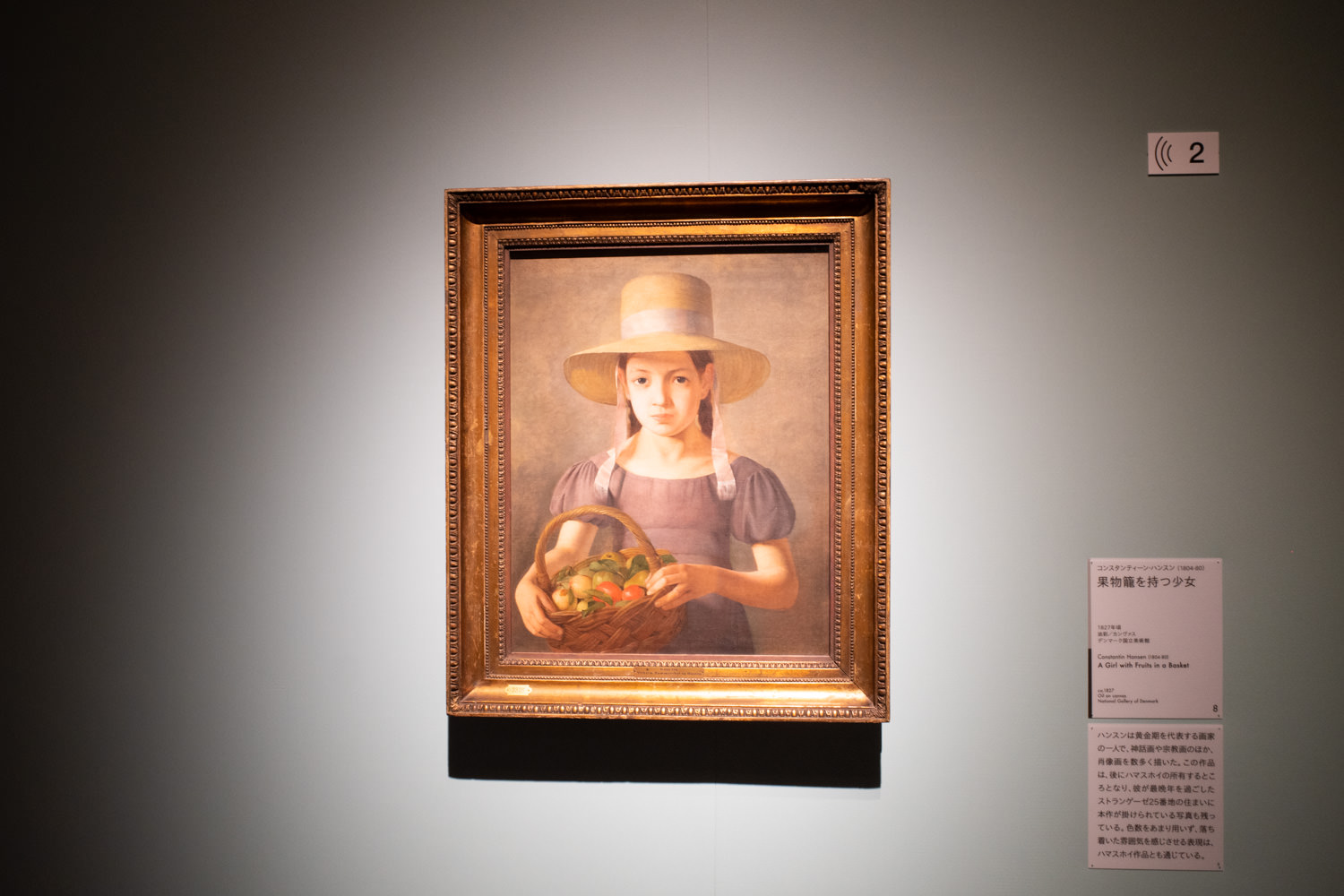
Early-19th-century Danish painting is called the “Golden Age,” when many artists emerged and developed diverse creative activity. In landscape painting, they found aesthetic value in familiar nature through direct observation—setting off on sketching trips to the outskirts of the capital, Copenhagen. In portraiture, meanwhile, they moved from formal expression symbolizing the sitter’s social status toward relaxed, unadorned, intimate depiction. In many cases the patrons were no longer royalty and aristocracy as before, but the bourgeois class that rose to prominence in this era.
Danish painters sought and found their own identity in the praise of modest daily life. The simple, tranquil “art of the citizen” and its values, developed in the Golden Age, became the foundation of modern Danish culture and were passed on to later generations of painters.
Chapter 2: The Skagen School and the Light of the North
In 1840s Denmark, nationalism was on the rise, and in art too—centered on the Royal Danish Academy of Fine Arts—depicting Denmark’s own landscapes and the lives of people preserving traditional customs was encouraged. Against this backdrop, from the 1840s onward painters began venturing to the “untamed land” of the Jutland peninsula, and in the early 1870s the fishing town of Skagen at the peninsula’s northern tip was “discovered.”
Through the distinctive harsh natural environment and the figures of the fishermen living there depicted by the painters who visited, Skagen’s reputation spread, and the artists who gathered across borders in this small fishing town came to be called the Skagen school. Incorporating influences such as French Impressionism, the beautiful paintings of the Skagen school have drawn the Danish people from the late 19th century to this day.
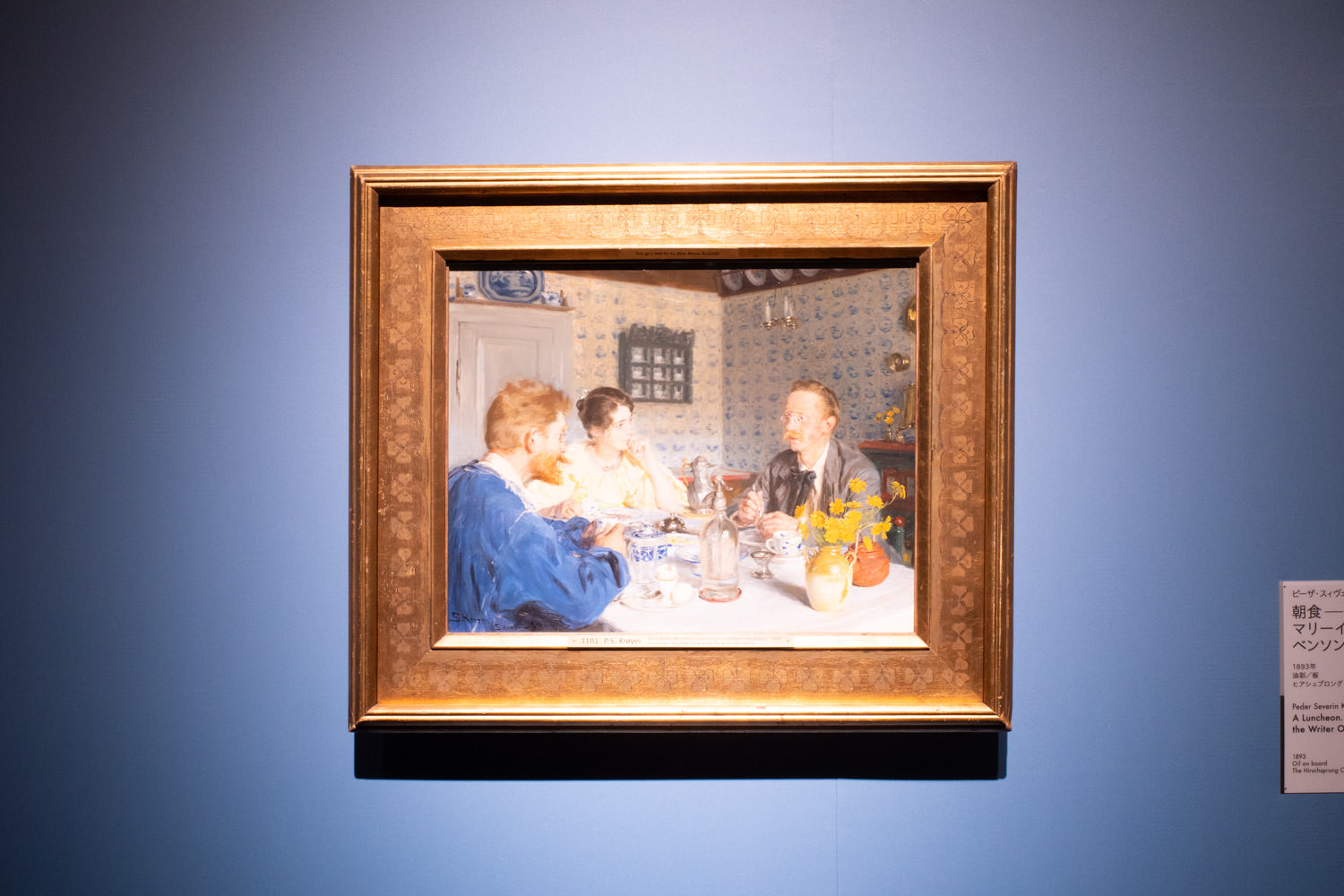
Chapter 3: Late-19th-Century Danish Painting — Internationalization and the Rise of Interior Painting
The “Free Exhibition” (Den Frie Udstilling), established in 1891, invigorated the Danish art world by providing young painters a venue for free presentation of their work. In 1893 it exhibited works by Van Gogh and Gauguin, playing an important role in the internationalization of Danish art as a venue for introducing new foreign art.
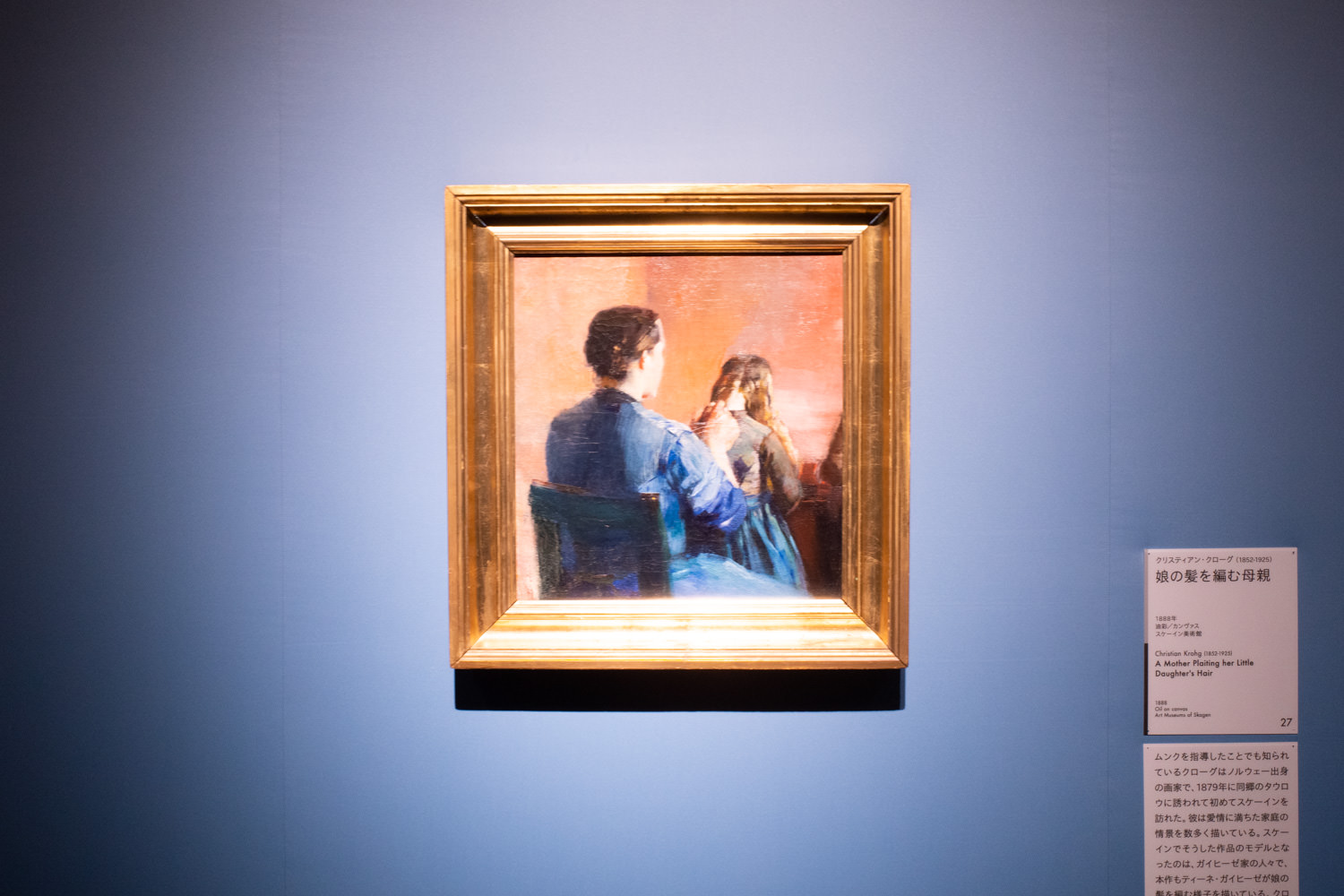
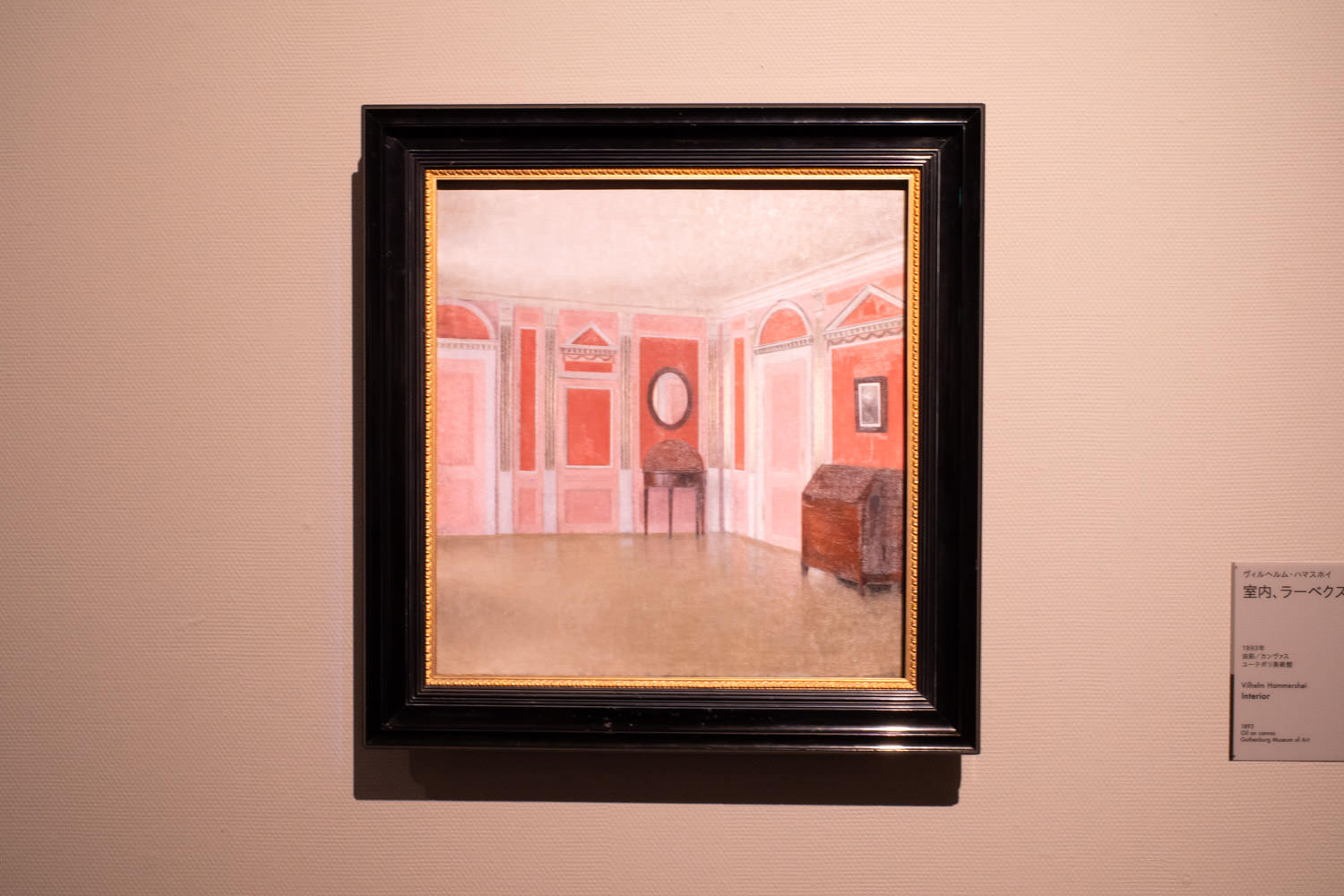
Also, in Copenhagen from the 1880s onward, paintings taking the interior of the painter’s own home as their subject gained popularity. Many warm, domestic scenes were painted, and through such images of “happy family life,” “intimacy” became one of the characteristics of Danish painting. On the other hand, around 1900, interior paintings with little narrative—symbolized by works depicting unpeopled interiors—became prominent. Painters regarded living rooms and bedrooms as aesthetic spaces and pursued a refined integration of pictorial elements.
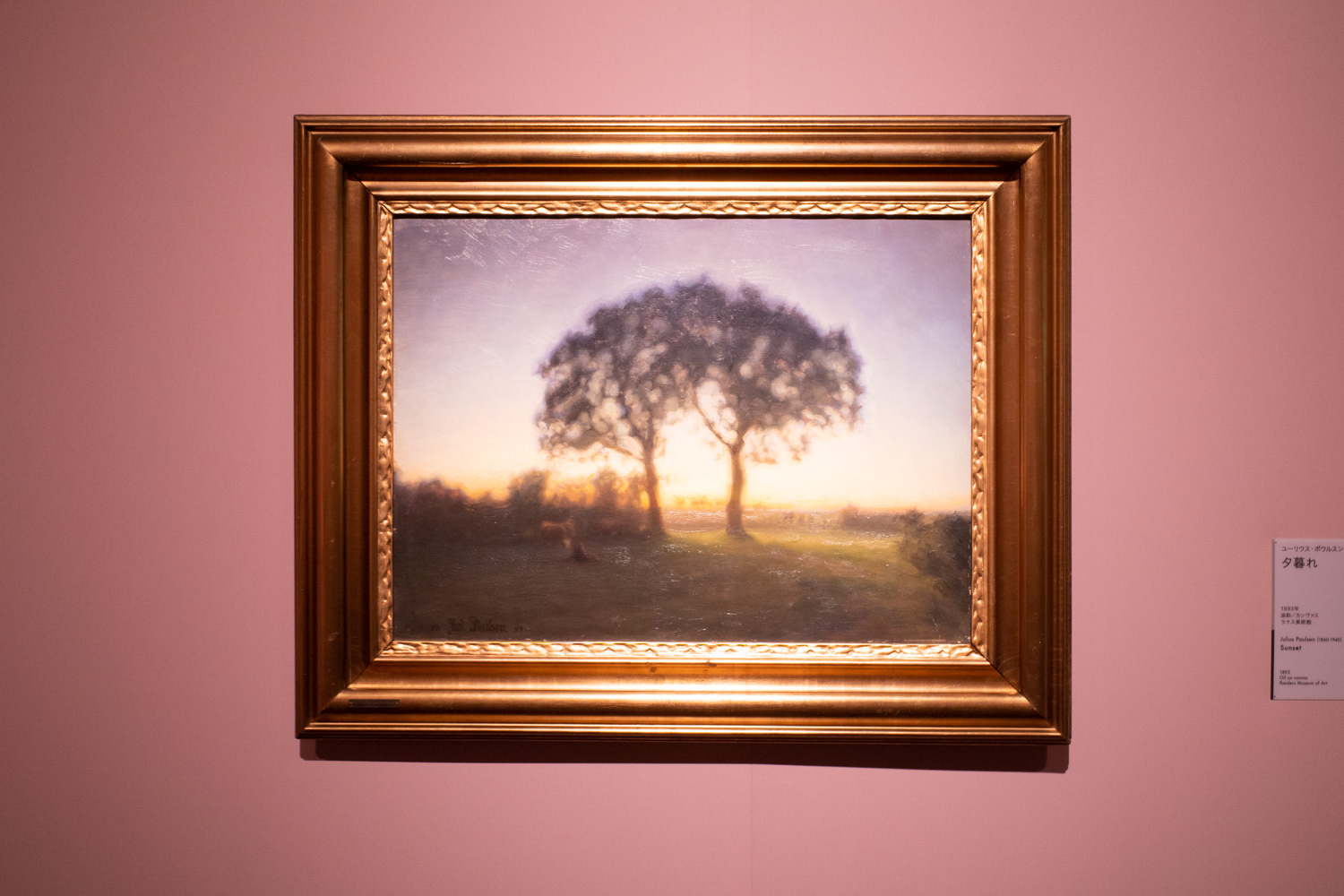
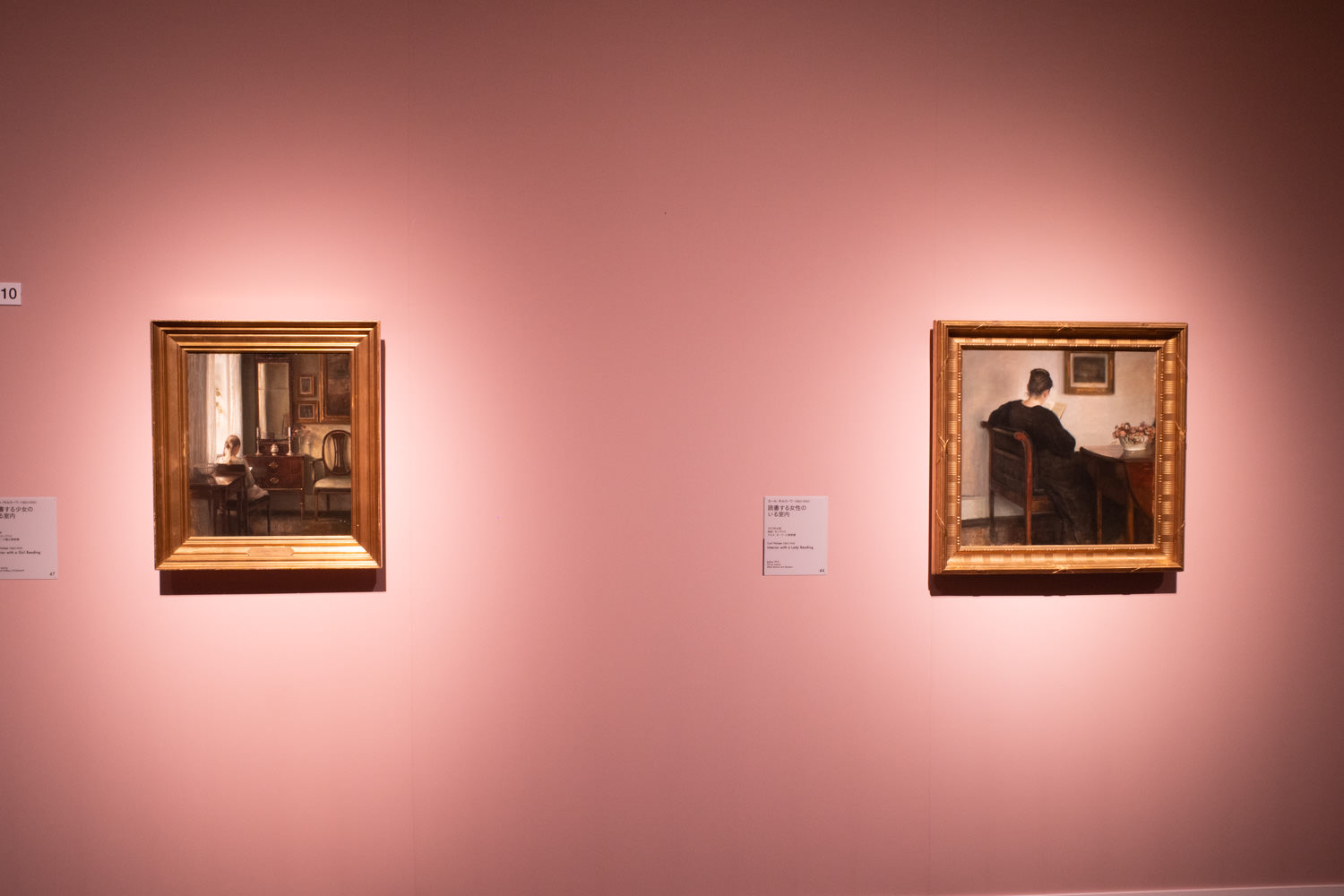
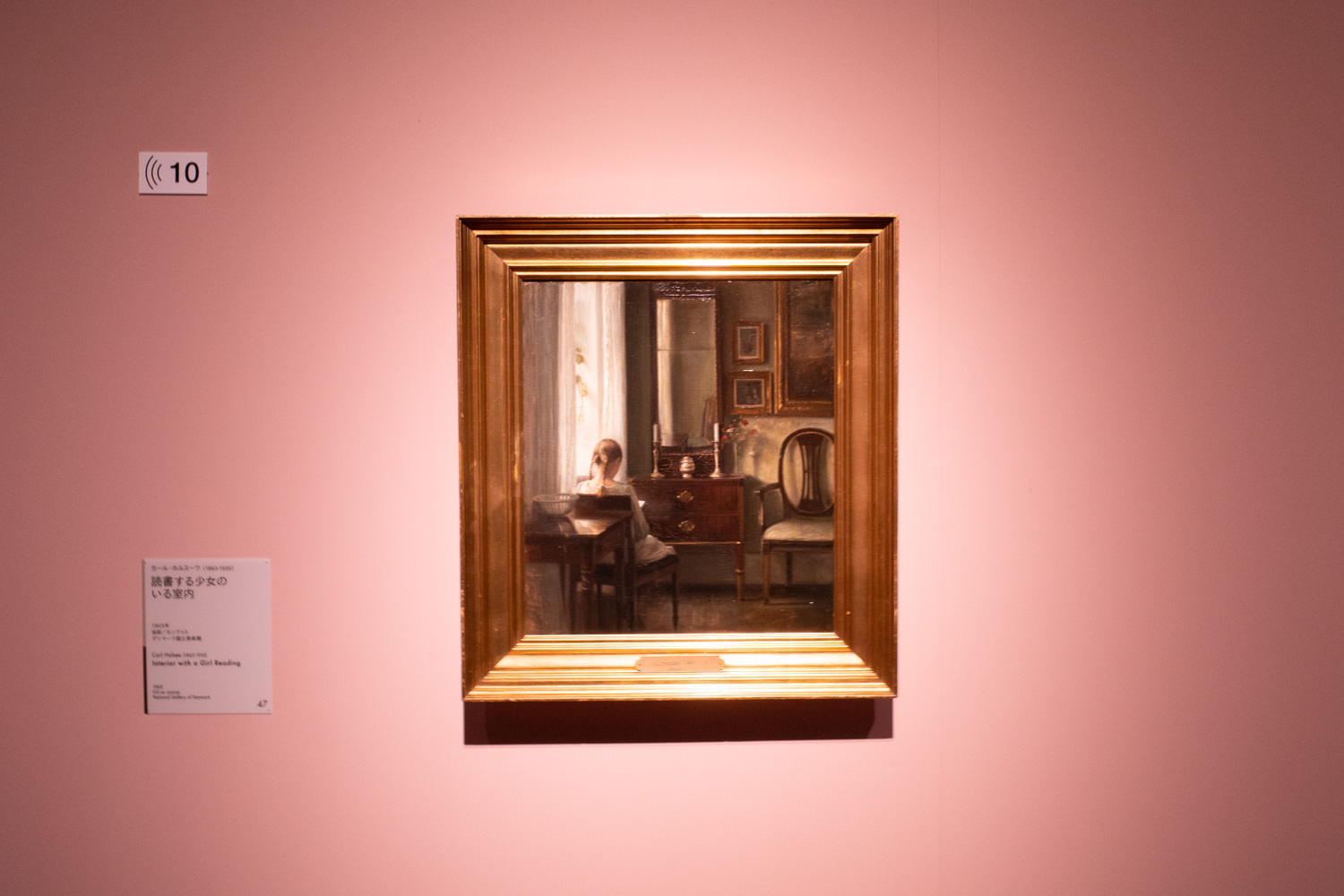
Chapter 4: Vilhelm Hammershøi — In the Silence of the Capital
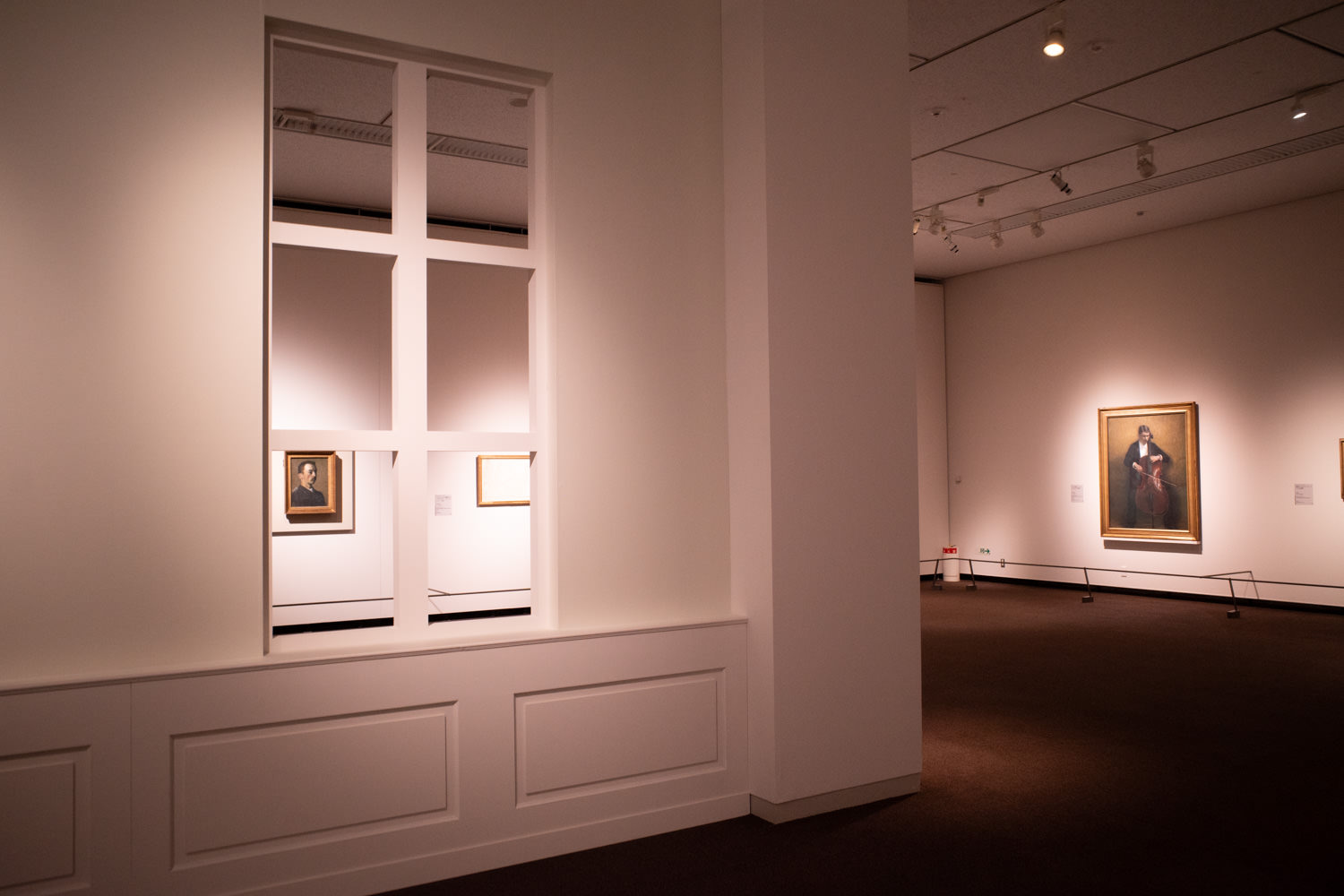
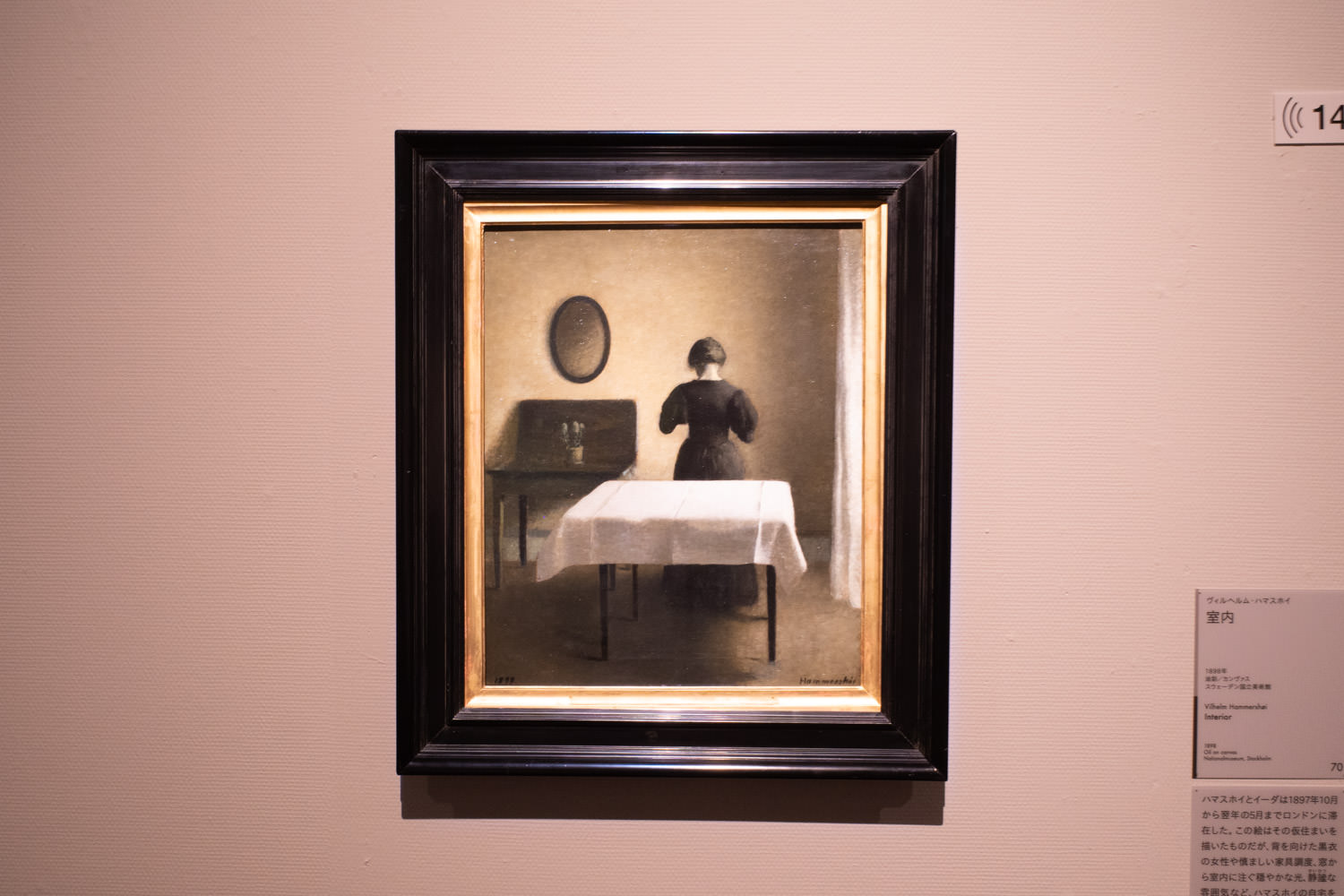
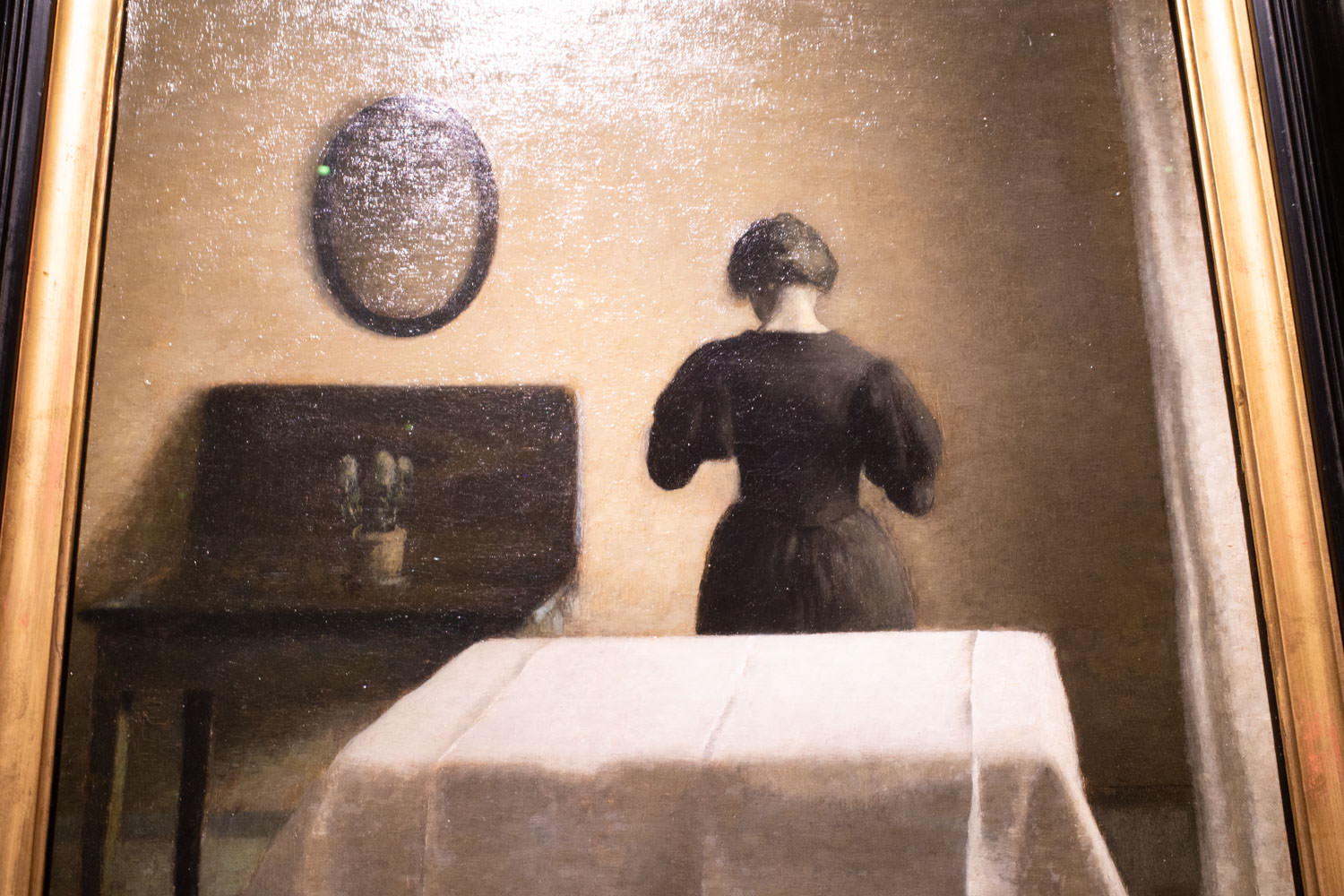
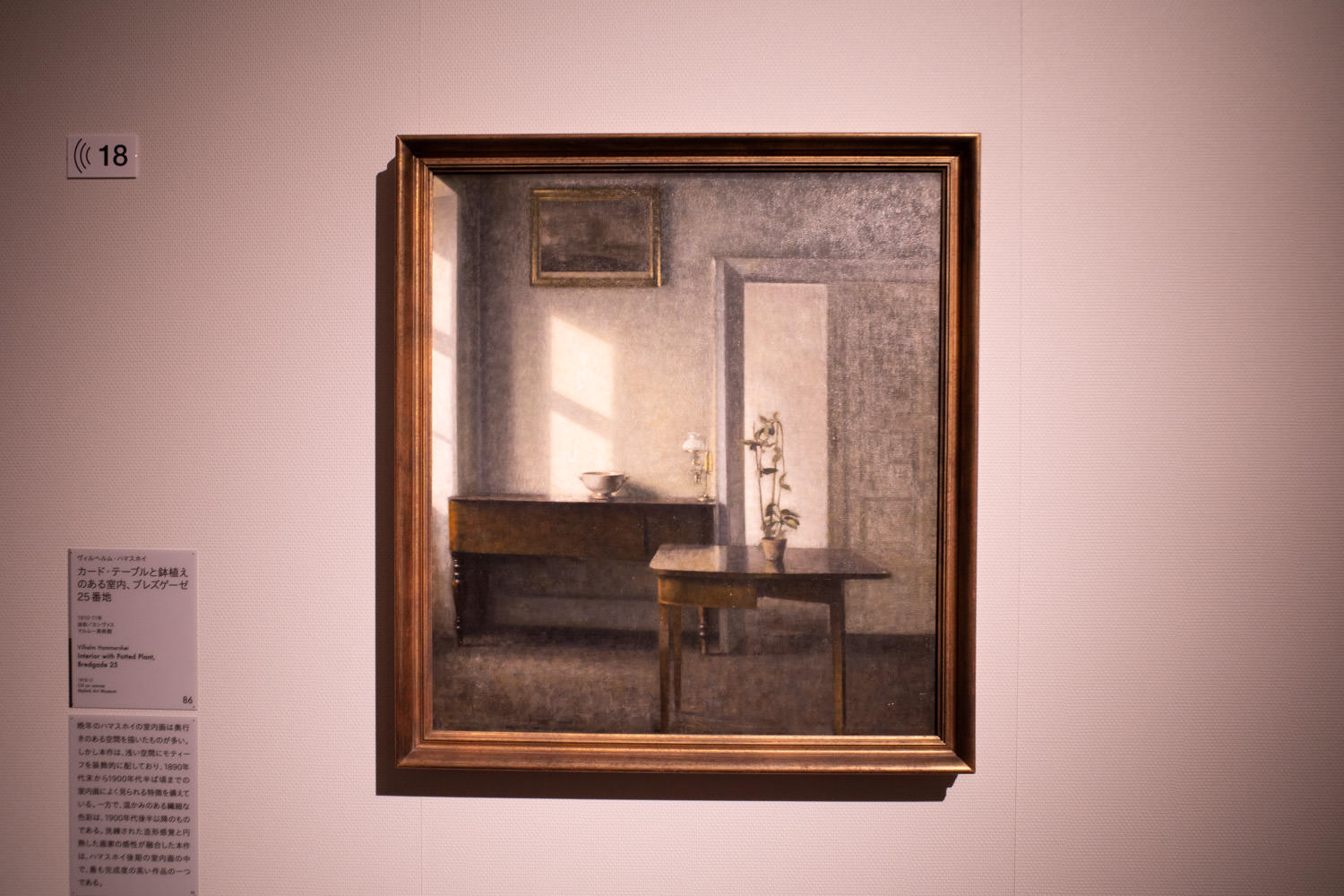
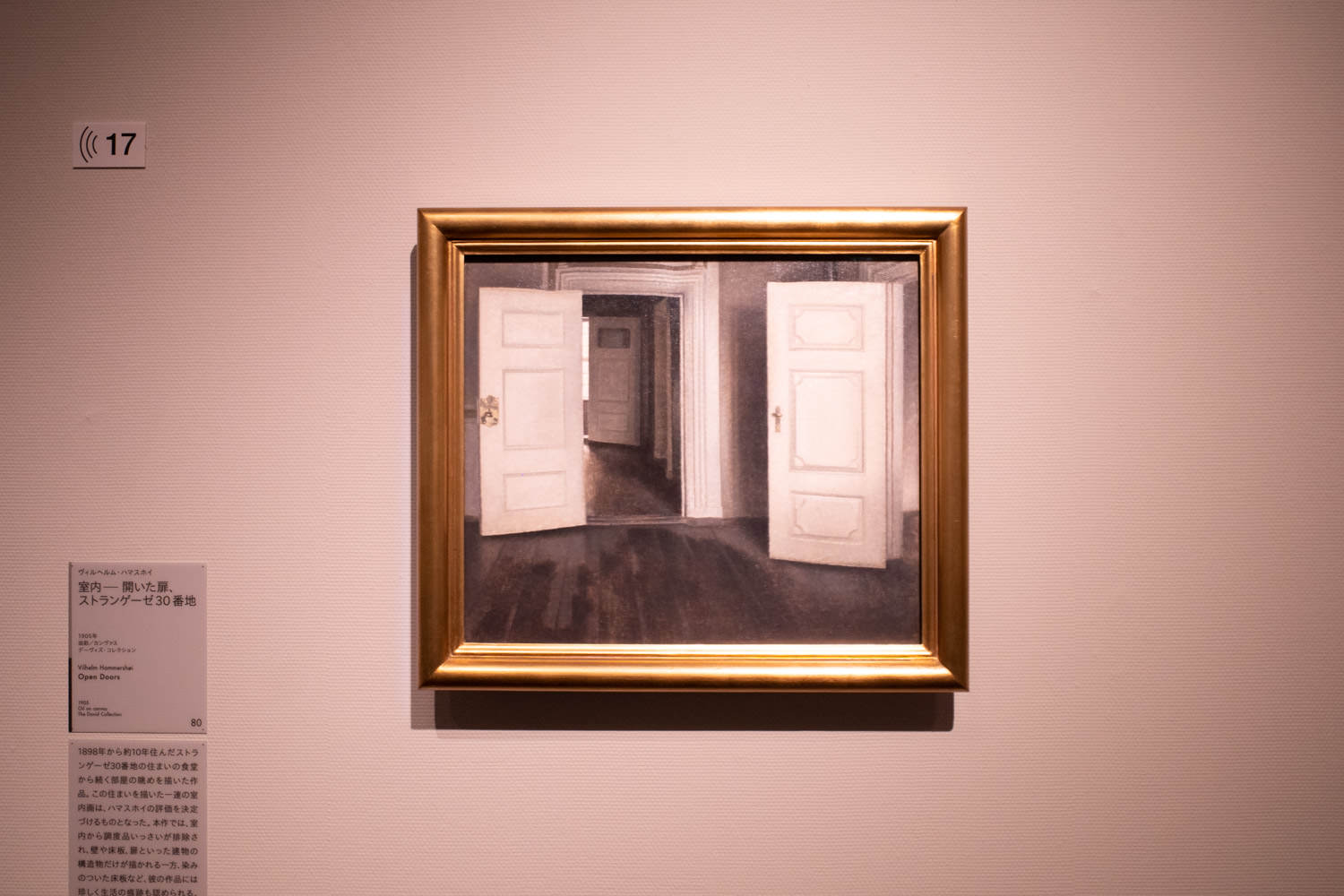
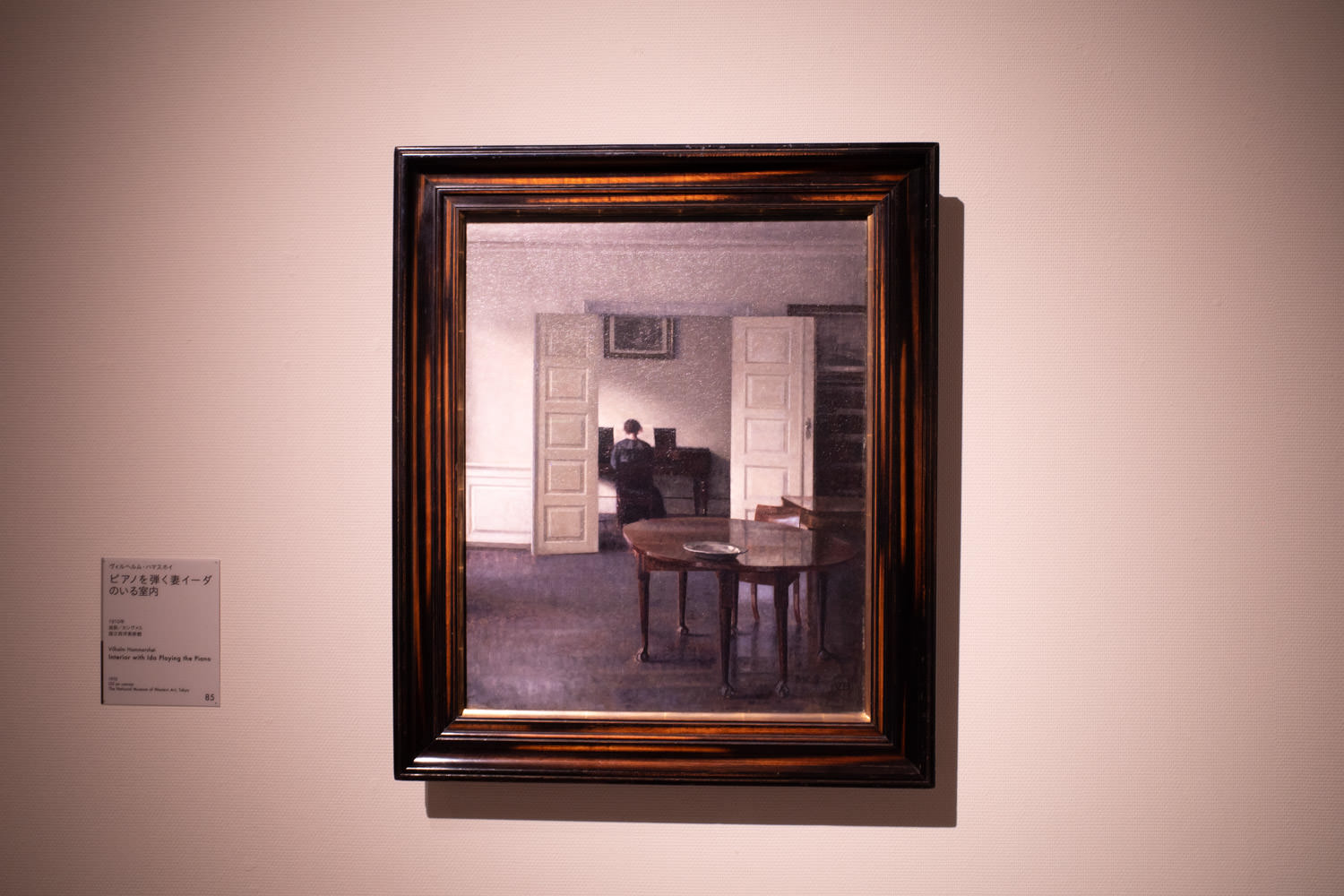
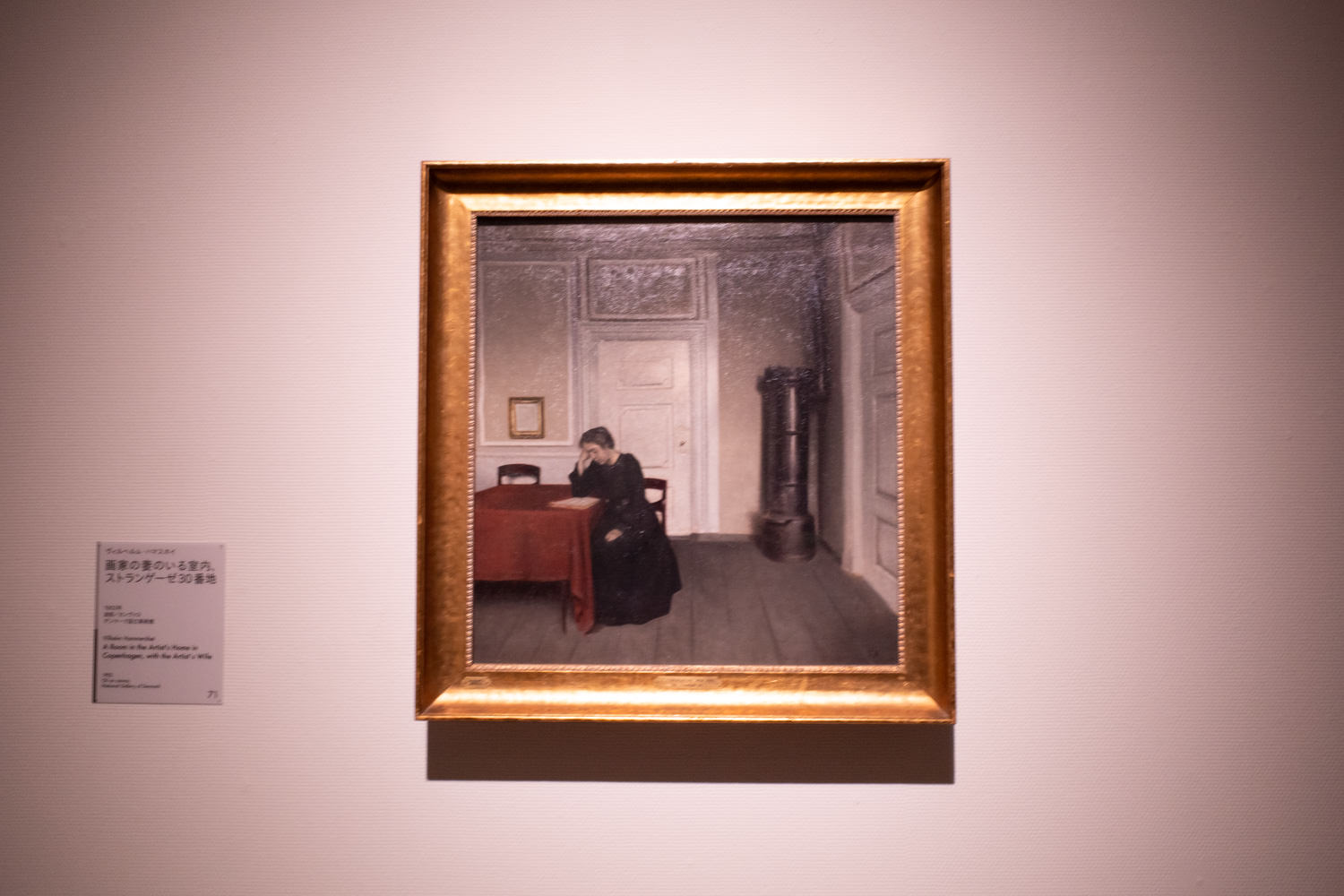
In the final chapter, Hammershøi’s works finally appear. Thirty-seven paintings are gathered.
Summary
The structure traced Chapters 1–3, which sum up 19th-century Danish painting, and then closed with the paintings of Vilhelm Hammershøi.
Hammershøi’s paintings feature motifs with little movement—empty interiors, women seen from behind. The paint used is centered on a very calm gray. Overall, they are composed paintings for which the word “tranquil” is fitting. At the same time, the impression received through viewing seems to contain the quiet breathing of humans present even within the silence, and the subtle movement of the air drifting through the rooms—a moving viewing experience.
Though Hammershøi is also called “the Vermeer of the North,” his work had a sure pictorial strength that set it clearly apart from Vermeer.
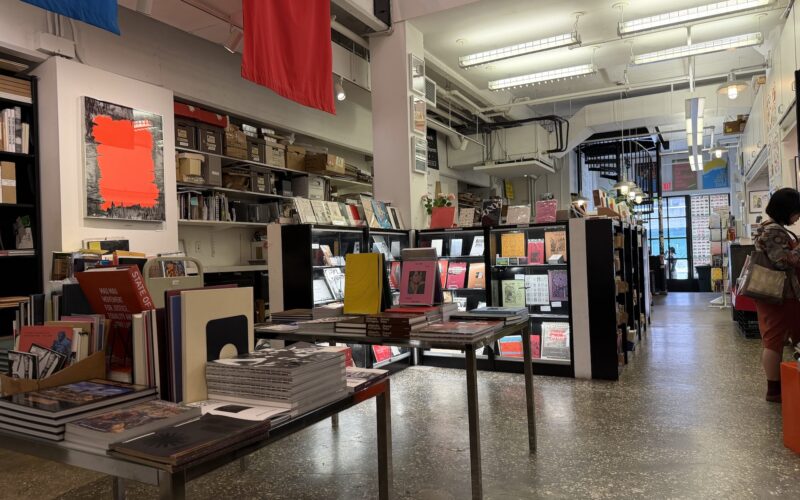
The venue’s museum shop sold a wide variety of items.
This, too, is worth checking out!
Incidentally, this exhibition was realized under the supervision of Kenji Yorozuya, curator at the Yamaguchi Prefectural Art Museum. The touring exhibition at the Yamaguchi Prefectural Art Museum is scheduled for April 7 – June 7, 2020.