Maintaining Framed Acrylic Surfaces: Dirt and Fine Scratches
At our recent Kore Kore exhibition, we invited the framing shop nabis (Kuramae) and held a talk event about framing.
Before the event, we set up a form inviting worries and questions about framing in advance, and received many questions.
The most common of these concerned the handling of “acrylic boxes and acrylic panels” — namely, how to handle them.
- Lightweight
- Hard to break
- Blocks UV rays
- High transparency
- Low-reflection acrylic panels also exist, suited to viewing
On the other hand, the drawback that draws attention is that they’re prone to scratching. Because of this, many art collectors seem to struggle with scratches on acrylic panels. Here are some of the questions we actually received:
- I’d like to know the best way to deal with a dirty framed acrylic surface.
- I’d like to know how to care for acrylic well. Even wiping with a soft cloth leaves fine scratches.
- Is there a way to cleanly remove polishing scratches from acrylic?
-
Once, bothered by fine scratches on an acrylic surface, I bought something like an acrylic polishing cloth online and buffed it — only to end up with streaky polishing scratches all over.
How about it? Haven’t you had similar questions yourself?
Why Acrylic Panels Get Dust and Fine Scratches
Acrylic panels are made of resin and tend to become charged, attracting dust through static electricity. They’re also made of a soft material that scratches easily.
If, bothered by dust, you try to wipe with a rag or tissue, the adhering dust scratches the resin surface. That’s the nature of it.
Charging → dust attracted by static → careless wiping → fine scratches from the dust
Rather than a big scratch or crack from some impact, scratches generally tend to occur through the flow above, don’t they?
About Fine Scratches and Scuffs on Acrylic Panels
To state this site’s conclusion up front: fine scratches on an acrylic panel cannot be repaired.
Unfortunately, once it’s scratched even once, repair is impossible — it’s best to assume so.This article isn’t about repairing or restoring scratches, but a summary of maintenance methods for removing dirt without adding fine scratches.
Removing Dirt
Air Duster
Since friction on the acrylic surface causes scratches, removing dirt without contact is the safe method.
I recommend using an “air duster,” which many galleries also use.
When I asked a gallerist, I heard galleries often use it on unframed artworks too.
Note: when used with the included nozzle attached, there are reports of the nozzle flying off. Please be careful.
Rinsing with Water
Rinsing is effective for both antistatic purposes and removing dirt.
Gently removing dirt with soap or a neutral detergent is fine too. You may wash by hand or with a soft cloth. *Of course, remove the artwork before washing.
Acrylic Sunday Anti-Static PolyCare
If you’d rather not remove the artwork, wiping off dirt with a soft cloth dampened with water is fine too.
There are also cleaners made specifically for acrylic. Why not consult the retailer or framing shop and try one?
For example, the following product is from a company specializing in acrylic, “Acrylic Sunday,” so there’s a reassuring sense of trust.
I bought one myself.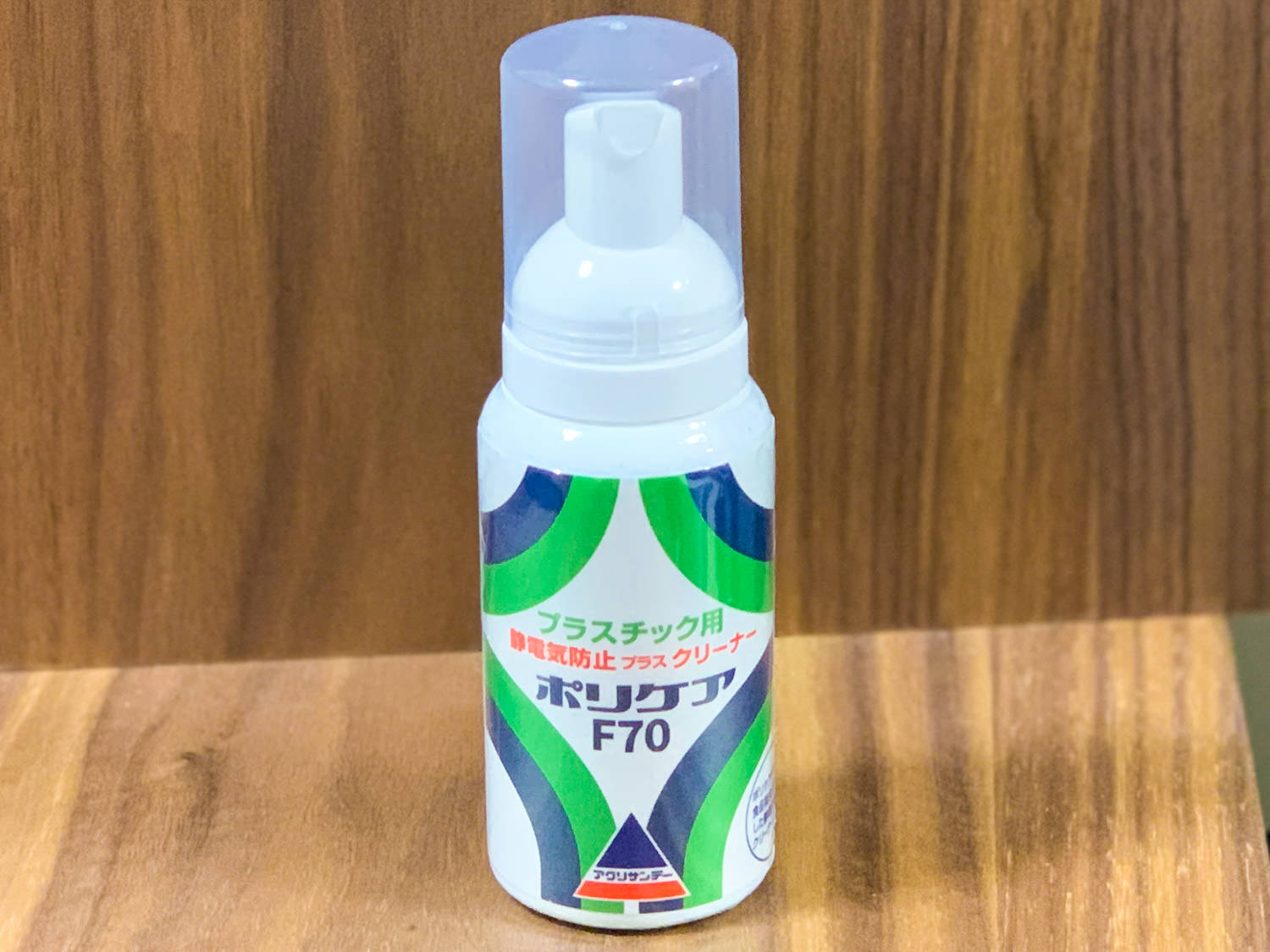
Cloth
I think the simplest method is wiping with a cloth. Generally you’d use a cloth like those for wiping glasses or camera lenses.
However, when wiping off dust while dry, you need to think carefully.
What I especially want to stress here is that you need to be careful, because dust or dirt clinging to the cloth can create very fine scratches.
A framing shop I know recommended the following cloth — an overseas product, an antistatic cloth.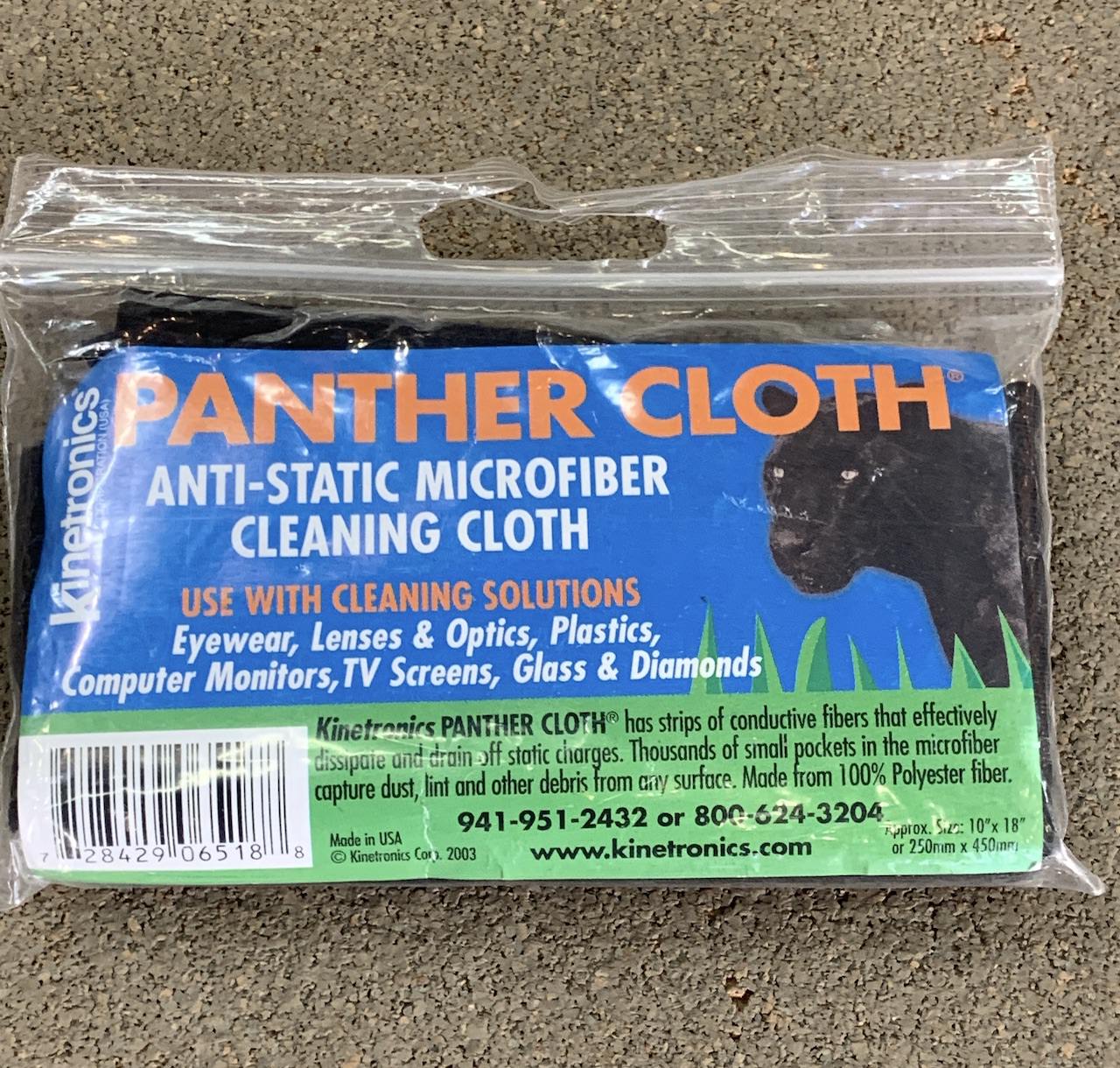

The amount of force is the key. Please take care never to try to wipe hard.
If It Gets Scratched…
Should it get scratched, there’s also the option of repairing it with products like the following.
However, as noted, an acrylic panel is considered “impossible to repair once scratched even once.” The framing-shop person mentioned earlier commented that “using repair compounds isn’t recommended.” It could even end up spreading the scratches. If you use one, please do so with resolve.
As for acrylic surfaces, I’ll close by saying: accept that some fine scratches are unavoidable, and rather than repairing, maintain them so as not to scratch them.
Have a wonderful art life.