KUAD ANNUAL 2020
We visited “KUAD ANNUAL 2020,” a group exhibition featuring selected students from Kyoto University of Art and Design. This edition’s theme is “Fieldwork.”
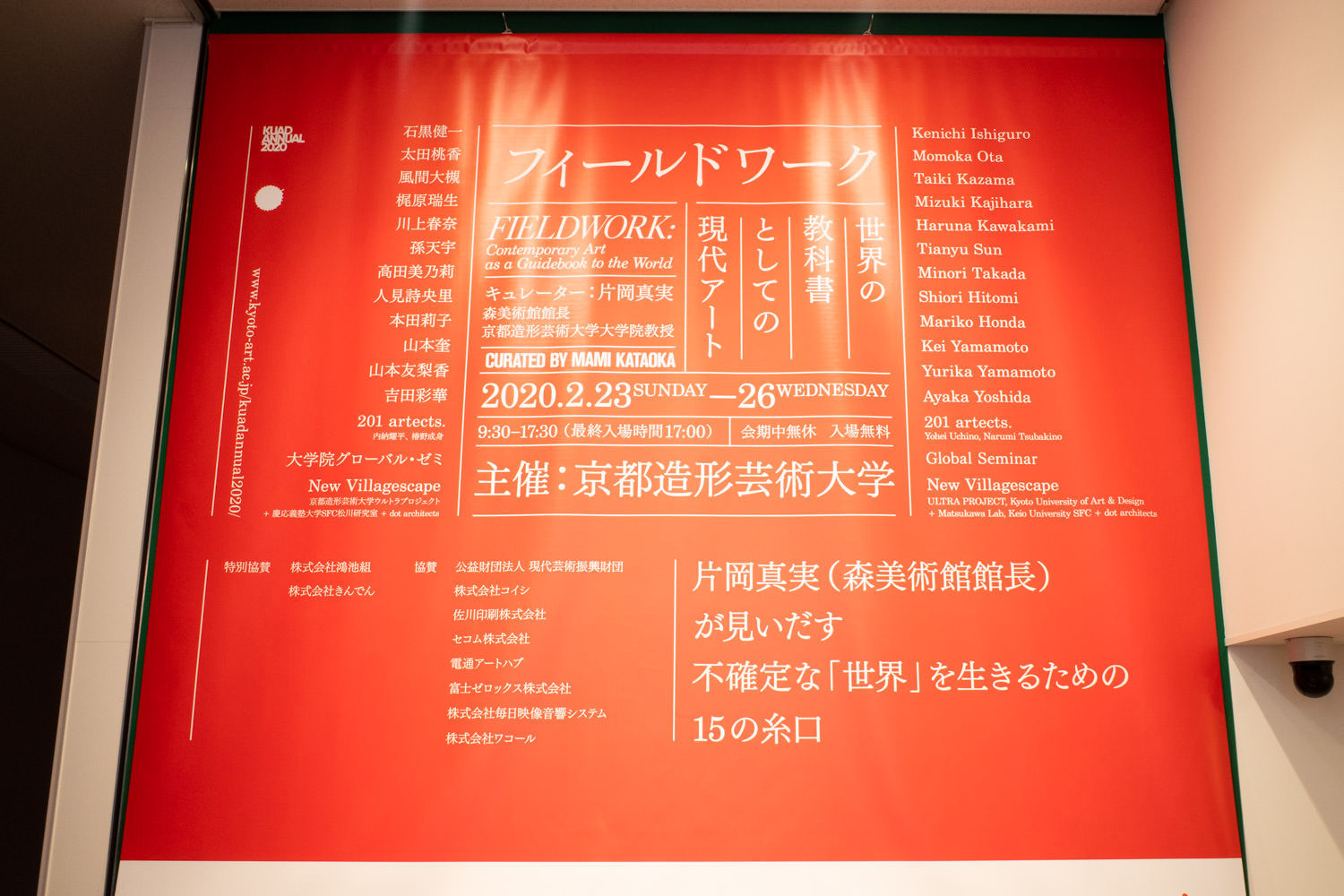
The exhibition is organized by Kyoto University of Art and Design and curated by Professor Mami Kataoka (Director of Mori Art Museum).
Participants were selected from third-year undergraduates and above, with works by 12 individuals and 3 groups of undergraduate and graduate students on display.
[Exhibition Statement by Professor Mami Kataoka]
What kind of world did fieldwork reveal?
How does fieldwork become art?Today, what we call contemporary art has expanded into a comprehensive field that surveys the increasingly diverse “world,” reconsiders the past projected onto it, and further contemplates the future. Not confined to questions of media or craft technique, contemporary art connects with every domain and serves as a guidebook for studying the “world.” Artists, therefore, must not only look inward but also relativize their own position against others, the present against the past, and above all the untold histories, so as to convey comprehensive wisdom for the future of humanity and the earth.
“KUAD ANNUAL 2020” explores “contemporary art as a textbook of the world” from the perspective of “fieldwork.” Fieldwork is a research method used across a range of disciplines, in which one travels to the subject location, participates, observes, and records. In this exhibition we frame it as an opportunity to learn about our contemporary world through personal experience and observation, and through dialogue with others. We hope you will see how the 15 participating artists (individuals and groups) have pursued fieldwork out of their varied interests, and how they have transformed the worlds they encountered into works of art.
Mami Kataoka
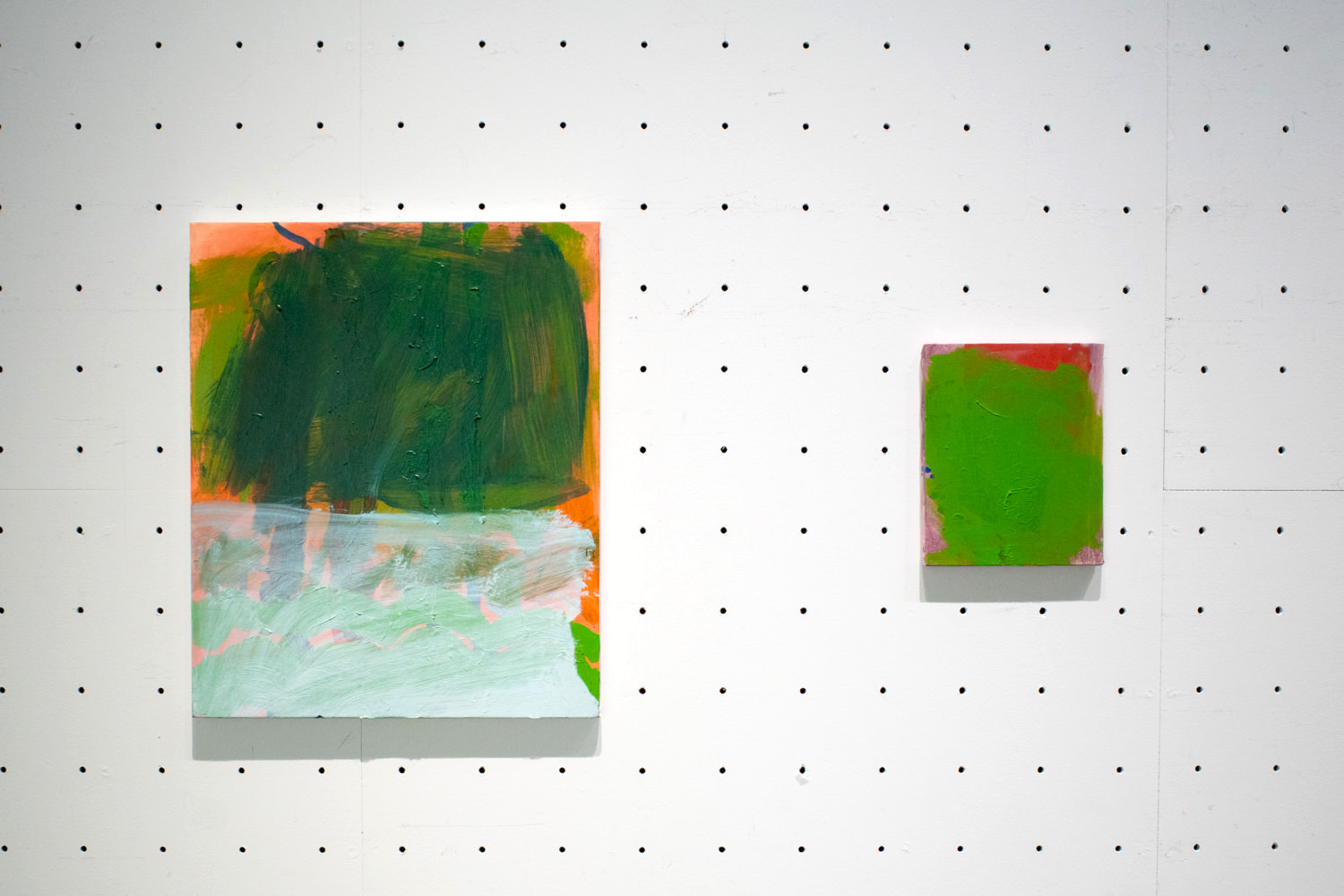
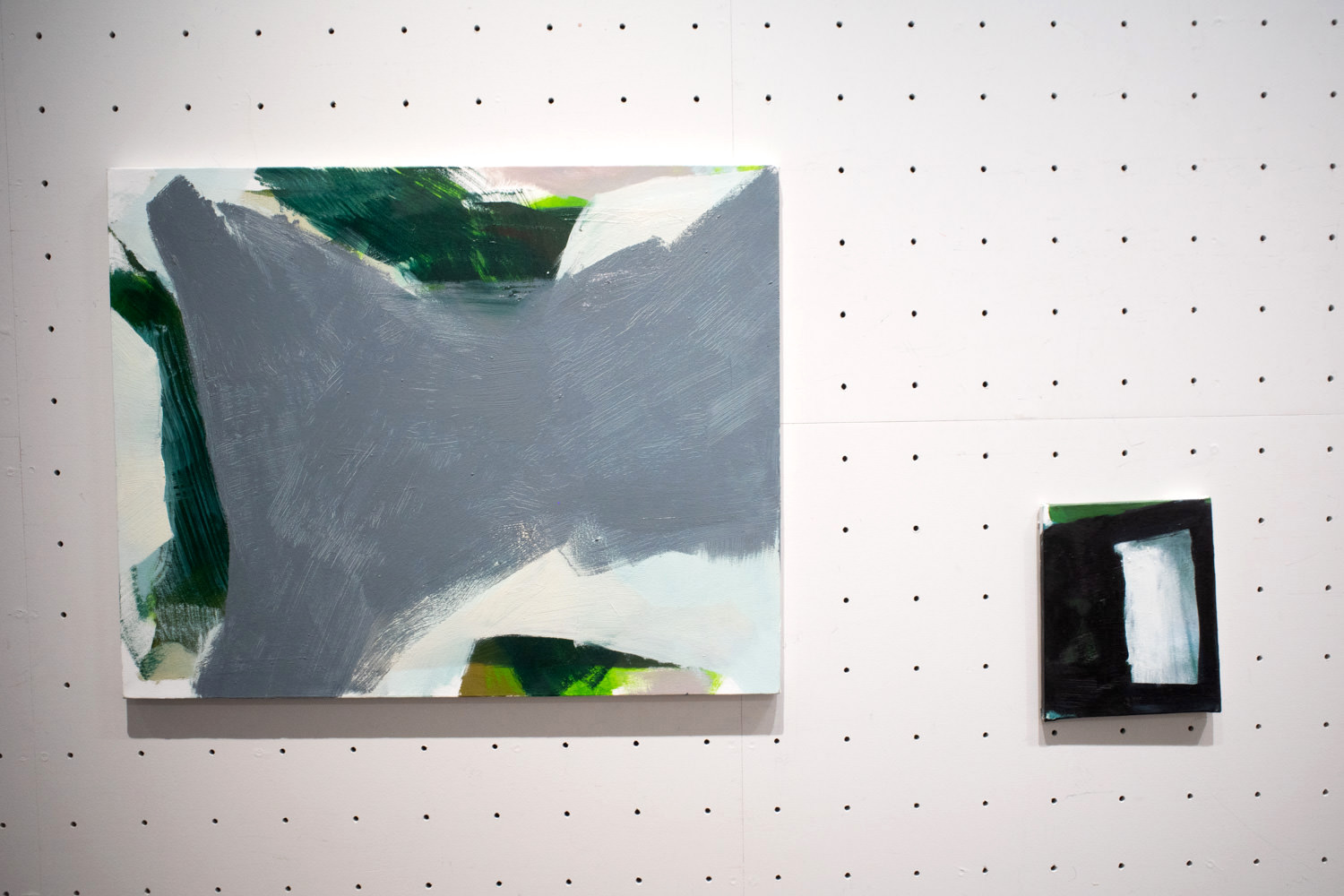
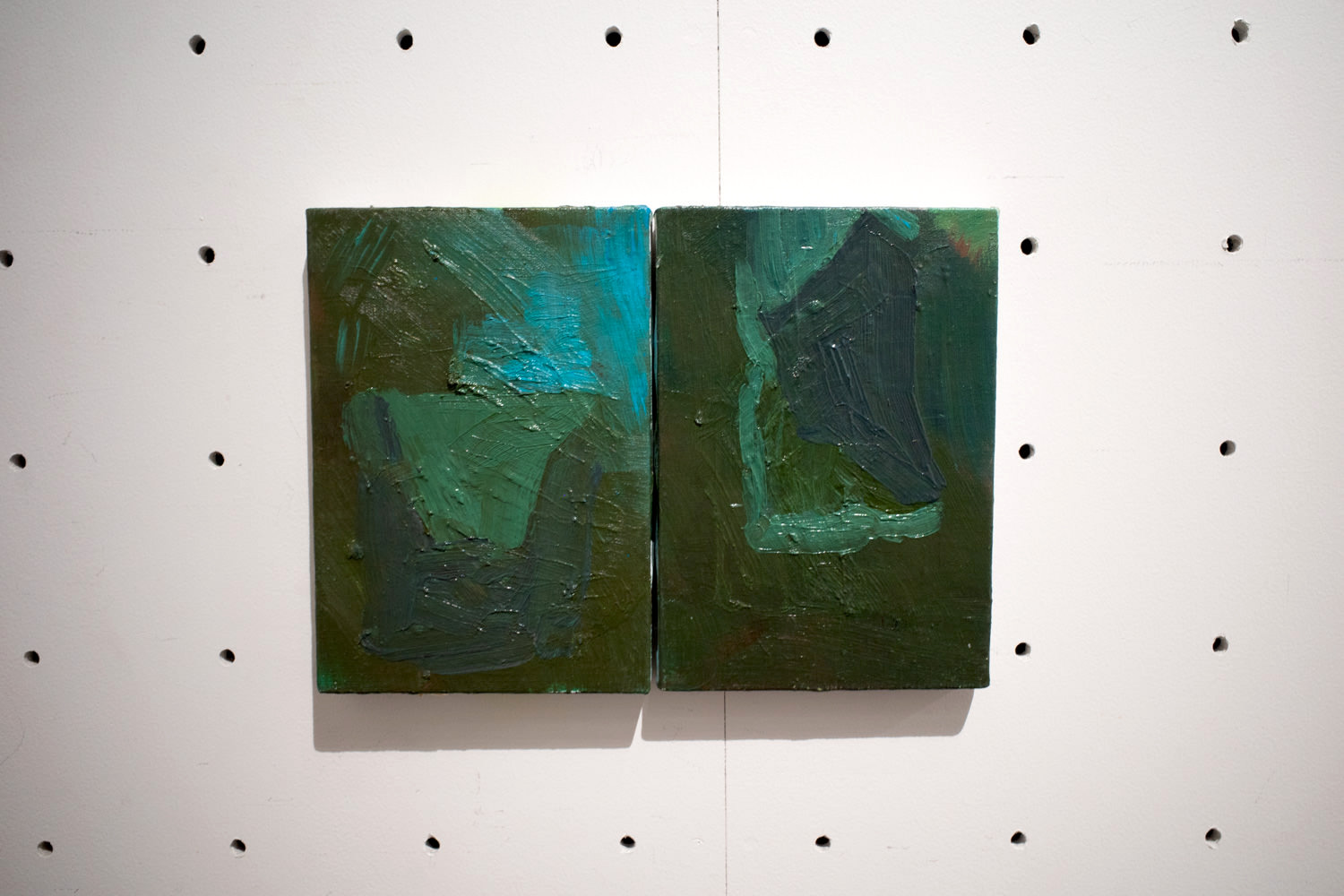
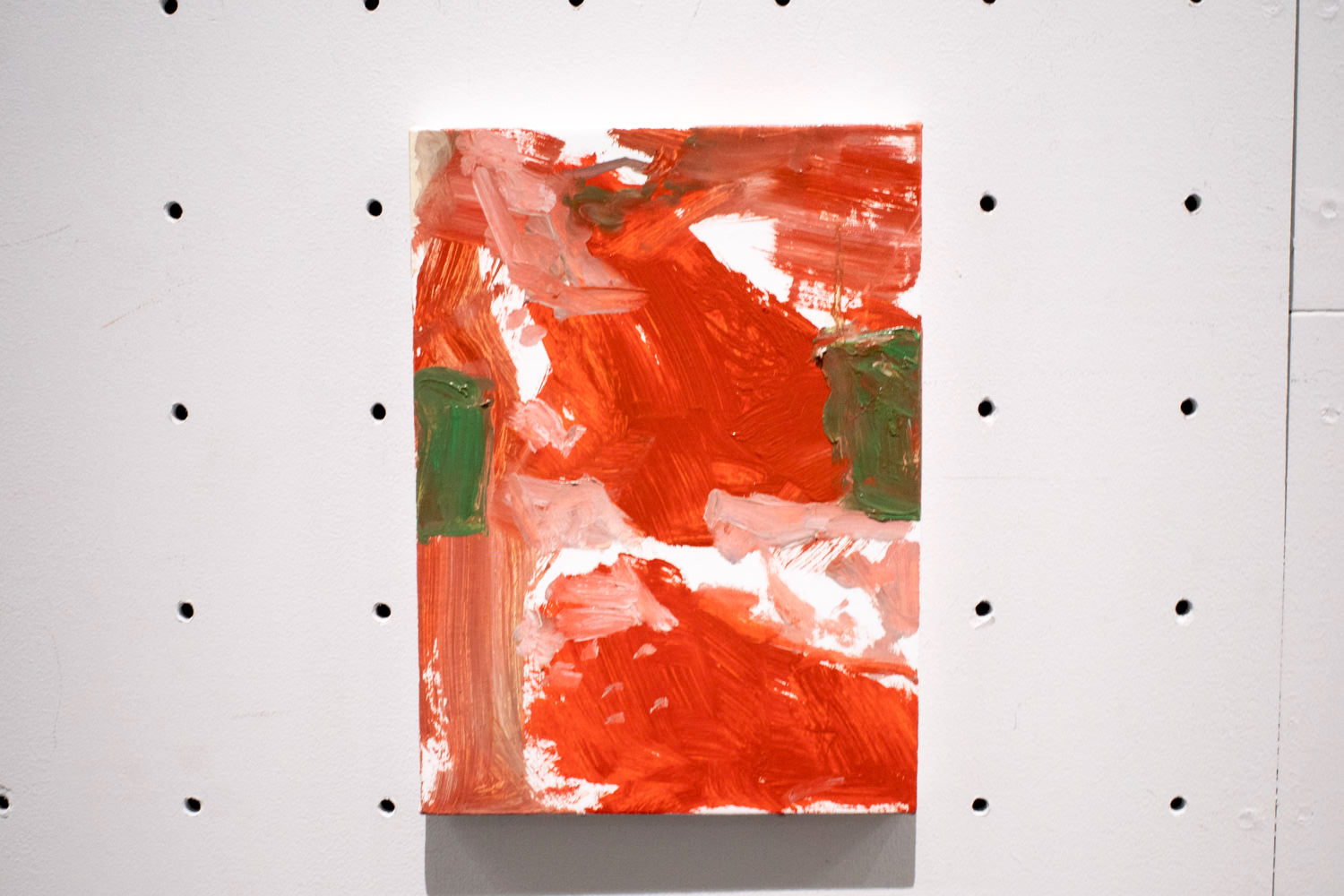
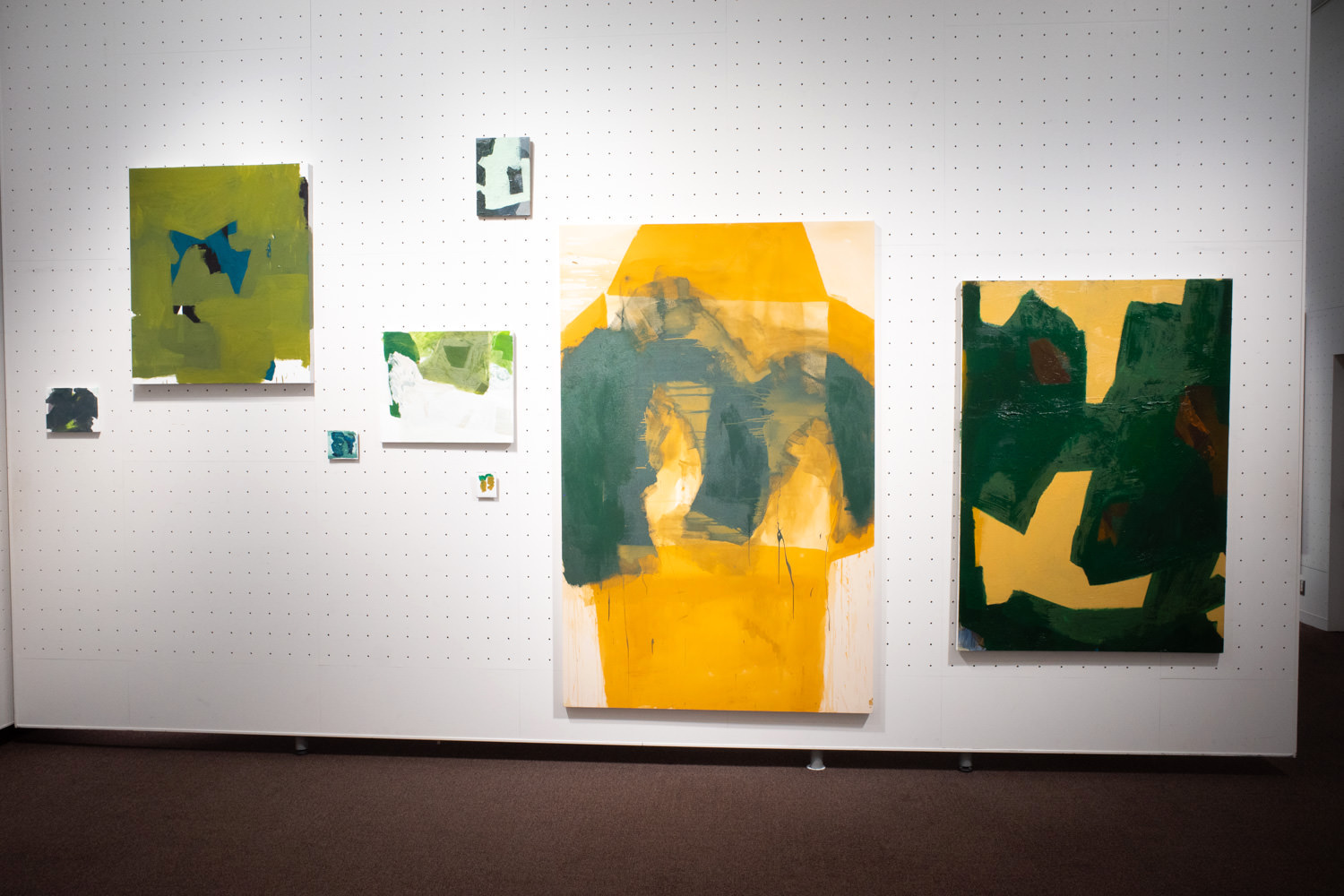
Momoka Ota “Dancing in the Mountains”
The artist who caught our attention in this exhibition was Momoka Ota, selected as a fourth-year undergraduate.
She is a painter whose subject fits perfectly with the exhibition theme of “Fieldwork.”
Working on panels, canvas, and cardboard alike, she paints with oils and house paint.
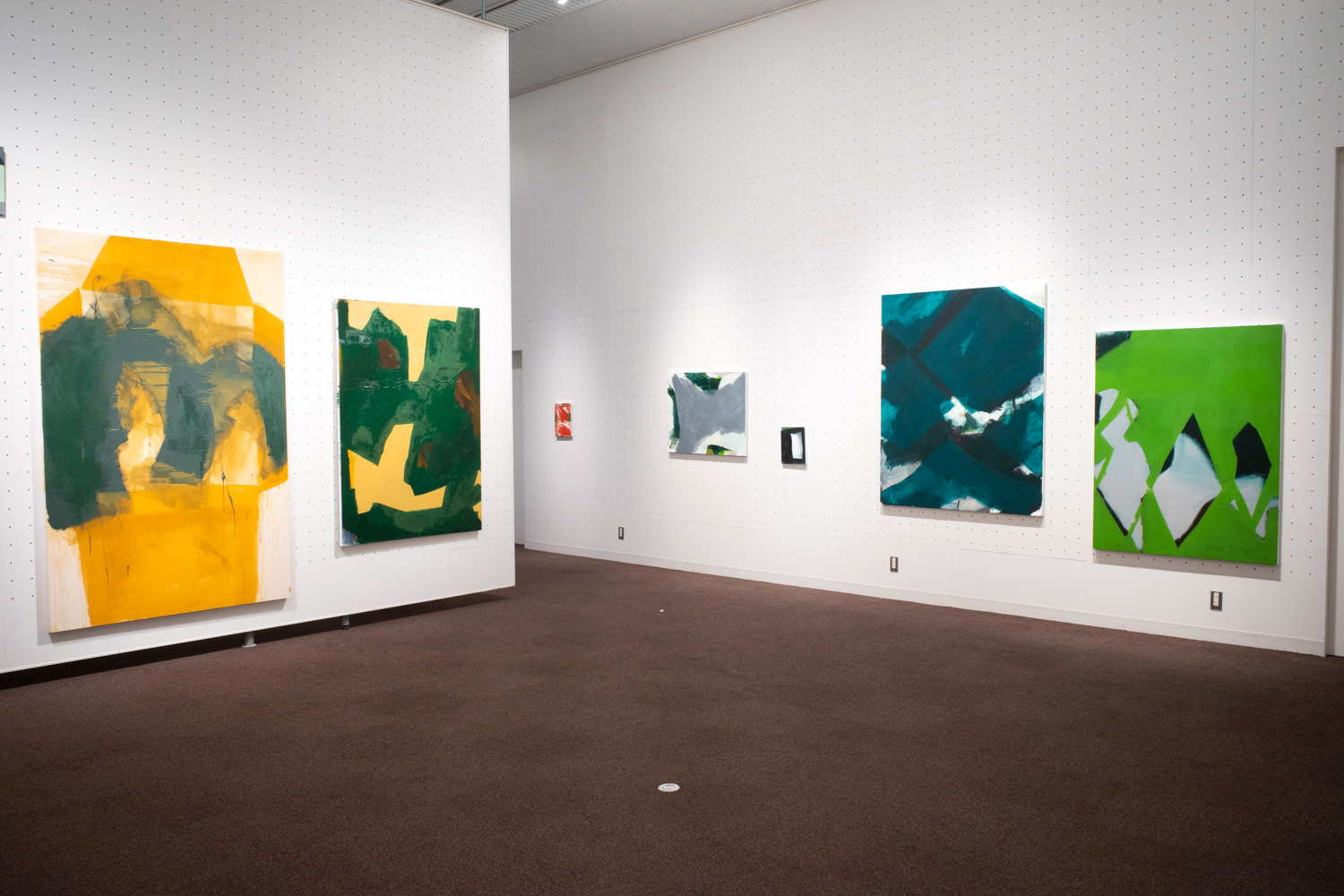
Ota is from Shizuoka Prefecture, near the sea, but during her studies in the oil painting department at Kyoto University of Art and Design she was shaped by the environment of the Kyoto basin, encircled on three sides by mountains, and now makes paintings on the theme of “mountains.”
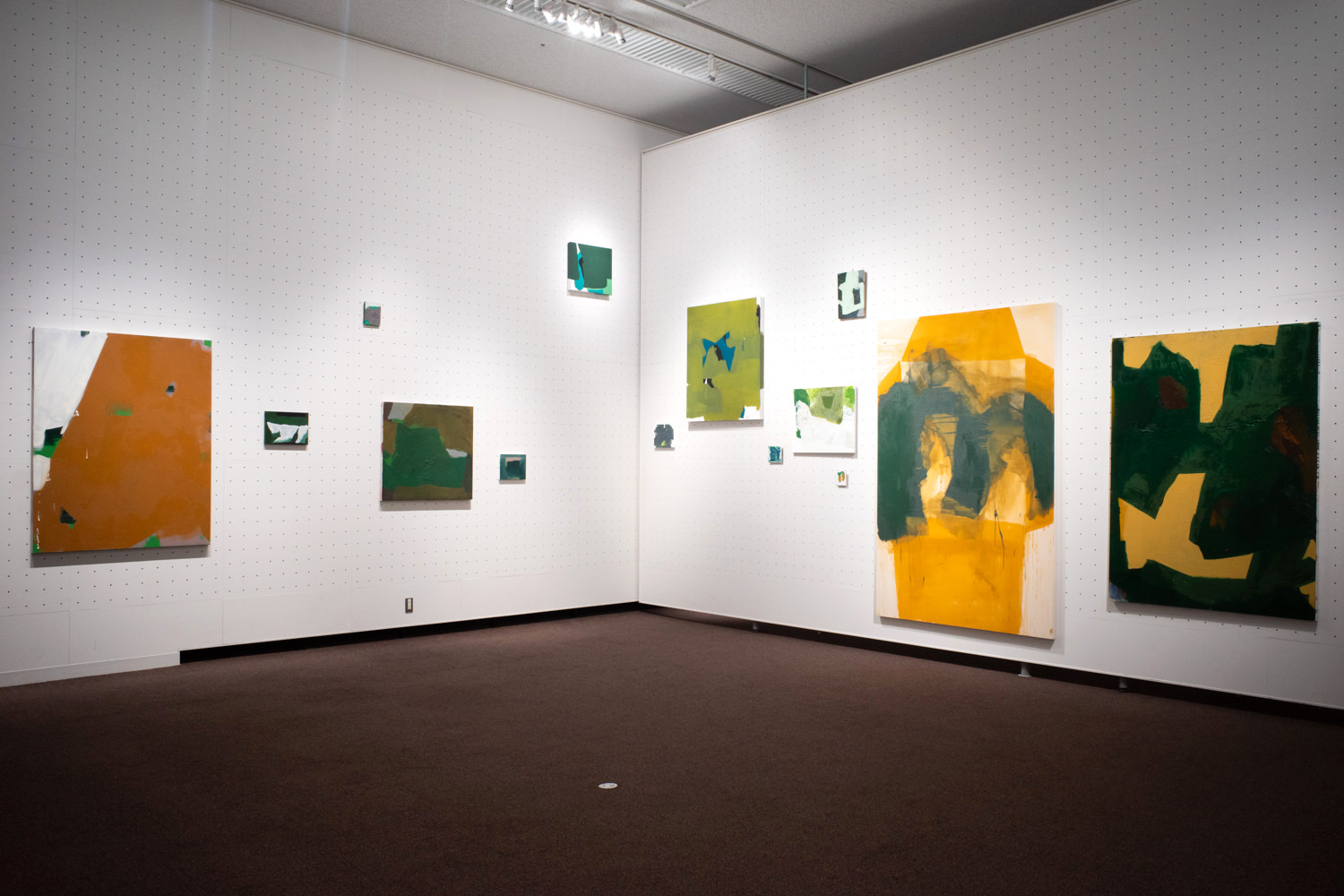
The works were arranged so that viewers could vicariously experience the sensation of mountains rising around them.
Ota, who cites Raoul De Keyser as a favorite painter, uses a wide array of greens tailored to each work to shape the whole space.
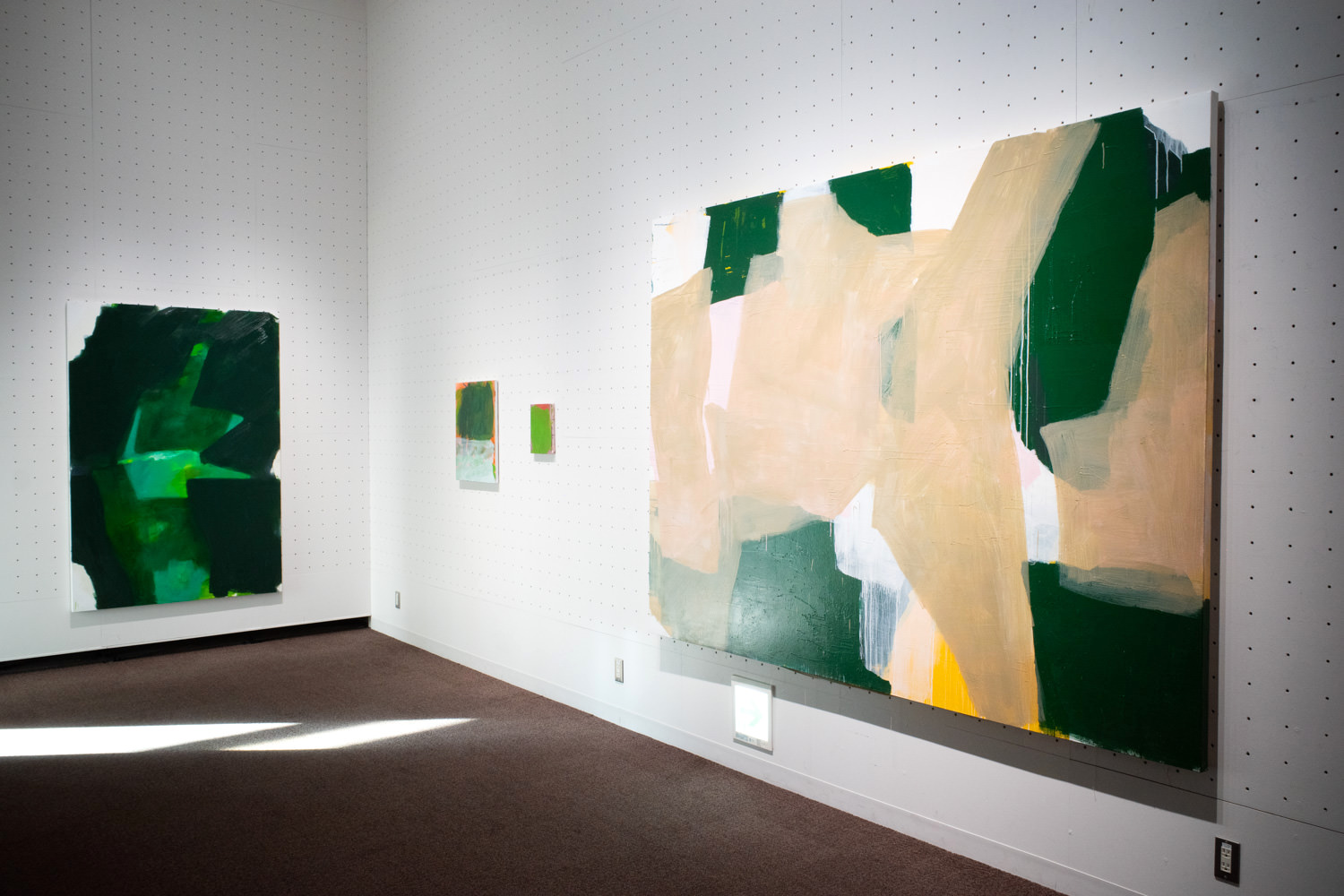
Due to the impact of COVID-19, the Ueno Park area was thin with visitors and the exhibition was quiet as well.
Fortunately, Momoka Ota happened to be at the gallery, and we were able to speak with her at length.
She responded to our rapid-fire questions with carefully chosen words, articulating her concept and technique with clarity and precision. Student artists who can put their own work into words this well are, in fact, rare.
Just before the exhibition opened she had “been accepted into the graduate program at Aichi University of the Arts,” and she seems set on a direct path toward a professional career as an artist.
We will be keeping our eyes on her work in the years ahead.