Sazae-do in 2020 — Contemporary Spirals and 100 Paintings
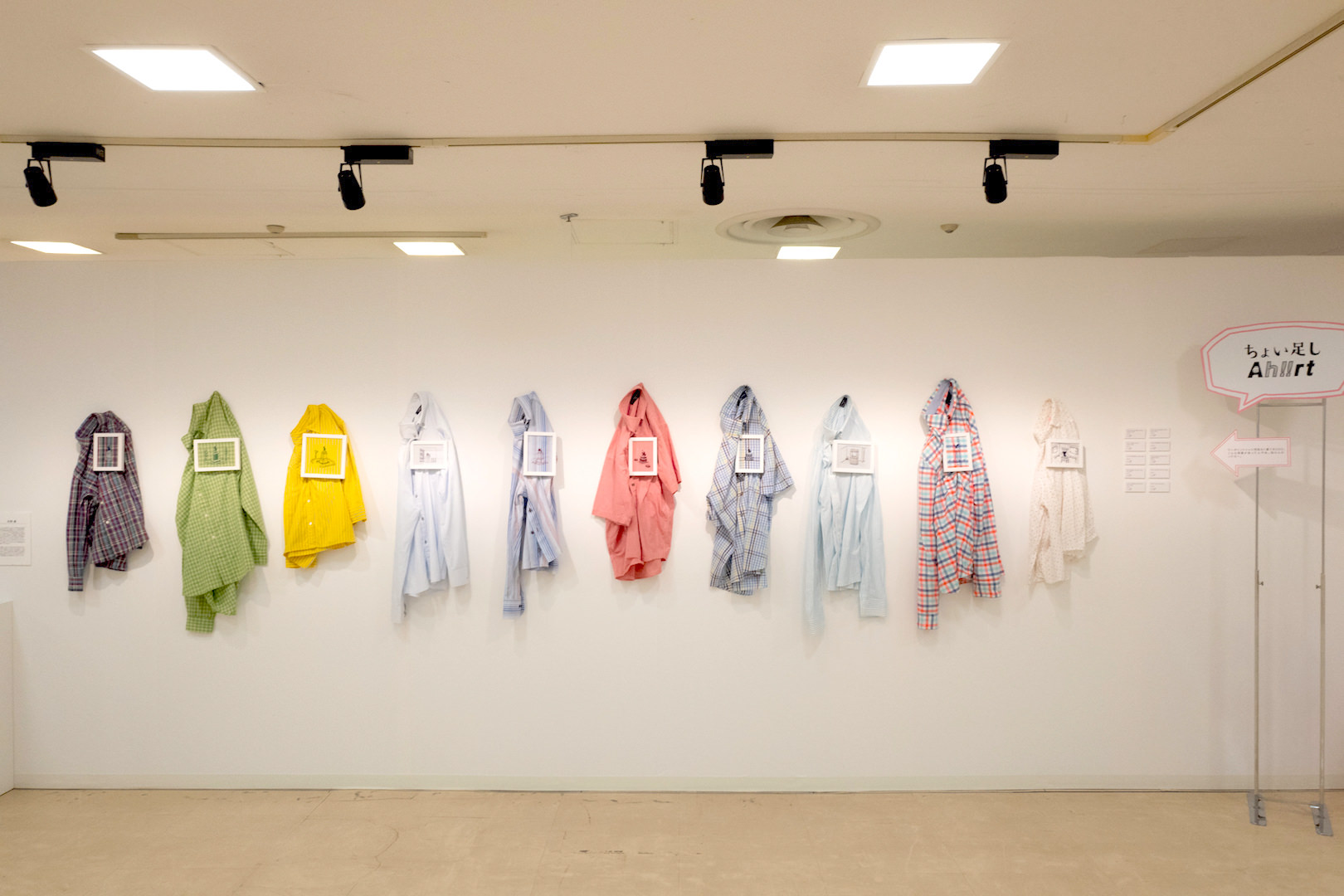
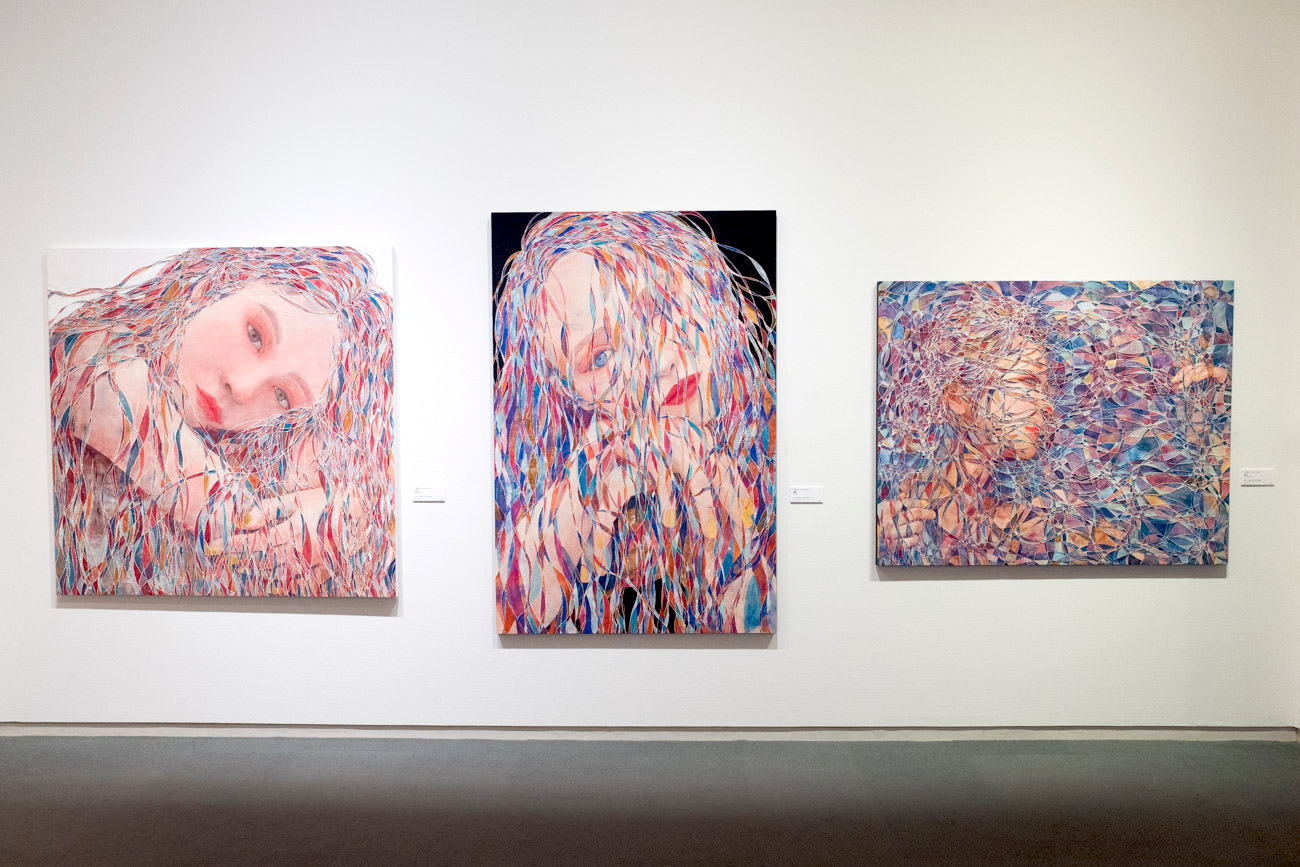
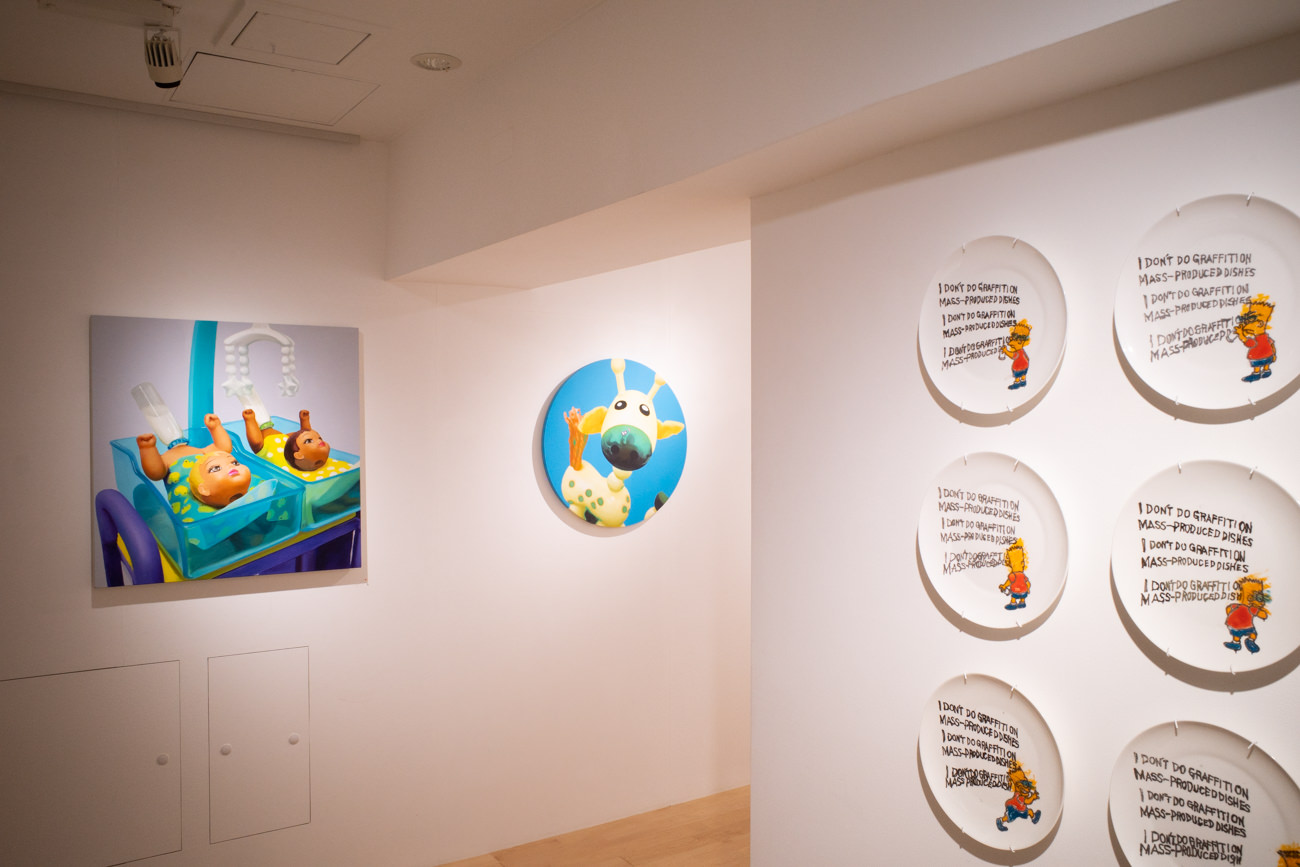
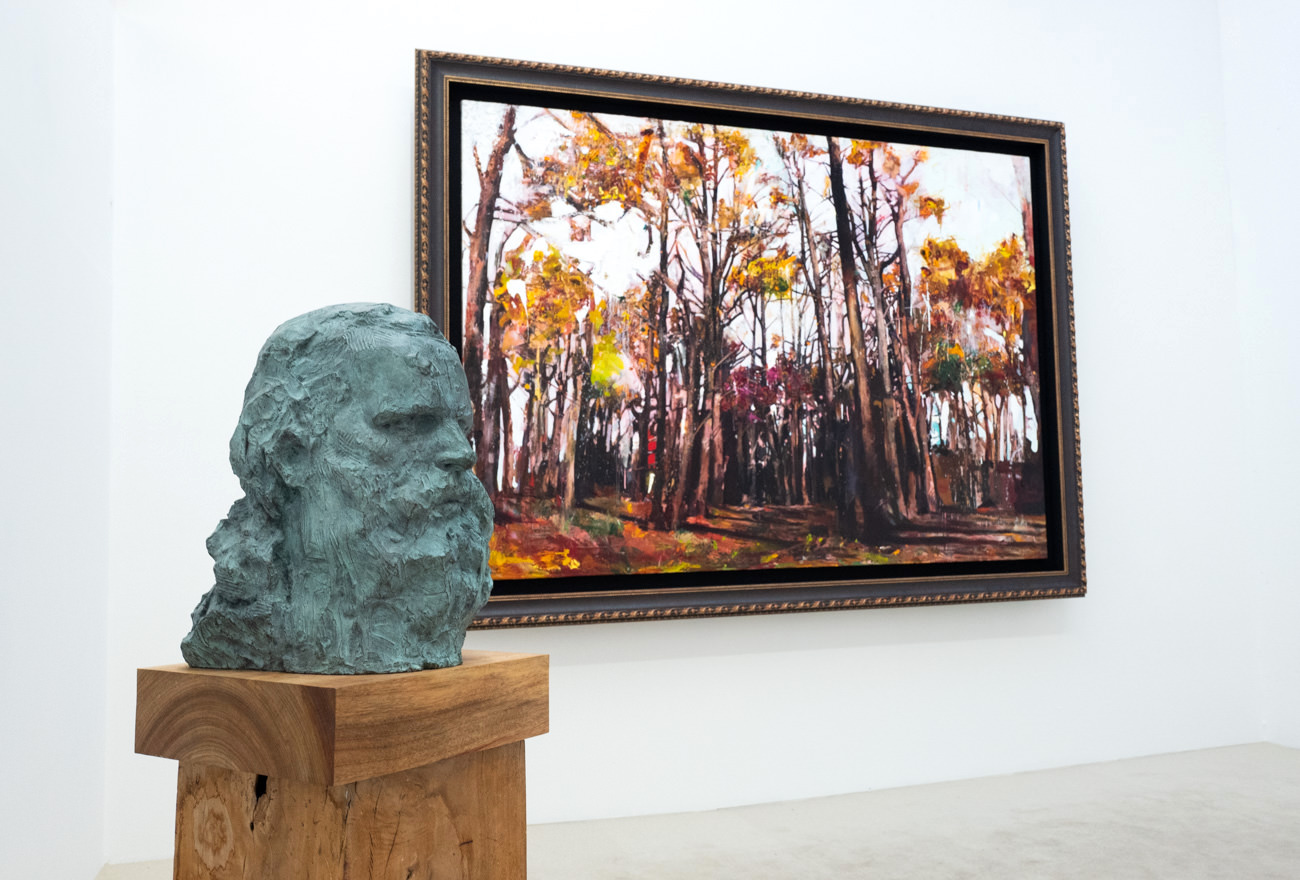
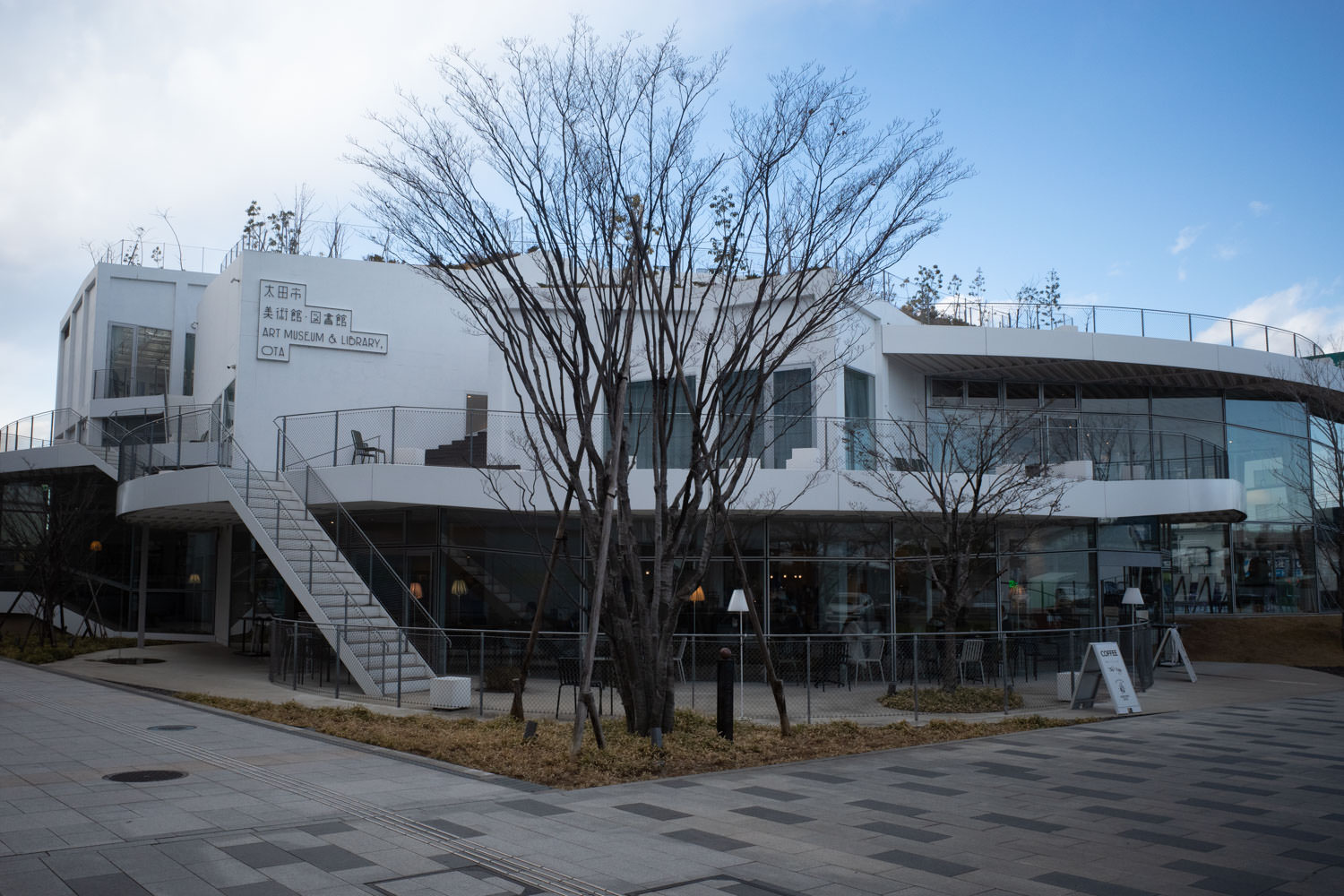
We visited “Sazae-do in 2020 — Contemporary Spirals and 100 Paintings,” held at the Ota City Museum & Library (Ota City, Gunma Prefecture).
This exhibition is the third installment of the “Art in Ota” series organized by the Ota City Museum & Library to introduce arts and culture connected with Ota.
The exhibition was conceived on the occasion of the designation of “Sozenji Sazae-do” (commonly known as “Sazae-do”), located just a few kilometers from the venue, as an Important Cultural Property.
“Sazae-do” is a corridor-style structure where the interior is one-way, and the ascending and descending paths never meet. Modeled on the “Hyaku Kannon Pilgrimage” that visits 100 Kannon sacred sites — a practice said to date back to the Heian period — the three-tiered space enshrines 100 Kannon statues in total across three regions (Chichibu, Bando, Saigoku), creating an architectural structure that offers a simplified version of the “Hyaku Kannon Pilgrimage.”
The Ota City Museum & Library, opened in 2017, is likewise a three-tiered structure similar to Sazae-do.
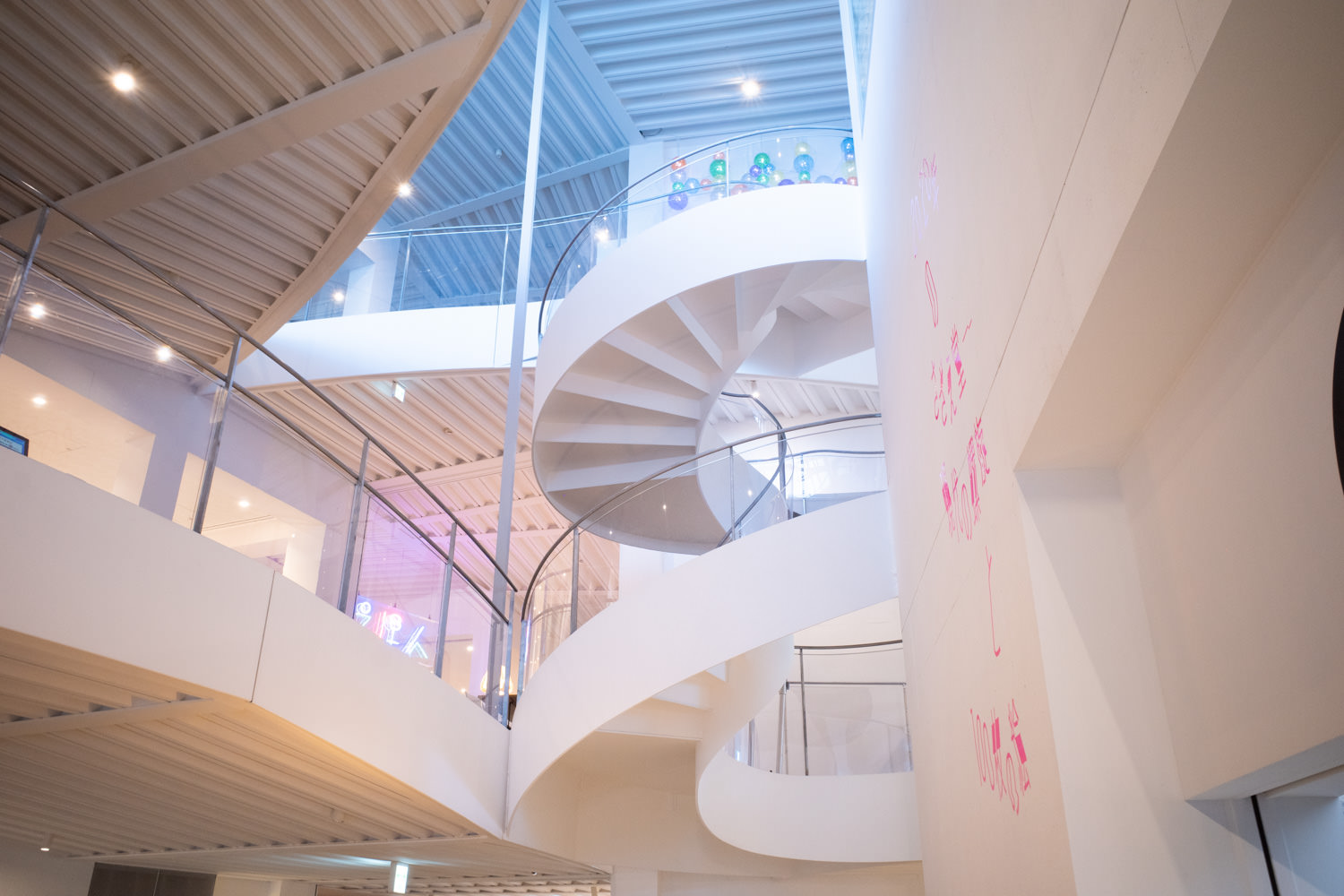
In this exhibition, three artists — Shuta Hasunuma (musician and artist, born 1983), Natsunosuke Mise (Japanese-style painter, born 1973), and Atsuko Mochida (artist, born 1989) — each approach the themes of “Sazae-do” and “the spiral” through different modes of expression. Meanwhile, painter Daisuke Takahashi (born 1980) exhibits a total of 100 paintings across each floor, modeled on the “Hyaku Kannon Pilgrimage,” casting new light and possibility on the structure and meaning of Sazae-do.
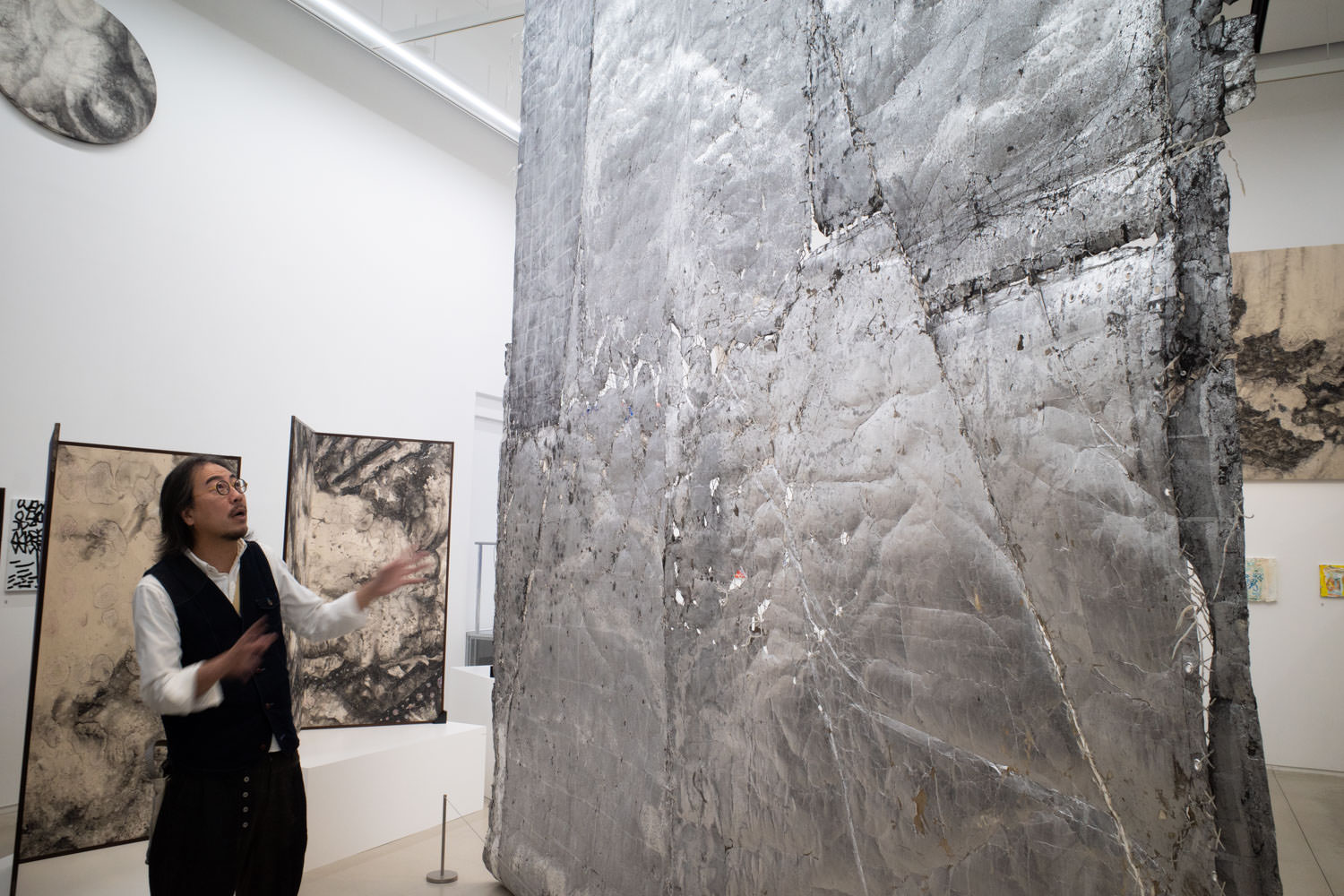
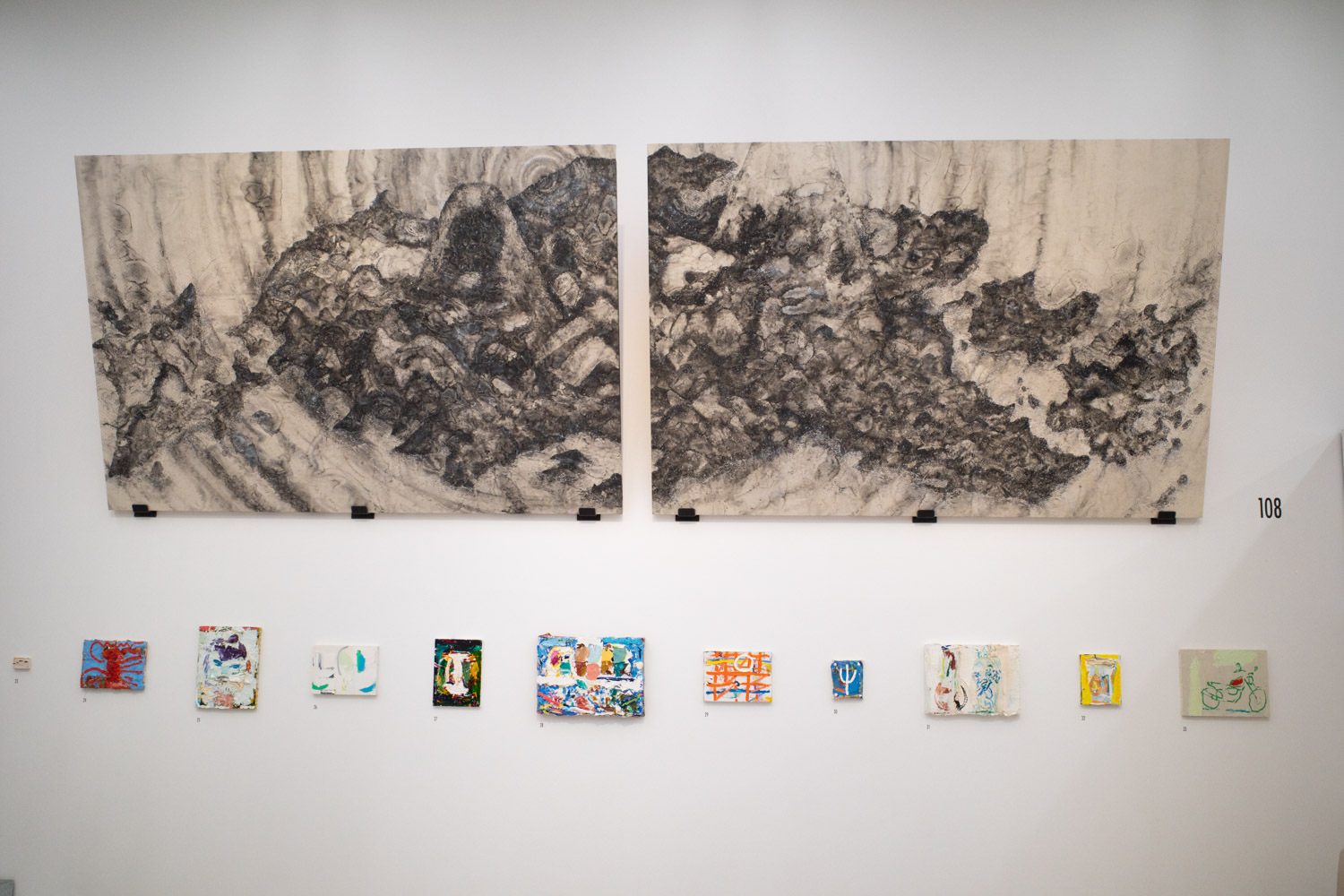
Natsunosuke Mise | Gallery 1 (1st floor)
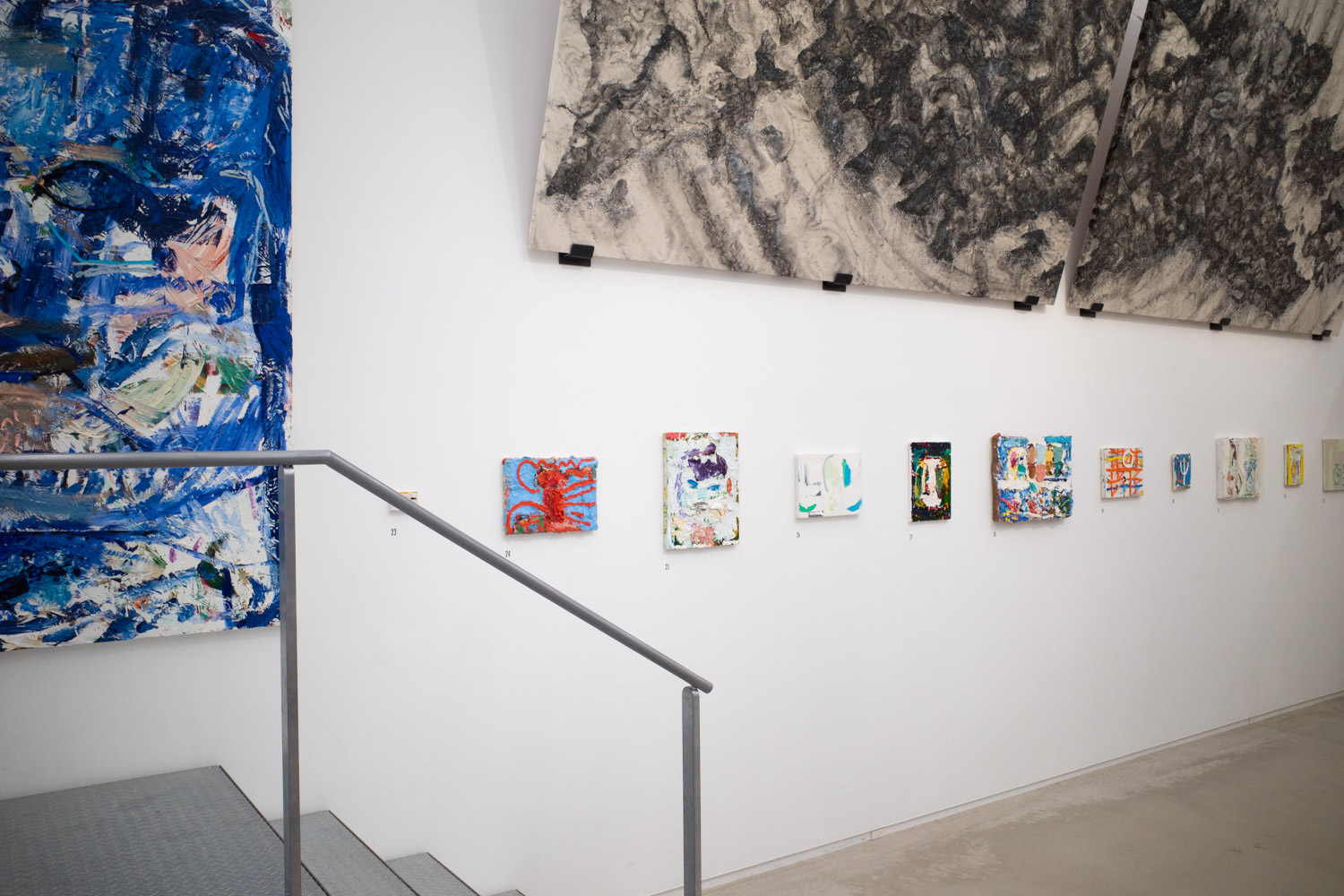
Japanese-style painter Natsunosuke Mise creates a spiral space of paintings in a gallery with a ceiling height of approximately 6 meters, combining new works produced for this exhibition with existing pieces.
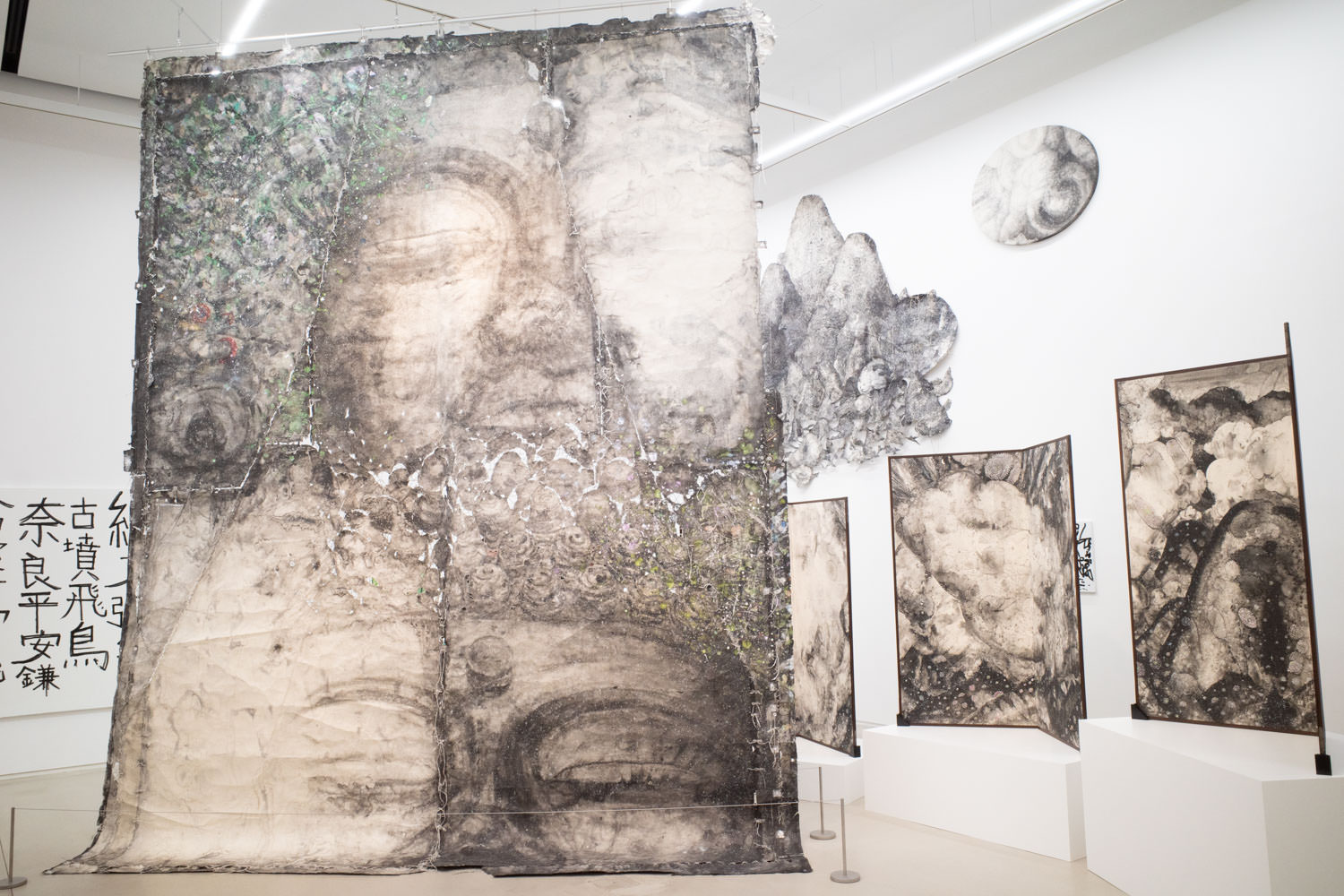
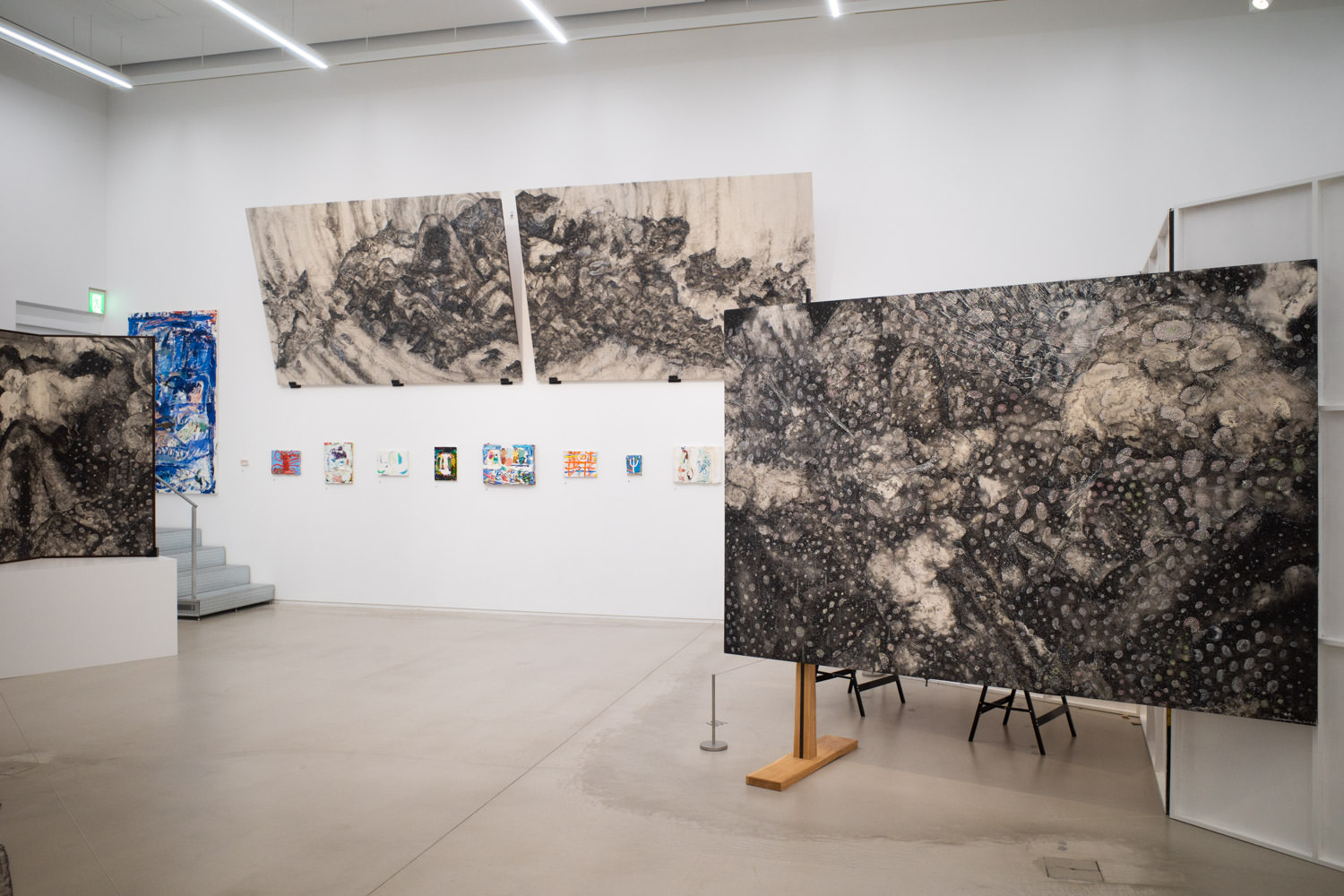
At the same time, paintings by Daisuke Takahashi are also displayed on the walls, realizing a collaboration between painters working in different media — Japanese-style painting and oil painting.
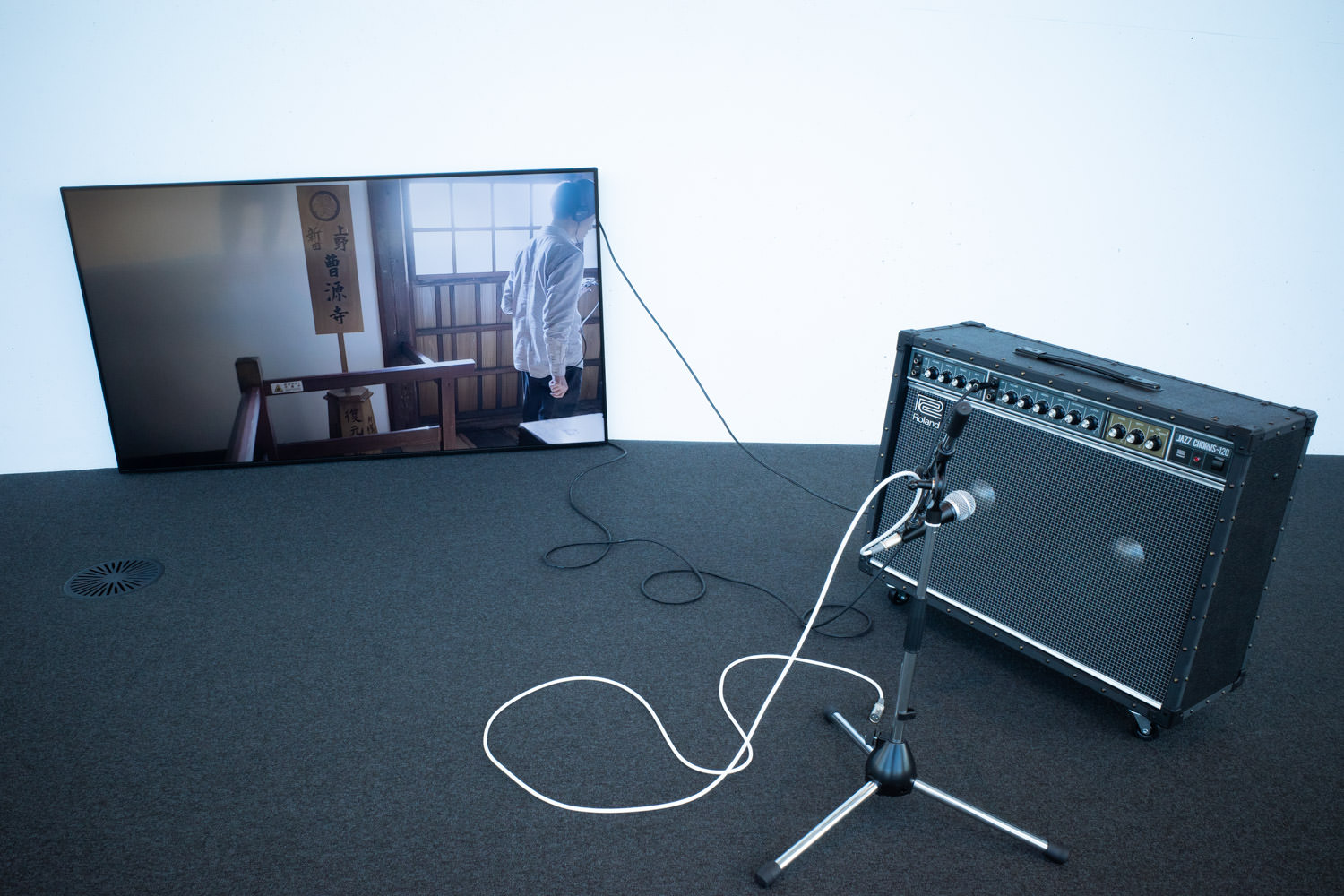
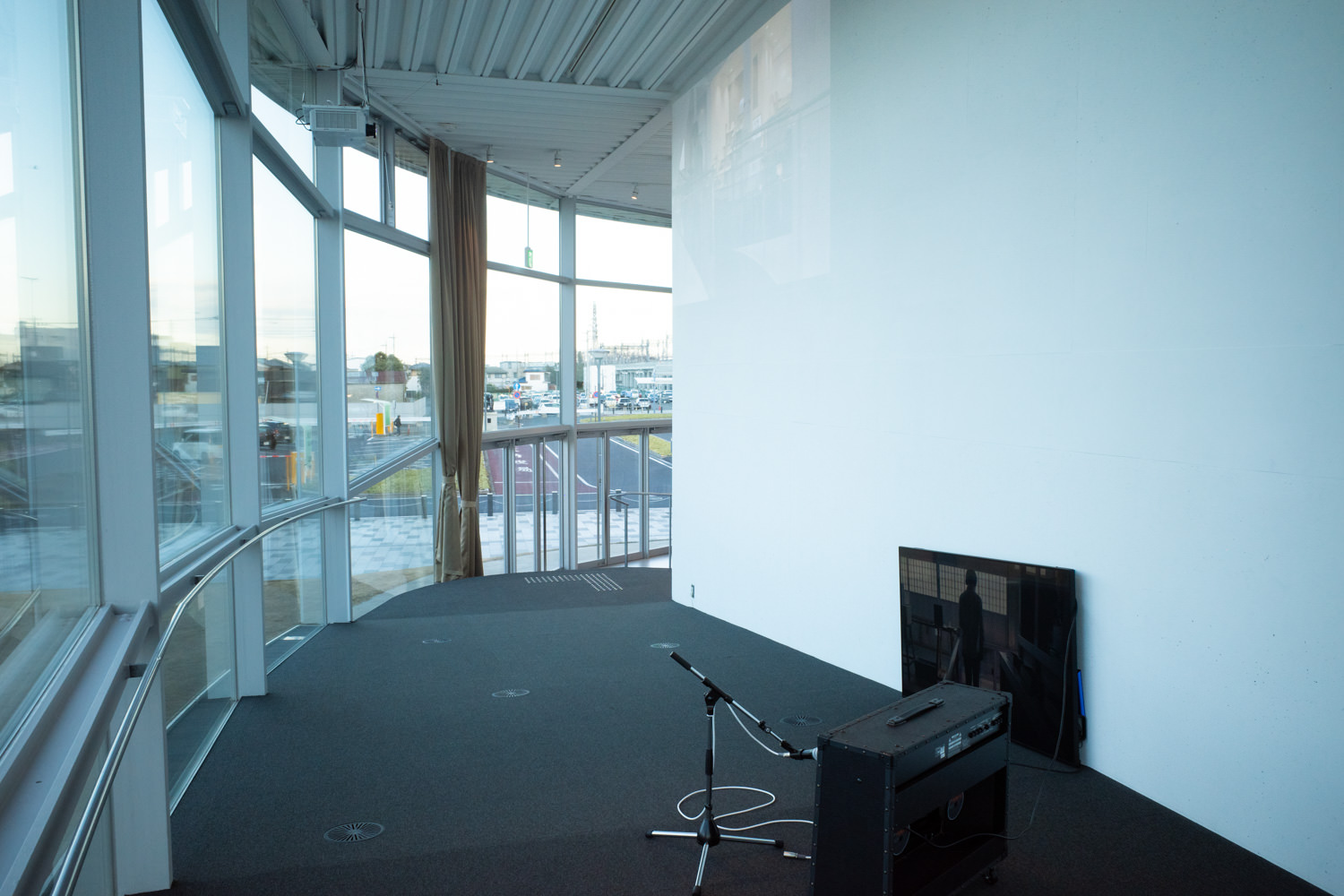
Shuta Hasunuma | Slope (between Gallery 1 and Gallery 2)
Musician and artist Shuta Hasunuma exhibited the latest work in his Walking Score series — field recordings and fieldwork gathered by rolling a microphone while walking. Two videos and their sounds, filmed and edited at two different locations, the Ota City Museum & Library and Sazae-do, overlap within a single space.
Atsuko Mochida | Gallery 2 (2nd floor)
Artist Atsuko Mochida exhibited a new installation that literally rotates the museum’s gallery space.
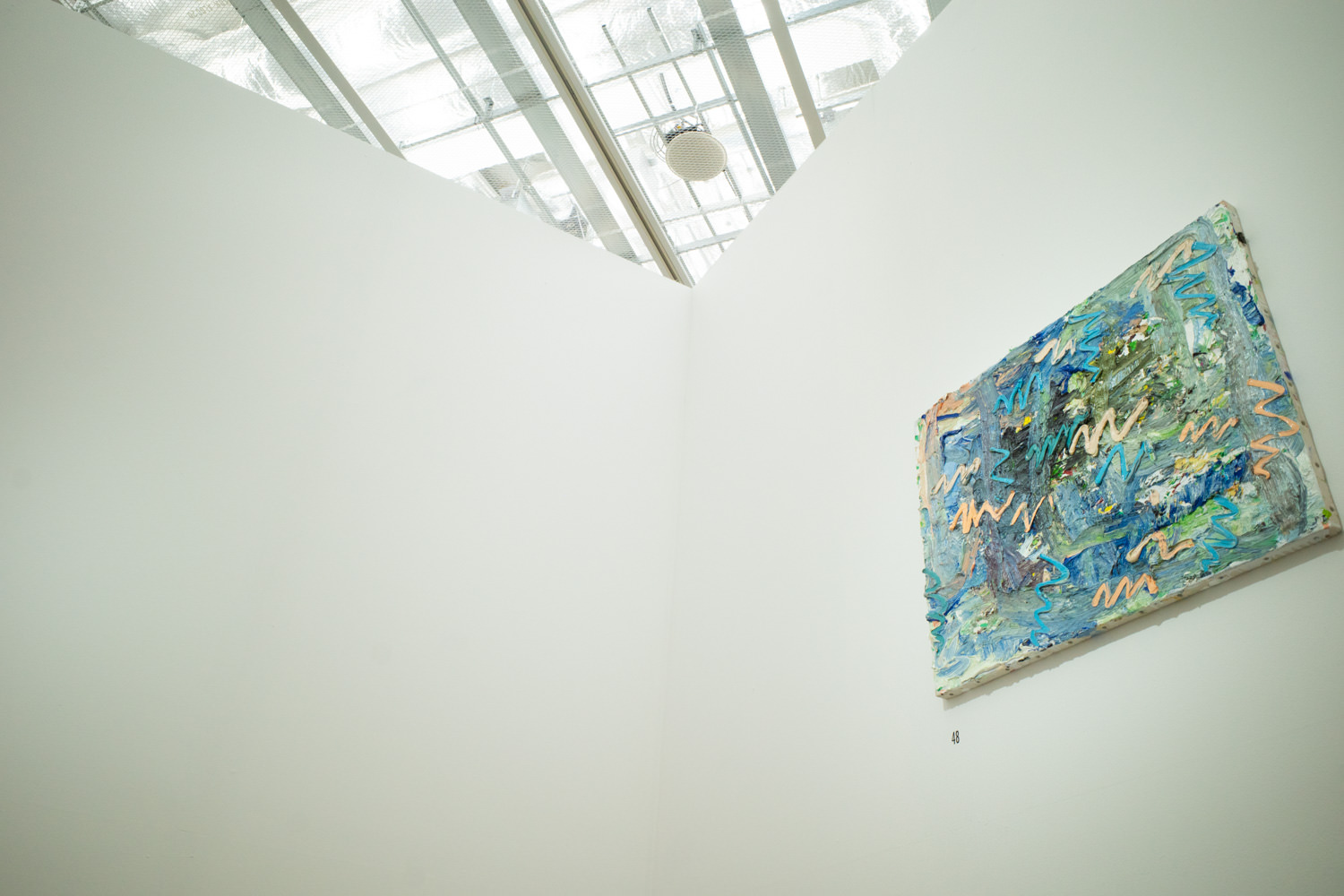
Atsuko Mochida’s work, The Problem of Distance, the Transformation of Space, the Fluctuation of Position, was structured to display Daisuke Takahashi’s paintings on its walls while rotating around and around.
太田市美術館「2020年のさざえ堂——現代の螺旋と100枚の絵」オープニング。
高橋大輔さんの絵画を鑑賞中、壁面が突然動いた。
持田敦子さんの作品《距離の問題、空間の変容、位置のゆらぎ》との画期的なコラボレーション。壁面が回転するタイミングは非公開の模様。
5月10日(日)まで開催。 pic.twitter.com/WbqVnXejPr
— 編集長 コバヤシマヒロ (@burart_jp) 2020年2月5日
The work is designed to be rotated by several people pushing it by hand.
It is said to move at random times during the exhibition period.
Daisuke Takahashi | Galleries 1–3 (1st to 3rd floors)
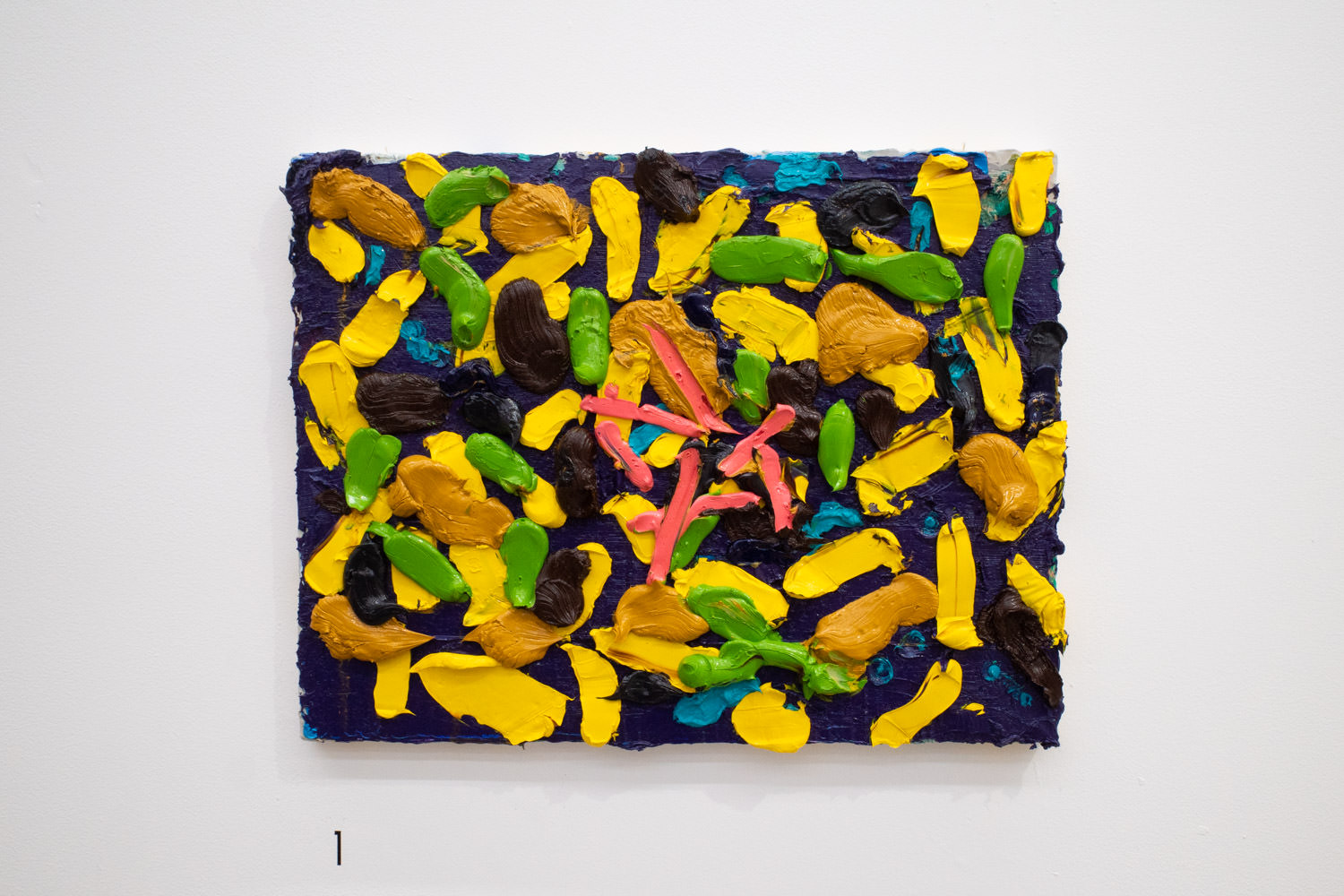
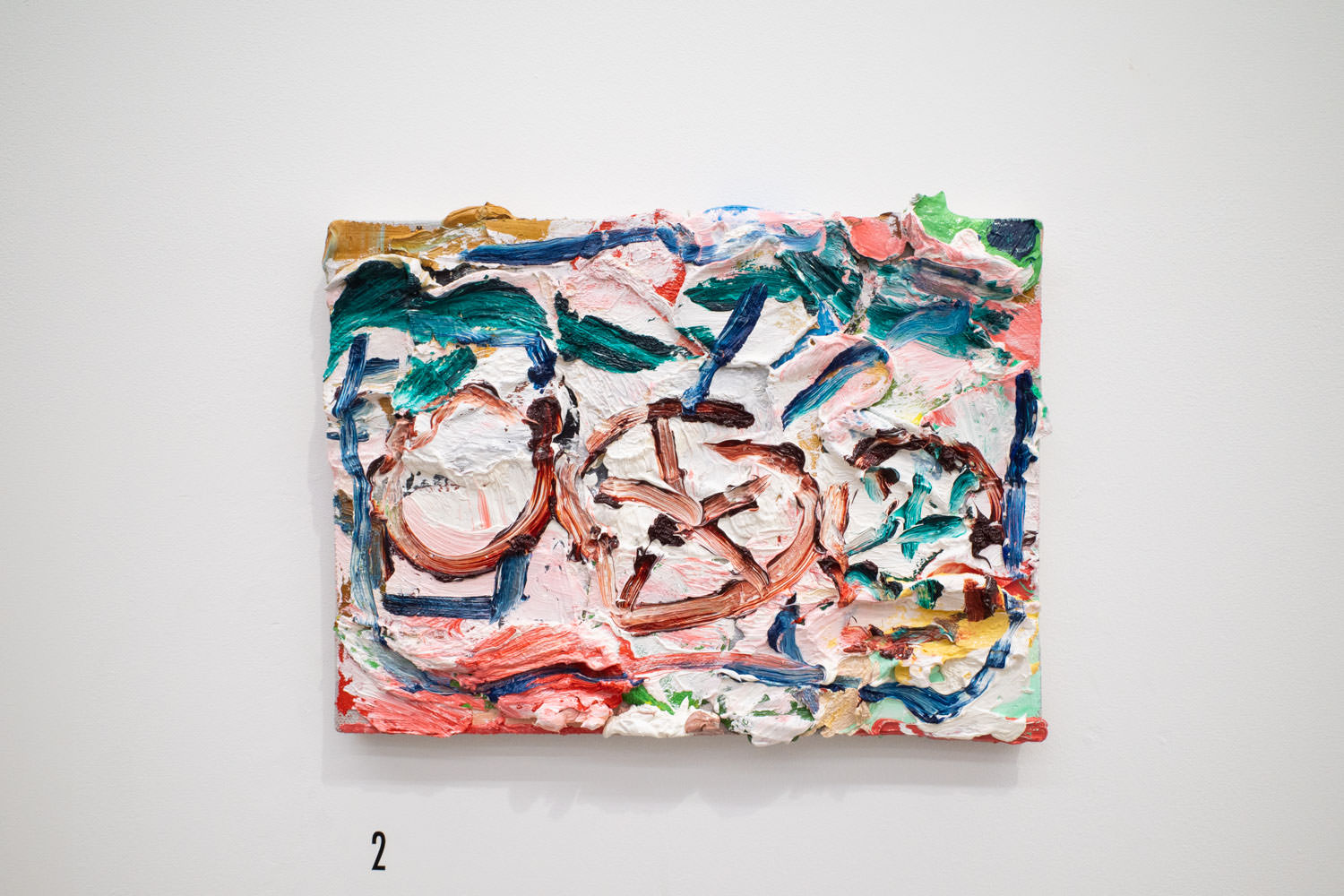
Daisuke Takahashi’s exhibition centers on previously unreleased works produced mainly in 2019, presenting a total of 100 oil paintings.
Modeled on the “Hyaku Kannon Pilgrimage” at Sazae-do, 34 paintings are shown on the 1st floor, 33 on the 2nd, and 33 on the 3rd, for a total of 100 works.
Gallery 1 (1st floor) presents a collaboration with Natsunosuke Mise, Gallery 2 (2nd floor) with Atsuko Mochida, and Gallery 3 (3rd floor) becomes a space composed solely of Daisuke Takahashi’s works, like a solo exhibition.
Gallery 1 (1st floor)
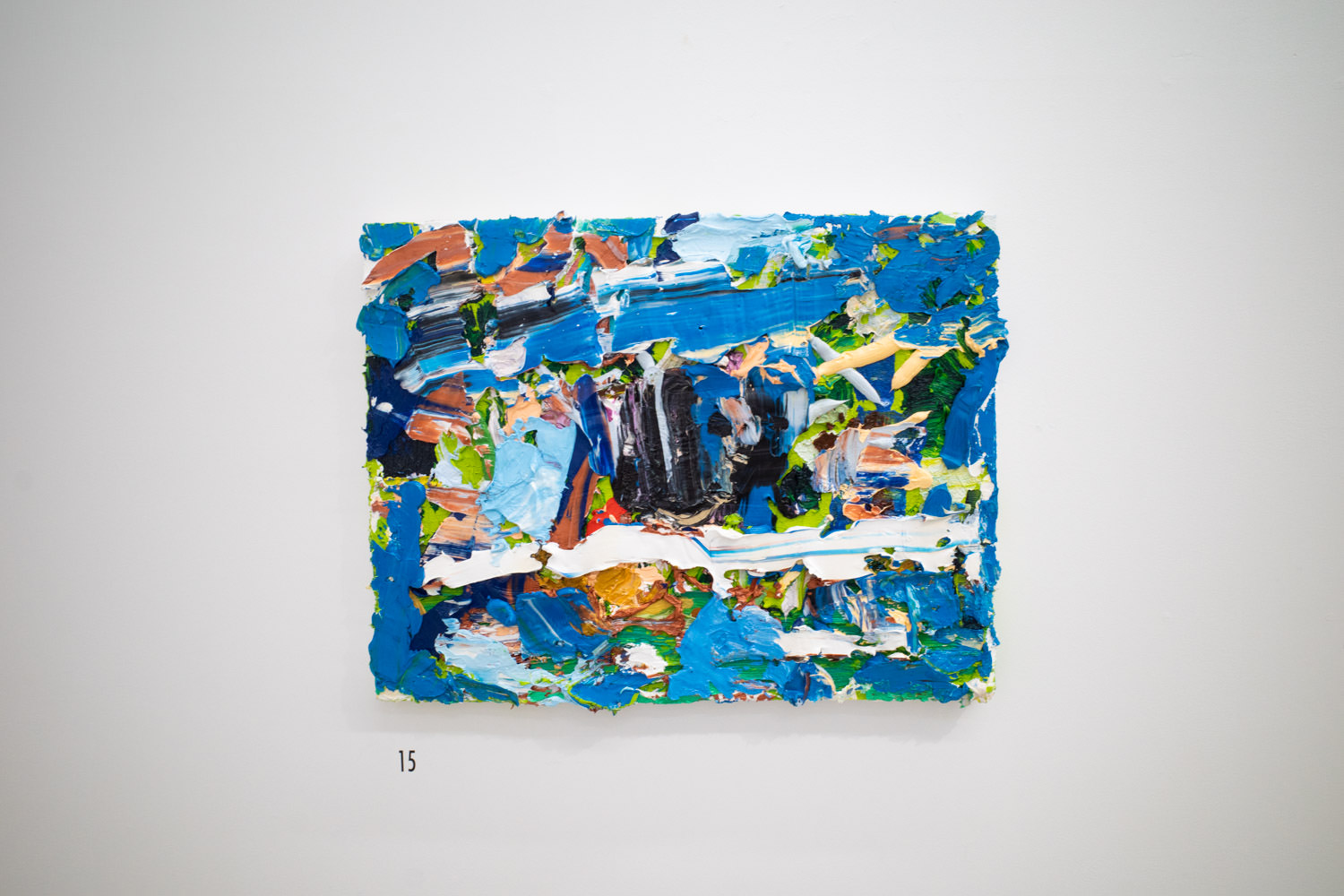
Gallery 2 (2nd floor)
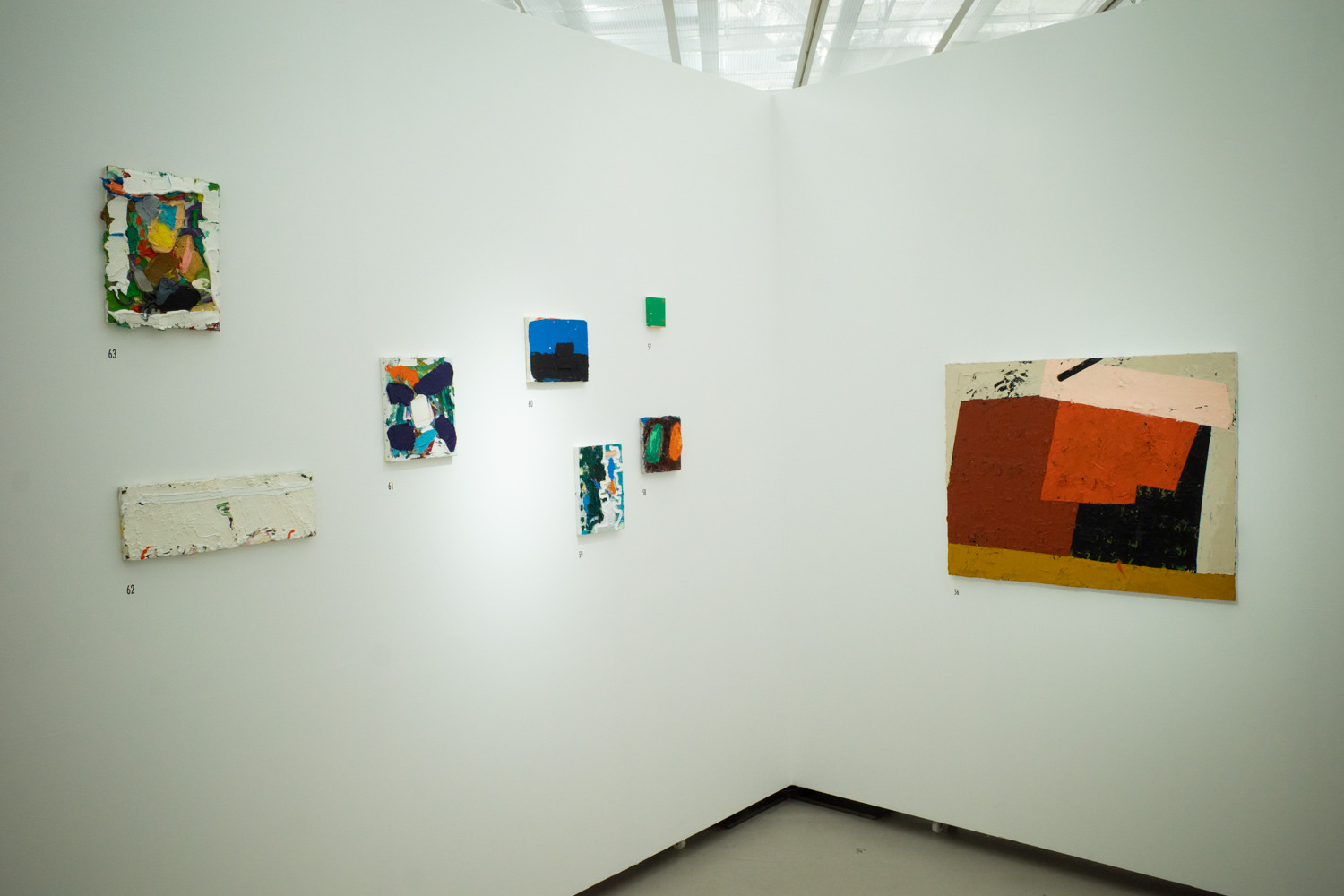
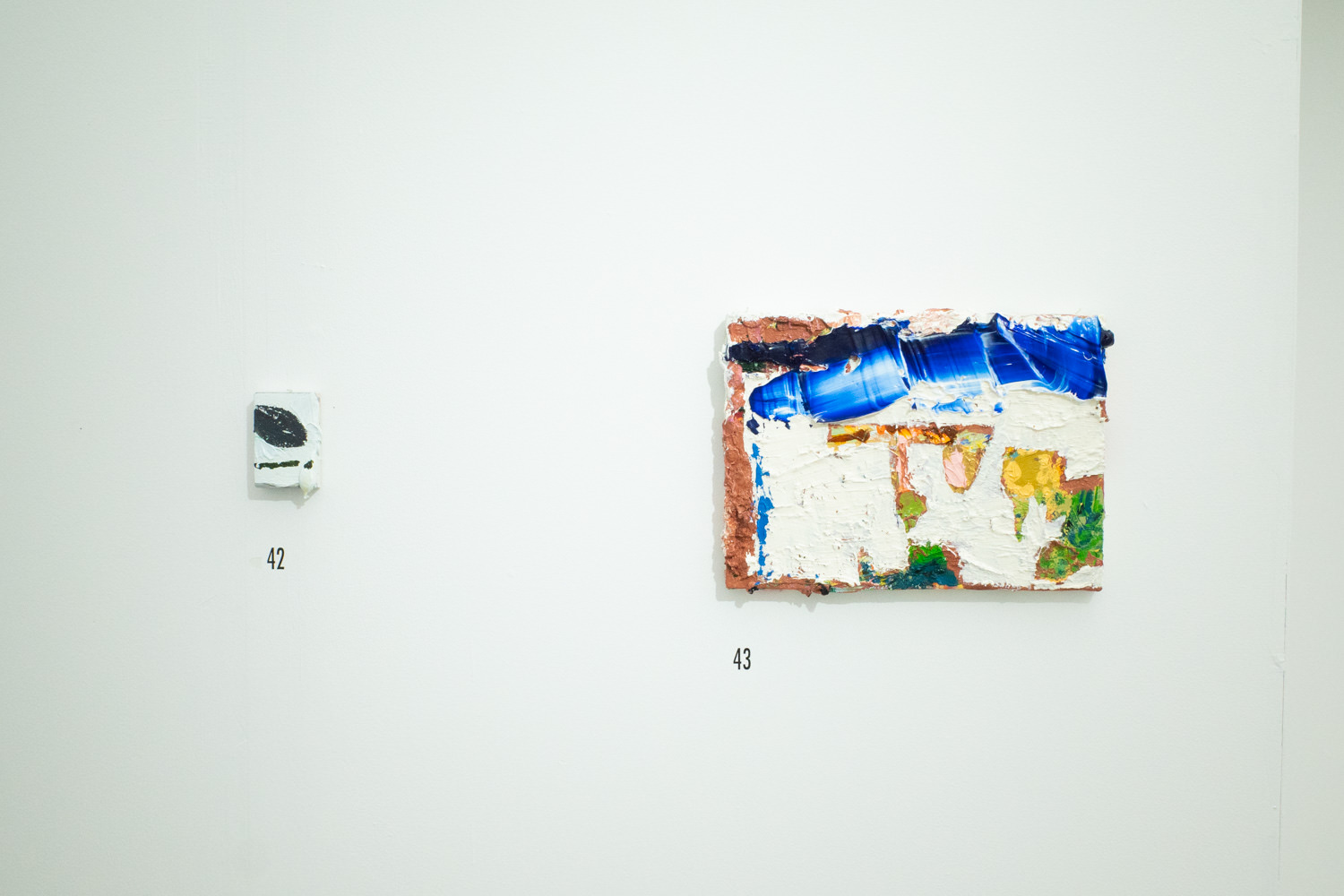
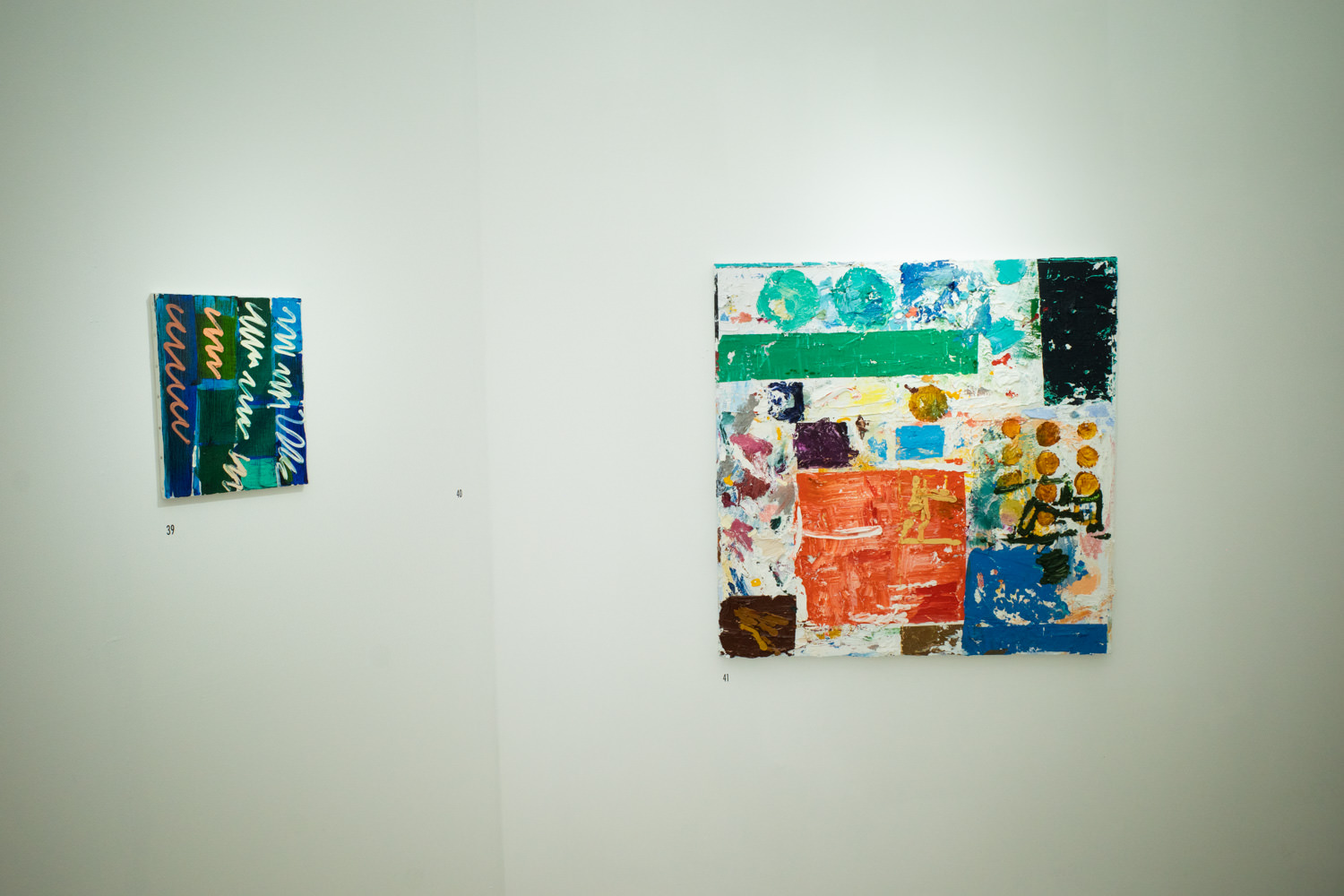
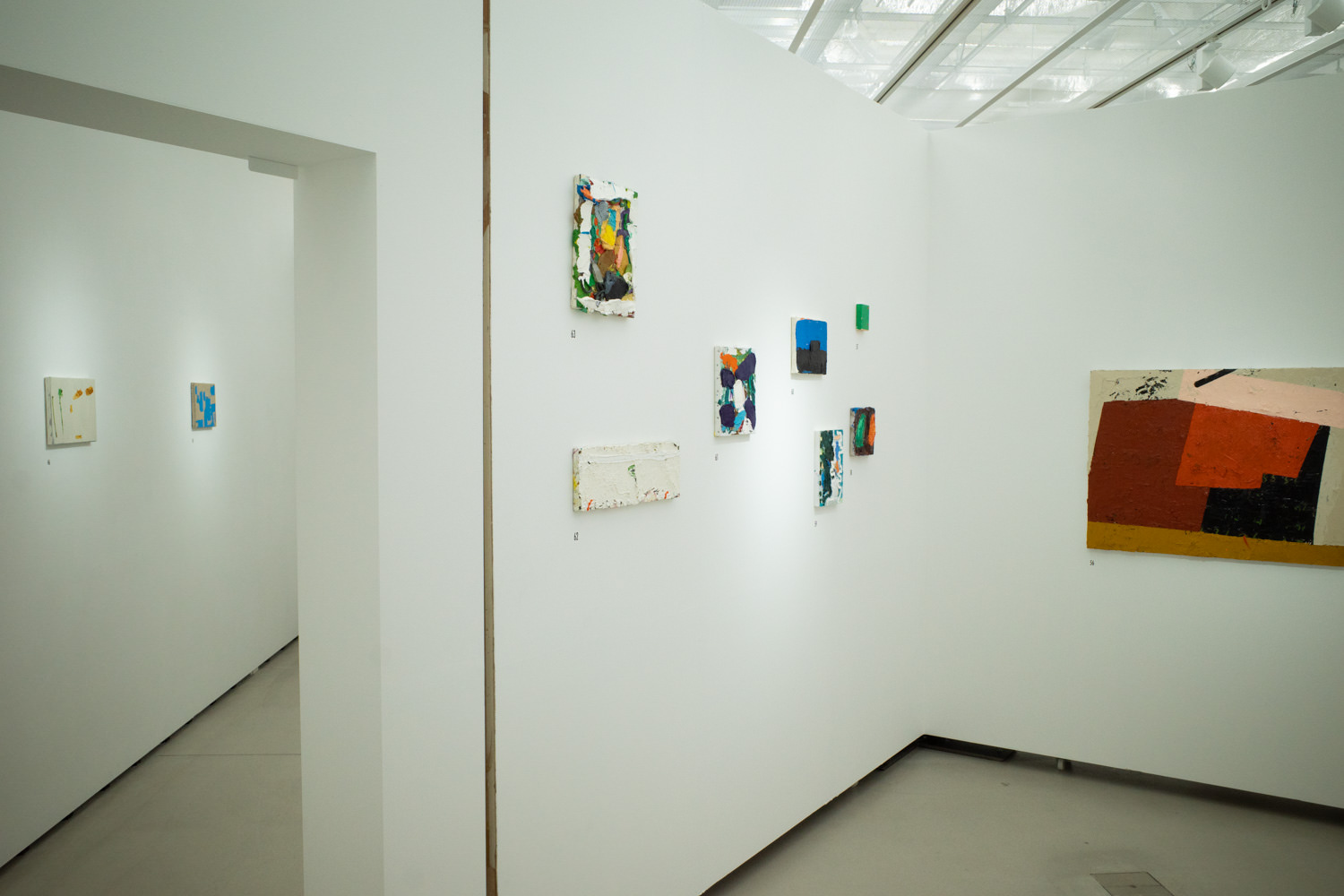
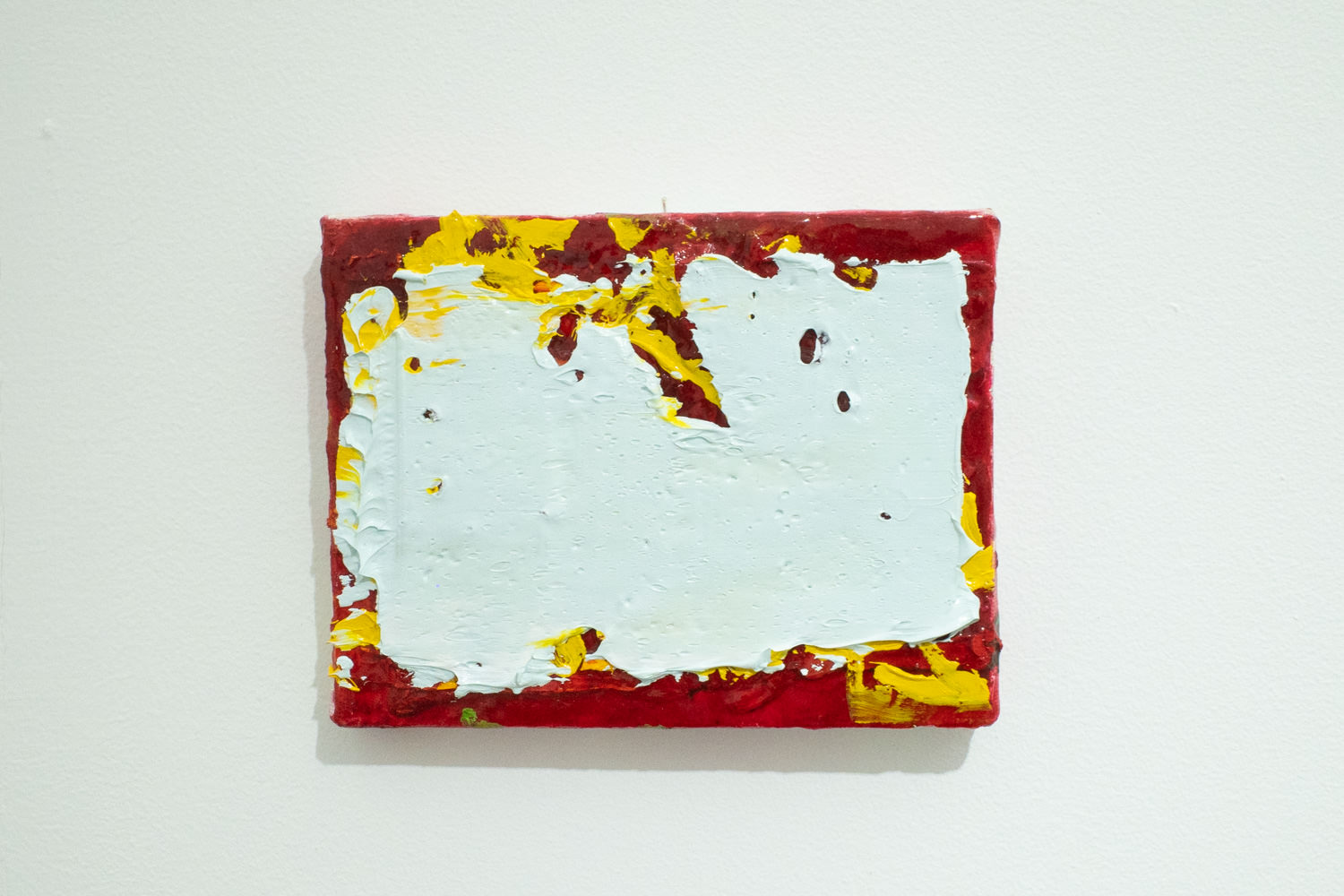
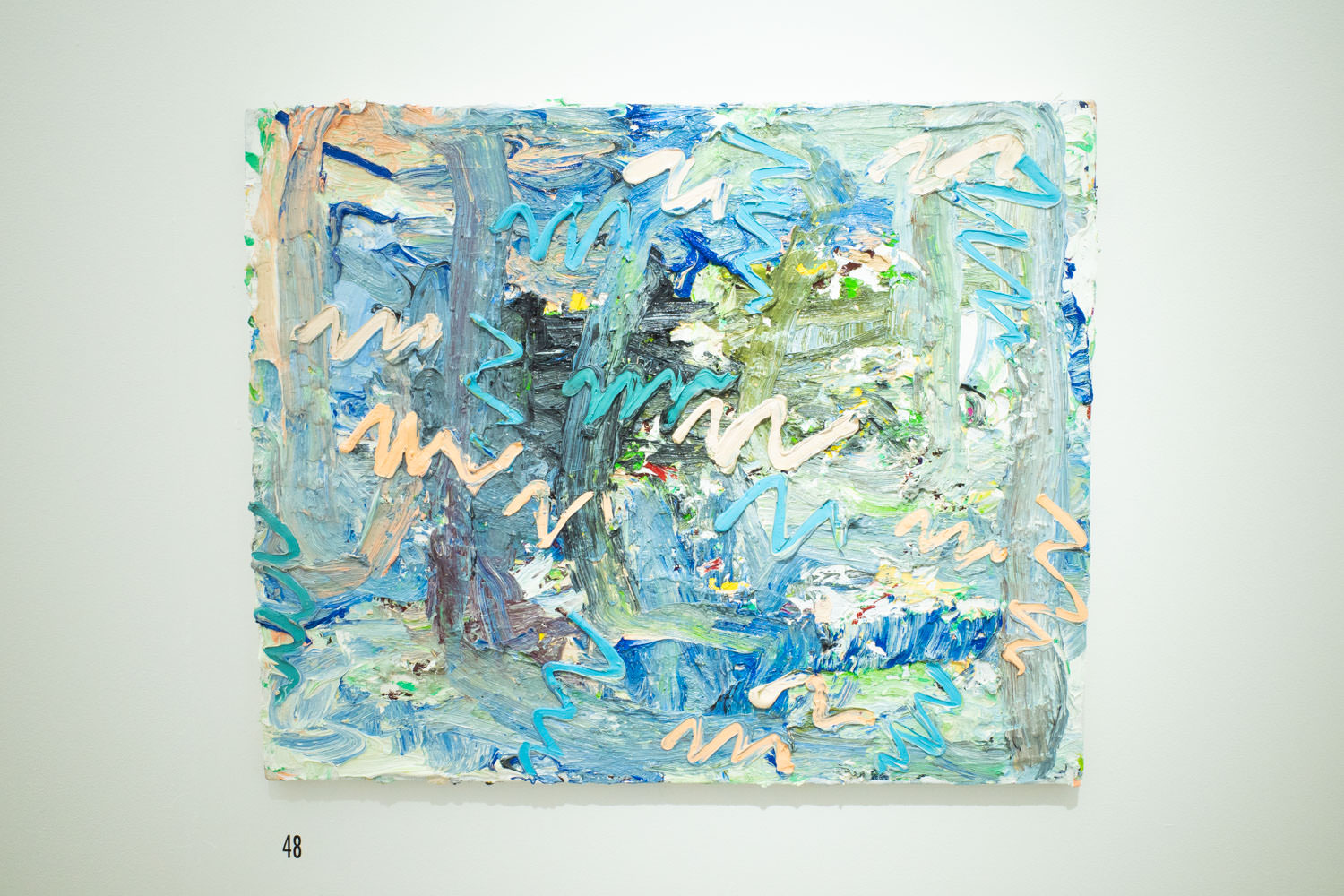
Gallery 3 (3rd floor)
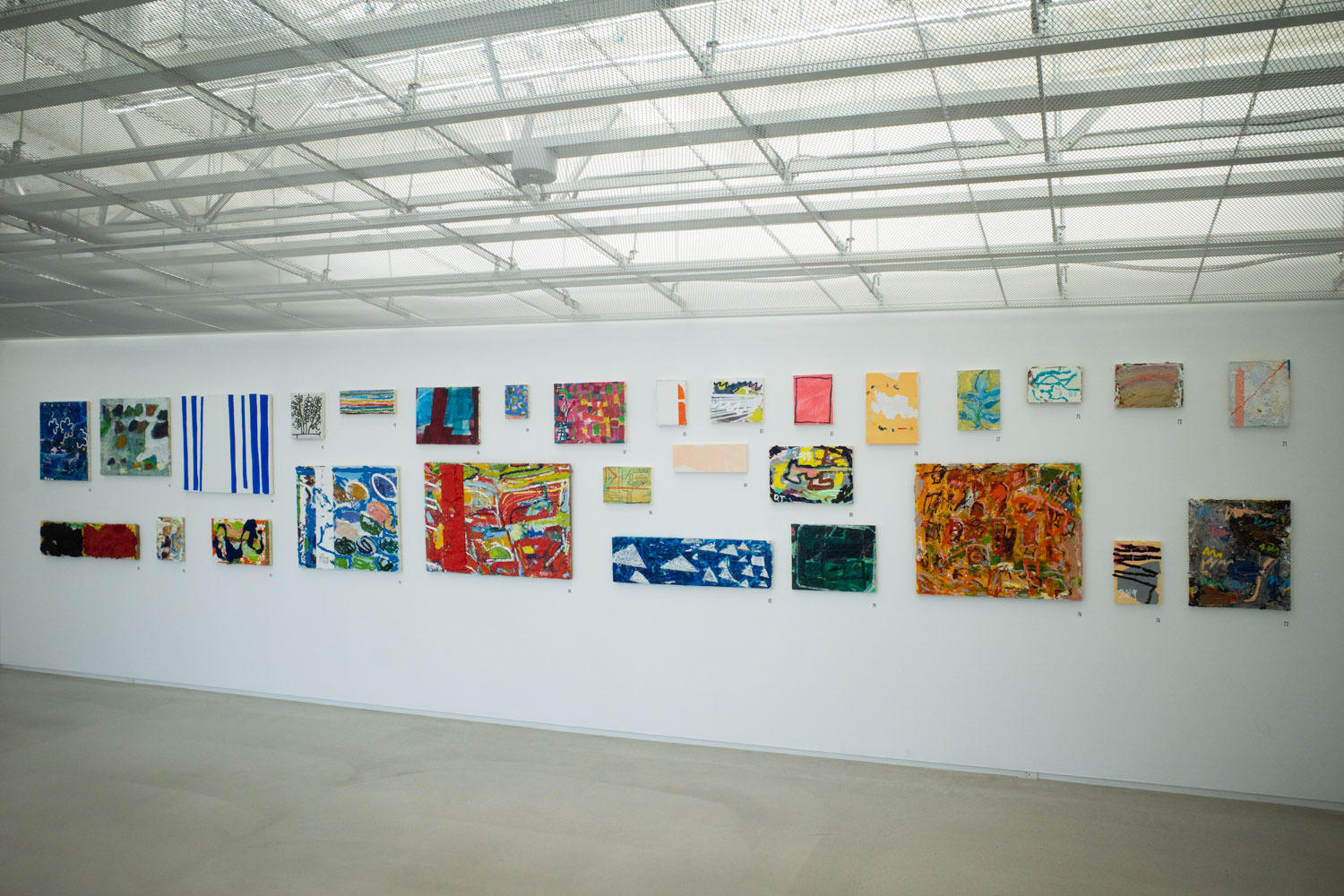
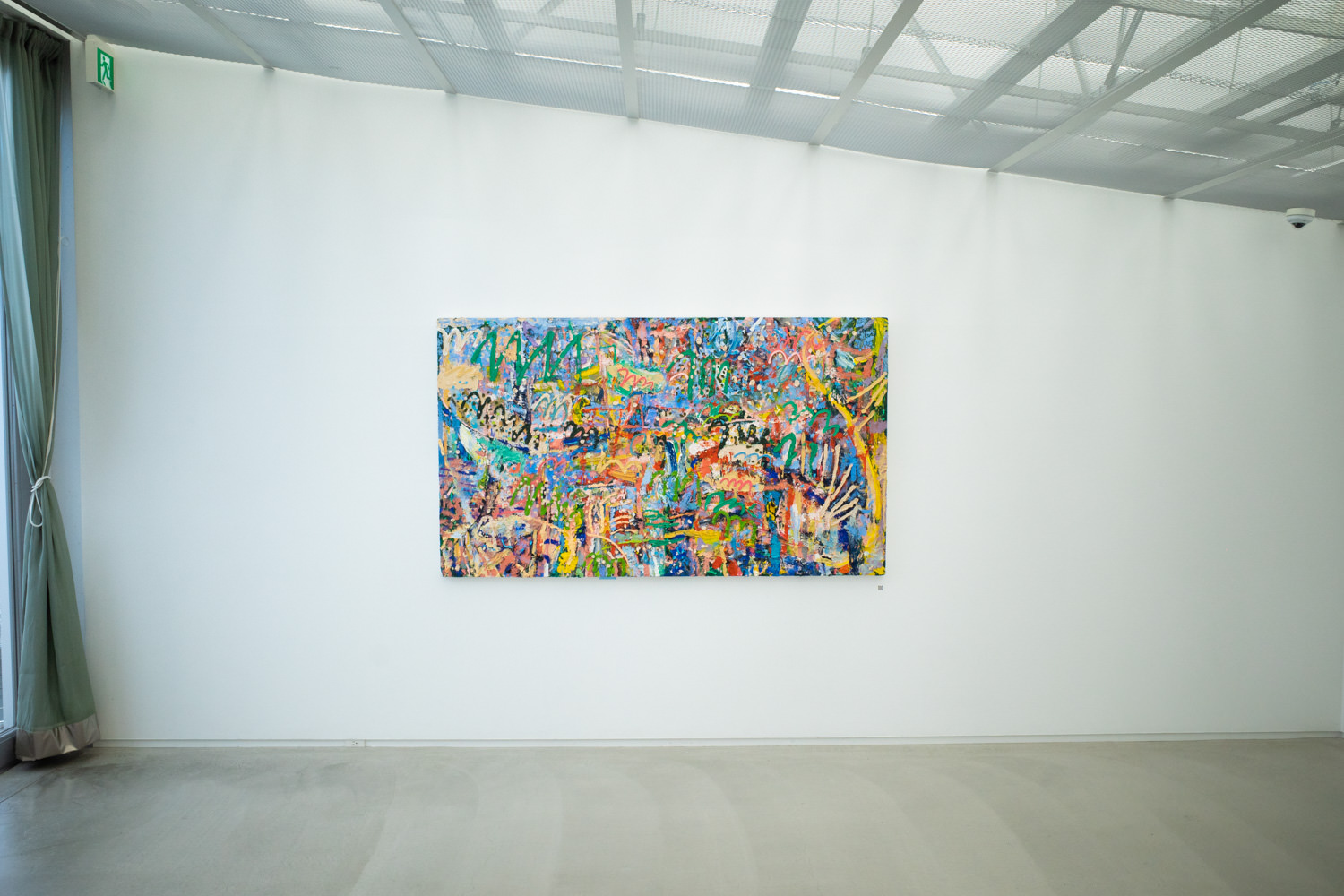
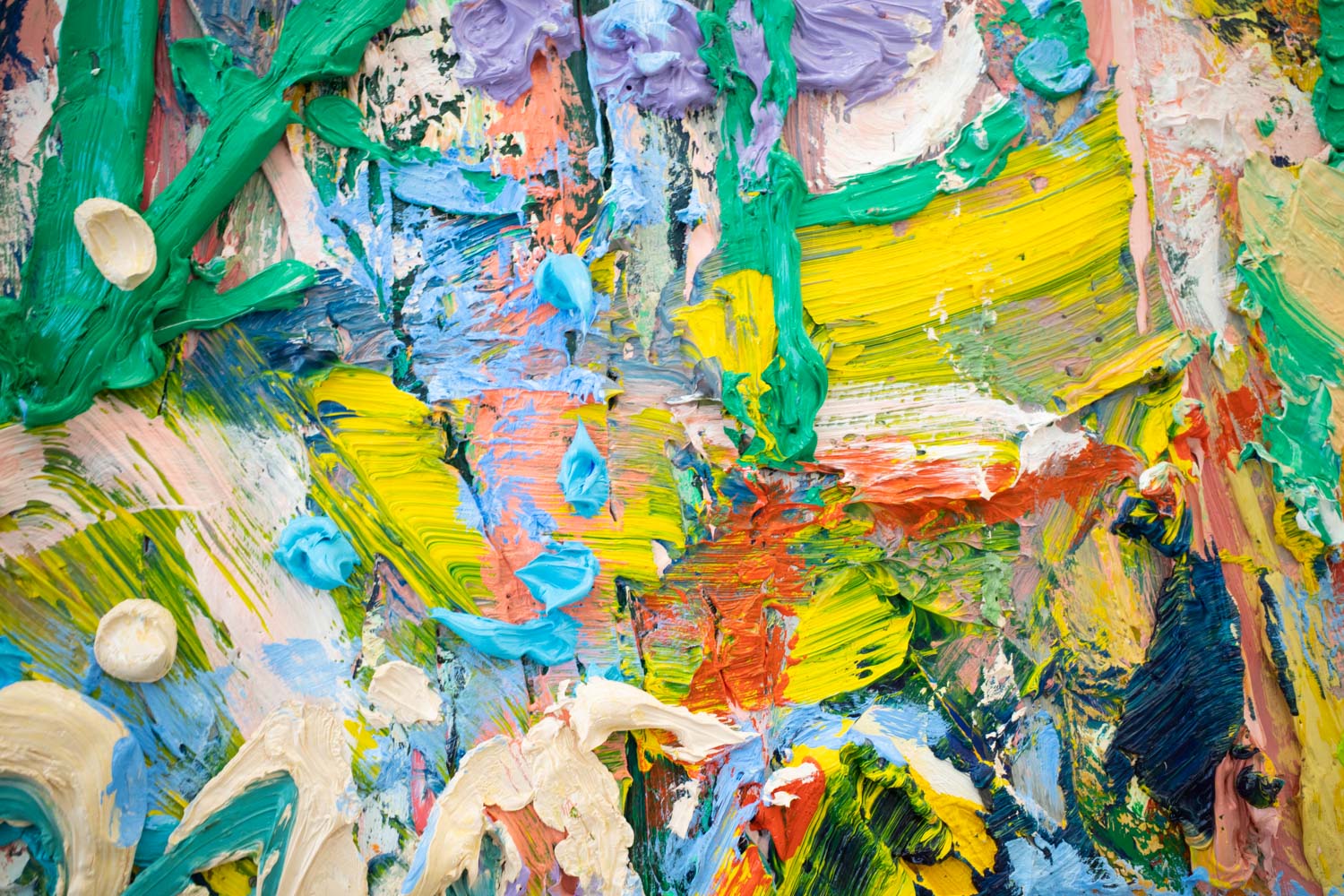
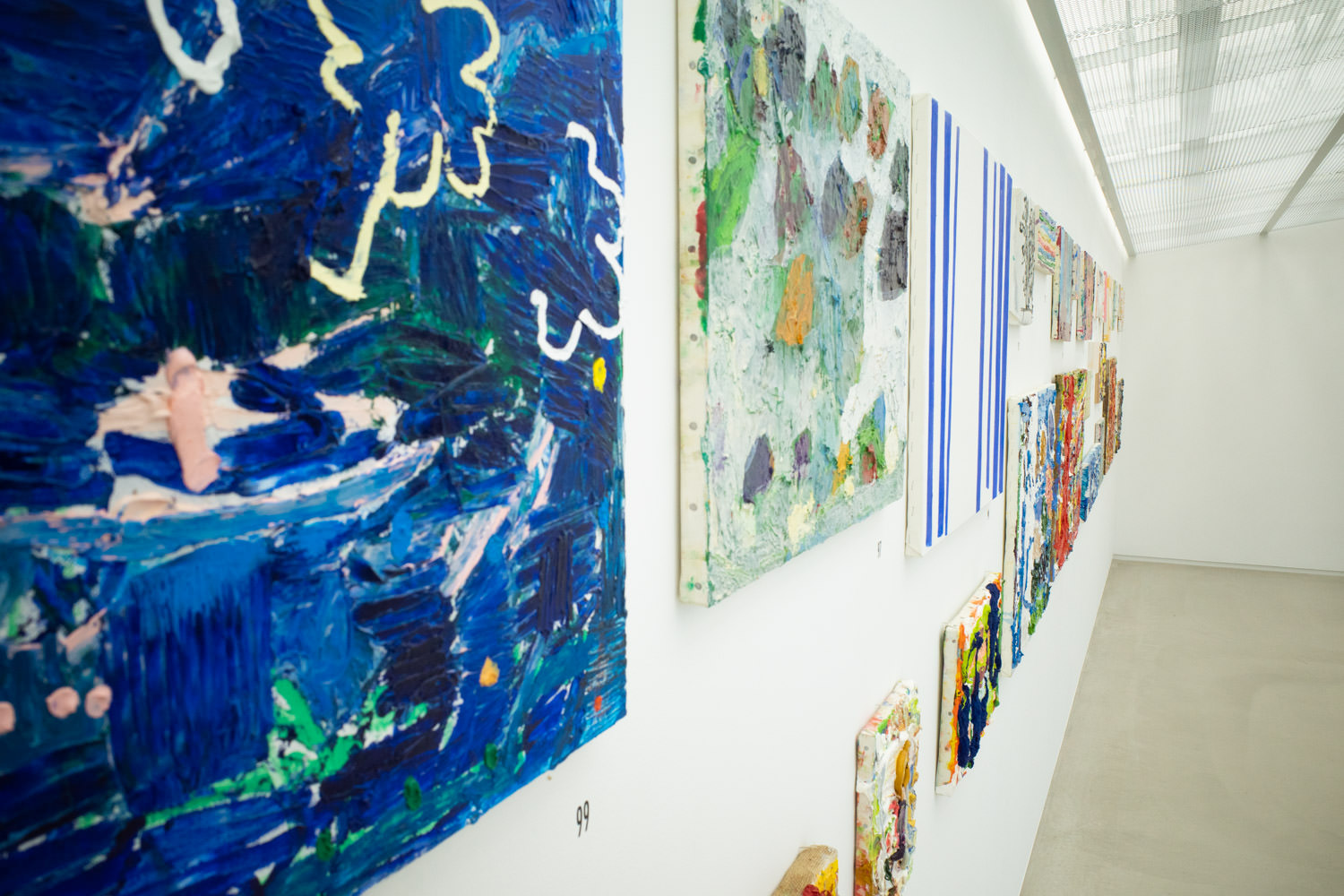
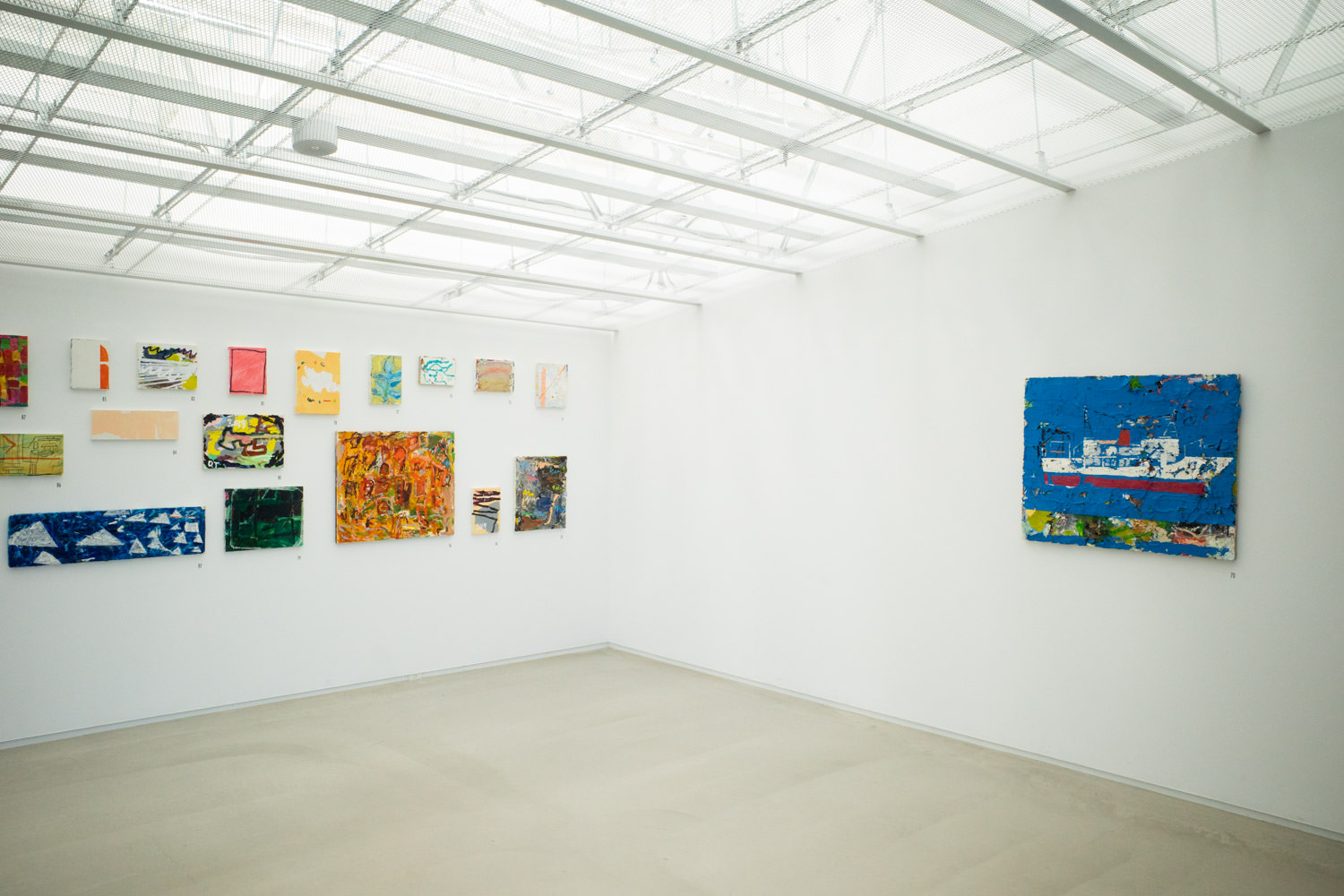
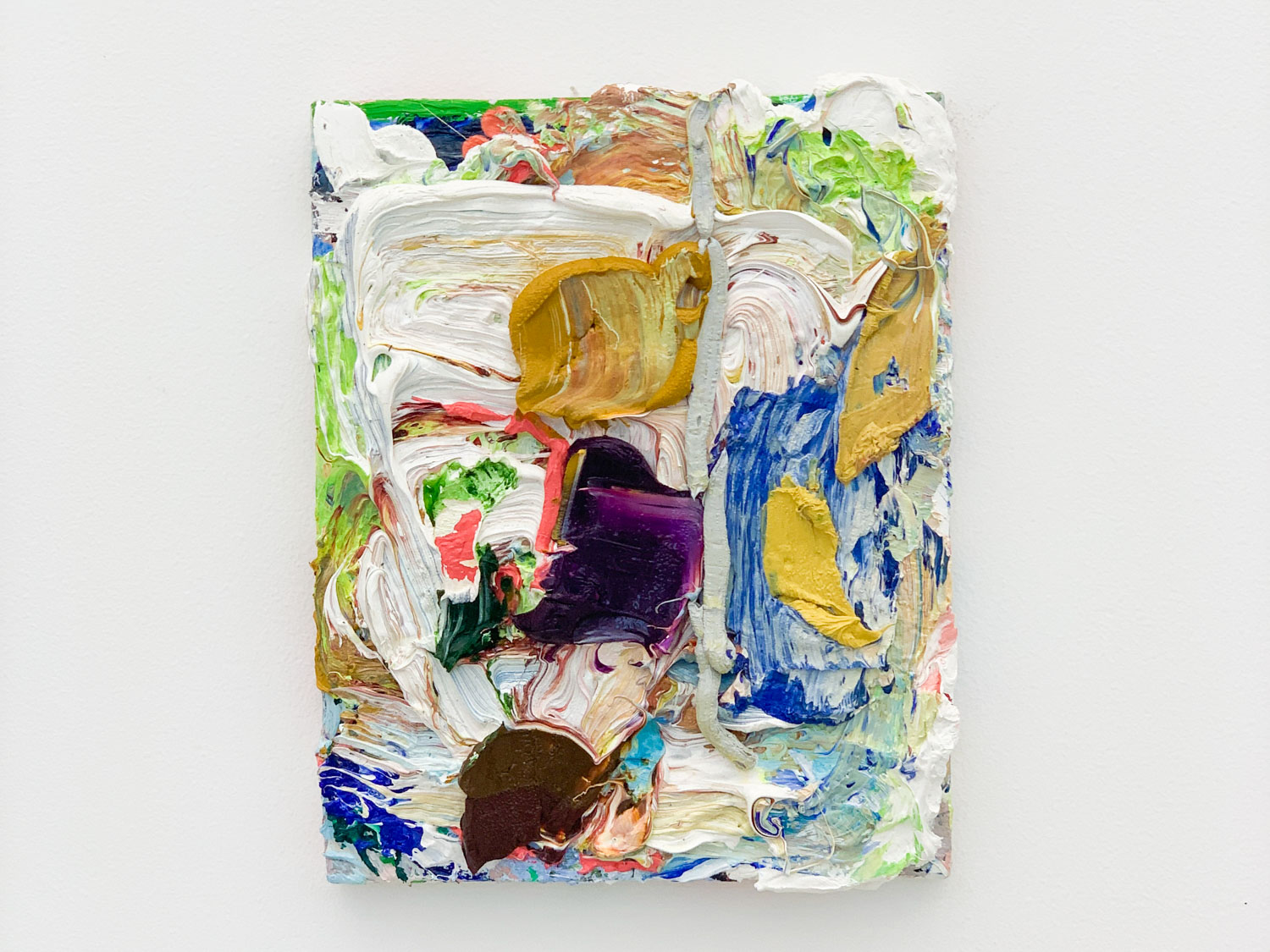
Daisuke Takahashi’s 100 works, ranging from small pieces to large-scale paintings, made a powerful and overwhelming impression.