Naoya Inose “Romantic Depression”
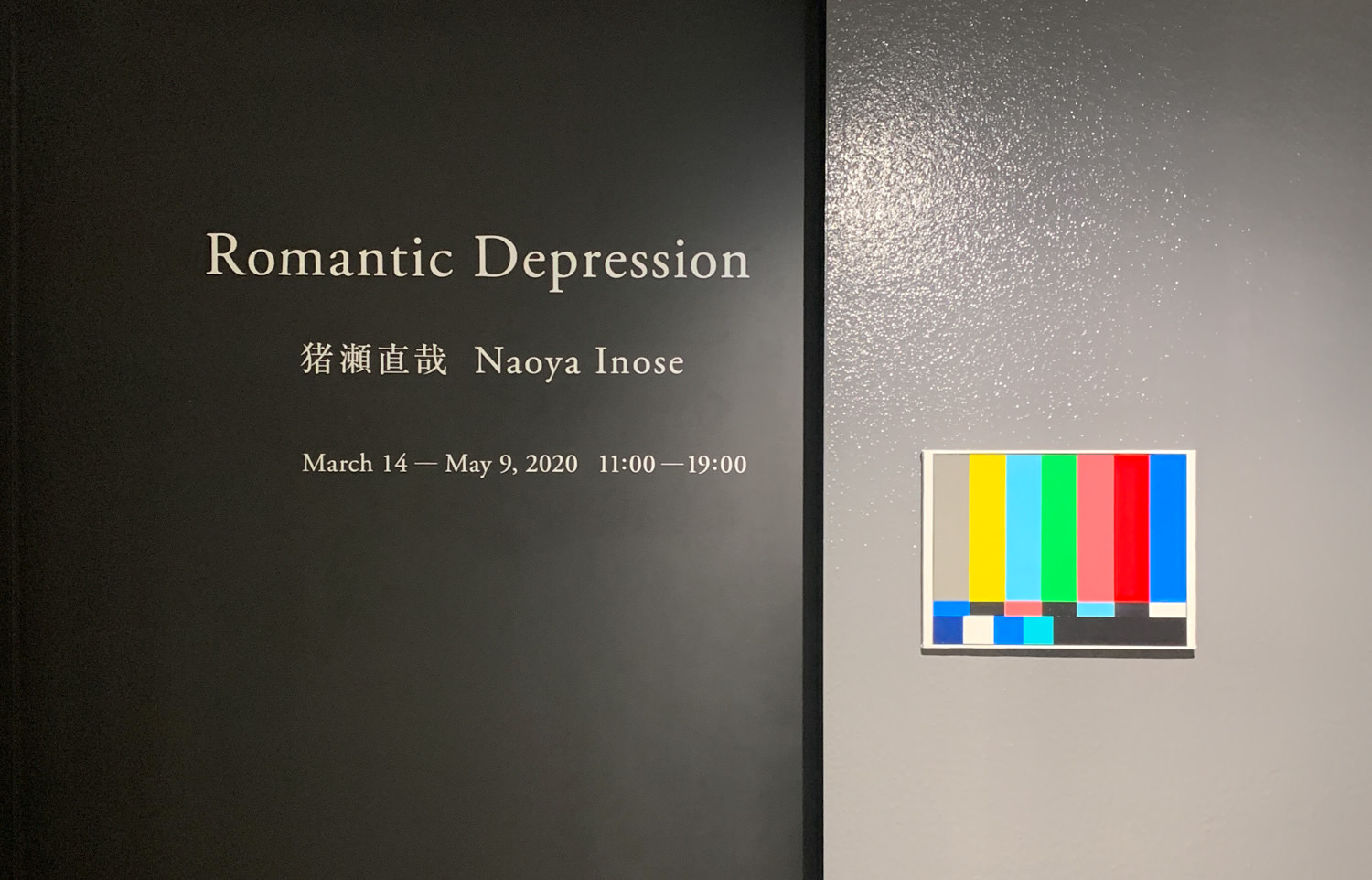
We visited Naoya Inose’s solo exhibition “Romantic Depression.” The venue was THE CLUB, a gallery located in GINZA SIX — the artist’s second exhibition there, following his debut solo show.
For the previous solo exhibition, please see the article below.
Statement by Naoya Inose
Romantic Depression — the resonance of these contradictory words does not, at first, seem to make sense. Yet within me, these two things are situated in a close, intimate proximity. When I paint, I place great value on research. On a research trip I took to Iceland ahead of this exhibition, this very title flashed through my mind.
Under a gloomy, overcast sky, a vast field with no greenery. On top of a harsh climate, active volcanic activity has caused forests to dwindle, with volcanic ash and lava covering the ground. According to a report by the Food and Agriculture Organization of the United Nations, forests make up only 0.5% of Iceland’s land area. The absence of trees means the absence of vegetation that would prevent soil erosion and increase water retention.
Iceland, the world’s northernmost island nation, is said to be facing a widespread risk of desertification. And yet, in such landscapes I sense a certain romance. Apocalyptic scenery is a theme I often paint in my work, and Iceland was precisely such a strikingly real environment. That state of things also seems to resemble many people today. Depression, that most emblematic of modern illnesses, links directly to such landscapes. Something drained and difficult to regenerate; the sensation of a fogged-over mind. There is a landscape from which color has been drained.
Romantic landscape painting has always been linked with this melancholic quality. A representative artist is Caspar David Friedrich, whose silence-shrouded landscapes are painted with an extraordinary romanticism. Yet the artist himself is said to have suffered from depression — perhaps it is the interplay between the artist’s inner emptiness and the hope he finds within it that brings romance to the work.
I imagine many people today recognize such a sense of emptiness. I too am one of them, and I invite you to look at these works, in which that emptiness is filtered through me and made visual.
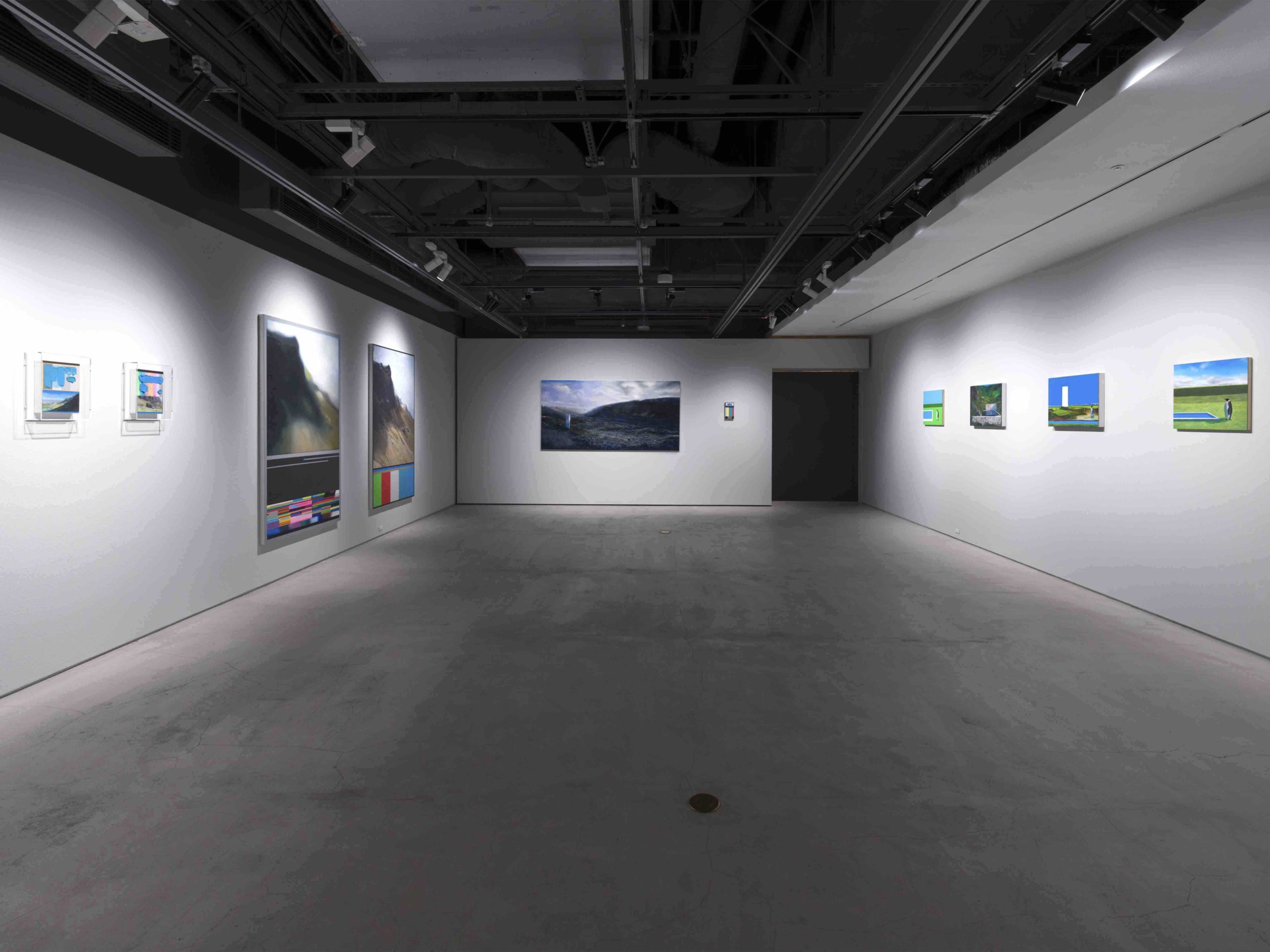
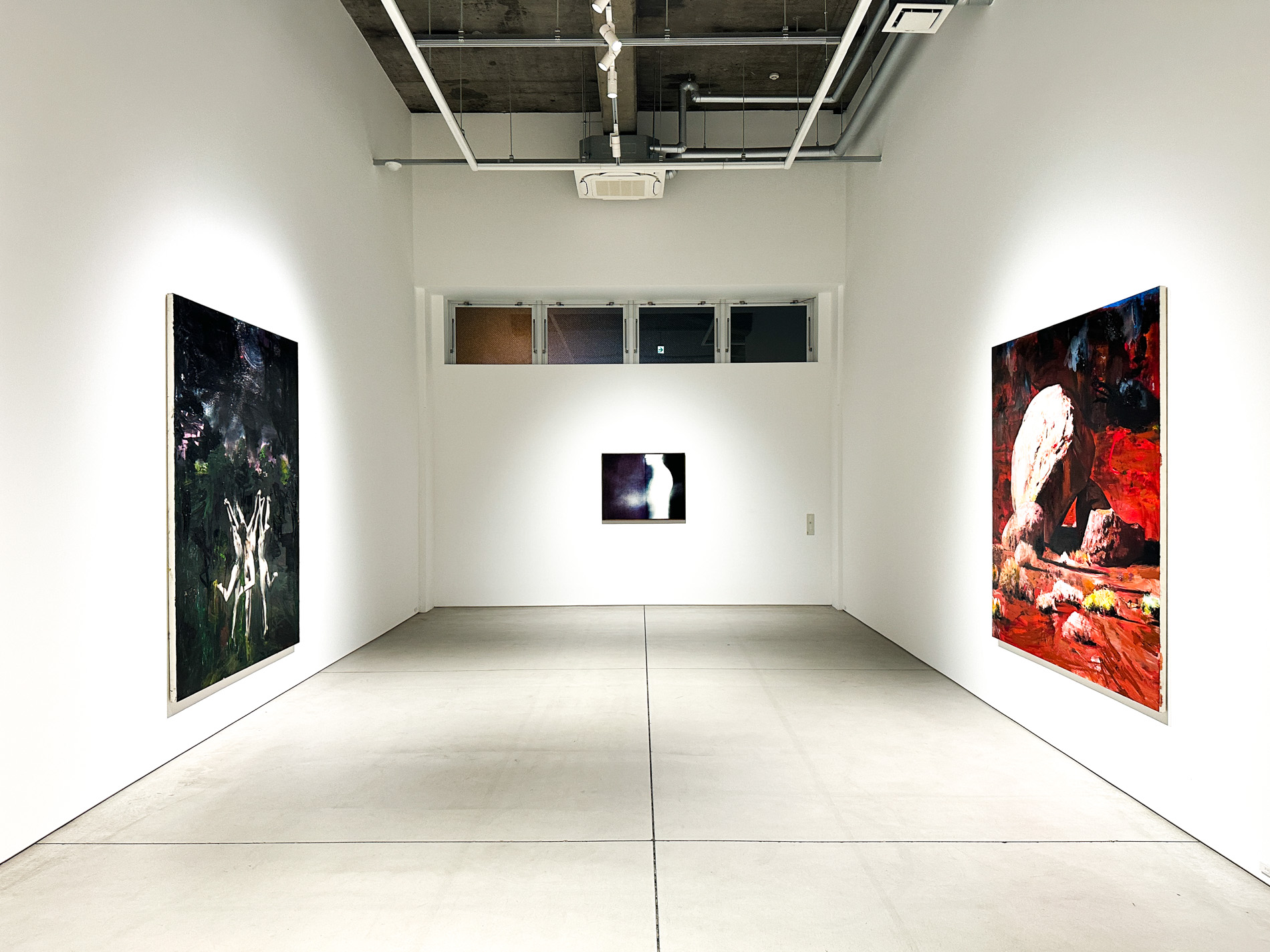
The works on view had been arranged in sequence following a narrative constructed by Naoya Inose himself, so that the story unfolds from the piece by the entrance onward.
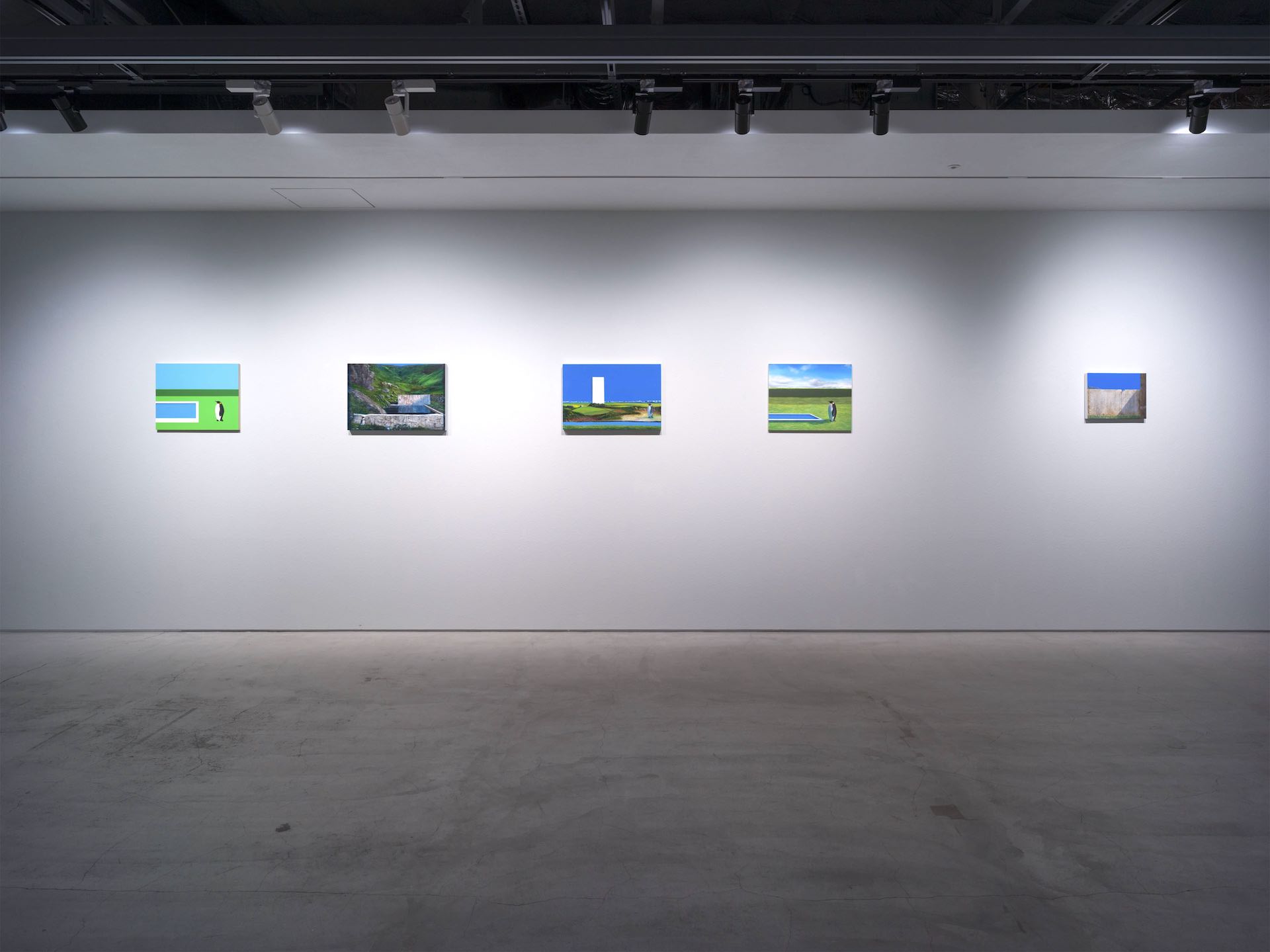
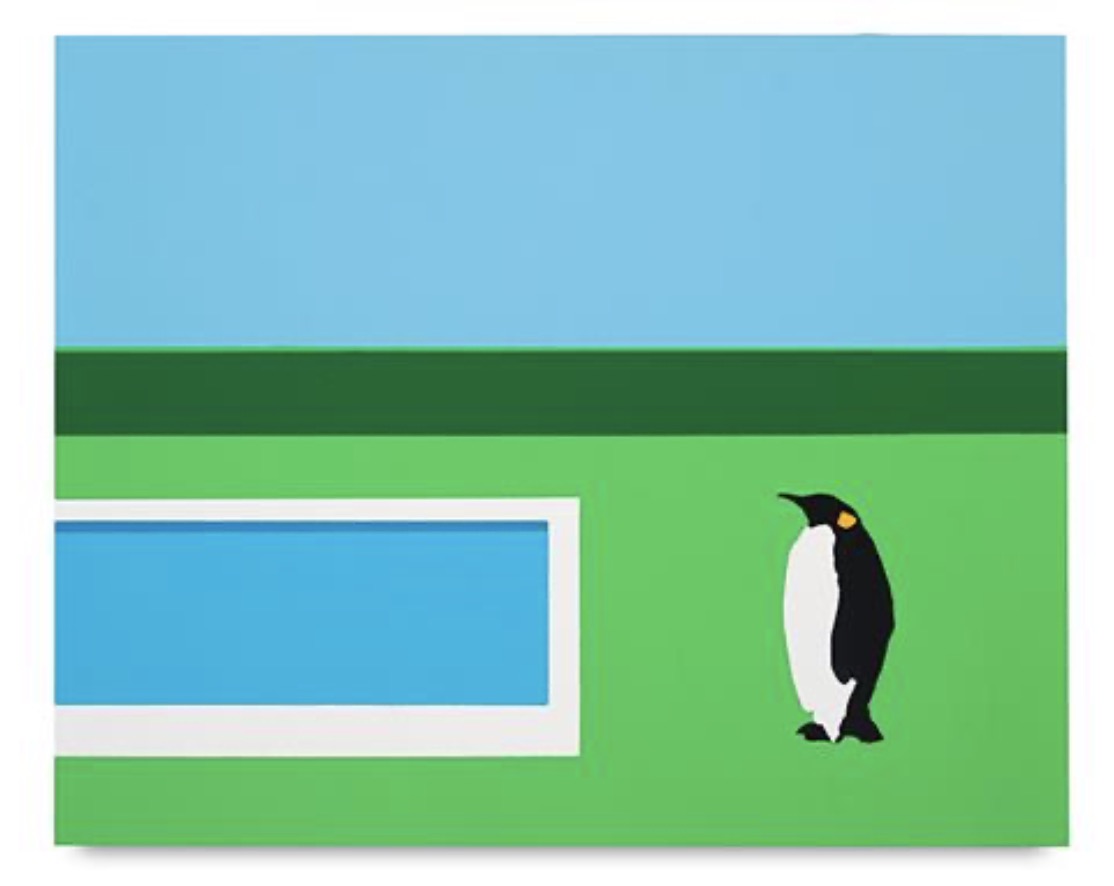
The penguin, one of Inose’s signature motifs, is used as a symbolic icon of Inose himself (as a Japanese). The pool in front is said to be painted as an image of “Japan.”
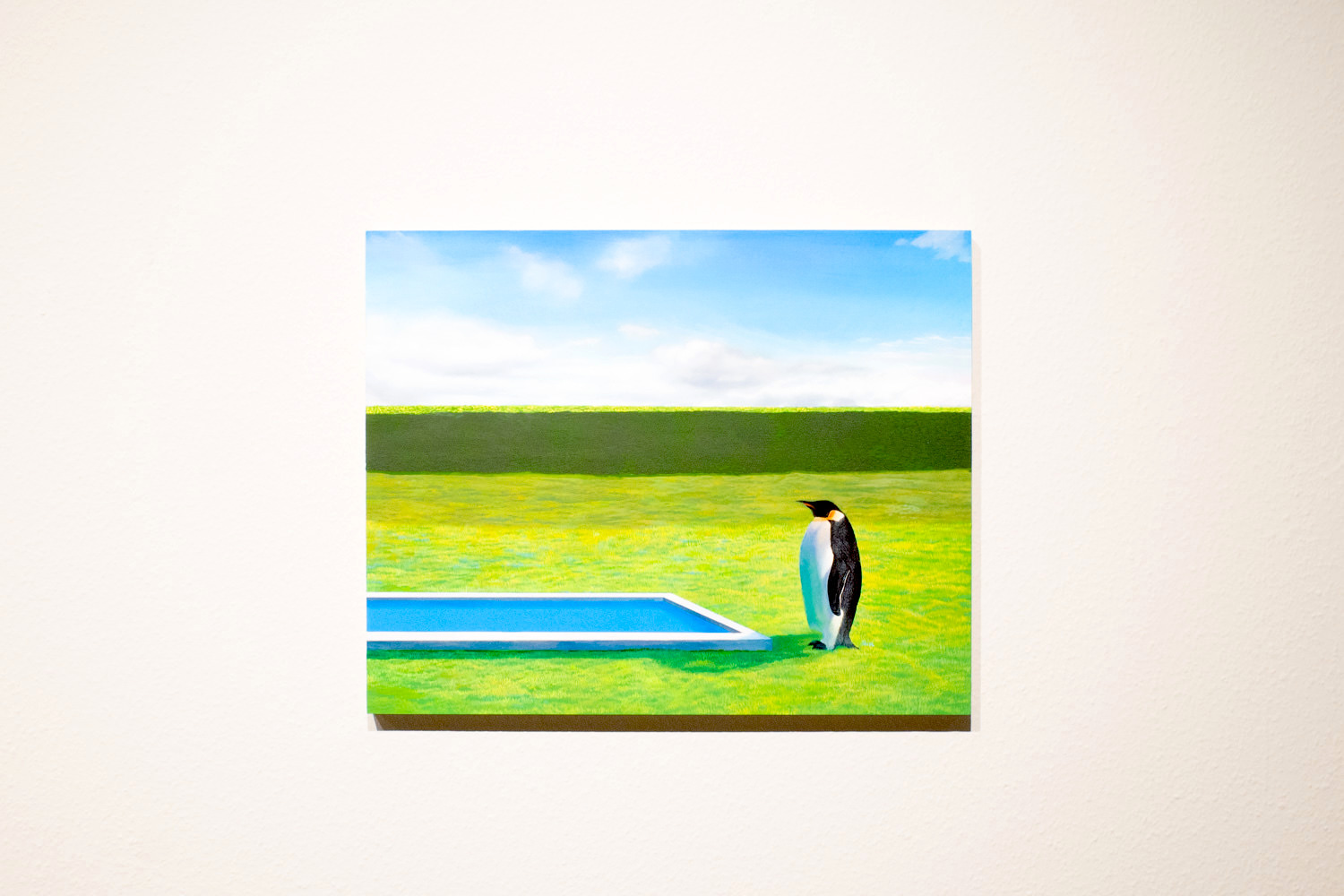
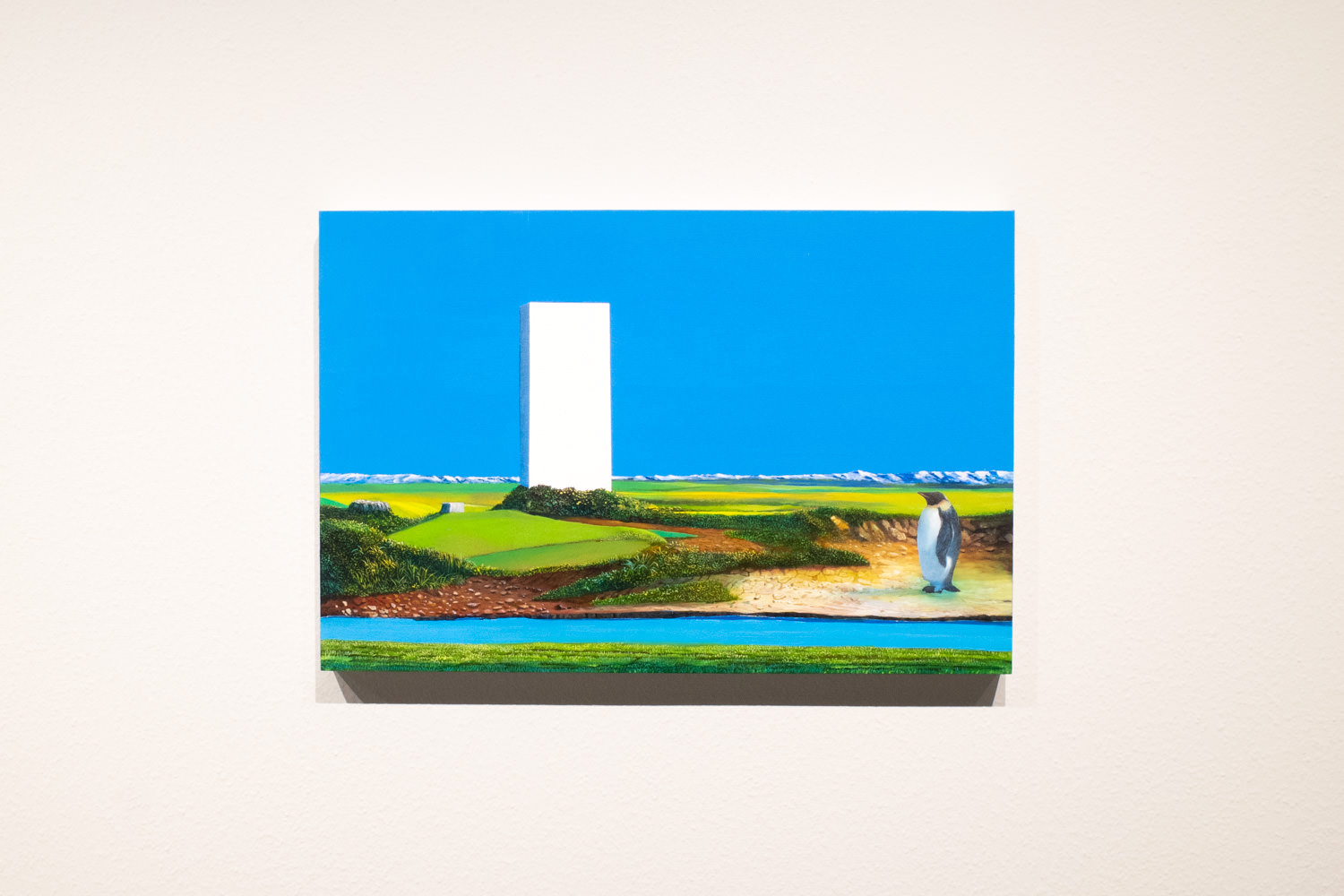
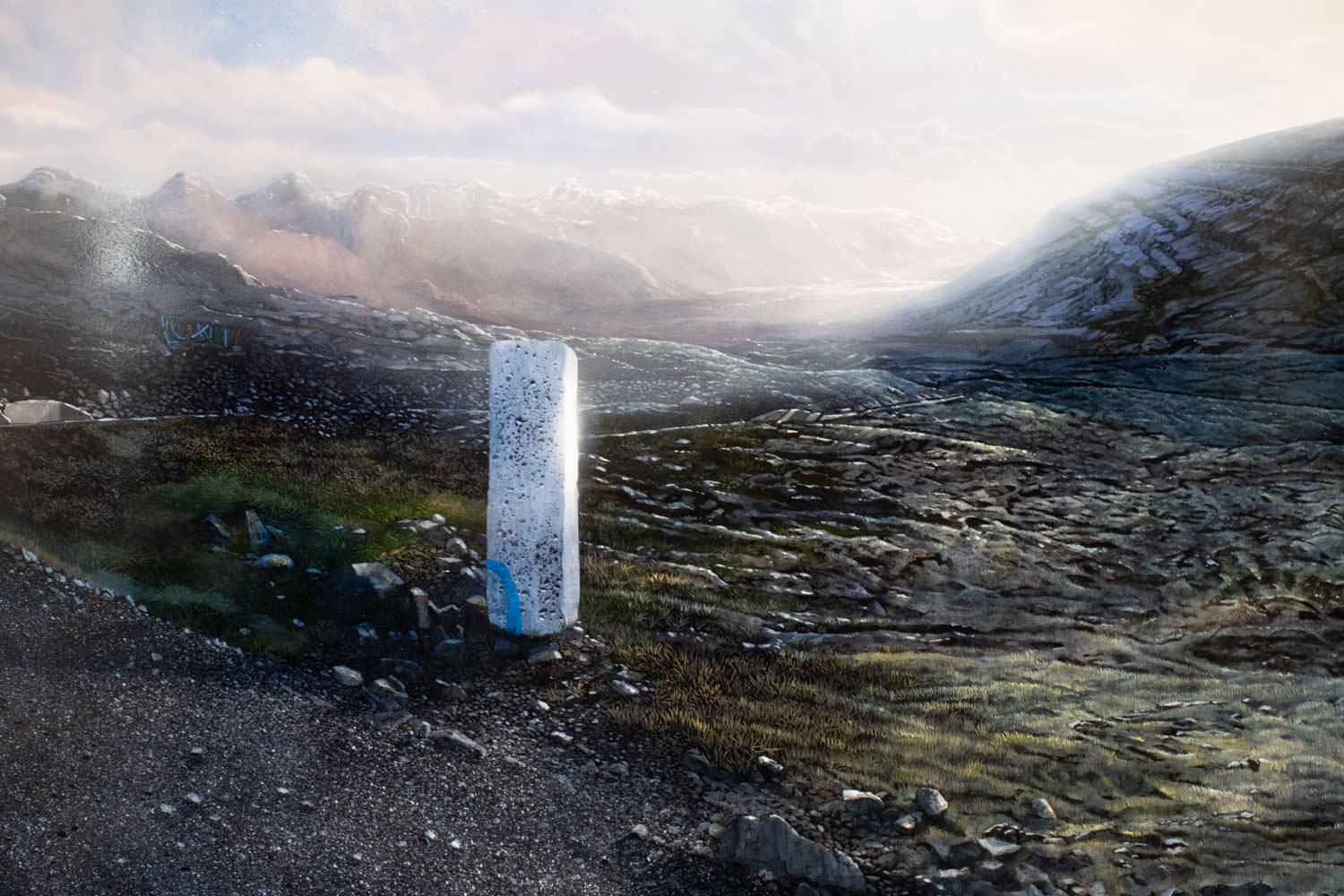
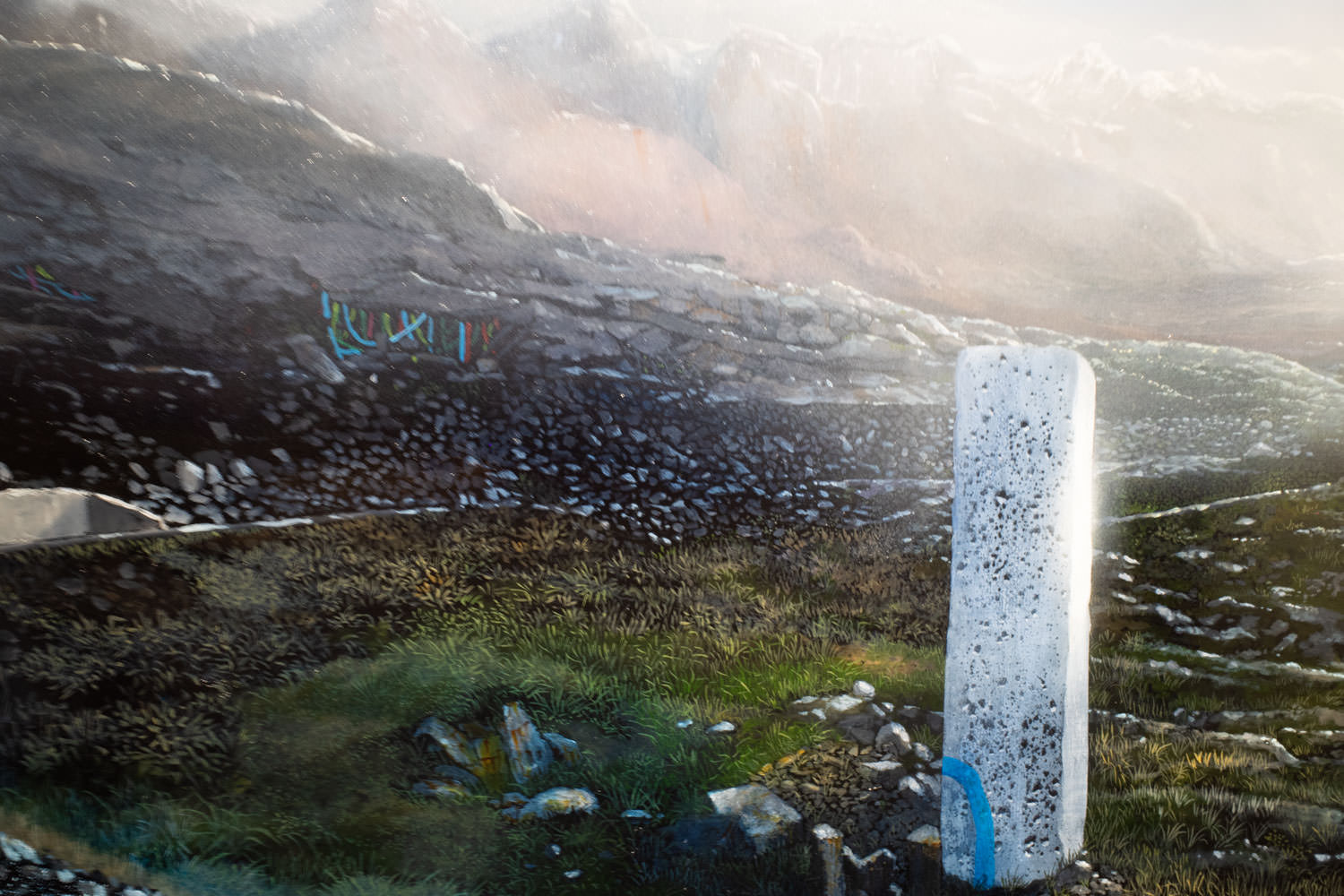
The penguin changes location and sets off into the world. The “monolith,” another signature motif, is also included.
The “monolith” refers to the pillar-like mysterious object that appears in Stanley Kubrick’s film series “2001: A Space Odyssey.”
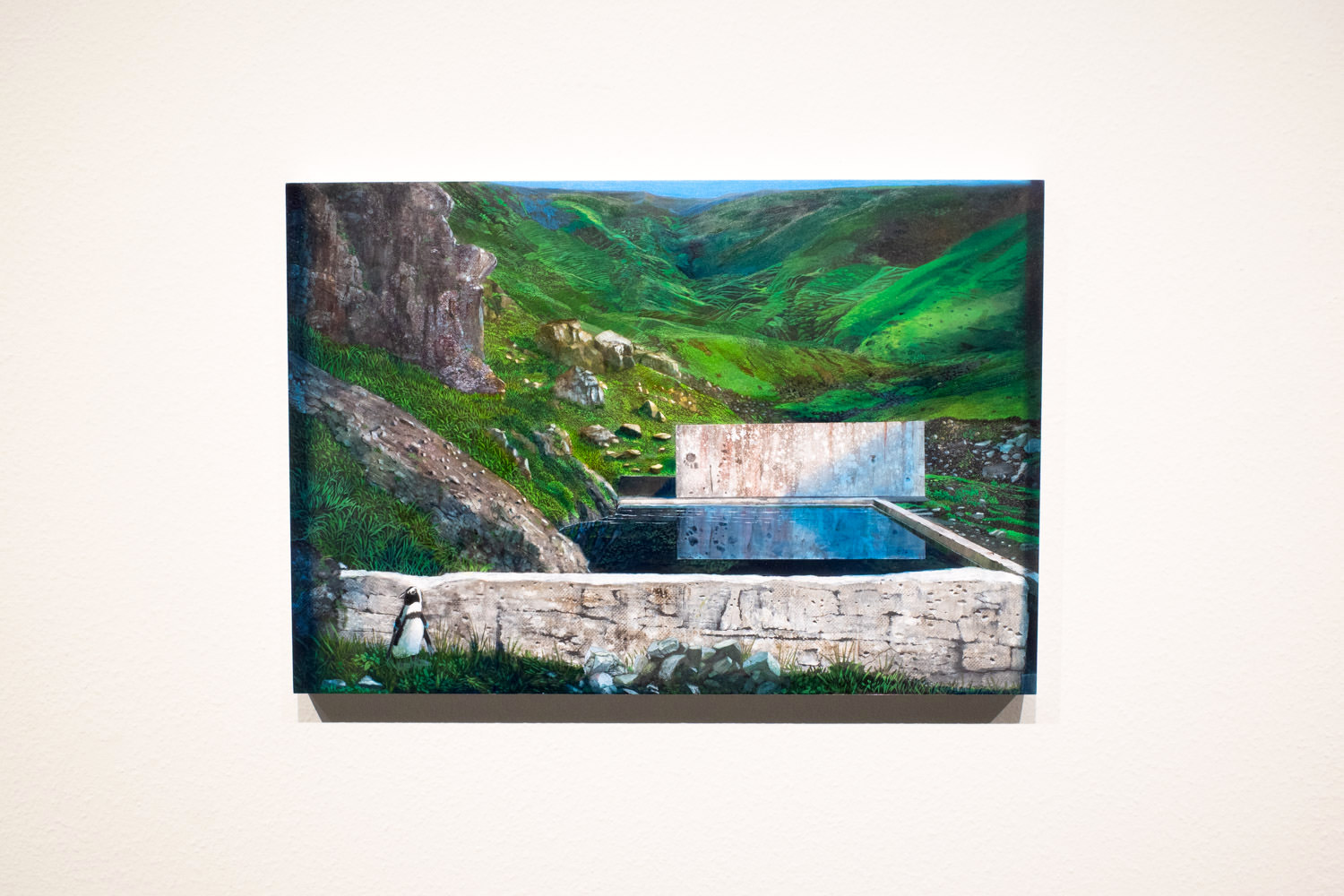
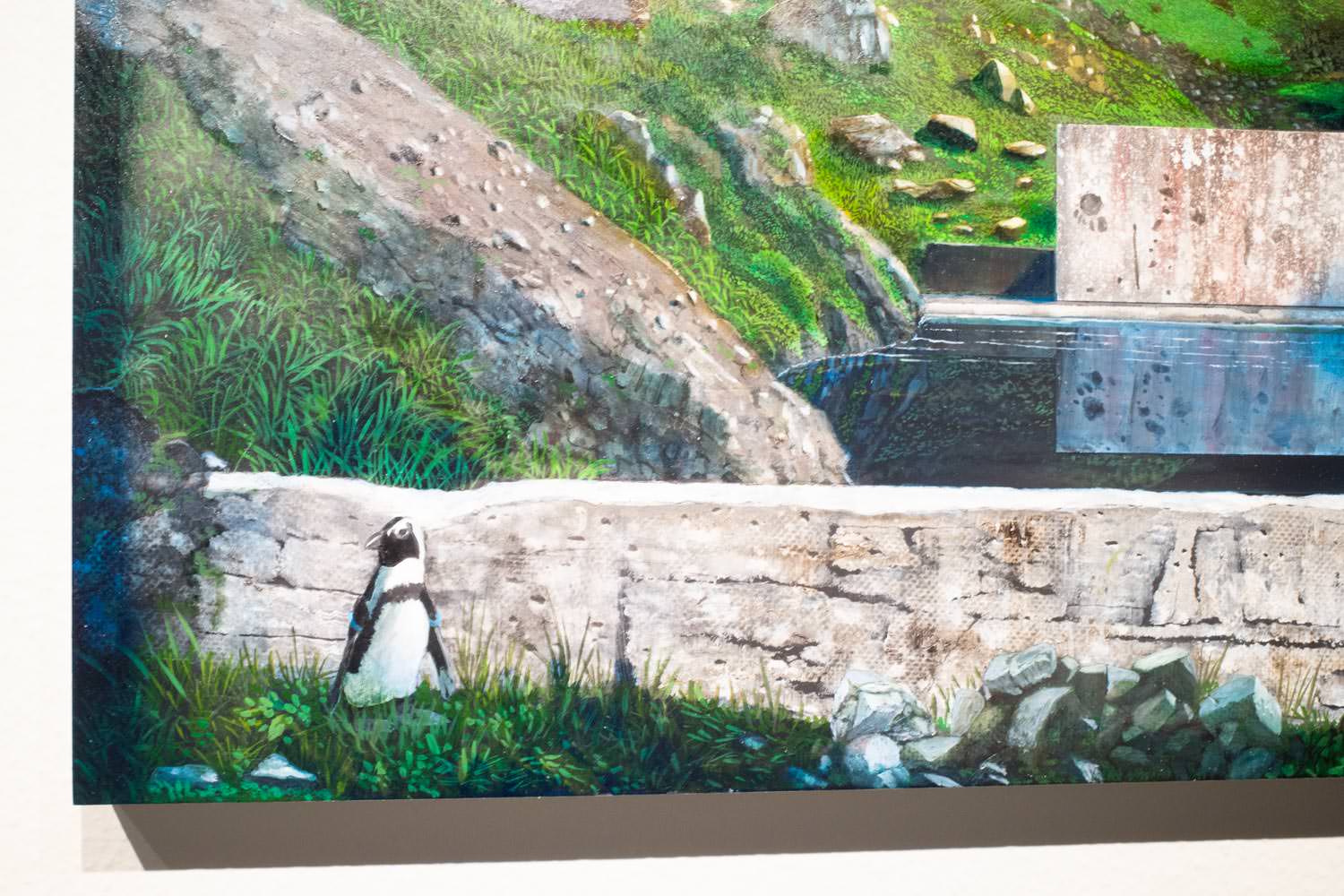
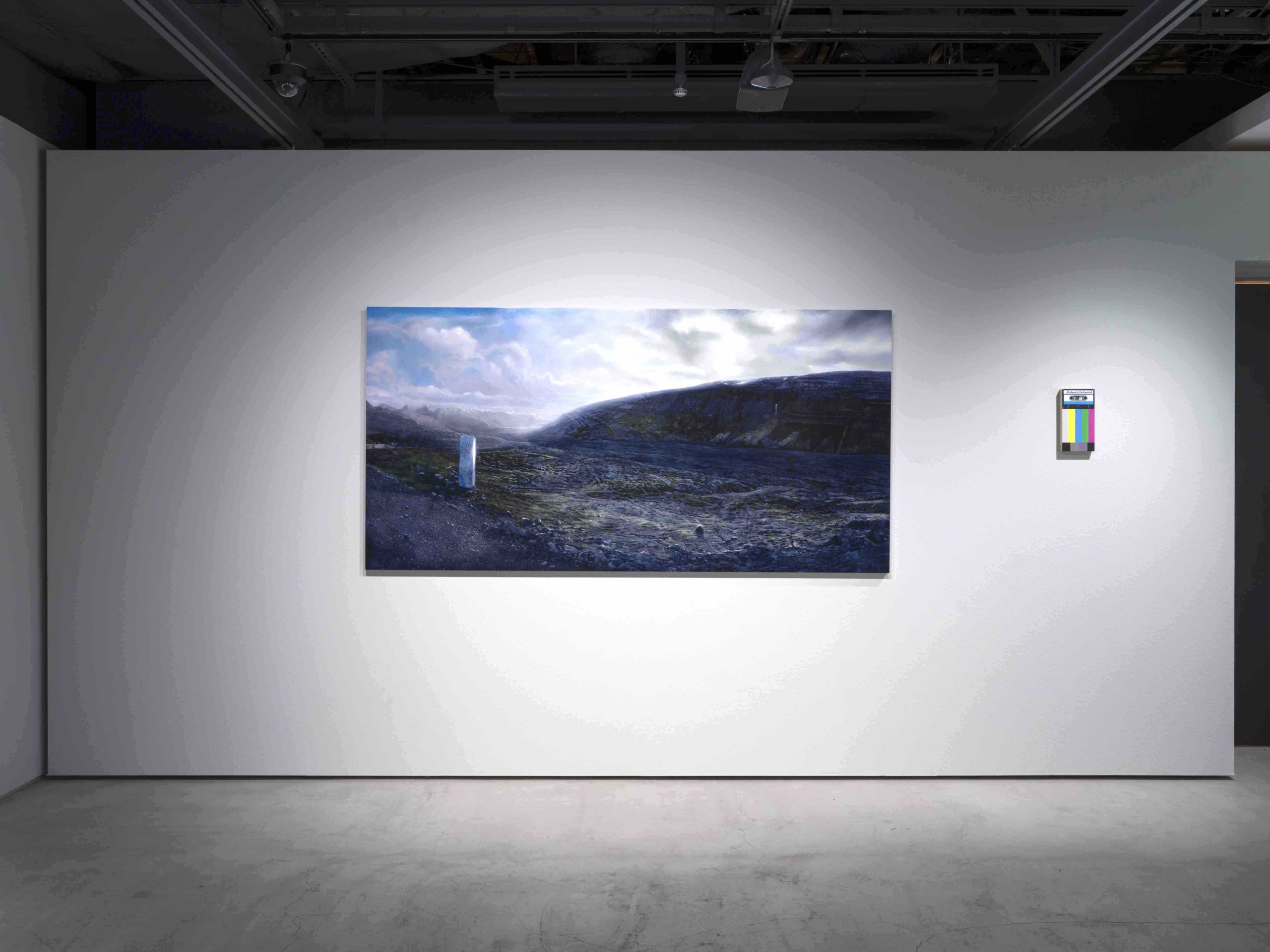
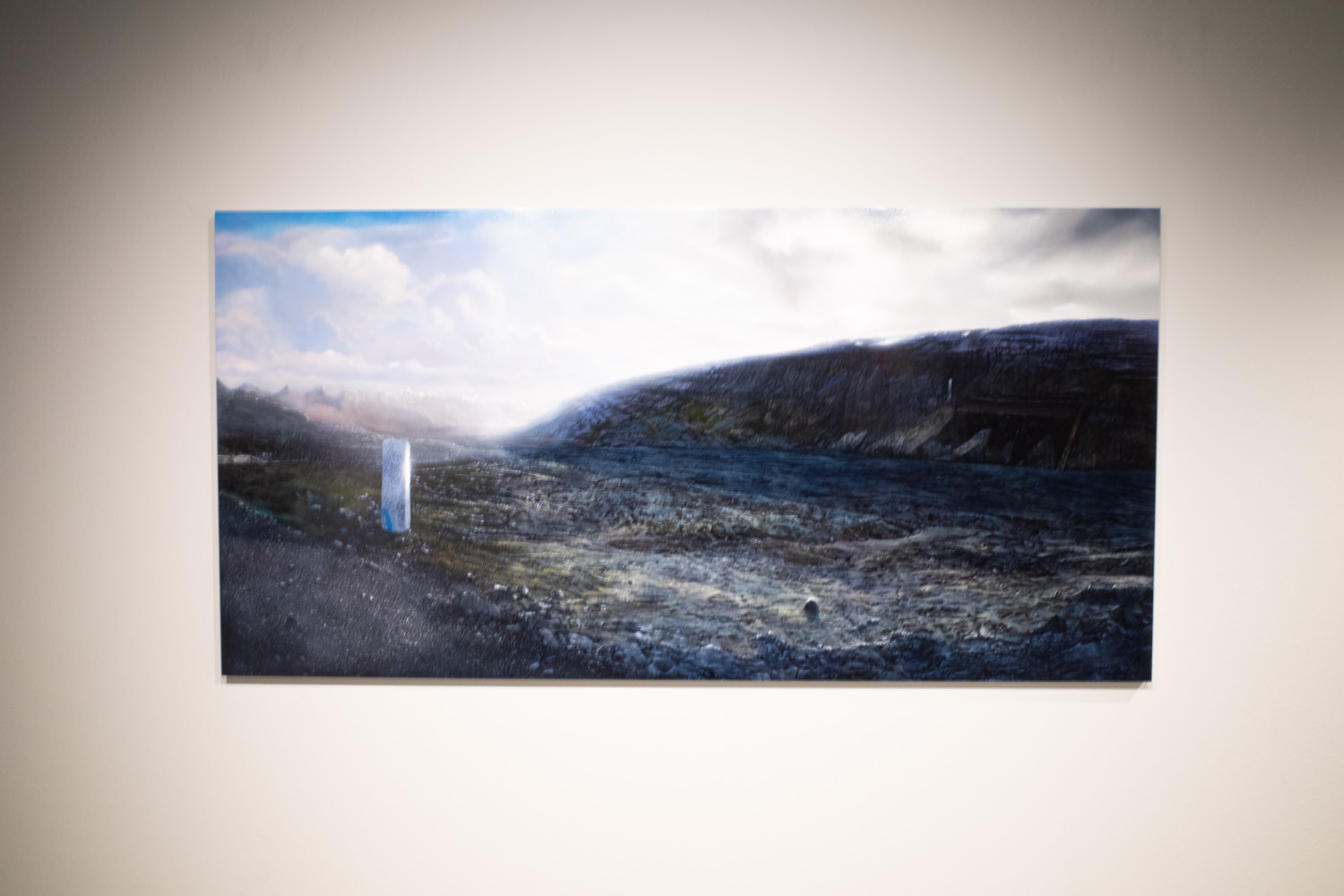
“Romantic depression” is a large-scale work depicting the landscape of Iceland — the world’s northernmost island nation — which Inose visited on his research trip.
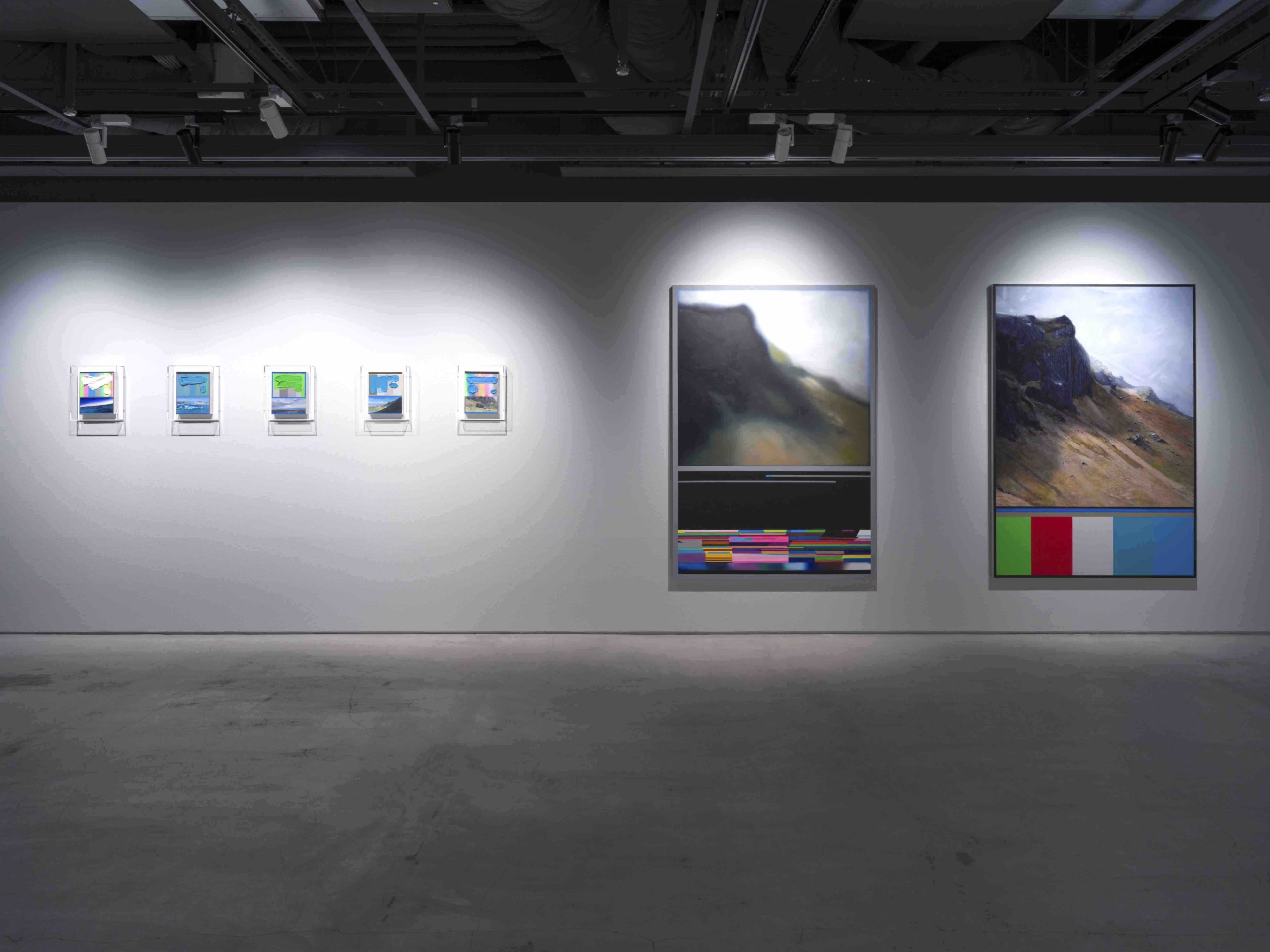
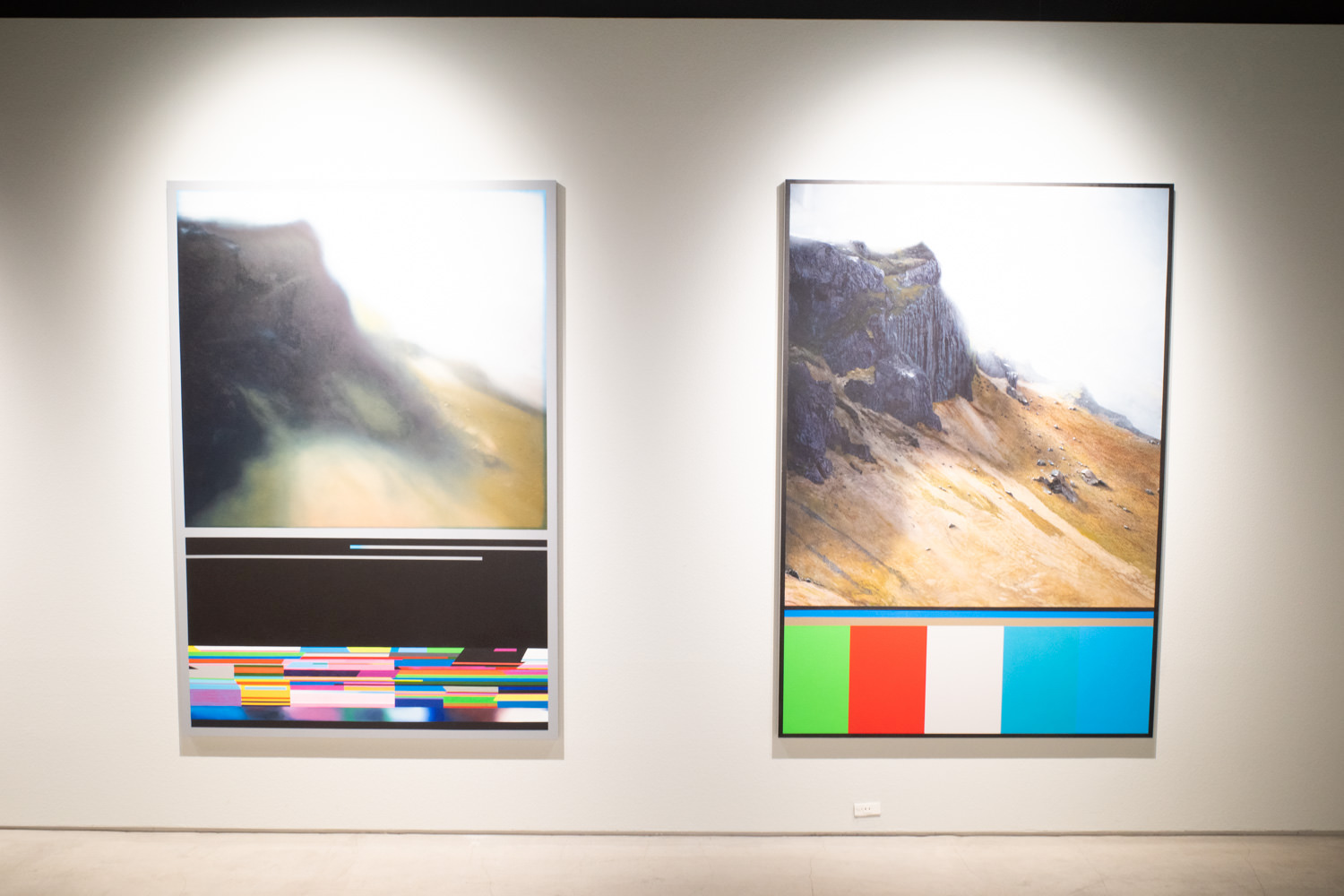
Right: Naoya Inose, “Color dream,” 2020, oil, alkyd on aluminum panel, 176×121 cm
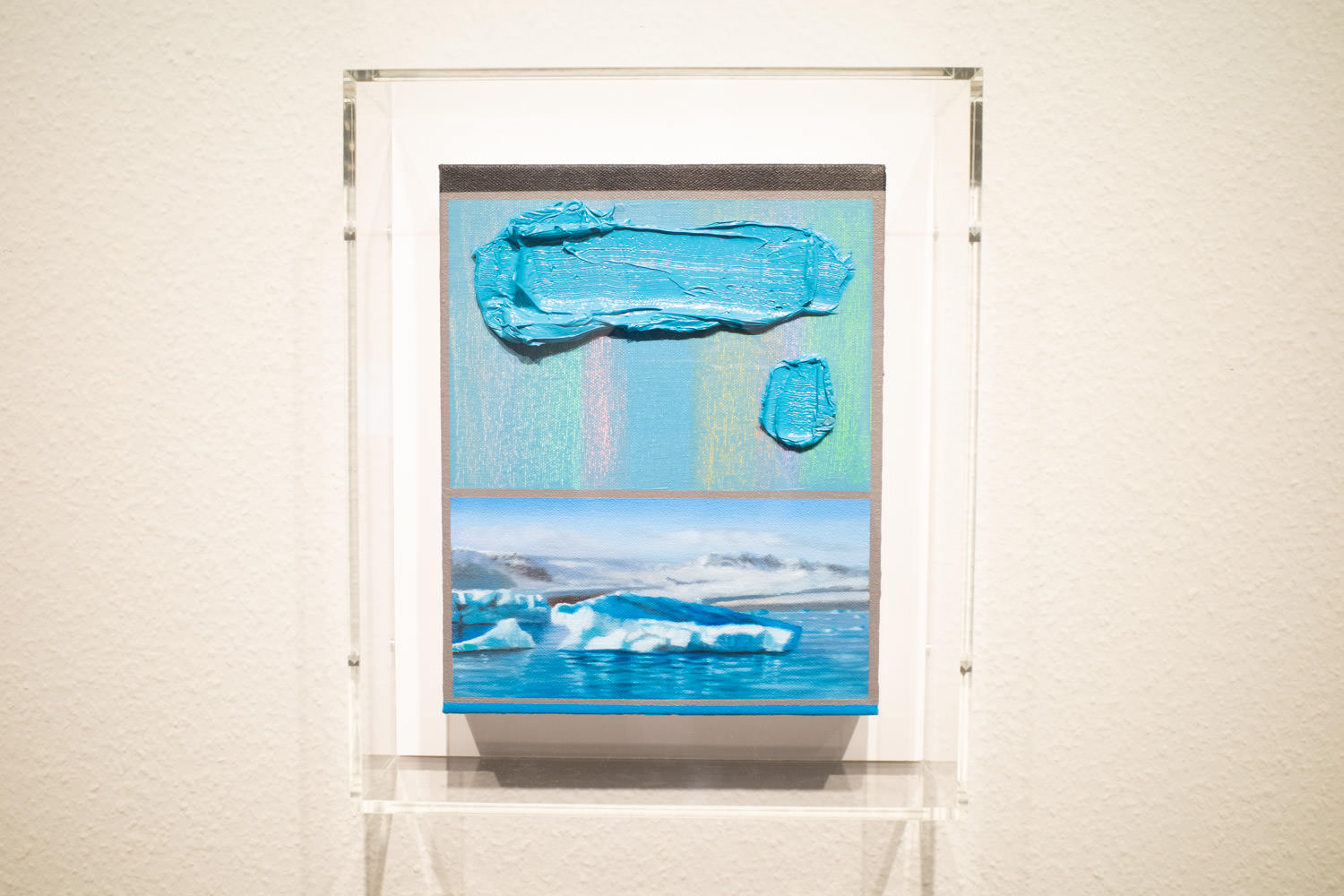
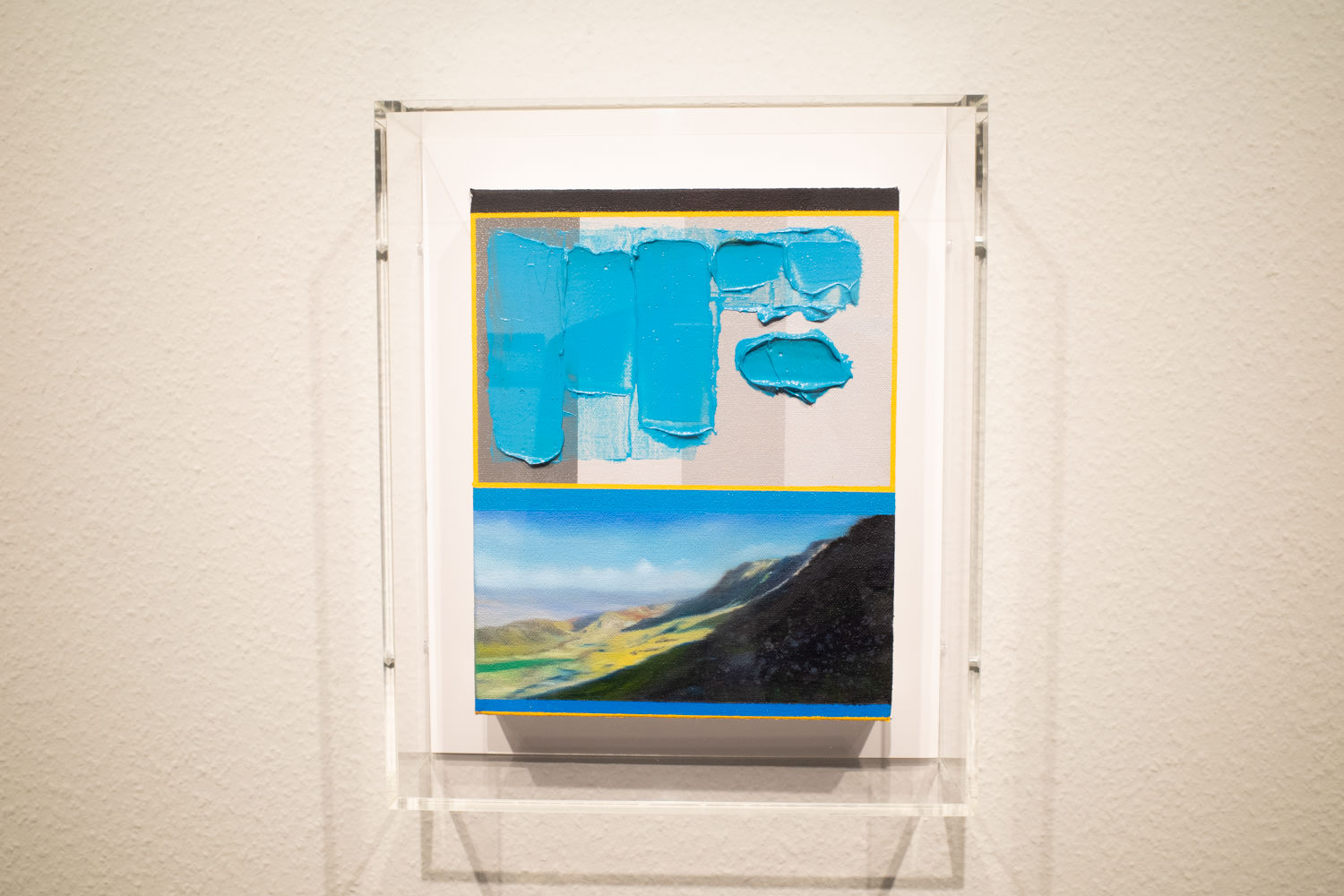
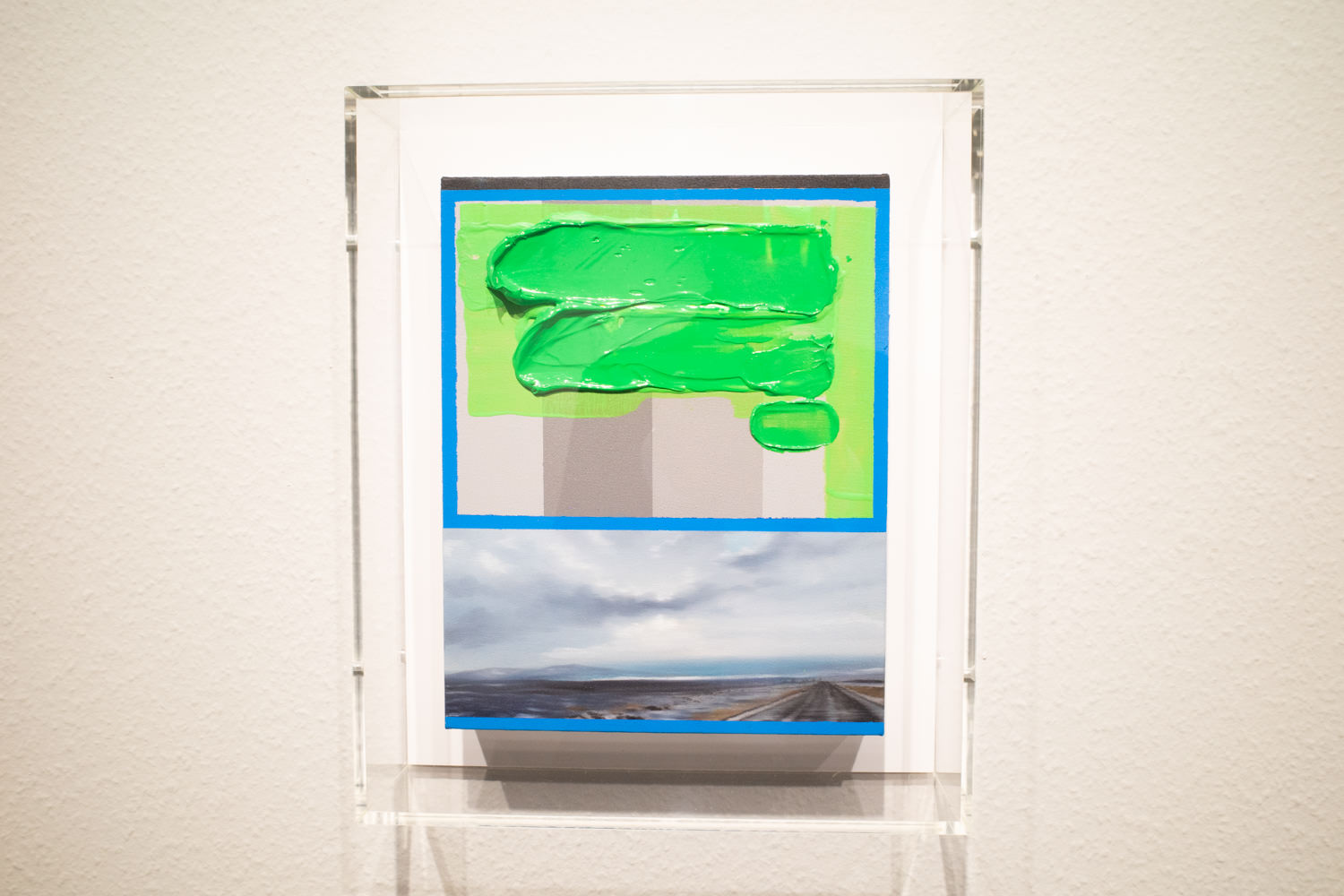
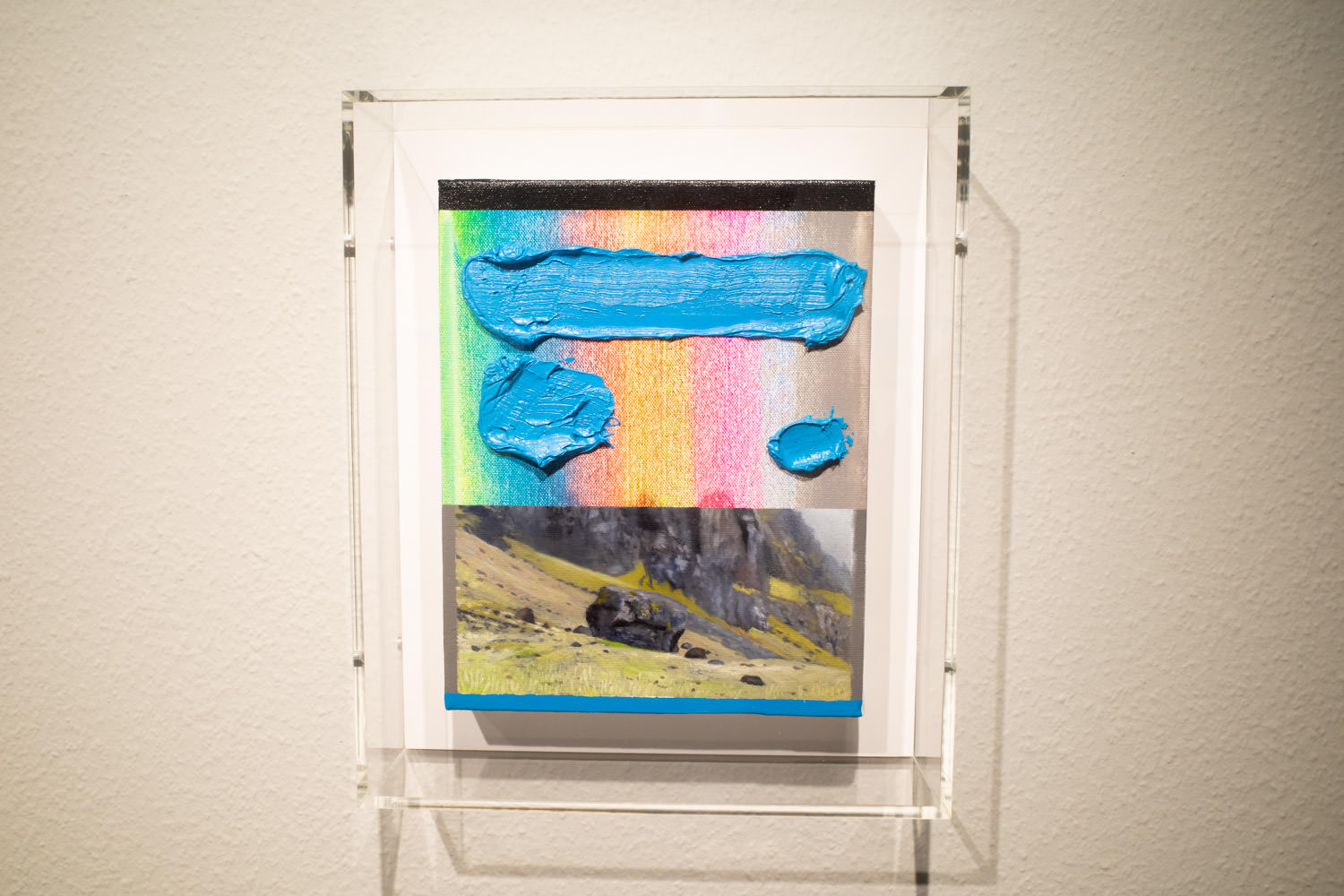
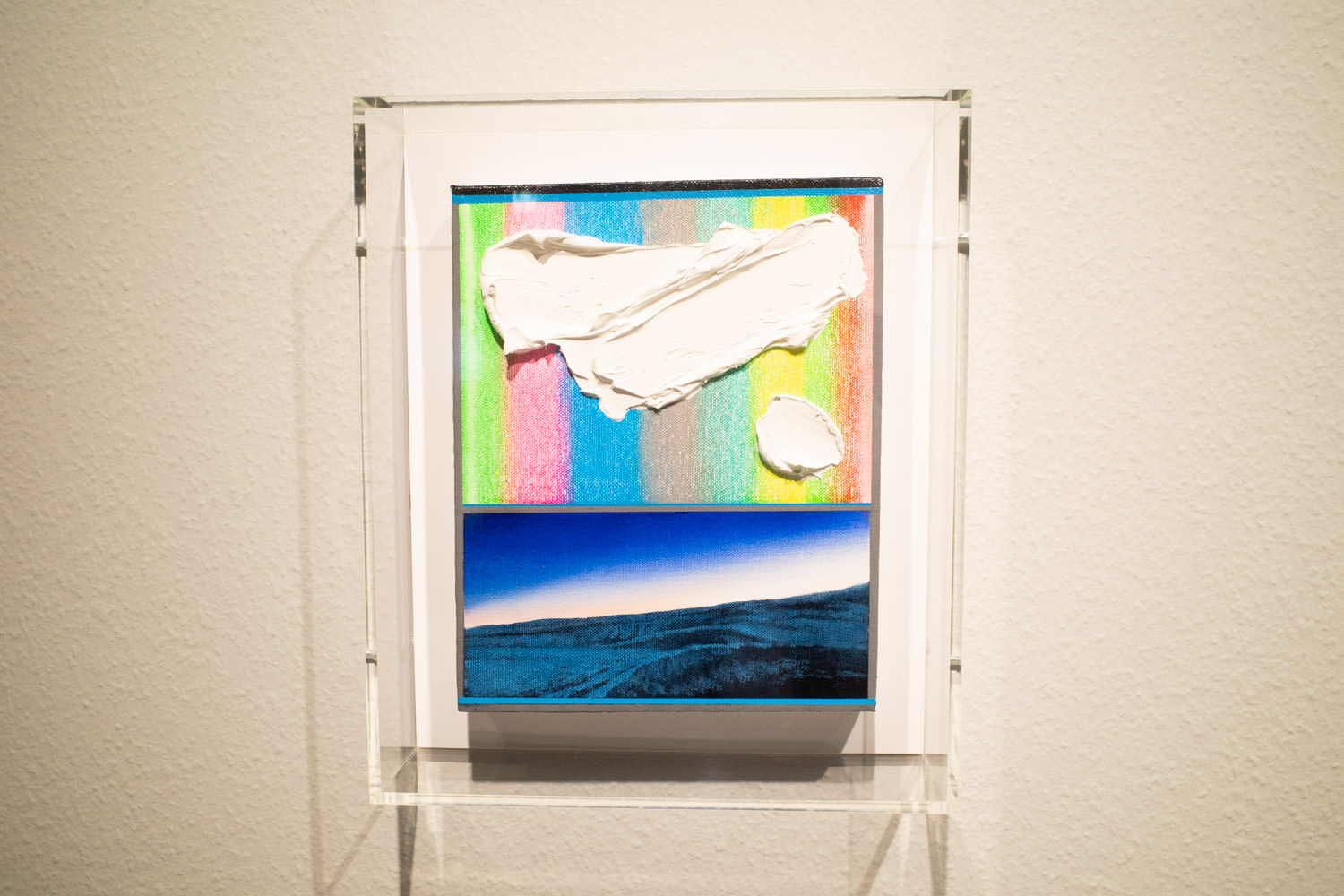
The show concluded with “Heaven,” a work that intermingles the color bars and static of vintage analog television broadcasts.
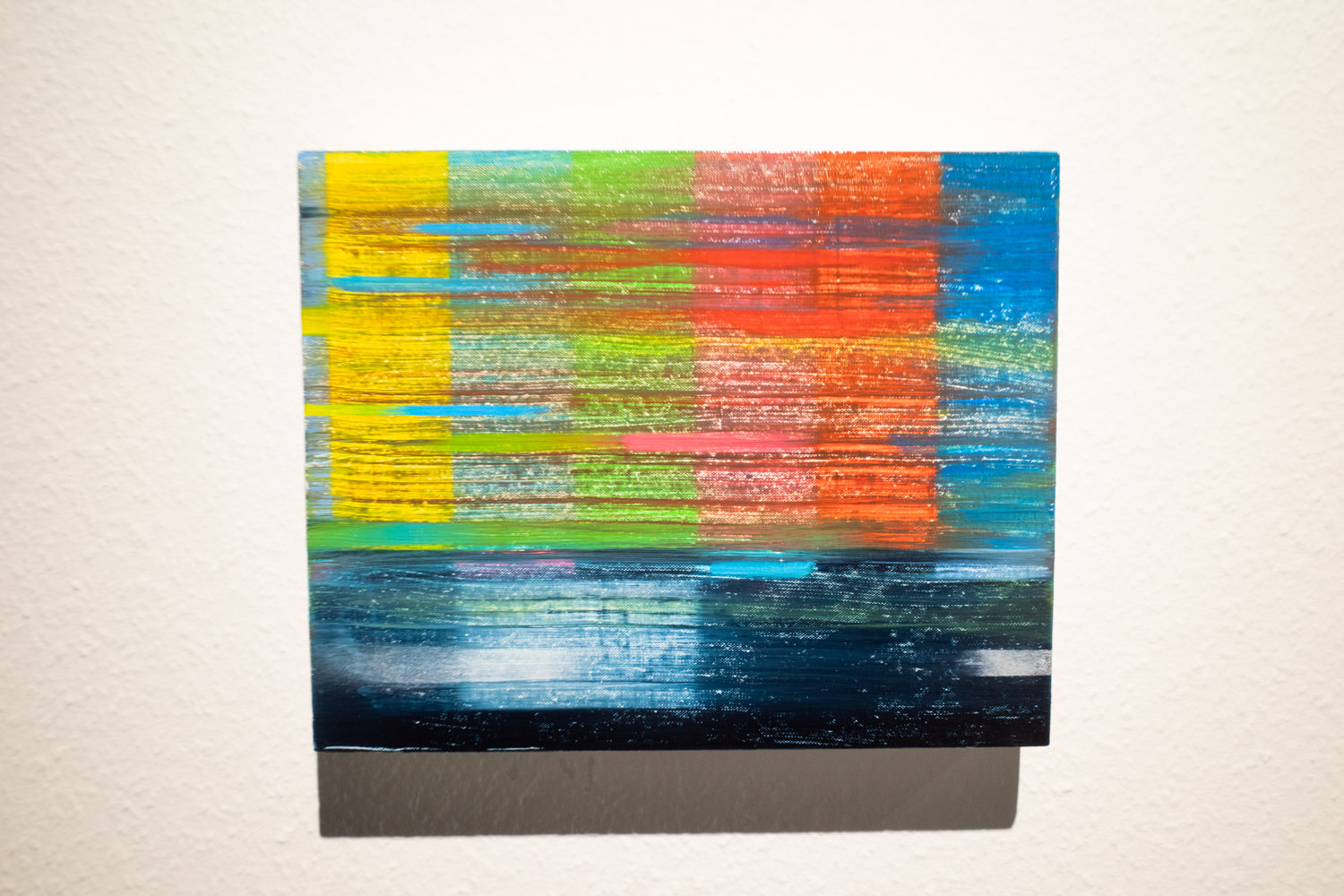
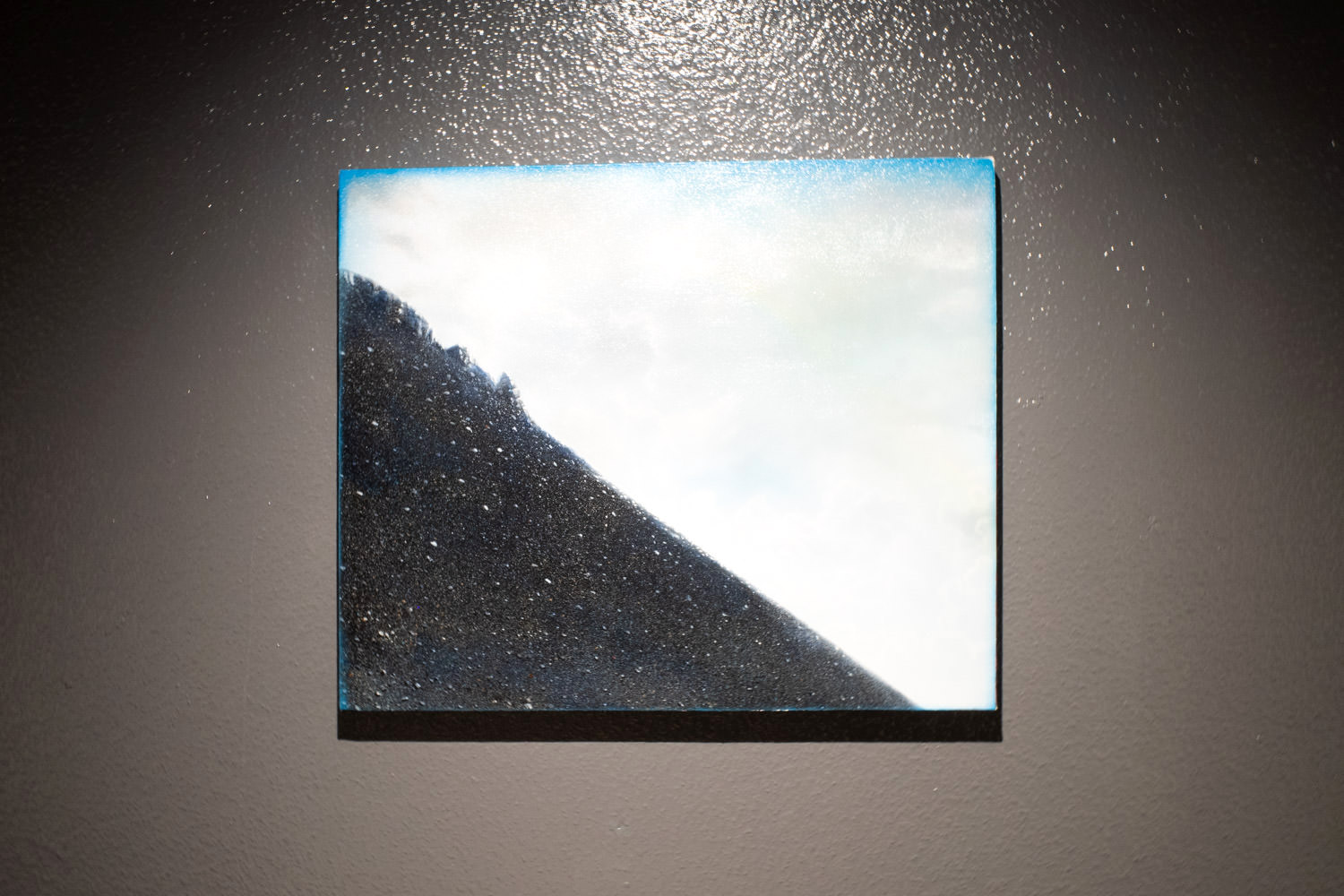
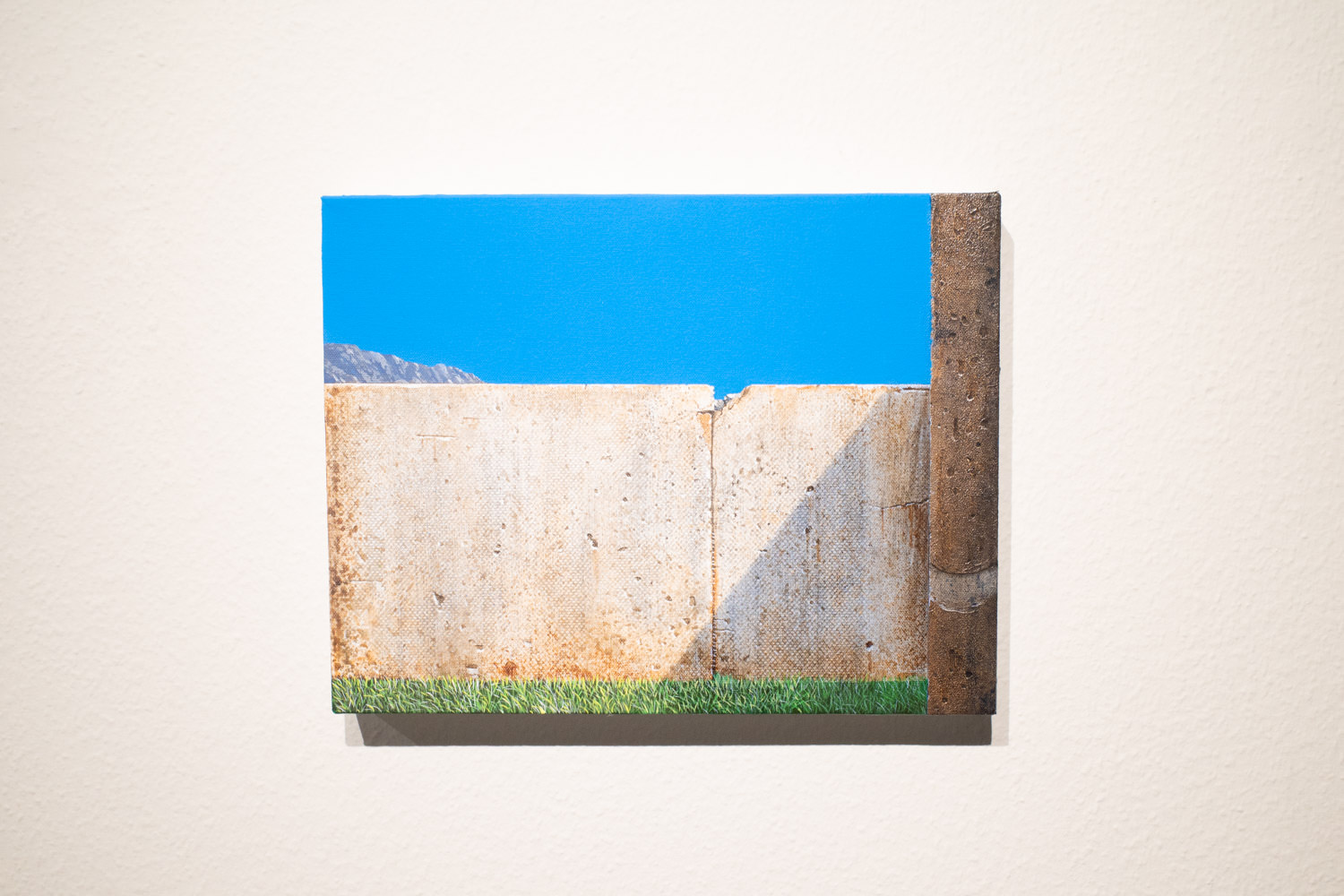
Naoya Inose’s works carry a power that photographs cannot convey.
We hope you will make the opportunity to see them in person at the gallery.