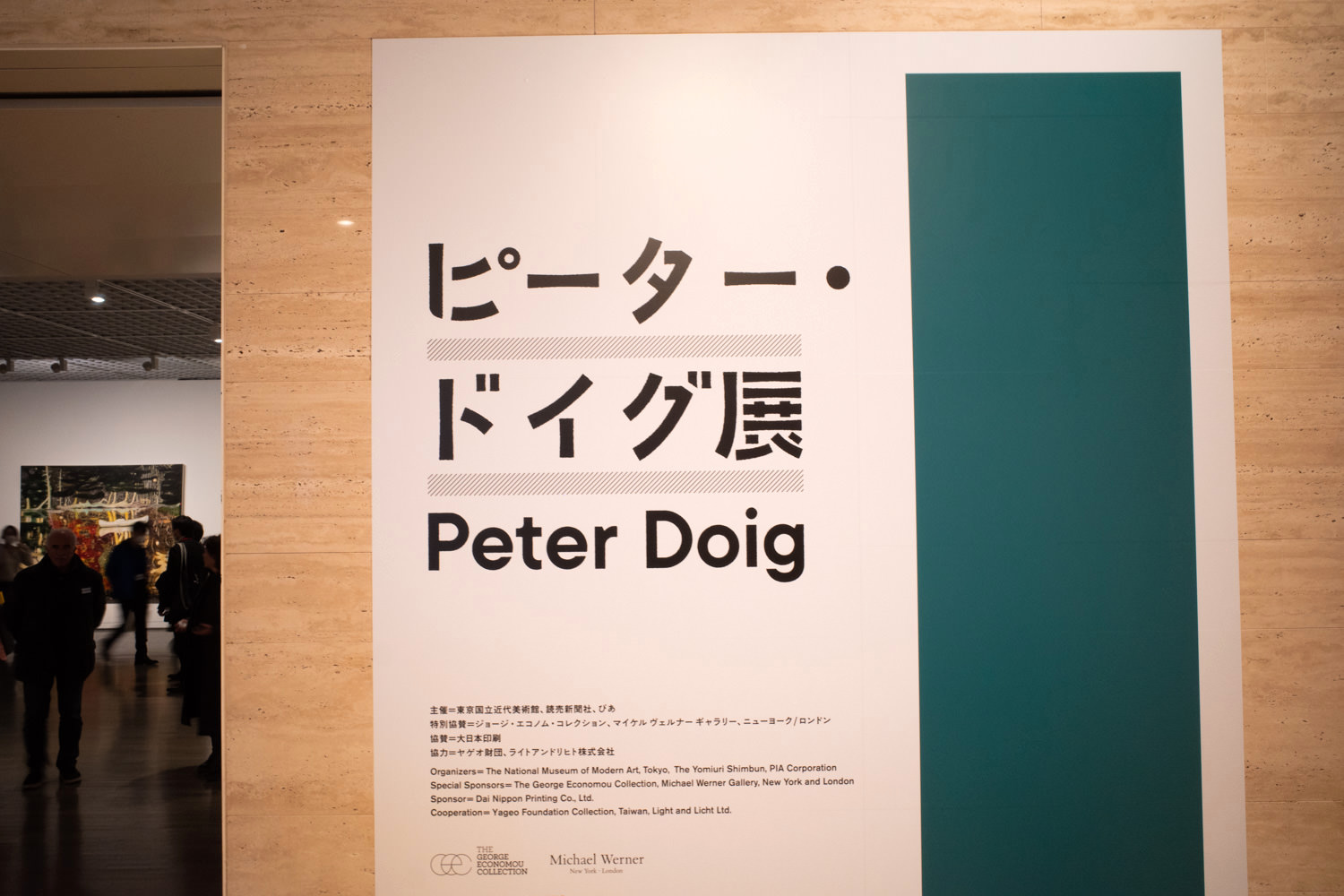
Peter Doig
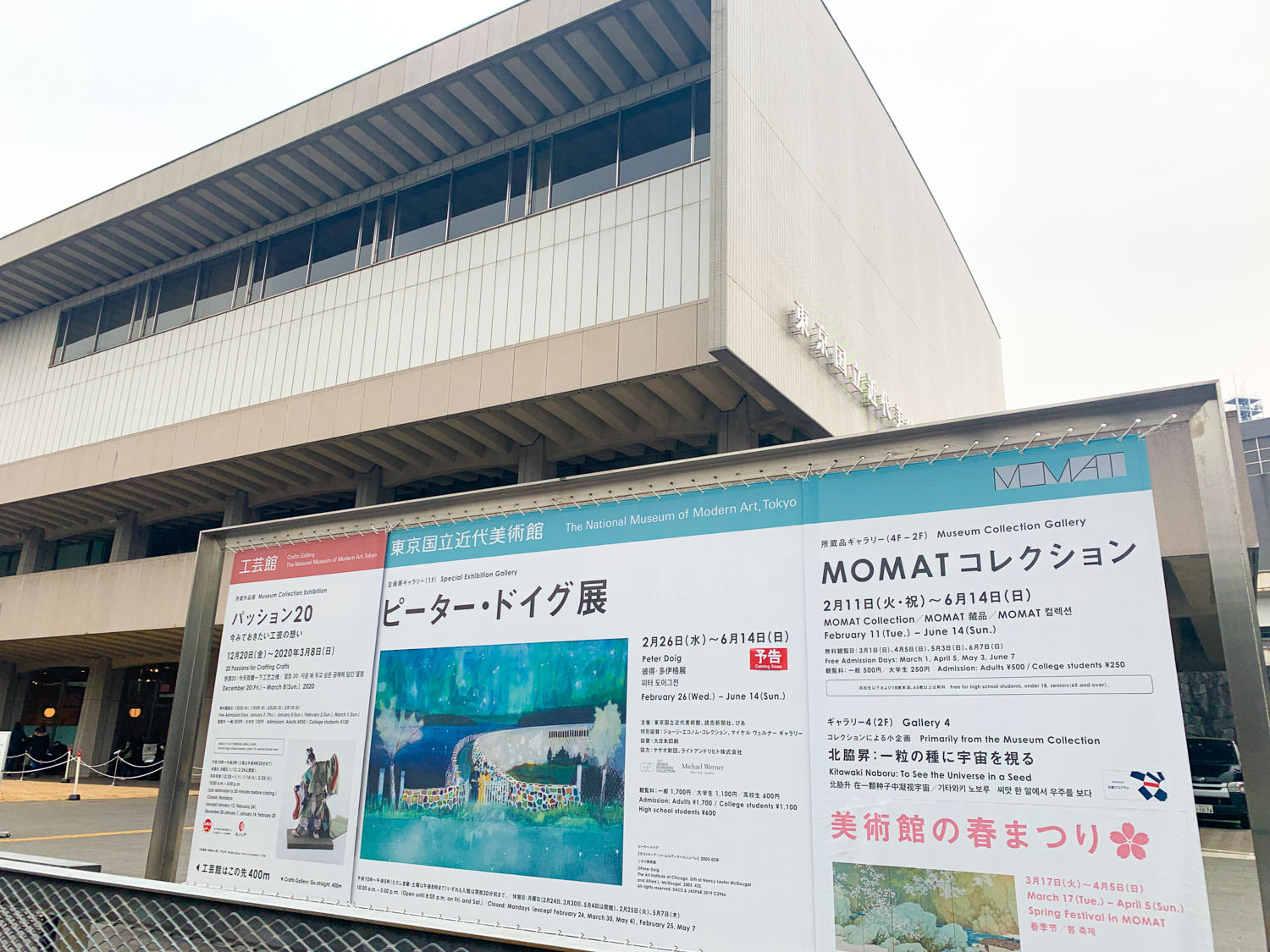
We visited “Peter Doig,” an exhibition held at The National Museum of Modern Art, Tokyo.
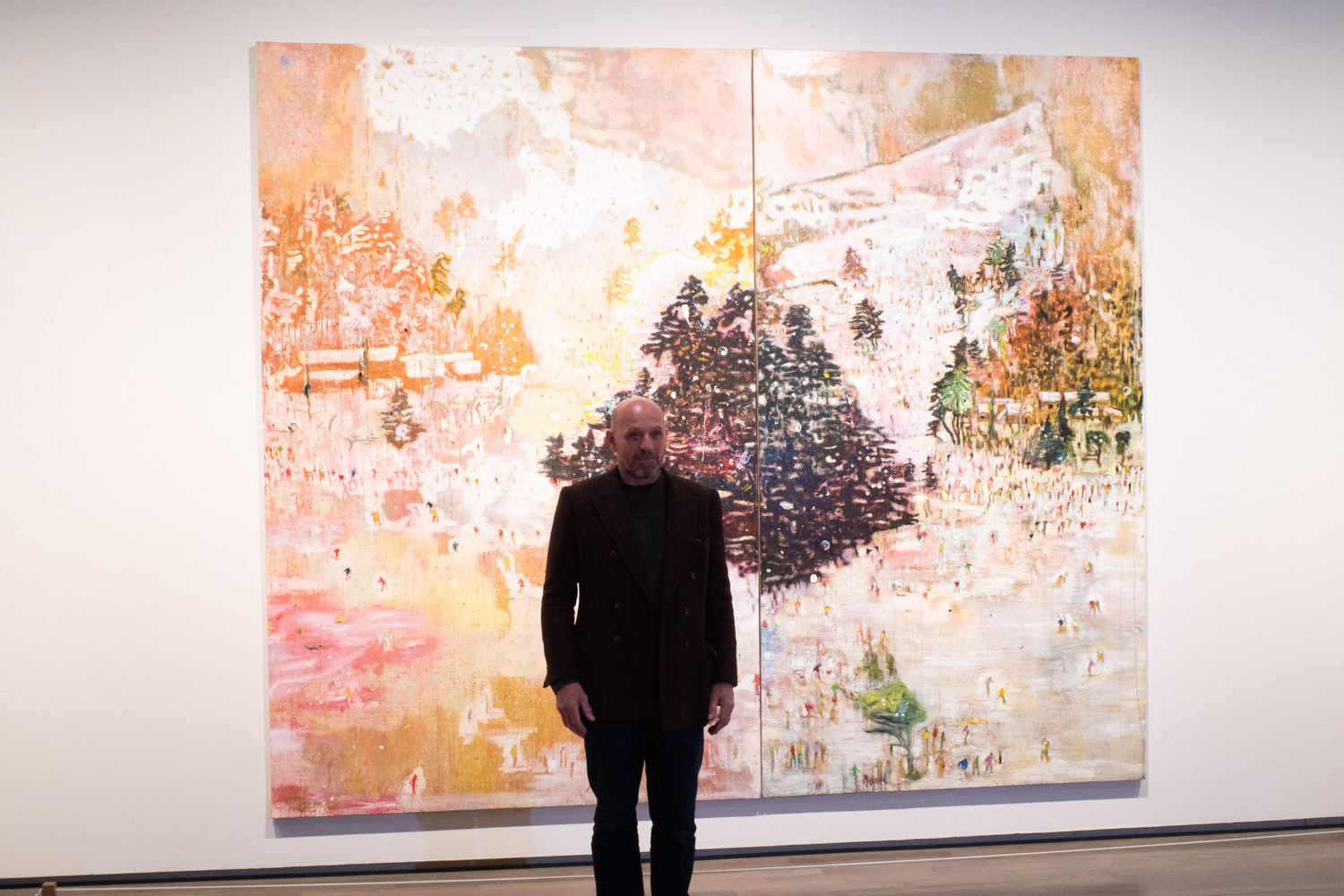
Peter Doig was born in Edinburgh, Scotland, in 1959.
He grew up in the Caribbean island nation of Trinidad and Tobago as well as in Canada, and received his MA from Chelsea College of Art and Design in London in 1990. He was nominated for the Turner Prize in 1994 and has been based in Port of Spain (Trinidad and Tobago) since 2002.
He has had a profound influence on artists of his own generation and those that followed, and — likened to the old masters — is often referred to as “a painter’s painter.”
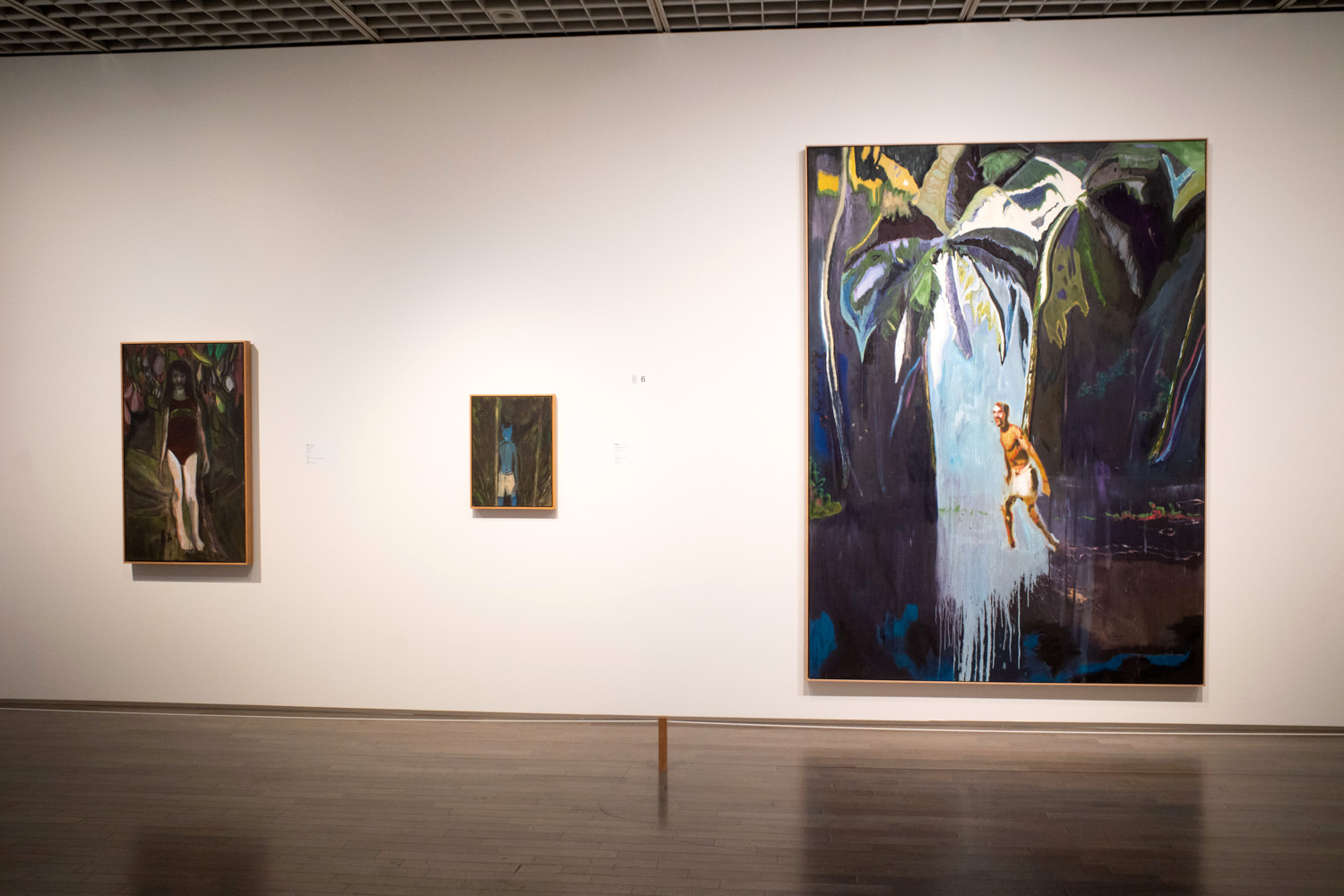
Chapter 1: Into the Forest, 1986–2002
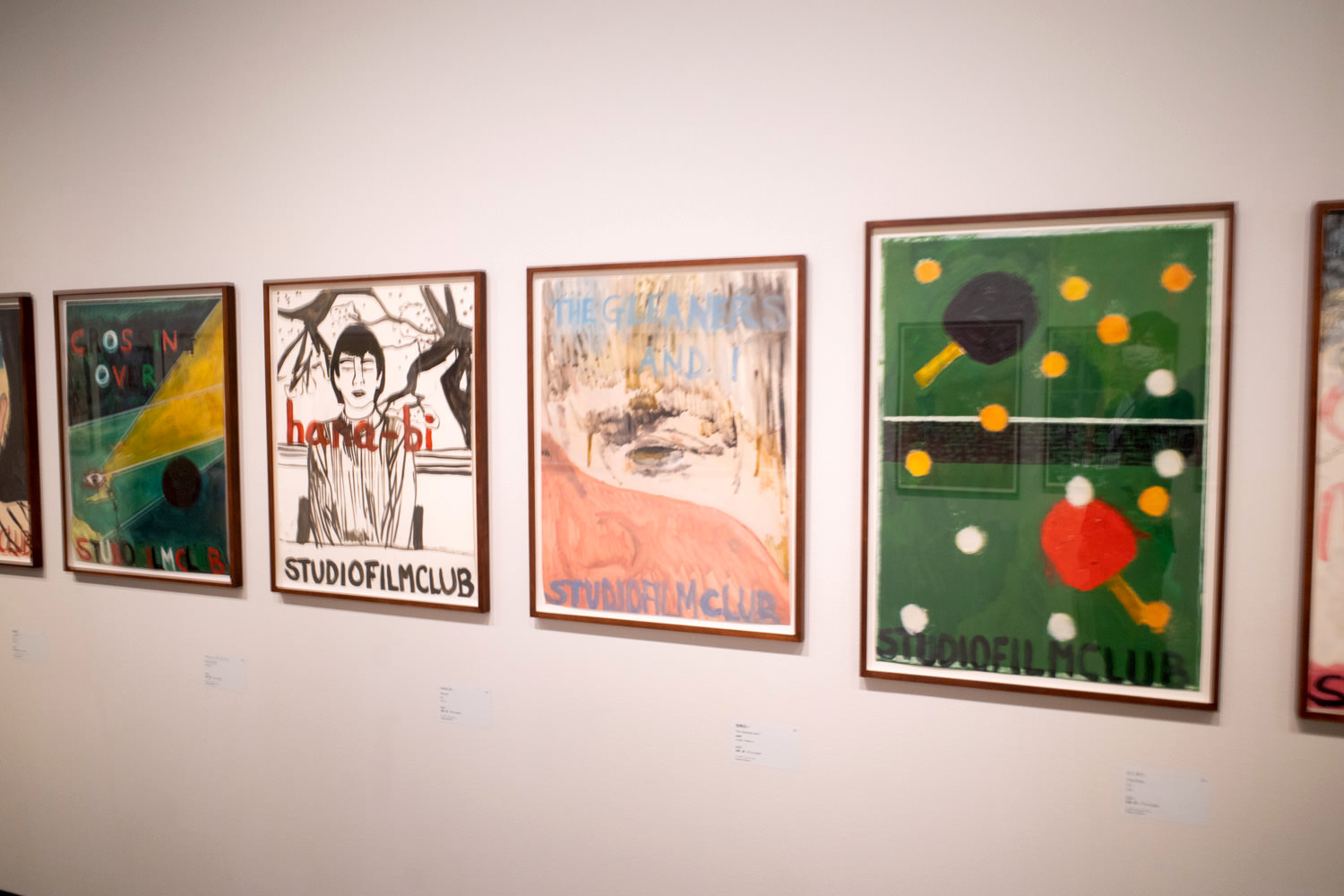
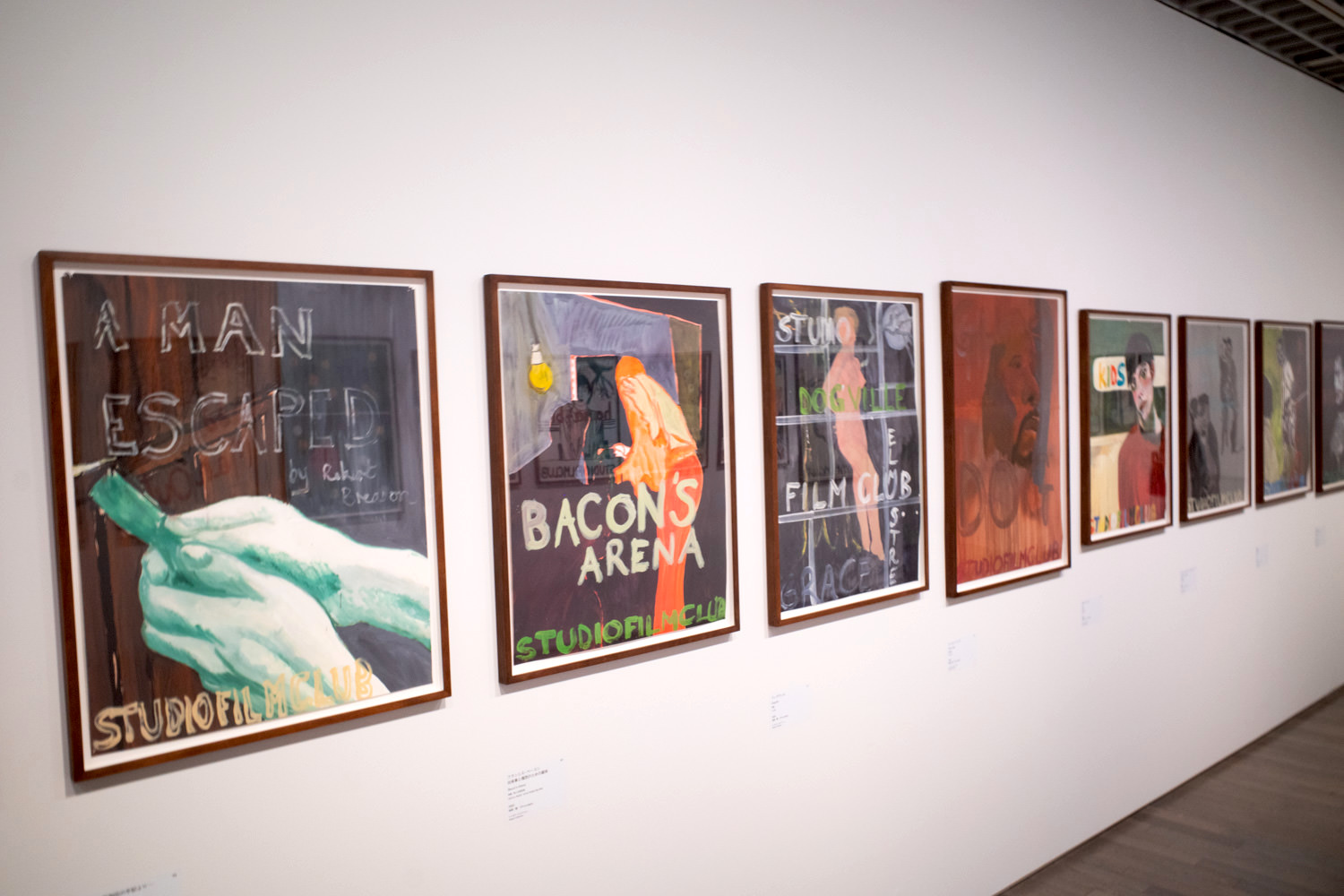
The exhibition brings together 72 works in three chapters: 32 oil paintings ranging from Doig’s rare early works to his most recent, along with 40 hand-drawn posters made for the film screenings he hosts with a friend at his own studio.
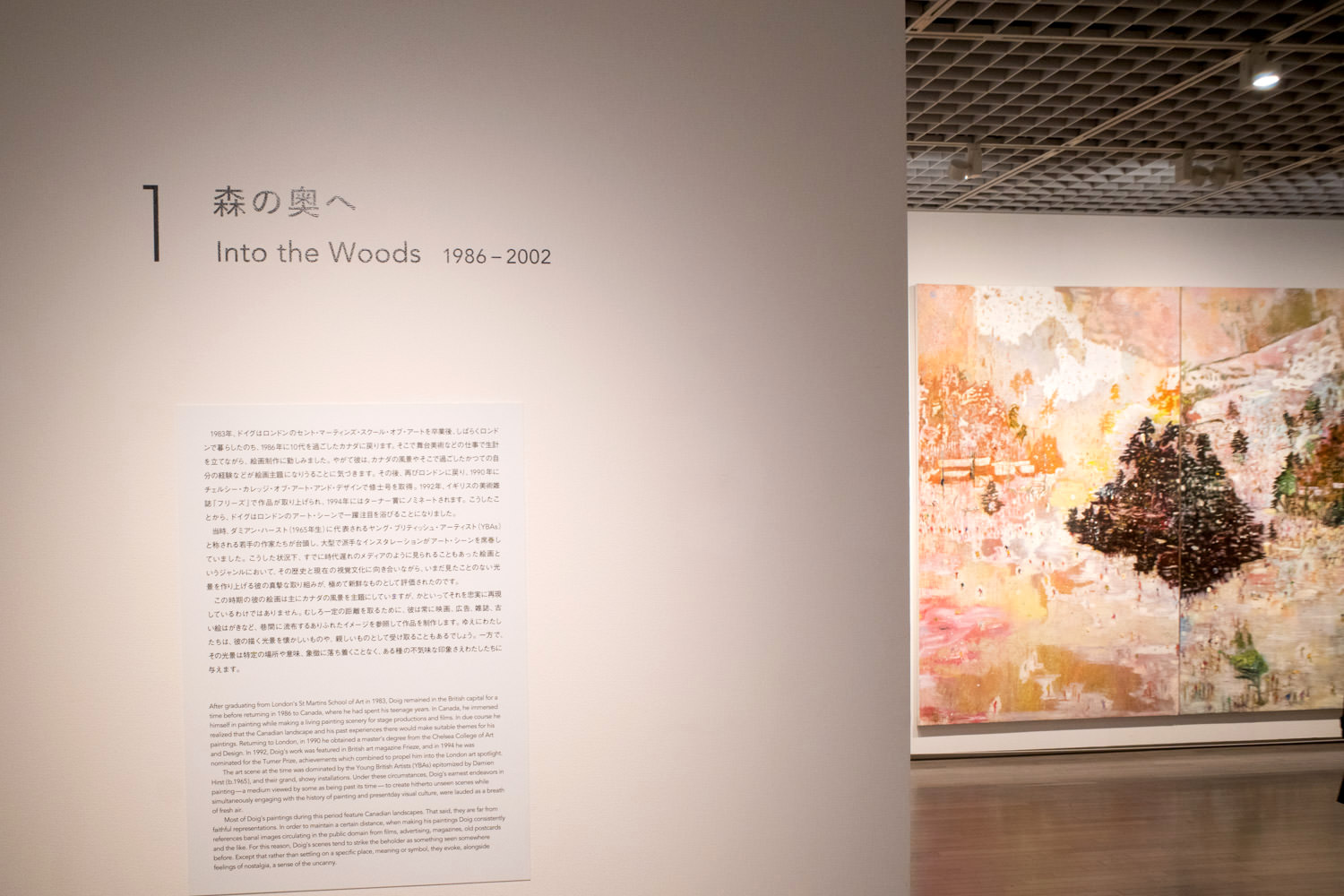
In 1992 his work was featured in the British art magazine “Frieze,” and in 1994 he was nominated for the Turner Prize — developments that quickly put him in the London art-scene spotlight.
At the time, a rising generation of British artists represented by Damien Hirst — the Young British Artists (YBAs) — was sweeping the art world with large, flashy installations.
Against this backdrop, and within a medium sometimes dismissed as outdated, Doig’s earnest engagement — confronting the history of painting and the visual culture of the present while constructing scenes never before seen — struck viewers as strikingly fresh.
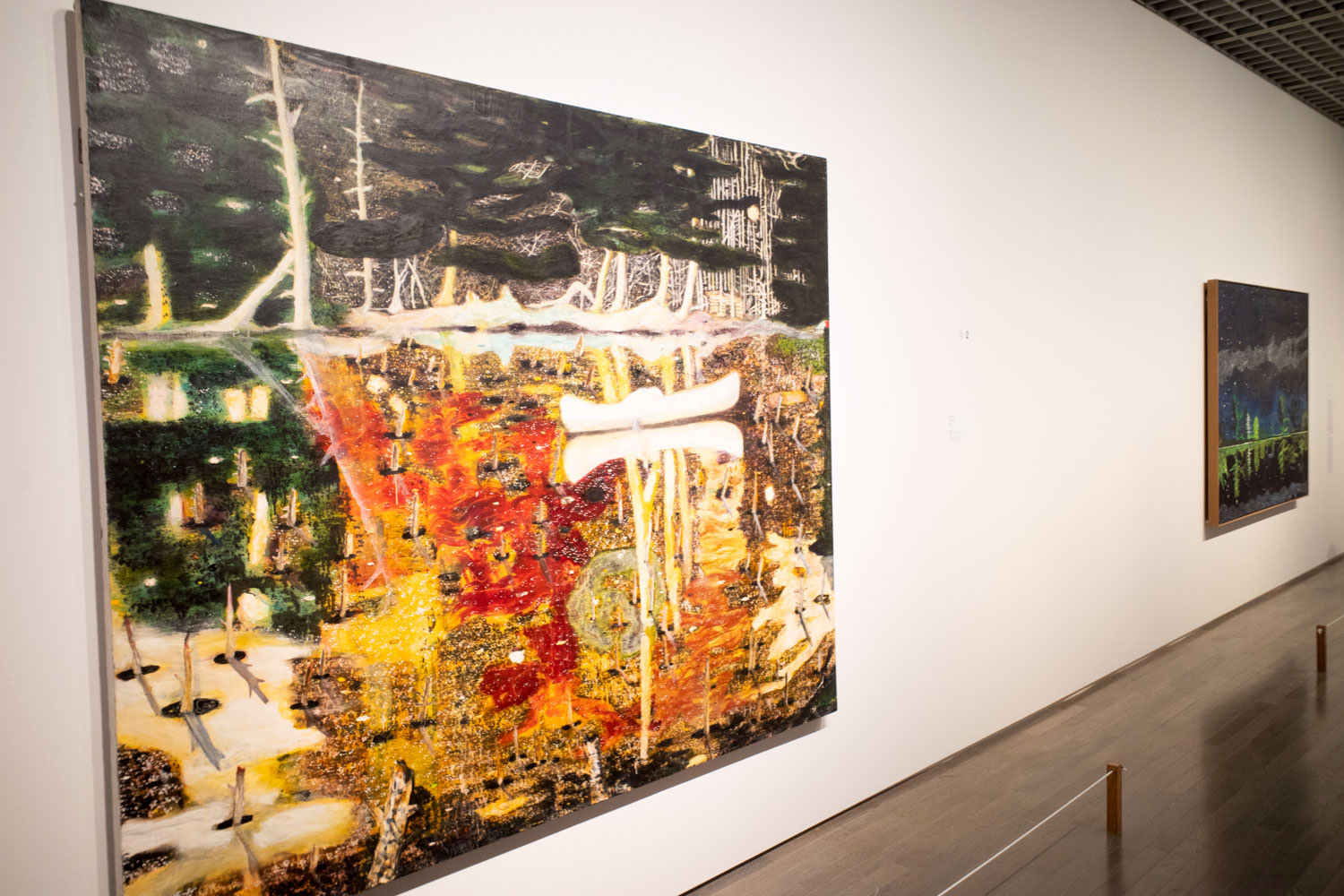
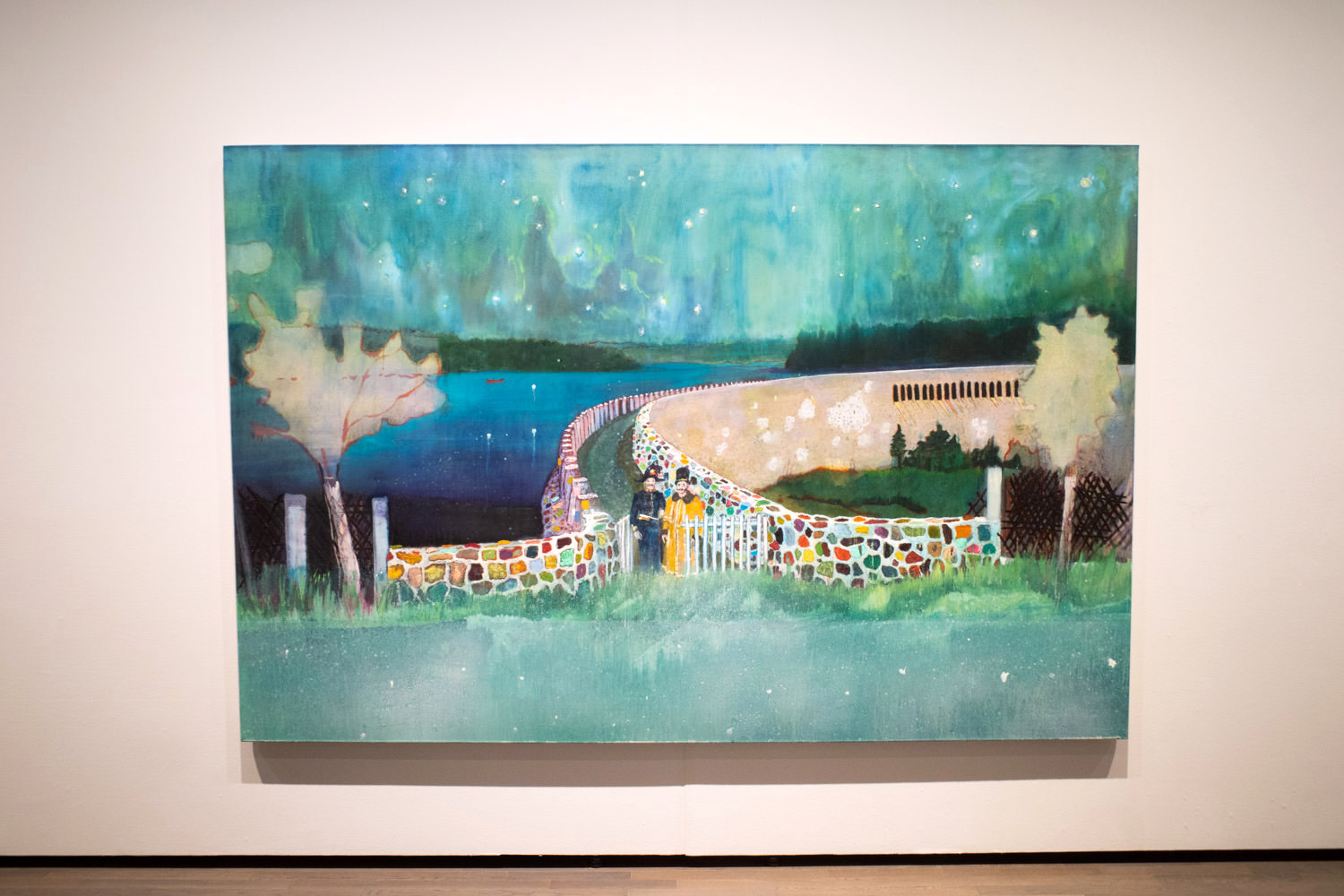
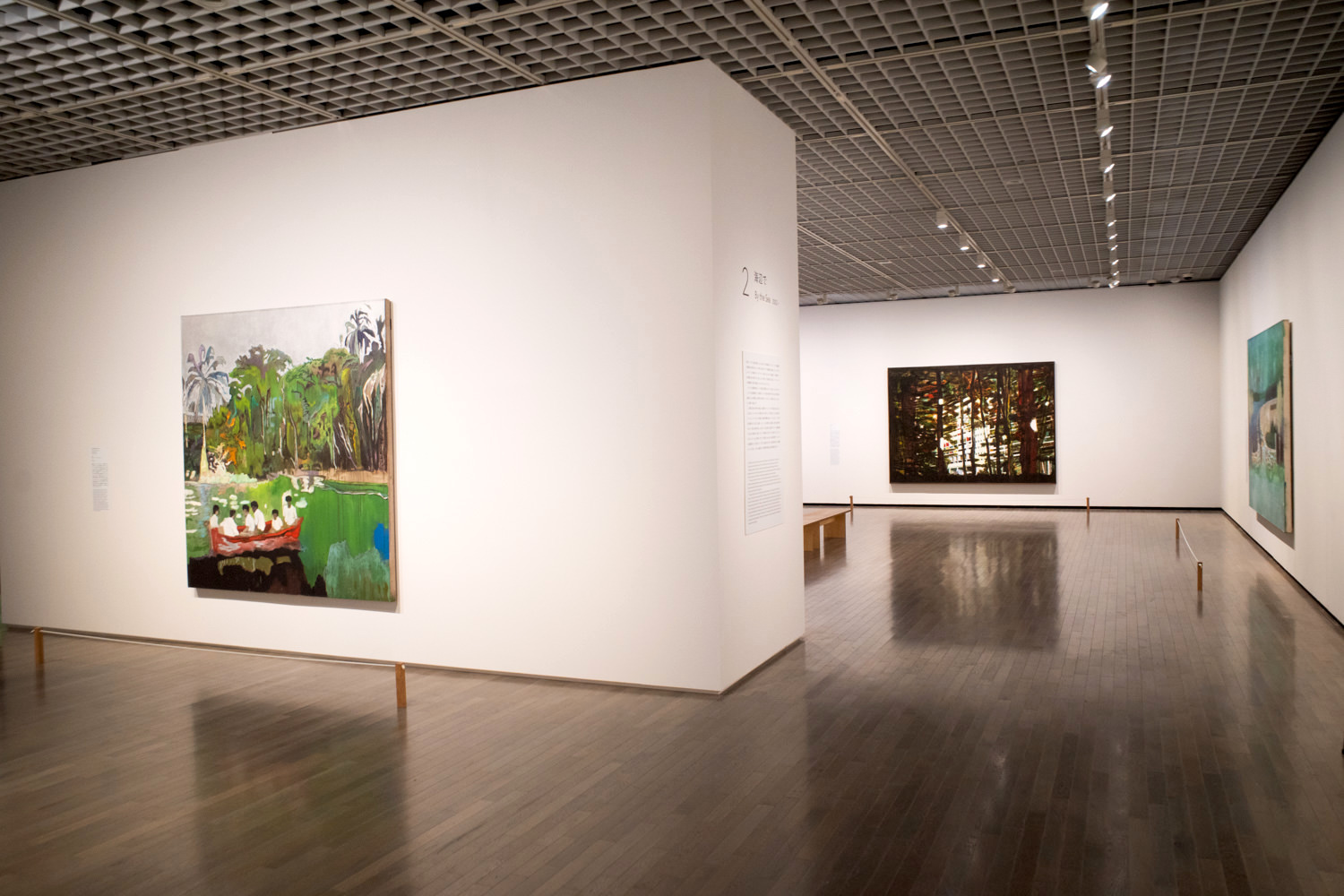
On view was “Swamped,” his signature 1990 work that sold at Christie’s in 2015 for approximately 26 million USD (roughly 3 billion yen at the time).
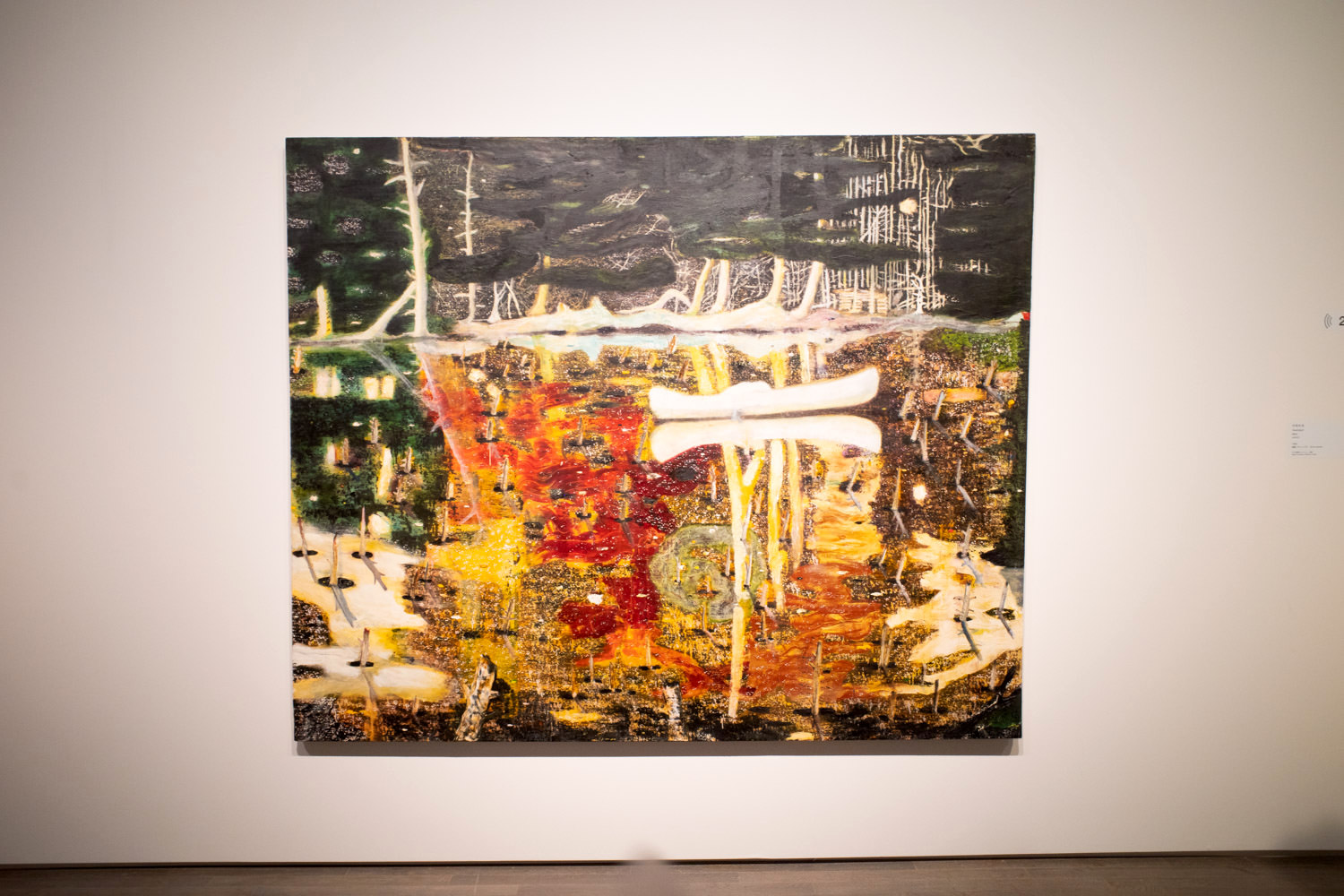
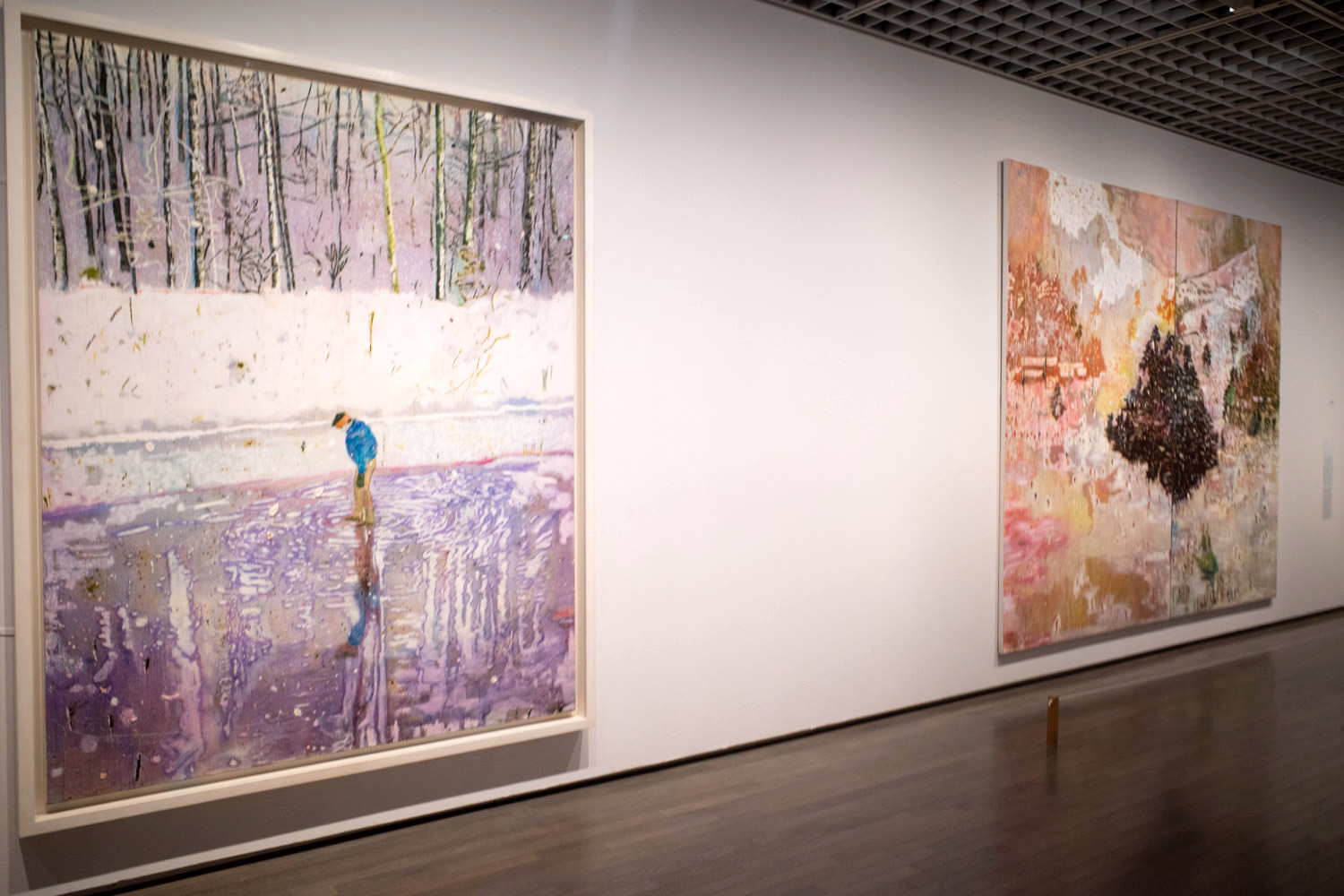
Right: Peter Doig, “Ski Jacket,” 1994, Tate
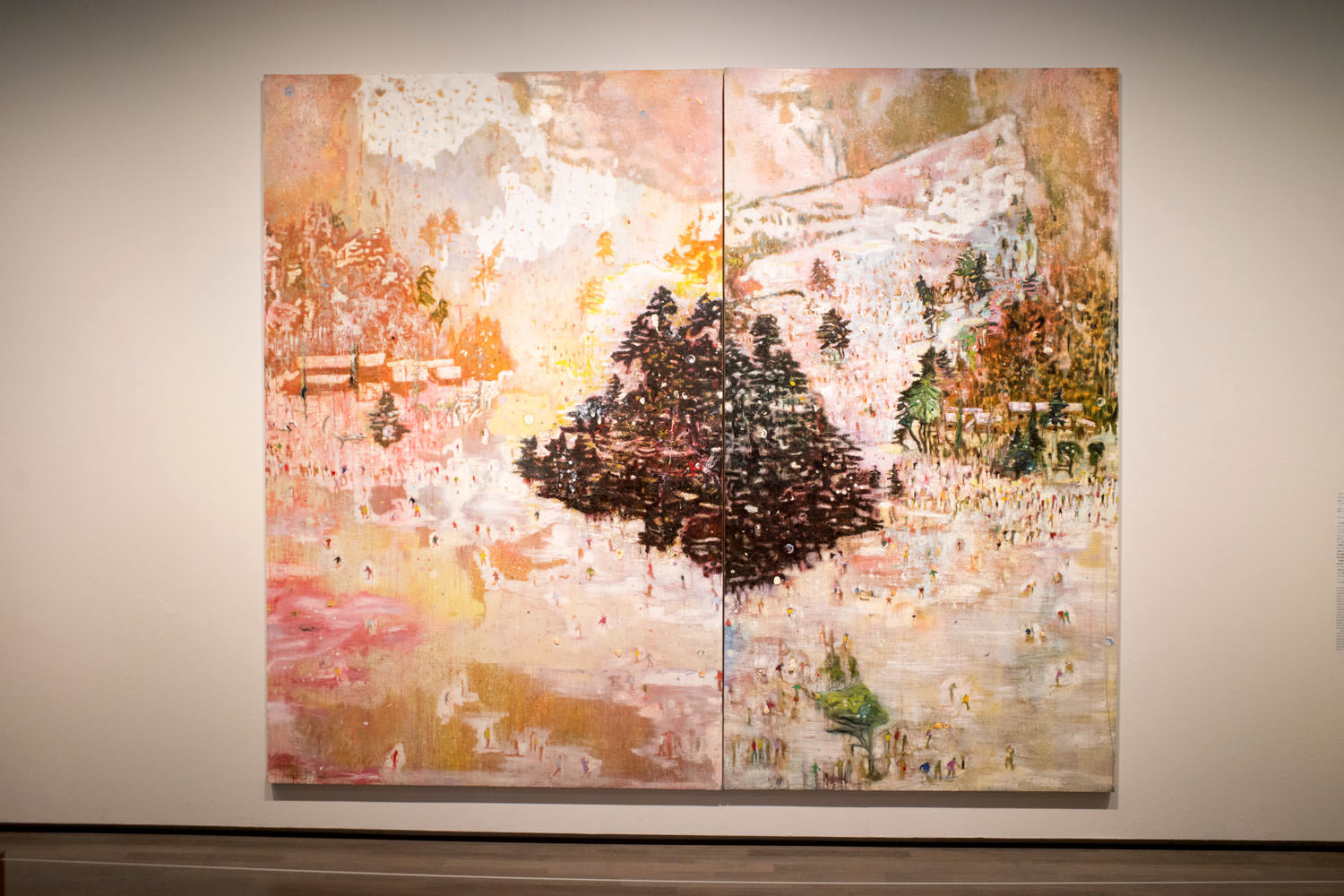
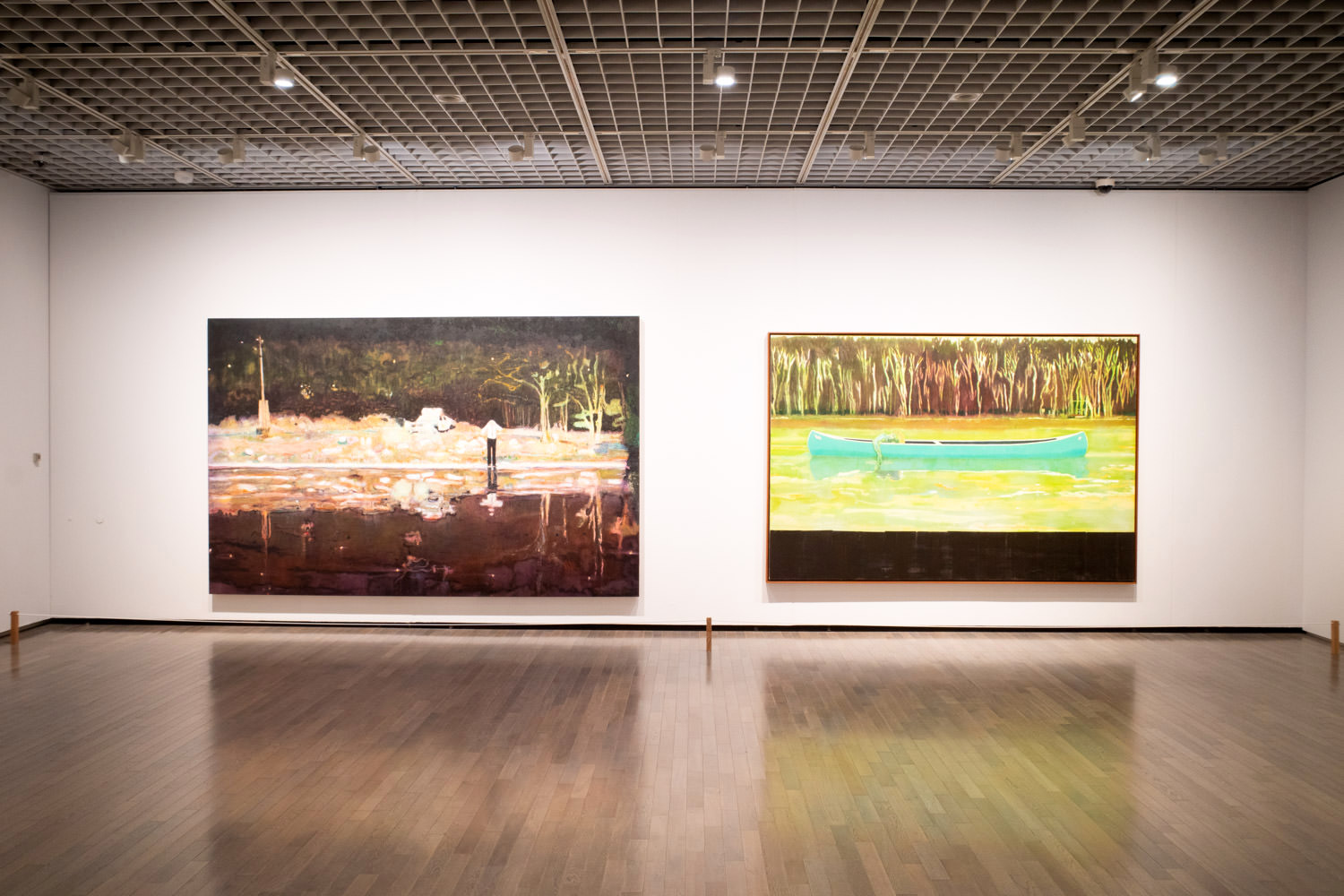
Right: Peter Doig, “Canoe-Lake,” 1997–98, Yageo Foundation Collection
Chapter 2: To the Seaside, 2002–
In 2002, Peter Doig moved his primary base from London to Port of Spain, the capital of Trinidad and Tobago.
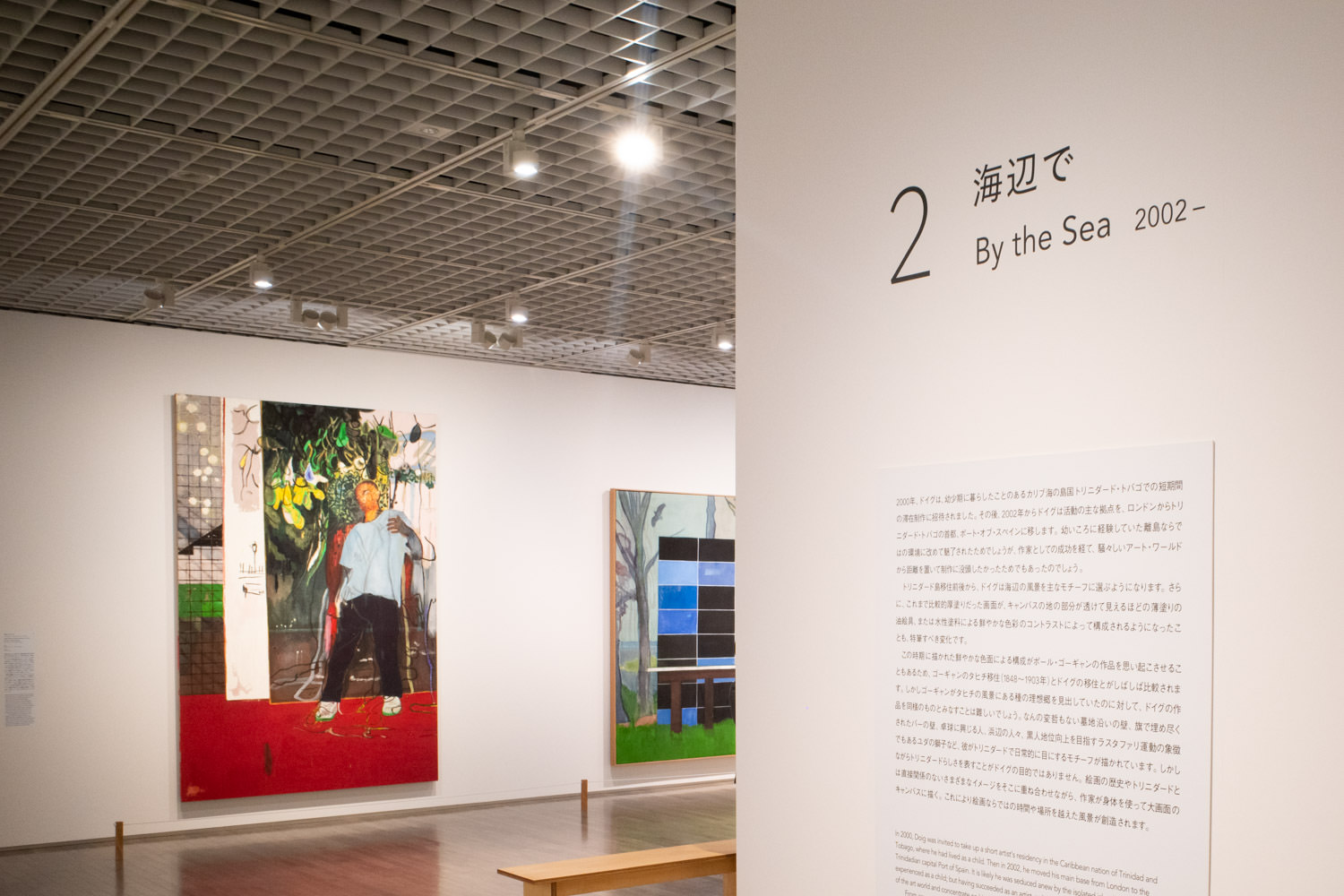 Chapter 2: To the Seaside
Around the time of the move he began to choose seaside landscapes as his principal motif, and his previously fairly thick paint surfaces gave way to compositions of vivid color contrasts rendered in oil thin enough to reveal the canvas underneath, or in water-based paints.
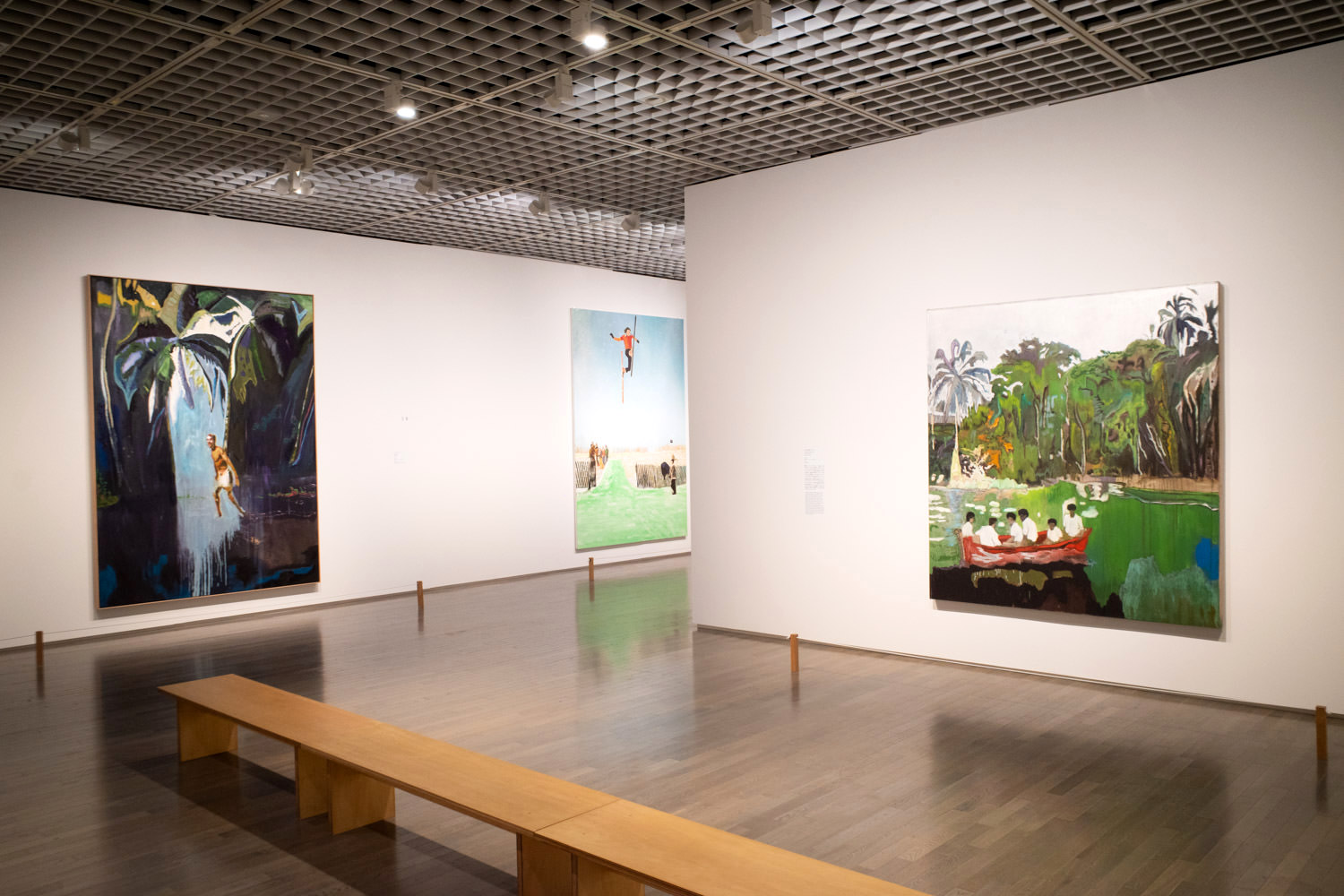
Meanwhile, one motif Doig has painted consistently since his debut is the “canoe.”
Partly inspired by a scene from the film “Friday the 13th,” the canoe drifts through countless locations as if its own story were unfolding, drawing us on a journey of the imagination.
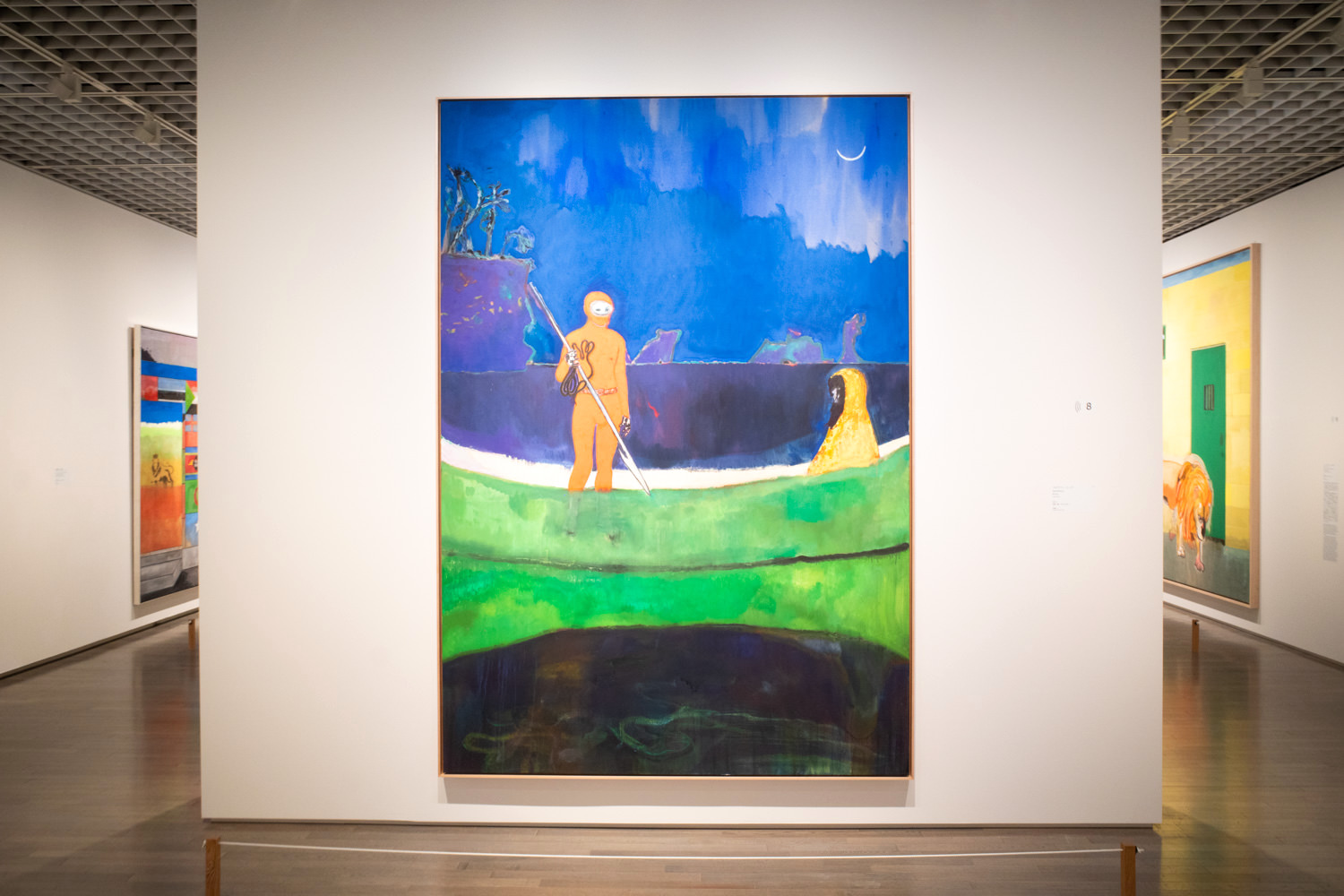
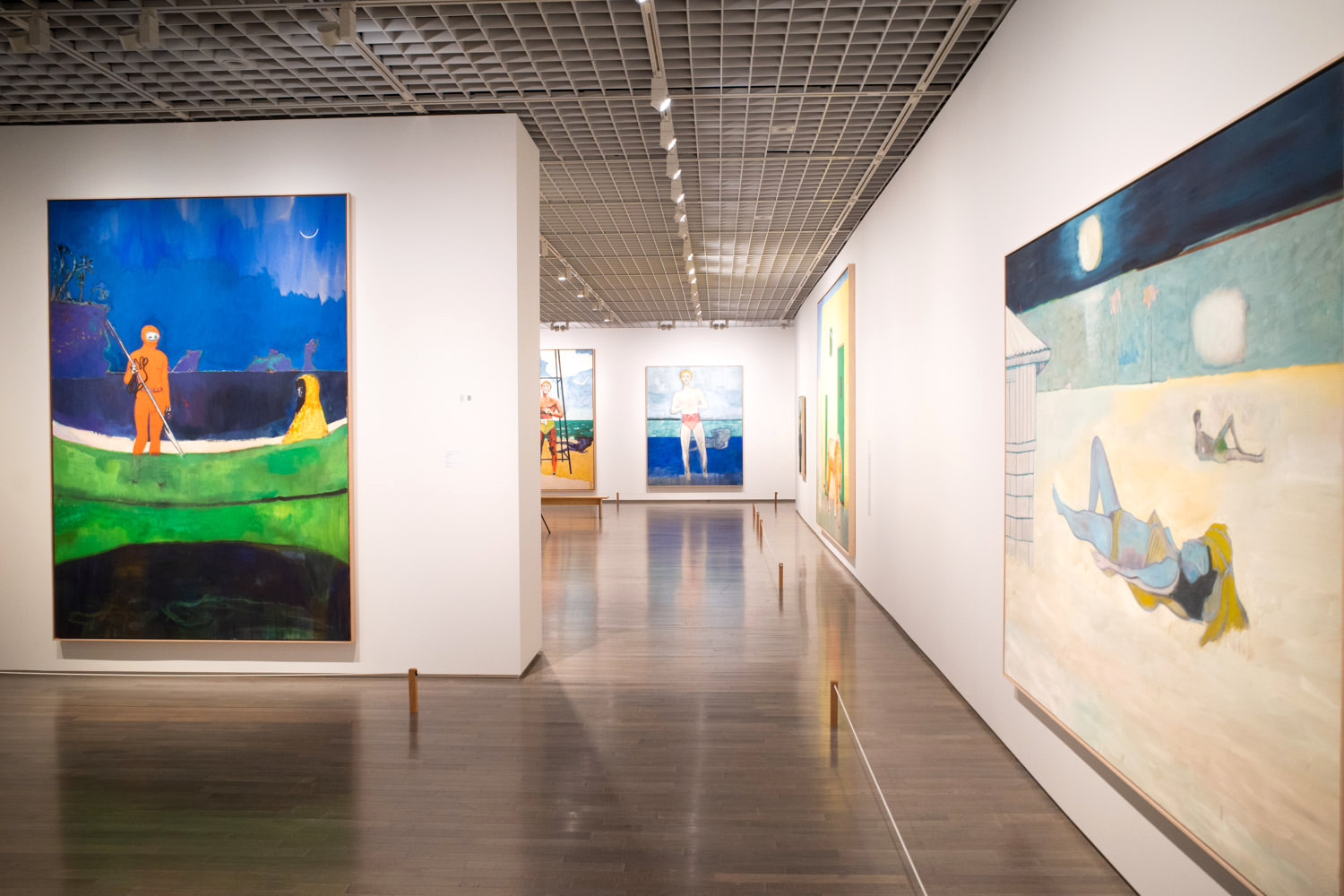
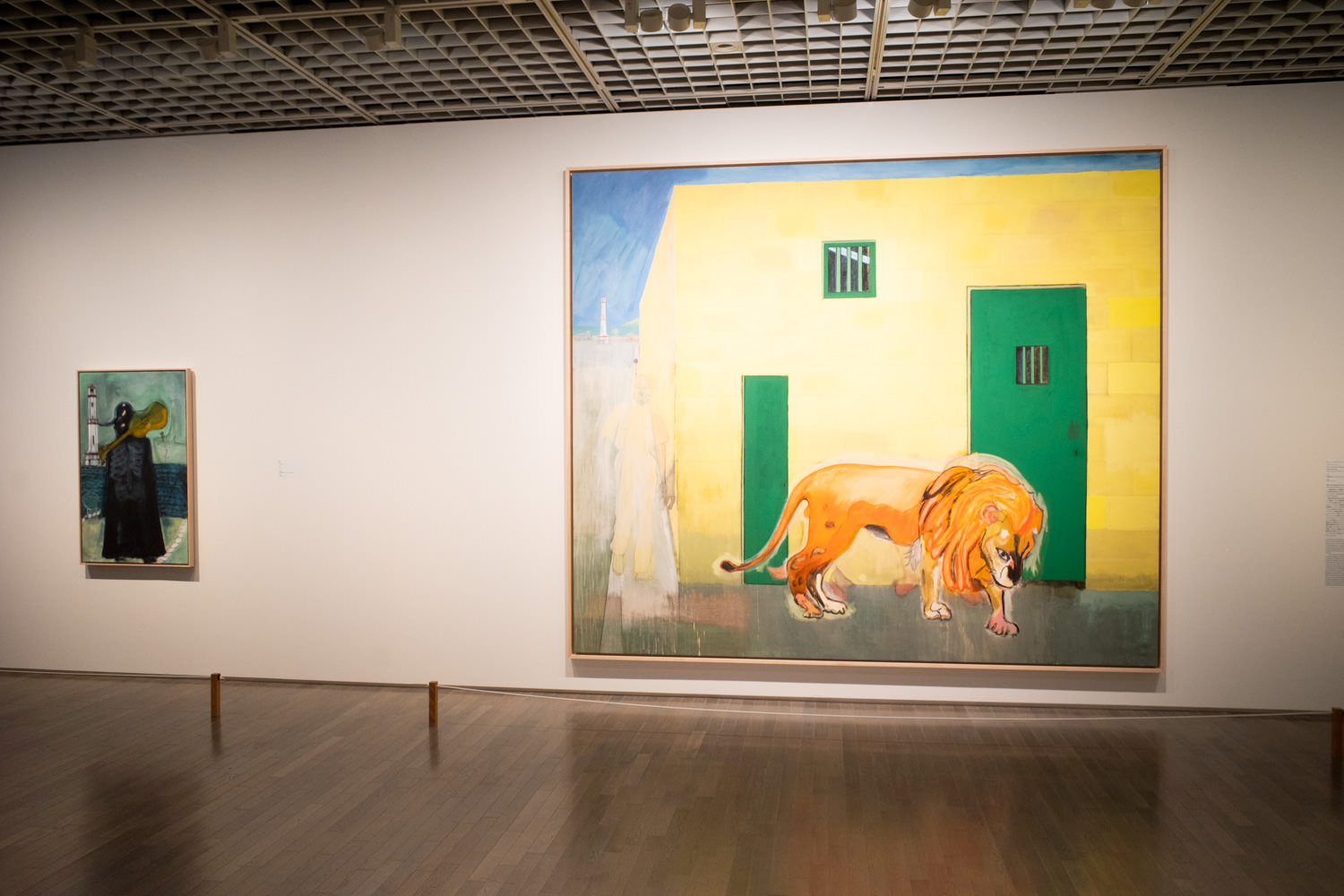
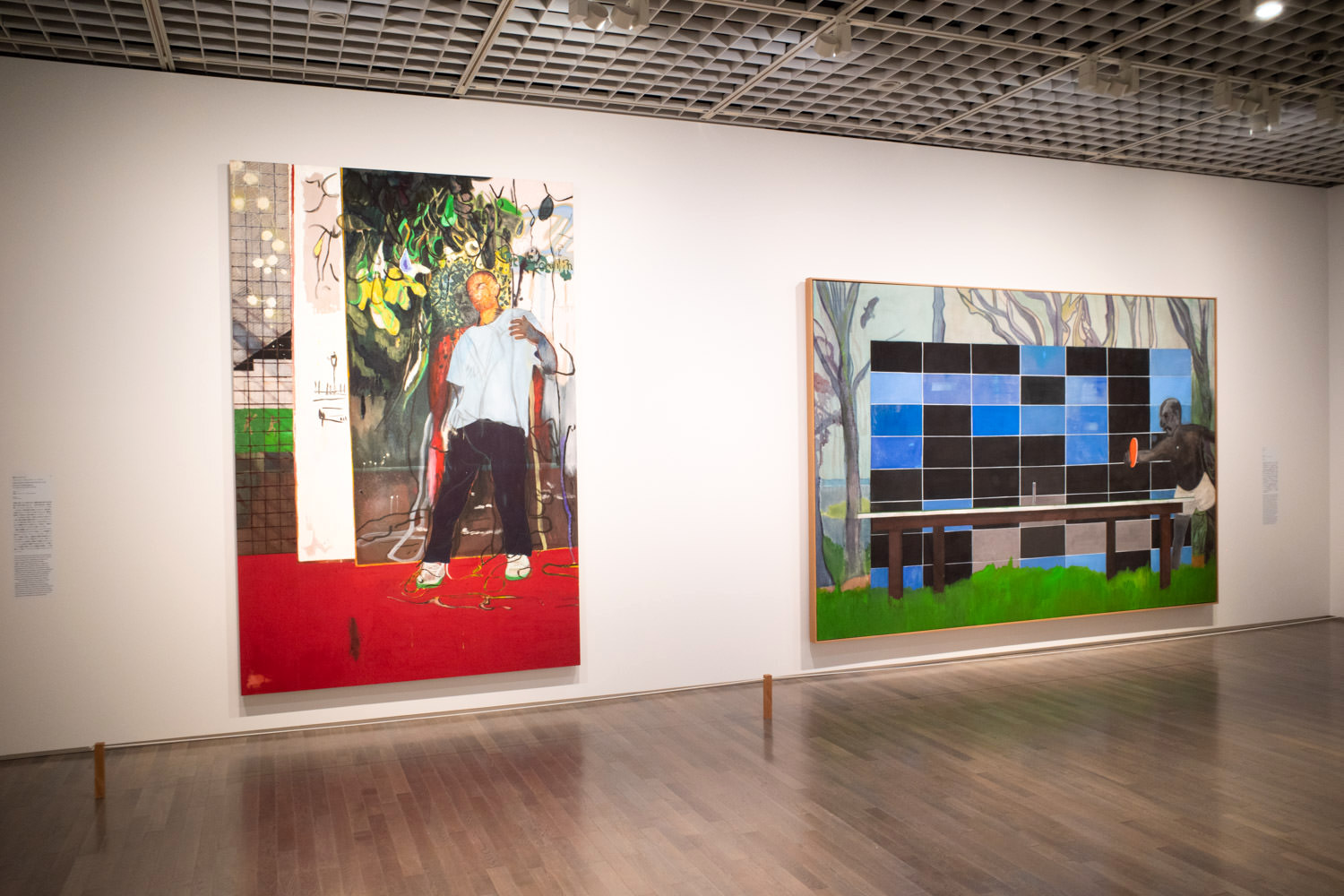
Right: Peter Doig, “Ping Pong,” 2006–08, Roman Family Collection
Chapter 3: In the Studio — Studio Film Club as Community, 2003–
Studio Film Club is a film screening program that Doig launched in 2003 with his friend, the Trinidad-and-Tobago-born artist Che Lovelace.
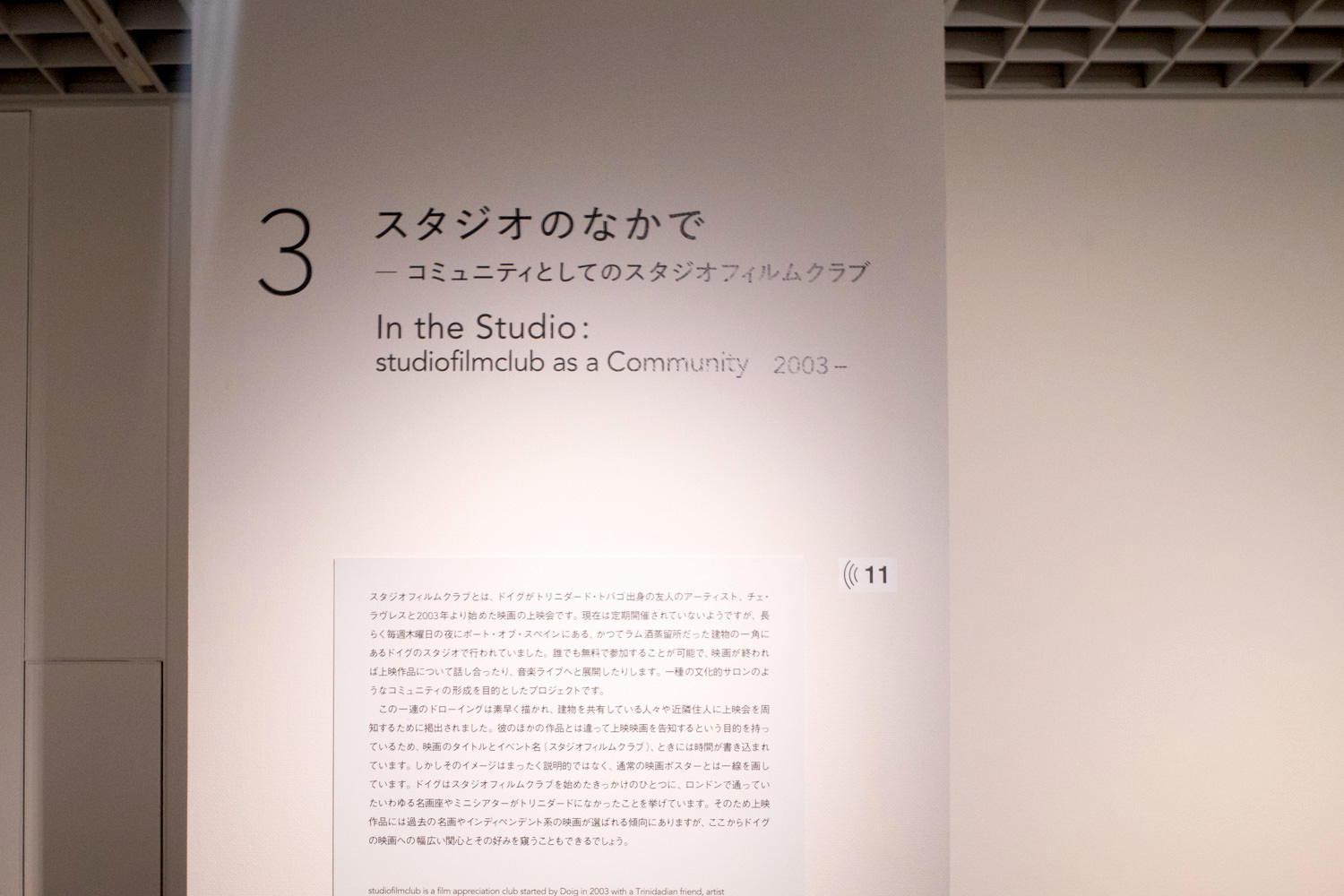
Anyone can attend for free; when the film is over, the audience discusses it together or the night rolls on into a live music event — a project aimed at forming a kind of cultural salon-like community.
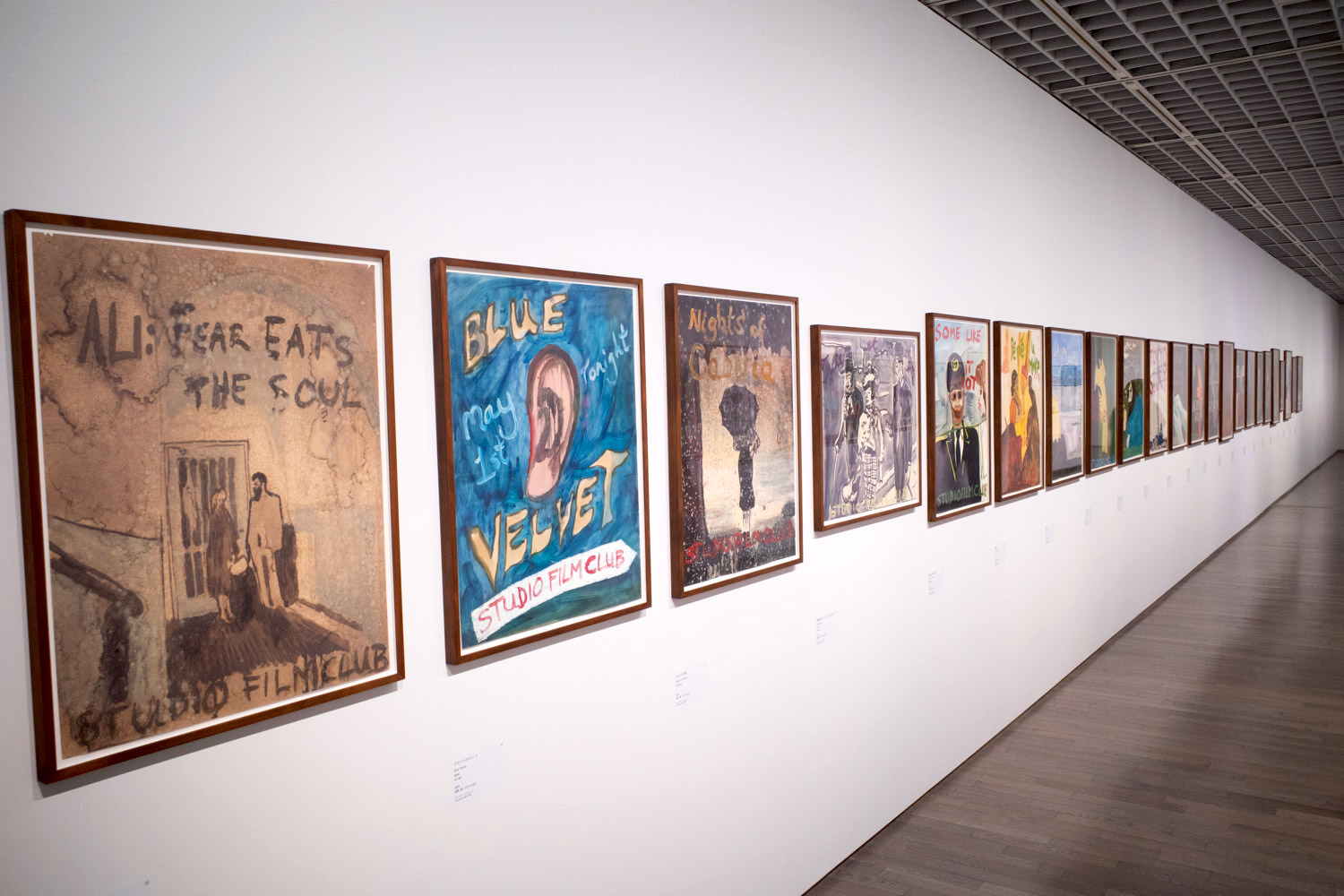
The drawings in this series were made quickly and posted to alert the building’s other tenants and neighborhood residents to the screening.
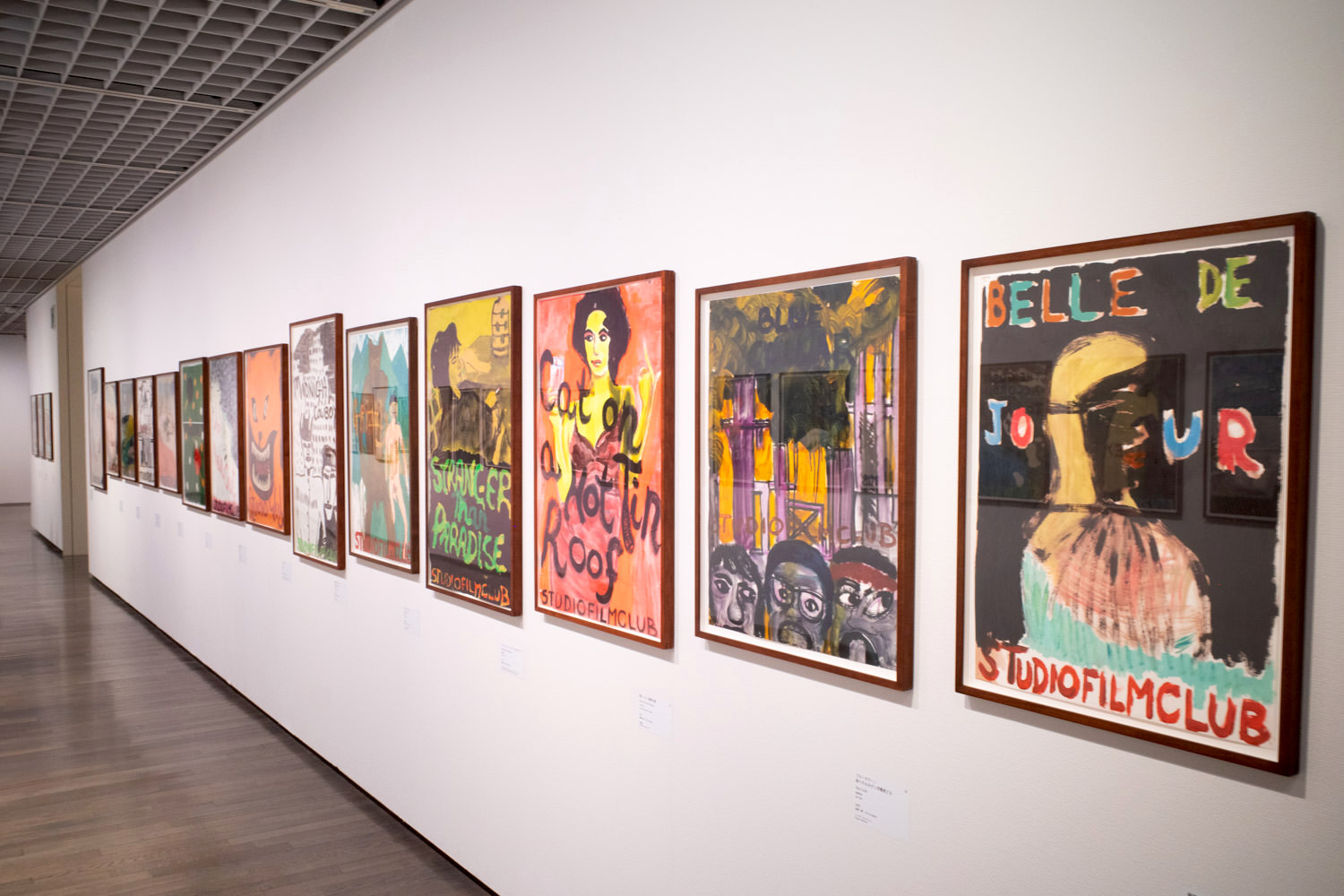
The programming, inspired by the repertory houses and small independent theaters Doig had frequented in London, draws on classic and carefully chosen films from the past.
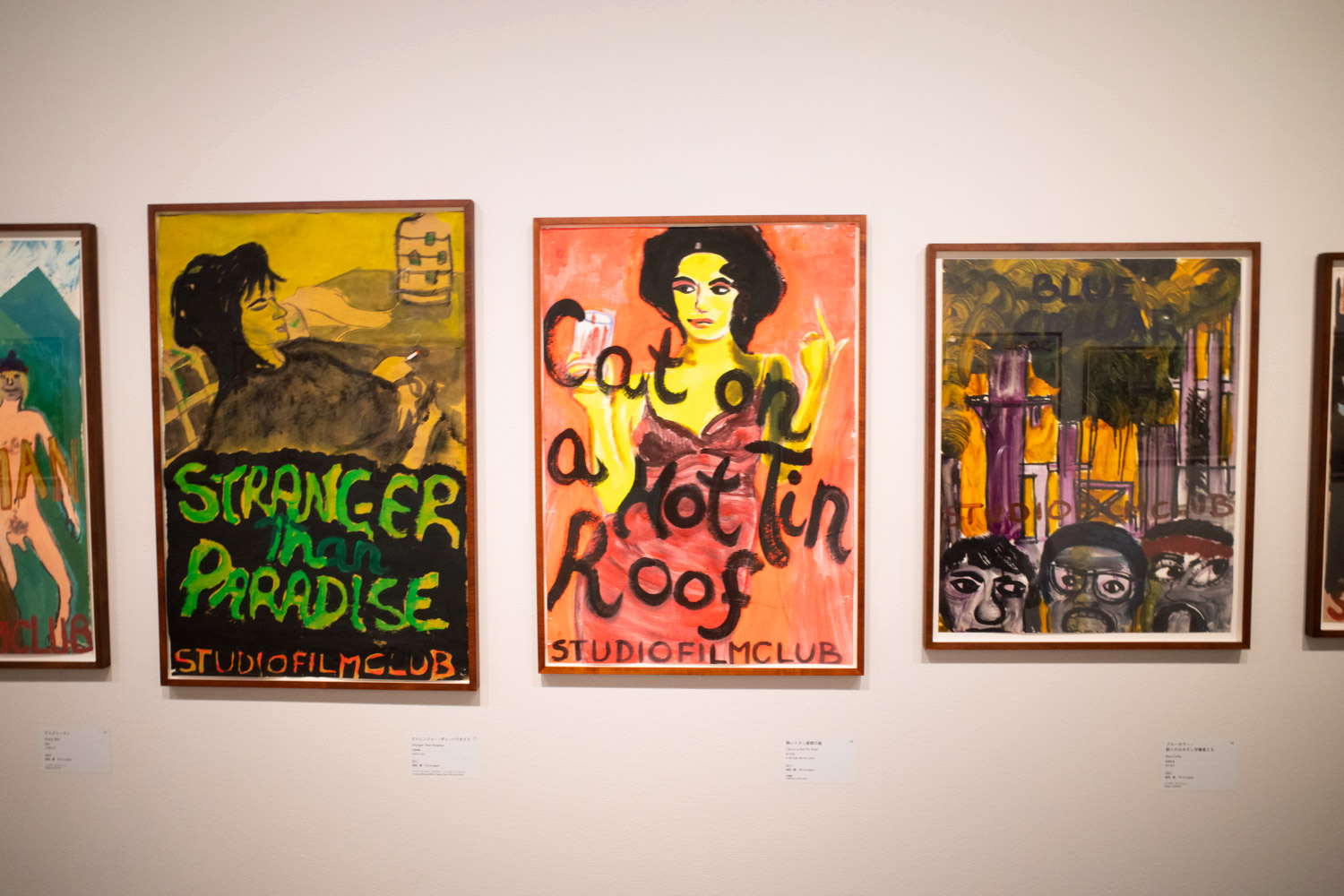
Center: Peter Doig, “Cat on a Hot Tin Roof,” 2011, oil on paper
Right: Peter Doig, “Blue Collar / Blue Collar Comedy,” 2007, oil on paper
Merchandise
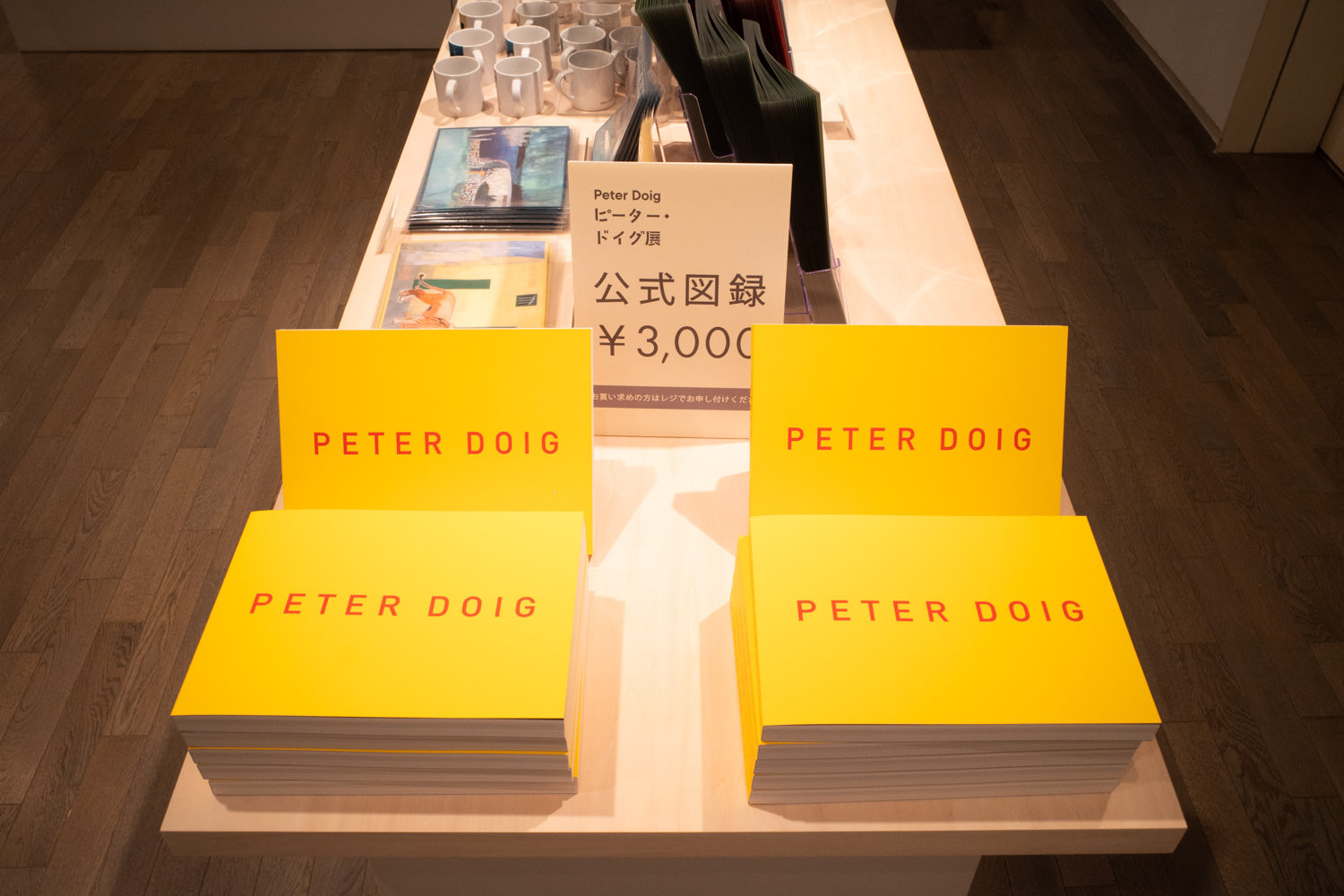
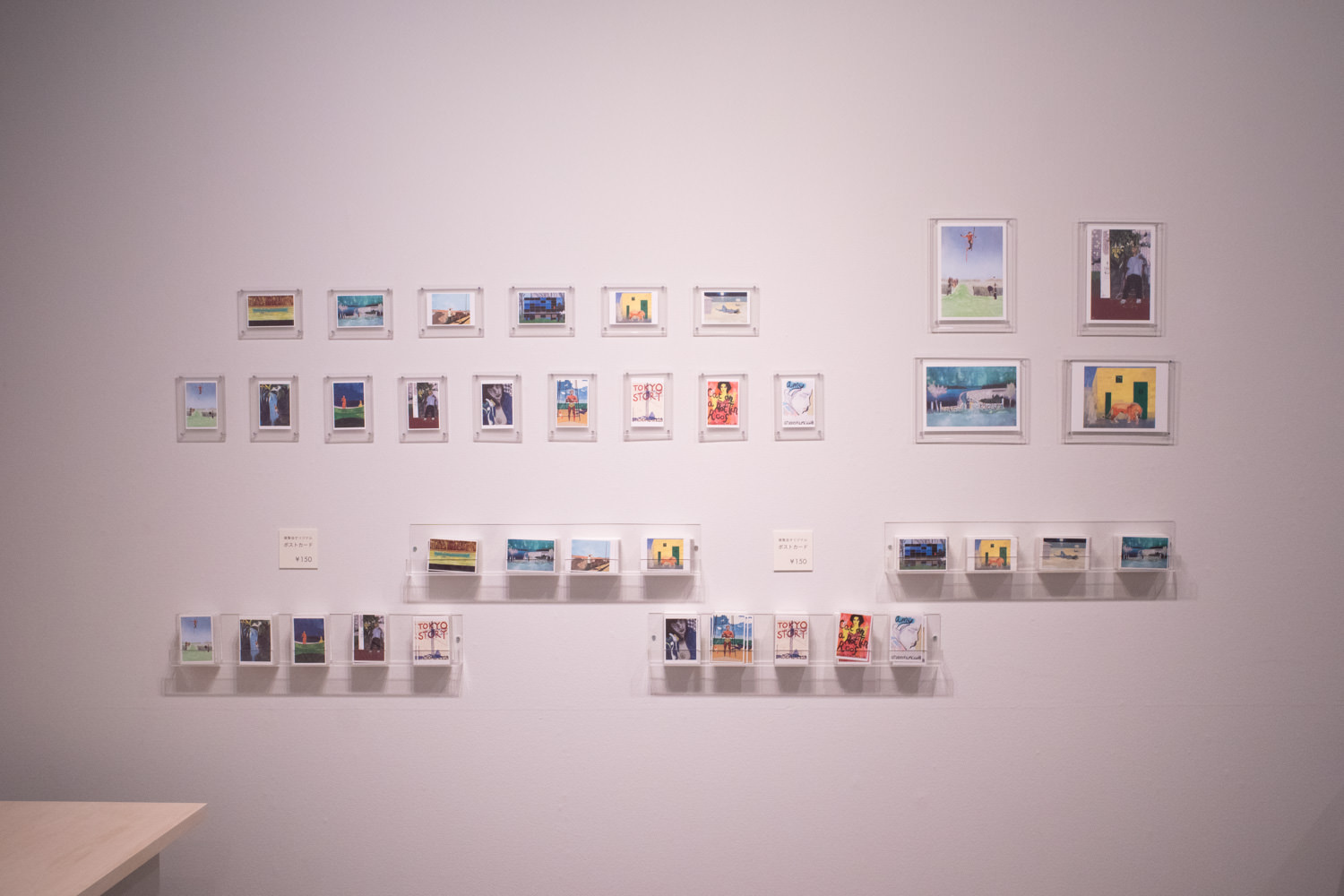
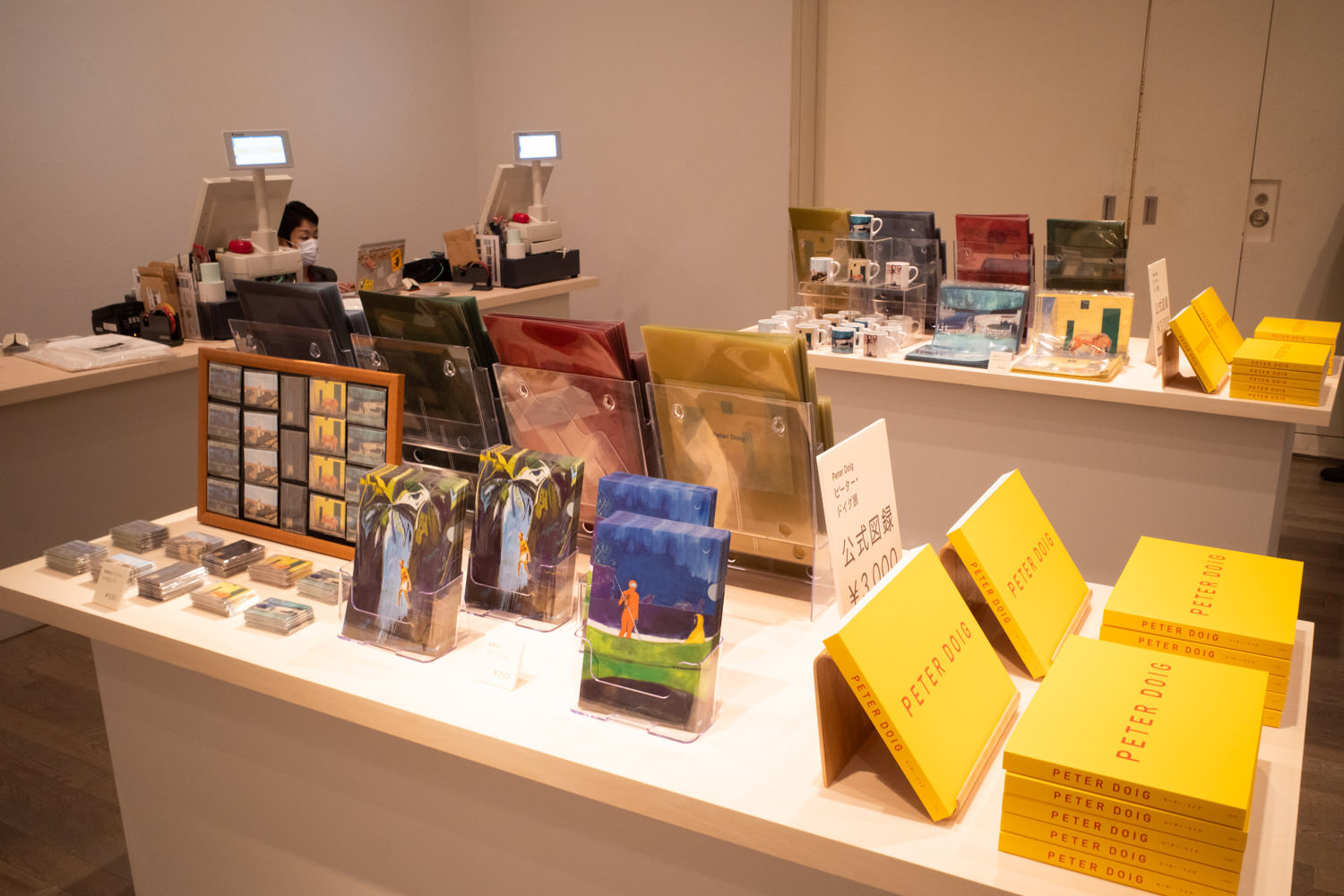
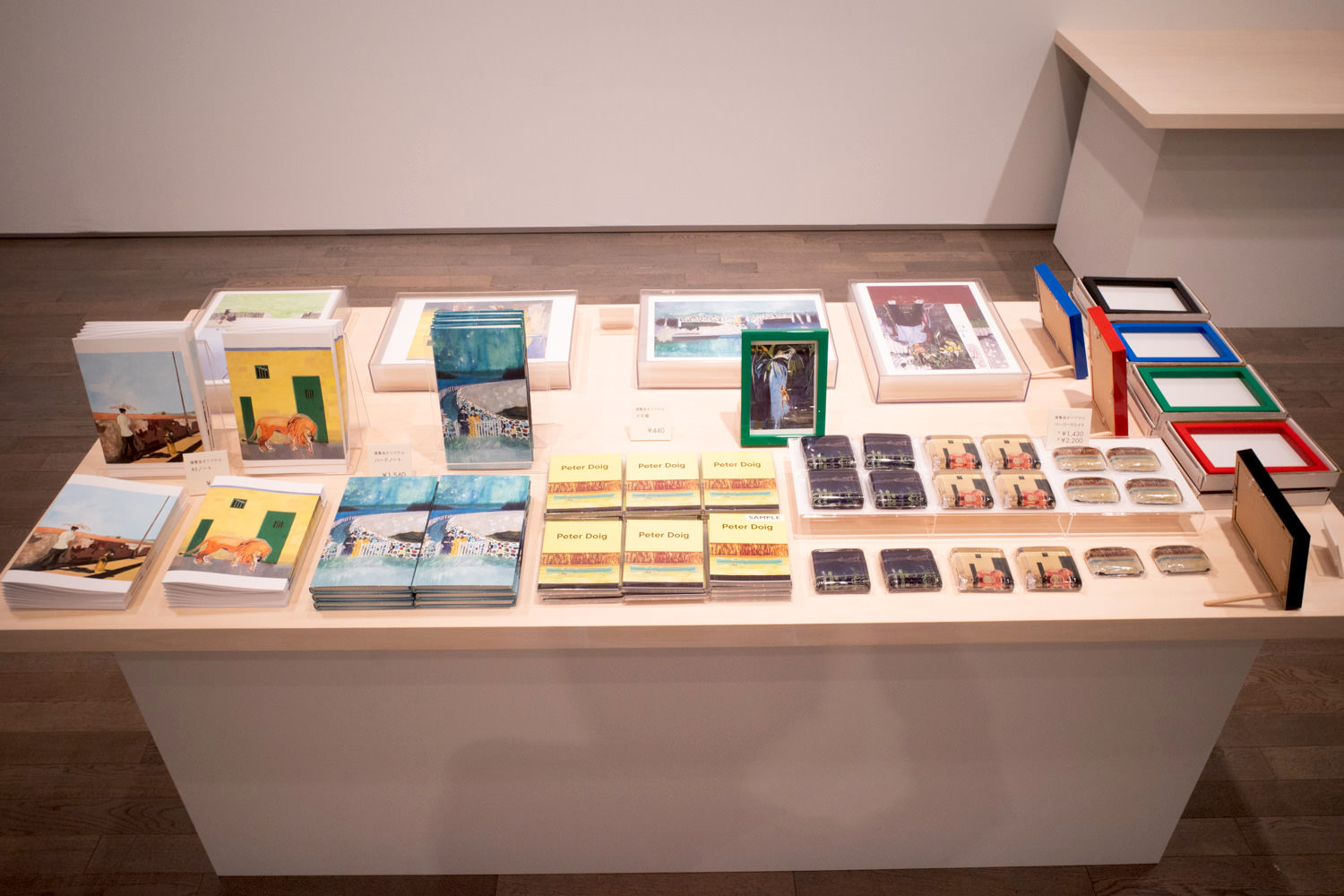
An exhibition-only merchandise corner was also set up.
The exhibition catalog, which includes an essay by Masatsugu Ono, is beautifully designed and rich in content — highly recommended.
Full of major works, this is a rich first solo exhibition in Japan.
The Studio Film Club drawings were a particular highlight.