Chim↑Pom “May, 2020, Tokyo / A Drunk Pandemic”
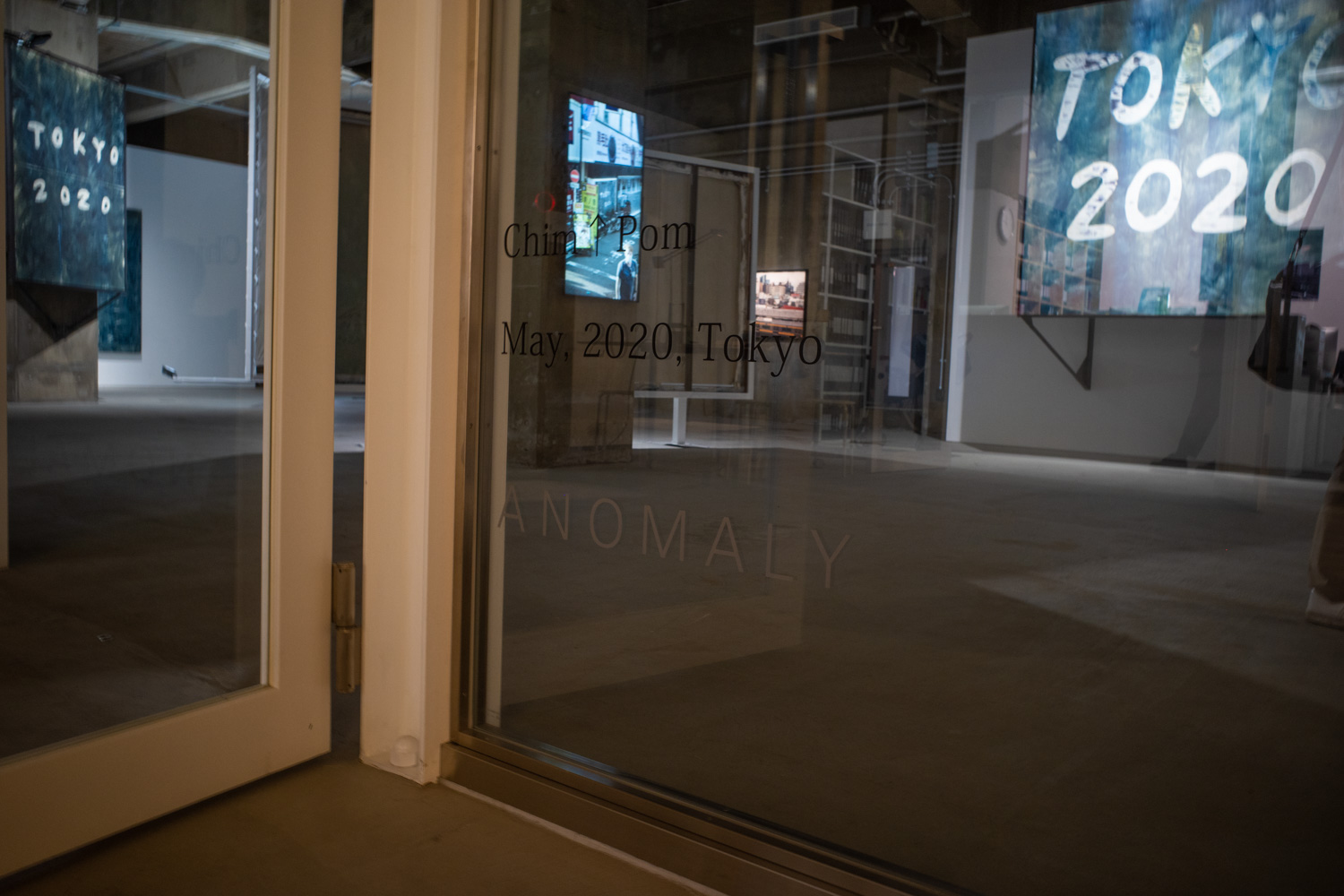
We visited Chim↑Pom’s solo exhibition “May, 2020, Tokyo / A Drunk Pandemic.” The venue is ANOMALY.
Chim↑Pom is an artist collective made up of six members: Ryuta Ushiro, Yasutaka Hayashi, Ellie, Masataka Okada, Motomu Inaoka, and Toshinori Mizuno.
Much of Chim↑Pom’s activity engages with social issues, and the two projects presented in this exhibition — May, 2020, Tokyo and A Drunk Pandemic — were fitting to the moment of the show’s opening.
May, 2020, Tokyo
“May, 2020, Tokyo” is a project set in Tokyo in May of that year, when what was to have been the celebratory event of the century, the Tokyo 2020 Olympics, had been postponed in the wake of the global spread of COVID-19, and a state of emergency had subsequently been declared.
Chim↑Pom, who have consistently carried out projects in the streets, turned their eyes anew to the city in that moment — the capital under a “Stay Home” self-restraint request — and produced this installation of works.
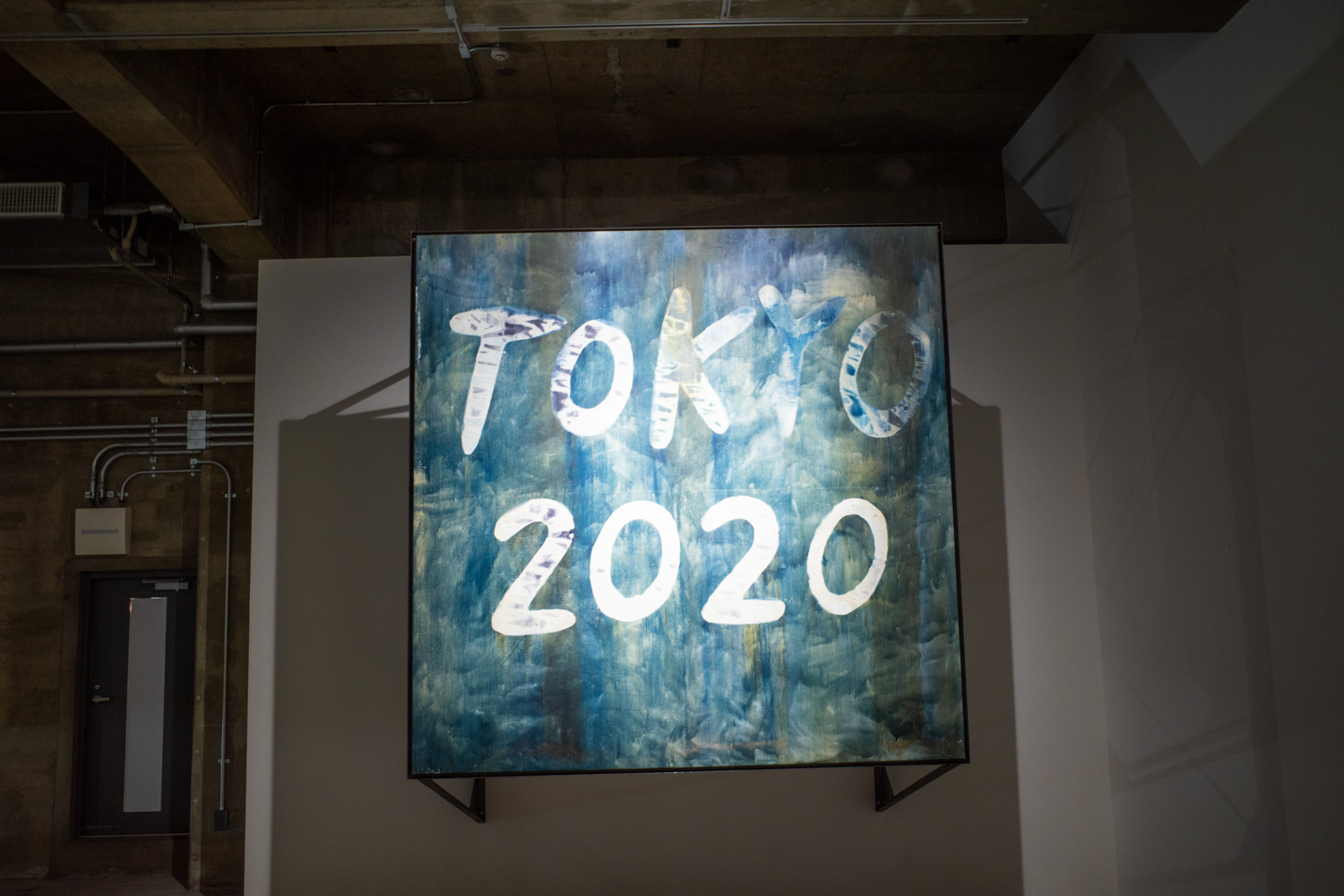
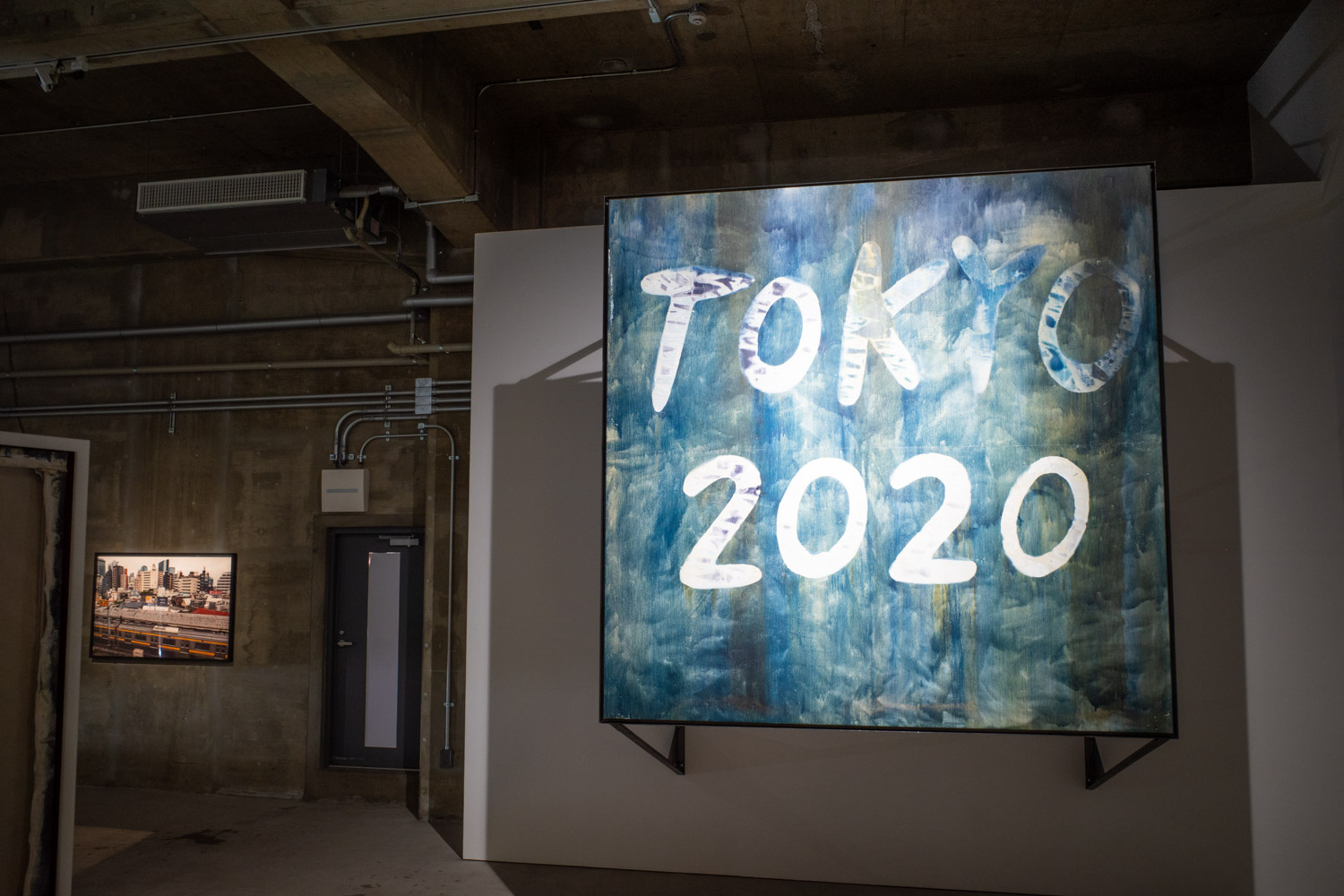
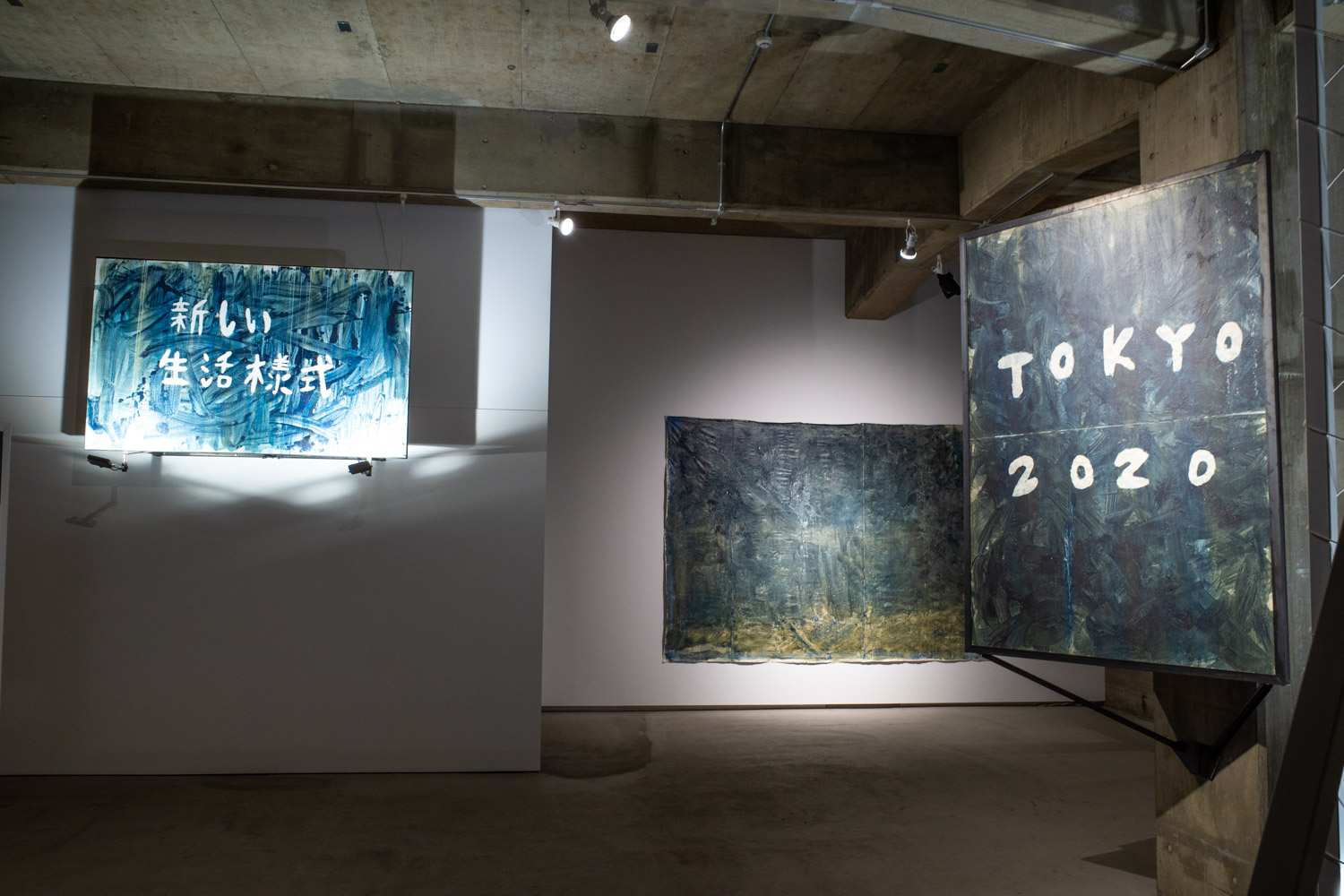
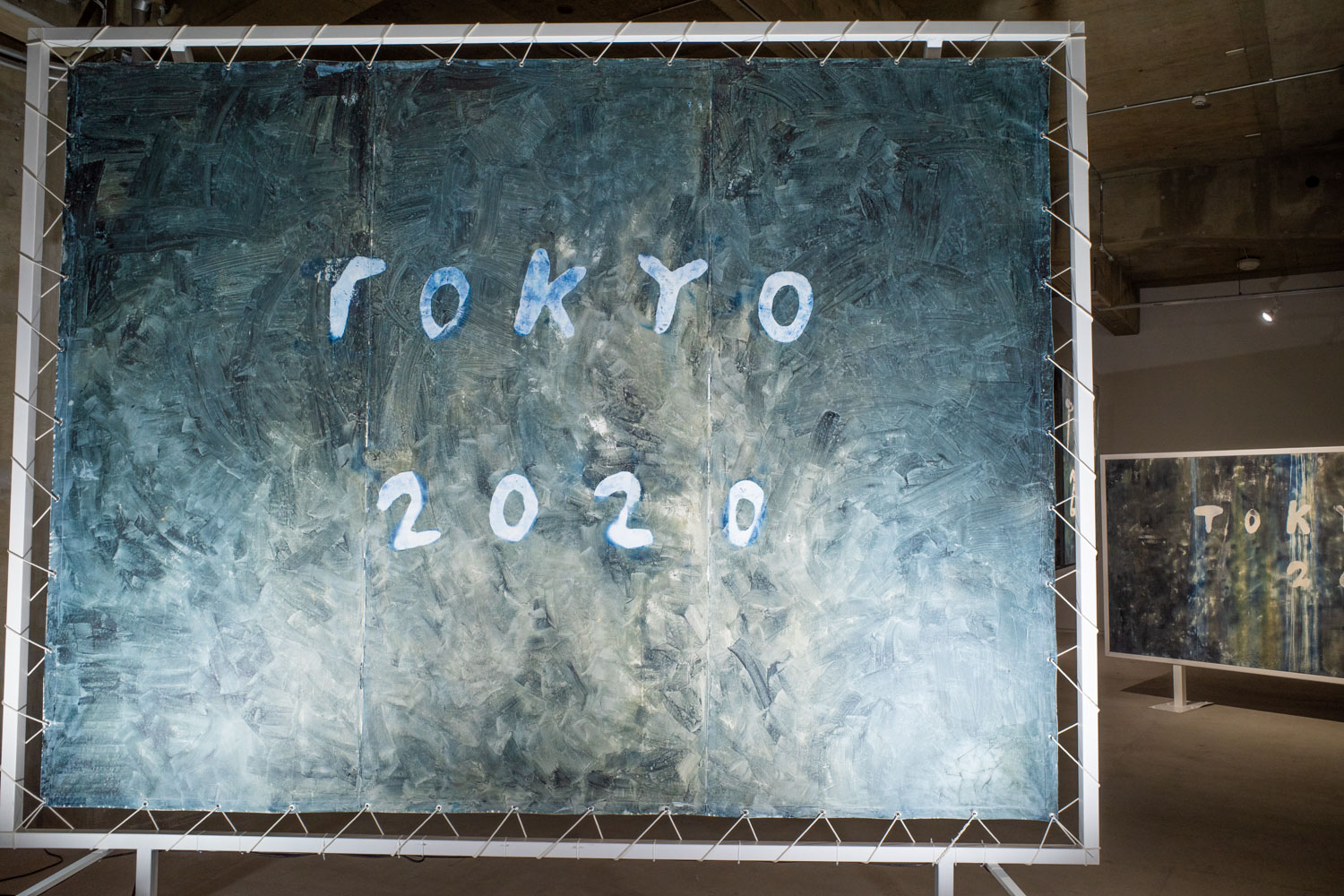
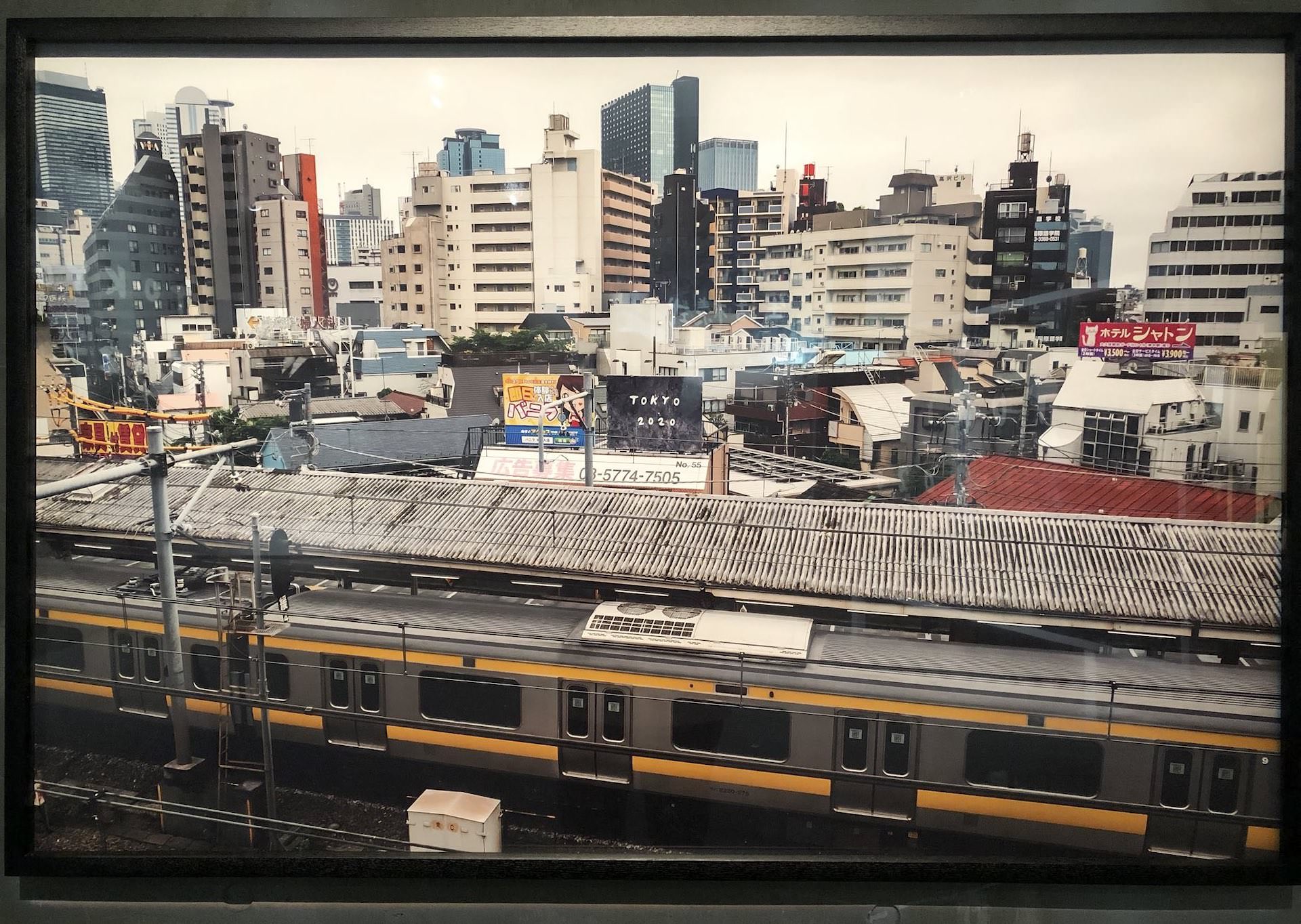
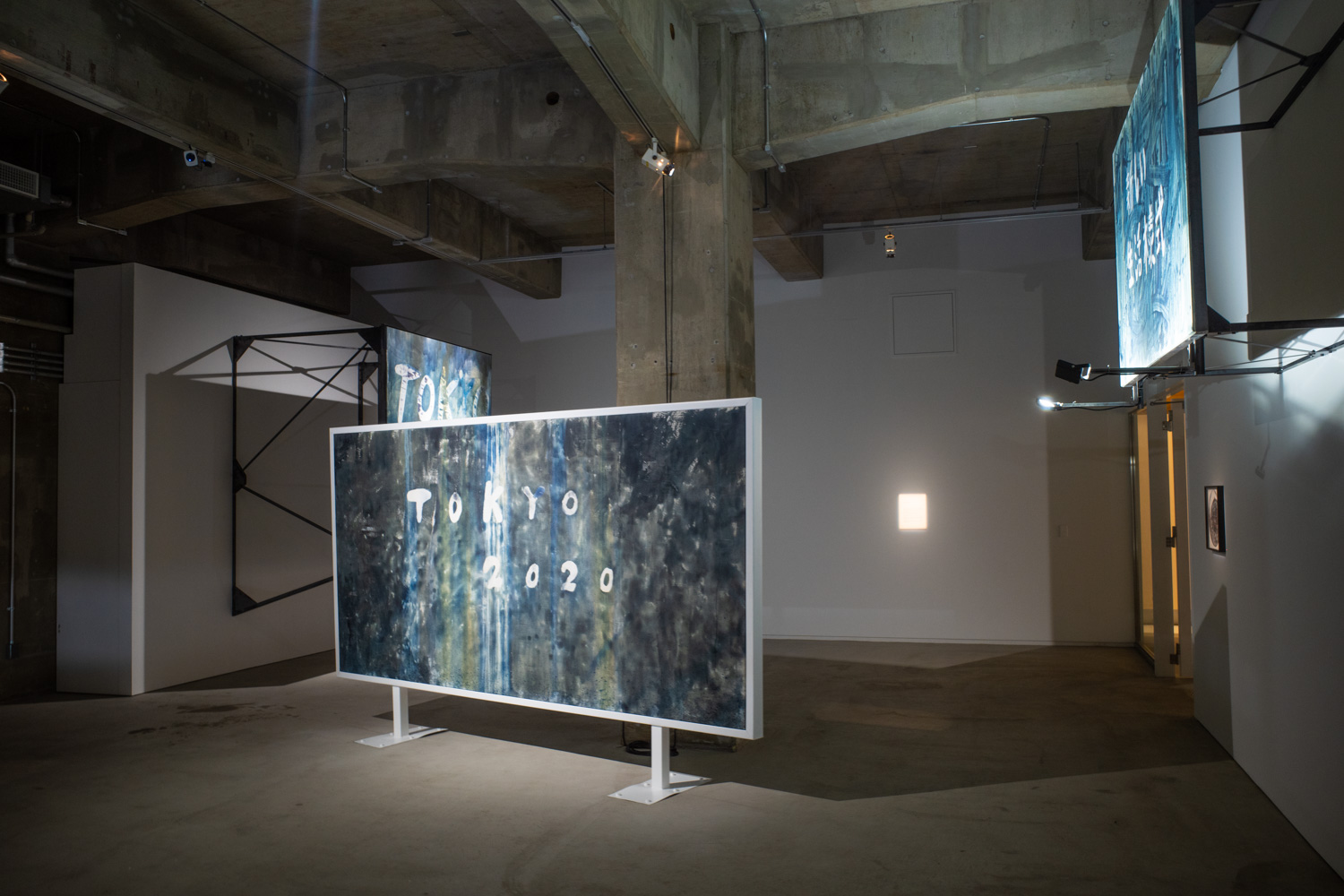
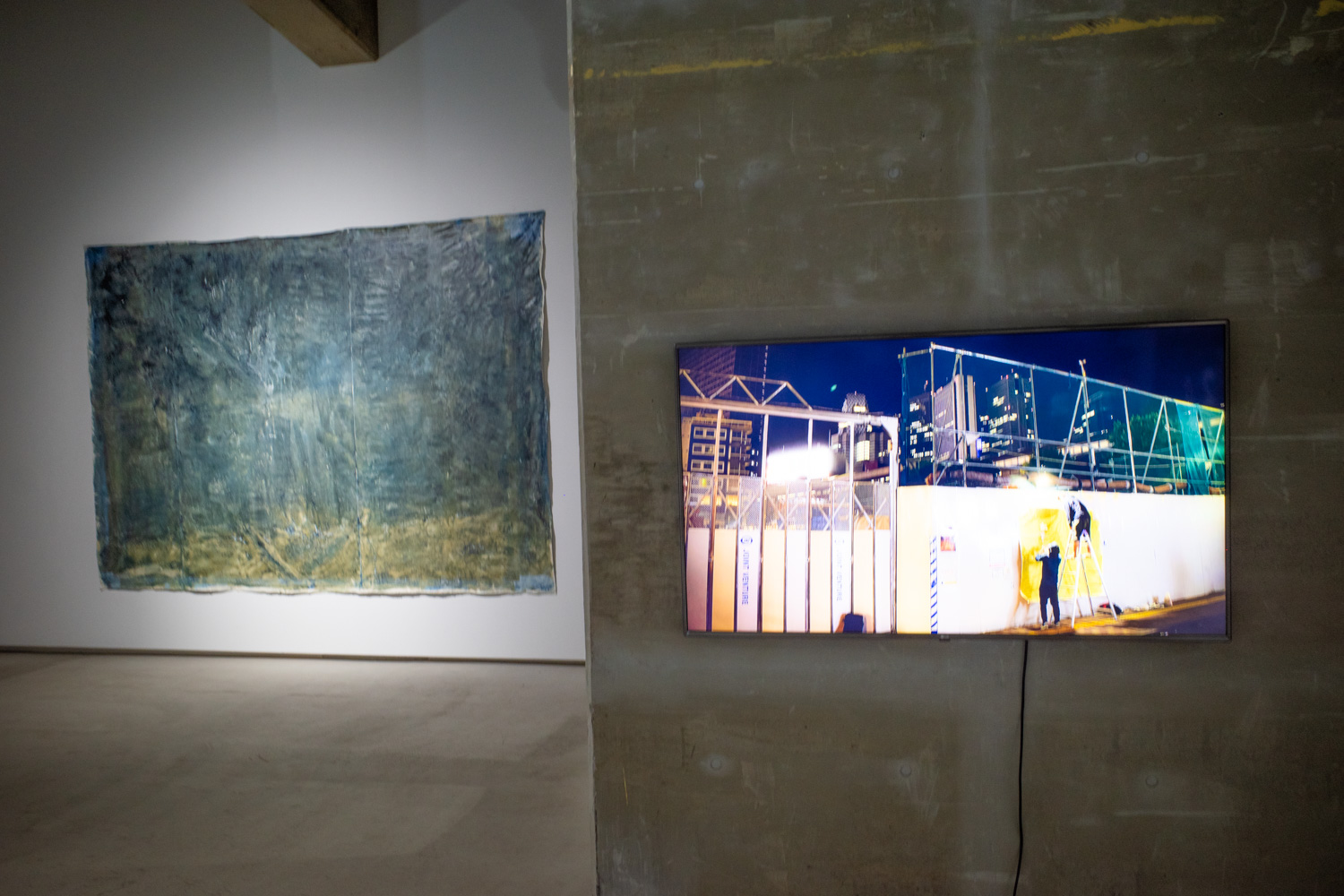
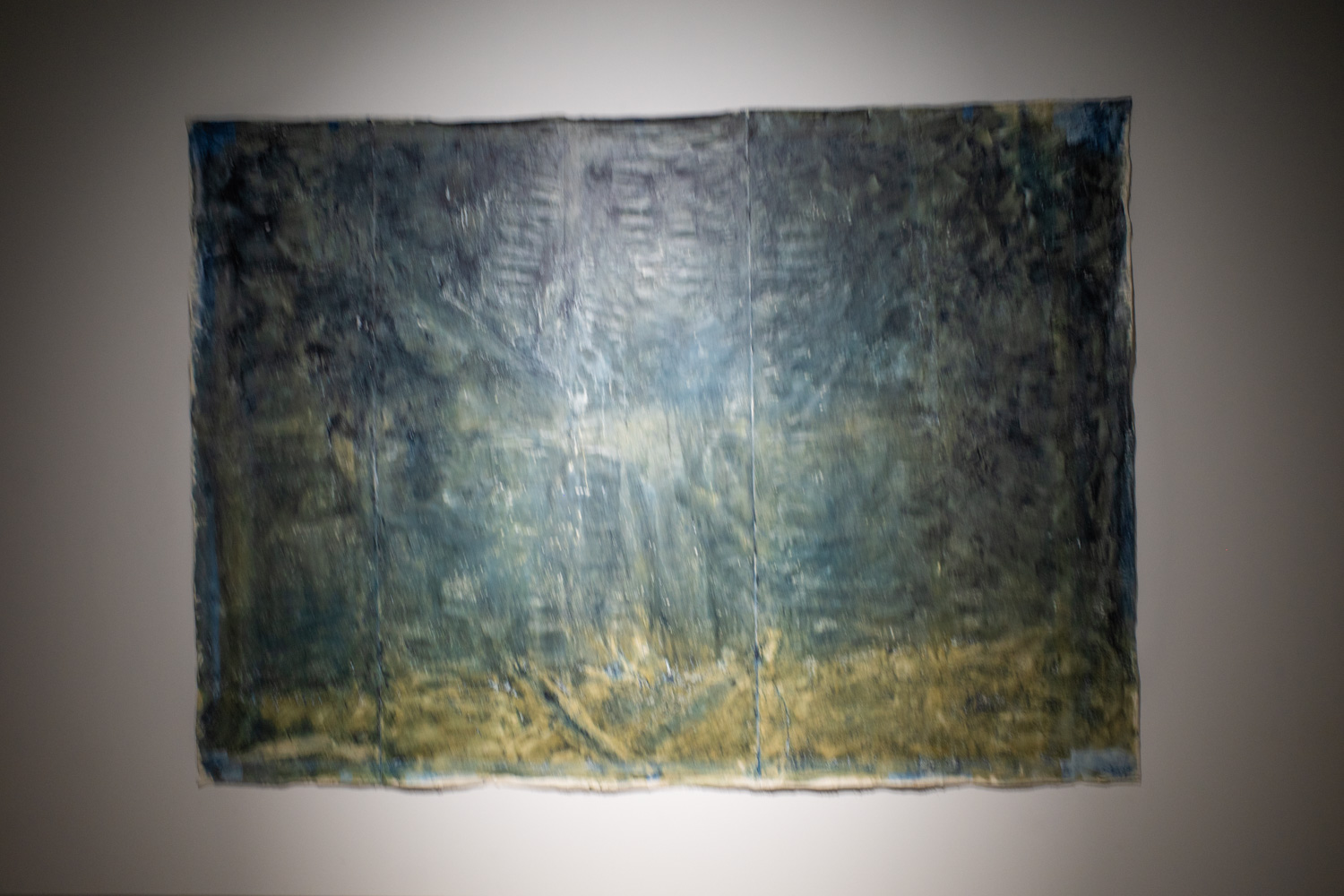
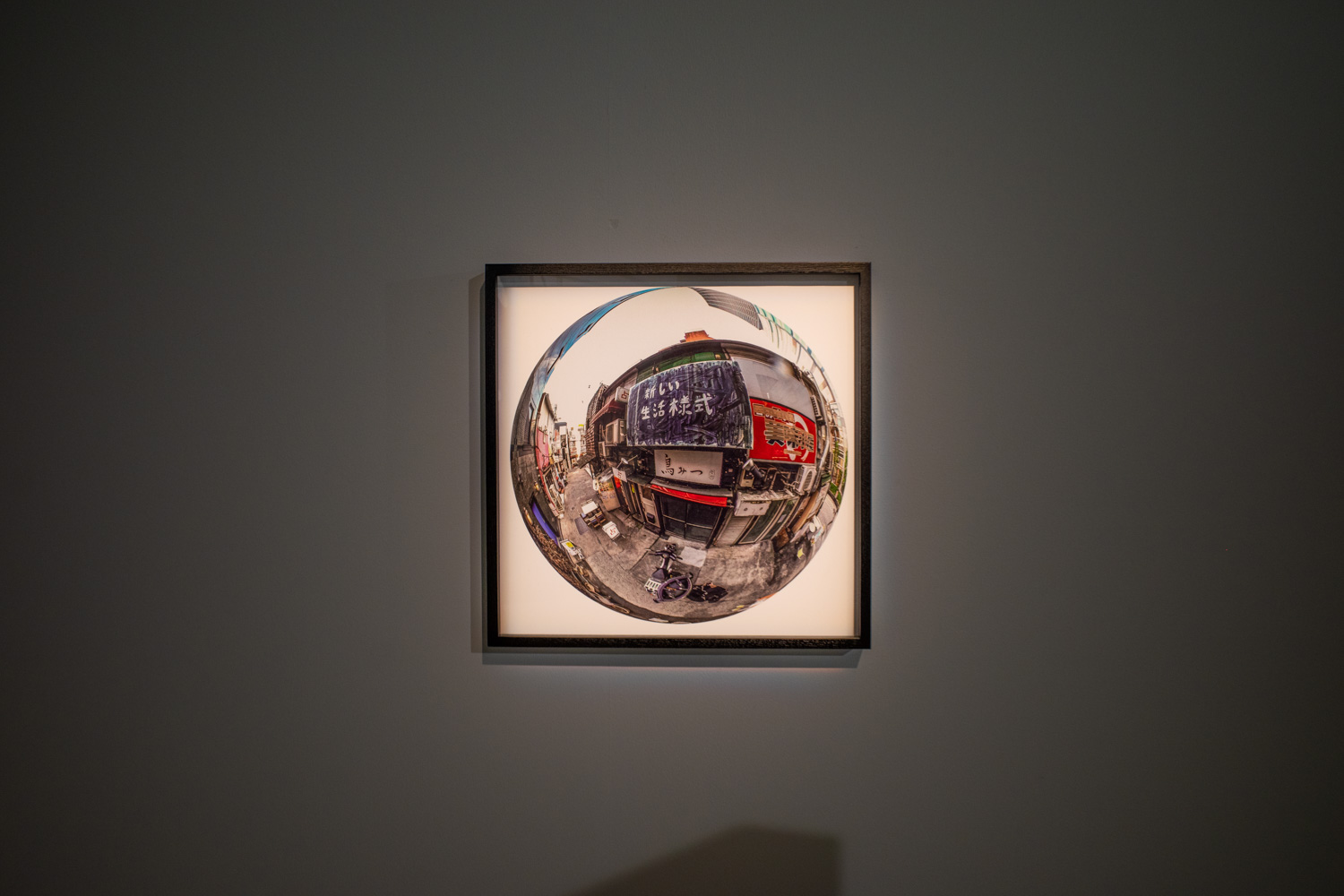

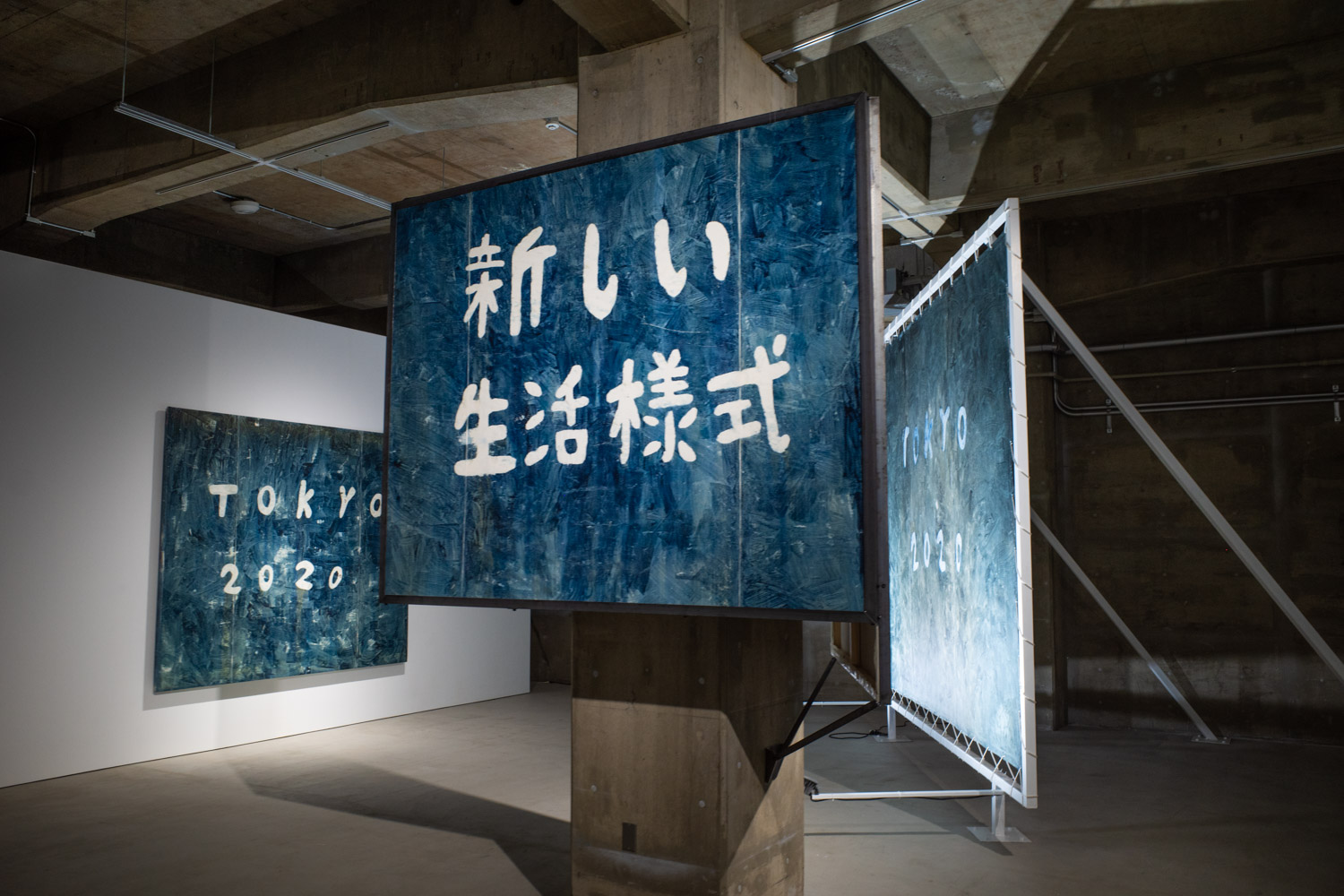
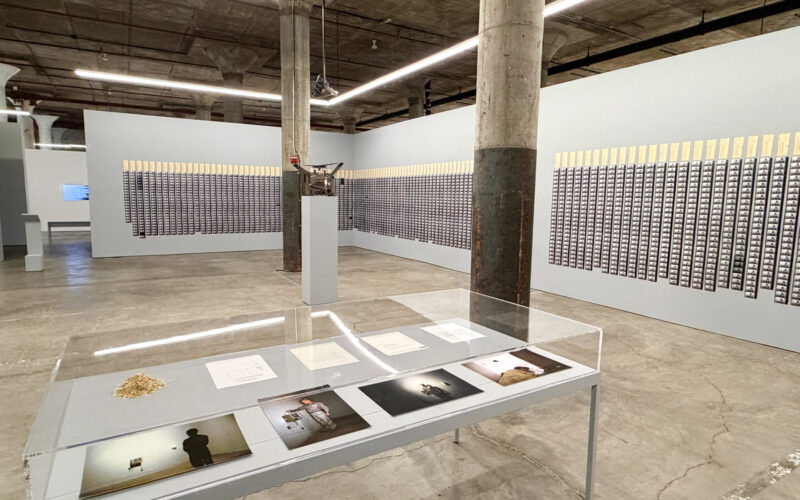
Center: Chim↑Pom, May, 2020, Tokyo (Tokyu) — Drawing a Blueprint —
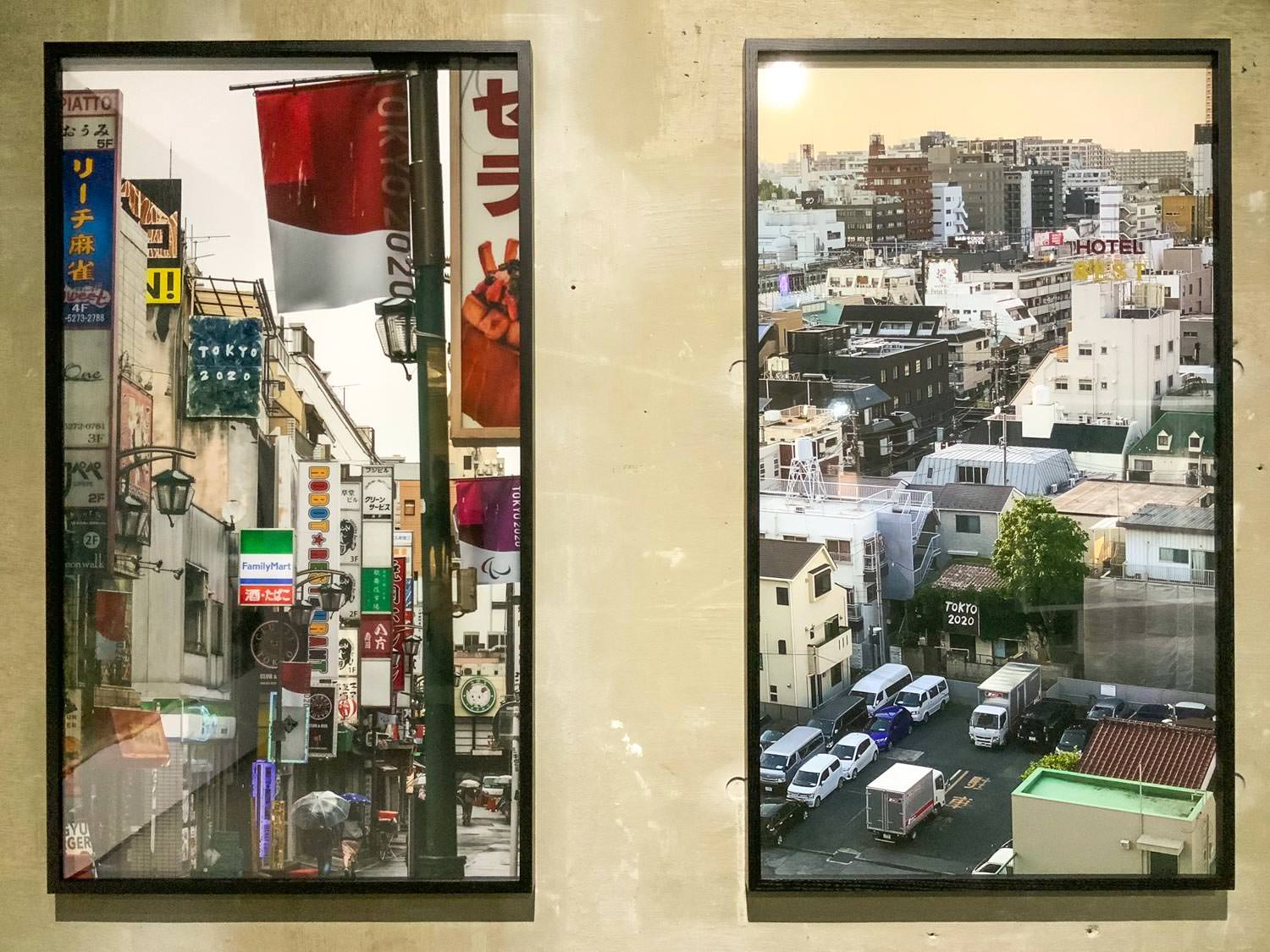
Right: Chim↑Pom, May, 2020, Tokyo (Shinjuku White House) — Drawing a Blueprint —, lambda print, ed. of 5
A Drunk Pandemic
“A Drunk Pandemic” is a project developed in 2019 inside a massive derelict tunnel beneath Victoria Station in Manchester, England.
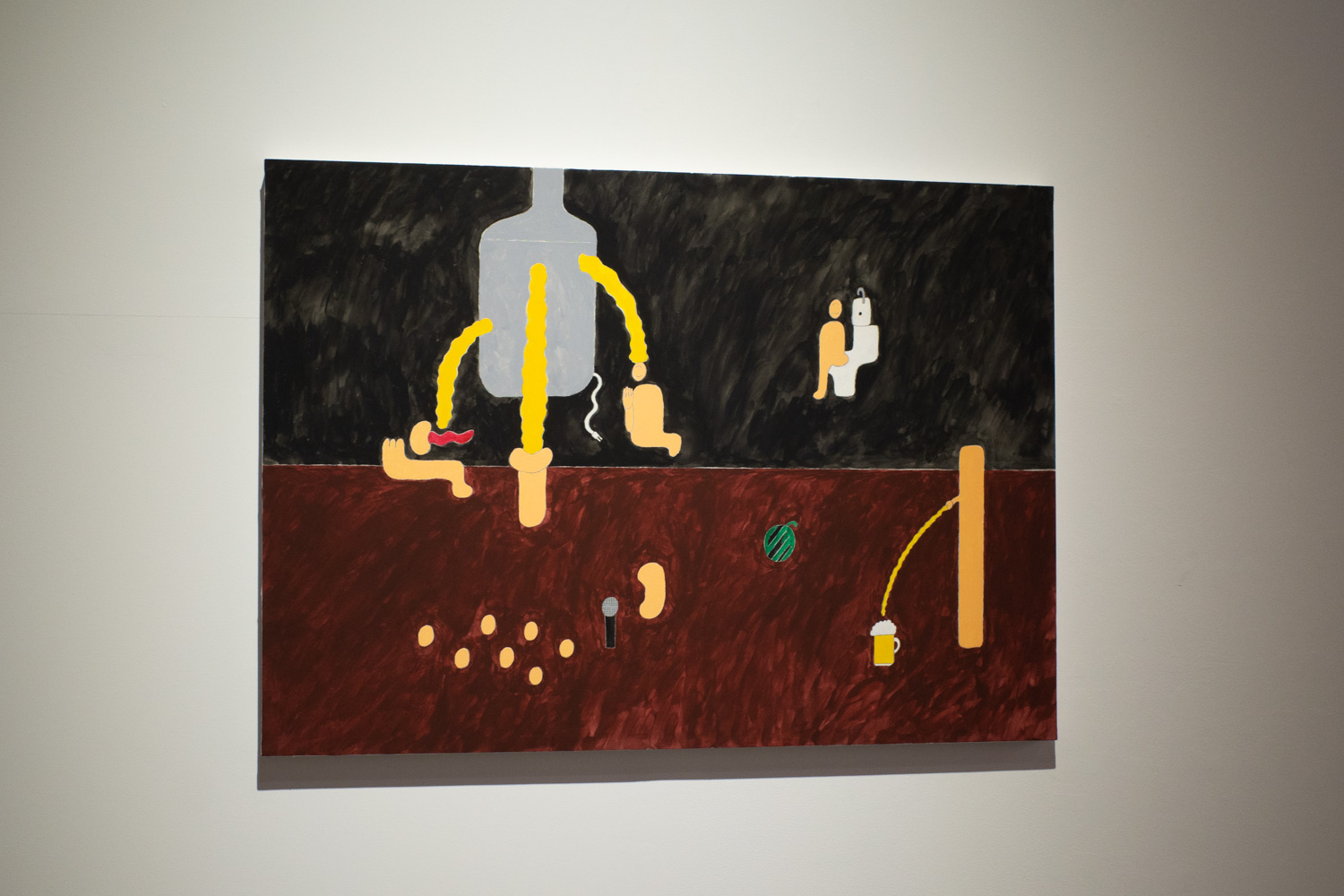
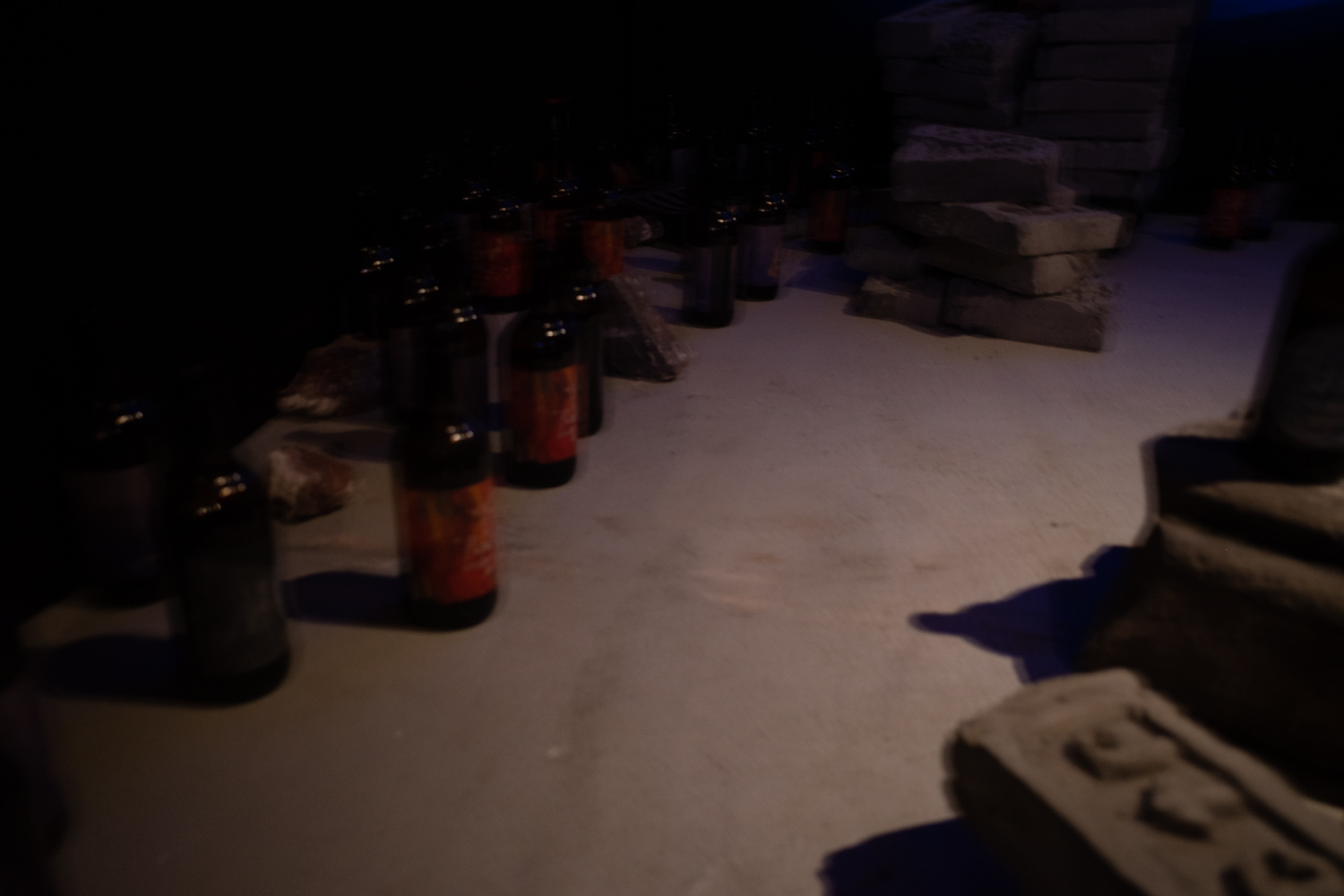
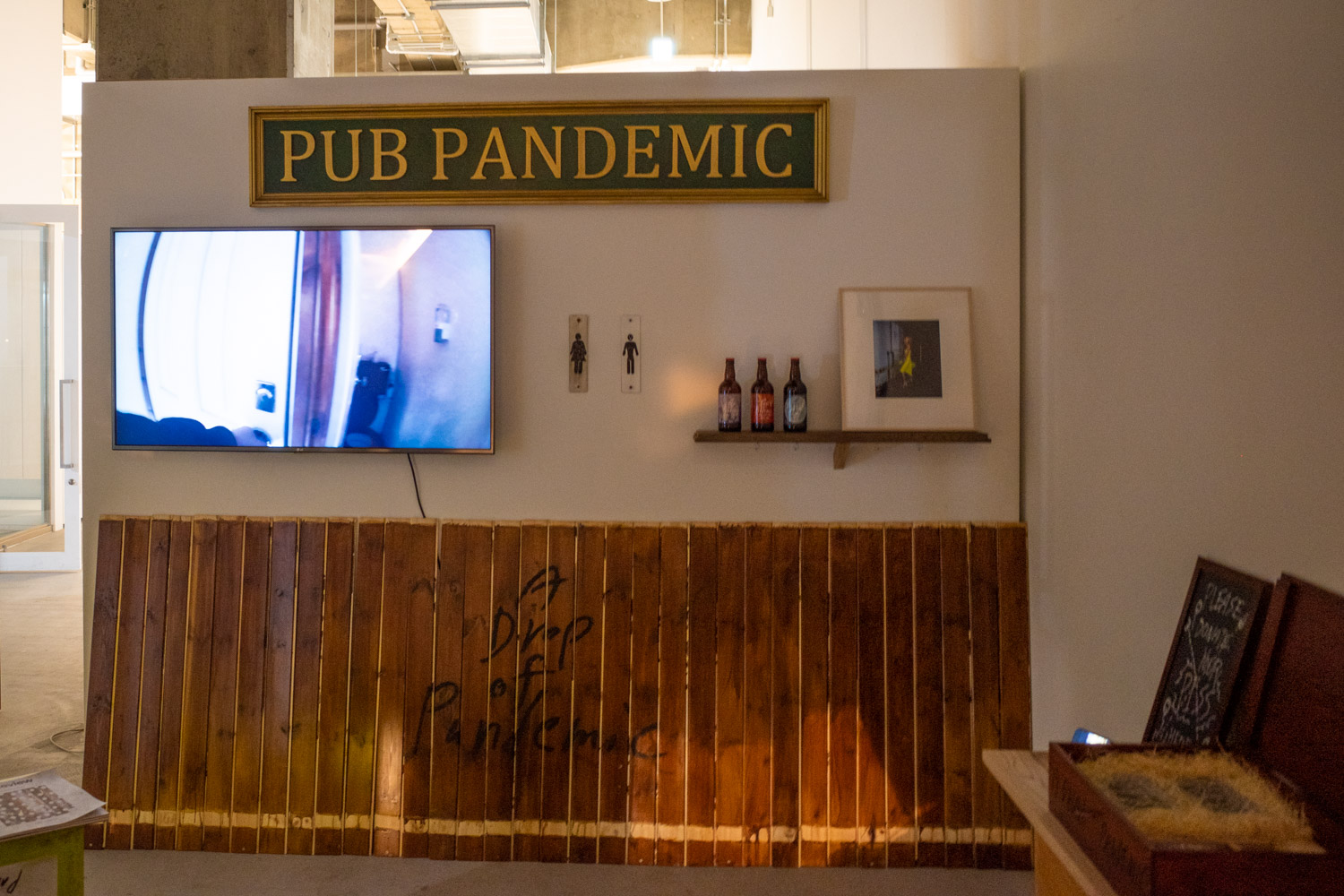
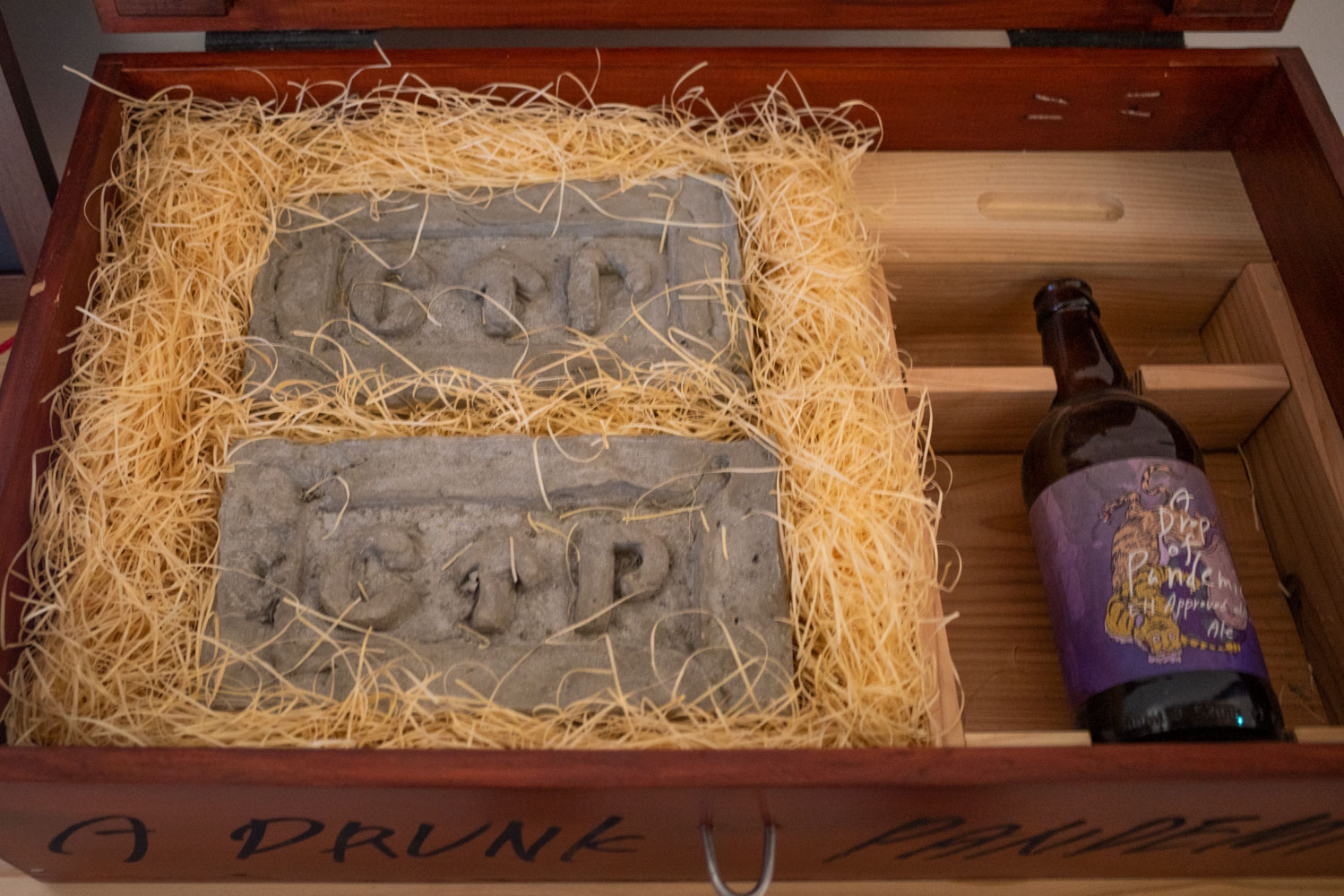
Chim↑Pom set up a “beer brewery” in the derelict spaces beneath Manchester (present-day underneath Victoria Station), where victims of cholera had been buried, and brewed an original beer called “A Drop of Pandemic.” As the beer’s flagship outlet, they opened a trailer-style public toilet — “Pub Pandemic” — a place that functions as both toilet and bar, with the members of Chim↑Pom themselves acting as bartenders.
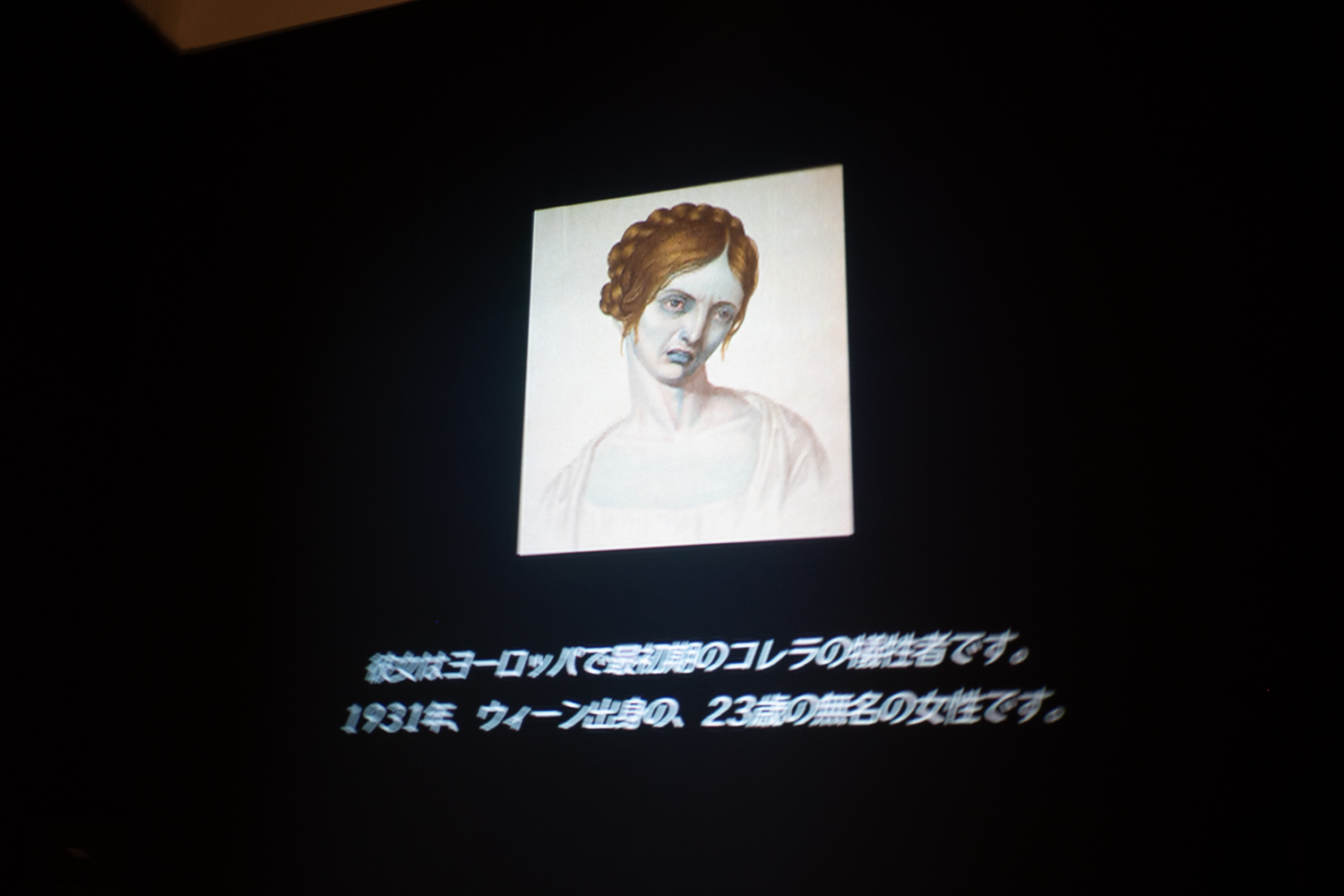
From that “Pub Pandemic” toilet, they extended a sewer line and, inside the venue, set up a cement-brick factory called “Piss Building.” Using the sewage mixed with visitors’ urine (after disinfection), bricks were produced in quantity.
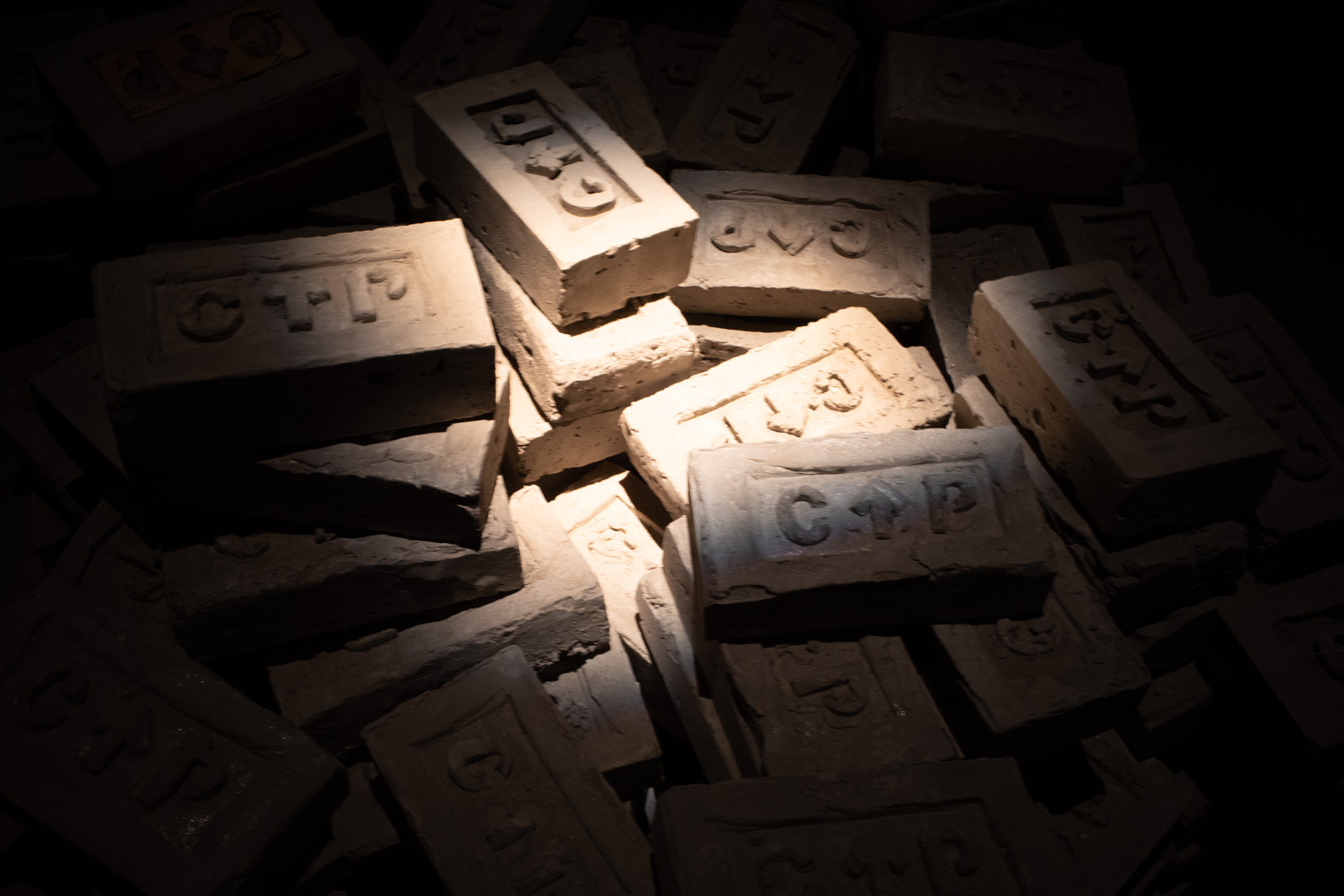
Manchester is known as the birthplace of the Industrial Revolution, and the deteriorating sanitary conditions brought on by rapid urbanization were a major cause of the spread of cholera; the water and sewage sanitation reforms of modern cities — that is, the development of urban infrastructure — are said to have been carried out as countermeasures against cholera.
Because cholera patients were concentrated among the elderly and the frail, laborers, drinkers, and other members of the impoverished classes, wealthy elites came to view them as morally inferior — the notion that “cholera equals immorality” took hold; and in order to eradicate this “immoral disease,” it was believed the living environments of “immoral people” had to be morally improved. Some say that the sanitation revolution and the installation of public toilets were carried out on that premise.
In Summary
“May, 2020, Tokyo” was an activity carried out during the self-restraint period and felt, for Chim↑Pom, like a somewhat restrained project. “A Drunk Pandemic,” on the other hand, is a project on a truly grand scale. It was a project fitting to this moment, and we found it fascinating to view. Perhaps this is a testament to the sharpness of their perspective.
A solo exhibition at Mori Art Museum (Tokyo) is also scheduled for 2021 (April 22 – August 22).