Olafur Eliasson “Sometimes the River Is the Bridge”
We visited Olafur Eliasson’s solo exhibition “Sometimes the River Is the Bridge.” The venue is the Museum of Contemporary Art Tokyo.
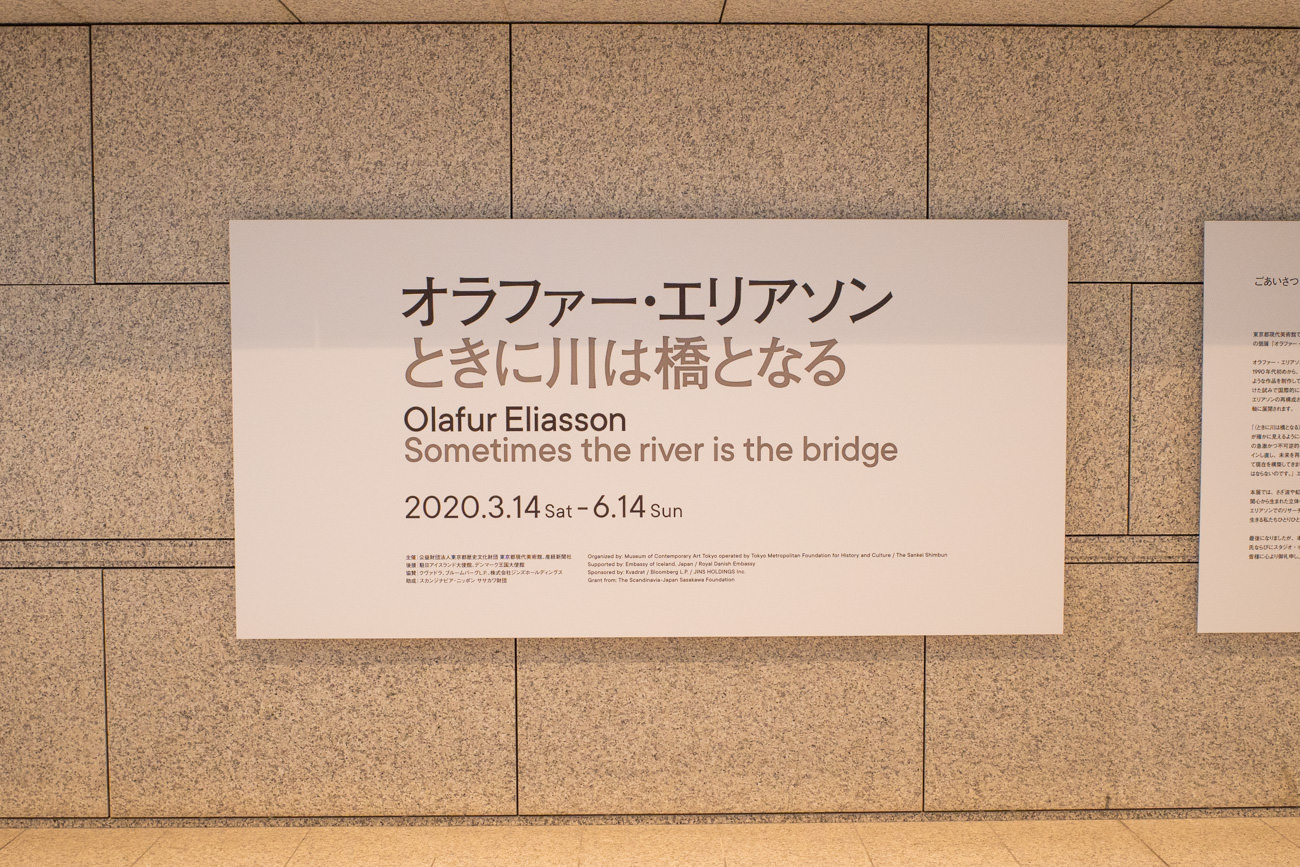
Born in 1967, Olafur Eliasson has been engaged since the early 1990s in a wide range of expressive practices, including photography, sculpture, drawing, installation, design, and architecture. His attempts to realize a sustainable world through art have earned him high international acclaim.
This exhibition is structured around Eliasson’s interest in renewable energy and his engagement with climate change.
Watercolors
The first works on view are three watercolors.
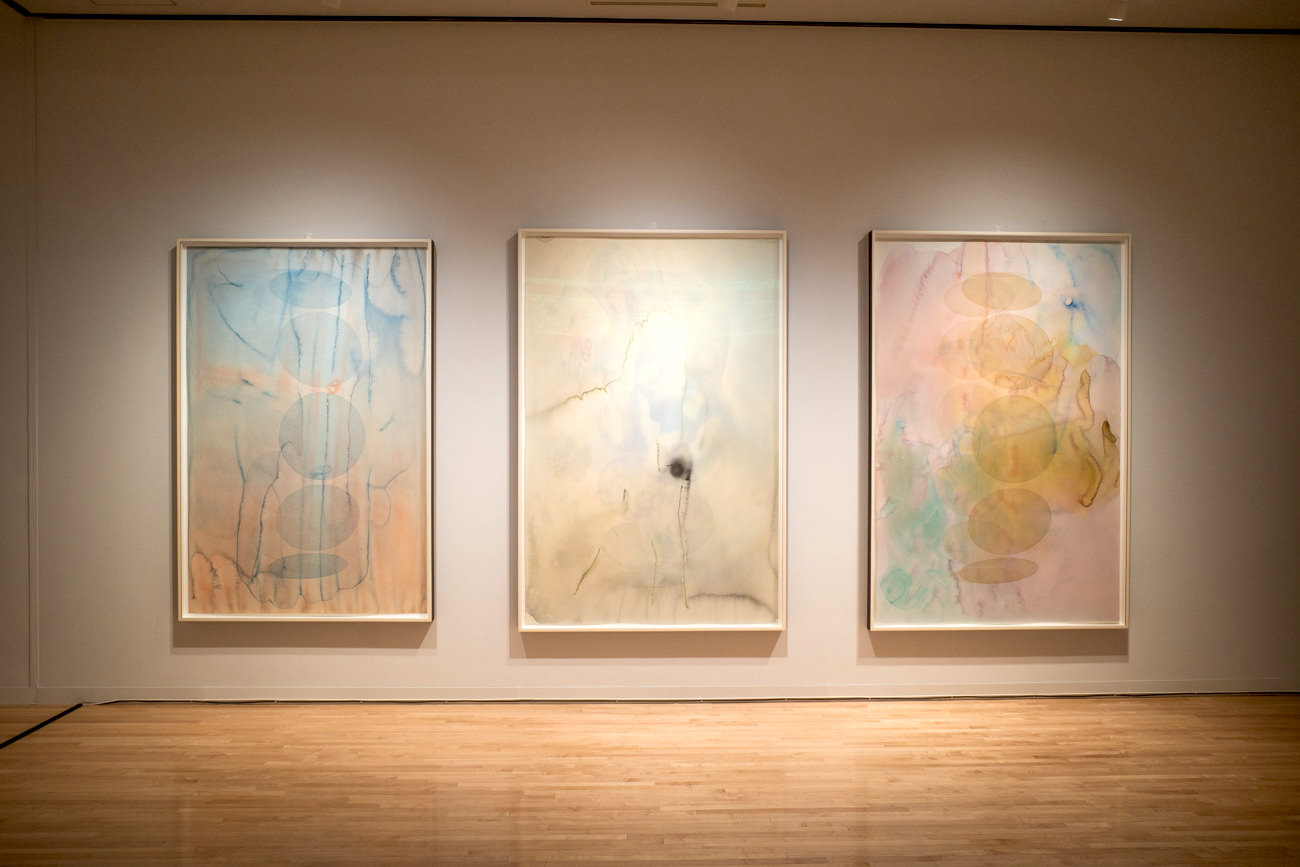
These works were created using ice from a glacier in Greenland. As the ice melts on the paper, the water mixes with pigment, spreading rich gradations and blurs across the surface. This process reflects Eliasson’s attitude of regarding natural phenomena — which occur independently of human will — as collaborators.
Memories of the Critical Zone
The next works are twelve circular drawings.
Many of the works exhibited here were transported not by carbon-intensive aircraft but by rail and ship from Berlin to Japan.
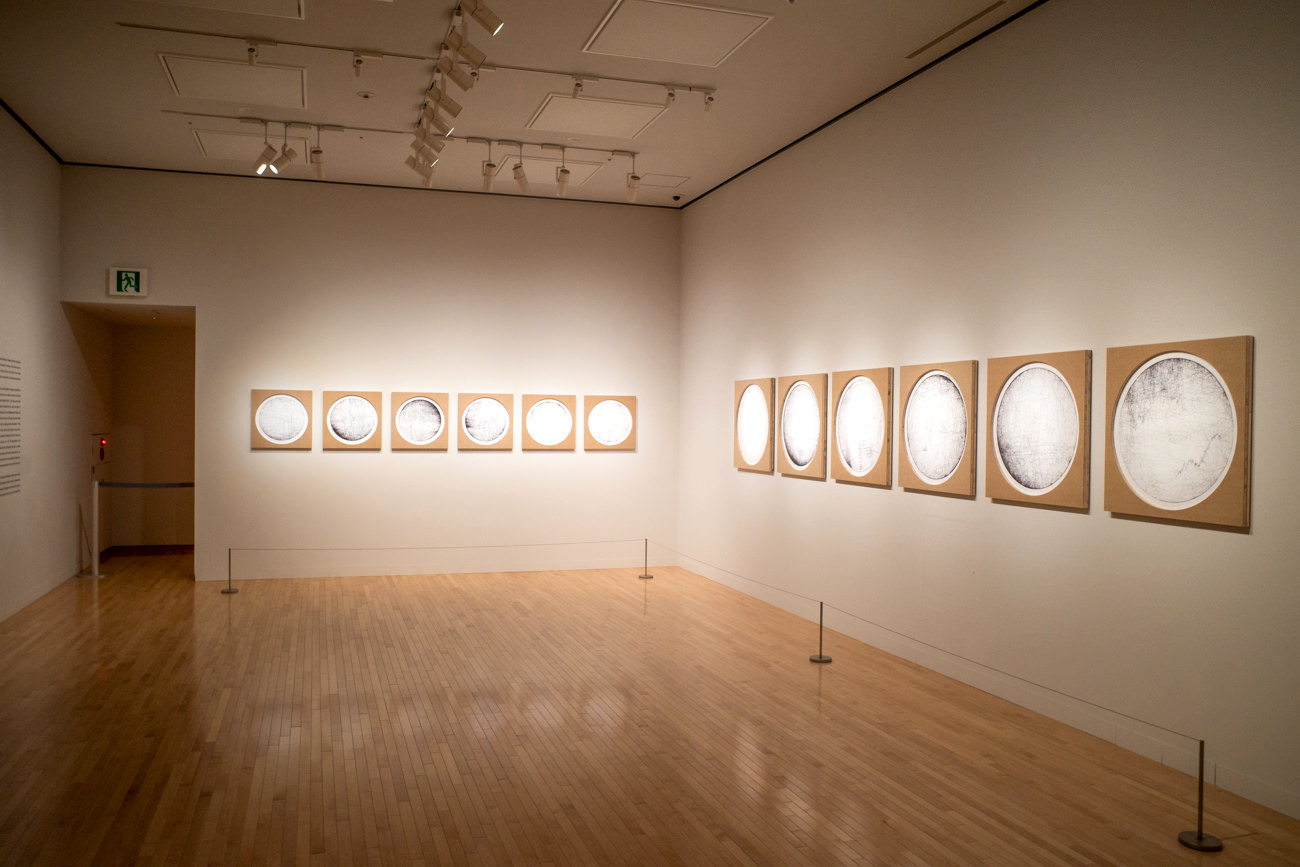
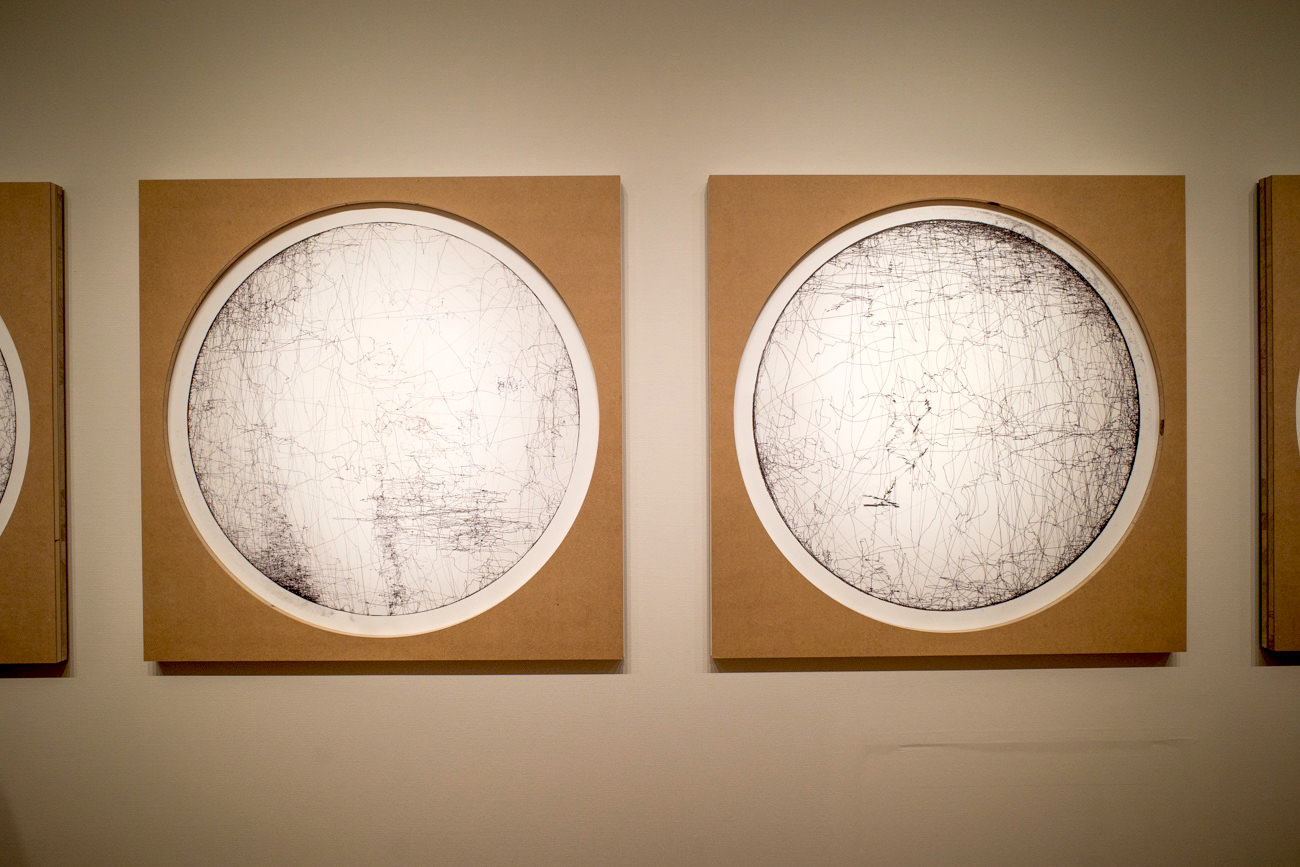
Drawn without human intervention by devices that record the motion and vibration of transport, the countless lines — impossible for the human hand to render — trace every event that befell the works during their journey.
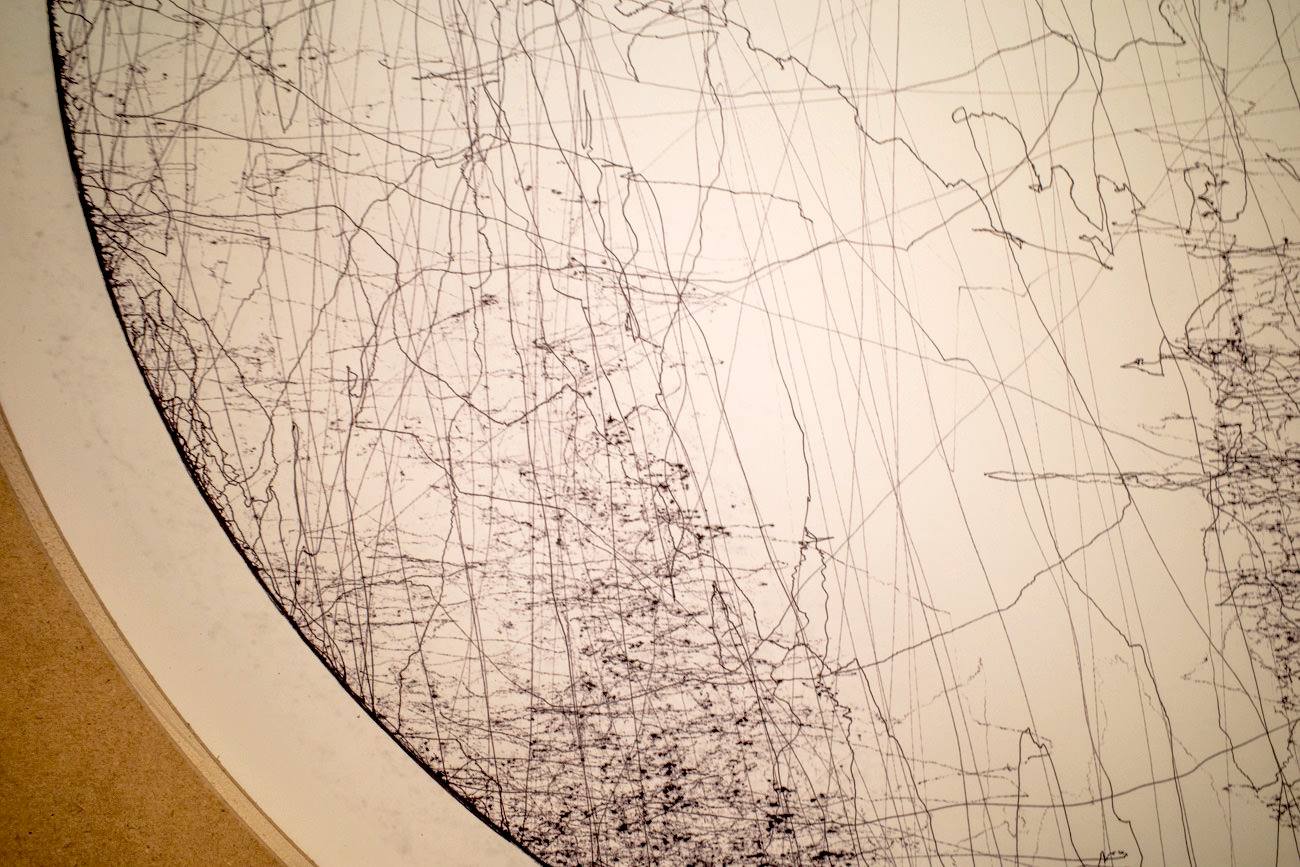
Exploration of the Center of the Sun
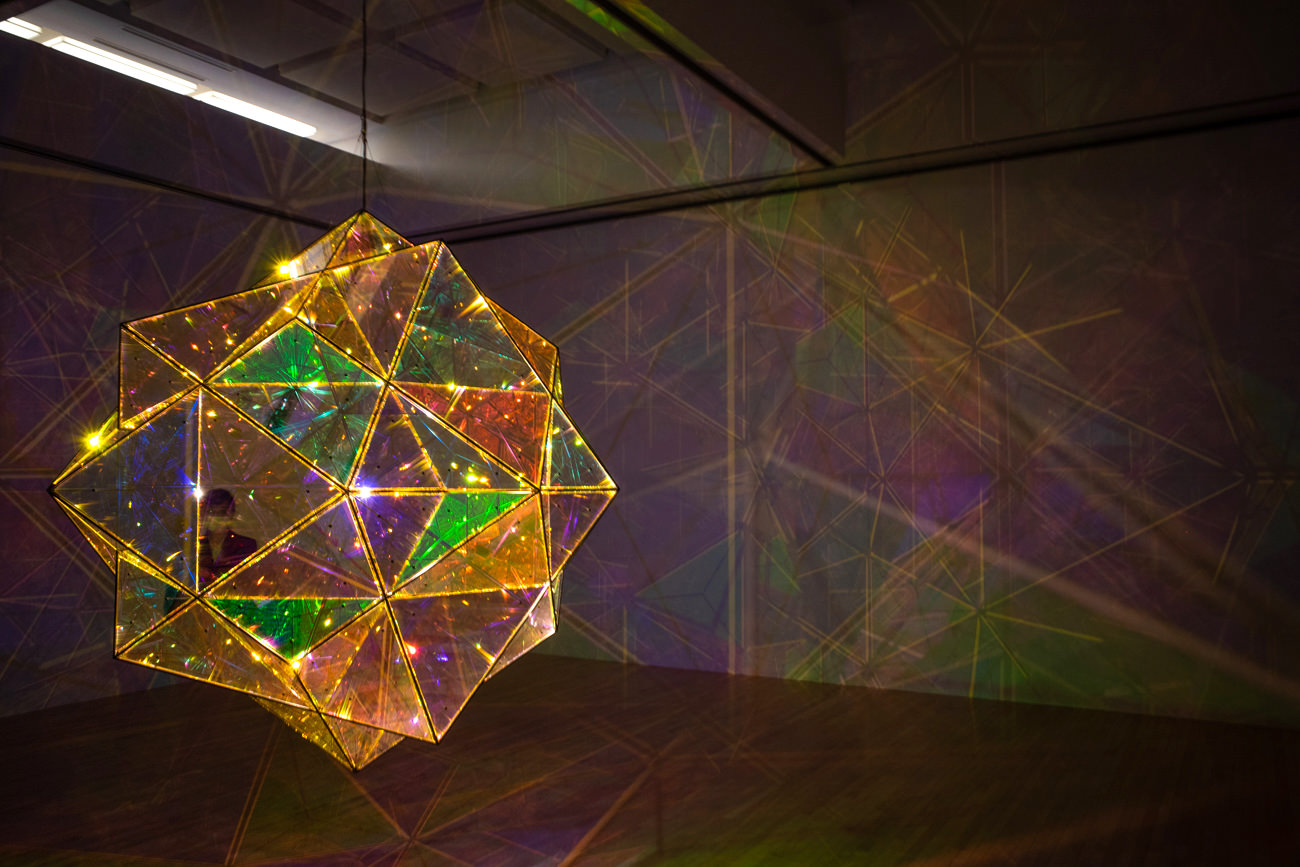
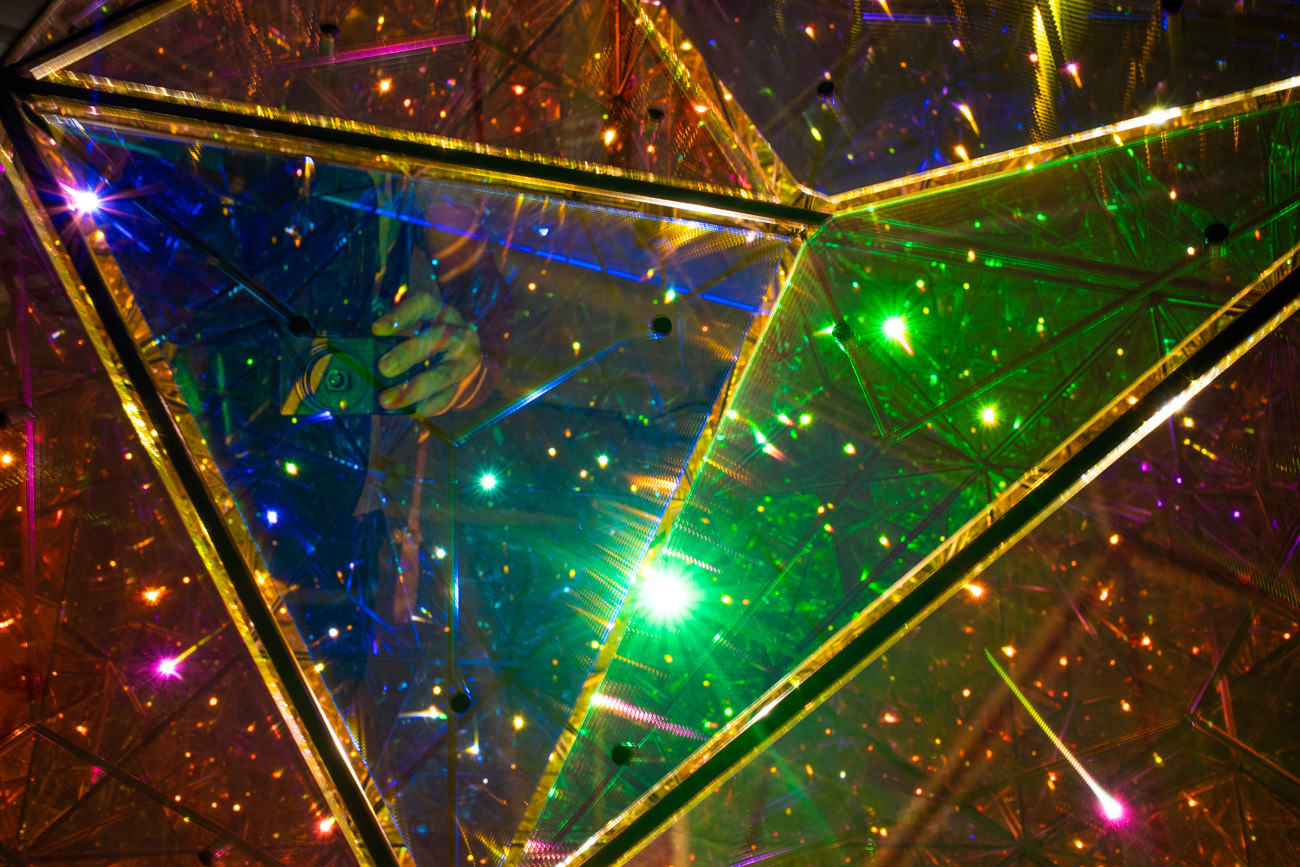
What Is Now Happening, Has Happened, and Will Happen to You
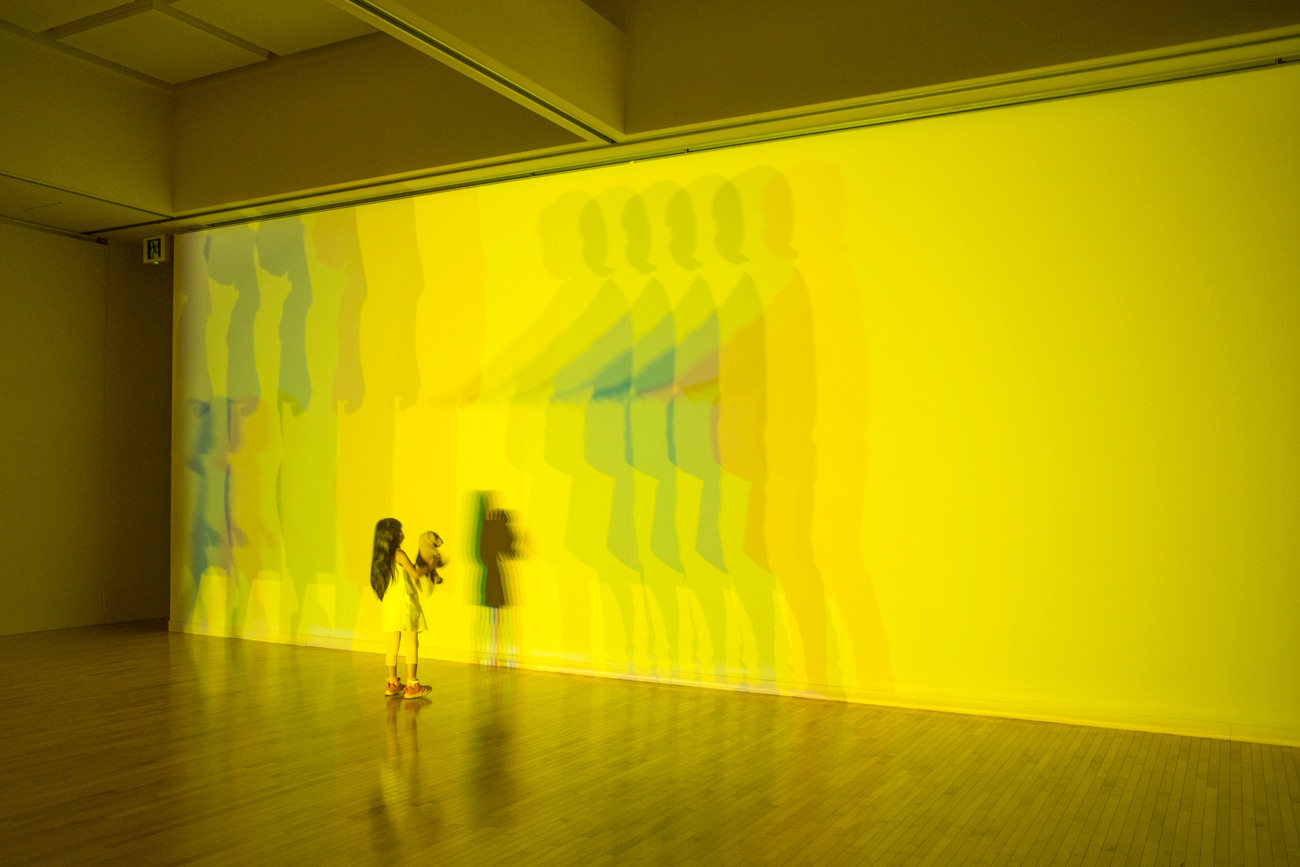
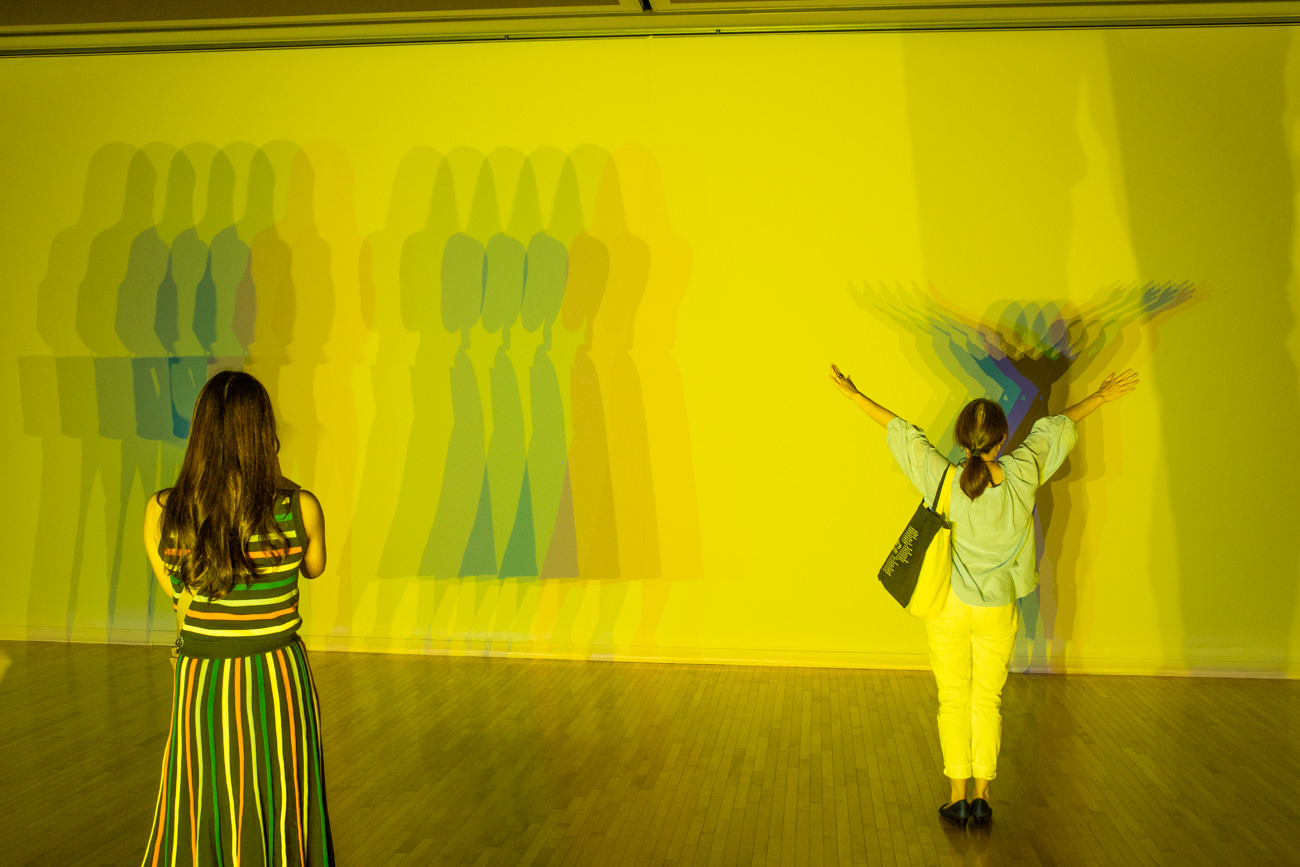
In a gallery filled with a large yellow screen, there is nothing but a light placed on the floor.
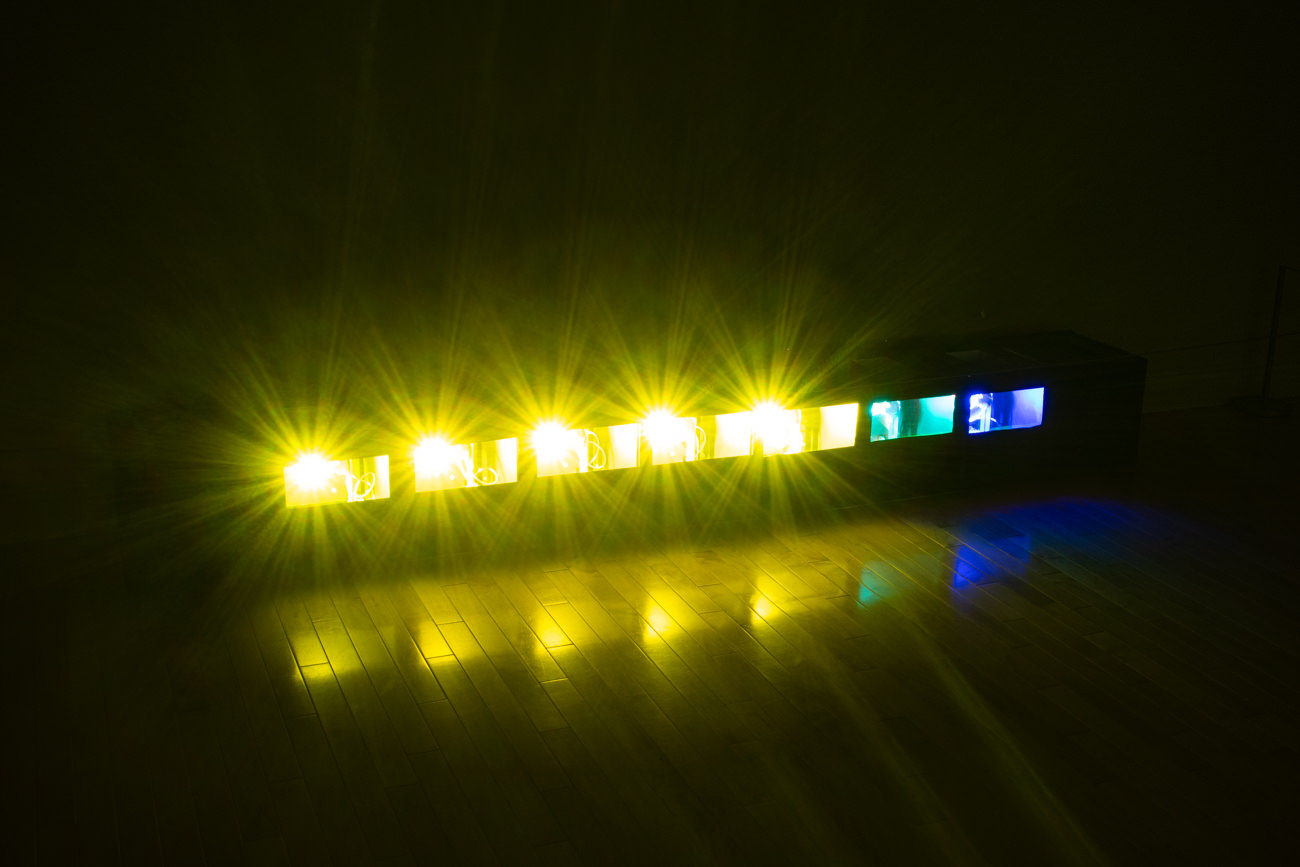
But when someone passes in front of the light, multiple overlapping shadows are cast on the wall. “Things become visible only when you are moving,” Eliasson says. Taking action and effecting change may lead to new discoveries and ways of seeing.
Sometimes the River Is the Bridge
In contrast to the colorful works, the gallery for Sometimes the River Is the Bridge holds, in near darkness, a large shallow dish filled with water at its center, illuminated by twelve spotlights.
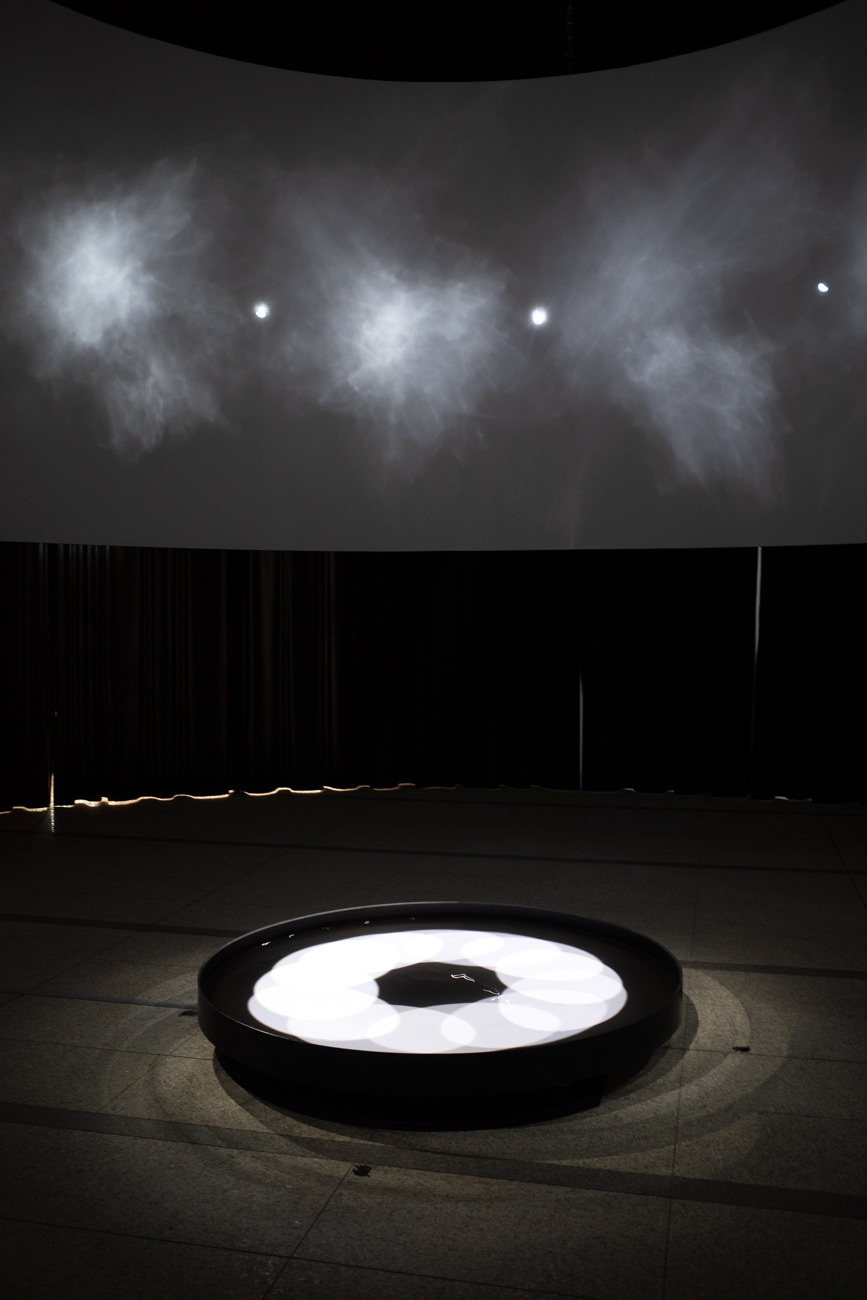
When the water’s surface trembles, elusive images of ripples are projected onto the screen overhead.
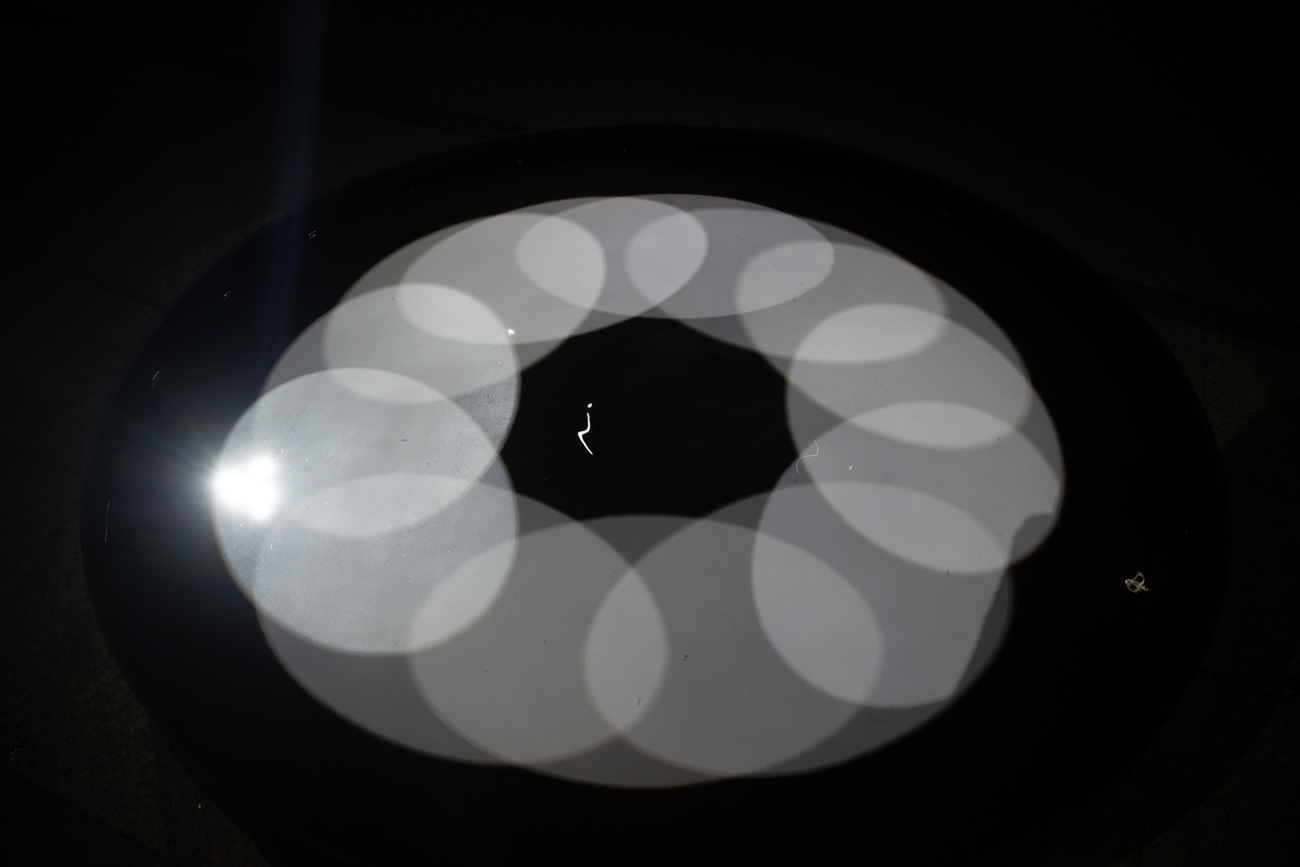
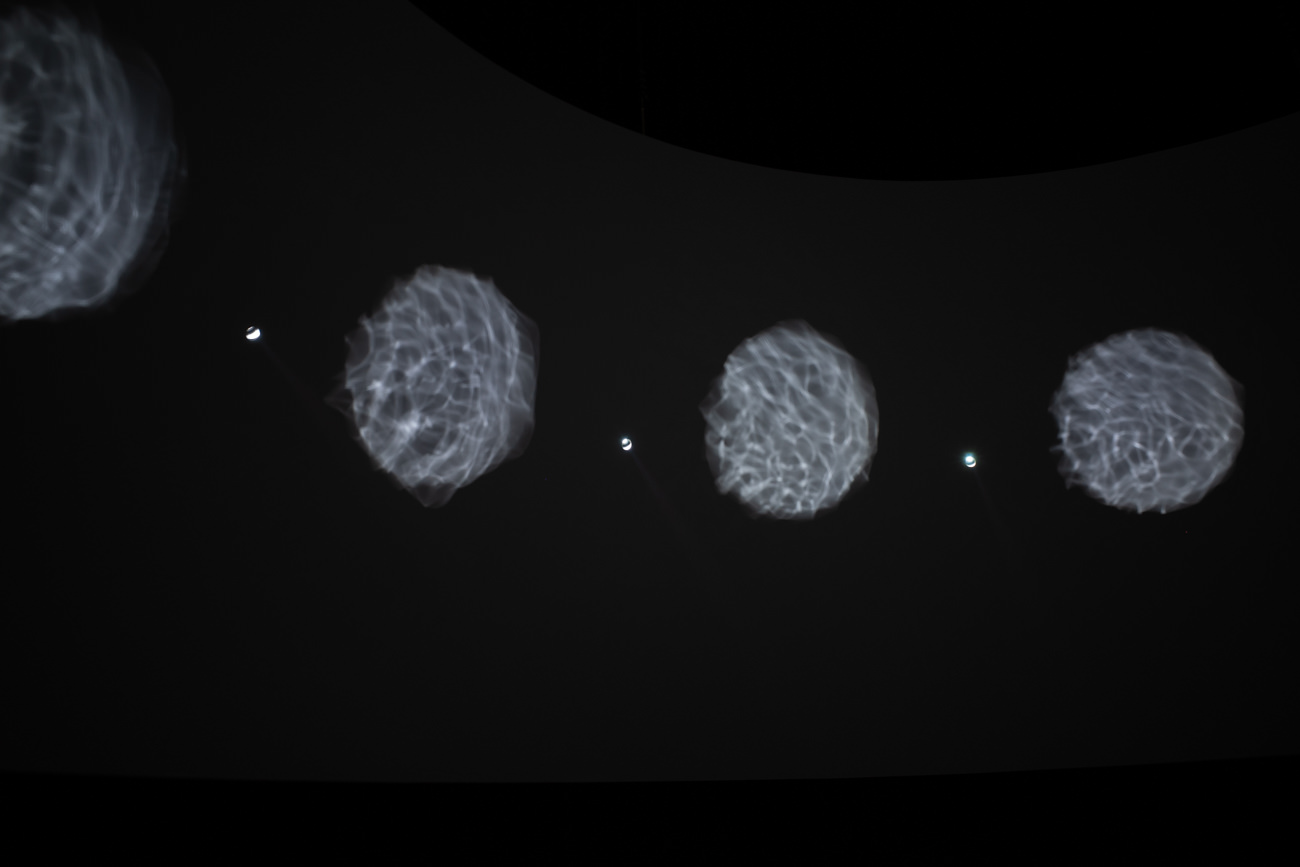
Eliasson sees the fluid situation of ripples — ever changing and gradually spreading — as an indispensable element for surpassing limits. Presenting a new way of engaging with the world, this piece is a new work created for the exhibition.
Sunlight Graffiti
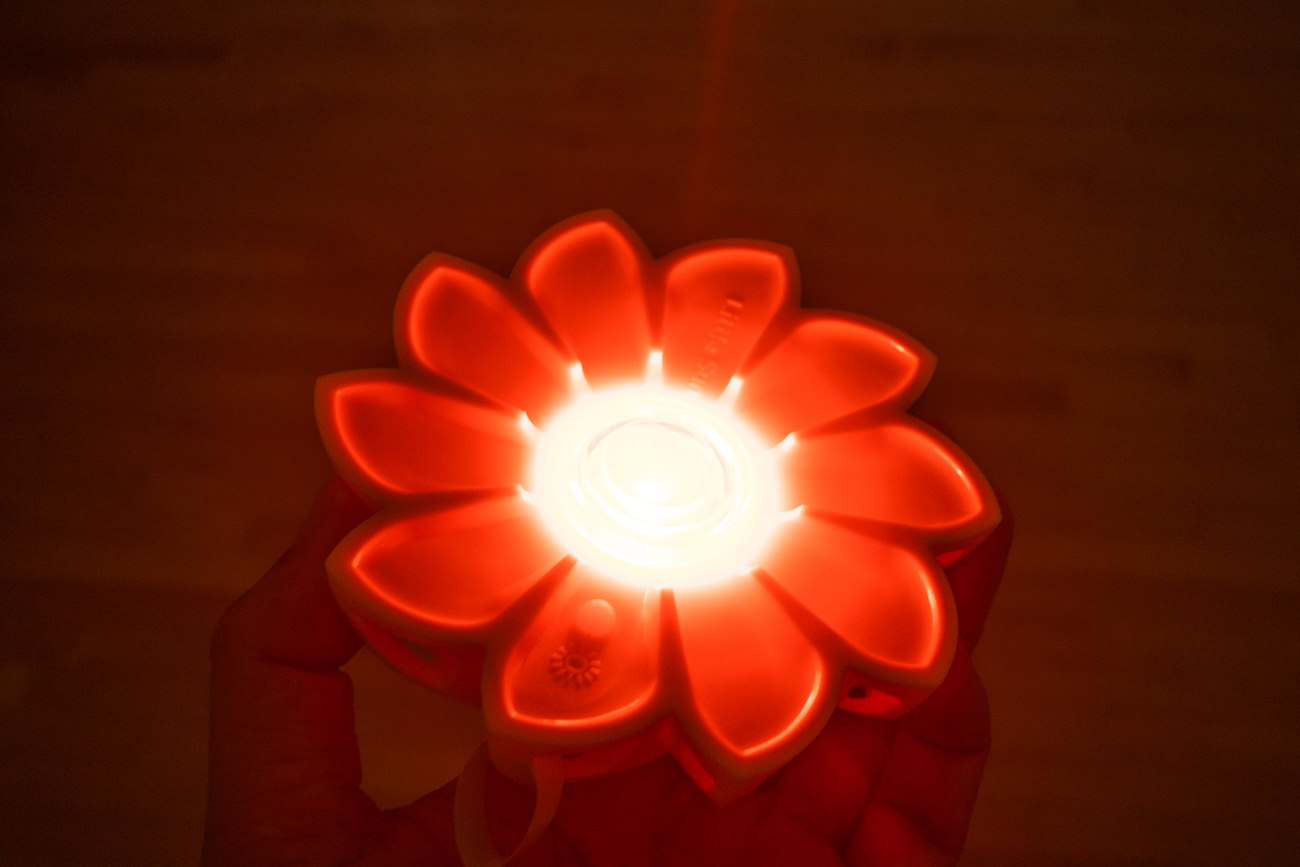
In 2012, Eliasson co-developed the portable solar light “Little Sun” with engineer Frederik Ottesen.
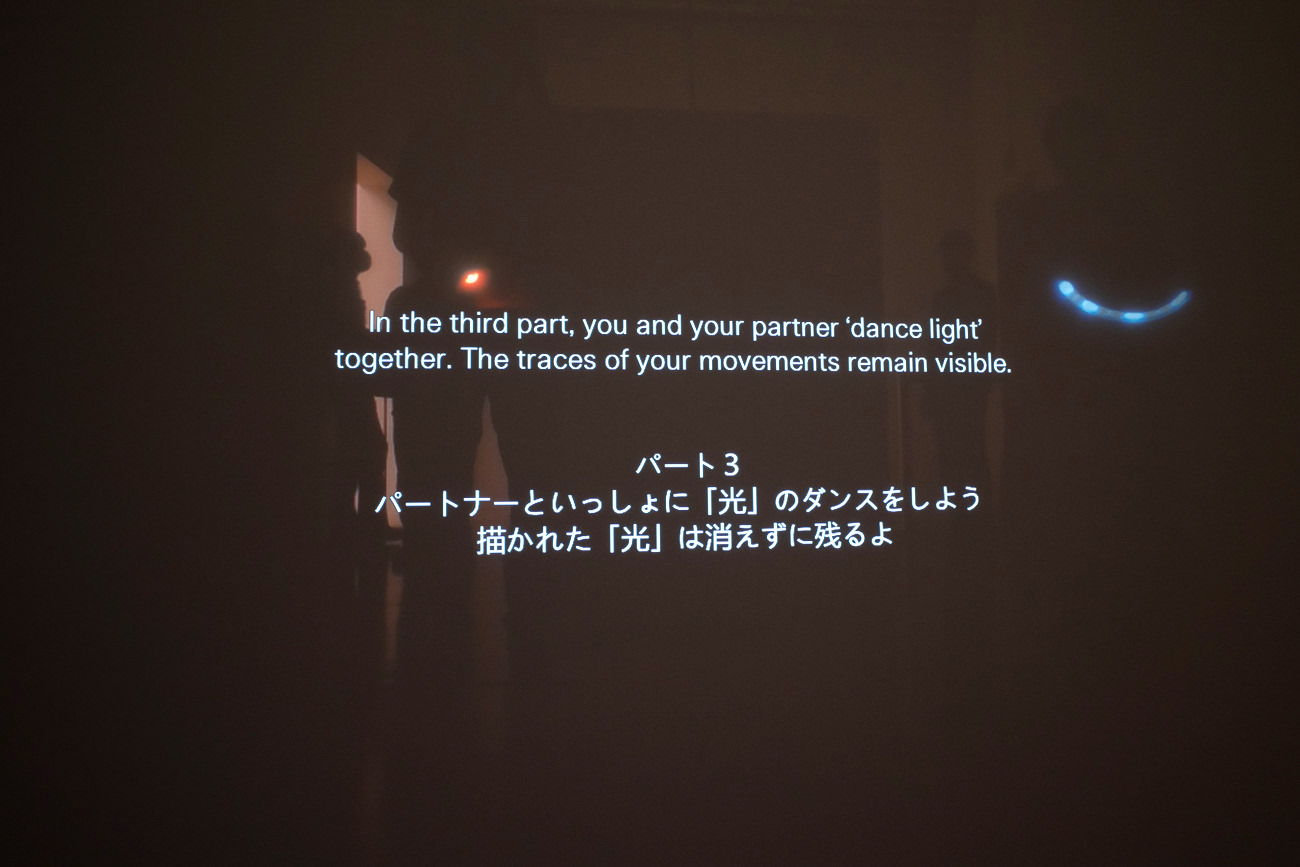
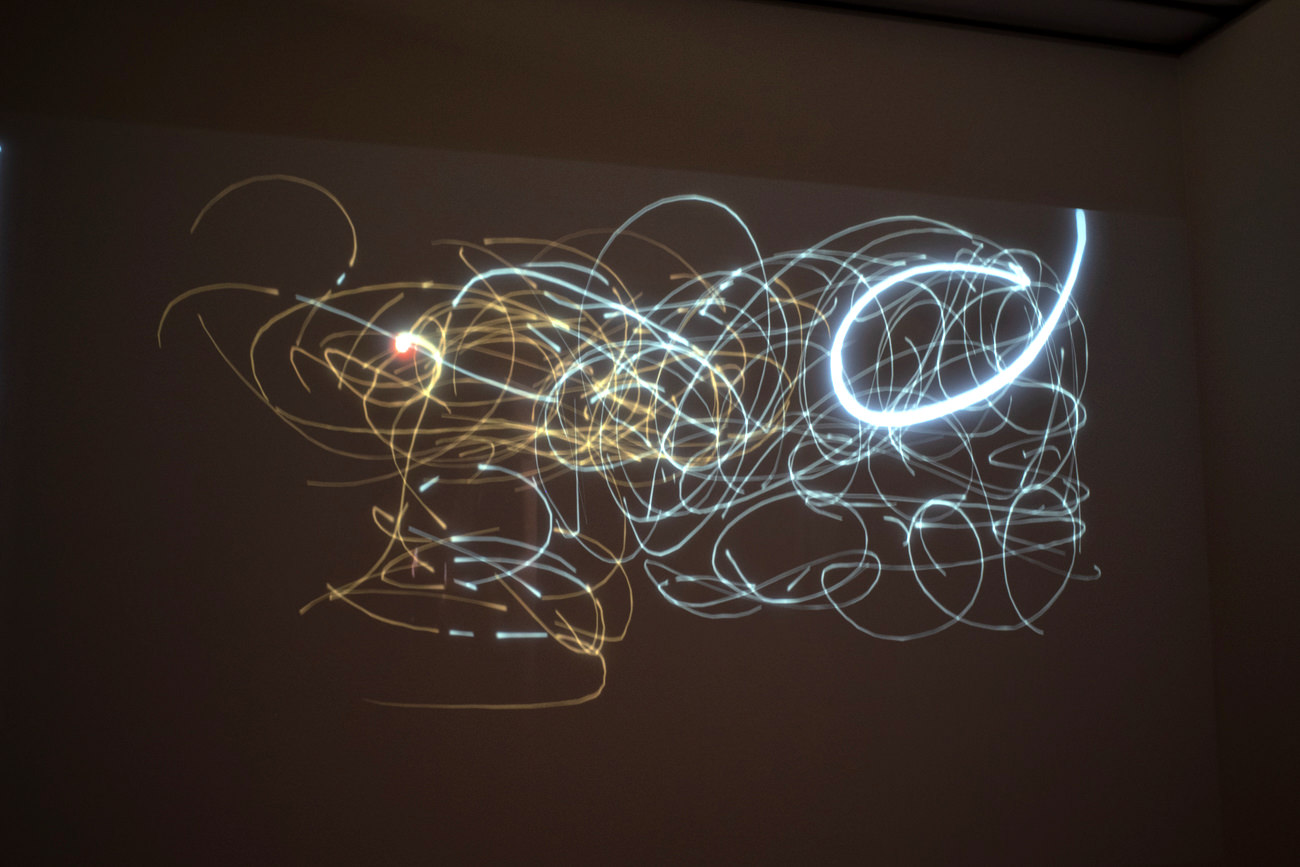
Movement of Your Light is a video work recording the bodily expressions of a dancer holding a Little Sun and the trajectories of its light. In Sunlight Graffiti, participants holding a Little Sun draw freely in space with light.

Beyond Human Resonator
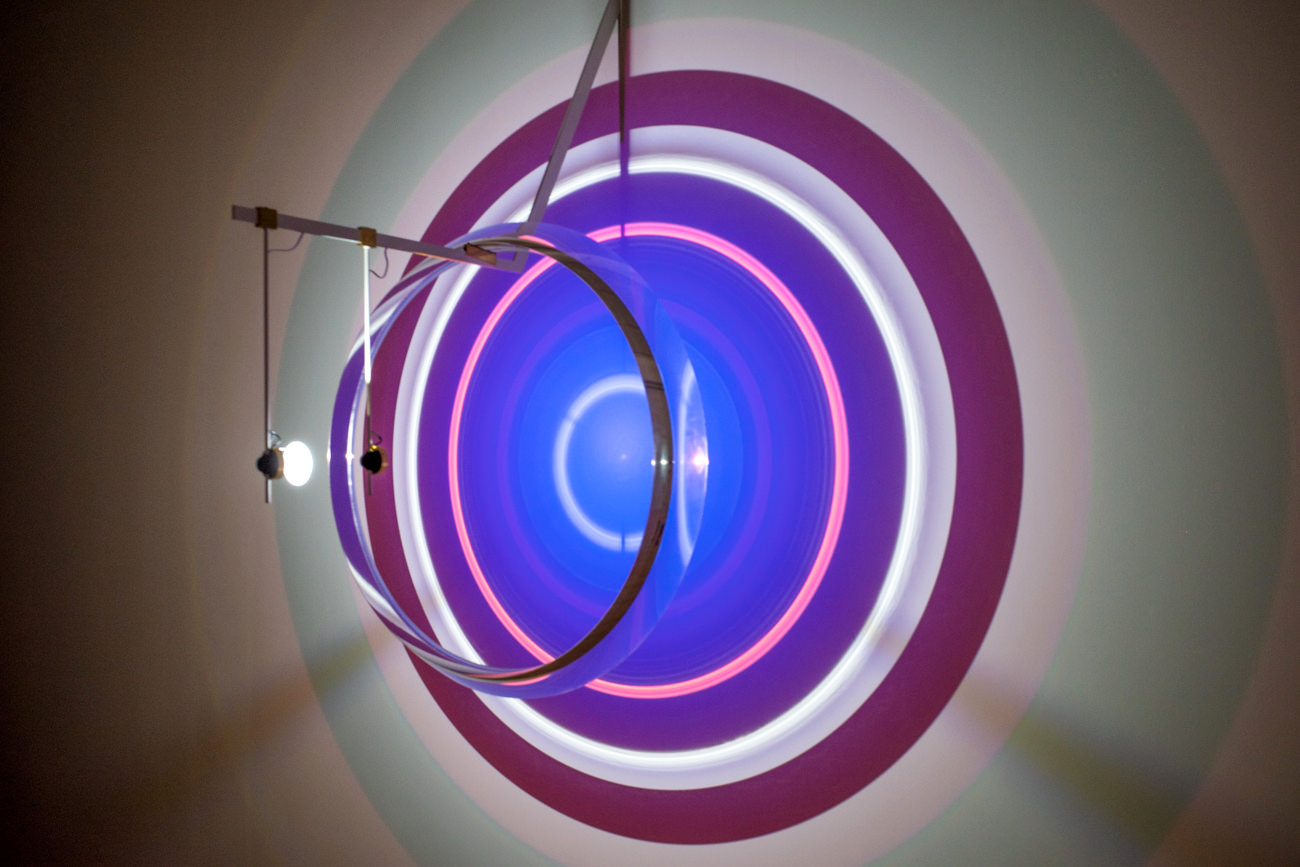
Beyond Human Resonator is a work in which light dispersed through a large glass ring paints concentric circles on the wall.
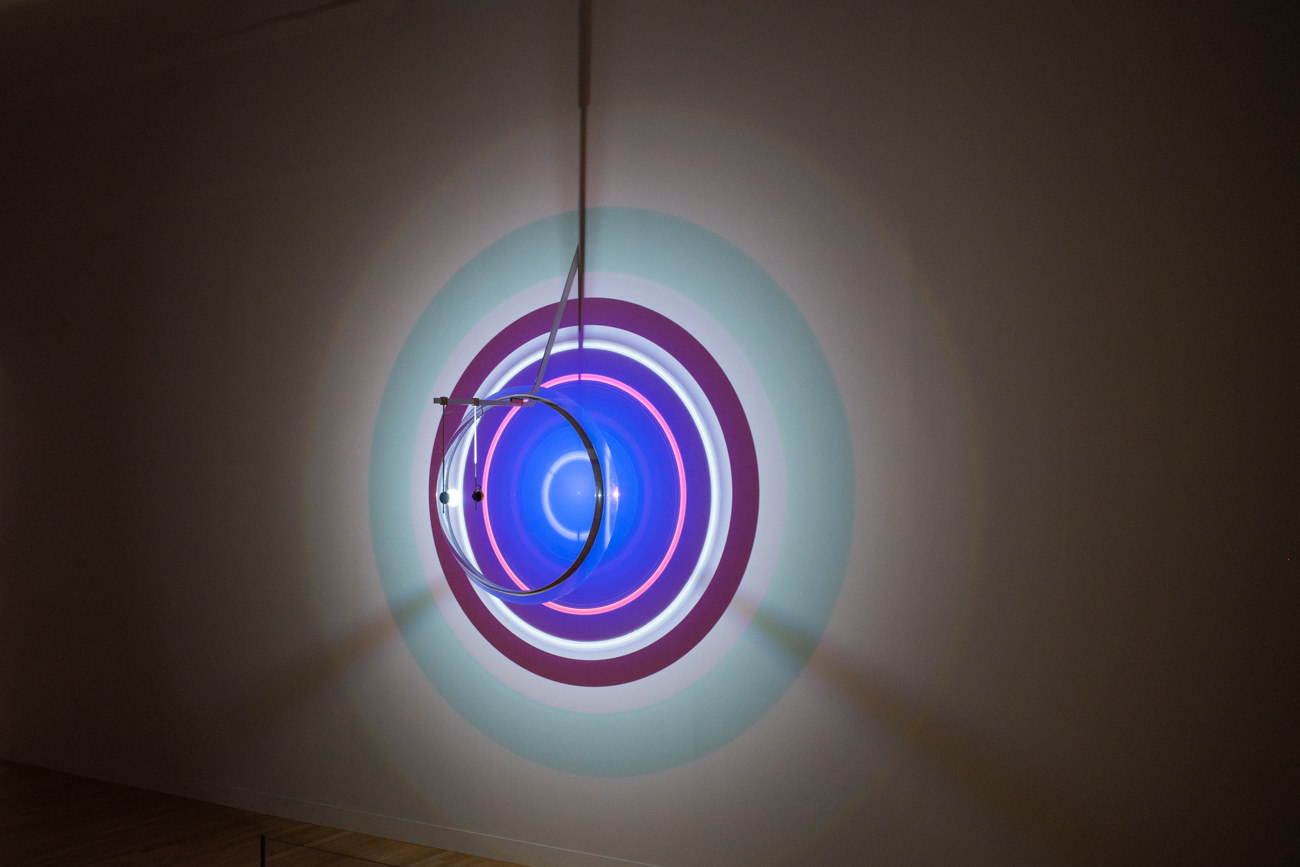
The work applies the mechanism by which a lighthouse casts bright light far across the dark sea, embodying a hallmark of Eliasson’s practice: eliciting great wonder in viewers through simple devices.
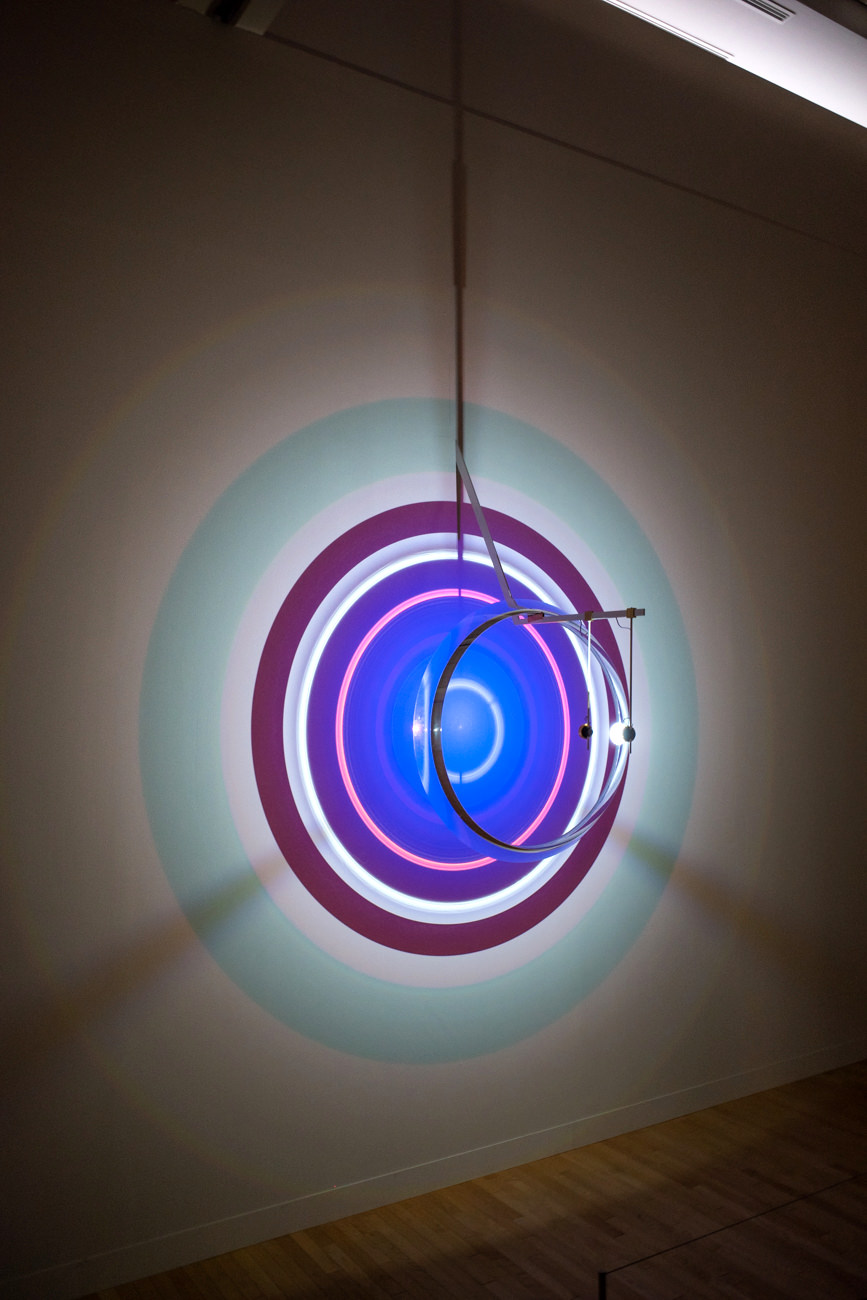
Light illuminates three slowly rotating circular glass panels, and multiple circles float upon the wall. The panels, of different sizes, are given a special coating that reflects light of a specific wavelength while transmitting its complementary color.
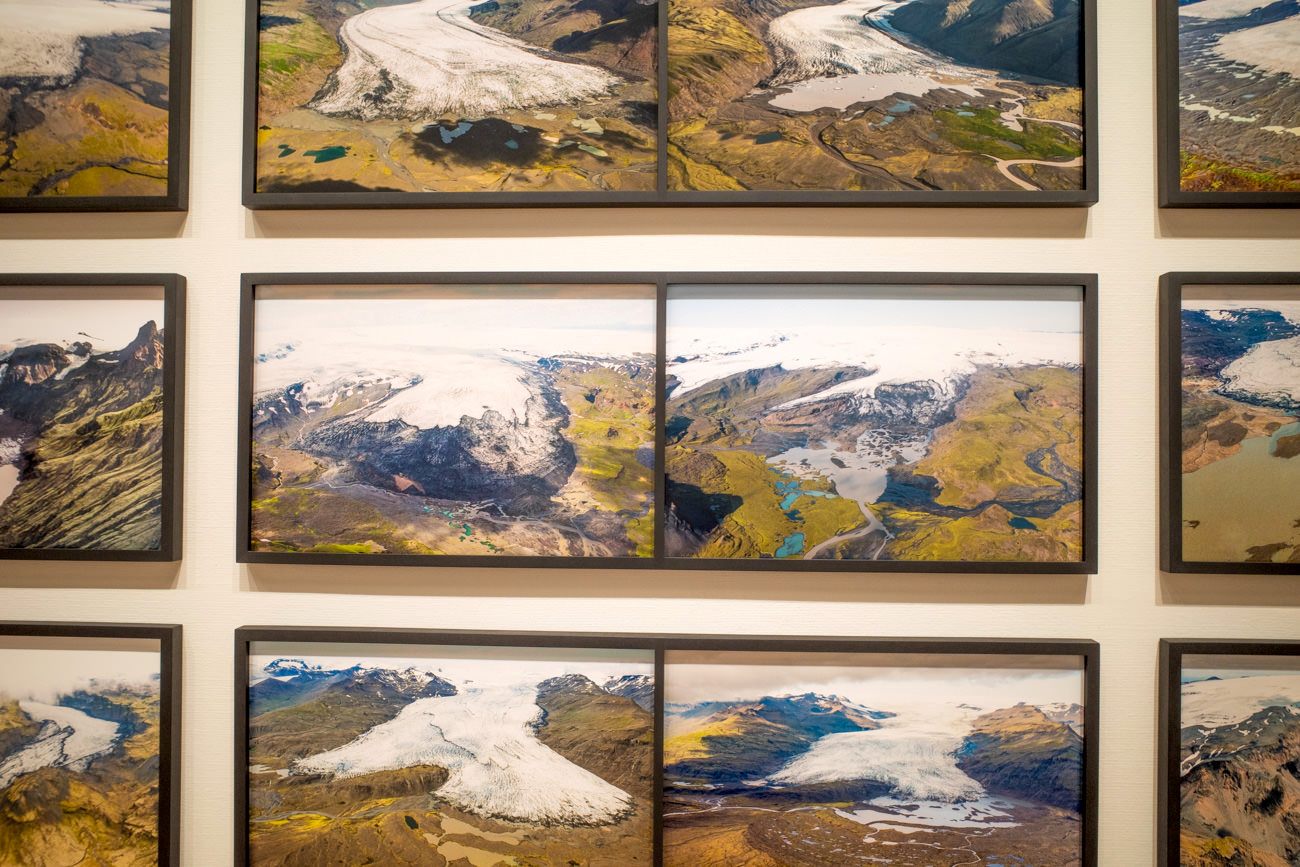
The Melting Glaciers Series 1999/2019
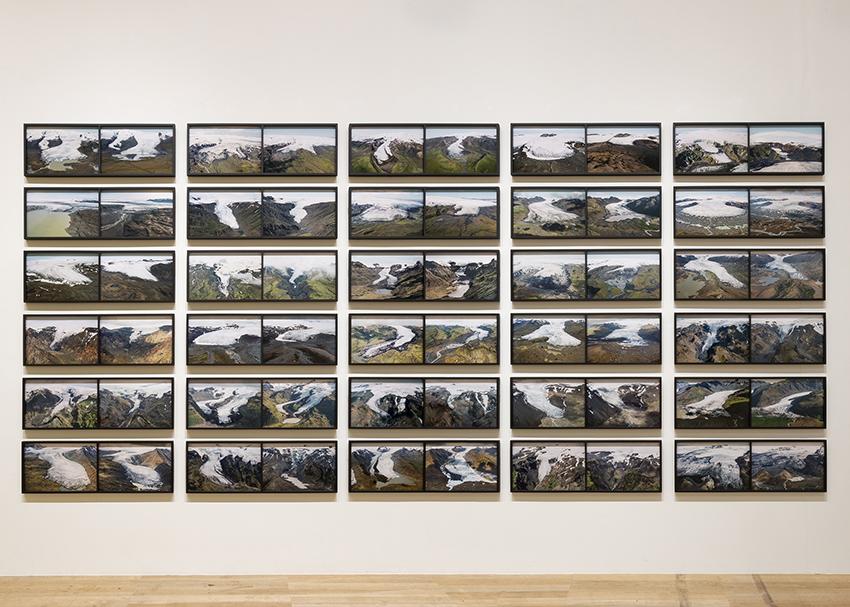
From his earliest work, Eliasson has documented Iceland’s natural features — glaciers, volcanoes, caves — in photographs. The 30-part work The Melting Glaciers Series 1999/2019 juxtaposes photographs taken from identical points in 1999 and 2019, making visible the retreat of glaciers over twenty years due to climate change.
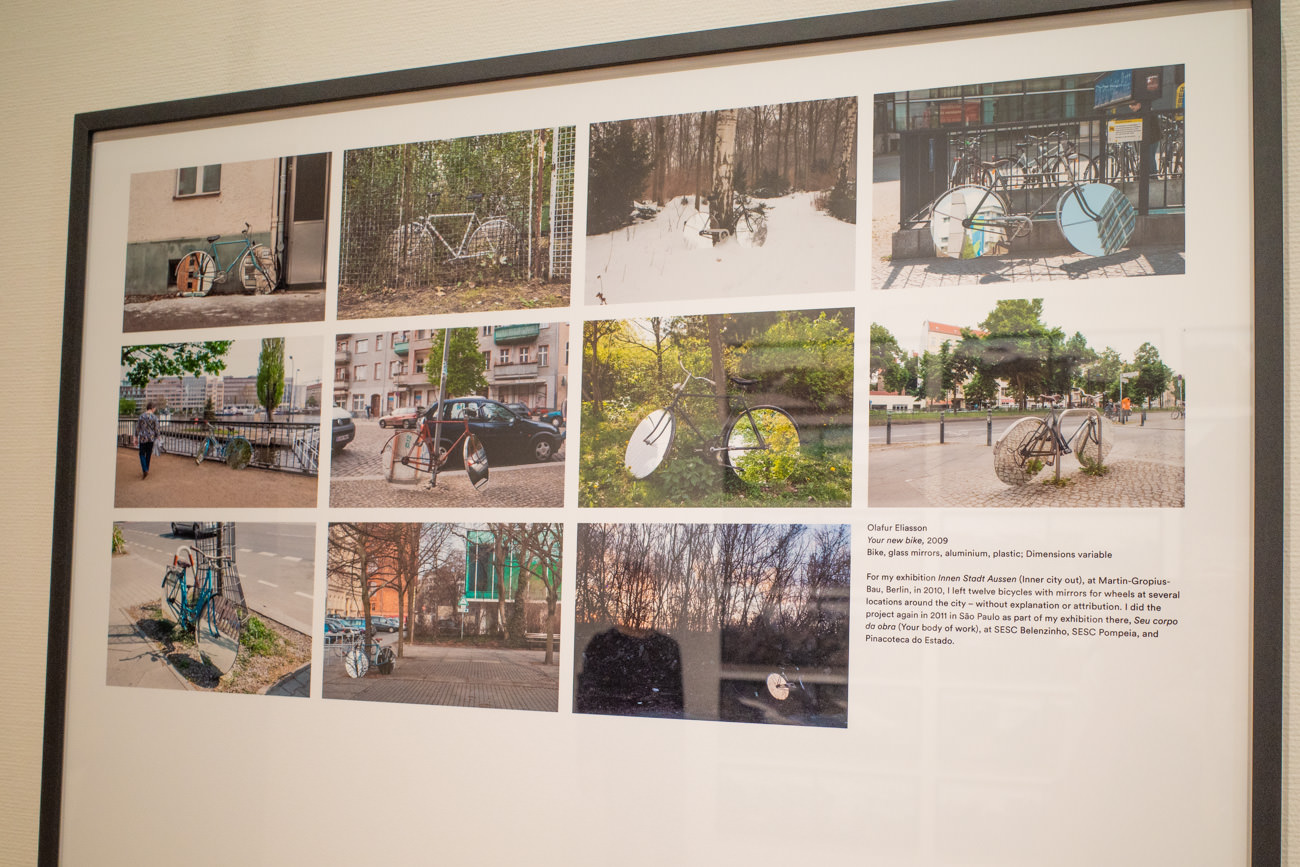
Documentation Photographs of Nine Public Projects
This work documents nine projects Eliasson has undertaken in public spaces. Common to all of them is the way they bring awareness to people by making visible what is otherwise unseen.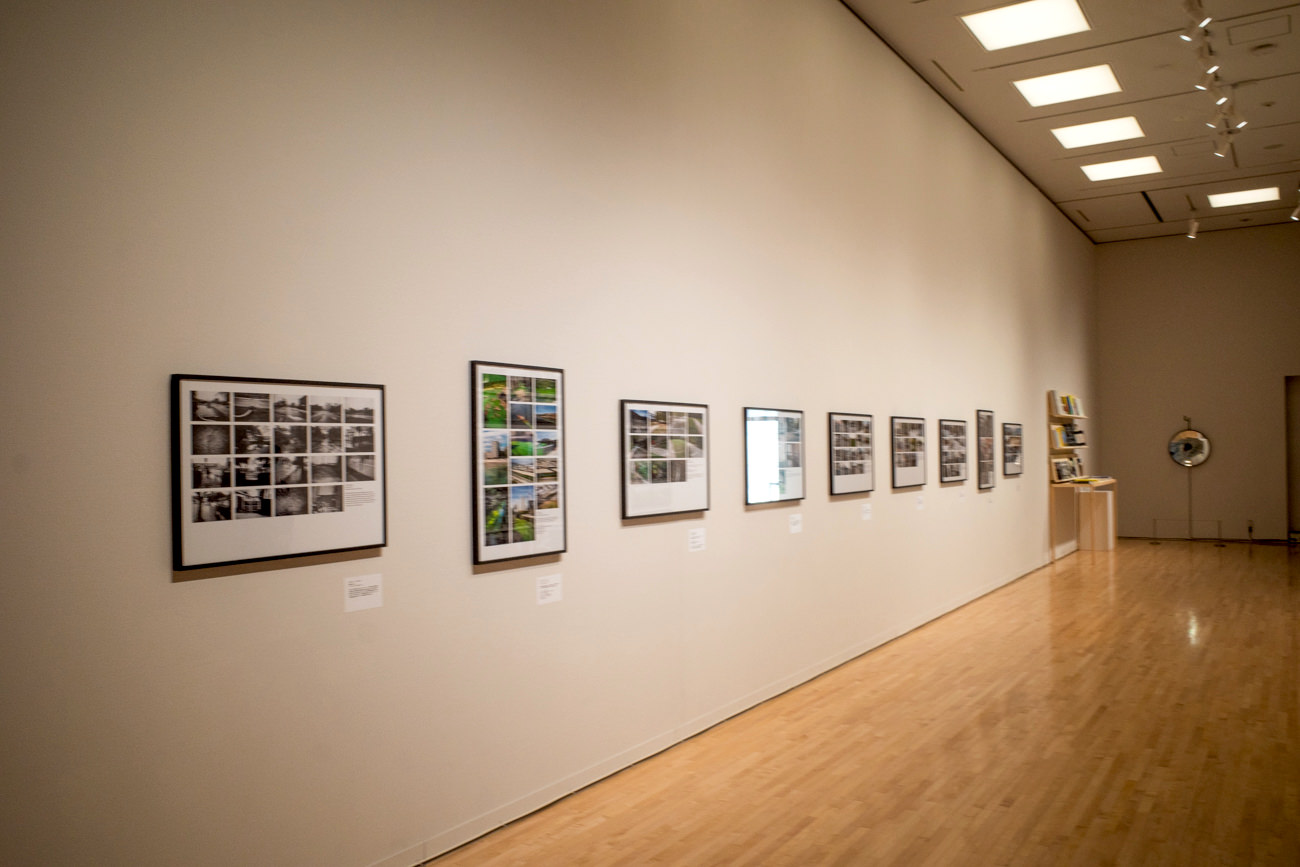
Installation view of Documentation Photographs of Nine Public Projects
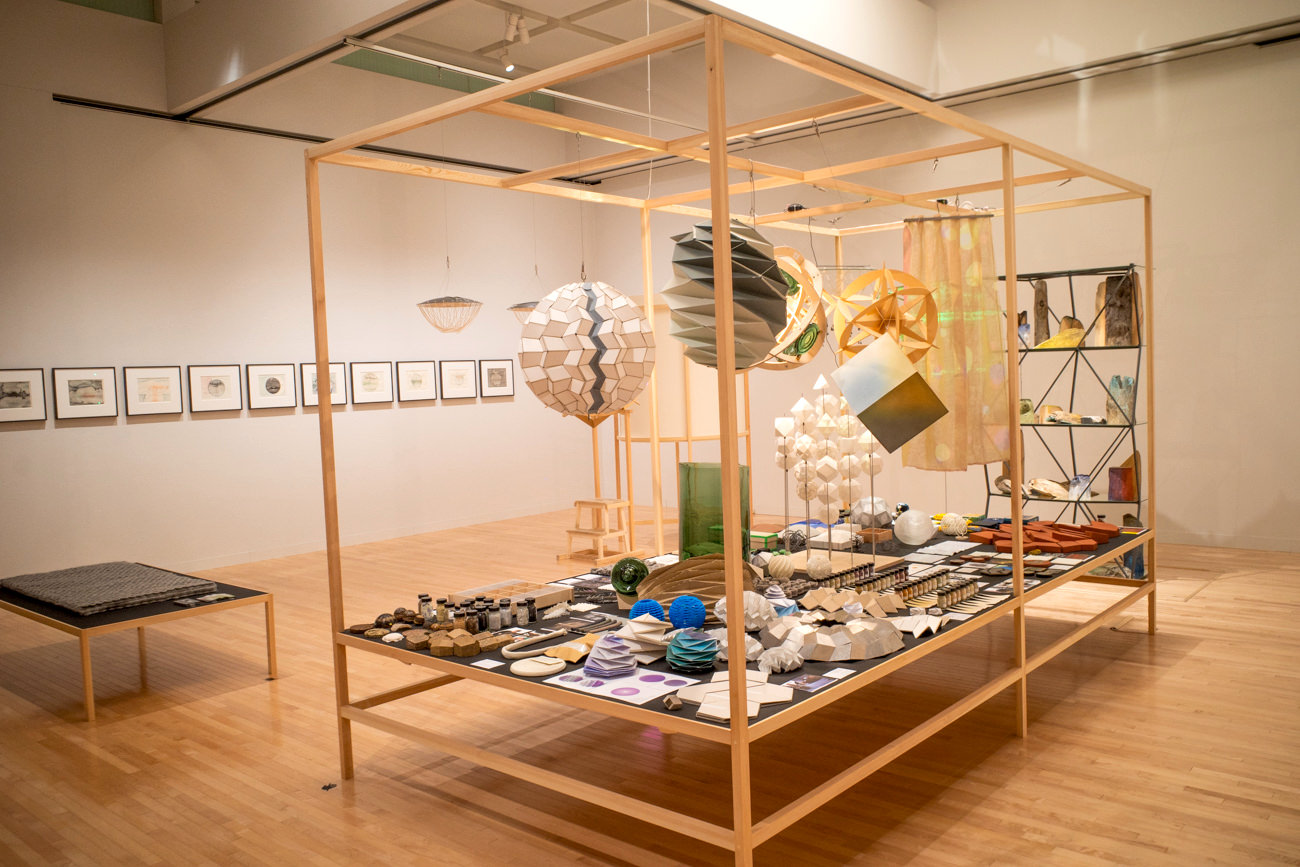
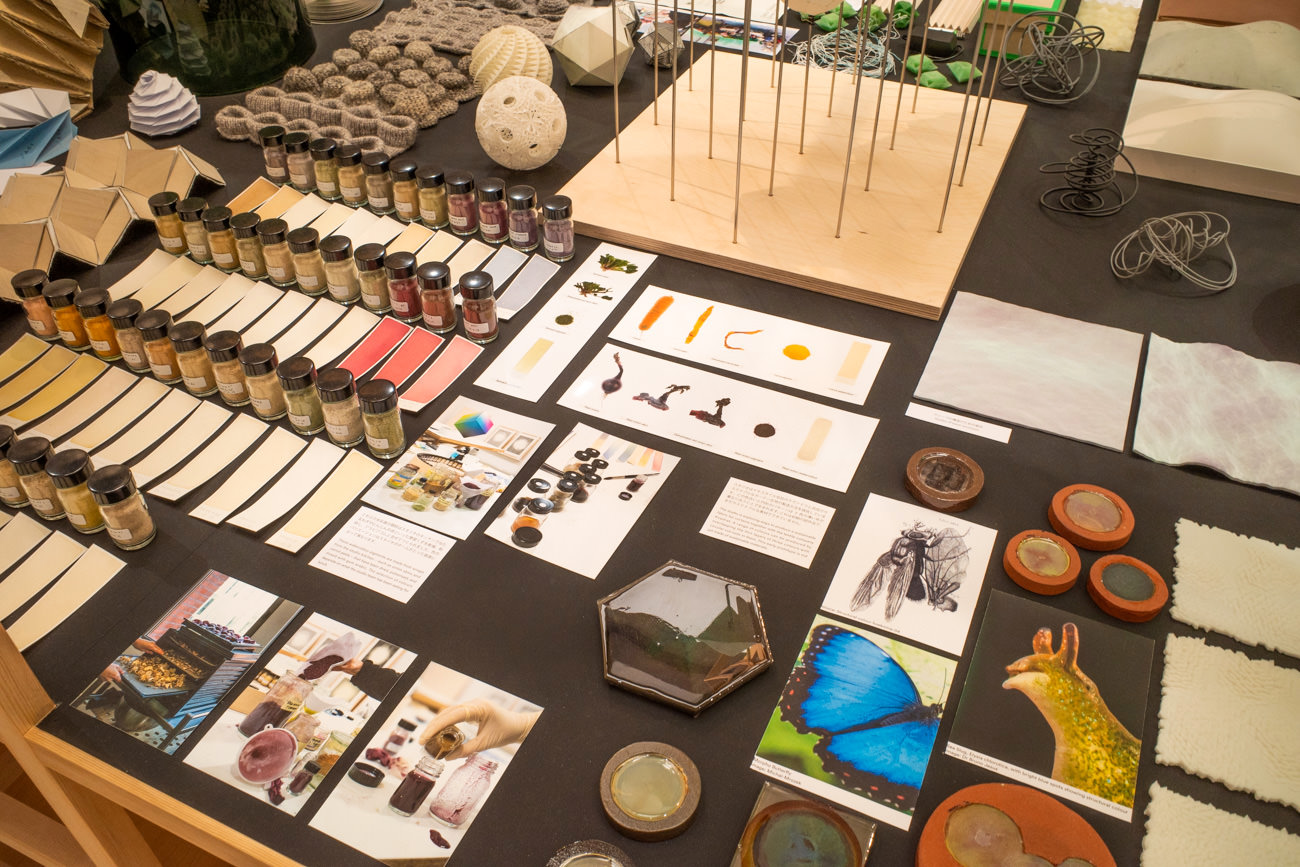
The Sustainability Laboratory
Through this exhibition, my awareness of the problems facing the Earth we inhabit, and of our own relationship to them, was newly awakened.
Empathizing with the message Olafur Eliasson conveys through his works, this was an exhibition that left me with a strong sense of urgency about these issues.