Eiko Ishioka: Blood, Sweat, and Tears — A Life of Design
The world’s first major retrospective of Eiko Ishioka (1938-2012), a Tokyo-born art director and designer who broke new ground across a wide range of fields and worked on the global stage, “Eiko Ishioka: Blood, Sweat, and Tears — A Life of Design,” will be held at the Museum of Contemporary Art Tokyo.
The exhibition surveys the era-defining early advertising campaigns as well as work stamped with her singular sensibility and passion — spanning film, opera, theater, circus, music video, and Olympic projects.
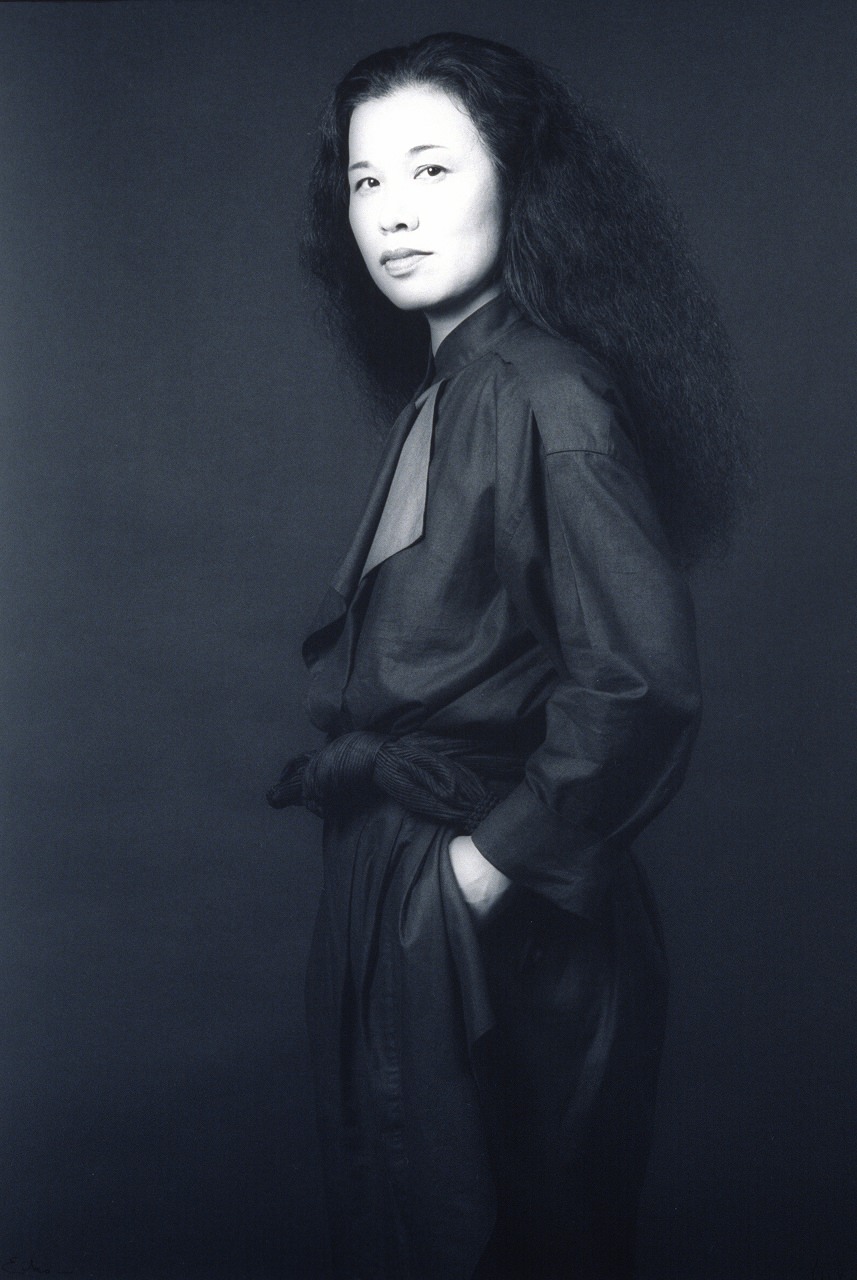
Eiko Ishioka
Born in Tokyo in 1938. Art director and designer.
After graduating from the Faculty of Fine Arts at Tokyo University of the Arts, she joined Shiseido. She distinguished herself with the summer campaign (1966) that became a social phenomenon. After going independent, she went on to work on numerous historic advertising campaigns for Parco, Kadokawa Shoten, and others.
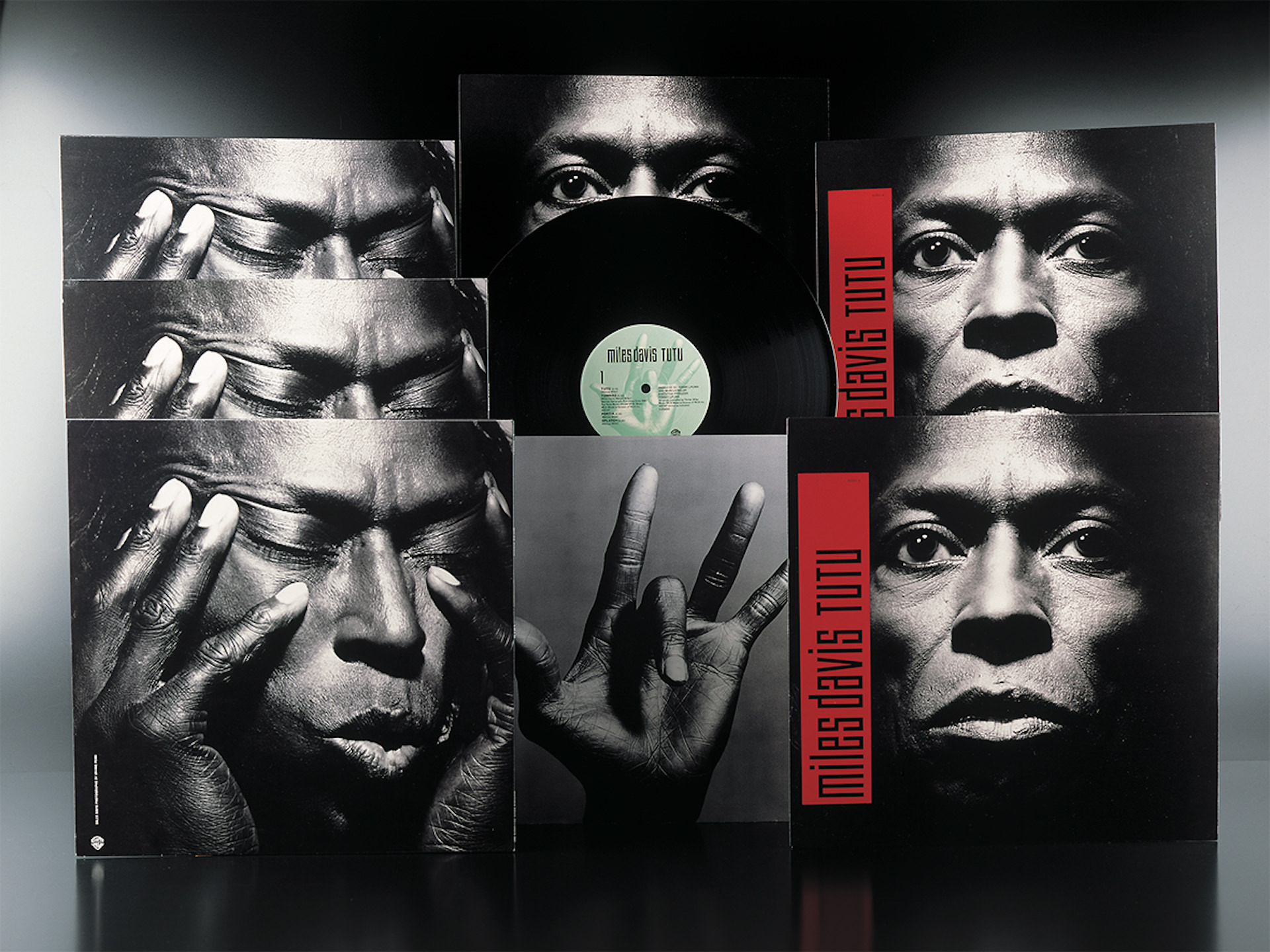
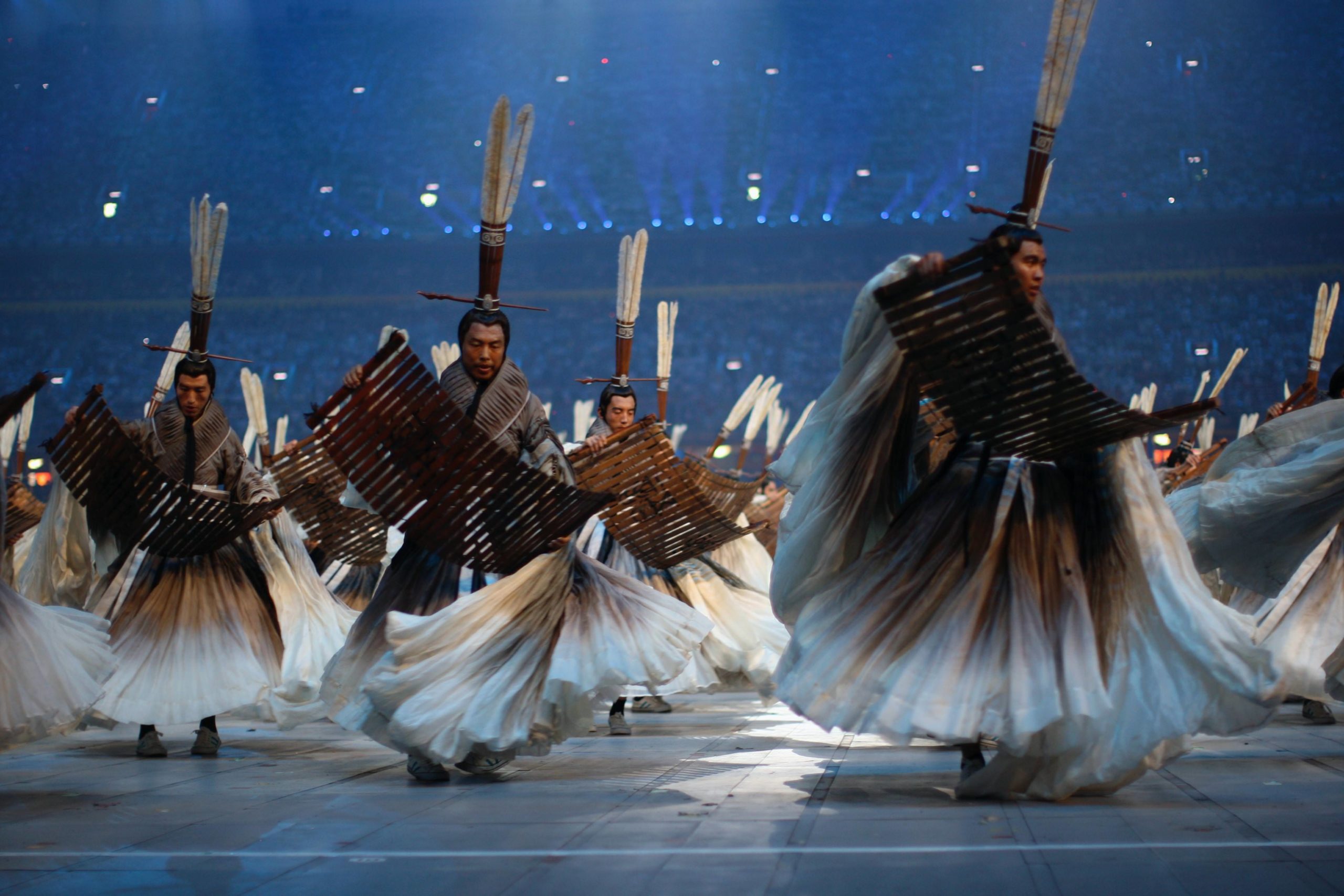
In the early 1980s, she moved her base to New York and worked across a wide range of fields including film, opera, circus, theater, and music video. She won a Grammy Award for the jacket design of Miles Davis’s “TUTU” (1987) and the Academy Award for Best Costume Design for the film “Dracula” (1993). She was in charge of costume design for the opening ceremony of the 2008 Beijing Olympics. She passed away in 2012.
Exhibition Highlights
A display that traces the design process through collaboration
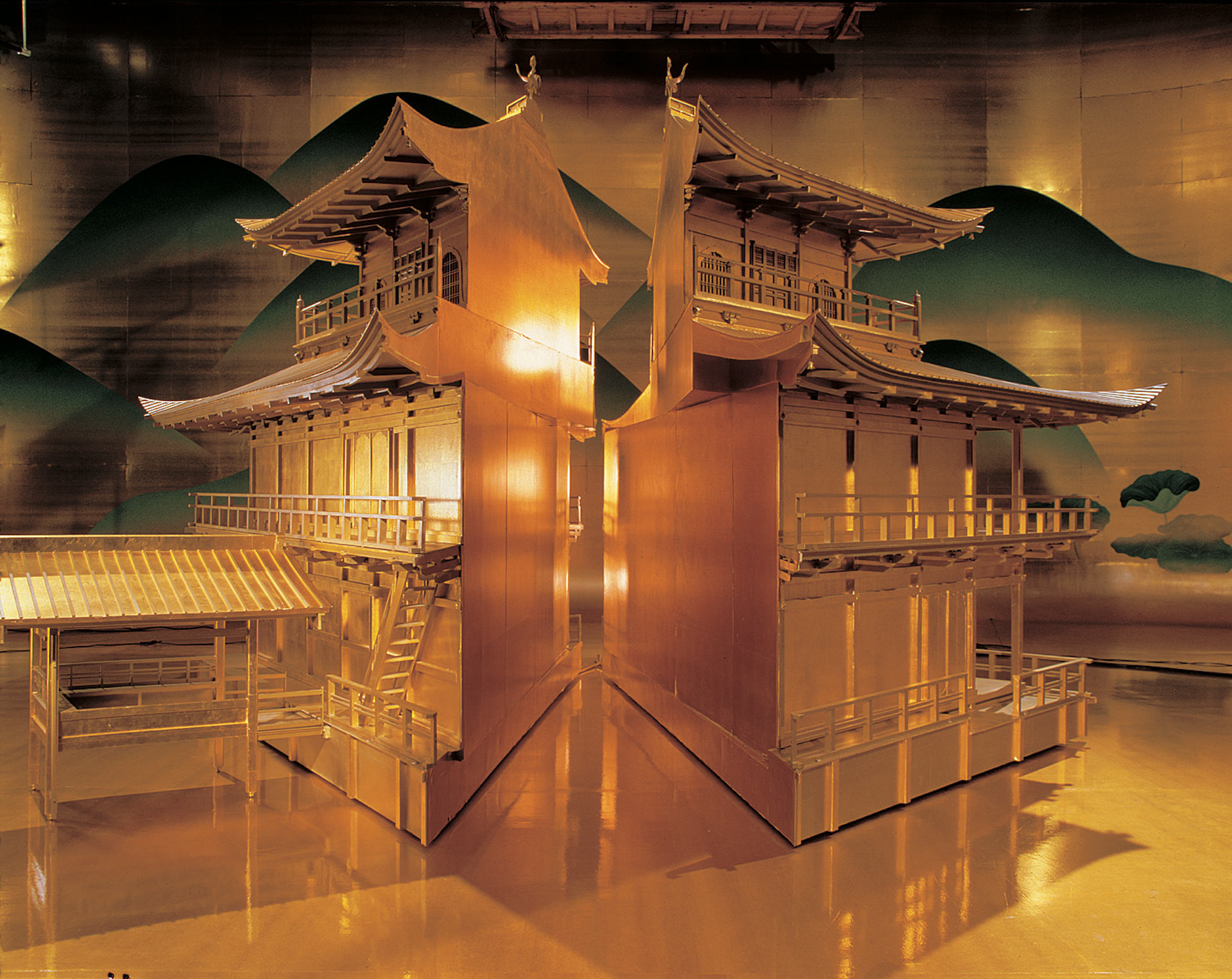
As vividly recounted in her autobiography “Watashi Design (Designing Myself),” Eiko Ishioka’s work was born through a continuous series of tension-filled collaborations with such renowned artists as Miles Davis, Leni Riefenstahl, Francis Ford Coppola, Björk, and Tarsem Singh. The exhibition traces “the Eiko Ishioka method” — her wager on how to exercise individual creativity within collective production — through a vast body of materials that reveal her design process, drawing back the curtain on her secrets.
An overwhelming, first-hand experience of Eiko Ishioka’s design through magnificent film costumes gathered from around the world
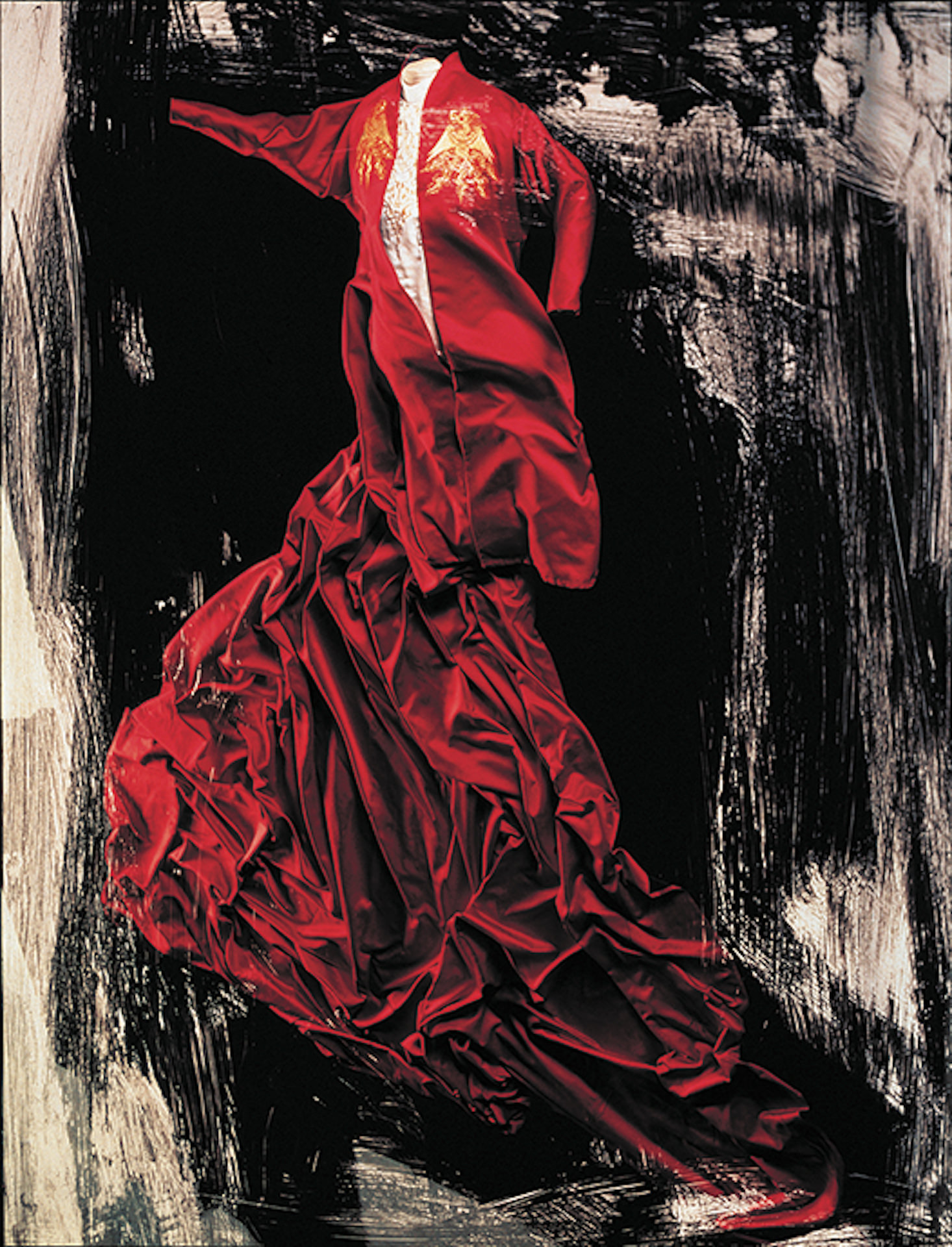
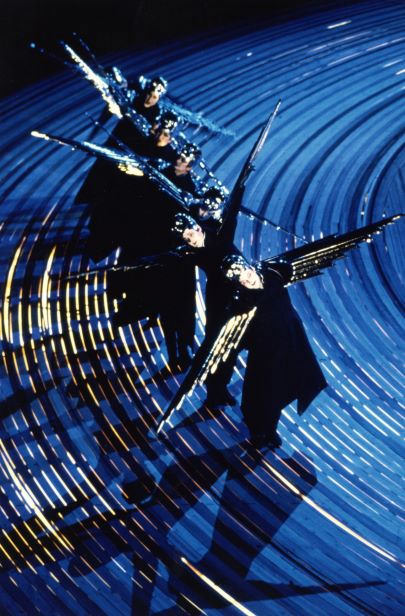
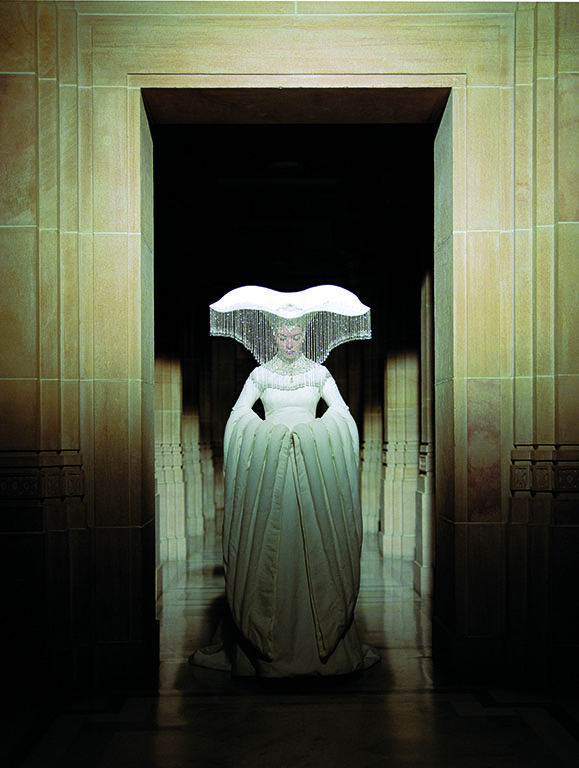
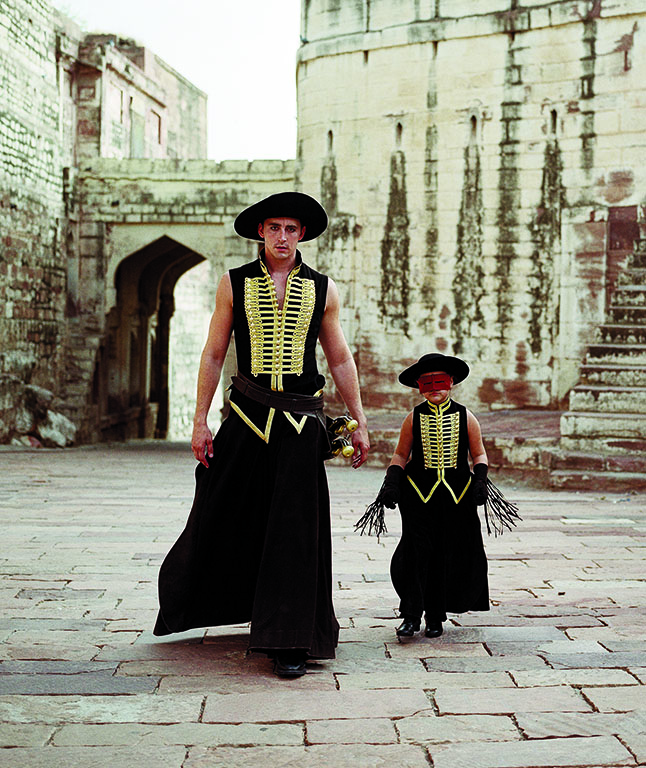
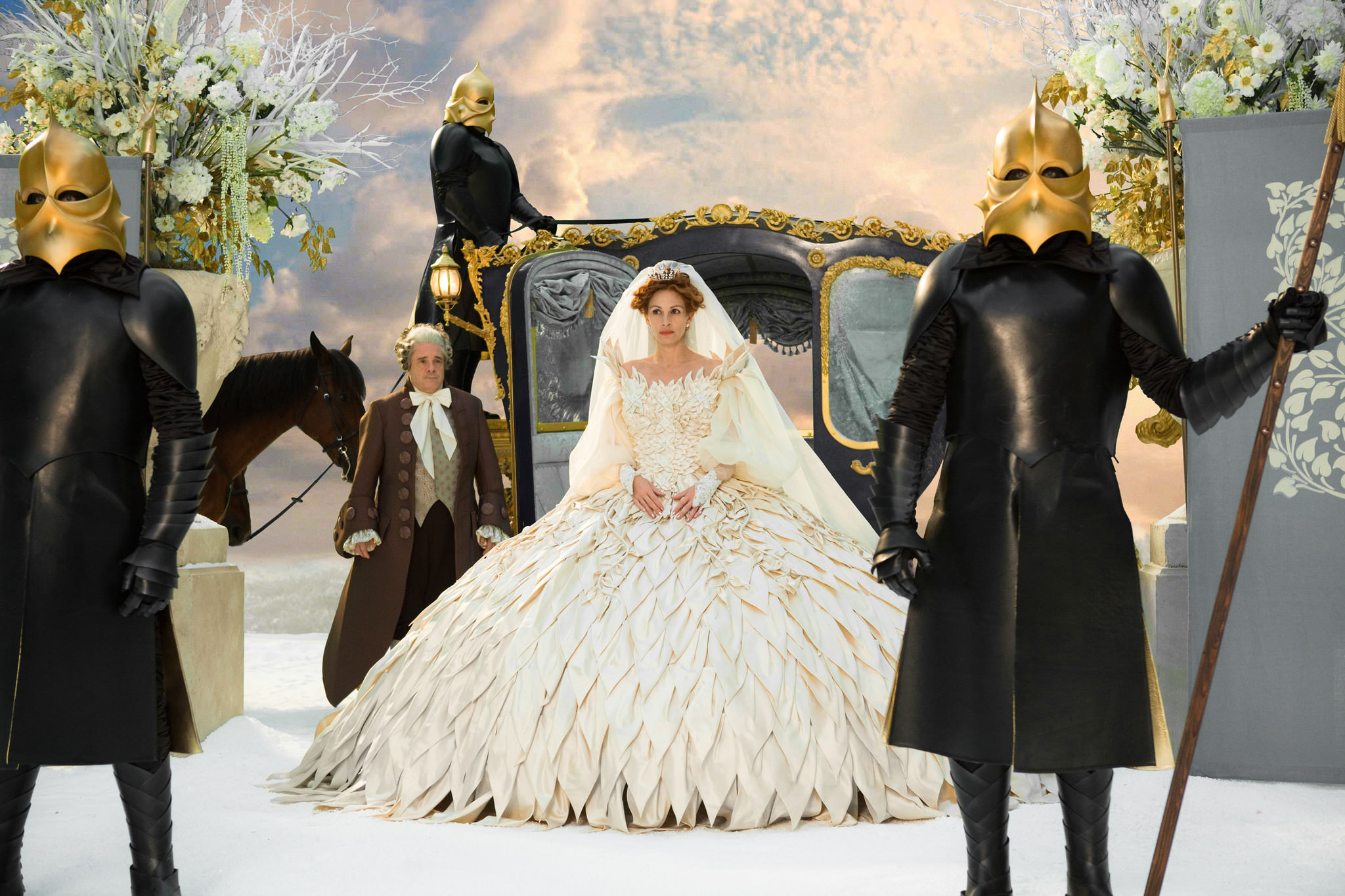
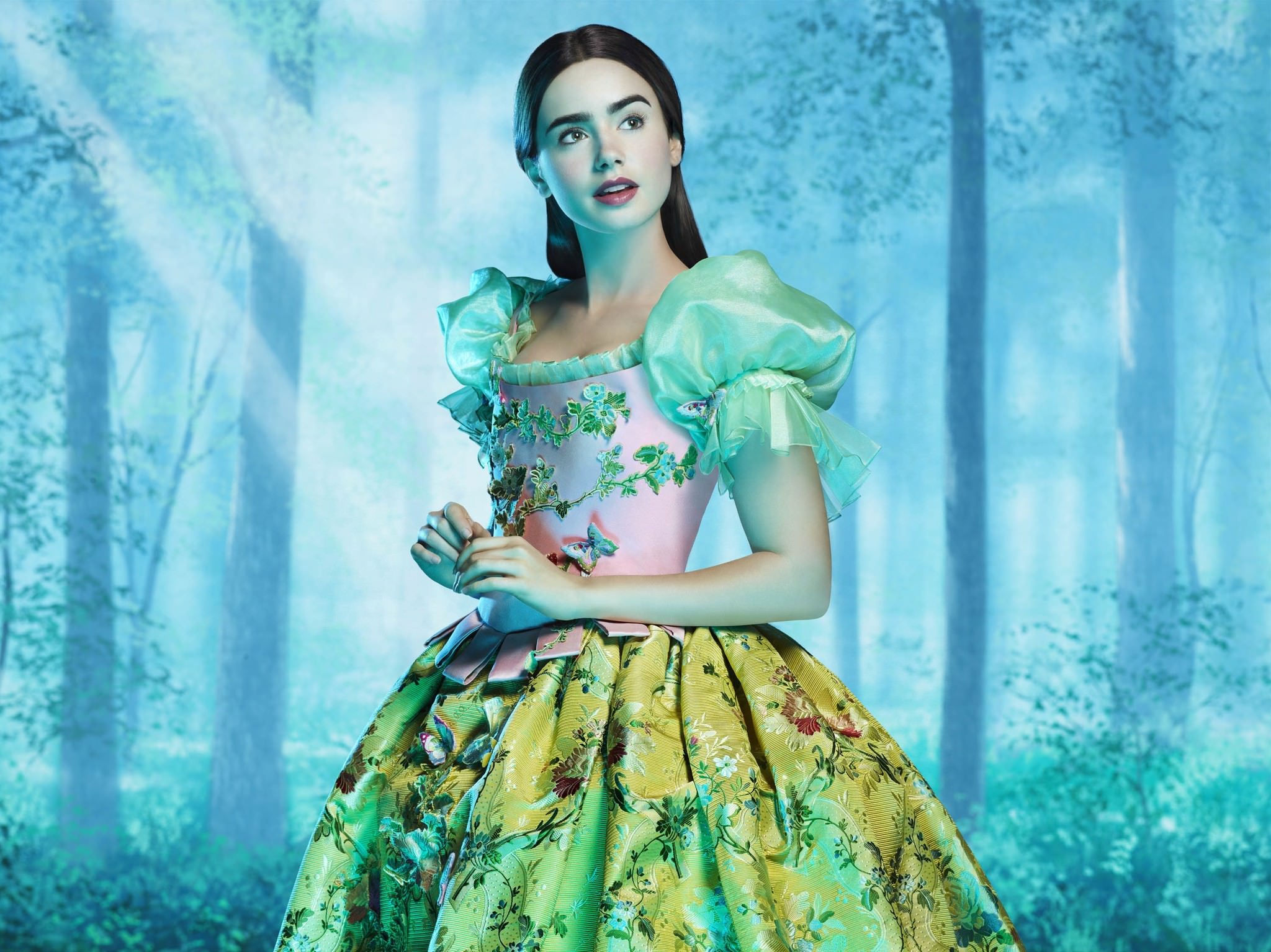
Rooted in the dynamism of the human body and driven by “red” as a key color, Eiko Ishioka’s work fuses visual impact with emotion. This exhibition presents her ongoing creative practice as a high-energy, immersive experience. Film and stage costumes gathered from the Academy in Hollywood and archives around the world — including the Academy Award-winning “Dracula” (1992), “The Fall” (2006), “Mirror Mirror” (2012), and the Dutch National Opera’s “Der Ring des Nibelungen” (1998-1999) — are also not to be missed.
Timeless, Original, Revolutionary… the creative power that opens up eras and crosses boundaries
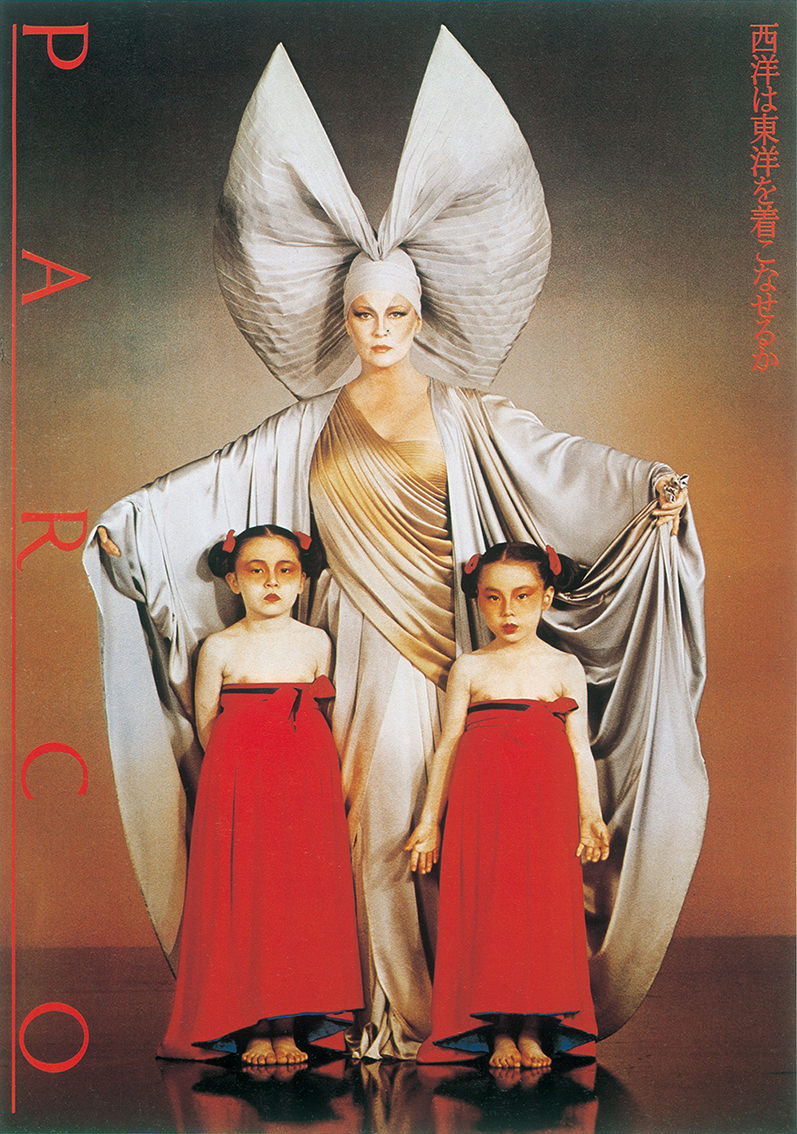
In a body of work that includes the Shiseido poster (1966) featuring Bibari Maeda — a monumental achievement in design history — and Parco’s advertising in the 1970s-80s, Eiko Ishioka presented liberated images of women and pioneered new eras by juxtaposing and blending Eastern and world cultures.
After moving her base overseas in 1980, she confronted challenges with “survive” as her watchword, taking on every design domain imaginable. Holding the three themes “Timeless, Original, Revolutionary” as the foundation of her design and continually expanding the possibilities of “I,” Eiko Ishioka’s work is sure to deliver a powerful message to us living in 2020.
Exhibition Structure
1 Timeless: Designing the Era
Eiko Ishioka updated existing frameworks such as gender, national borders, and ethnicity, proposing new ways of living through the visual language she directed at society. Through graphic, editorial, and product design, this section traces the maturation of Japanese mass culture via consumer behavior, from the high-economic-growth period of the 1960s through the 1980s. Her stance of designing the era while transcending it foreshadows her later development.
Projects
– Shiseido, Kadokawa Shoten, Parco advertising campaigns (posters, TV commercials, 1960s-1980s)
– Kadokawa Shoten “Yasei Jidai” (magazine, 1974-1978) and others
2 Fearless: Designing the Encounter
From the mid-1980s onward, through new encounters with creators, Eiko Ishioka expanded her sphere of activity from Japan to the world, while transcending the expressive domains of design — from graphic design and art direction to costume design and even production design. Confronting the question of how to preserve individual creative identity and exercise originality within the vast industry of entertainment, she opened up the possibilities of collaborative design.
Projects
– Collaboration with Leni Riefenstahl (exhibitions, books, etc. 1980/1991)
– Miles Davis “TUTU” (record album, 1986)
– “M. Butterfly” (theater, 1988)
– “Chushingura” (opera, 1997)
– “Mishima: A Life in Four Chapters” (film, 1985)
– “Dracula” (film, 1992) and others
3 Borderless: Designing the Unknown
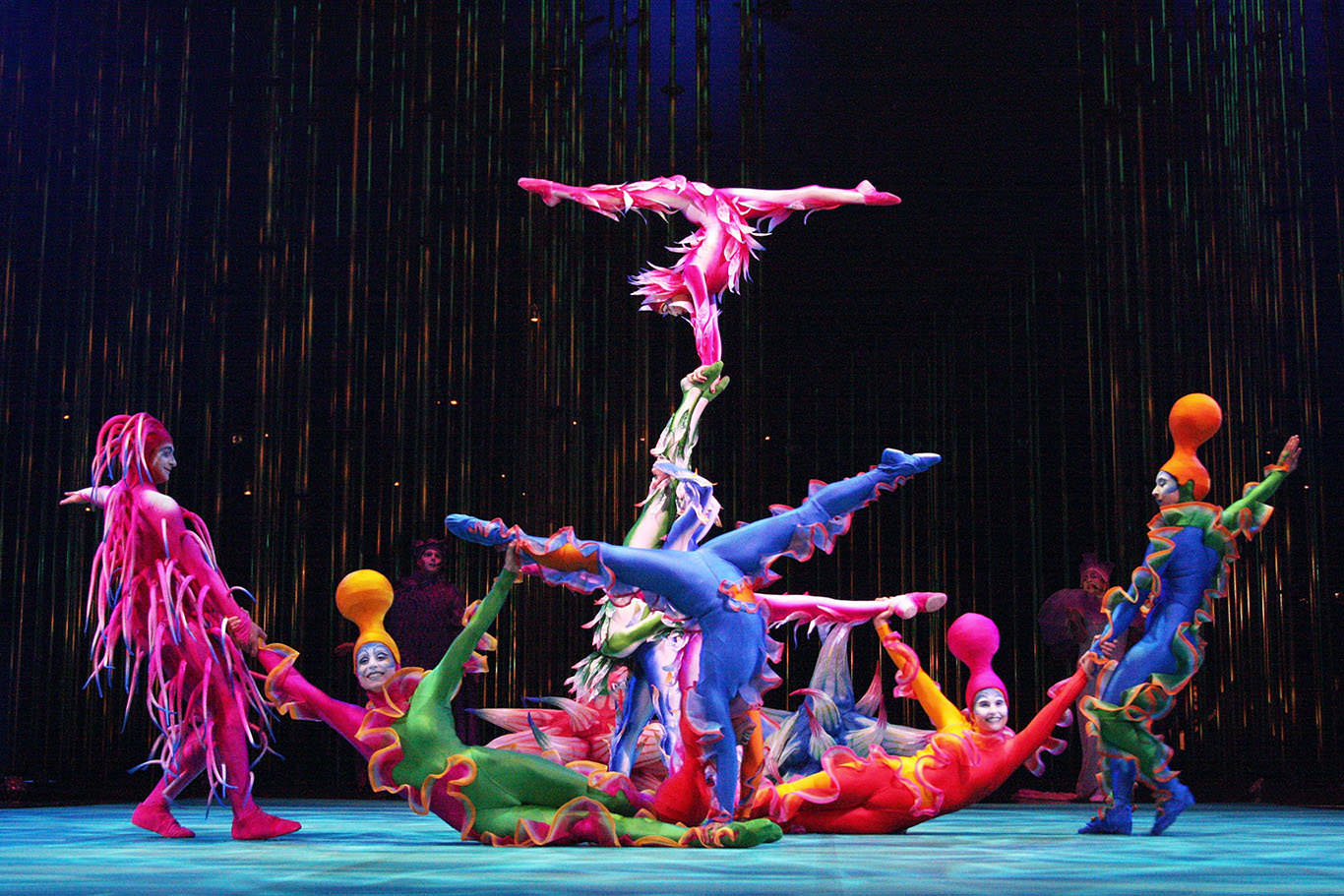
Through costumes for opera, film, and circus and uniforms for the Olympics, this section surveys work that expanded the body and designed unknown visual territories that transcended particular attributes such as ethnicity, era, and region. Building on universal themes such as eternity, rebirth, dreams, and adventure, her later work extended human possibility ever further — and mirrors Ishioka’s own life of continually crossing boldly into new territories.
Projects
– “The Cell” (film, 2000)
– “The Fall” (film, 2006)
– Grace Jones “Hurricane Tour” (concert tour, 2009)
– Cirque du Soleil “Varekai” (contemporary circus, 2002)
– Björk “Cocoon” (music video, 2001)
– Salt Lake City Olympics (uniform, 2002)
– Beijing Olympics (opening ceremony, 2008)
– “Der Ring des Nibelungen” (opera, 1998-1999)
– “Mirror Mirror” (film, 2012) and others
Overview
Eiko Ishioka
Blood, Sweat, and Tears — A Life of Design
Venue: Museum of Contemporary Art Tokyo, Exhibition Galleries 1F/B2F
Dates: November 14, 2020 (Sat) – February 14, 2021 (Sun)
Closed: Mondays (open on November 23 and January 11, 2021), November 24, December 28 – January 1, 2021, and January 12 Opening hours: 10:00-18:00 (last admission 30 minutes before closing)
Admission: Adults 1,800 yen / University and vocational school students, 65 and over 1,300 yen / Junior high and high school students 700 yen / Elementary school students and under free
Organized by: Tokyo Metropolitan Foundation for History and Culture, Museum of Contemporary Art Tokyo; The Yomiuri Shimbun; The Japanese Association of Museums
Sponsored by: Lion, Dai Nippon Printing, Sompo Japan, Nippon Television Network, Parco and others (planned)
With the cooperation of: DNP Foundation for Cultural Promotion, Gekidan Shiki, Shiseido, Shichisai and others (planned)
*Please check the museum website for the latest information.