exhibition

[Jam Session] Tomoko Konoike "Flip" at Artizon Museum

【ジャム・セッション】鴻池朋子「ちゅうがえり」 アーティゾン美術館

[Jam Session] Tomoko Konoike “Flip”

“Jam Session” is a program in which the Ishibashi Foundation Collection and contemporary artists perform together.
This time I visited “Flip,” the first in the series, organized with Tomoko Konoike as the invited artist. The venue is the Artizon Museum.
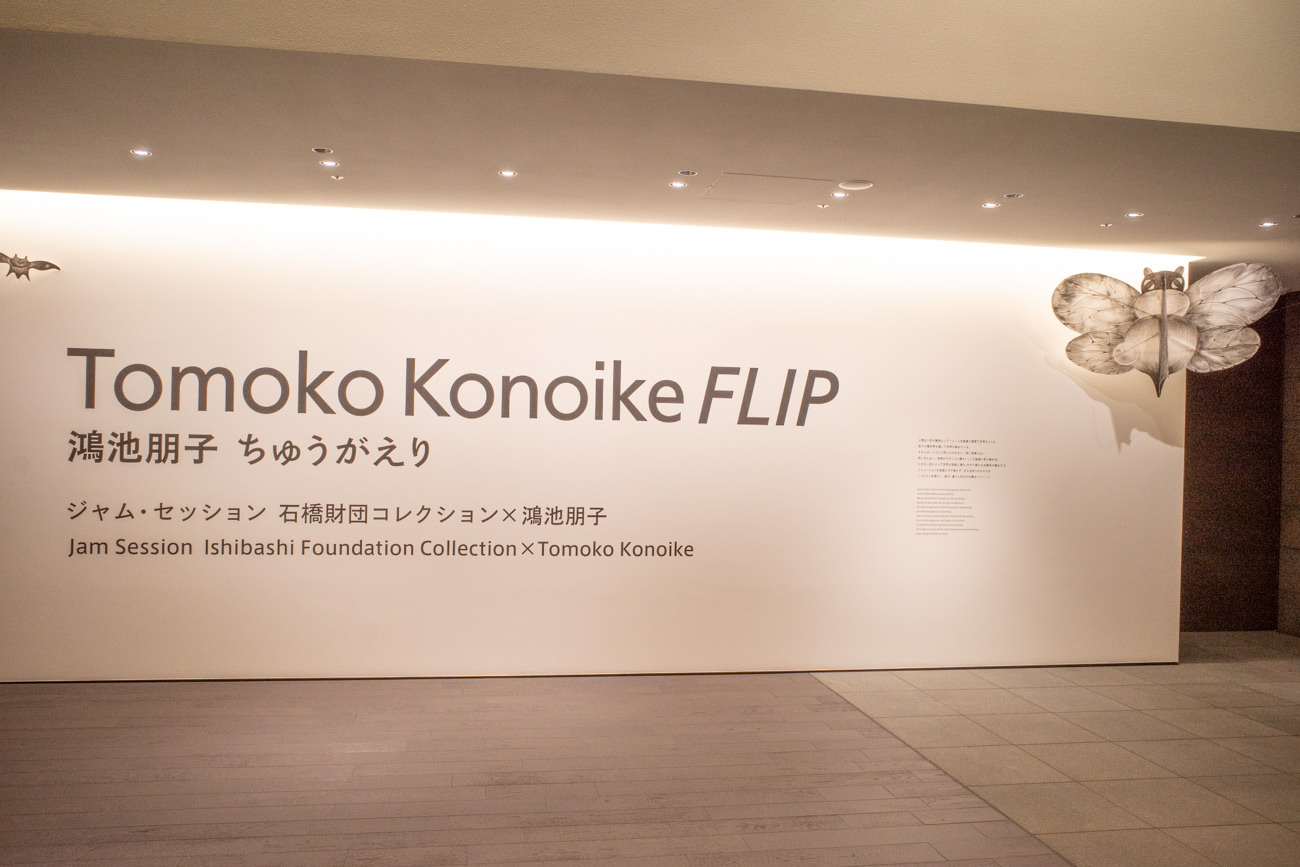
Tomoko Konoike "Flip," Artizon Museum
Tomoko Konoike “Flip,” Artizon Museum

The title “Flip” (in Japanese written in hiragana) was chosen by Konoike because she wanted a title that carried as little meaning as possible — something more like an animal cry — and the hiragana script was used to strip meaning away as much as possible.
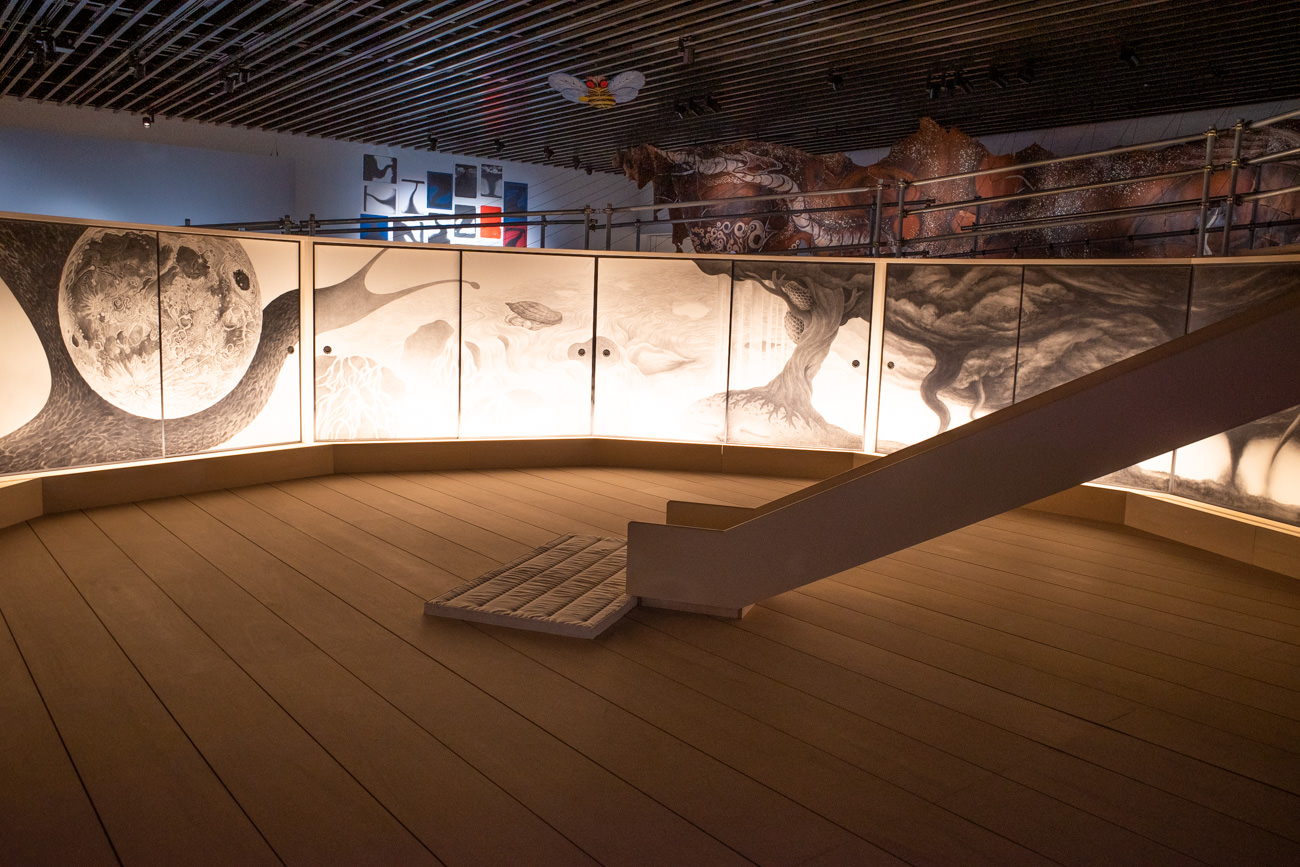
Installation view
Installation view

The exhibition presents two large-scale works that had previously been shown in regional venues.
One is “Dream Hunting Grounds,” originally exhibited in her solo show “Hunter Gatherer” in Akita.
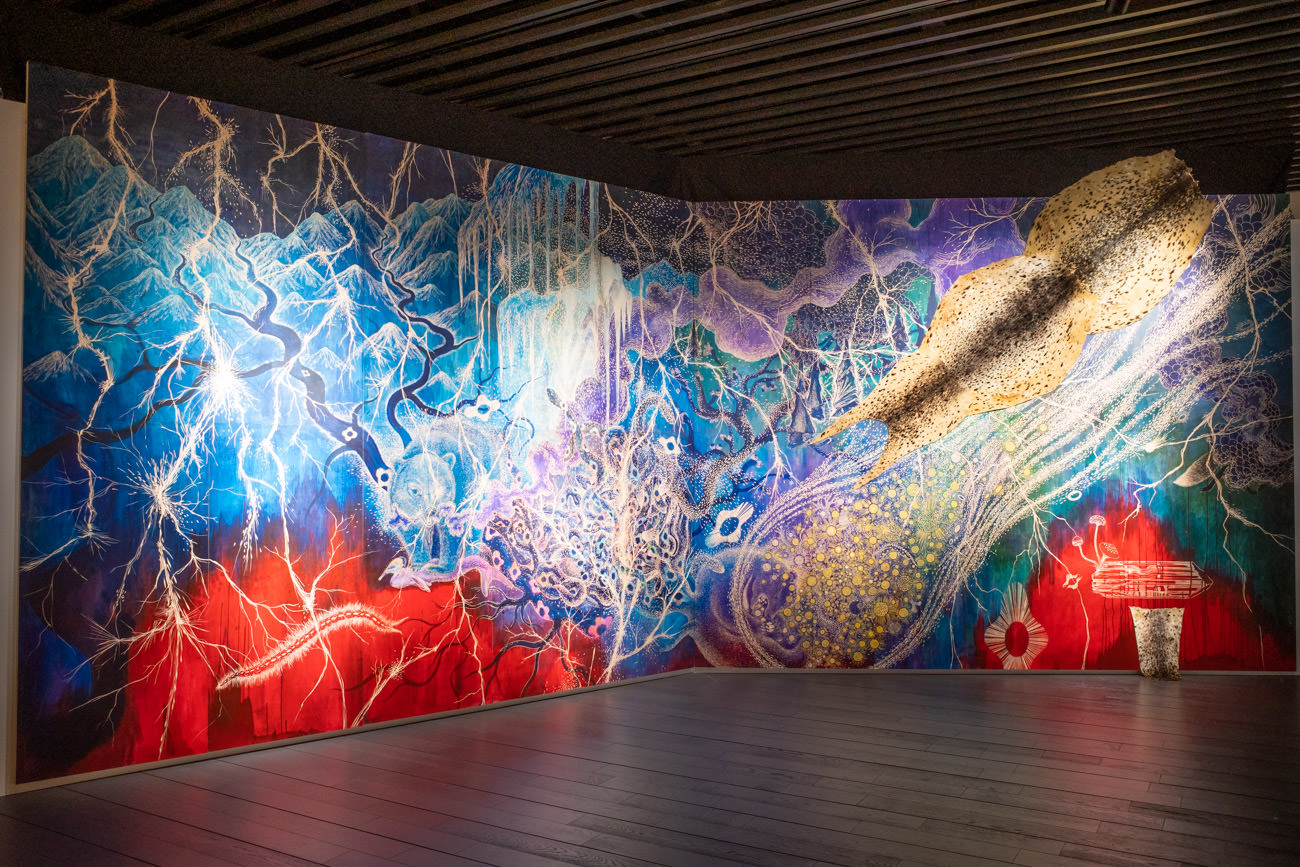
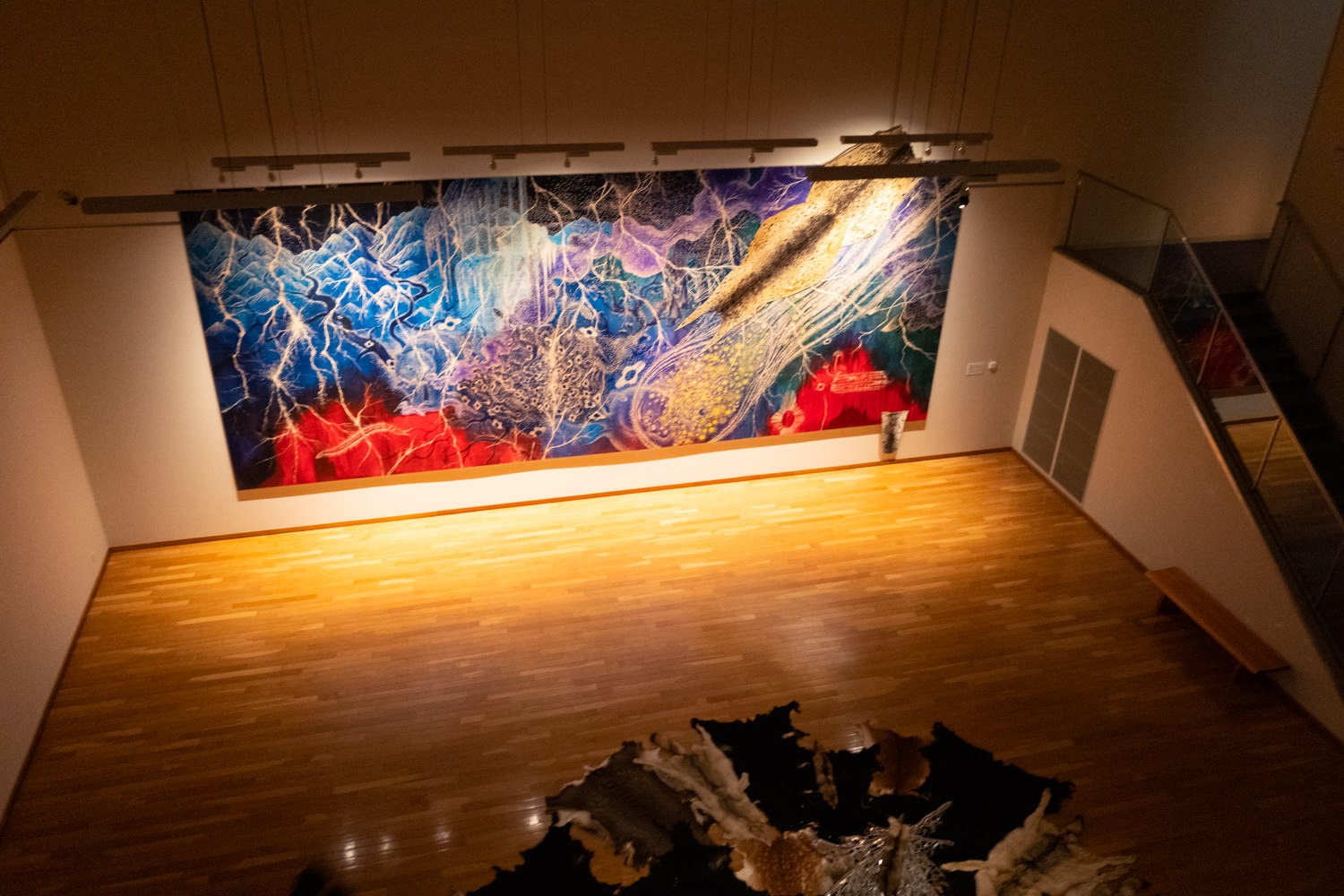
Tomoko Konoike, "Dream Hunting Grounds," carved wall painting, 2018
Tomoko Konoike, “Dream Hunting Grounds,” carved wall painting, 2018
Installation view at "Hunter Gatherer"
Installation view at “Hunter Gatherer”

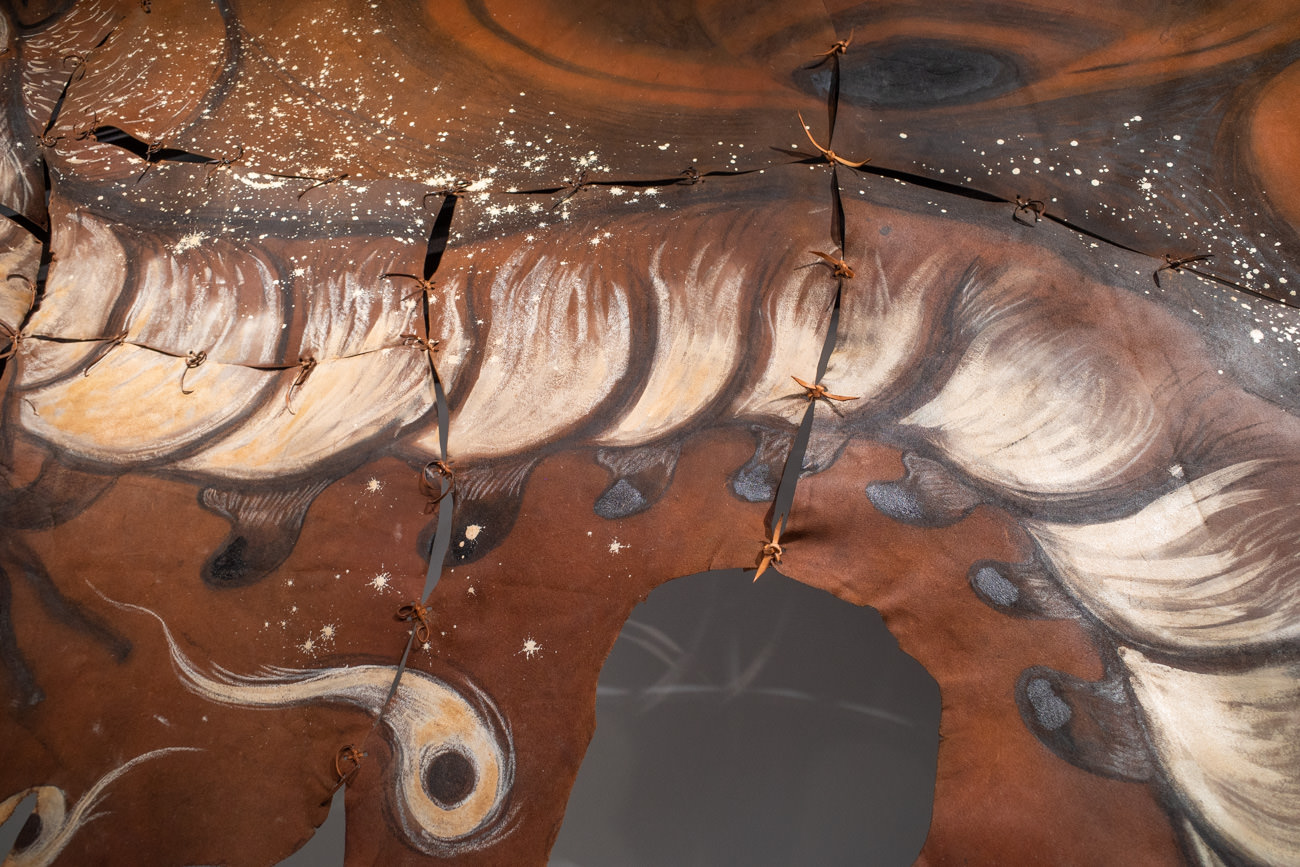
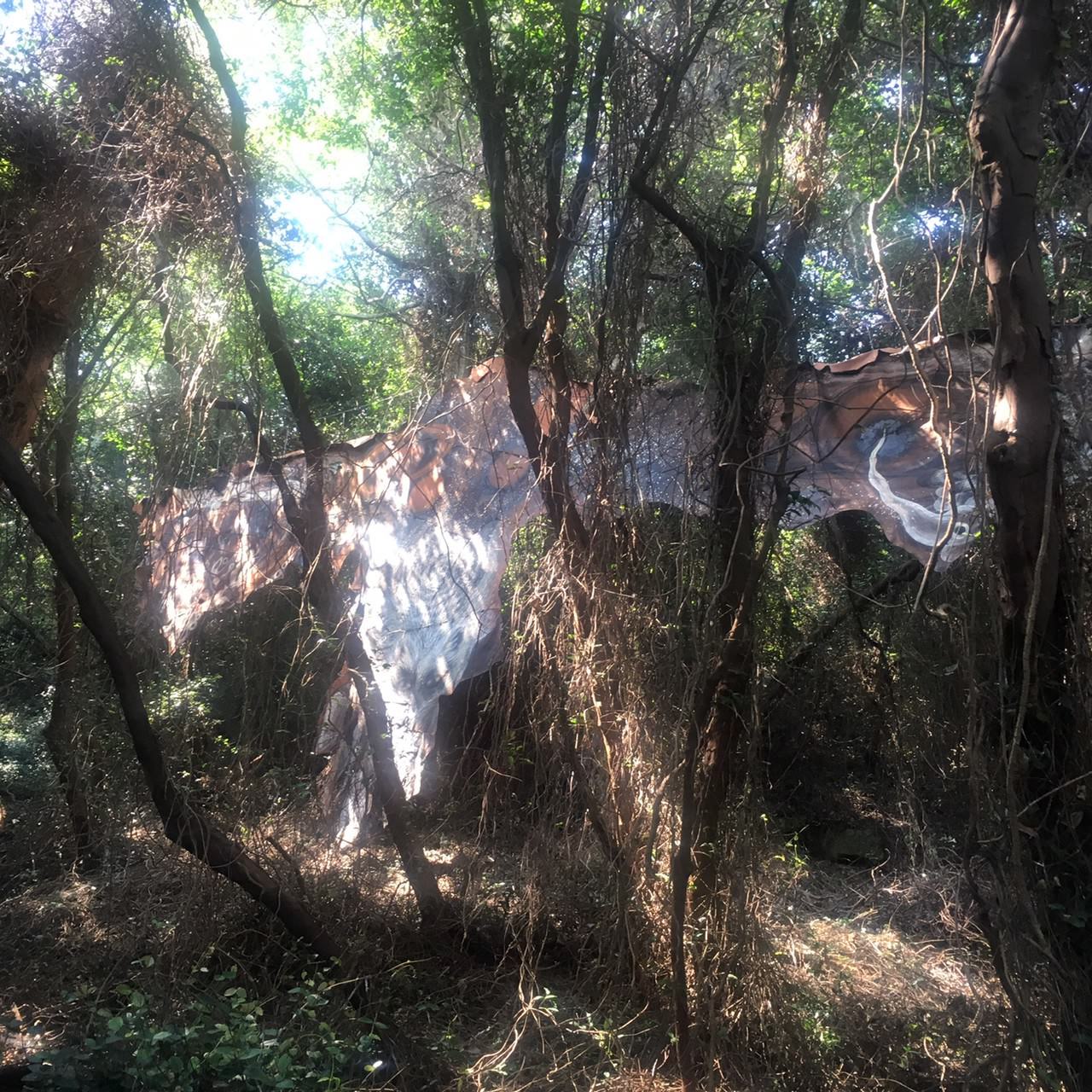
The other is “Kawa Tombi (Skin Kite),” originally presented at the Setouchi Triennale 2019.
“Kawa Tombi” was shown outdoors, exposed to the elements, along “Ringwanderung” — a circular walking path cut through the mountainside behind the National Hansen’s Disease Sanatorium on Oshima Island. Measuring 4 m × 12 m, the piece felt even more monumental here than it had on-site.
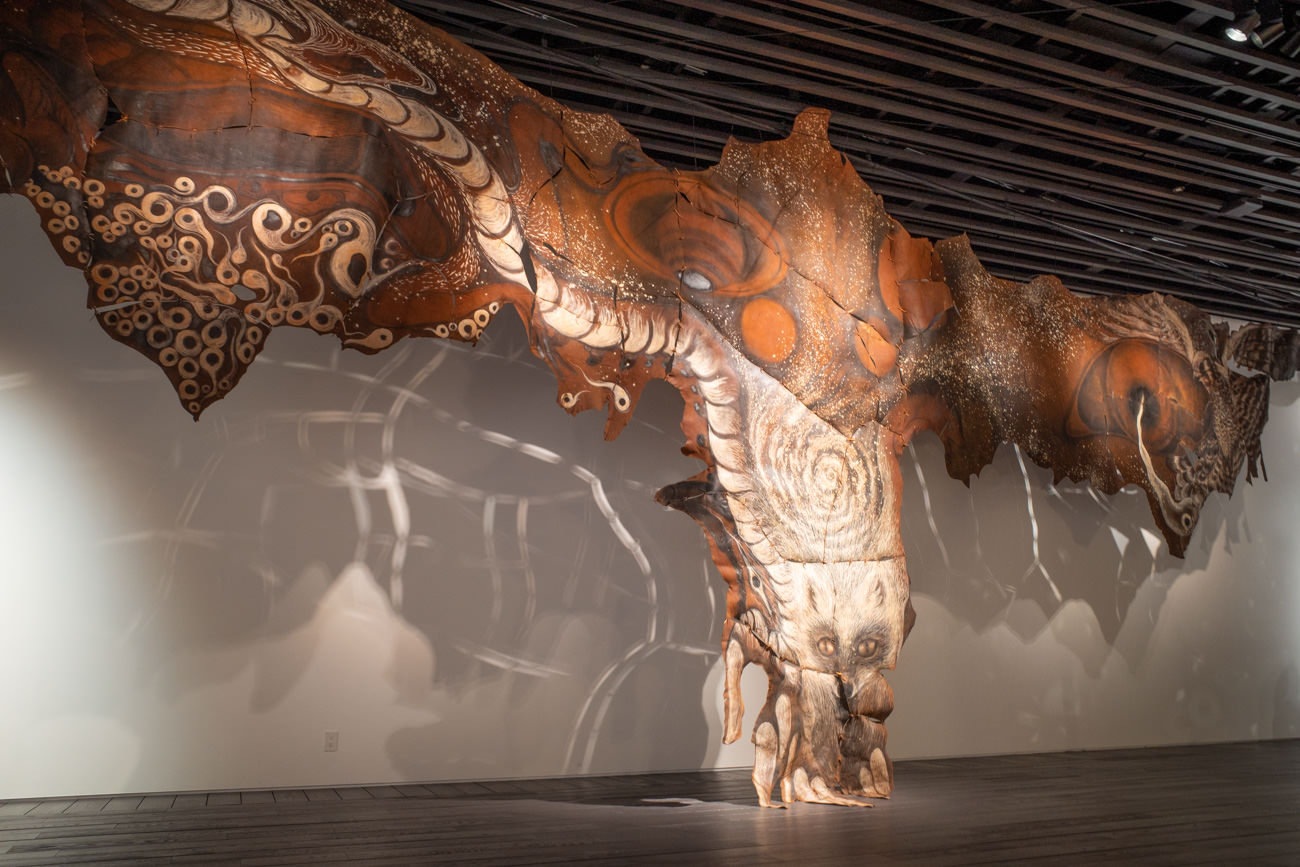
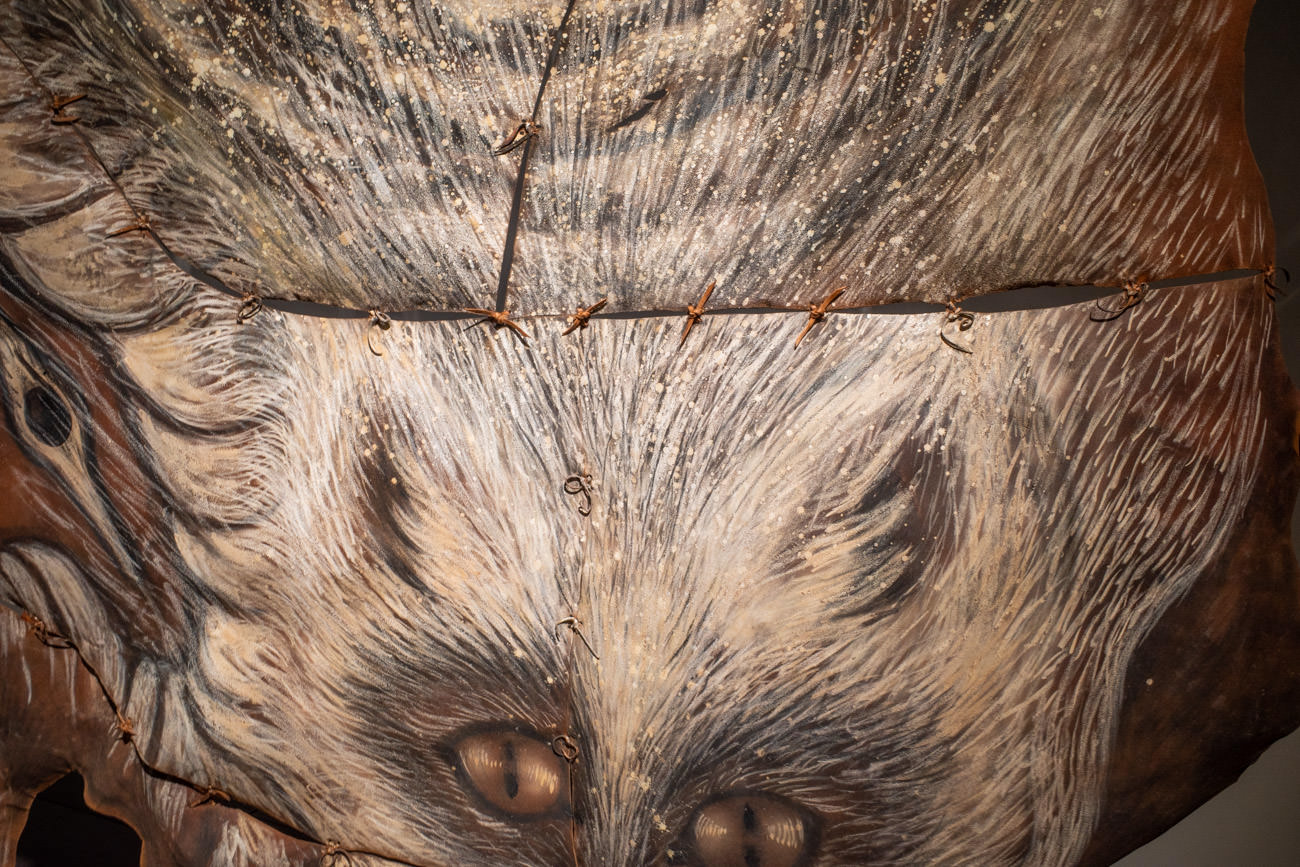
Tomoko Konoike, "Kawa Tombi (Skin Kite)," 2019
Tomoko Konoike, “Kawa Tombi (Skin Kite),” 2019
"Kawa Tombi" *Detail
“Kawa Tombi” *Detail
"Kawa Tombi" *Detail
“Kawa Tombi” *Detail
Setouchi Triennale 2019, Oshima — installation view of "Kawa Tombi" along "Ringwanderung"
Setouchi Triennale 2019, Oshima — installation view of “Kawa Tombi” along “Ringwanderung”

The new work “Fusuma-e (Sliding Door Paintings)” was a large piece installed in a circular arrangement. A slide that suddenly appears at the center draws the viewer’s gaze.
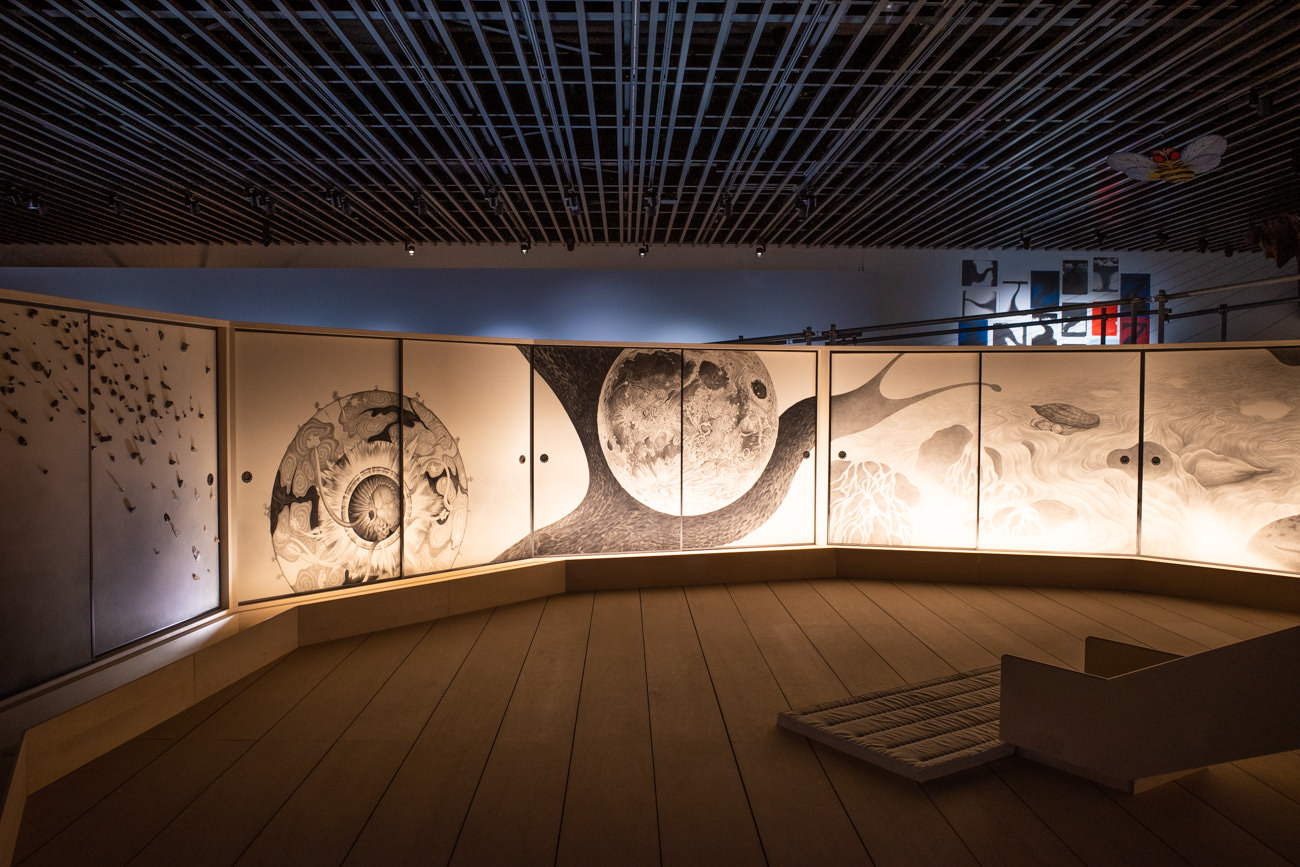
Tomoko Konoike, "Fusuma-e (Sliding Door Paintings)," installation, 2020
Tomoko Konoike, “Fusuma-e (Sliding Door Paintings),” installation, 2020

The slide is solidly built so that viewers can actually ride it.
Through this bodily experience, the encounter with the work was inscribed as something tangible.
From the high vantage point at the start of the slide down to the low viewpoint at the bottom, I enjoyed the shifting sensations while surrounded by the art on all sides.
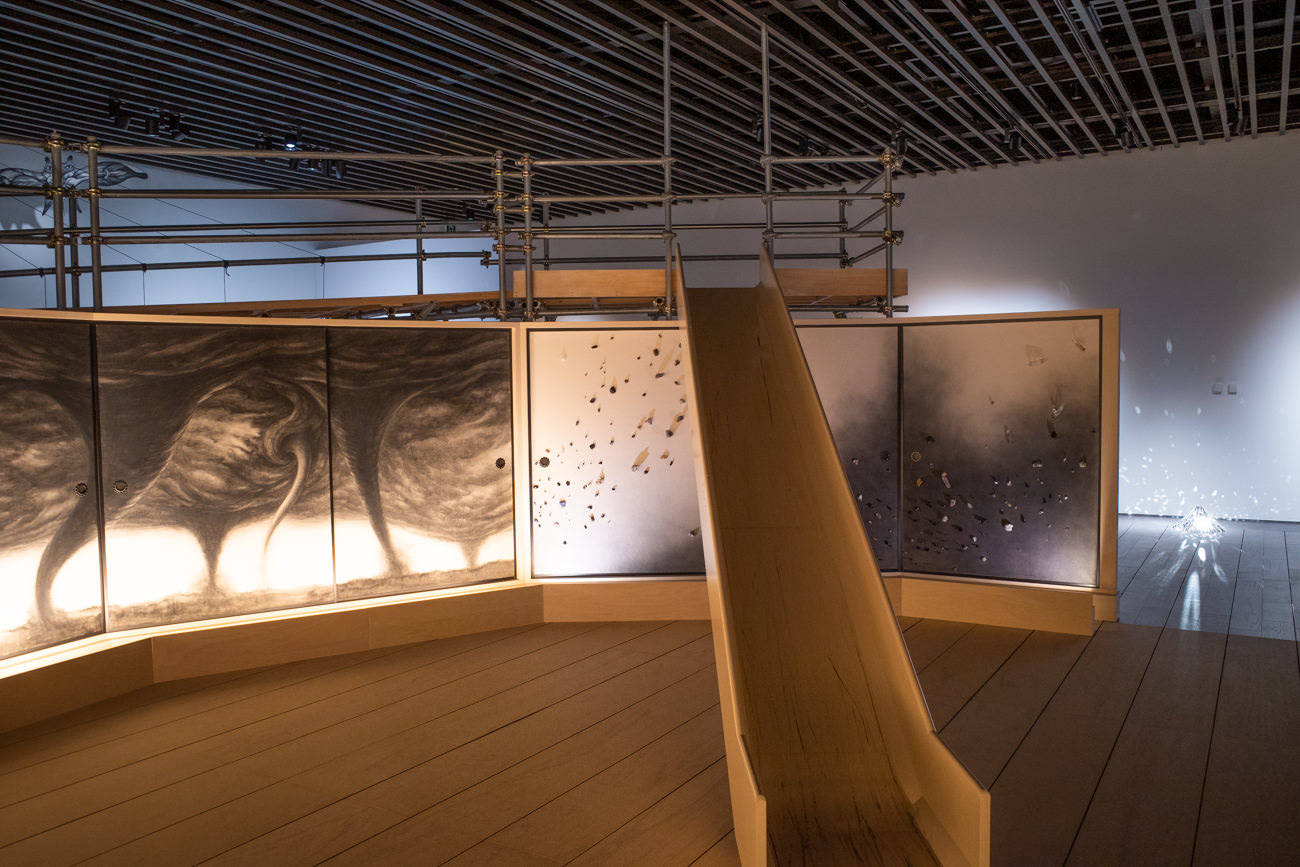
Tomoko Konoike, "Fusuma-e (Sliding Door Paintings)," installation, 2020
Tomoko Konoike, “Fusuma-e (Sliding Door Paintings),” installation, 2020
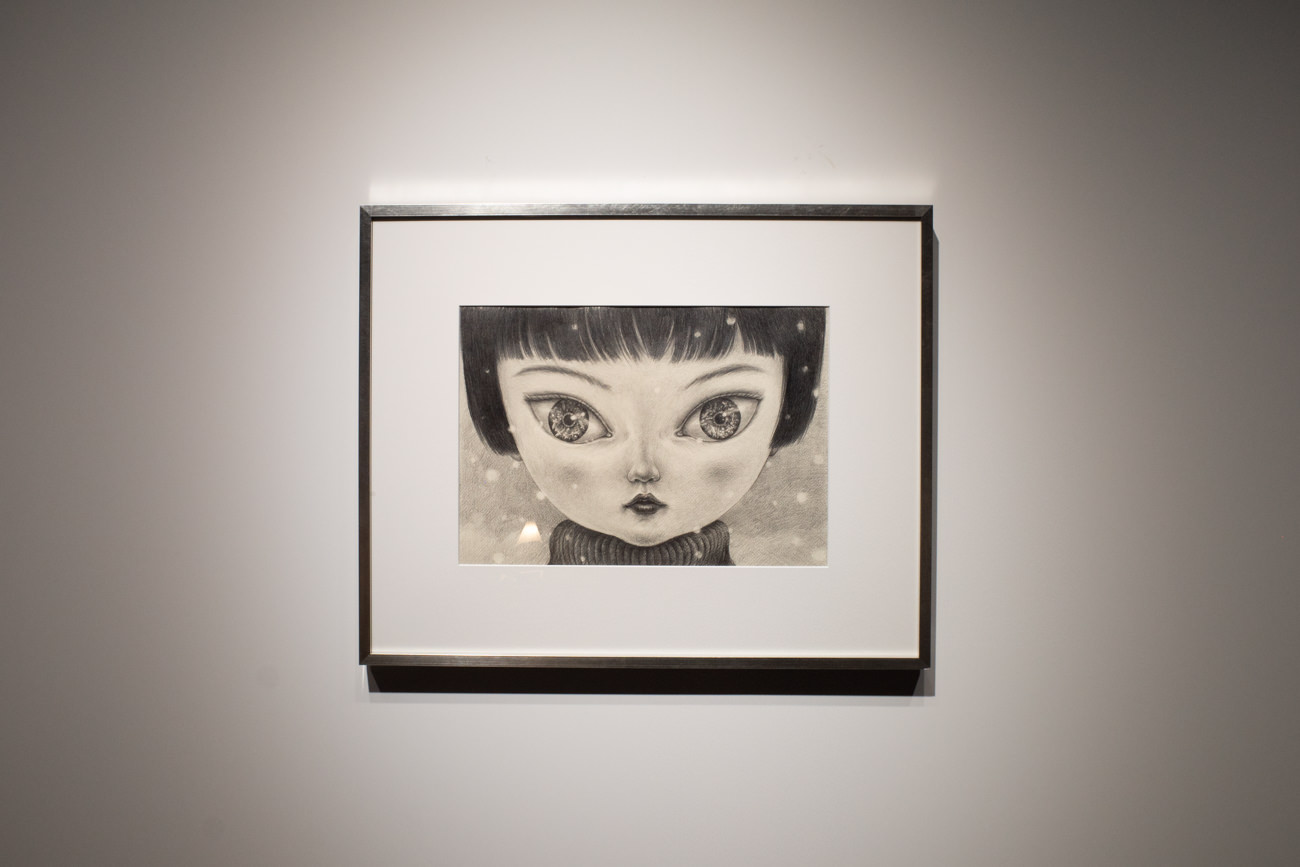
Tomoko Konoike, "Miyu — First Snow," 2012
Tomoko Konoike, “Miyu — First Snow,” 2012
Installation view
Installation view
Tomoko Konoike, "Wild Things - Hachilympic," 2020 *Original artwork for the official Tokyo 2020 poster
Tomoko Konoike, “Wild Things – Hachilympic,” 2020 *Original artwork for the official Tokyo 2020 poster

“Kage-e Toro (Shadow-Picture Lantern)” is a shadow-picture work in which wheels attached to a rotating axis turn.
The movements of the characters, transformed into shadows, seemed to be imbued with life.
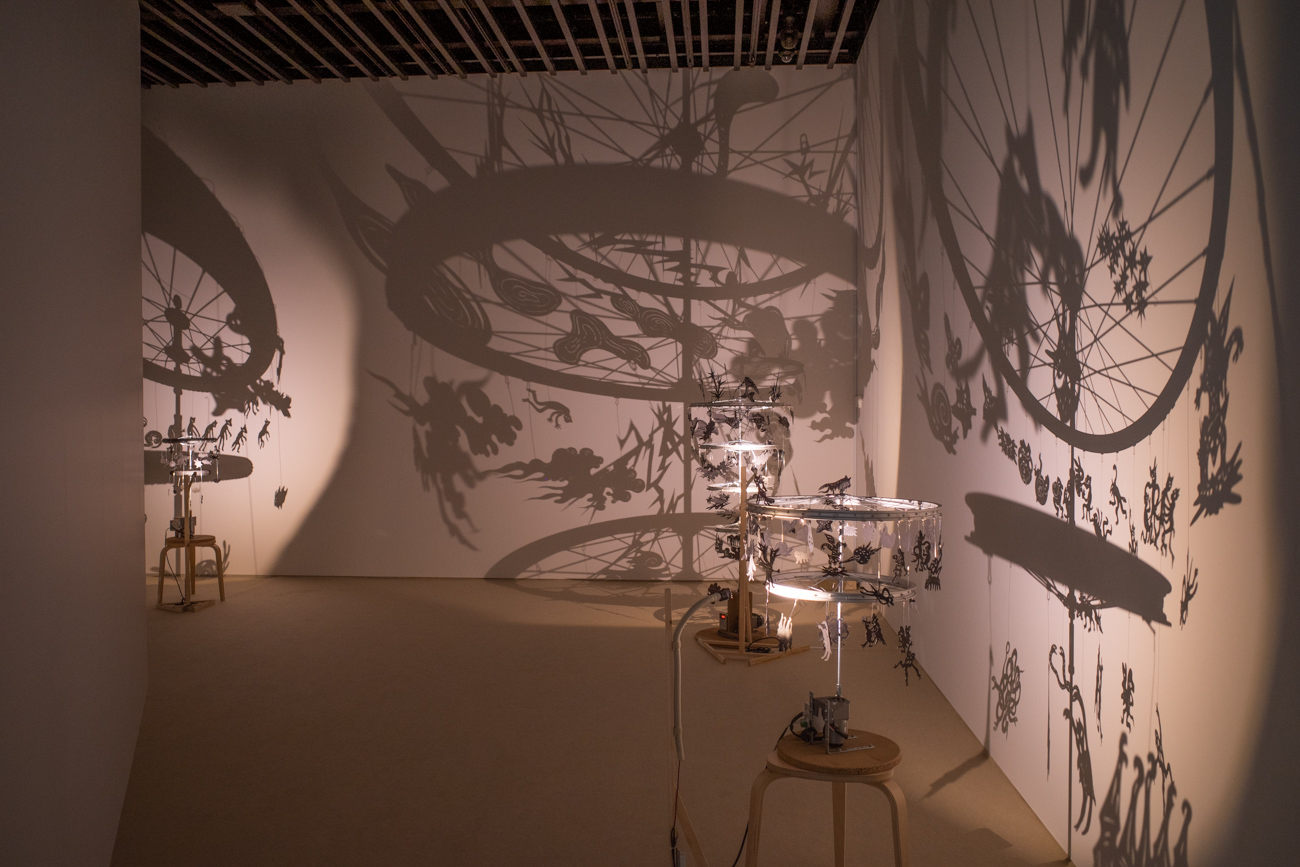
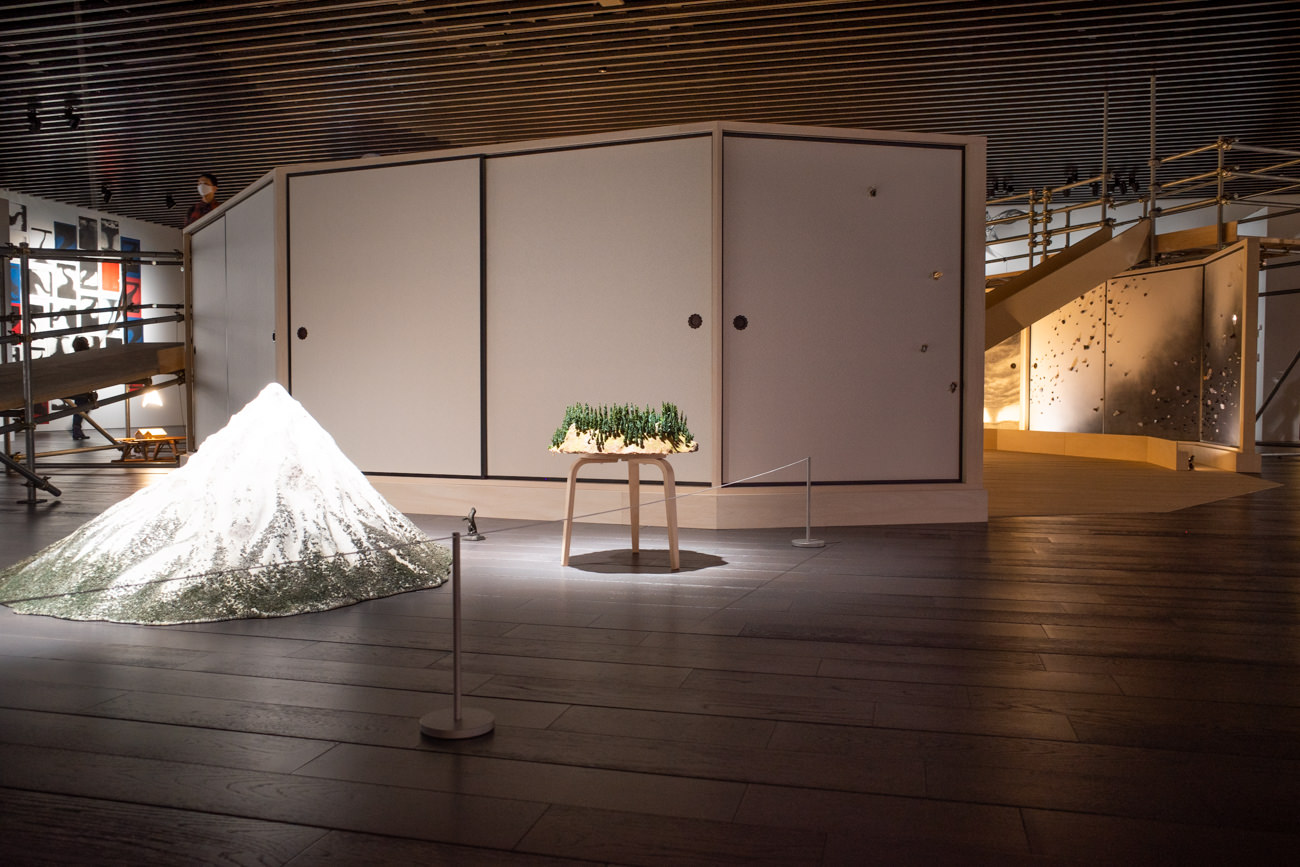
Tomoko Konoike, "Kage-e Toro (Shadow-Picture Lantern)," installation, 2020
Tomoko Konoike, “Kage-e Toro (Shadow-Picture Lantern),” installation, 2020
Left: Tomoko Konoike, "Mountain Diorama," 2013Right: Tomoko Konoike, "Lake Diorama," 2013
Left: Tomoko Konoike, “Mountain Diorama,” 2013
Right: Tomoko Konoike, “Lake Diorama,” 2013
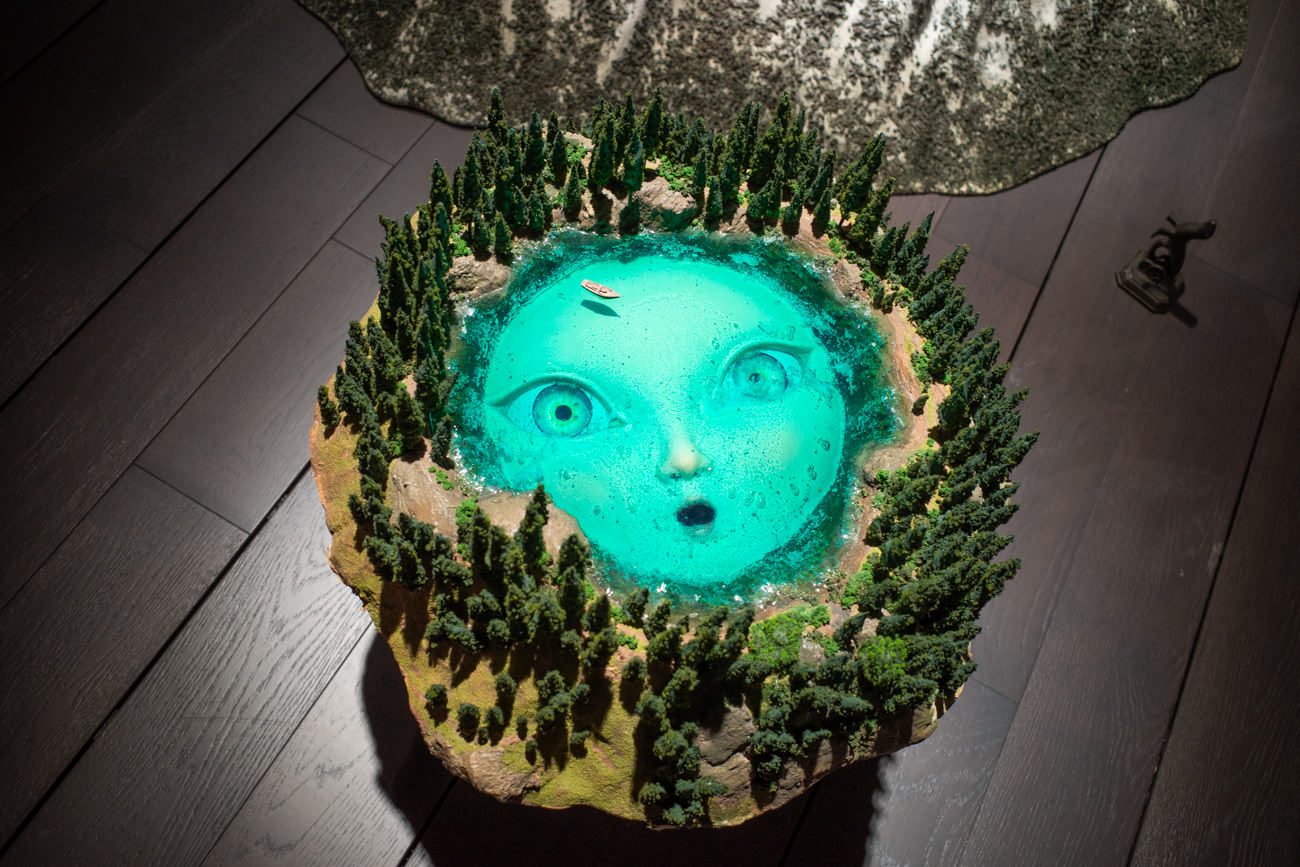
Tomoko Konoike, "Lake Diorama," 2013
Tomoko Konoike, “Lake Diorama,” 2013
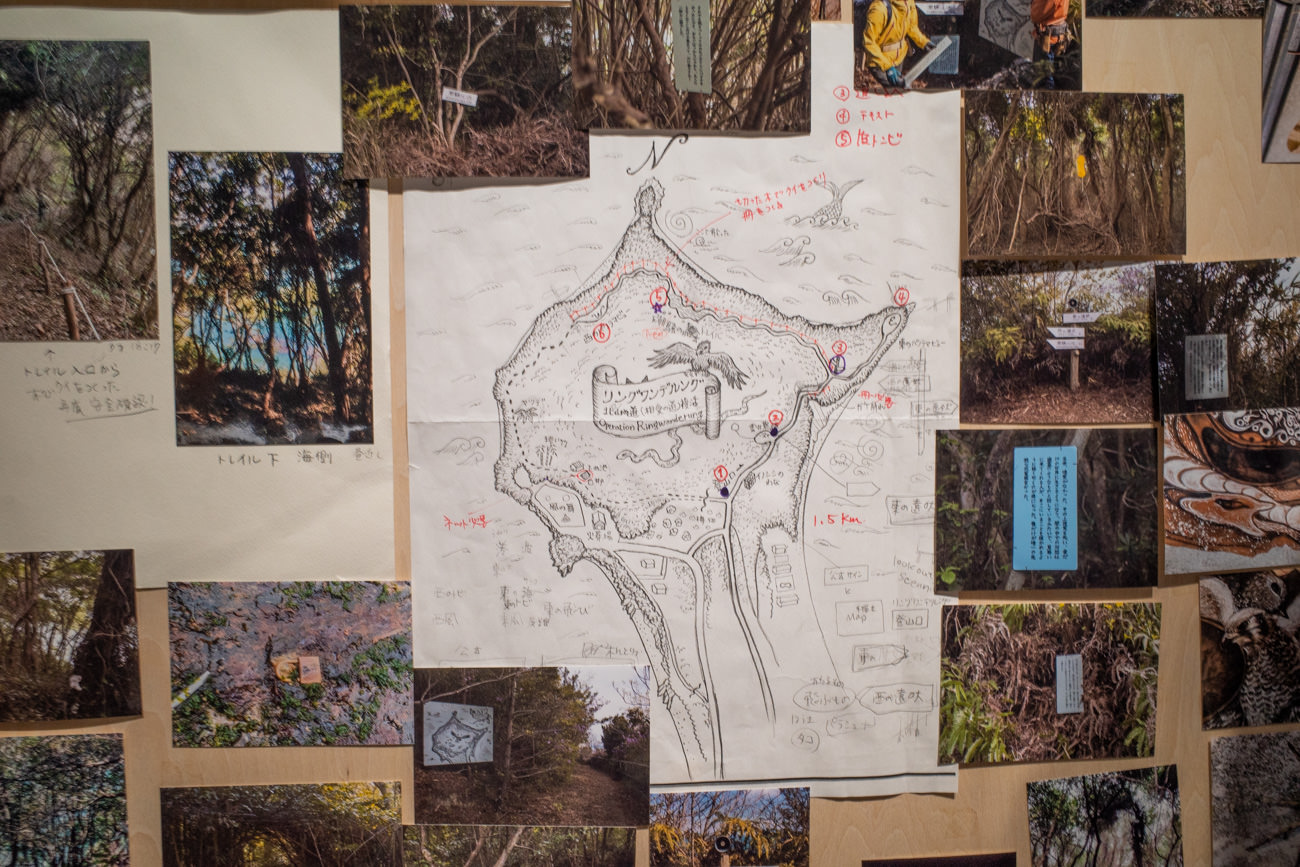
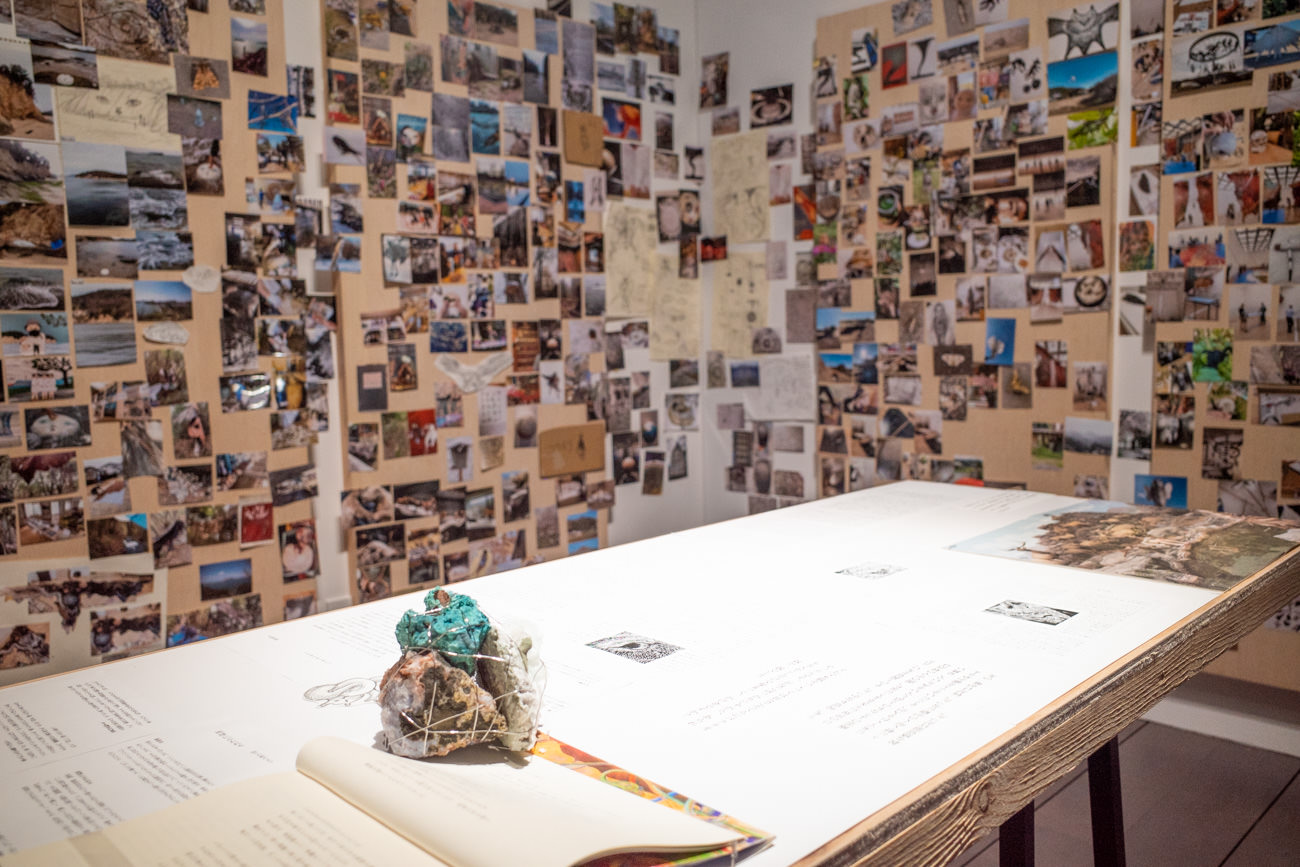
Installation view — photographs and sketches from various projects were on display
Sketches for "Ringwanderung" at the Setouchi Triennale
Sketches for “Ringwanderung” at the Setouchi Triennale
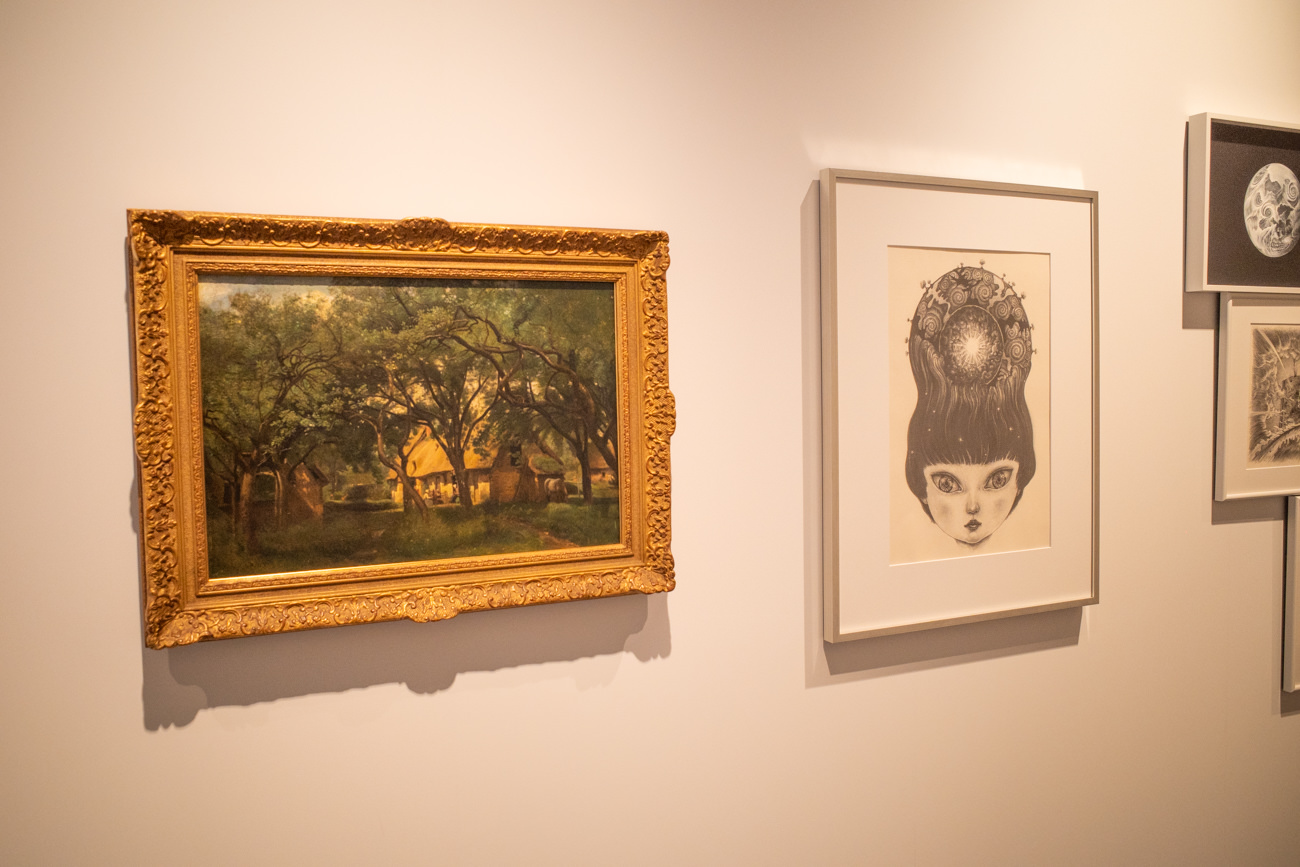
Left: Camille Corot, "Toutain Farm at Honfleur," 1845 *Ishibashi Foundation, Artizon MuseumRight: Tomoko Konoike, "Miyu — Cr…
Left: Camille Corot, “Toutain Farm at Honfleur,” 1845 *Ishibashi Foundation, Artizon Museum
Right: Tomoko Konoike, “Miyu — Cross-Section of the Earth,” 2012
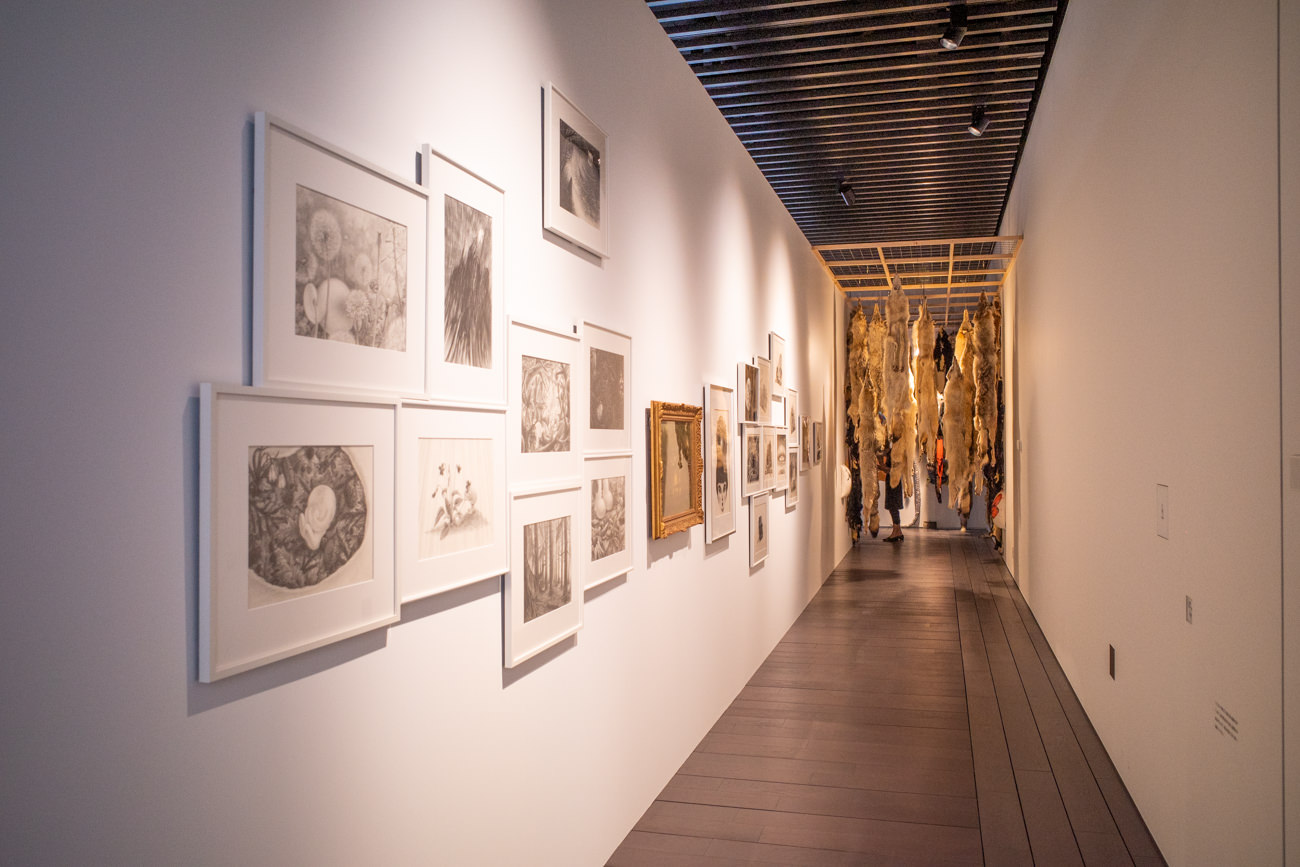
Installation view
Installation view

There was also a section of the exhibition where visitors thread their way through suspended animal hides, allowing them to feel the skin directly — a signature aspect of Konoike’s expressive practice.
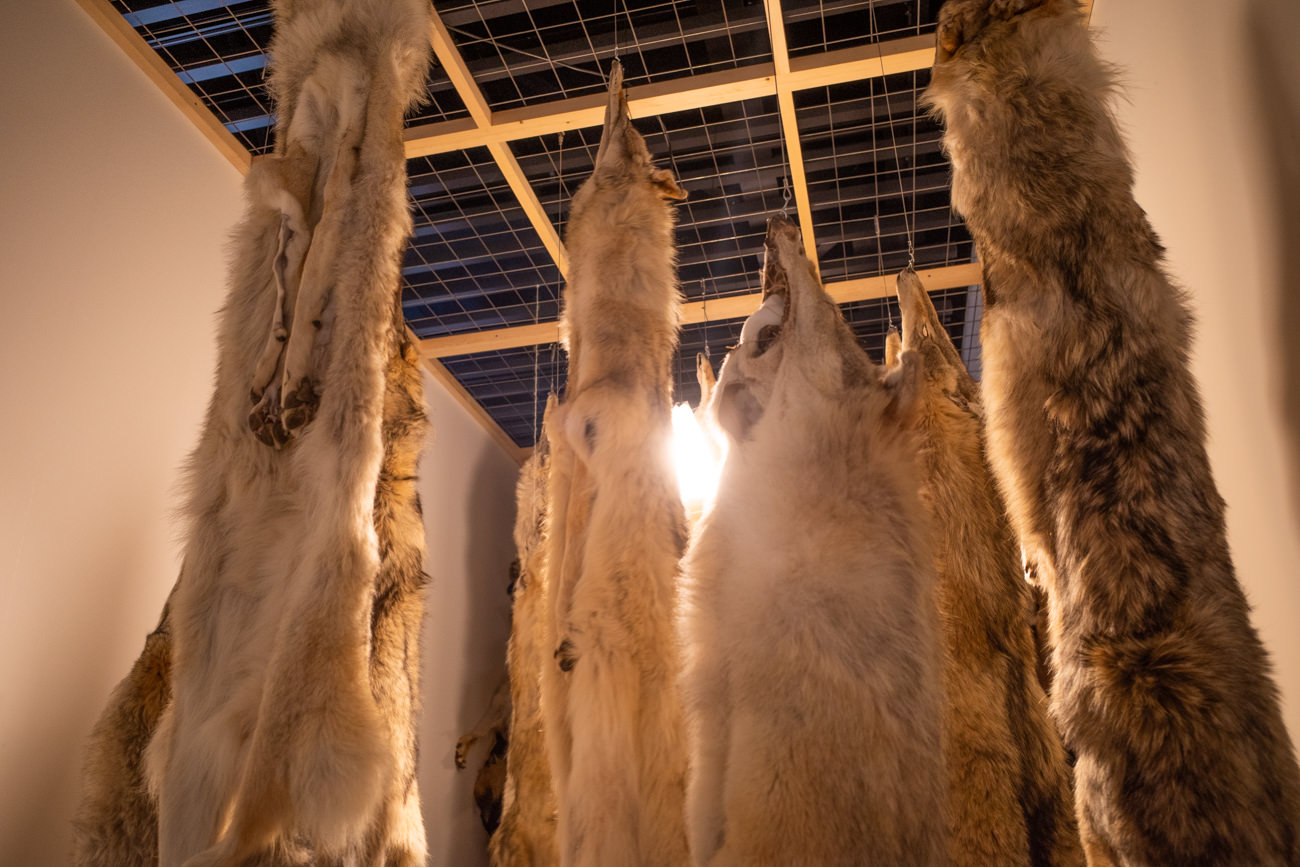
Animal hides (wolf, deer, bear, and others)
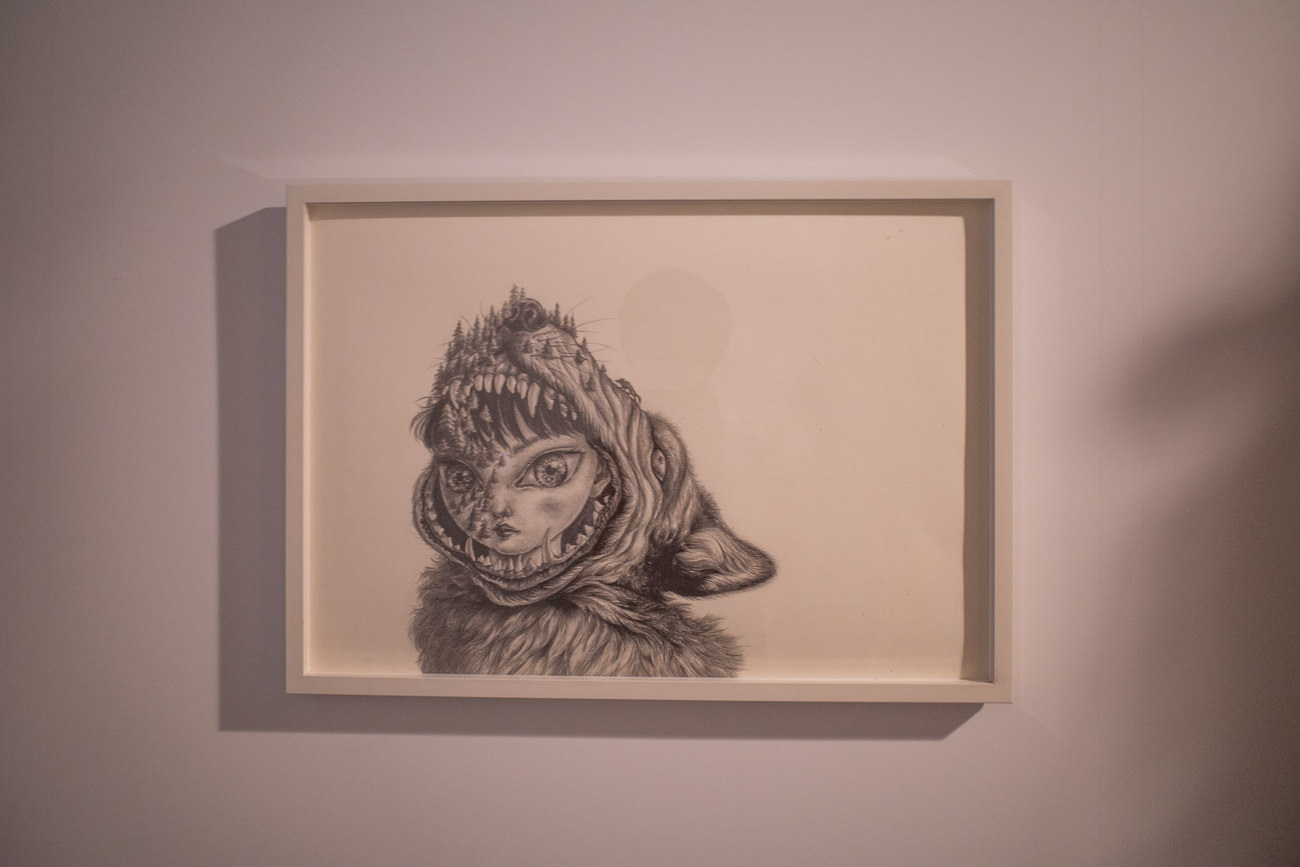
Tomoko Konoike, "Wolf Hood," 2015
Tomoko Konoike, “Wolf Hood,” 2015
Installation view
Installation view
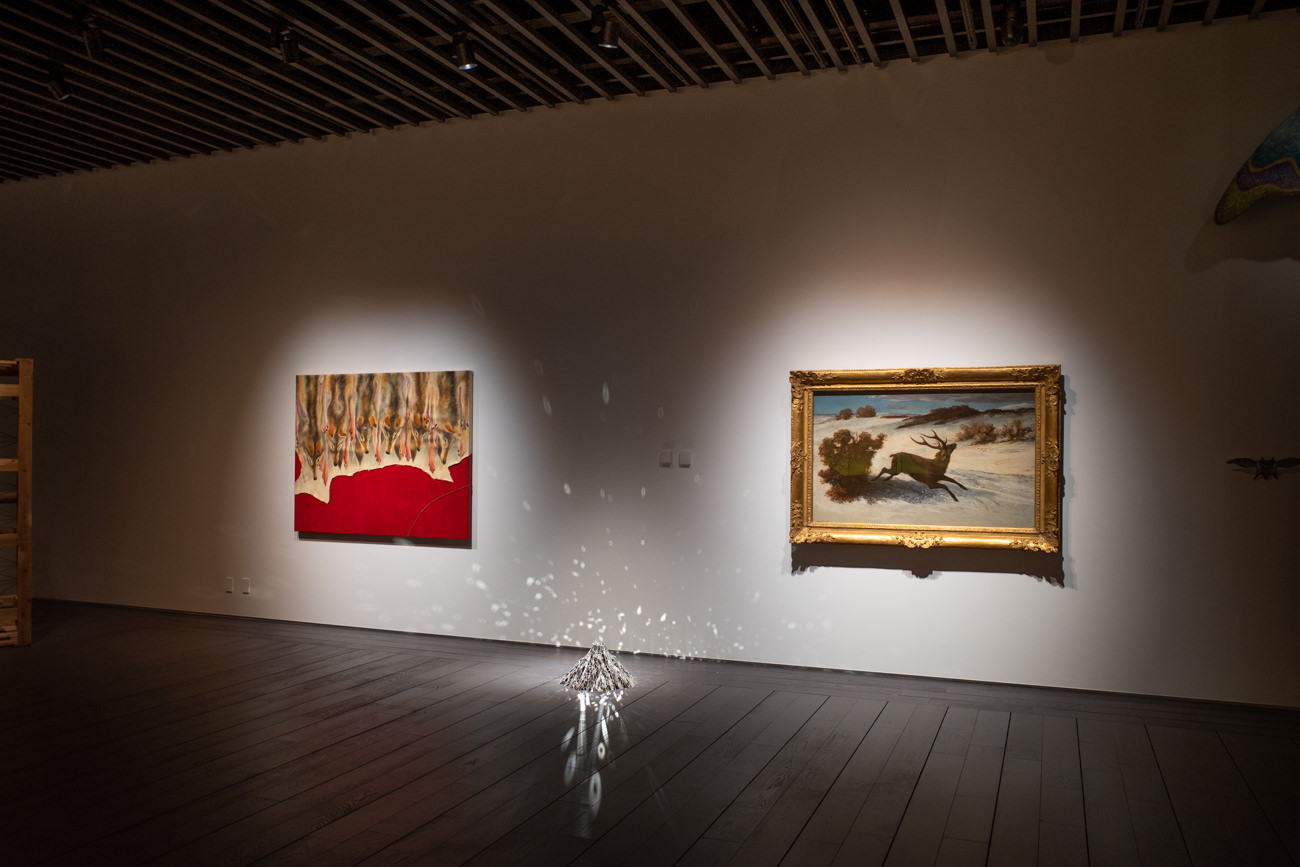
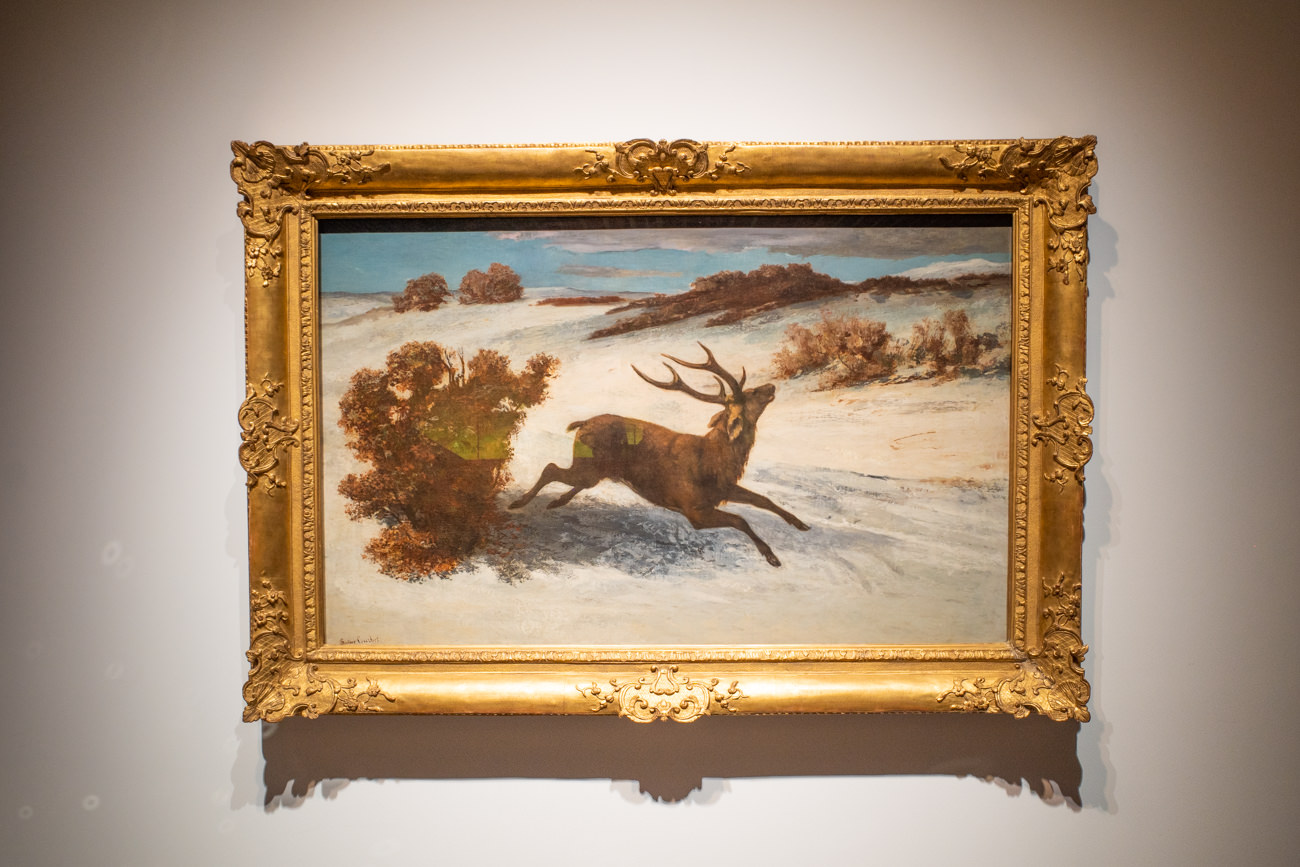
Gustave Courbet, "Deer Running in the Snow," ca. 1856–57 *Ishibashi Foundation, Artizon Museum
Gustave Courbet, “Deer Running in the Snow,” ca. 1856–57 *Ishibashi Foundation, Artizon Museum
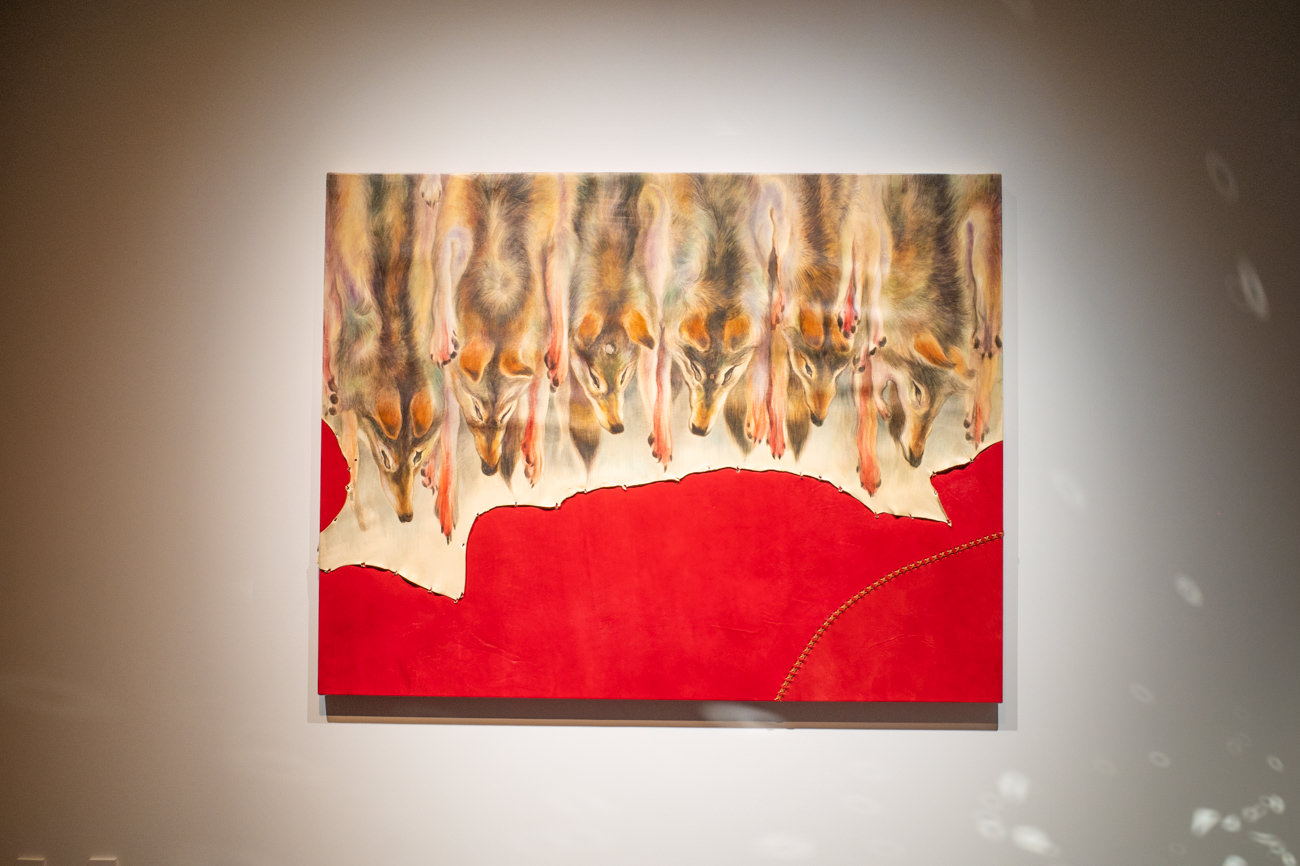
Tomoko Konoike, "Wolf Skin Painting Canvas," 2016
Tomoko Konoike, “Wolf Skin Painting Canvas,” 2016
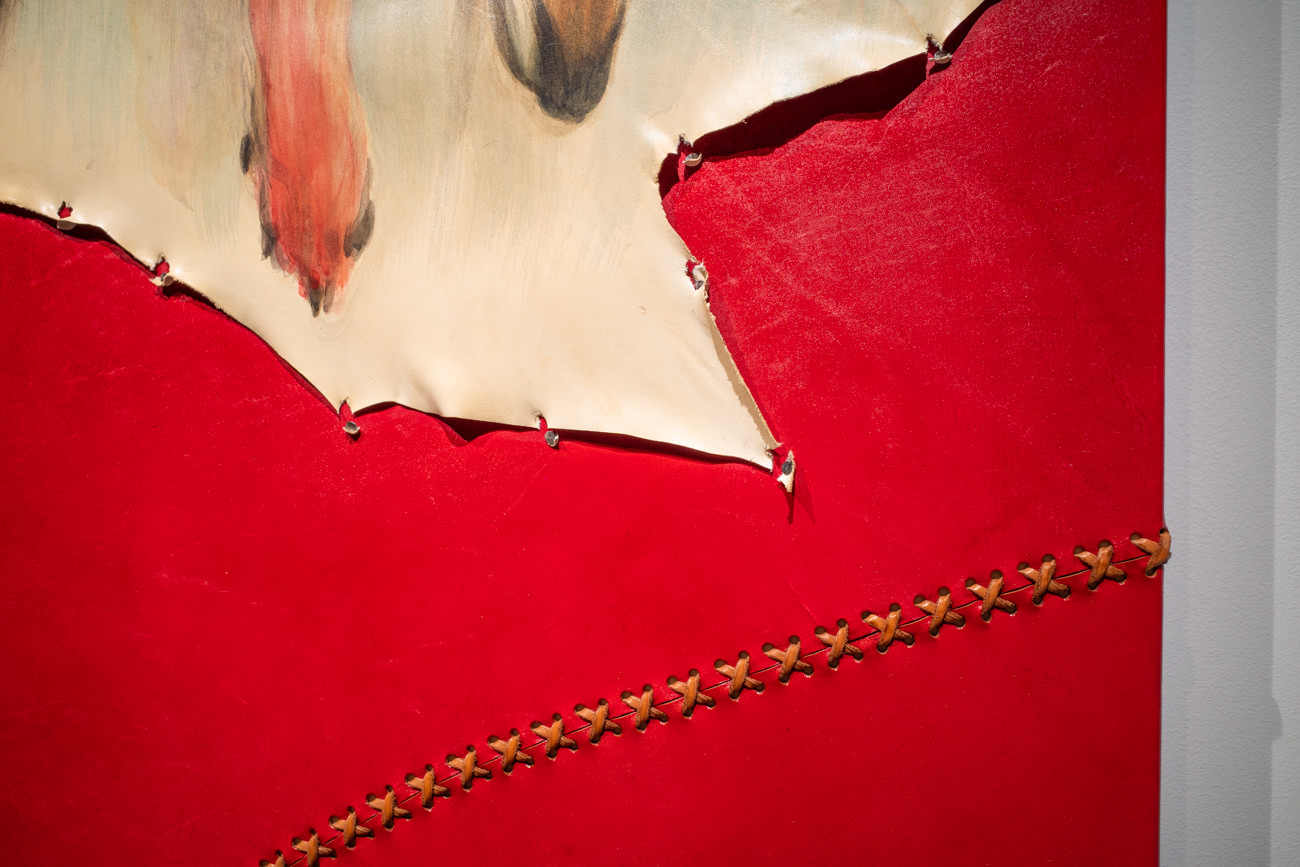
"Wolf Skin Painting Canvas" *Detail
“Wolf Skin Painting Canvas” *Detail
Installation view
Installation view
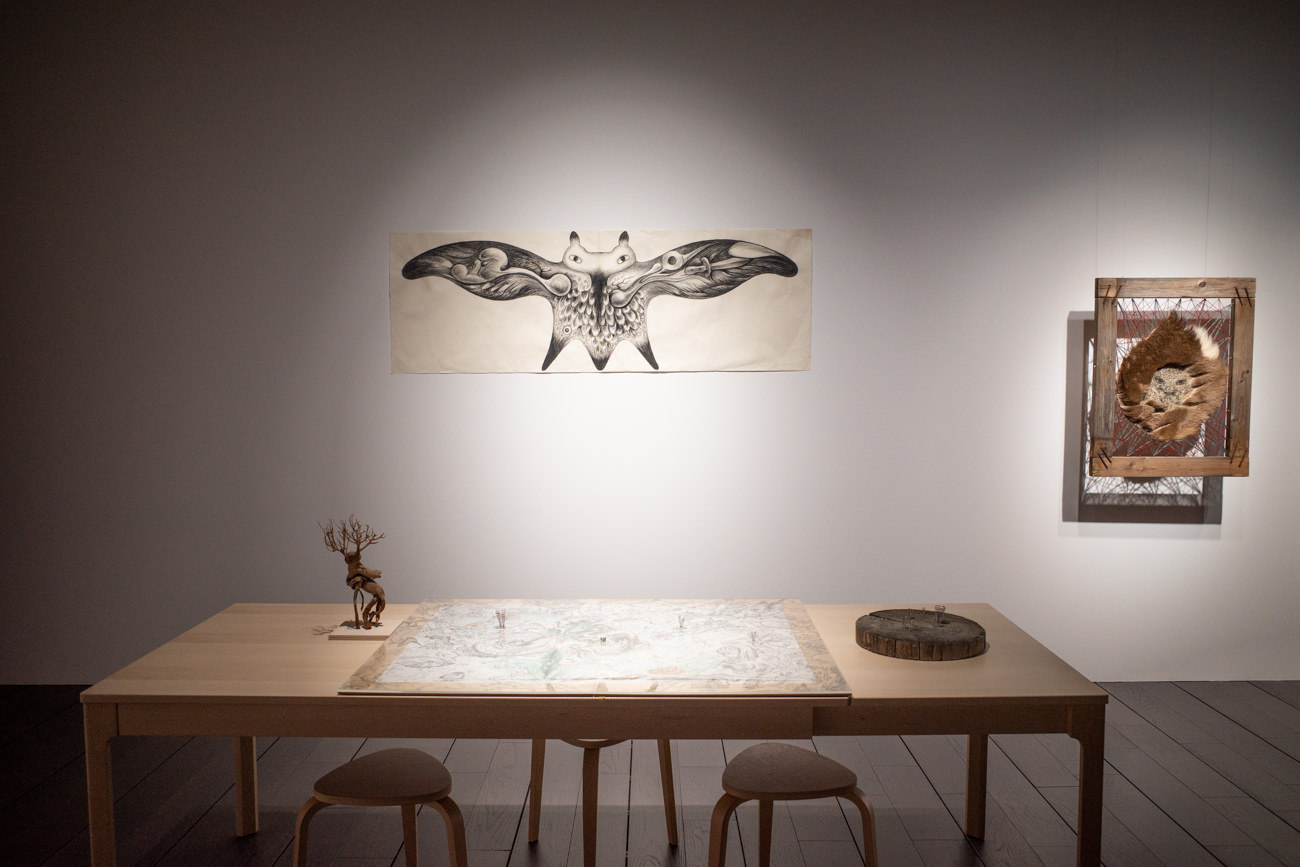
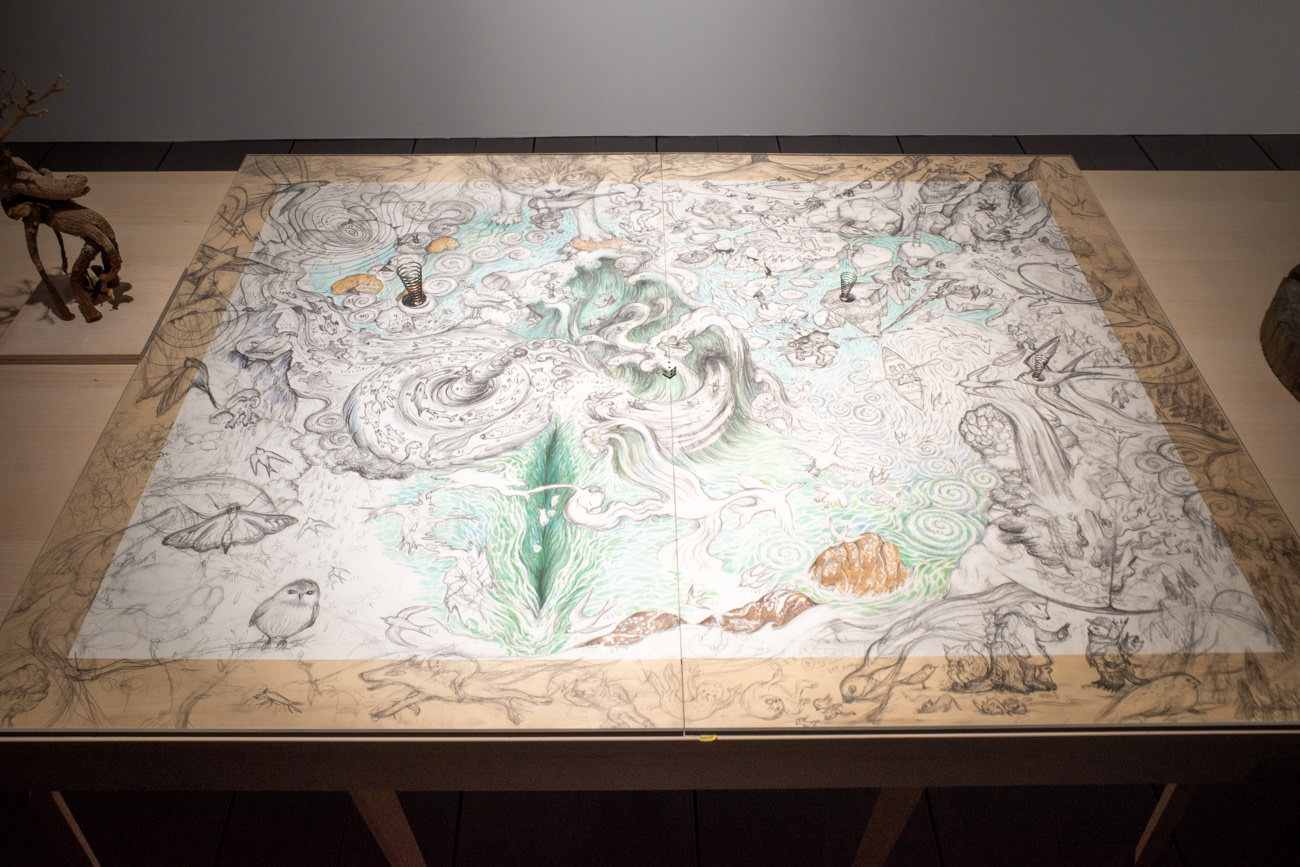
Tomoko Konoike, "Board Game" — sugoroku sketch, 2020
Tomoko Konoike, “Board Game” — sugoroku sketch, 2020

Described as an exhibition of new works inspired by specific pieces from the Ishibashi Foundation Collection and of fresh perspectives generated by a session between the collection and the artist, the three pieces drawn from the collection were reportedly selected by the curator.

Tomoko Konoike’s grand-scale works felt somewhat cramped in the Artizon Museum’s galleries, yet the show invited deep reflection on what it means to live and to feel life itself.
Translating...