“Full Frontal: The Naked Circulator”
We visited “Full Frontal: The Naked Circulator,” an exhibition curated by the artist Yoichi Umetsu.
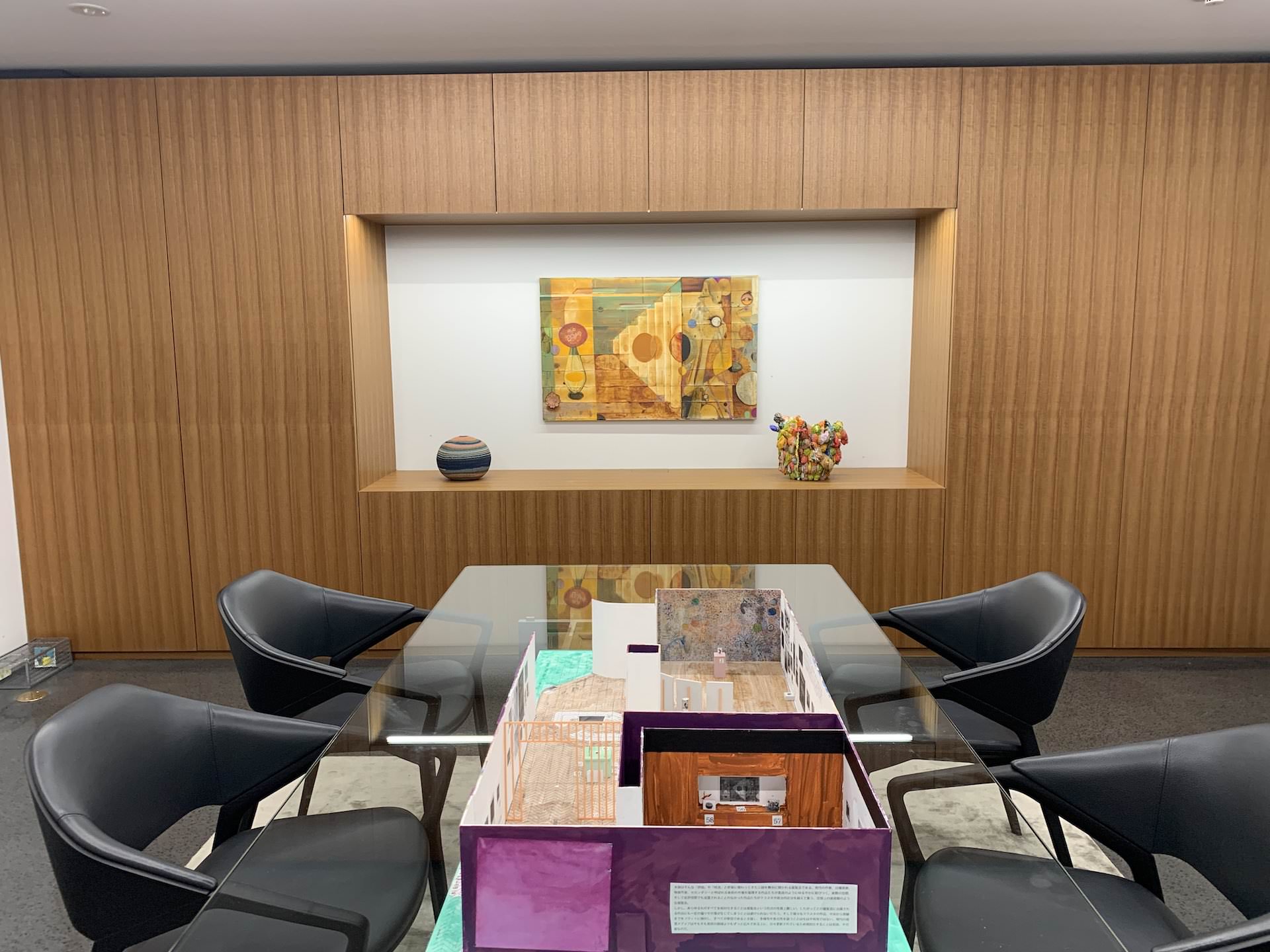
The venue is the Contemporary Gallery on the 6th floor of the main building of Nihombashi Mitsukoshi.
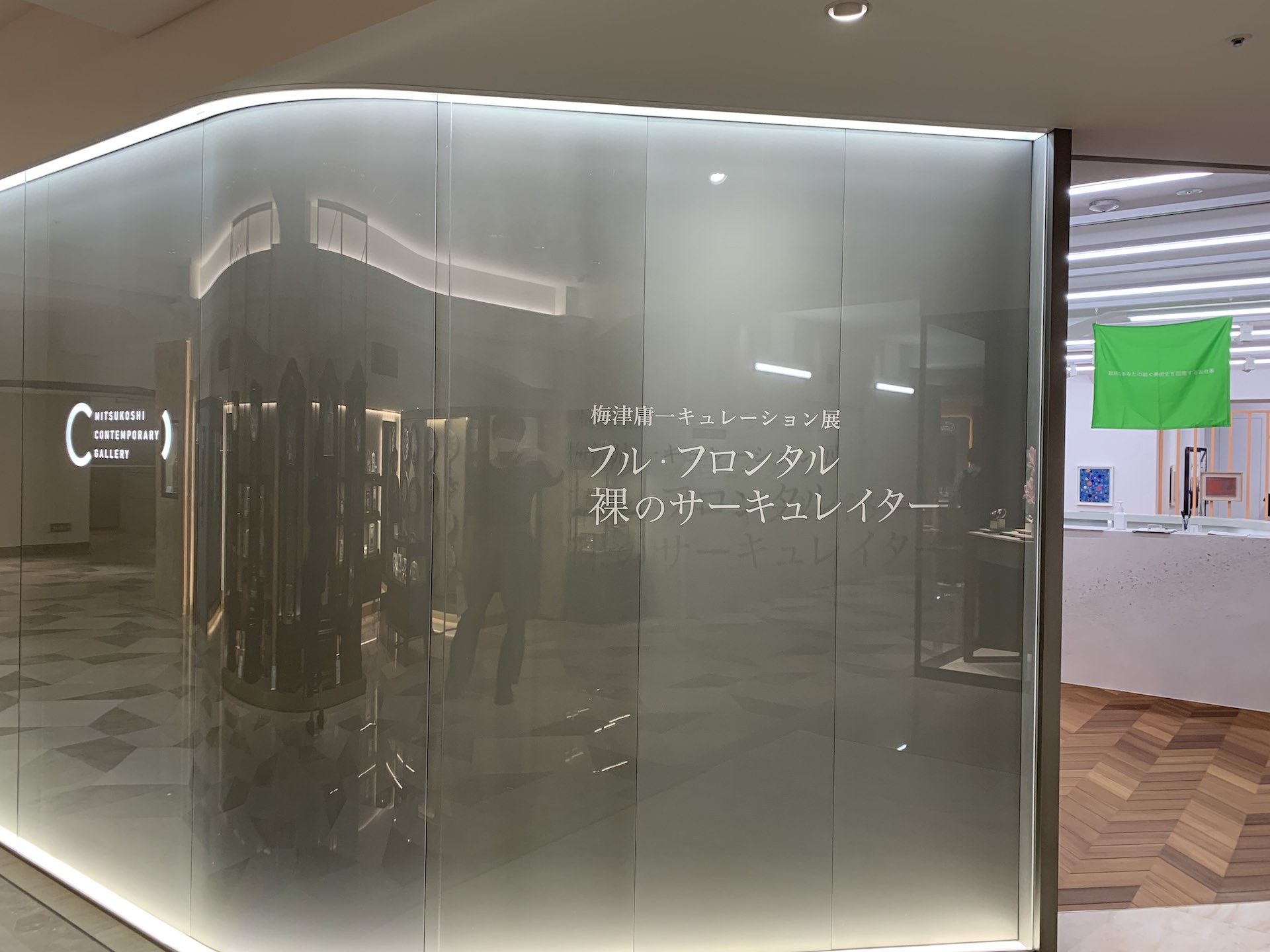
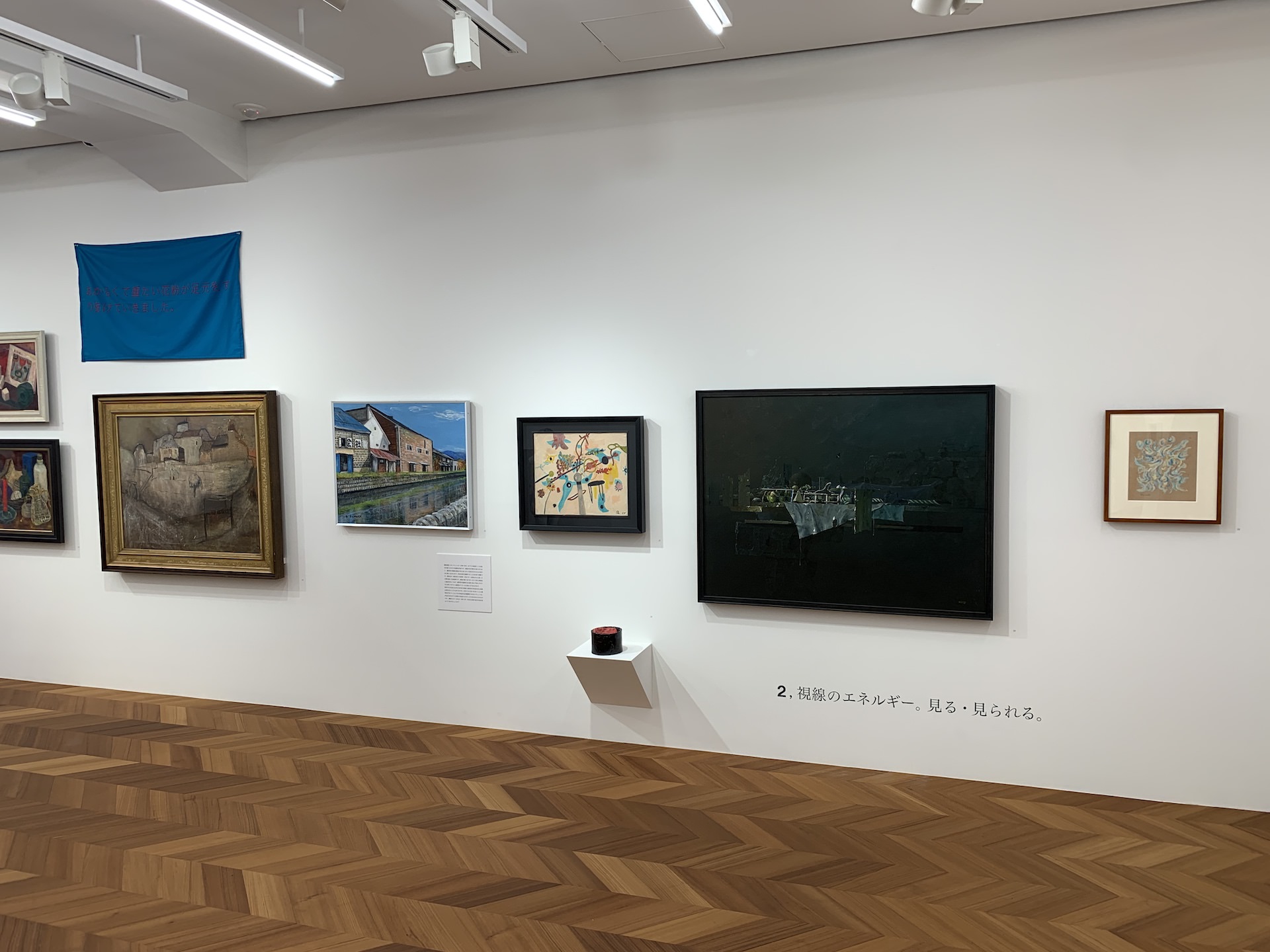
Decoding the words in the title — “full frontal” (utterly stripped bare), “naked,” “circulator” — the show seems to gesture at a space in which various works stand independently yet also weave relationships with one another.
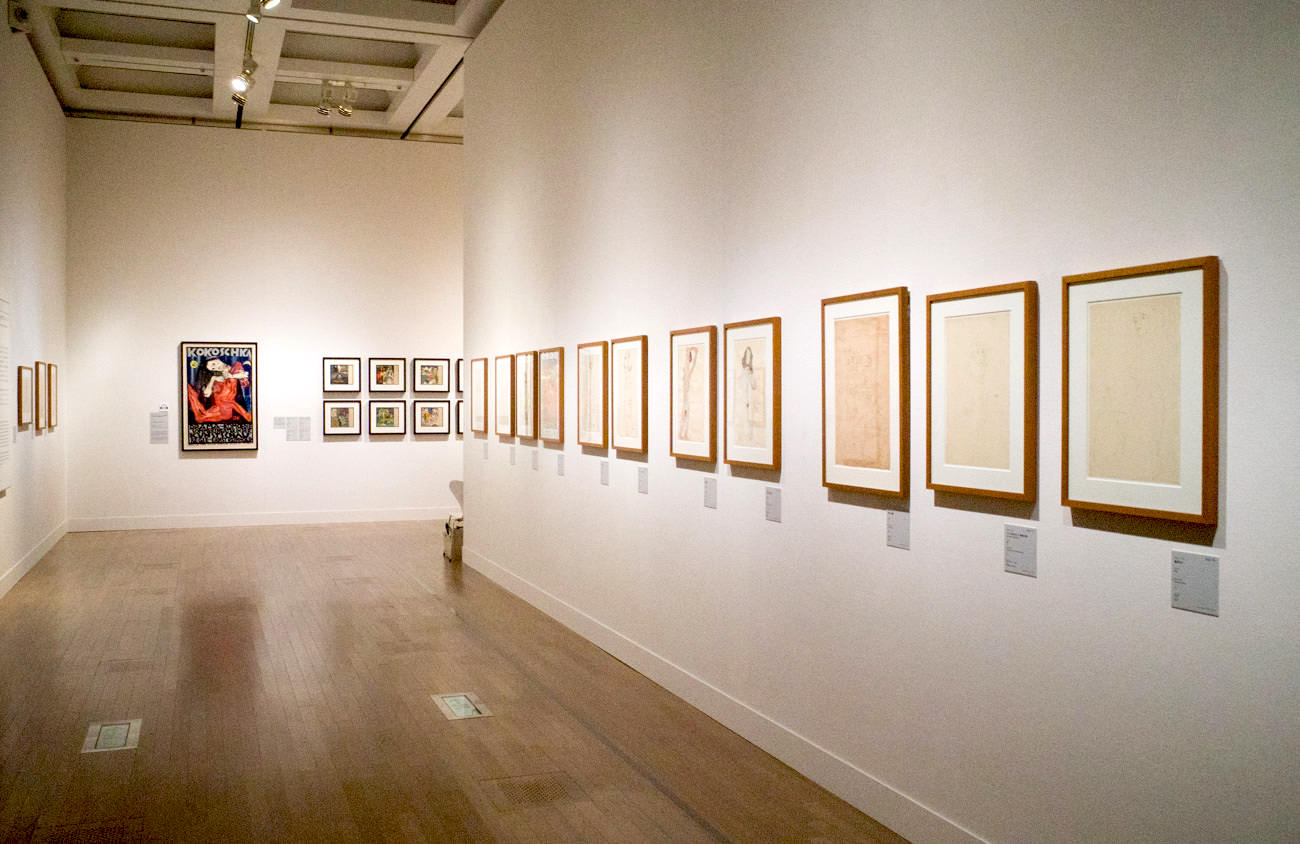
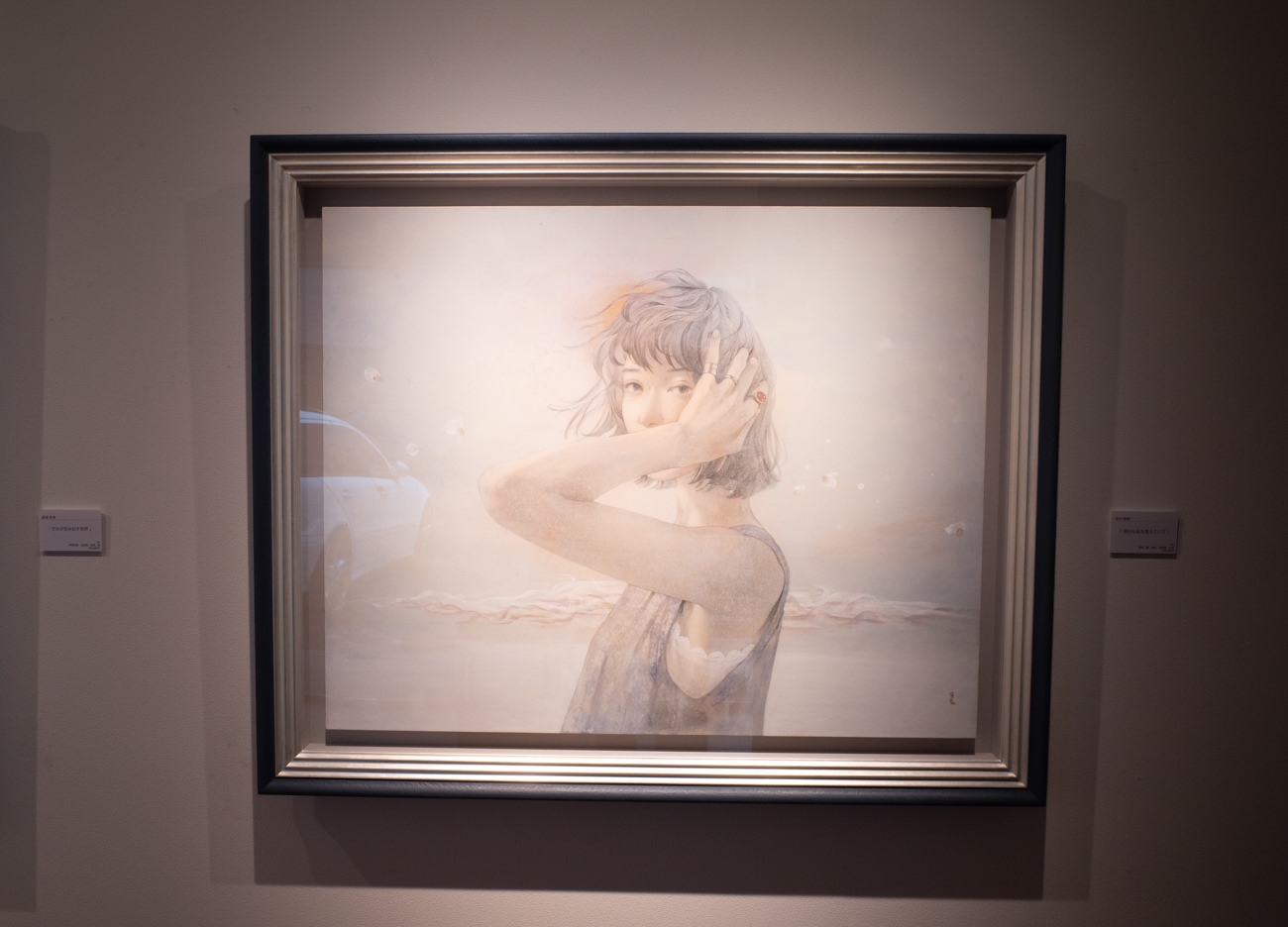
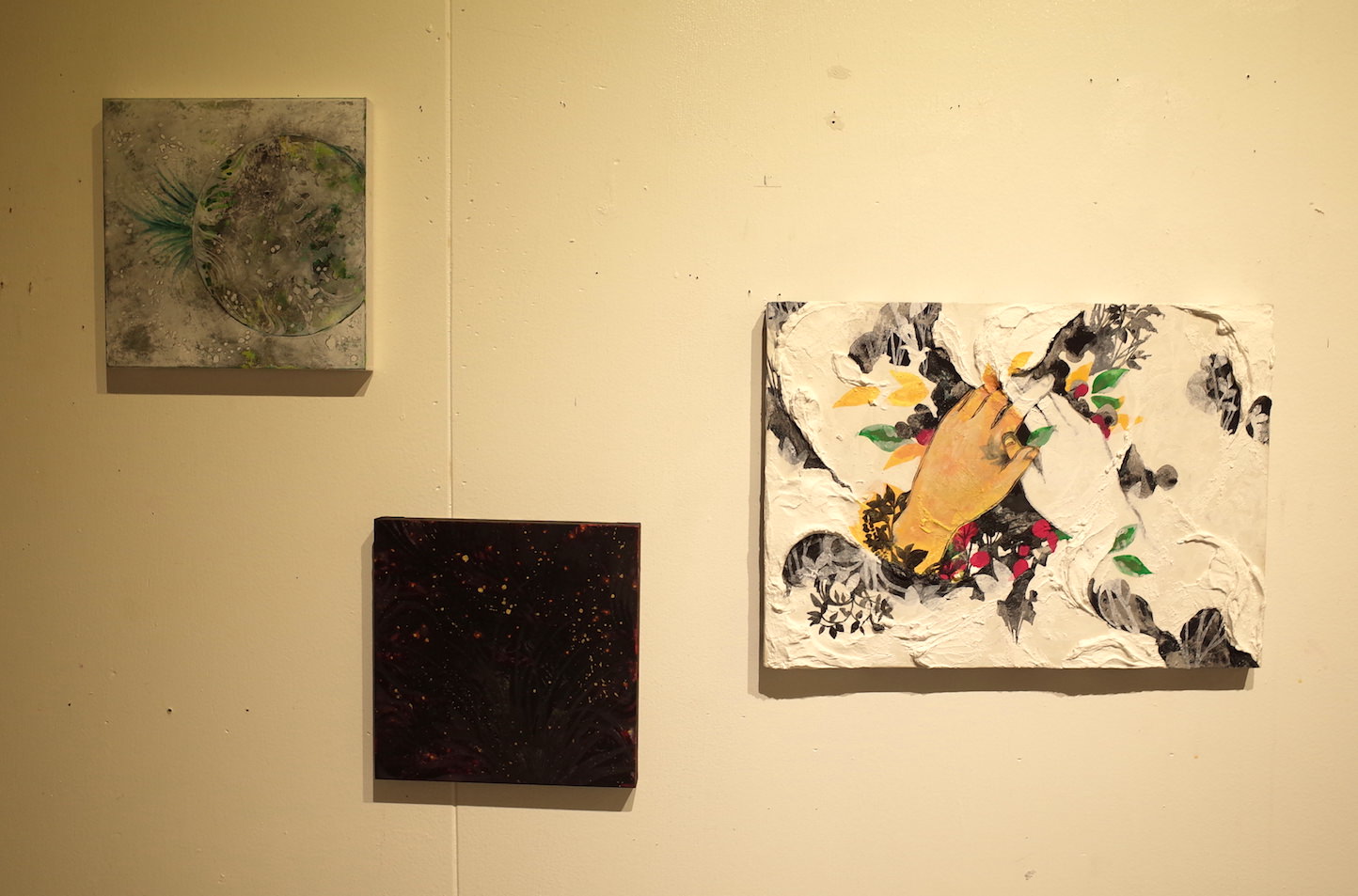
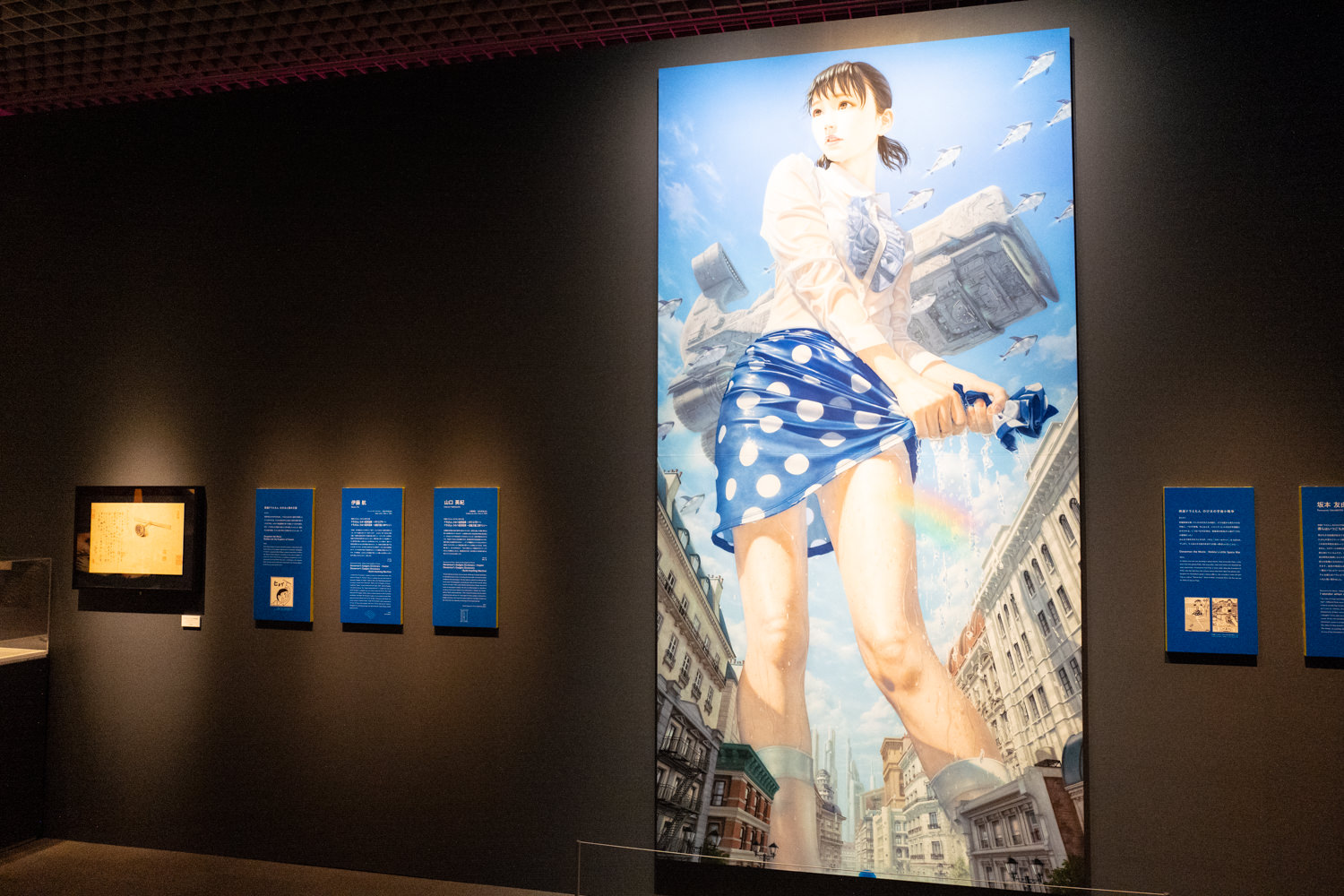
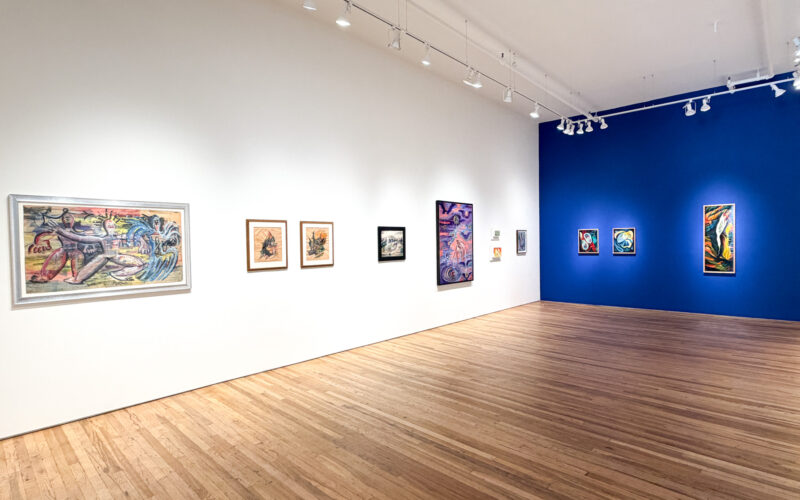
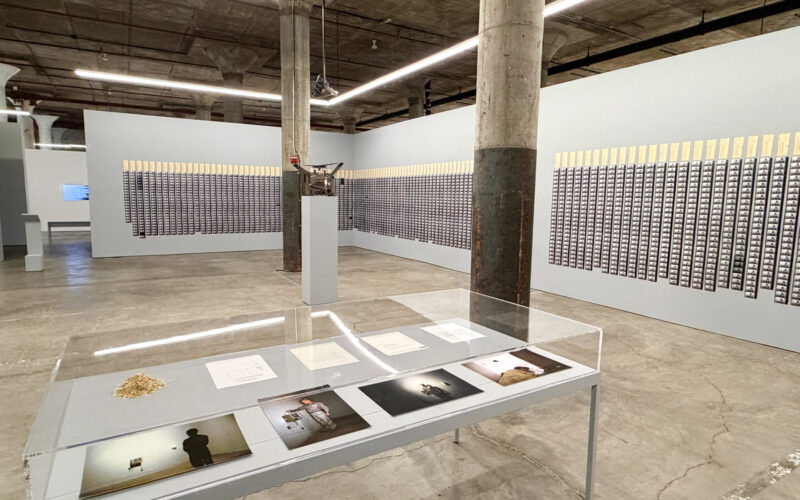
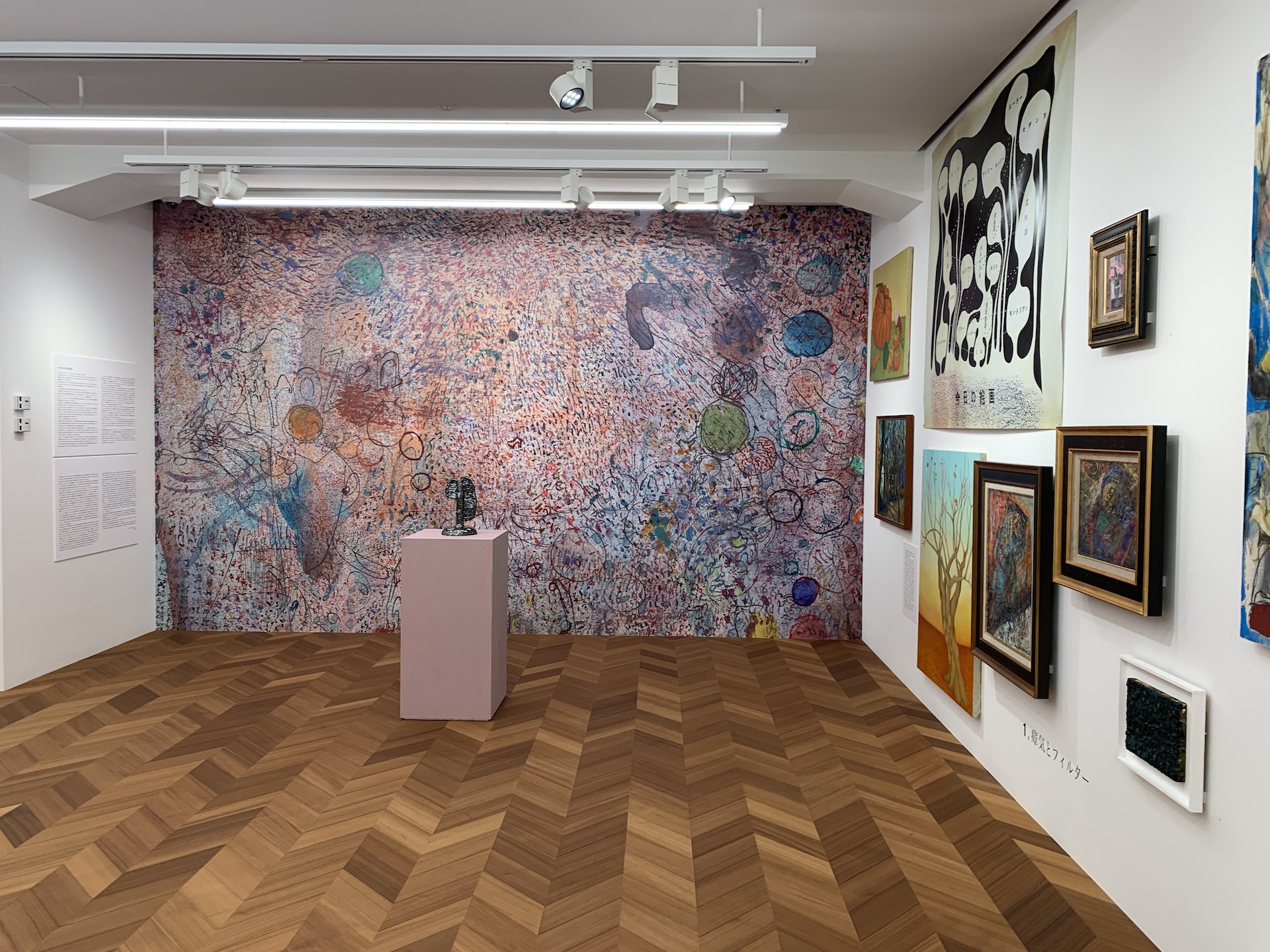
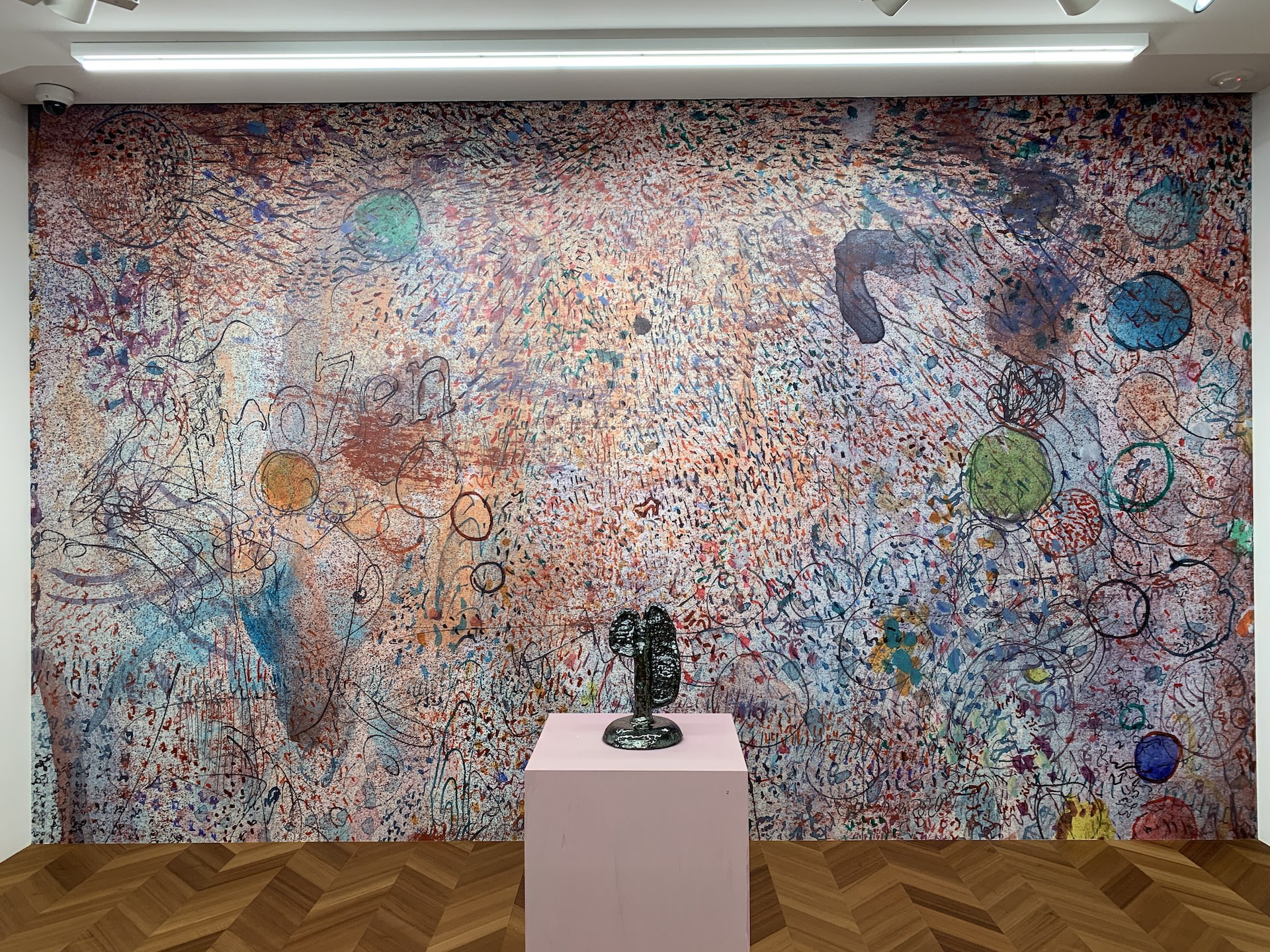
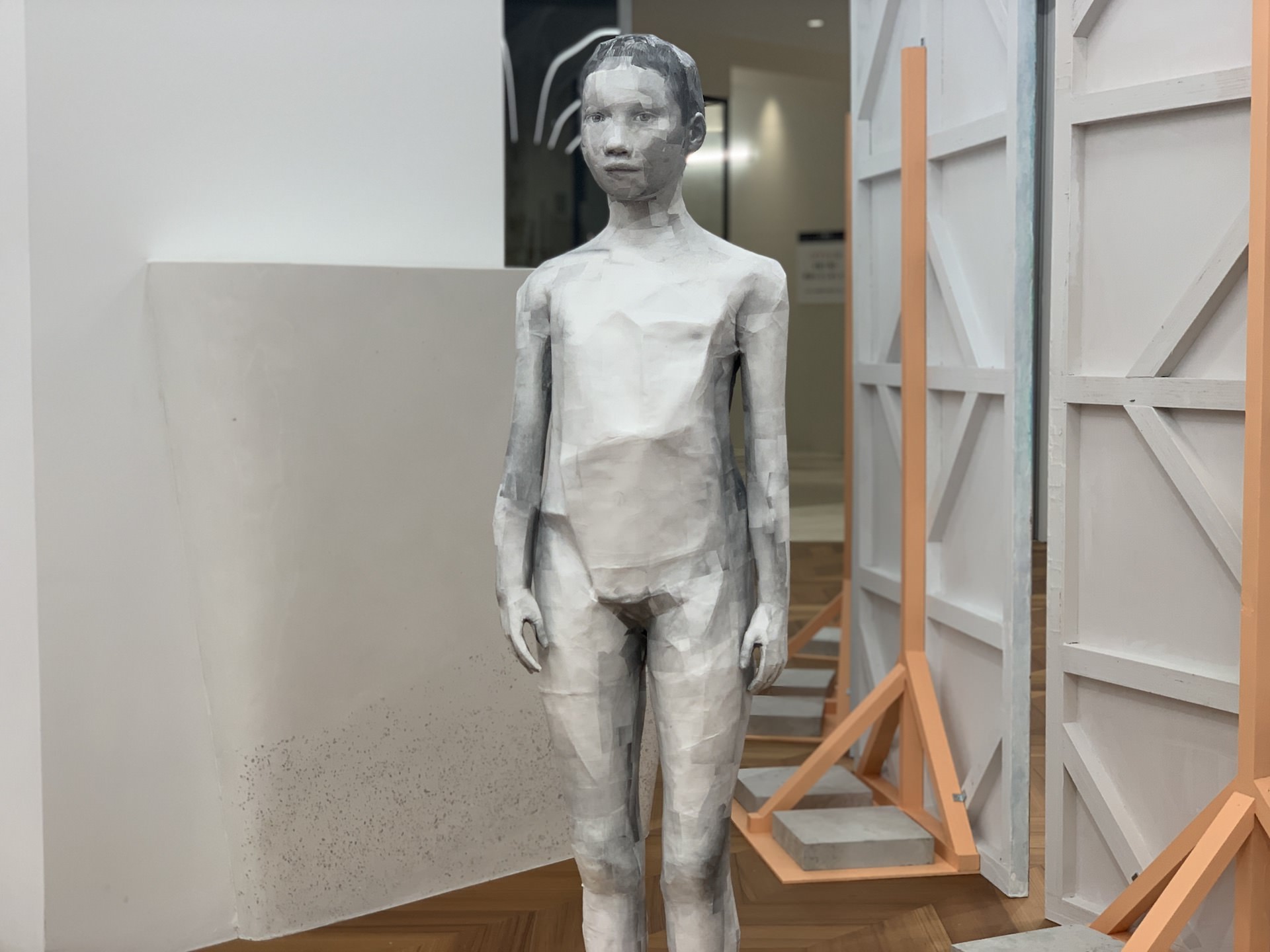
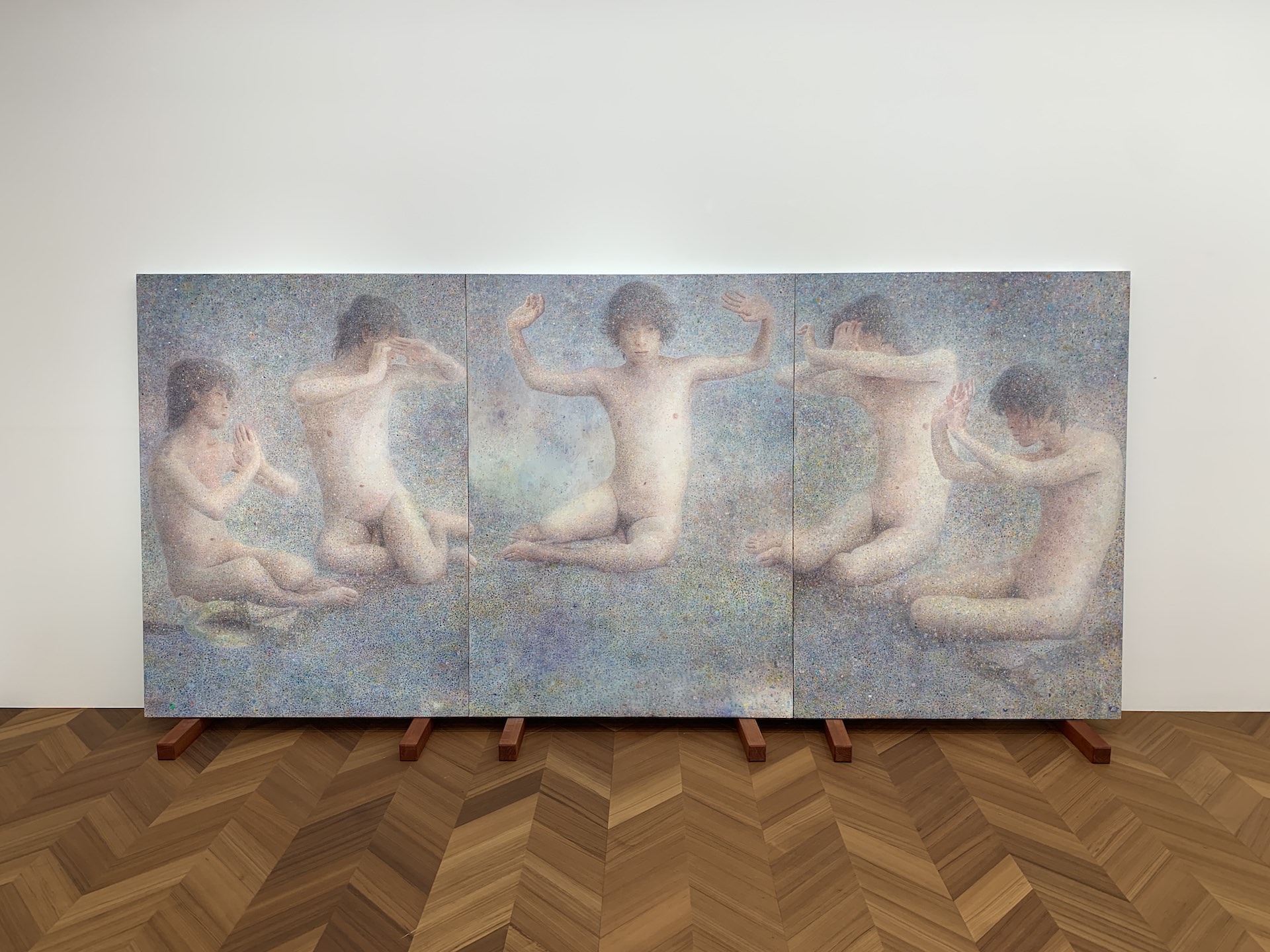
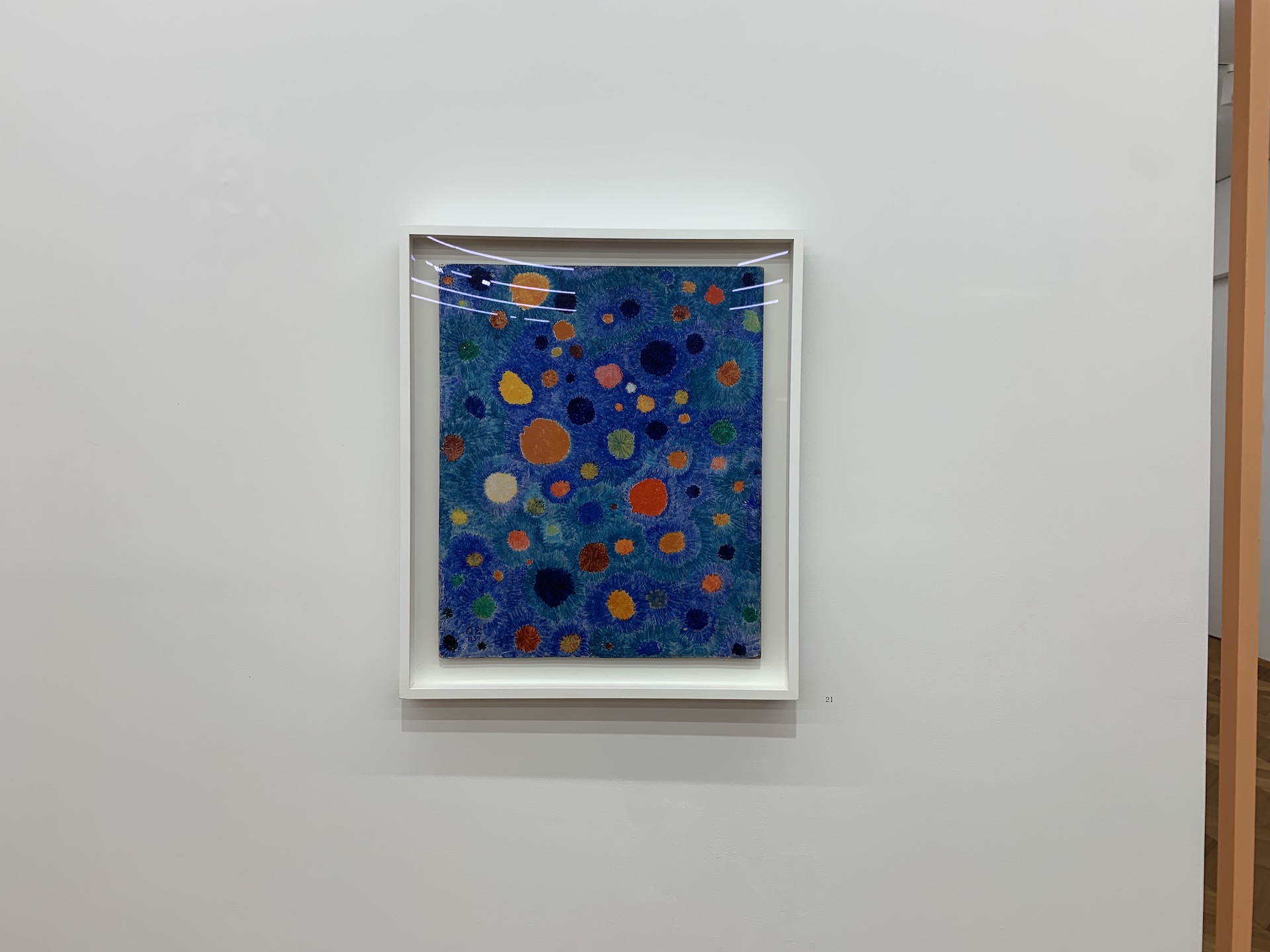
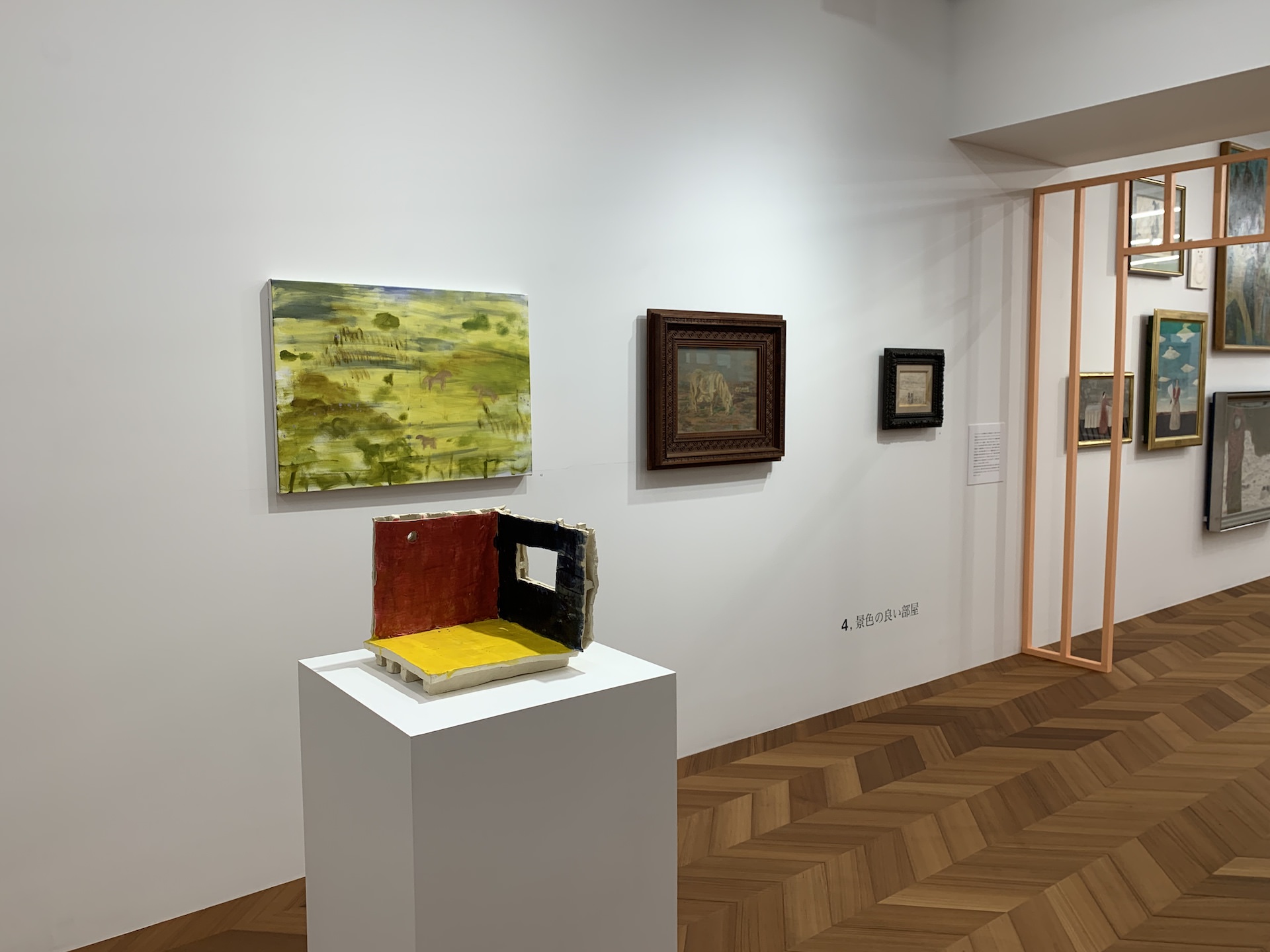
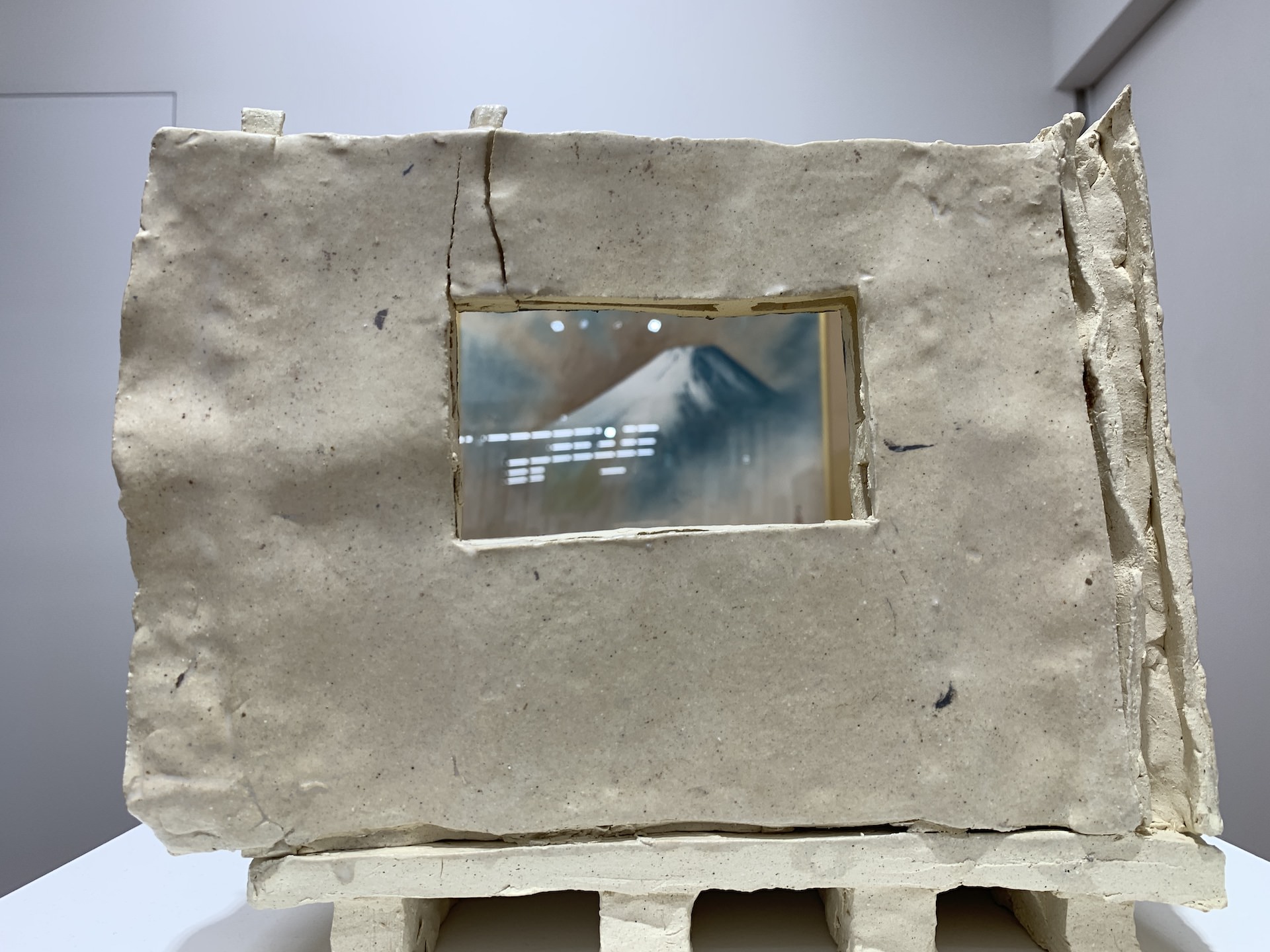
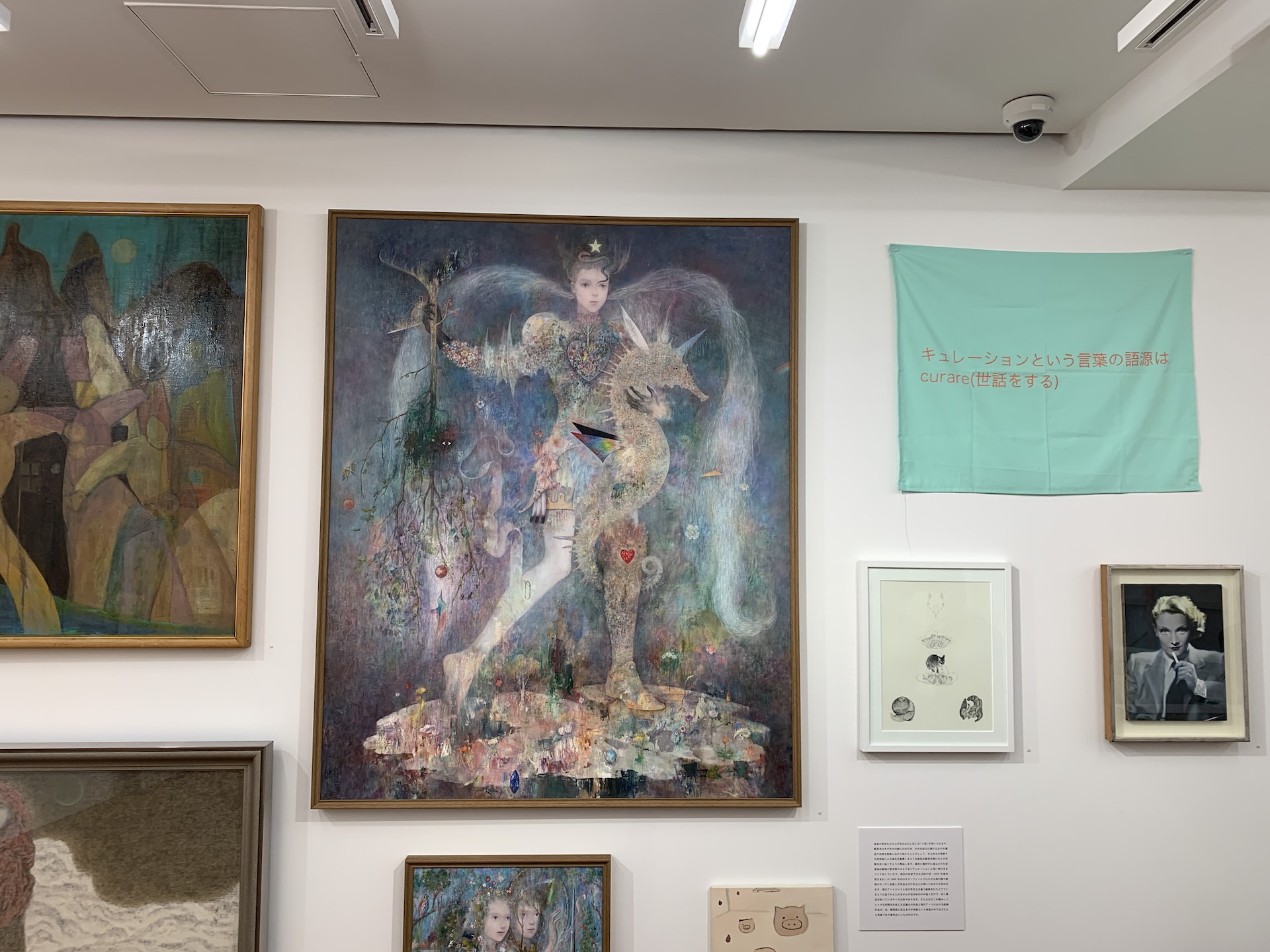
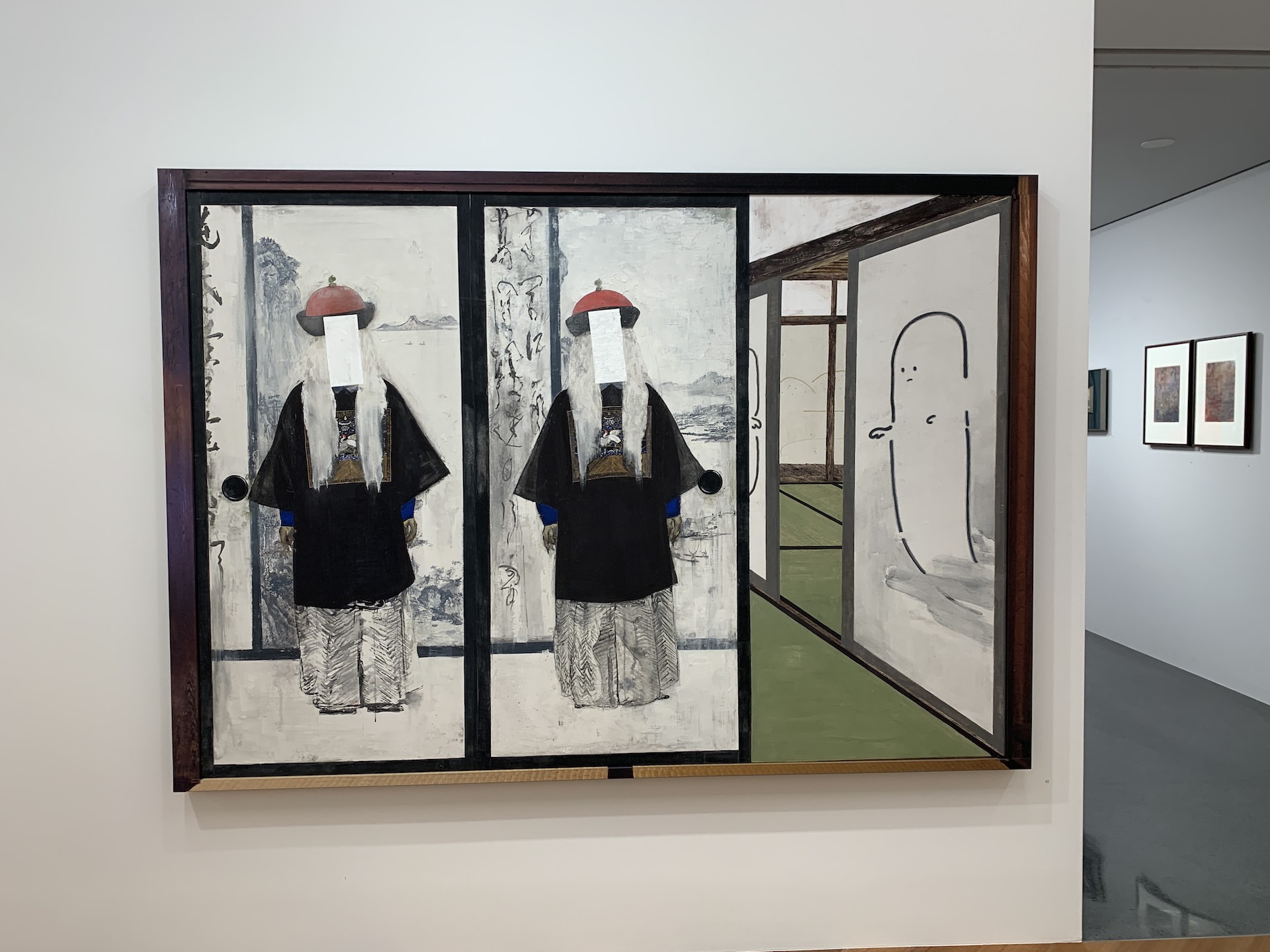
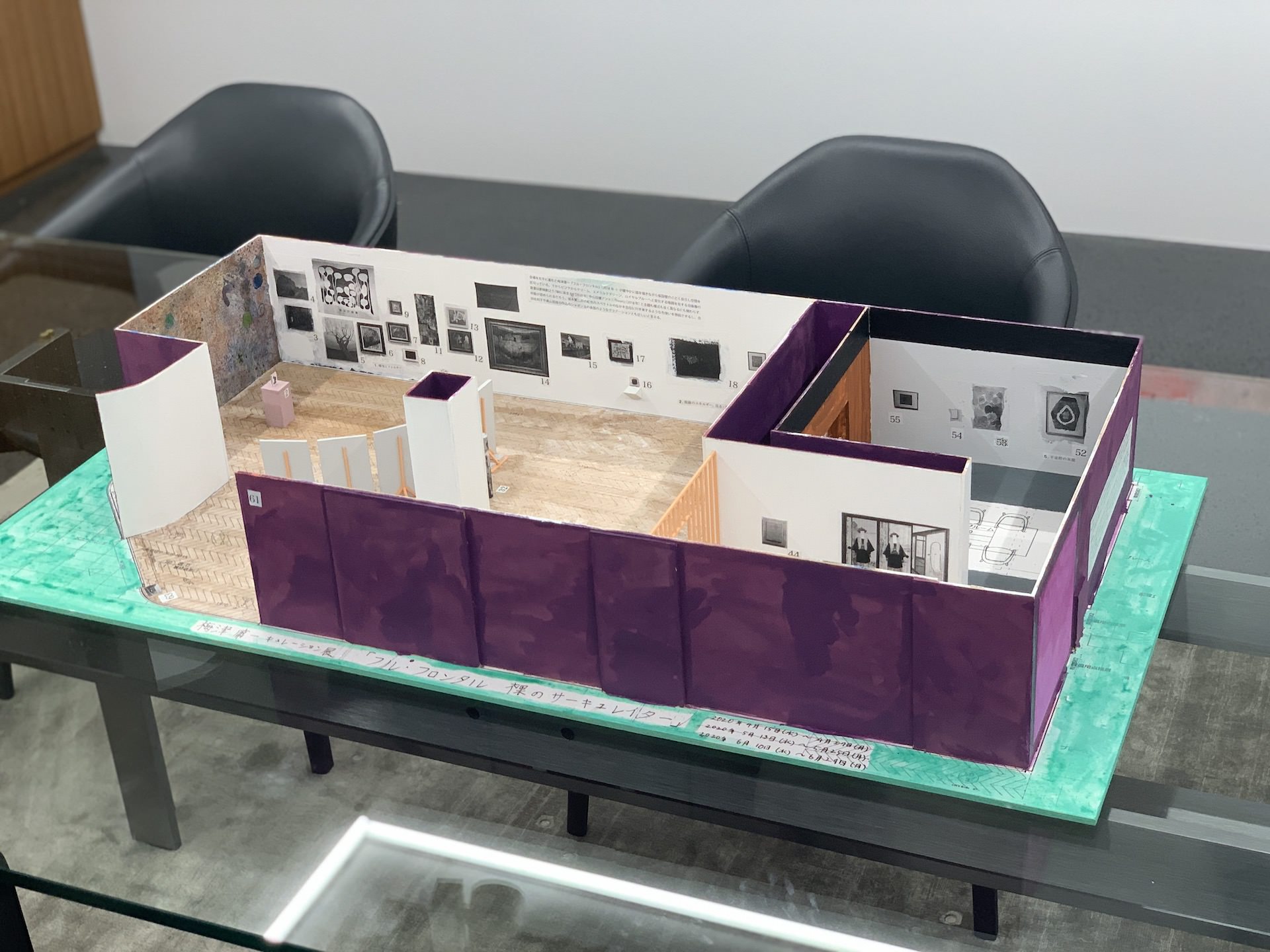
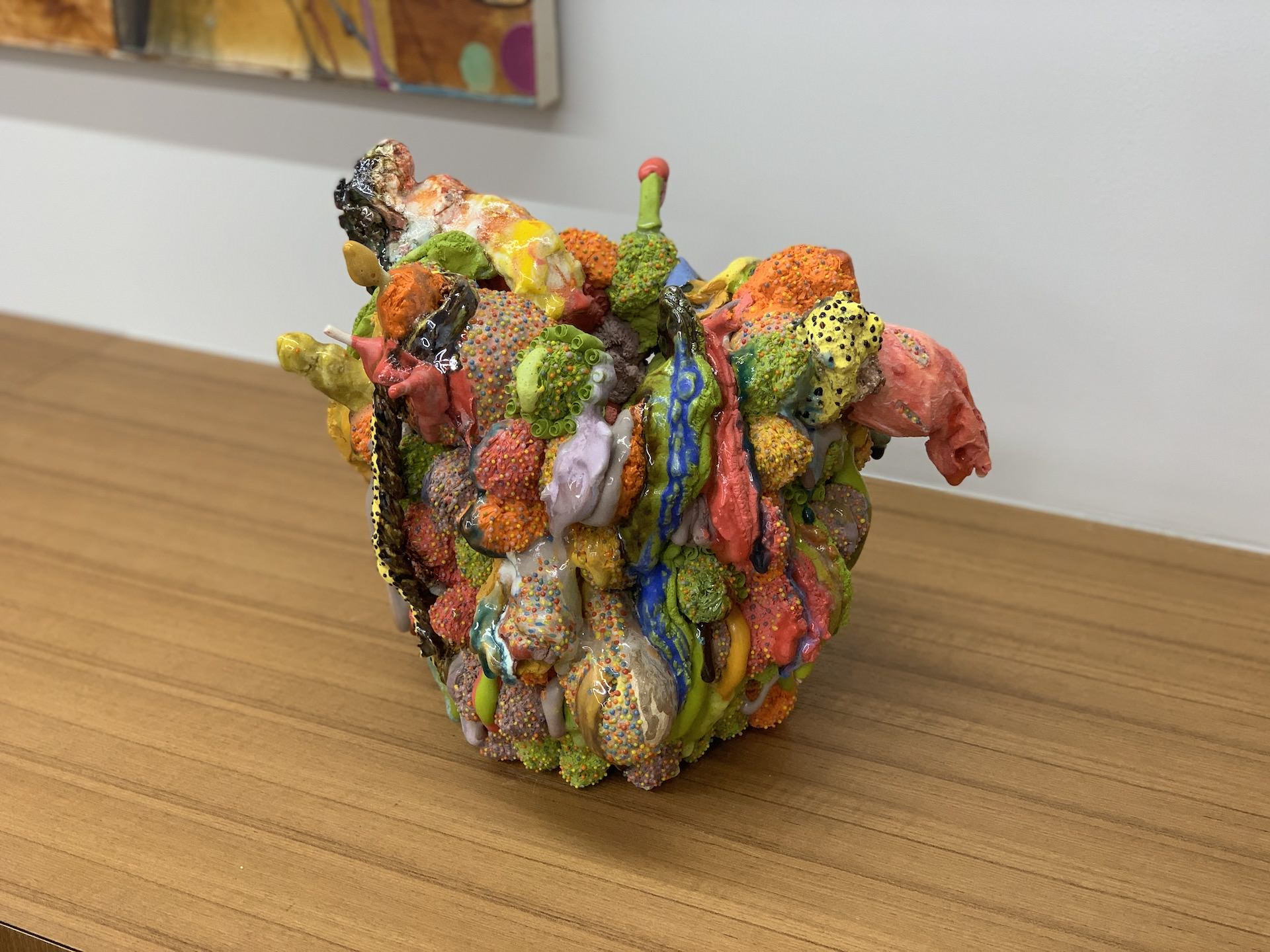
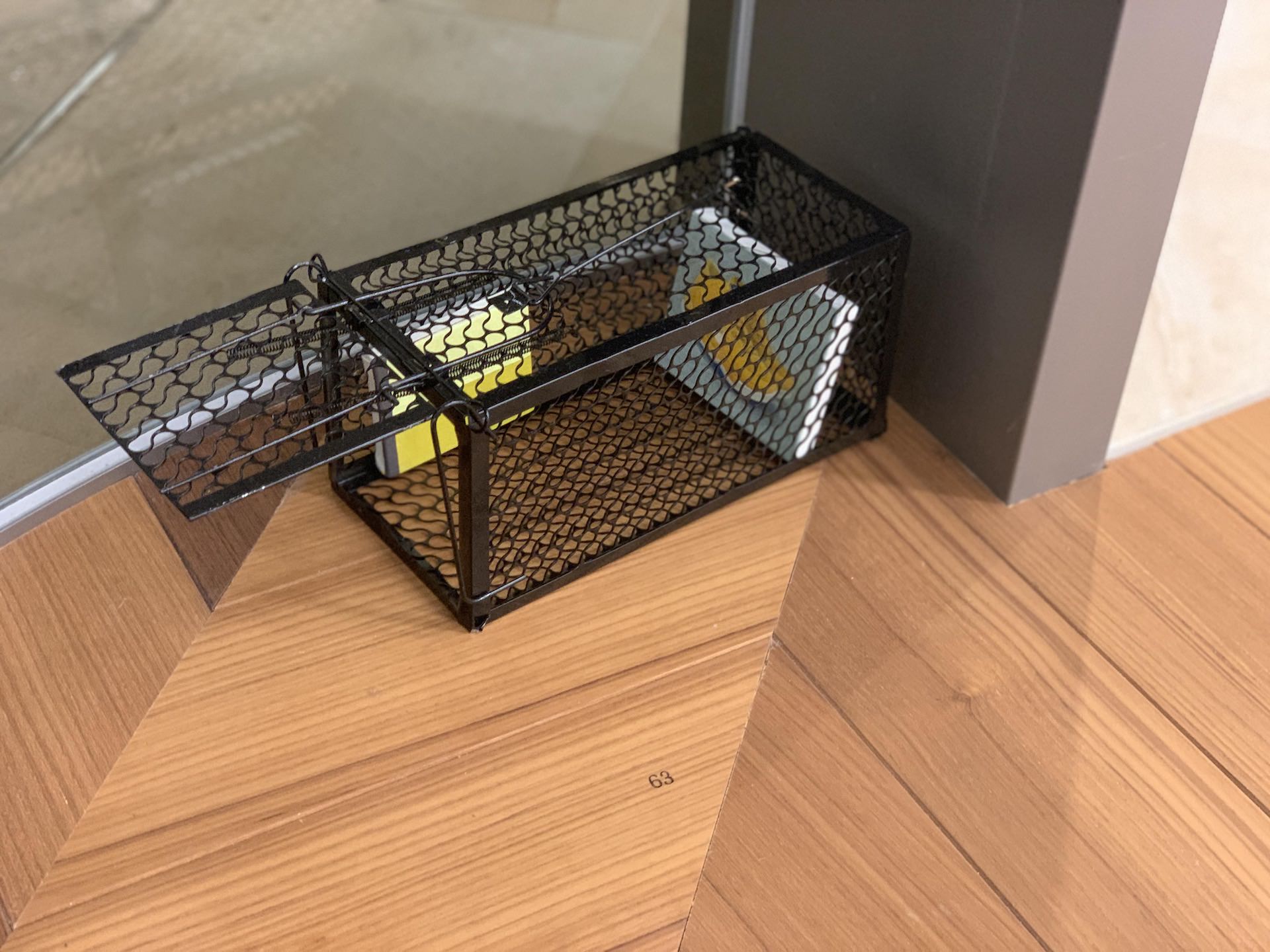
The exhibition brings together 64 works by 39 artists spanning different eras and styles, all installed as one continuous whole.
Below is an excerpt from Yoichi Umetsu’s lengthy statement.
[Statement by Yoichi Umetsu]
A Conception Drawing for a Small Independent Nation
I, an artist, exercise curatorship while at the same time acting as an artist. Smuggling and negotiations carried out between the artist within and the curator within. This duality must be kept in mind.
(abridged)
This exhibition is not a “contemporary art” exhibition in the usual sense. Taking the transitions and “states of being” of “modeling” in Japan as its main axis, it addresses the magical and the ominous surrounding the “thing called art.” It opens at Mitsukoshi, a venue that has long been intimately involved with such “evaluation” and “trends of the time.” Works from contemporary artists, Sunday painters, deceased artists, and the secondary market — all circulating through the art world — link themselves loosely, like a constellation. It is an imaginary-museum-like exhibition where works that had never before been placed side by side, either in real space or in critical space, gather across clusters and political divisions.
(abridged)
The mission of this exhibition is neither to relativize “the thing called art” nor to belatedly deny modernism. It is to bring to light and lay “bare” the transitions of “modeling” in art from the modern to the contemporary. It is also a reconsideration of an existing art history that has been spun by certain particular groups of works and cases that meet the various conditions easily summoned into critical discourse. This exhibition is unrelated to attempts that gather and compare examples with easily recognizable features — such as “Cubism” in painting — that are congenial to existing discourses. Works underwritten by historical reflection and firm production theories, whose structures and methodologies are candidly disclosed, sit well with discourse, and in recent years have been given many more words.
(abridged)
Starting from “modeling,” this exhibition reconstructs how the artist’s imagination, reflexes, and kinetic vision were exercised on the site of production. And this exhibition is not merely a group show of the participating artists. It is also an exhibition of artists who are not showing here. Some viewers will move through the venue mentally supplementing countless artists, much like the roughly 900 species of Pokémon said to exist today; other viewers will think of nameless artists; still others will walk through overlapping the works with themselves.
I believe that “the thing called art” is not any particular something, but the ecosystem itself, and the “stirring” that circulates within it. In this exhibition I would like to present that “stirring” by synchronizing the principles of modeling with the movement of the viewer.
Under the feeble sunlight of a spring overcast, a dry wind blows, and dirty water flows in a long-unused irrigation ditch. Across an undulating terrain, pollen released by various clusters drifts, circulates, and stagnates. The landscape spreading before your eyes is a self-portrait of “me,” and also a conception drawing for a small independent nation.
(April 1, 2020, in Sagamihara)
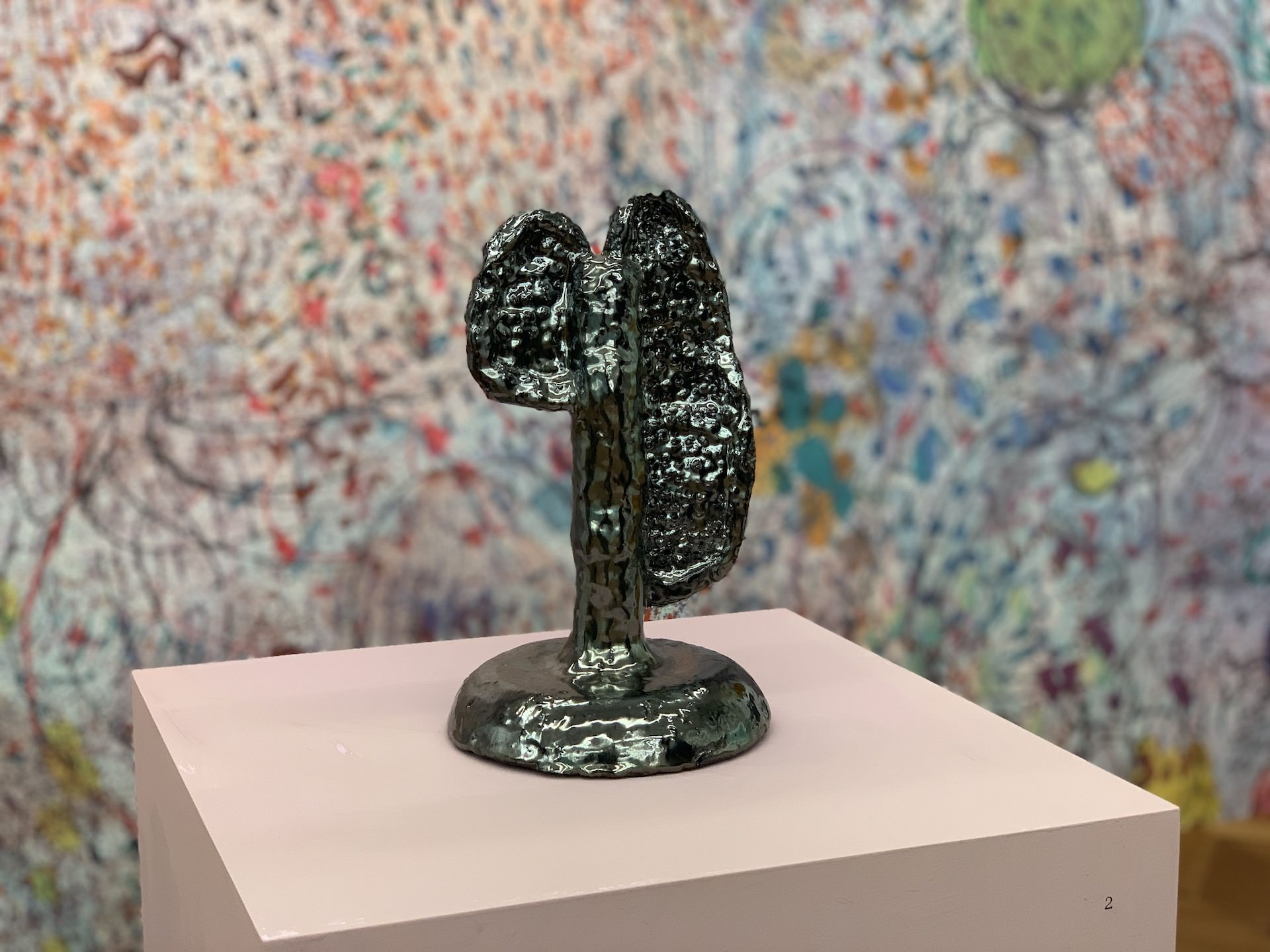
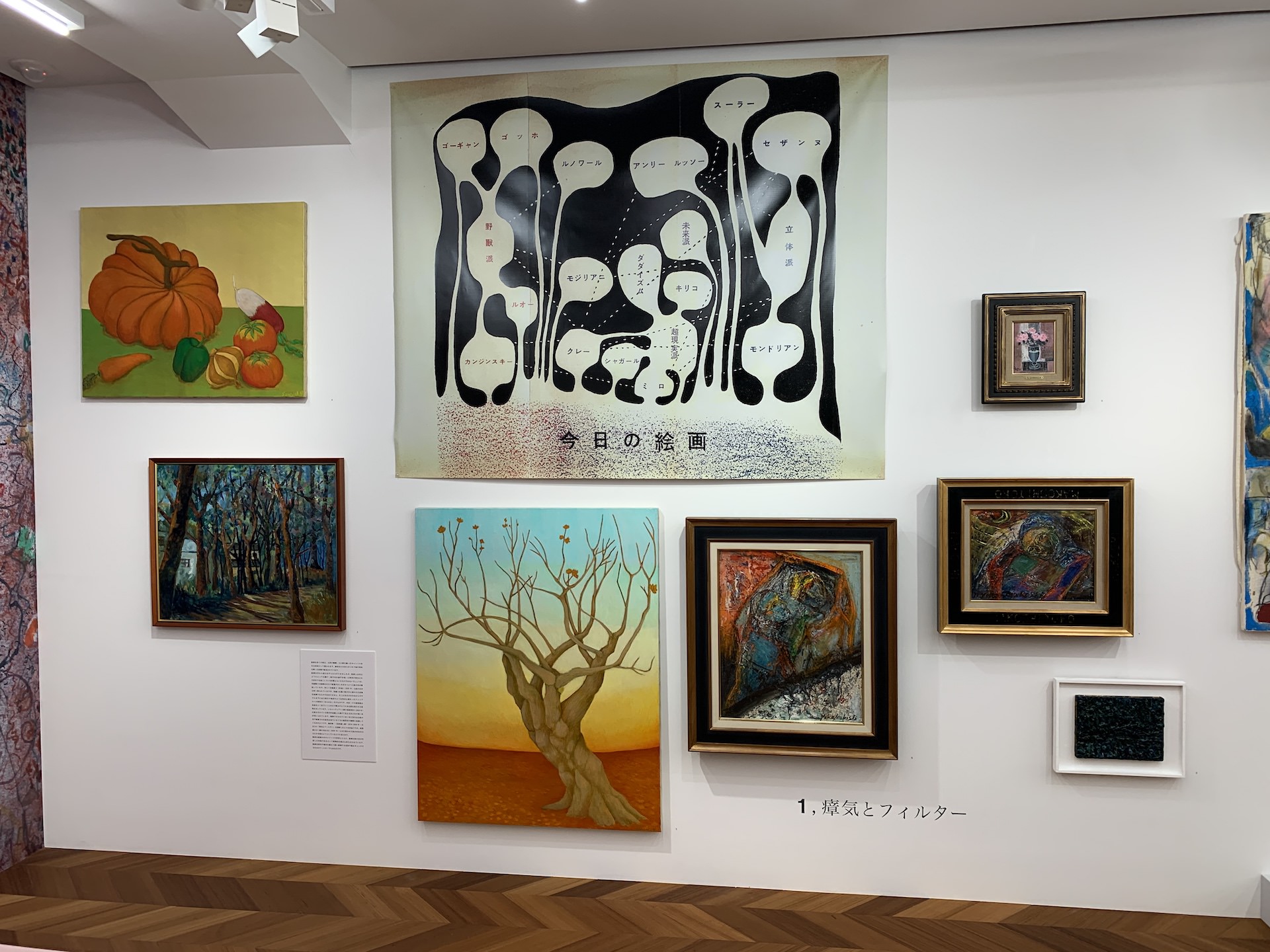
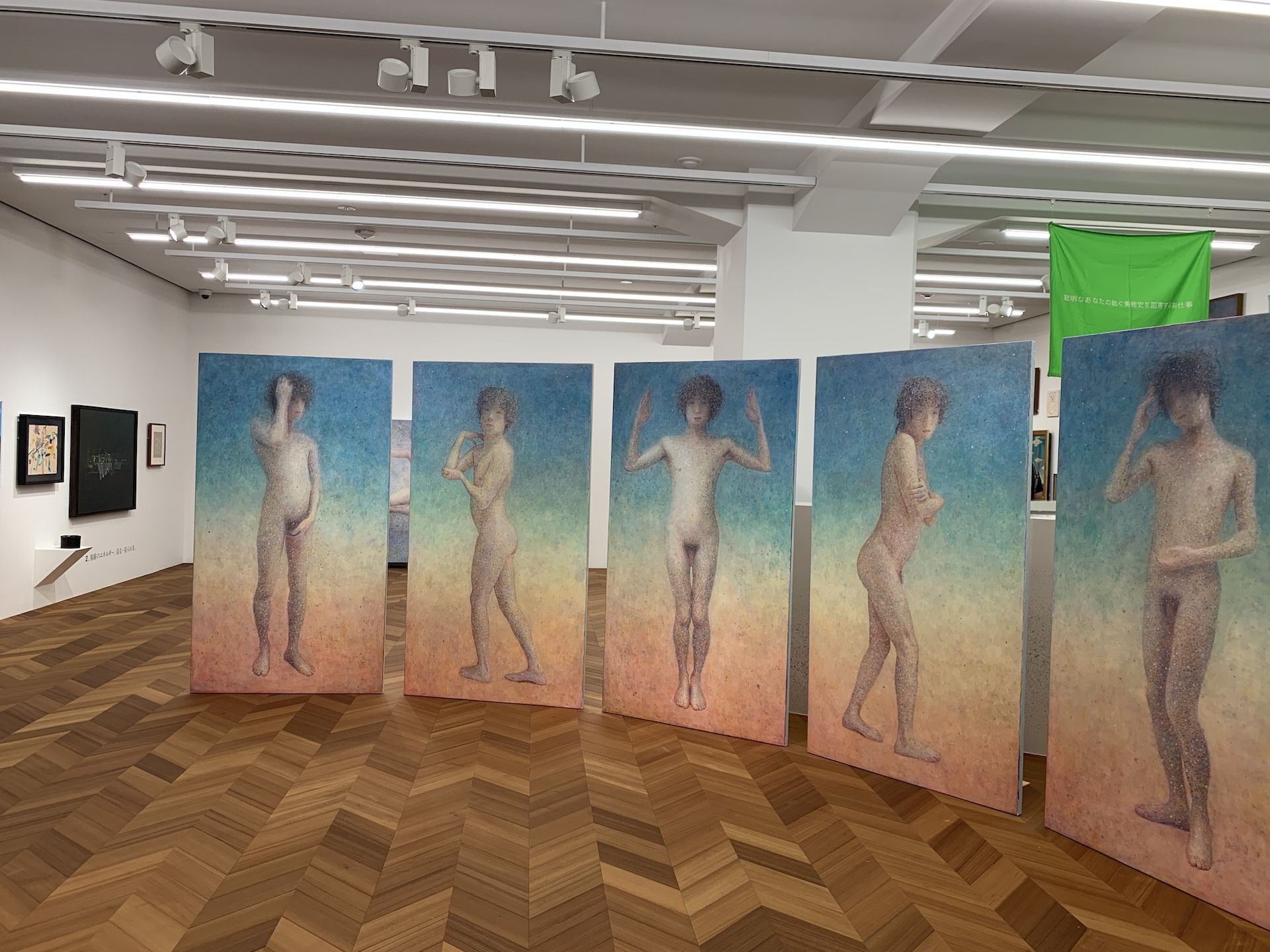
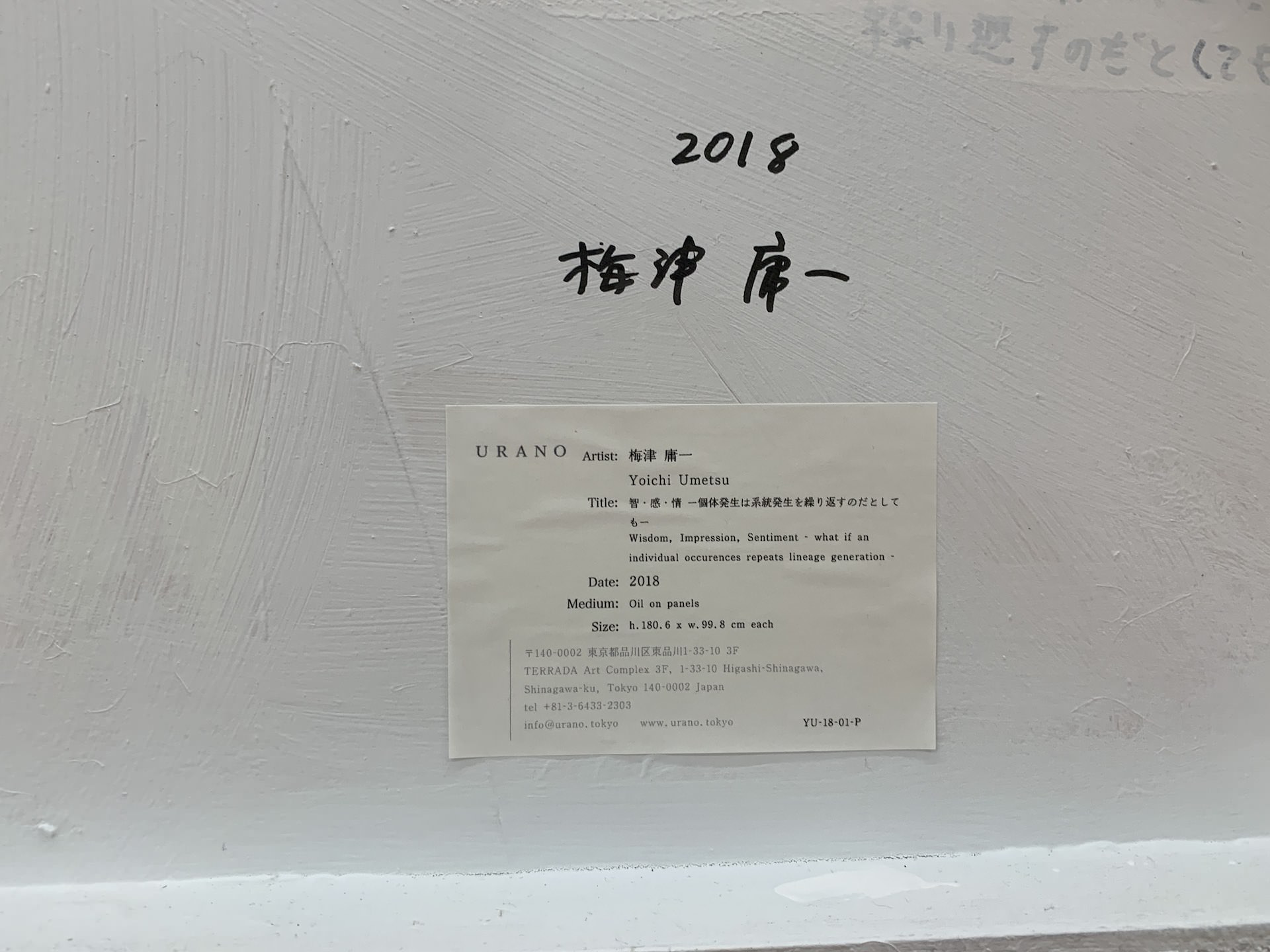
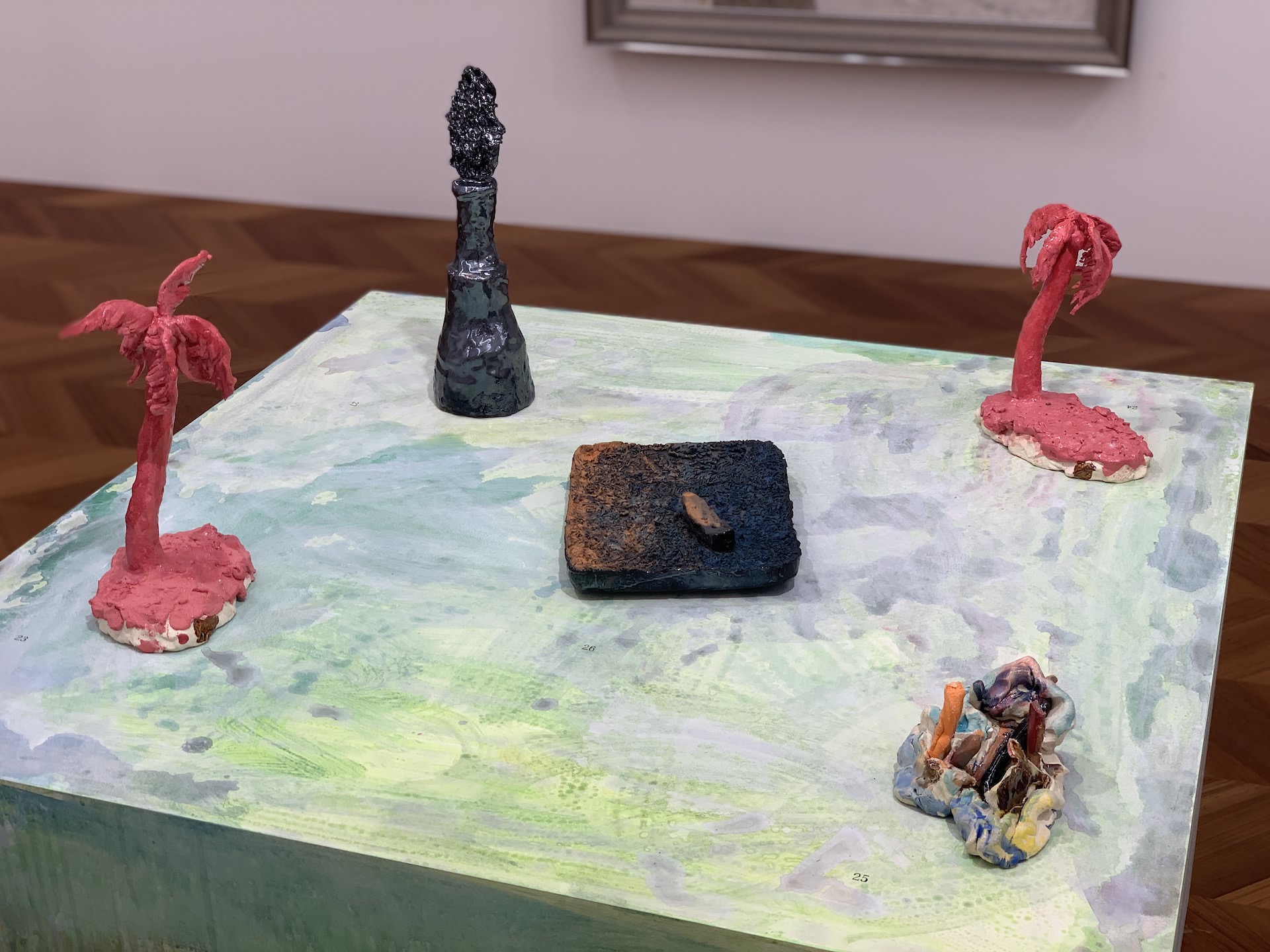
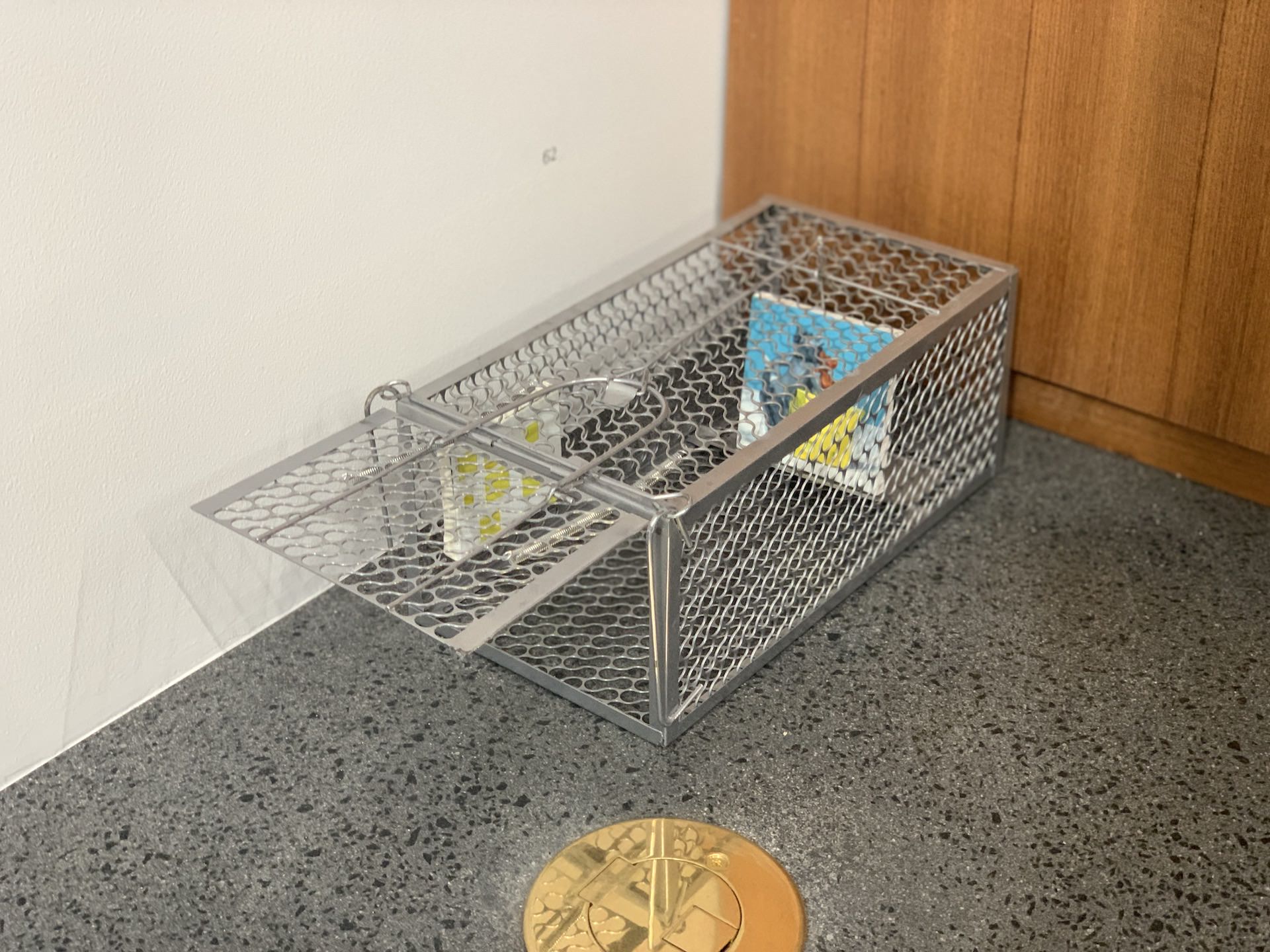
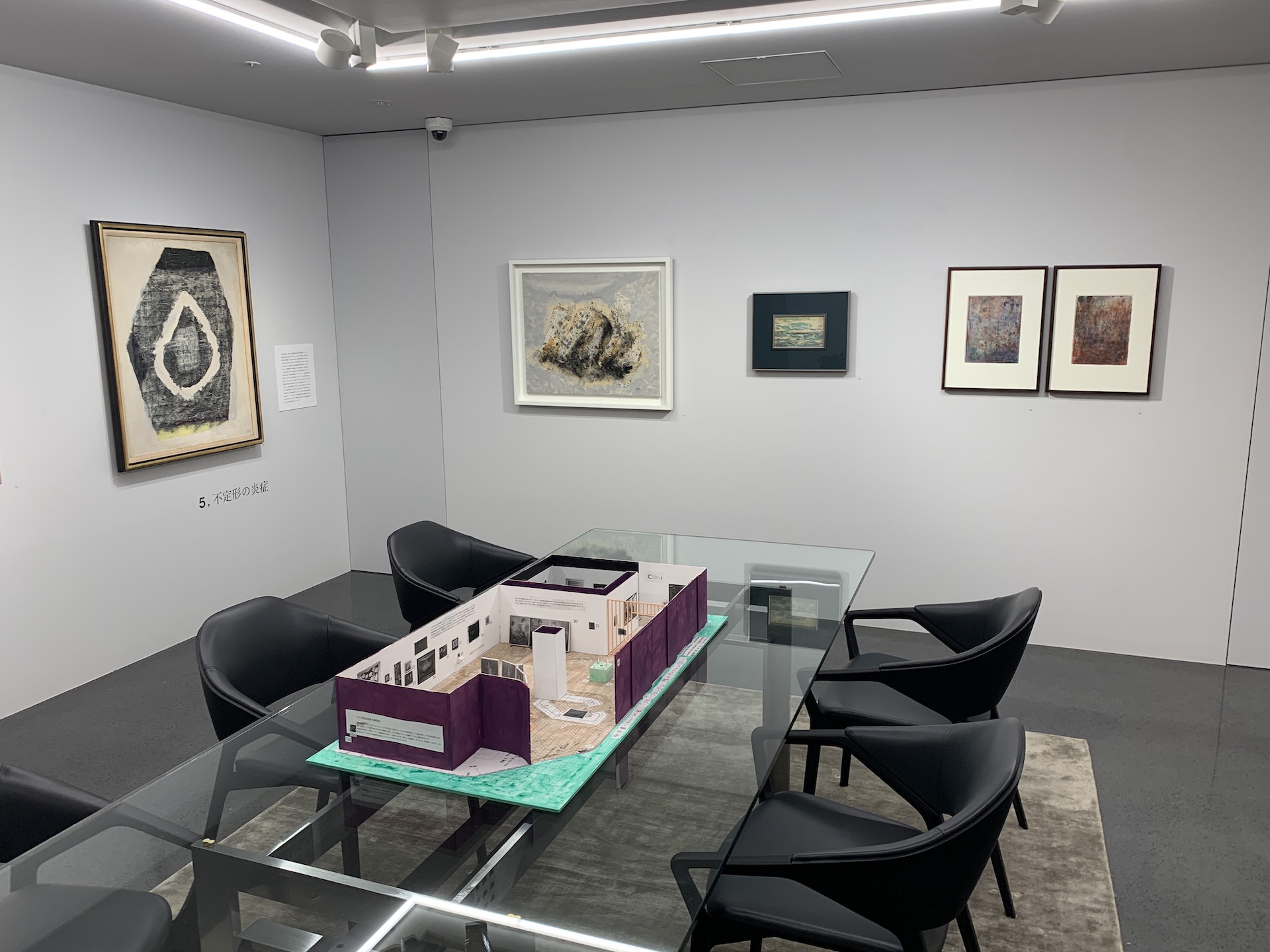
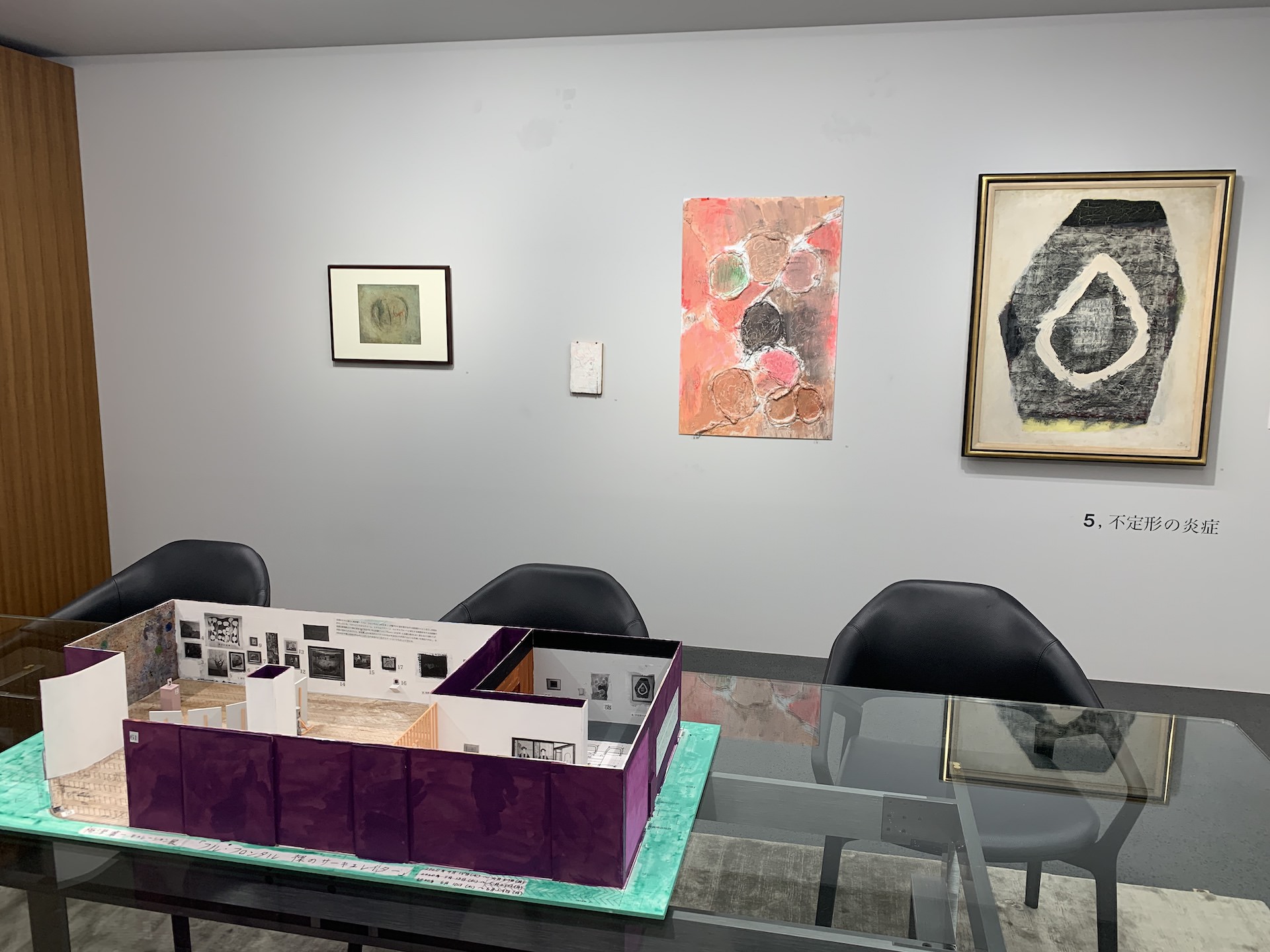
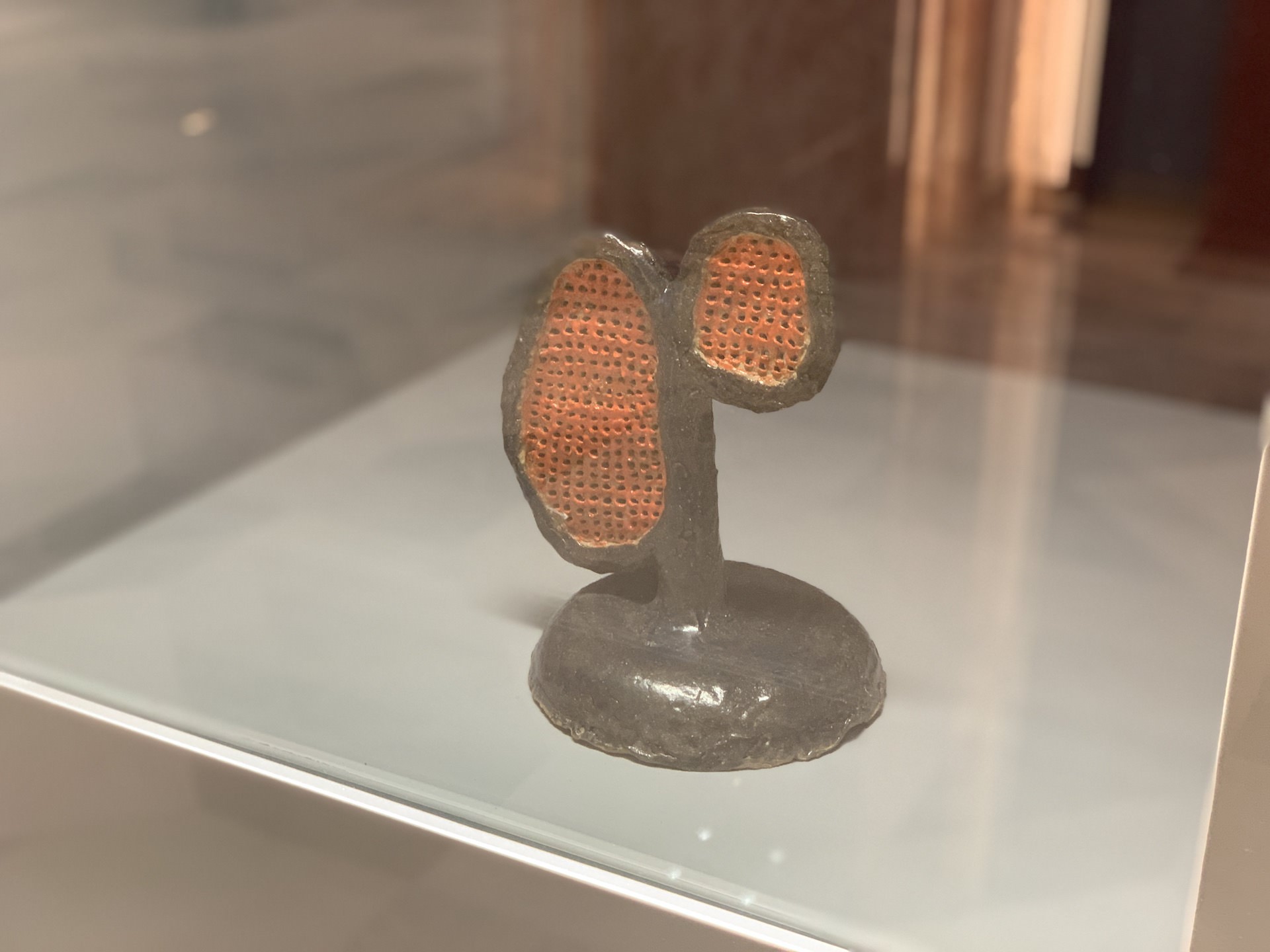
Organized within a long-established department store, this was an exhibition packed with points of interest.