STARS: Six Contemporary Artists from Japan to the World
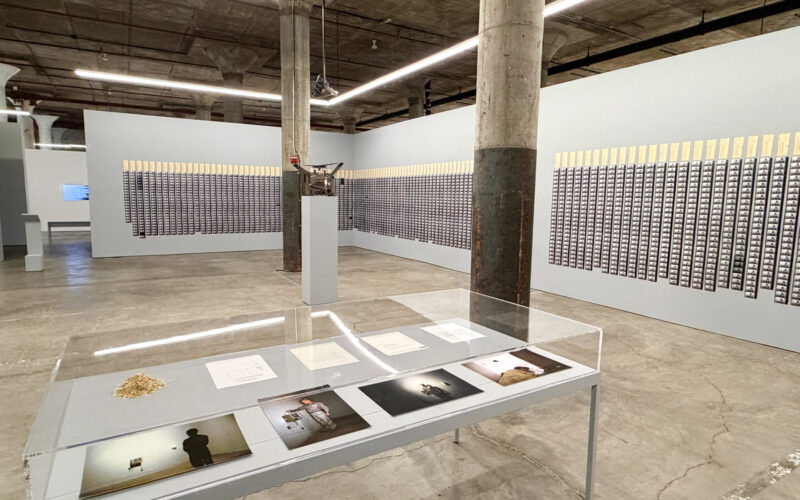
We visited “STARS: Six Contemporary Artists from Japan to the World,” currently on view at Mori Art Museum.

The STARS exhibition was originally planned to coincide with the 2020 Tokyo Olympics, but was rescheduled due to the impact of the novel coronavirus.
The exhibition selects six artists who have transcended the framework of Japan to gain broad international recognition, celebrated today across diverse regions and generations, and traces the trajectories of their careers by connecting early works with the most recent. How has their practice come to be evaluated by the world? The show explores this against Japan’s unique social, cultural, and economic background—its pursuit of universal themes beyond borders and cultures, tradition and aesthetics, technology, subculture, and more.
The exhibition also presents materials on major exhibitions of Japanese contemporary art held abroad from the 1950s to the present, examining the criteria and lineages of evaluation of each era.
Hiroshi Sugimoto
This article focuses on Hiroshi Sugimoto, the eldest of the six artists.
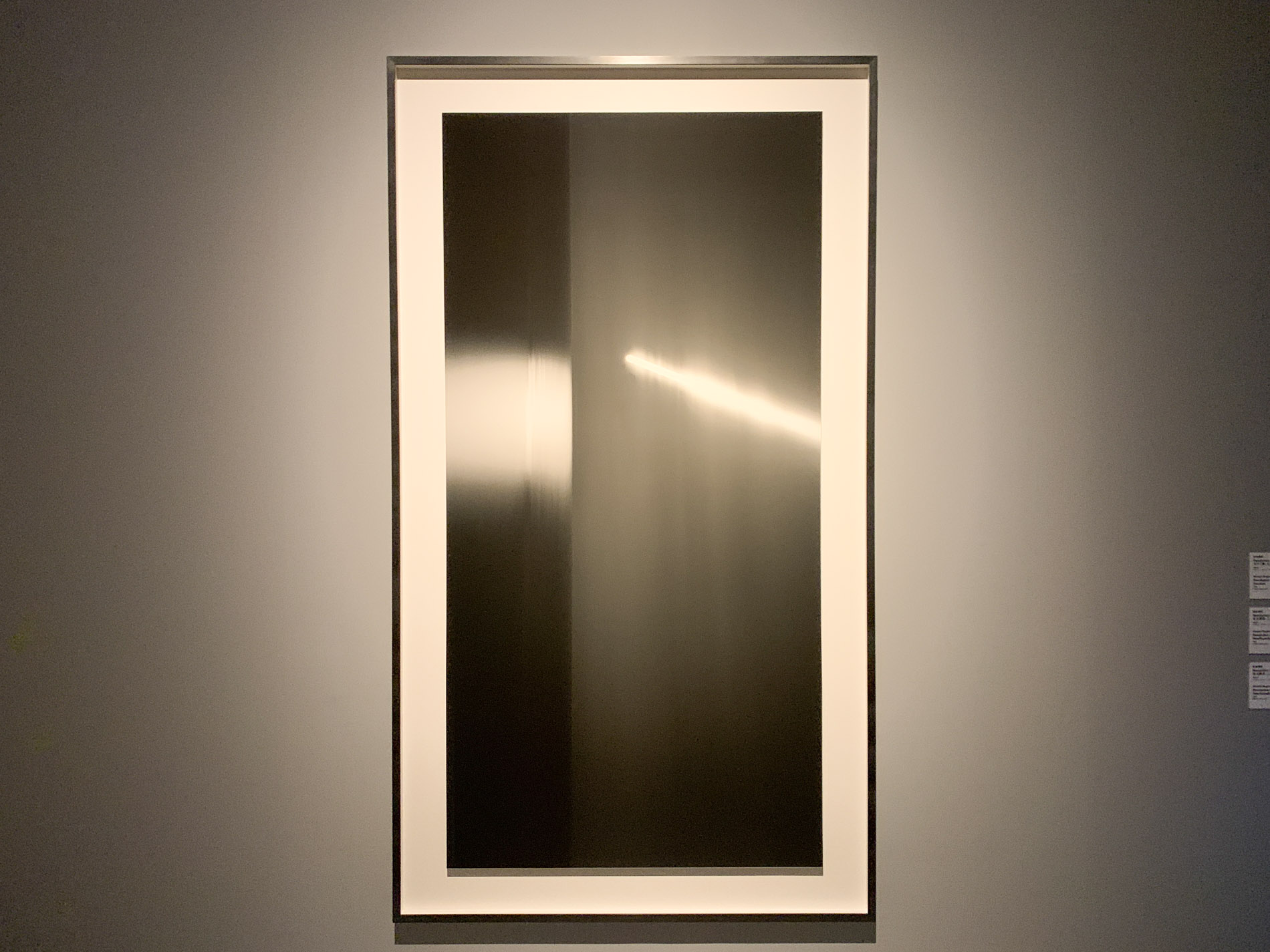
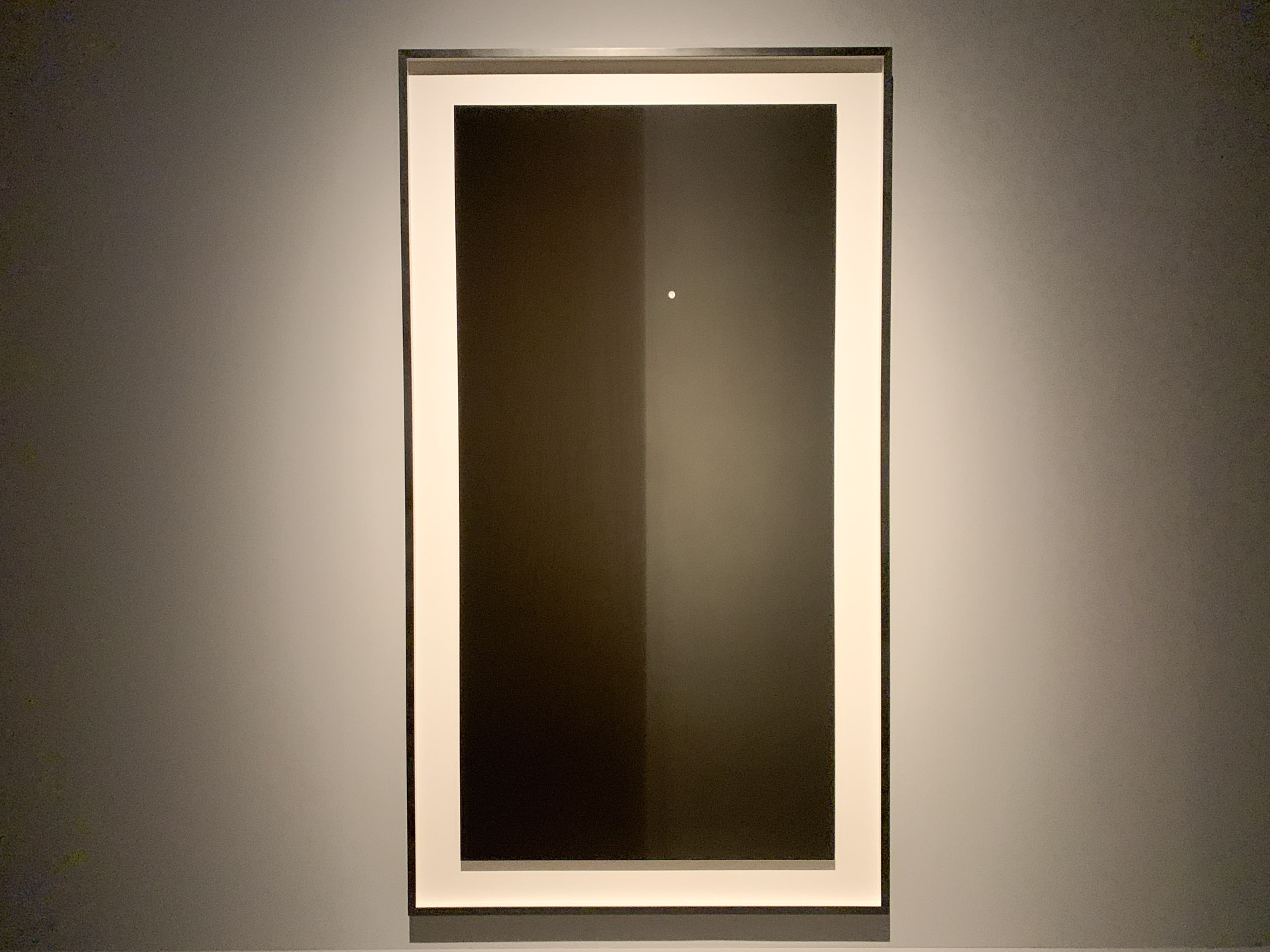
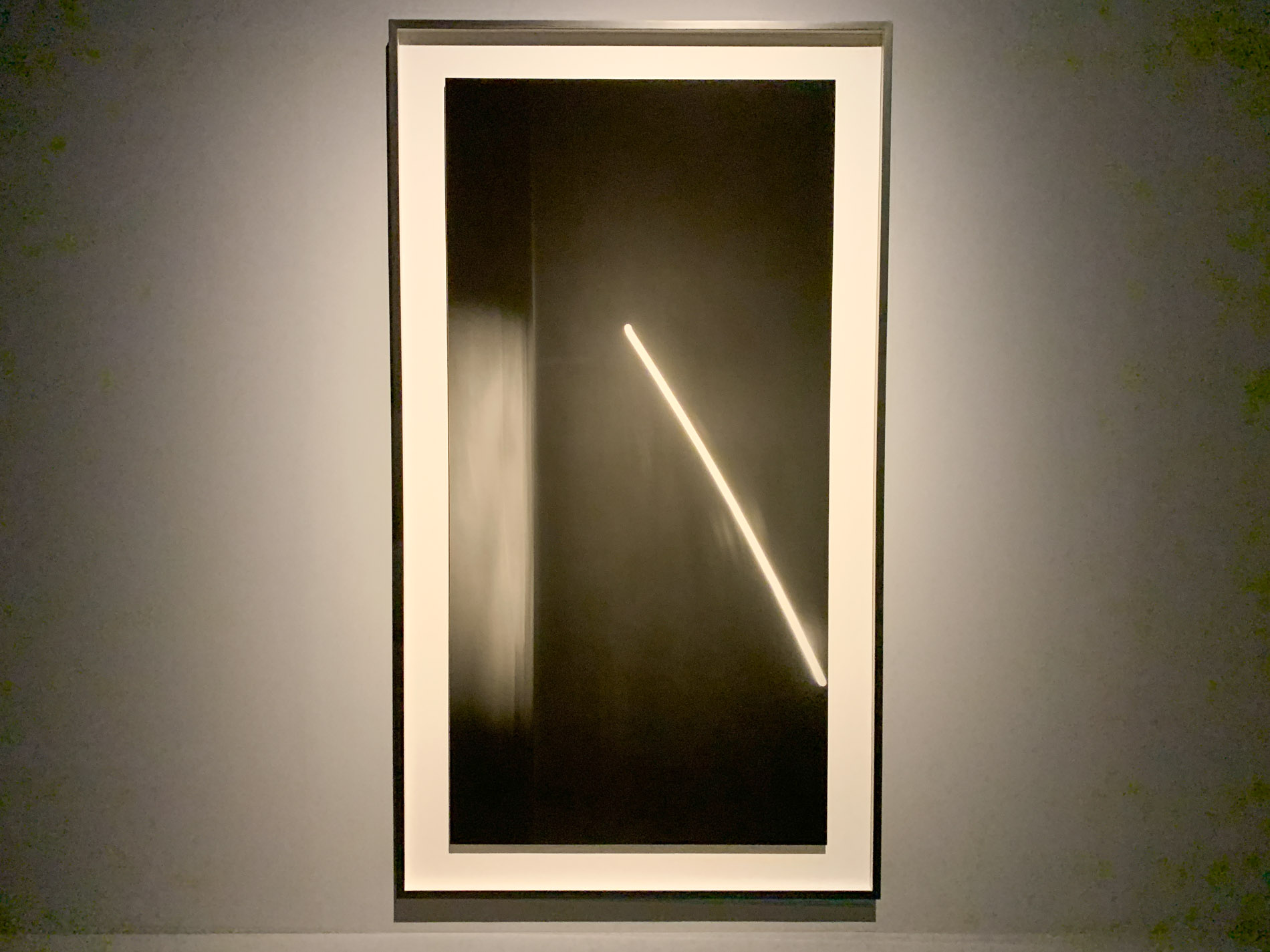
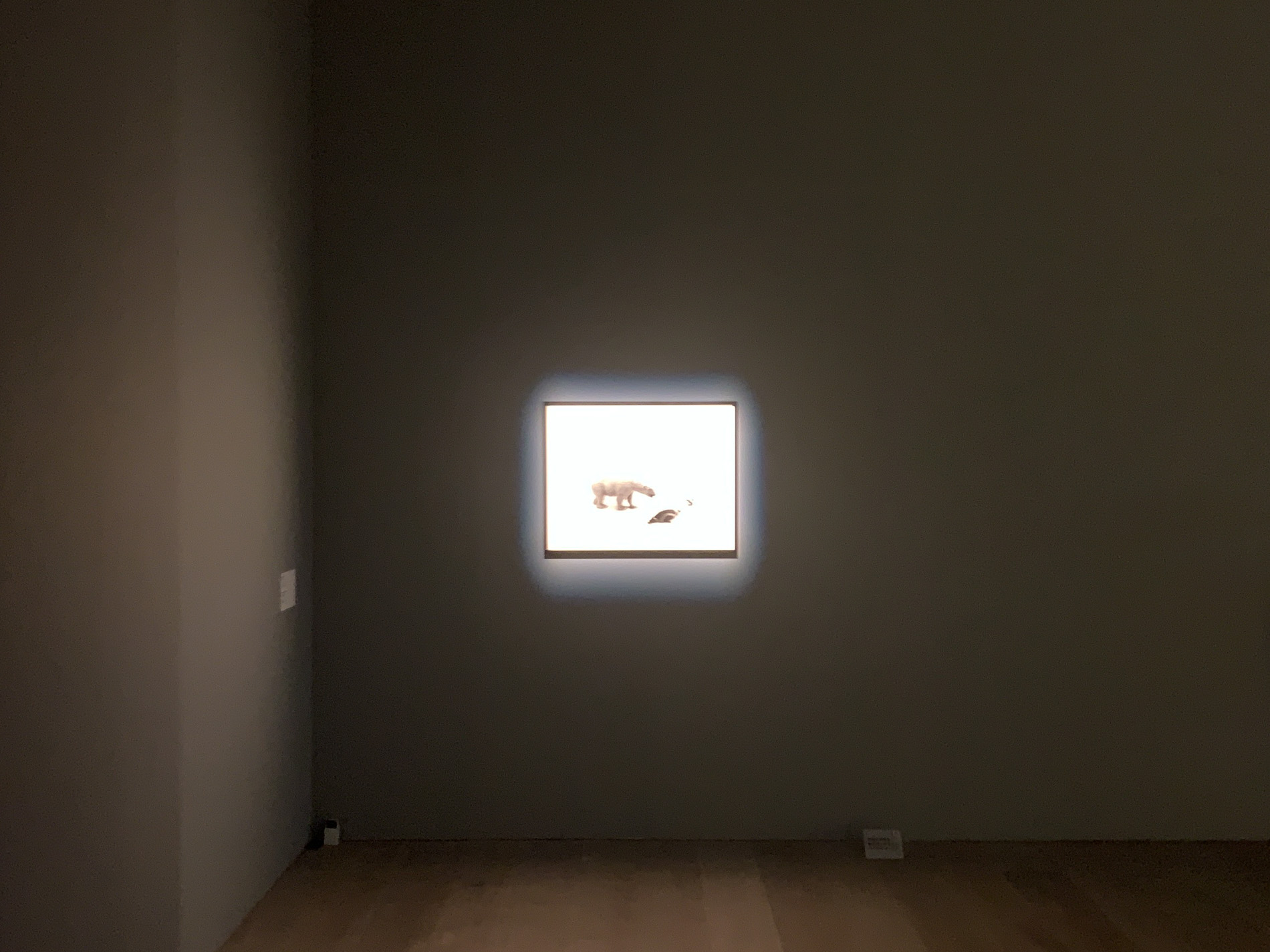
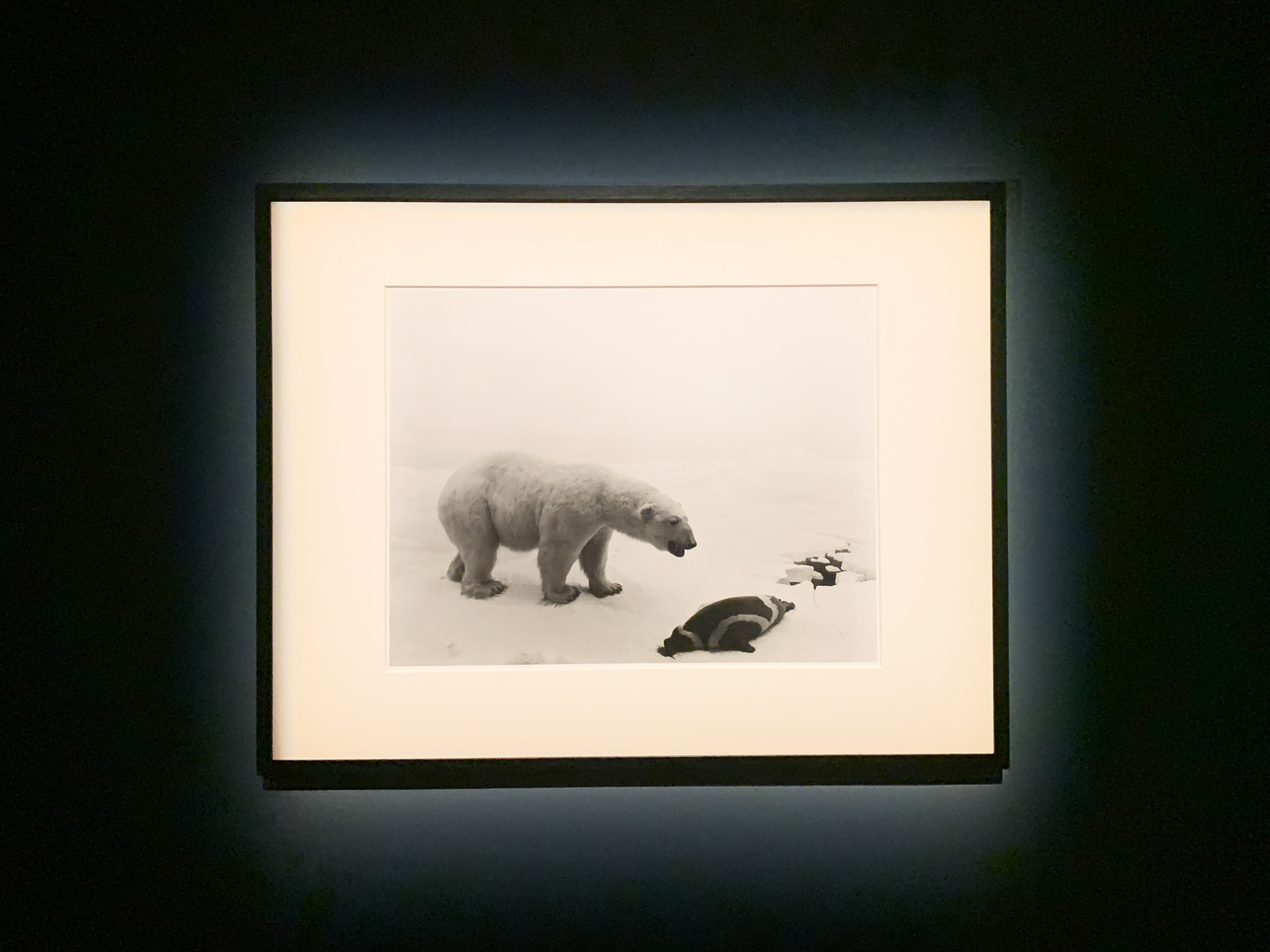
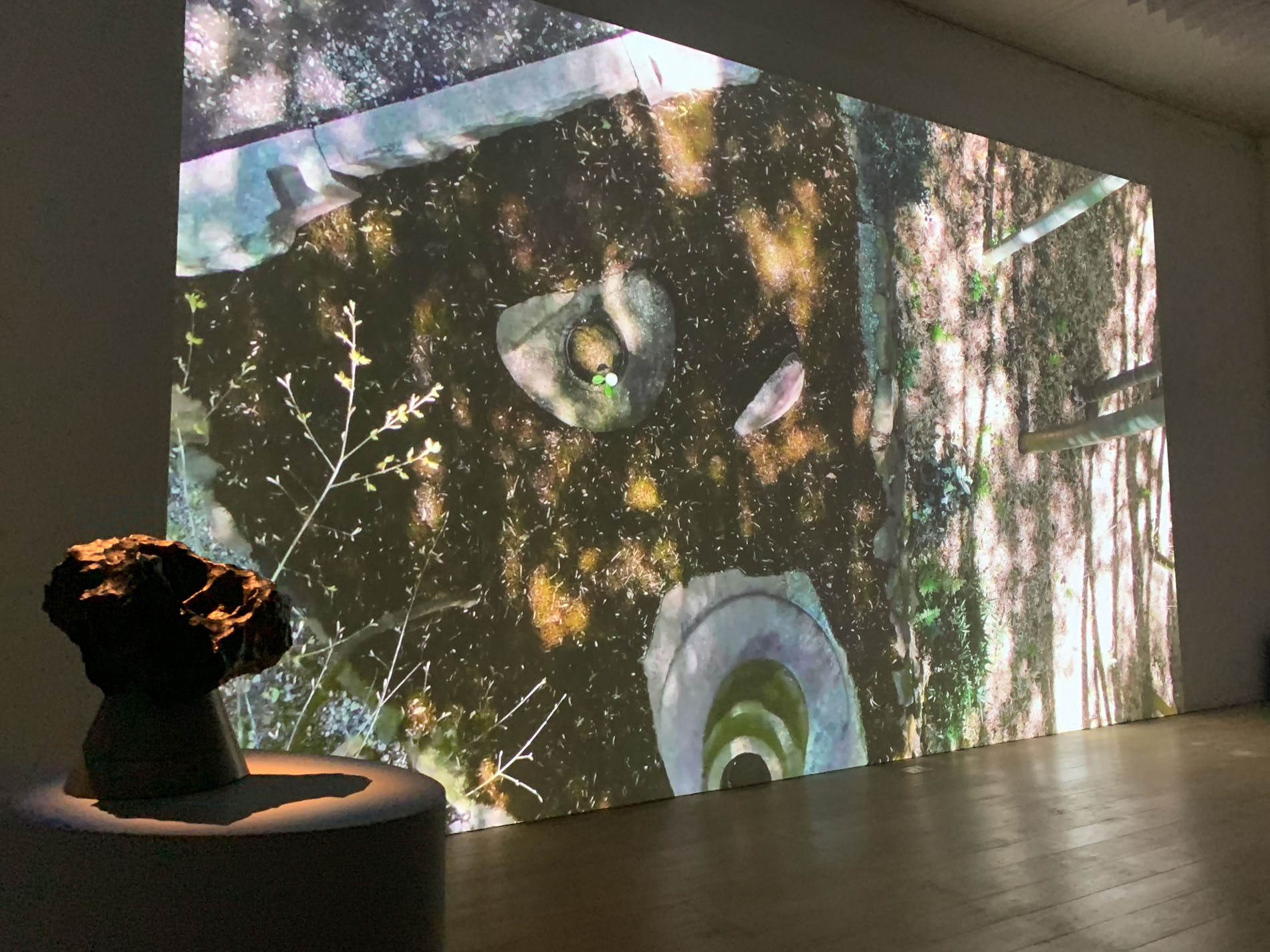
The Hiroshi Sugimoto room presents the first work in his early representative series, “Diorama” — “Polar Bear” (1976, acquired by The Museum of Modern Art, New York in 1977) — as well as the “Revolution” series (from 1980), an outgrowth of his “Seascapes” series shown in Japan for the first time, and the first film work by Sugimoto, “Time Garden Soliloquy” (2020), a fine-grained visual chronicle across the seasons of the Odawara Art Foundation Enoura Observatory (opened in 2017), regarded as the culmination of Sugimoto’s creative practice.
Hiroshi Sugimoto
Born in Tokyo in 1948.
He moved to the United States in 1970, studied photography in Los Angeles, and relocated to New York in 1974.
From his early career, he has consistently produced photographic works grounded in clear concepts—series such as “Dioramas,” which oscillate between the real and the illusory; “Portraits”; “Theaters,” made by long-exposing an entire film; and “Seascapes,” photographing horizons around the world.
In 1977, his “Polar Bear” (1976) from the “Dioramas” series became his first work to enter a public collection, acquired by The Museum of Modern Art, New York.
His solo exhibition at The Metropolitan Museum of Art, New York, launched in 1995, then toured three cities in the U.S. and Hara Museum ARC (Gunma), drawing significant attention.
His 2005 solo exhibition at Mori Art Museum, “Hiroshi Sugimoto: End of Time,” subsequently toured three U.S. cities, cementing his position both in museums and the market with photography that unites his own concept, philosophy, and aesthetics. Since then, his sweeping worldview and sense of history have transcended not only the medium of photography but the framework of contemporary art itself, with his recent expression crossing a wide range of artistic domains including architecture, traditional art, and classical performing arts. Among these, the Odawara Art Foundation Enoura Observatory, opened in 2017 after two decades of conceptualization, is a monumental project that distills his worldview and is drawing rising attention from around the world.
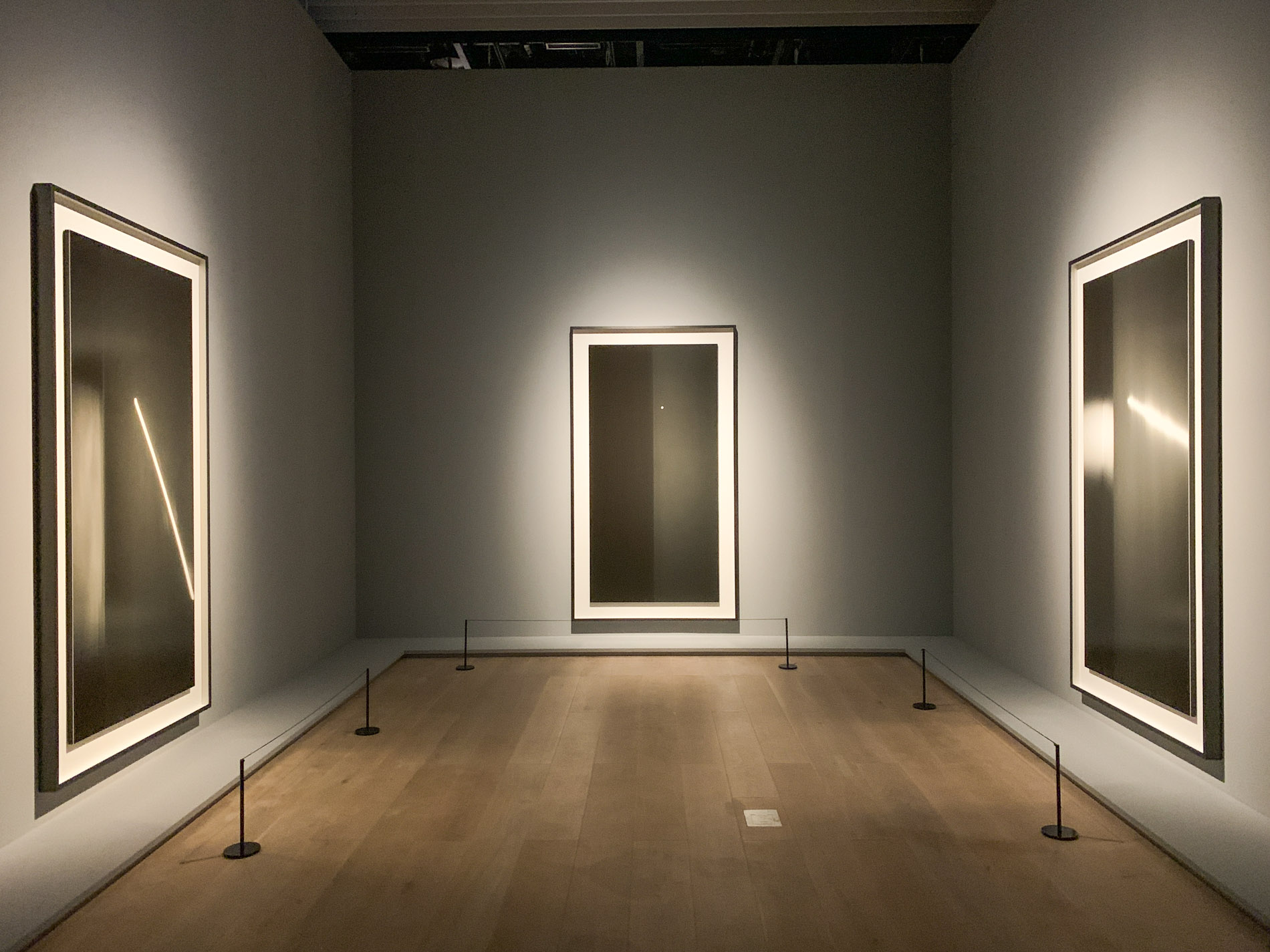
The Revolution series takes “Seascapes” works in which the moon or its rays appear, and displays them vertically.