STARS: Six Contemporary Artists from Japan to the World
We visited “STARS: Six Contemporary Artists from Japan to the World,” currently on view at Mori Art Museum.
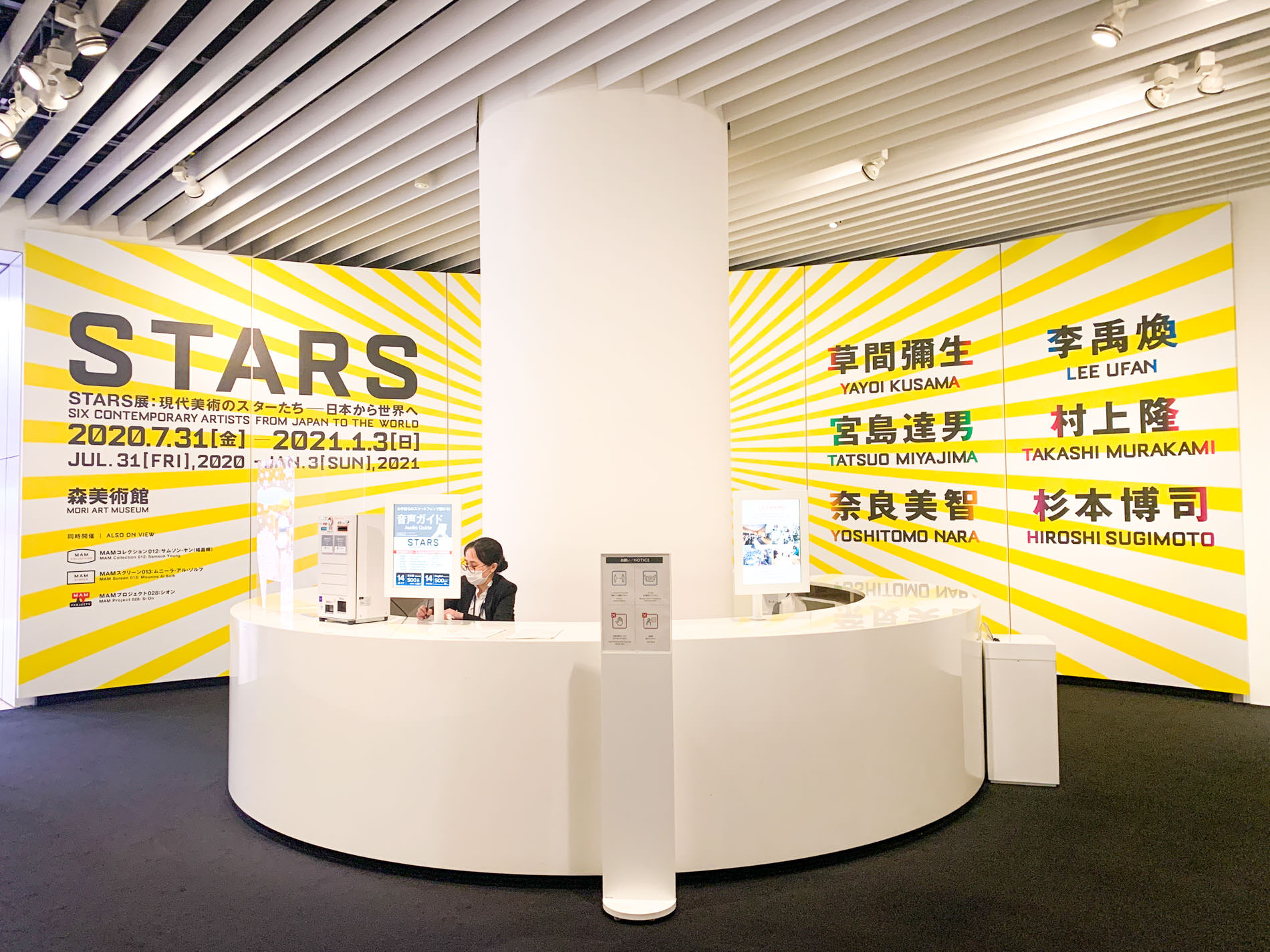
The STARS exhibition was originally planned to coincide with the 2020 Tokyo Olympics, but was rescheduled due to the impact of the novel coronavirus.
The exhibition selects six artists who have transcended the framework of Japan to gain broad international recognition, celebrated today across diverse regions and generations, and traces the trajectories of their careers by connecting early works with the most recent. How has their practice come to be evaluated by the world? The show explores this against Japan’s unique social, cultural, and economic background—its pursuit of universal themes beyond borders and cultures, tradition and aesthetics, technology, subculture, and more.
The exhibition also presents materials on major exhibitions of Japanese contemporary art held abroad from the 1950s to the present, examining the criteria and lineages of evaluation of each era.
Lee Ufan
This article focuses on Lee Ufan, the eldest of the six artists.
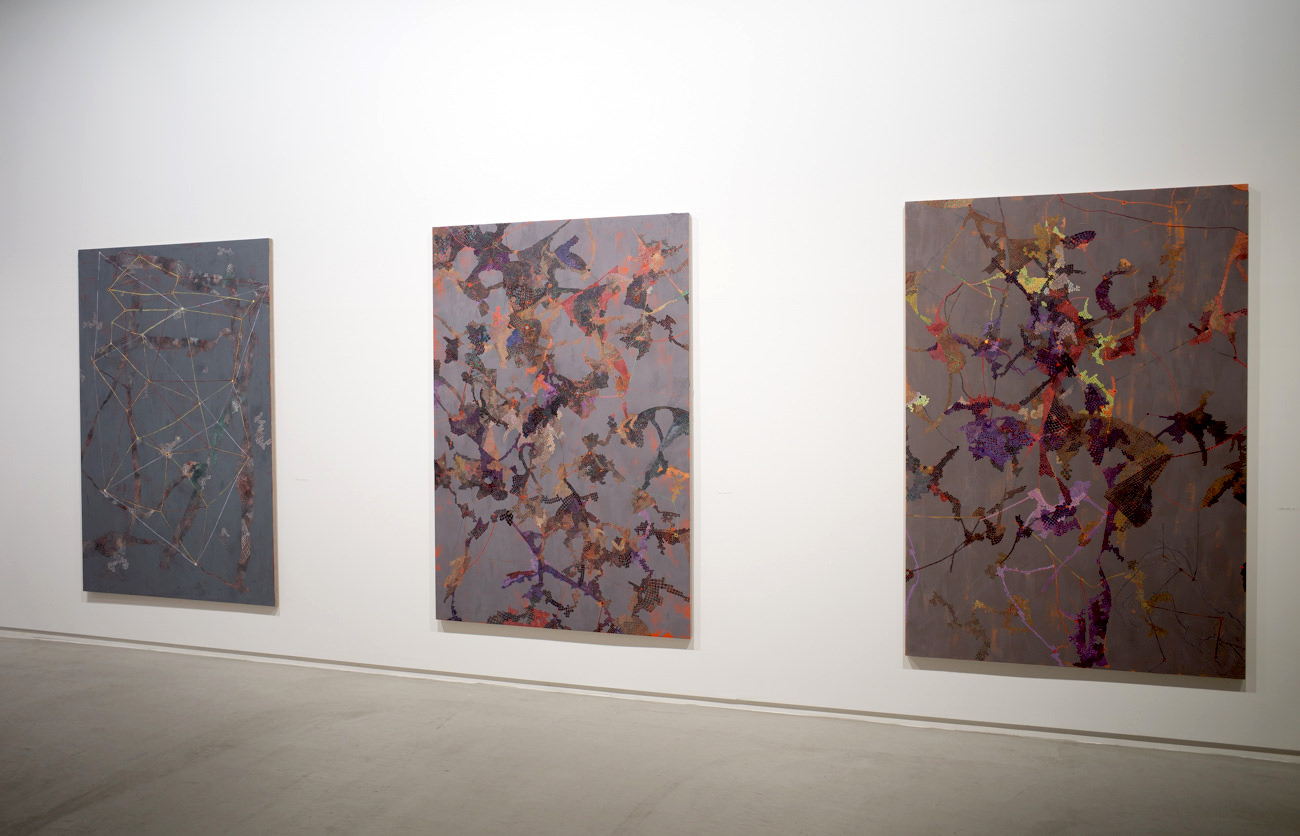
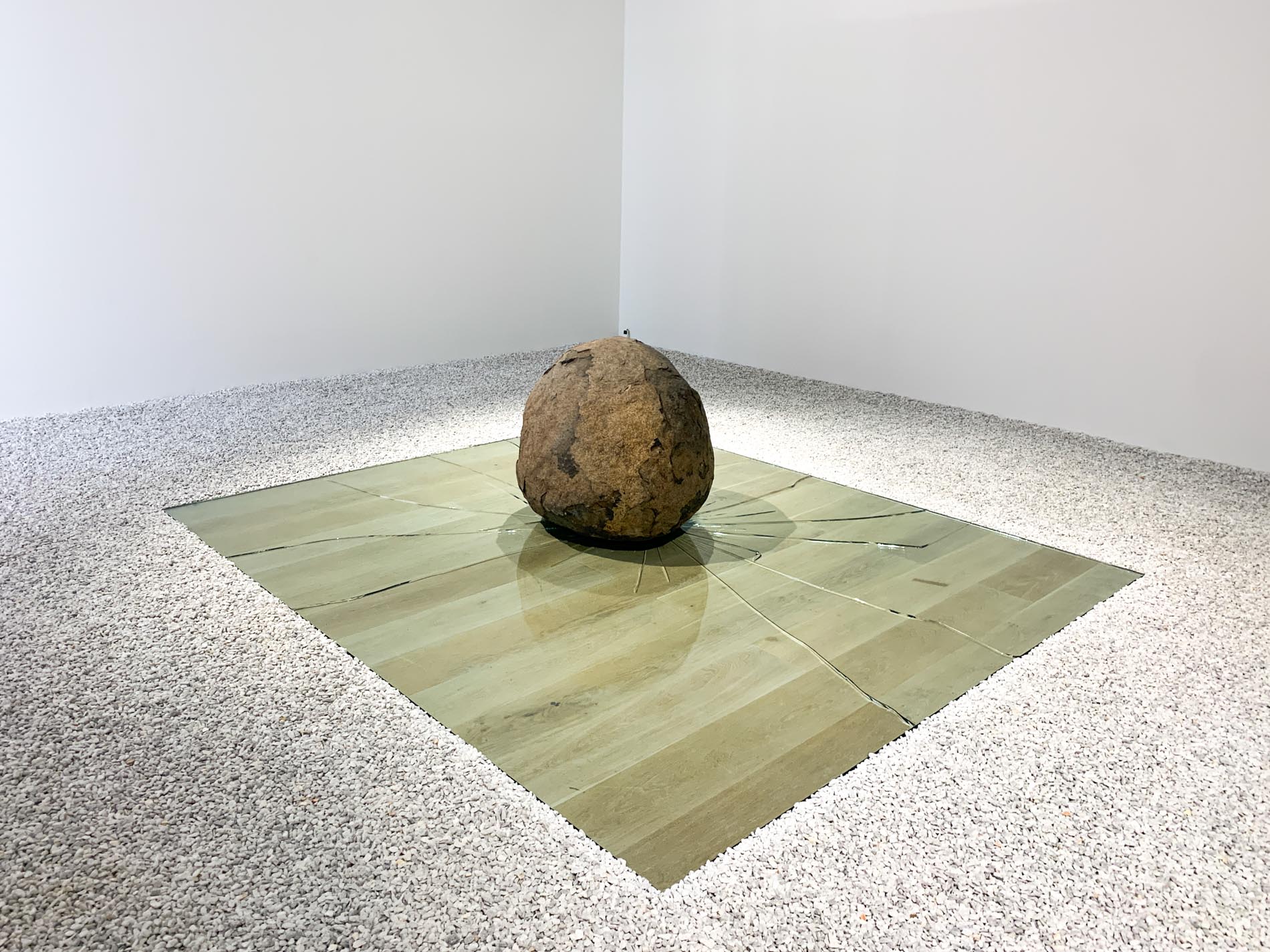
The Lee Ufan room presents “Relatum” (1969/2020), one of the earliest works most emblematic of the thinking of Mono-ha; the three-dimensional work “Relatum – Dissonance” (2004/2020); and two new large-scale paintings, “Dialogue” (2019, 2020).
All these works share, across time, Lee Ufan’s attitude of incorporating “to make and not to make,” “to paint and not to paint” into his practice.
Lee Ufan
Born in 1936 in Gyeongsangnam-do, Korea. Resident in Japan since 1956.
During Japan’s period of rapid economic growth, as international critiques of modernity mounted, a sculptural tendency arose that denied production and instead presented objects and raw materials themselves. This tendency was later called “Mono-ha.” Within it, Lee focused his practice on the relations between things.
In 1969, his essay “From Object to Being” was awarded a prize in the Bijutsu Shuppan-sha Art Criticism Prize. Through critical writing, he contributed significantly to the theorization of Mono-ha.
Following the “Korean Contemporary Painting Exhibition” held at The National Museum of Modern Art, Tokyo in 1968, he devoted himself to fostering exchange between the contemporary art scenes of Japan and Korea. In 1971 he participated in the 7th Paris Biennale, and thereafter continued to present his work primarily in Europe, notably Germany and France.
In 2011 a major retrospective was held at the Solomon R. Guggenheim Museum (New York), in 2014 a large-scale solo exhibition at the Palace of Versailles, and in 2019 a solo exhibition at the Centre Pompidou-Metz (France). Lee Ufan Museum opened in Naoshima in 2010, and the Space Lee Ufan at Busan Museum of Art opened in Korea in 2015.
Alongside broadening interest in postwar Japanese art and comparative studies of non-Western modernism, “Mono-ha” is being reevaluated internationally, and attention is growing toward Lee Ufan’s diverse practice spanning half a century.
2020年.jpg)
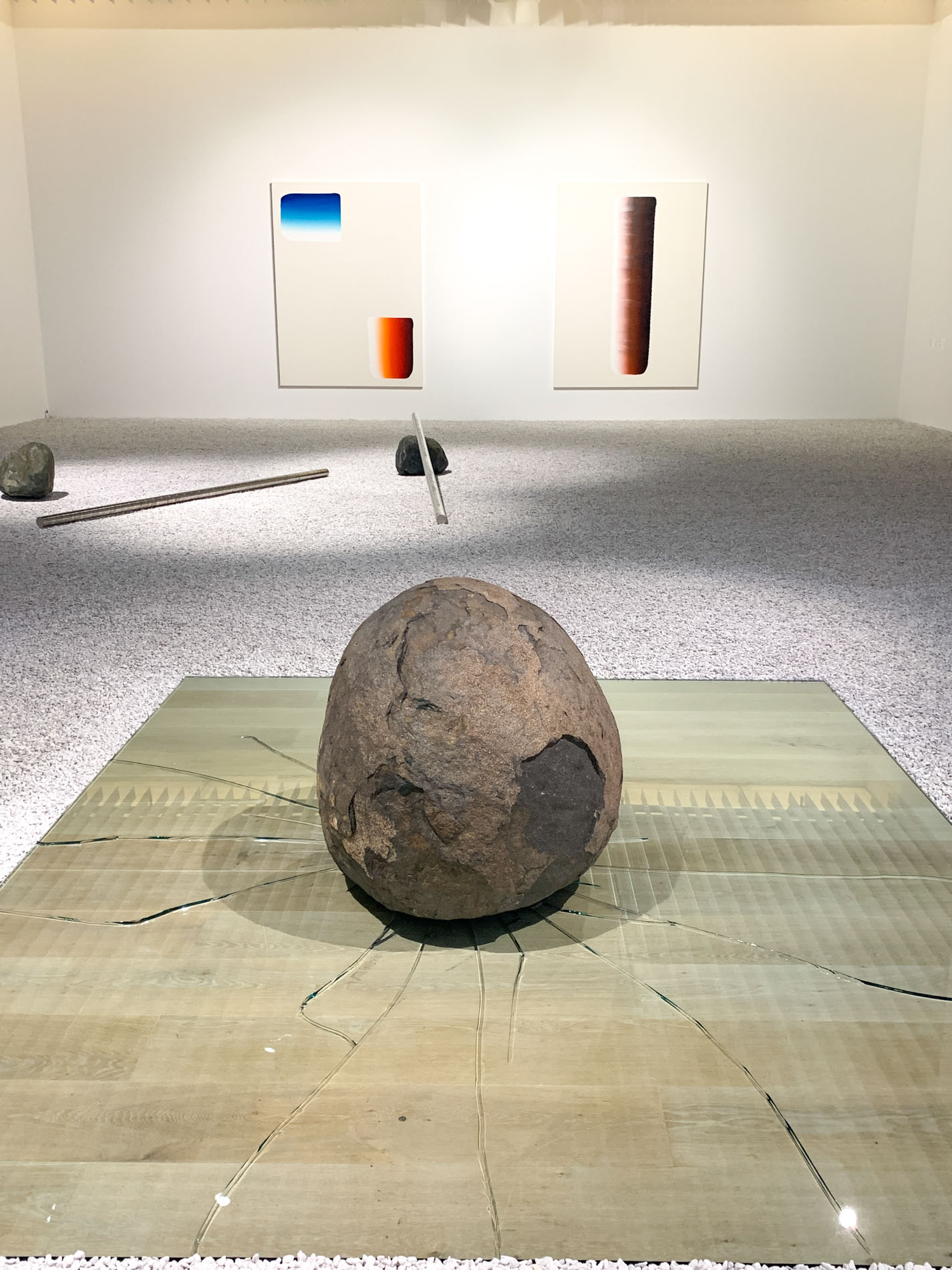
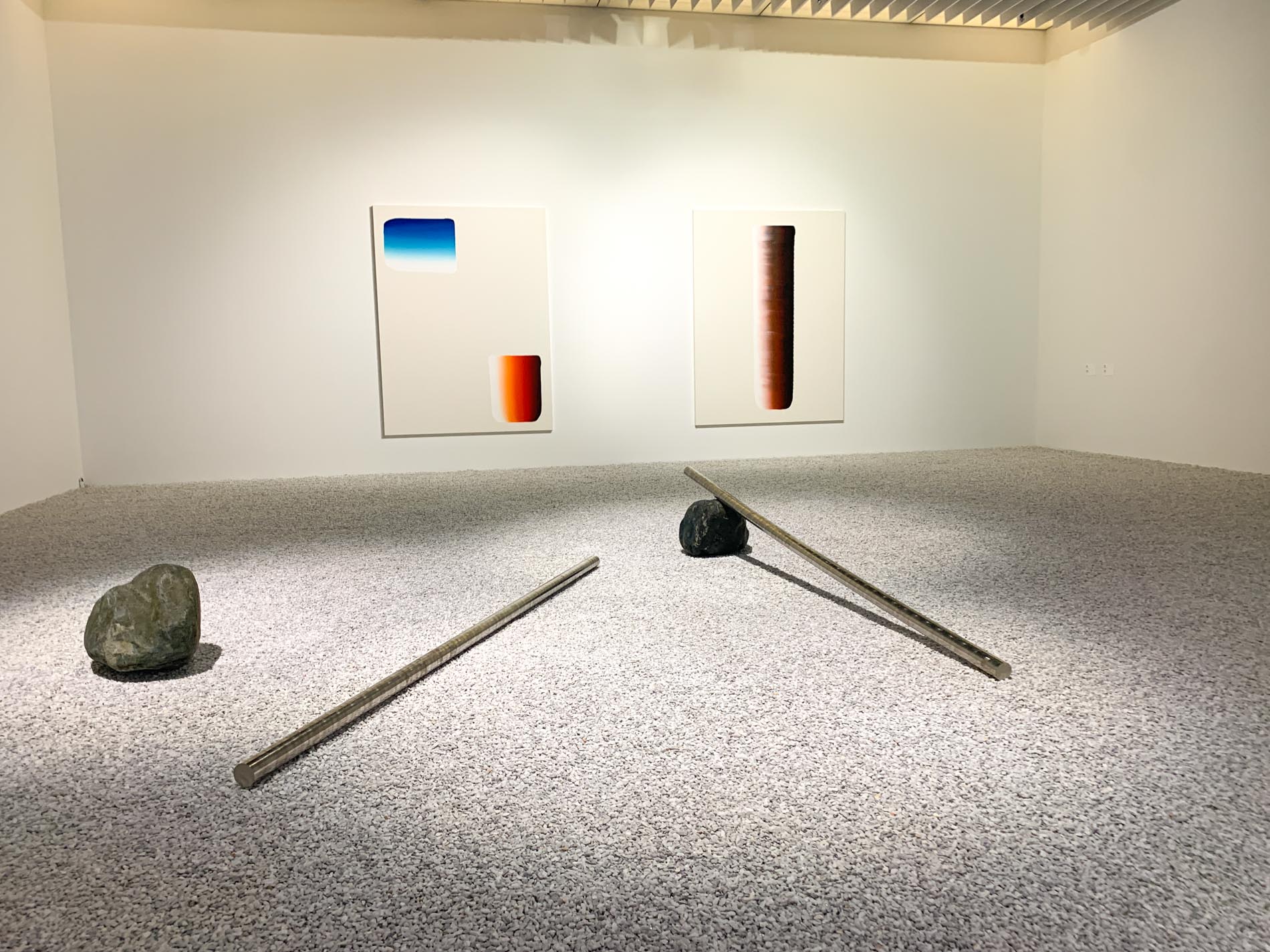
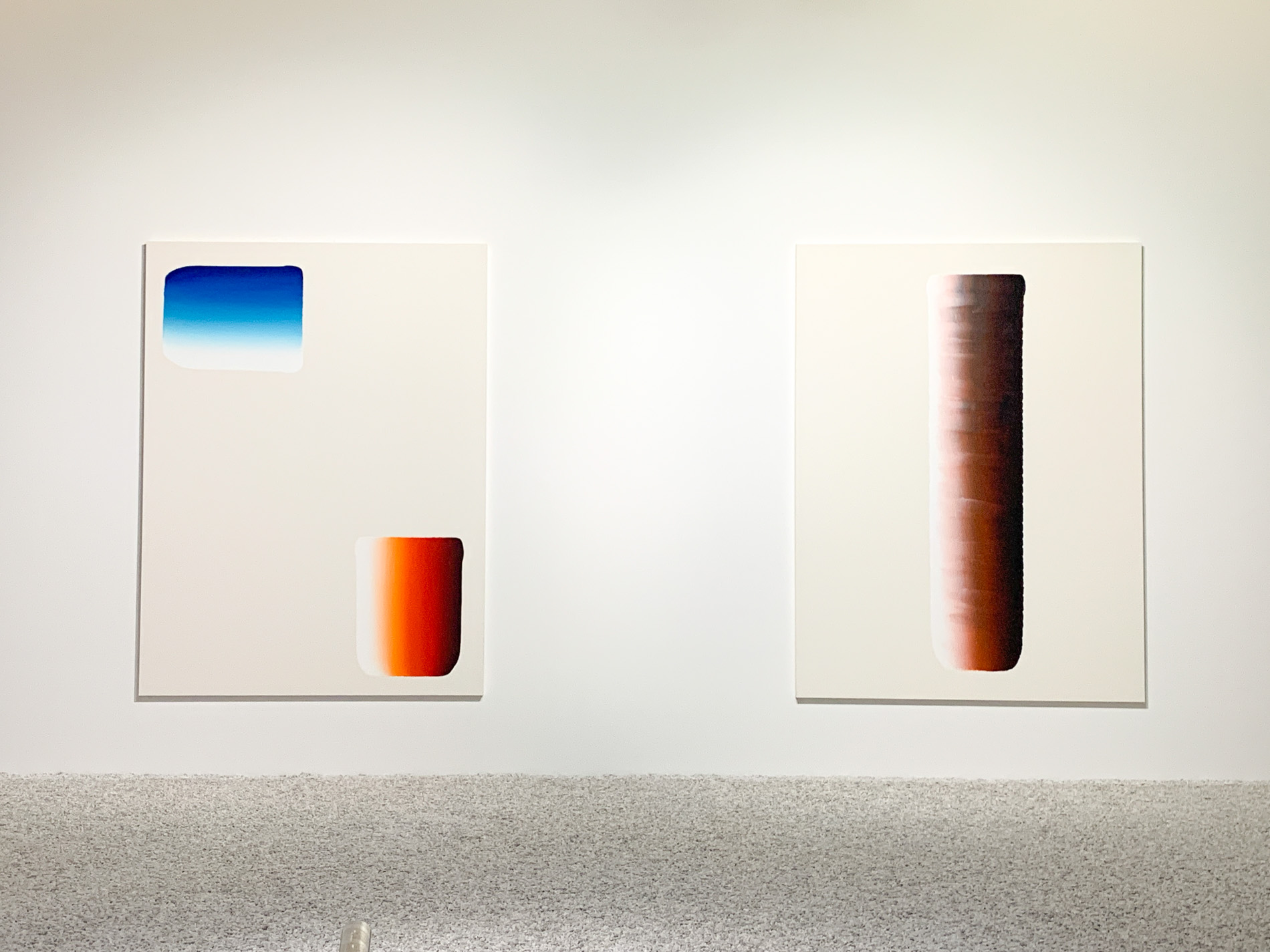
Right: Lee Ufan, “Dialogue,” 2020, acrylic on canvas, 291×218 cm