STARS: Six Contemporary Artists from Japan to the World
I visited “STARS: Six Contemporary Artists from Japan to the World,” on view at the Mori Art Museum.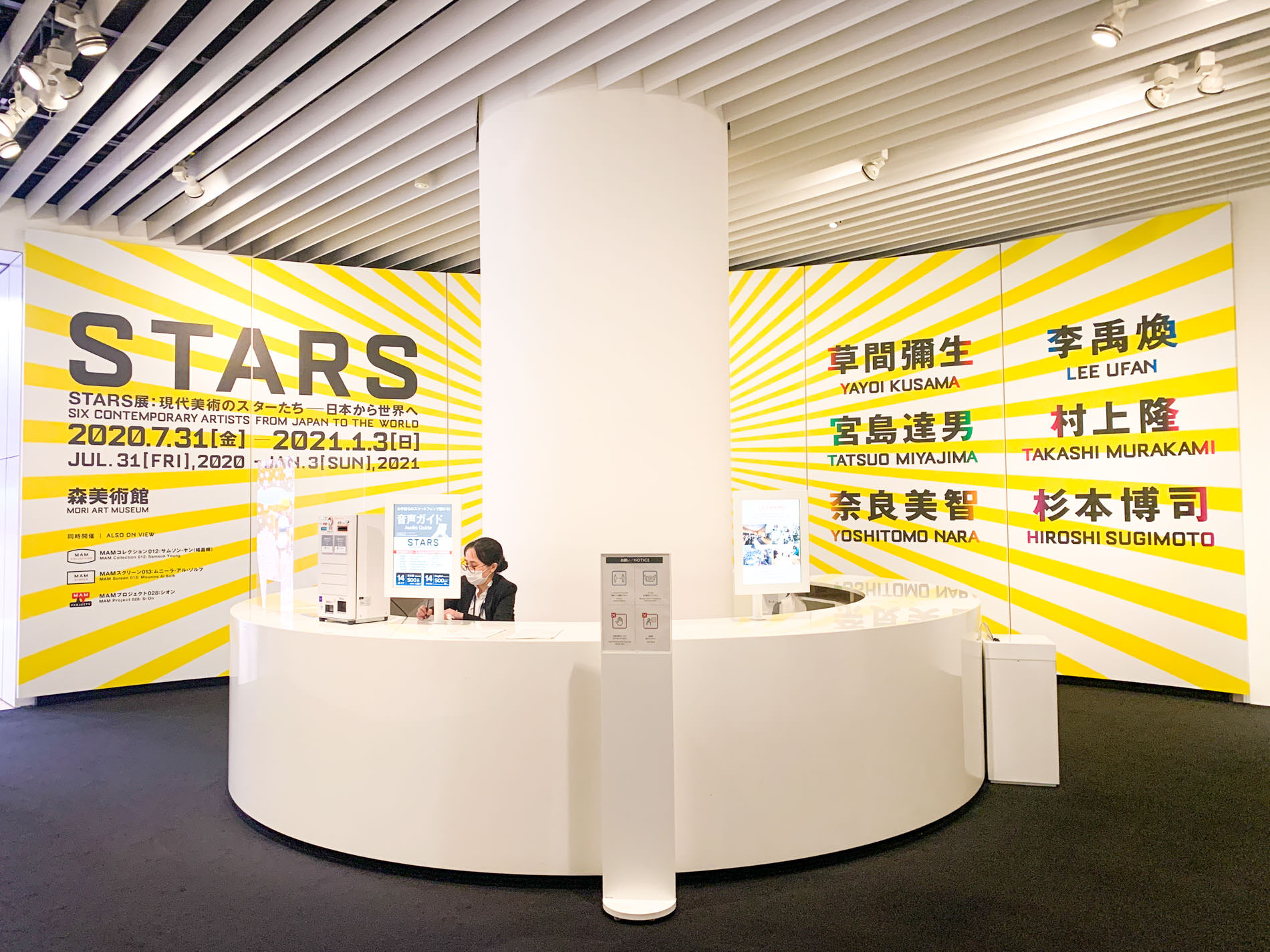
The show selects six artists who are active internationally beyond the frame of “Japan” and today enjoy high acclaim across diverse regions and generations, tracing their trajectories by connecting early works with their latest.
How have their practices been evaluated by the world? The show explores this through their pursuit of universal themes across borders and cultures — considering tradition and aesthetics, technology and subculture, and Japan’s distinctive social, cultural, and economic contexts.
It also displays materials on major exhibitions of Japanese contemporary art held abroad from the 1950s to today, examining the criteria and lineages of each era.
Takashi Murakami
In this article, I focus on the exhibition of Takashi Murakami, the youngest of the six artists.
On show were his life-size figure sculptures — signature works symbolizing otaku culture such as Miss Ko² (Project Ko²) (1997), Hiropon (1997), and My Lonesome Cowboy (1998) — along with a giant statue of an oni (demon) and a new video work made in response to the Great East Japan Earthquake, plus two large paintings about 20 meters wide painted for this exhibition.
Takashi Murakami
Born in Tokyo in 1962.
He advanced the theory of “Superflat,” which reimagines the sources of Japanese traditional painting and contemporary art through the visual logic of anime and manga.
Creating many characters reflecting otaku culture, such as Miss Ko² and Mr. DOB, he presents highly kitsch sculptures and hyper-two-dimensional paintings that stand at the opposite pole from Western perspective.
Murakami’s subculture-based cultural theory not only dismantles the hierarchy of high and low but also critically depicts the postwar Japanese psyche, establishing a distinctly Japanese discourse in an increasingly globalized art scene. Through collaborations with Louis Vuitton and activities focused on street culture and contemporary ceramics, he continues to win audiences worldwide that transcend the boundaries of contemporary art.
In 2005, “Little Boy” (Japan Society, New York), the final chapter of the “Superflat Trilogy” he curated, received the Best Thematic Museum Show award from the U.S. section of the International Association of Art Critics.
From 2007 to 2009 his first retrospective, “©MURAKAMI,” toured four cities in the U.S. and Europe including the Museum of Contemporary Art, Los Angeles. Since 2010 he has held solo exhibitions worldwide, including at the Palace of Versailles, Al Riwaq Exhibition Hall (Doha), the Mori Art Museum, Garage Museum of Contemporary Art (Moscow), and Tai Kwun (Hong Kong).
In Murakami’s gallery, the works seemed to greet you right from the entrance.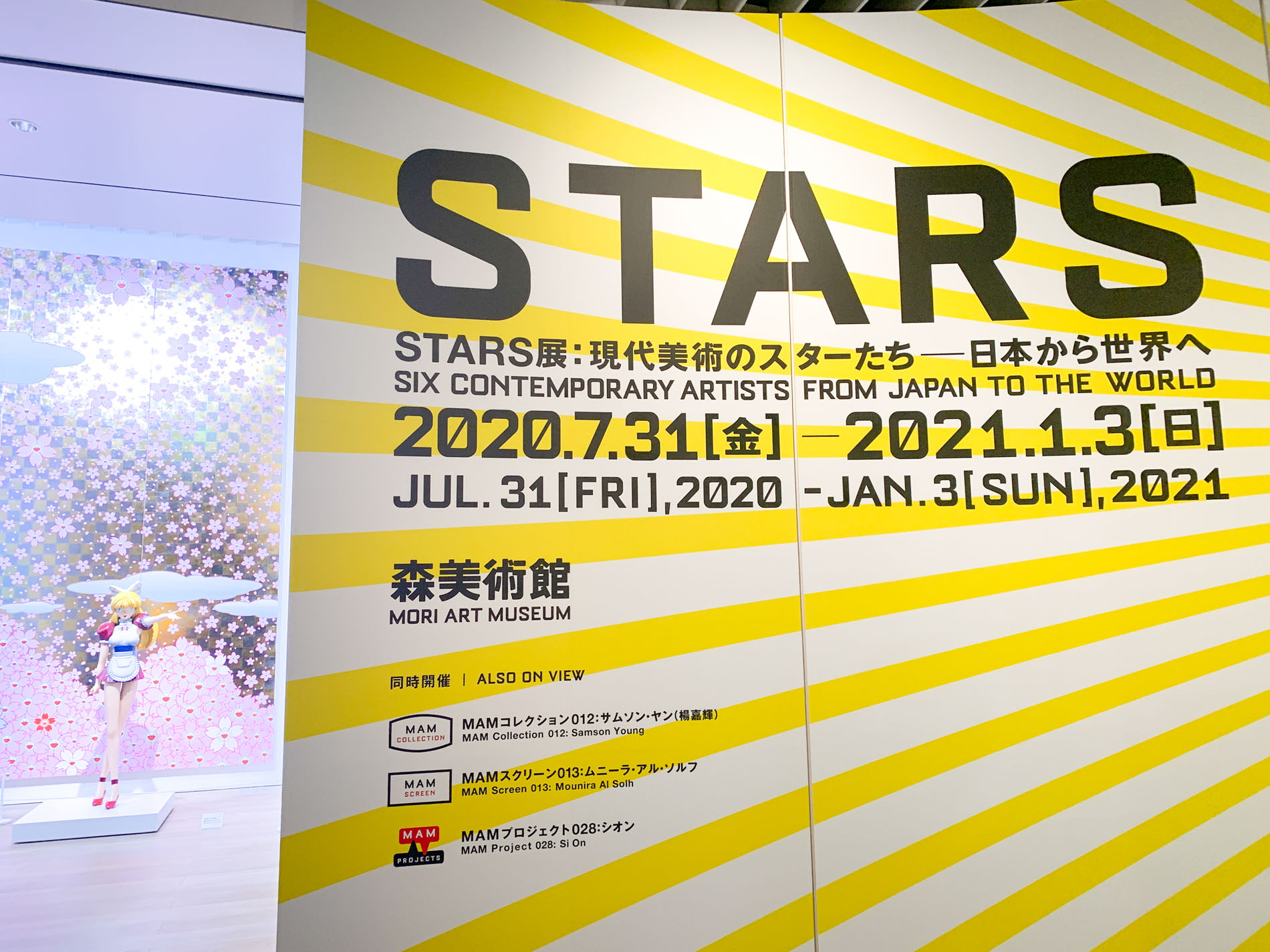
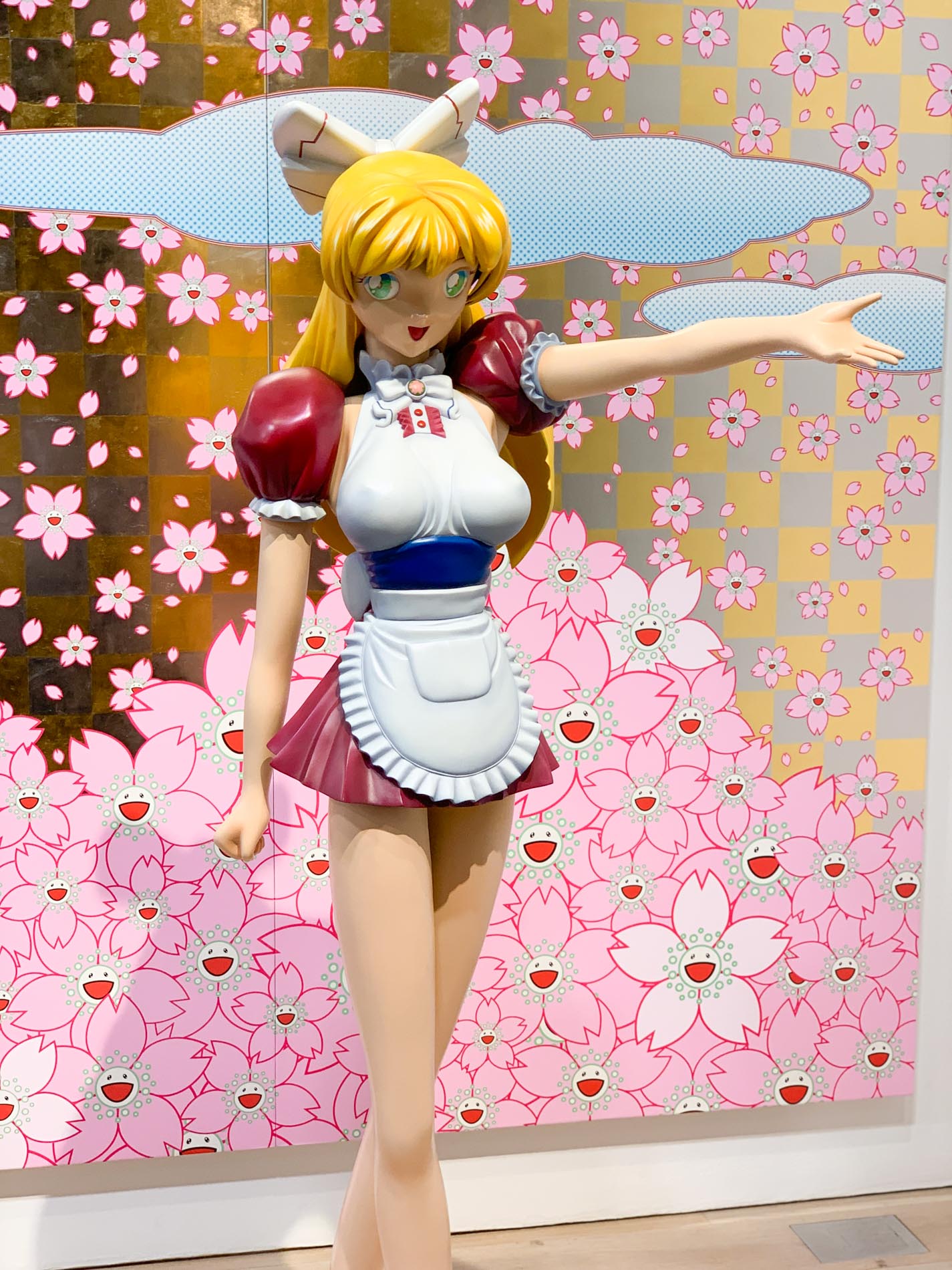
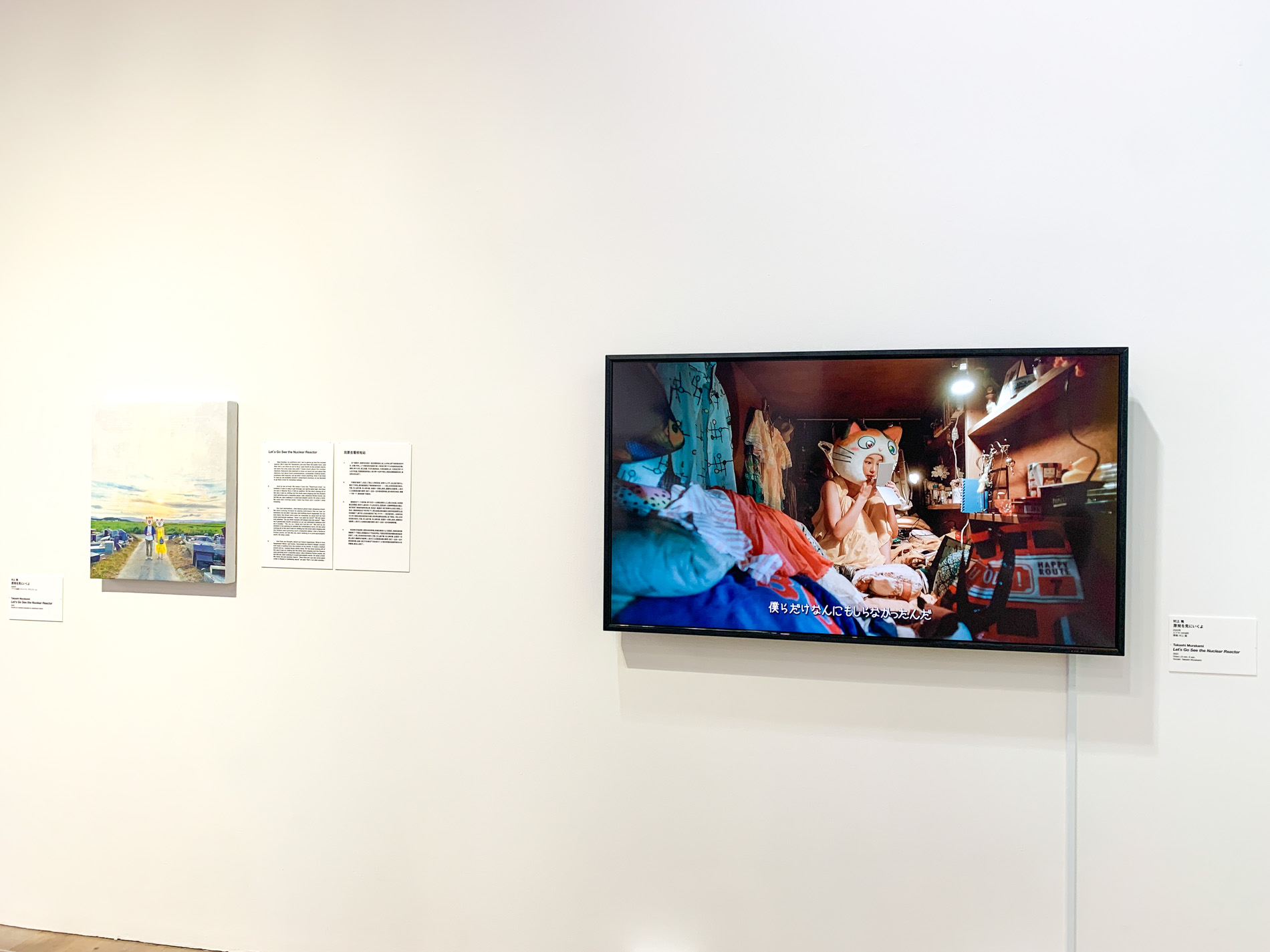
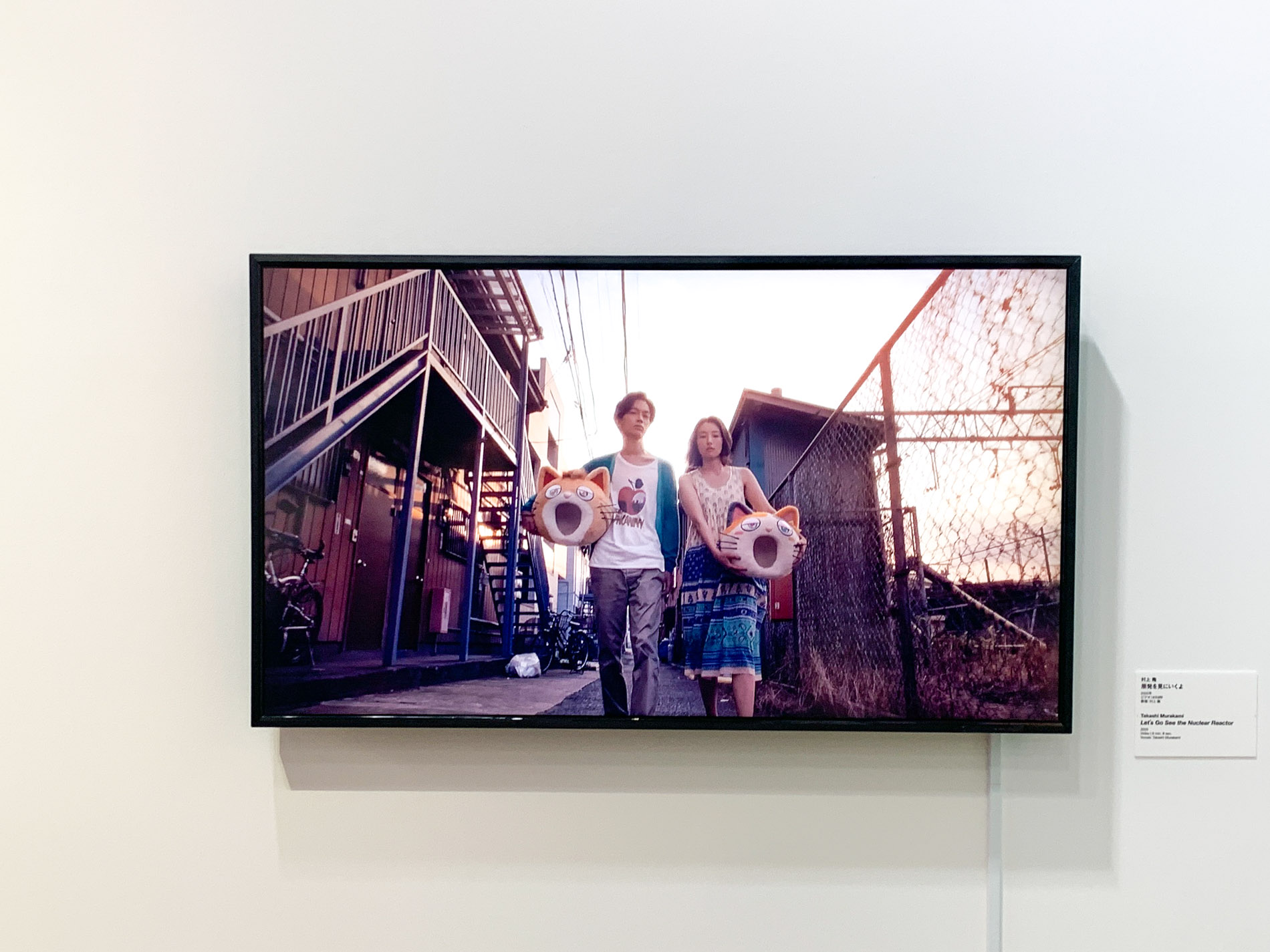
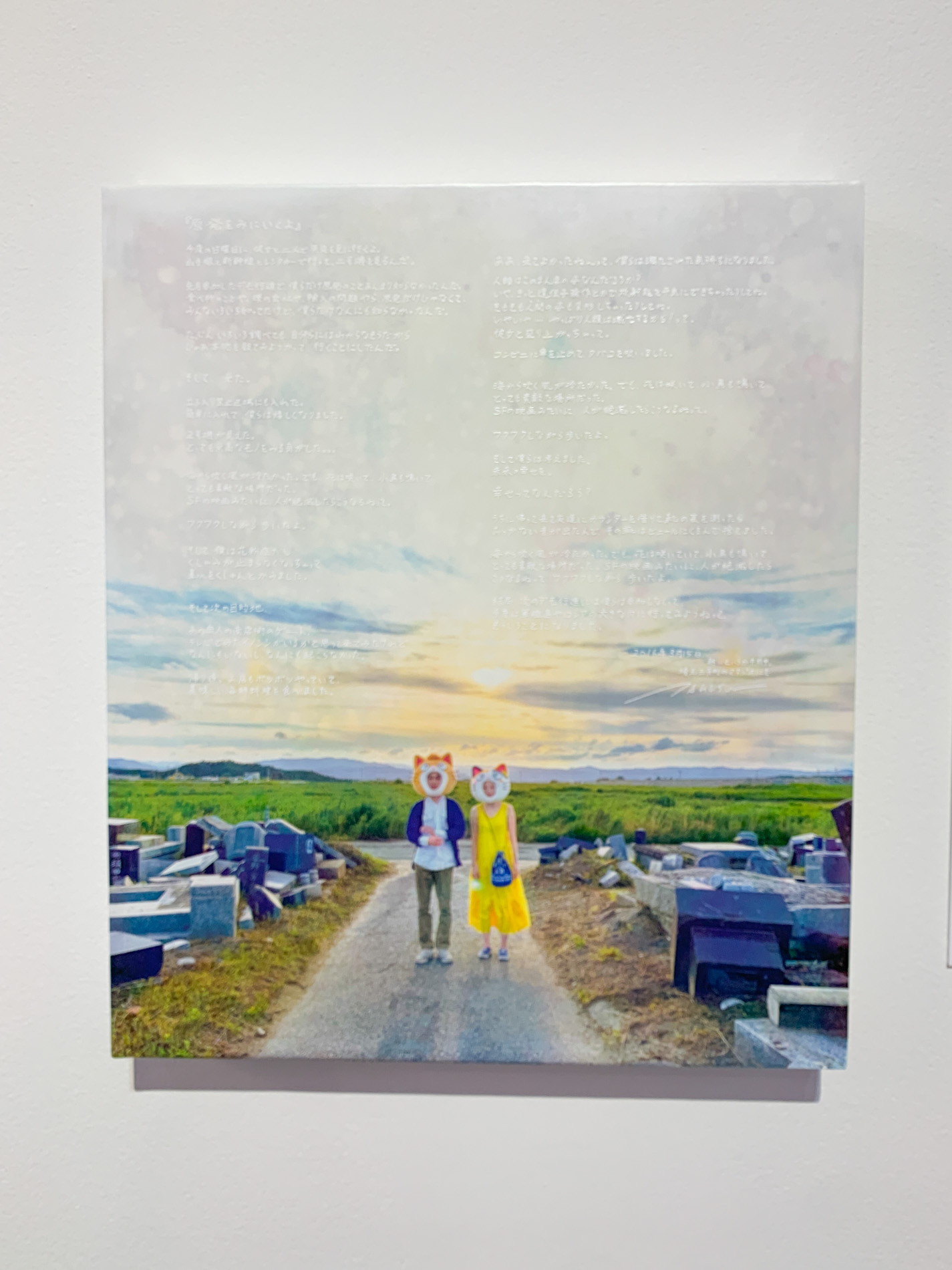
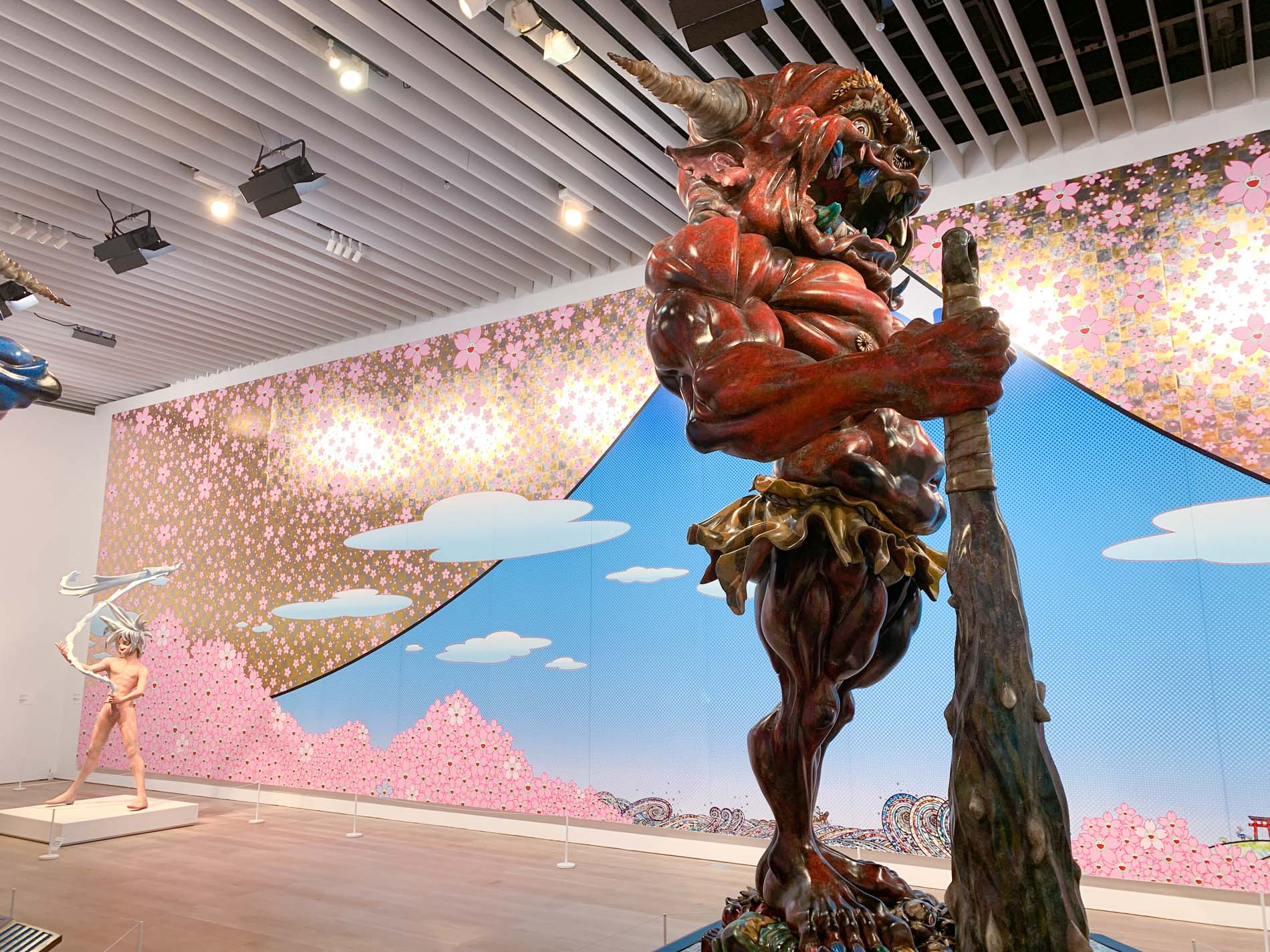
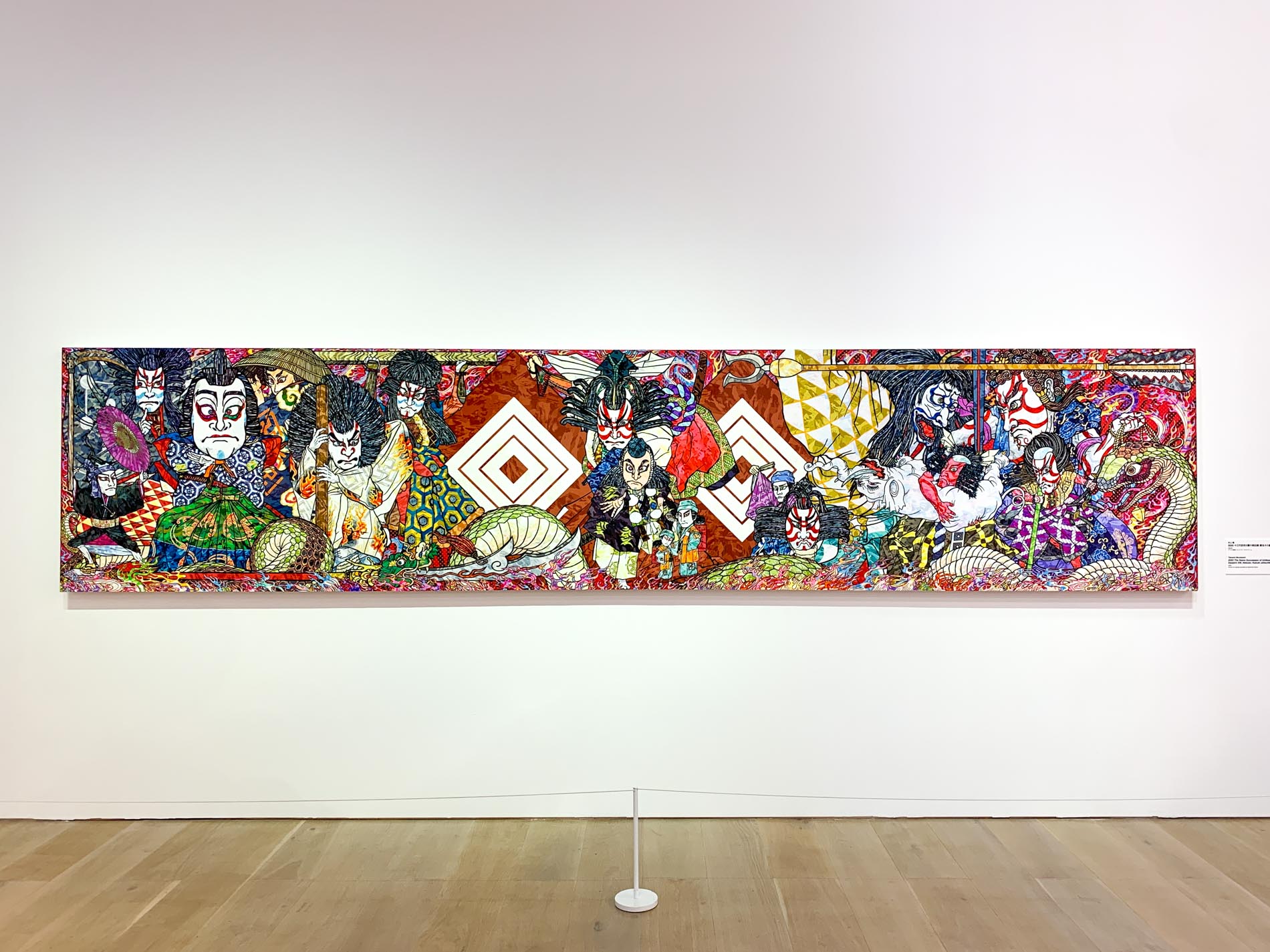
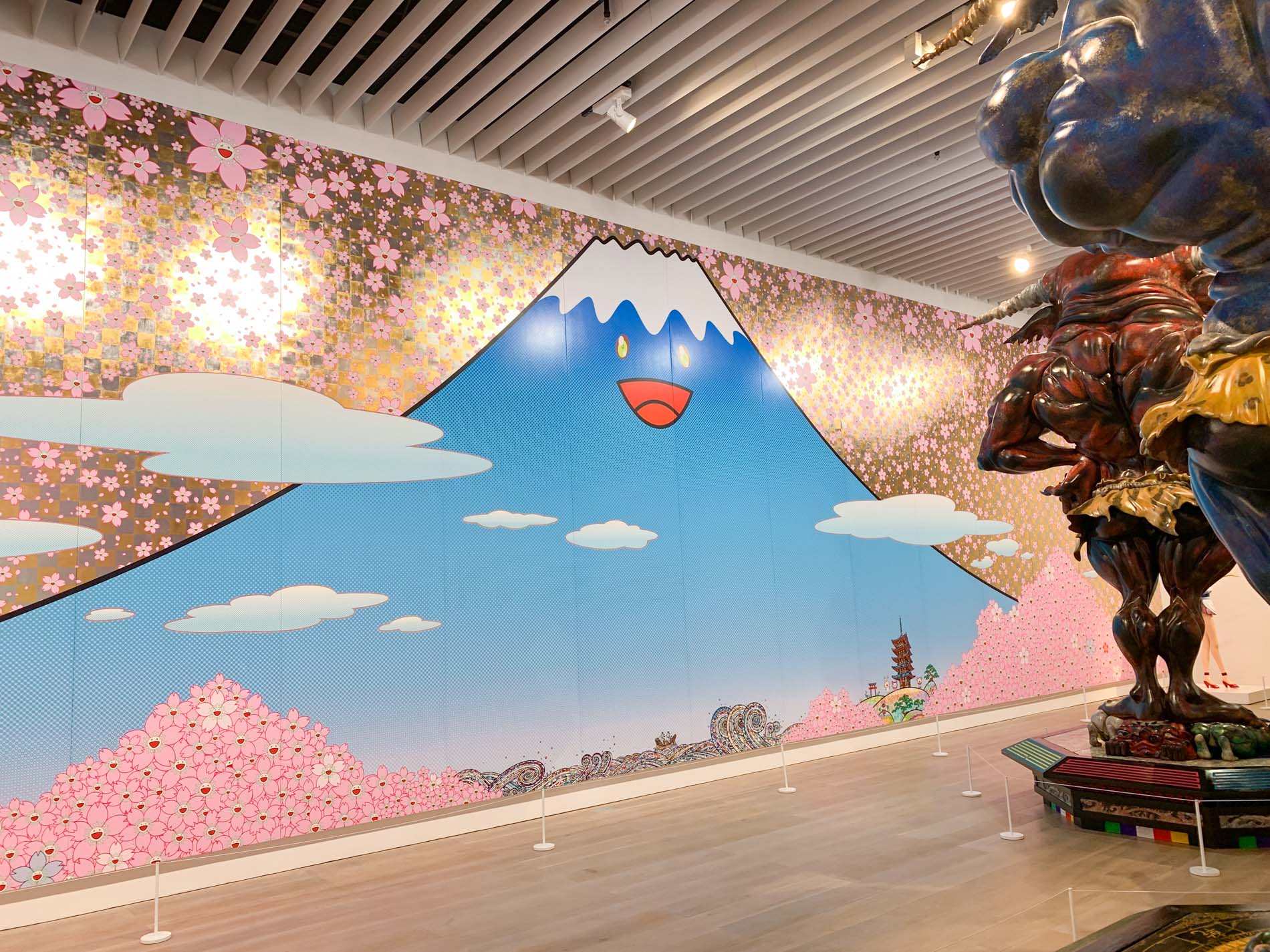
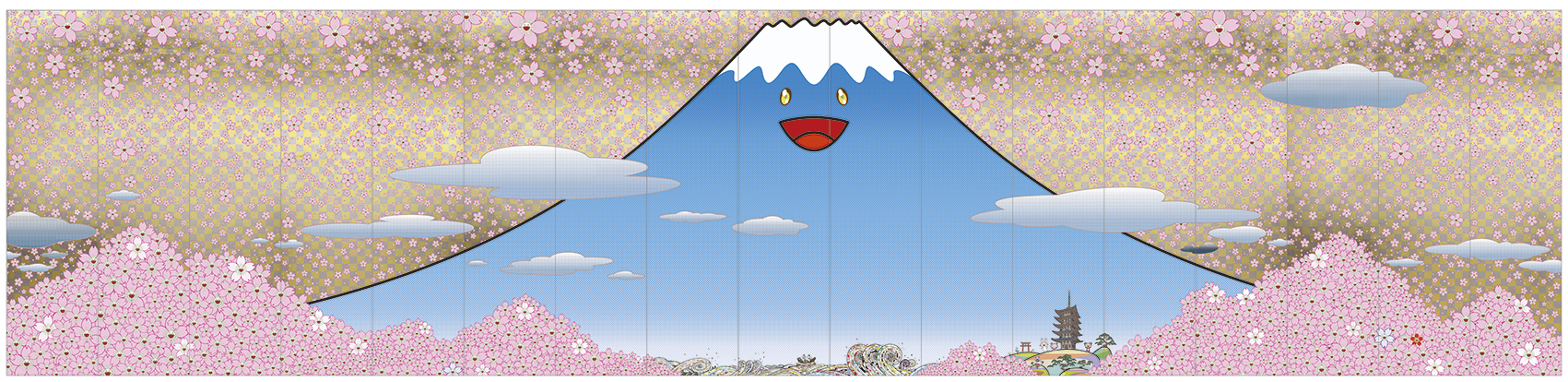
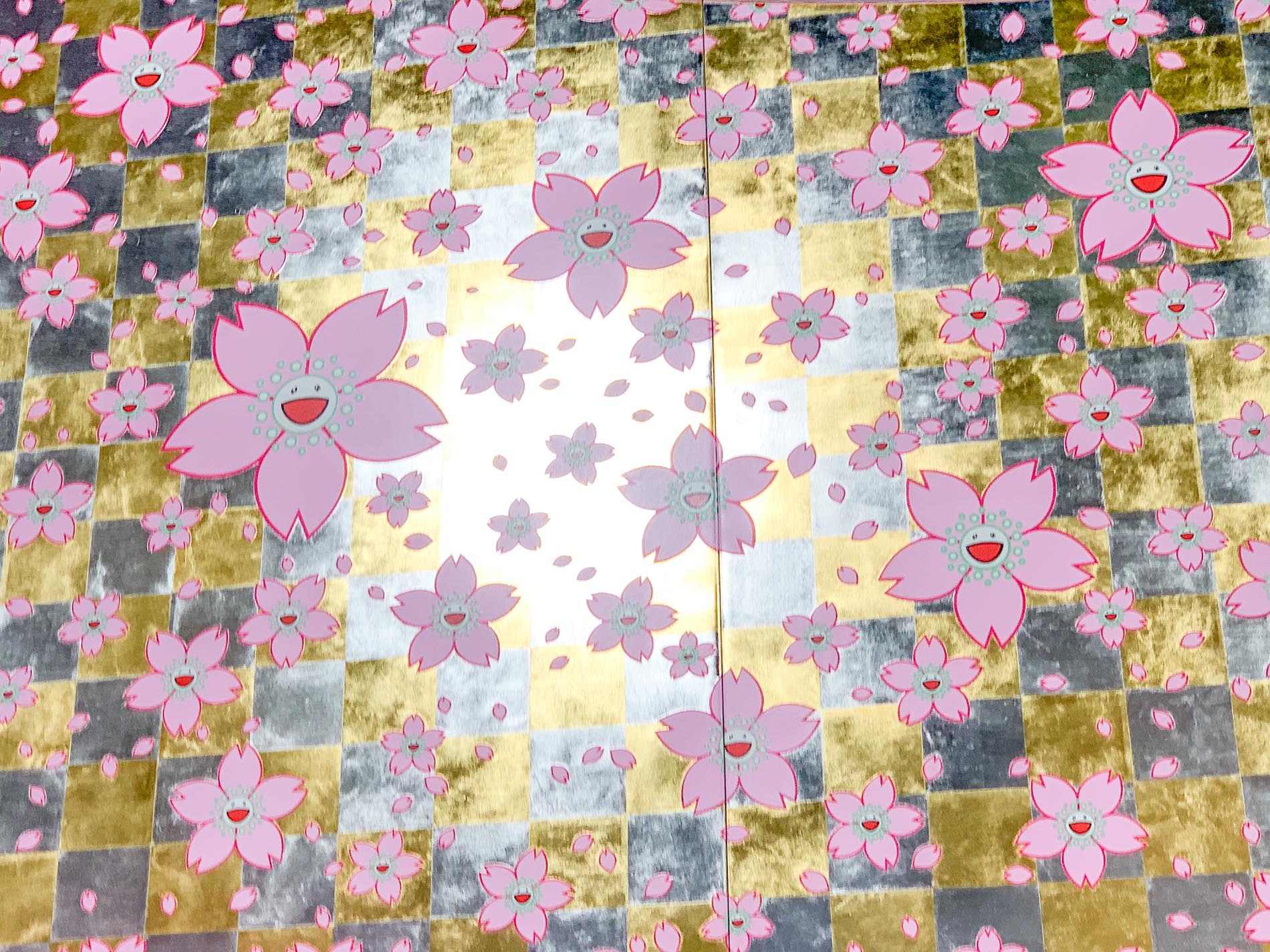
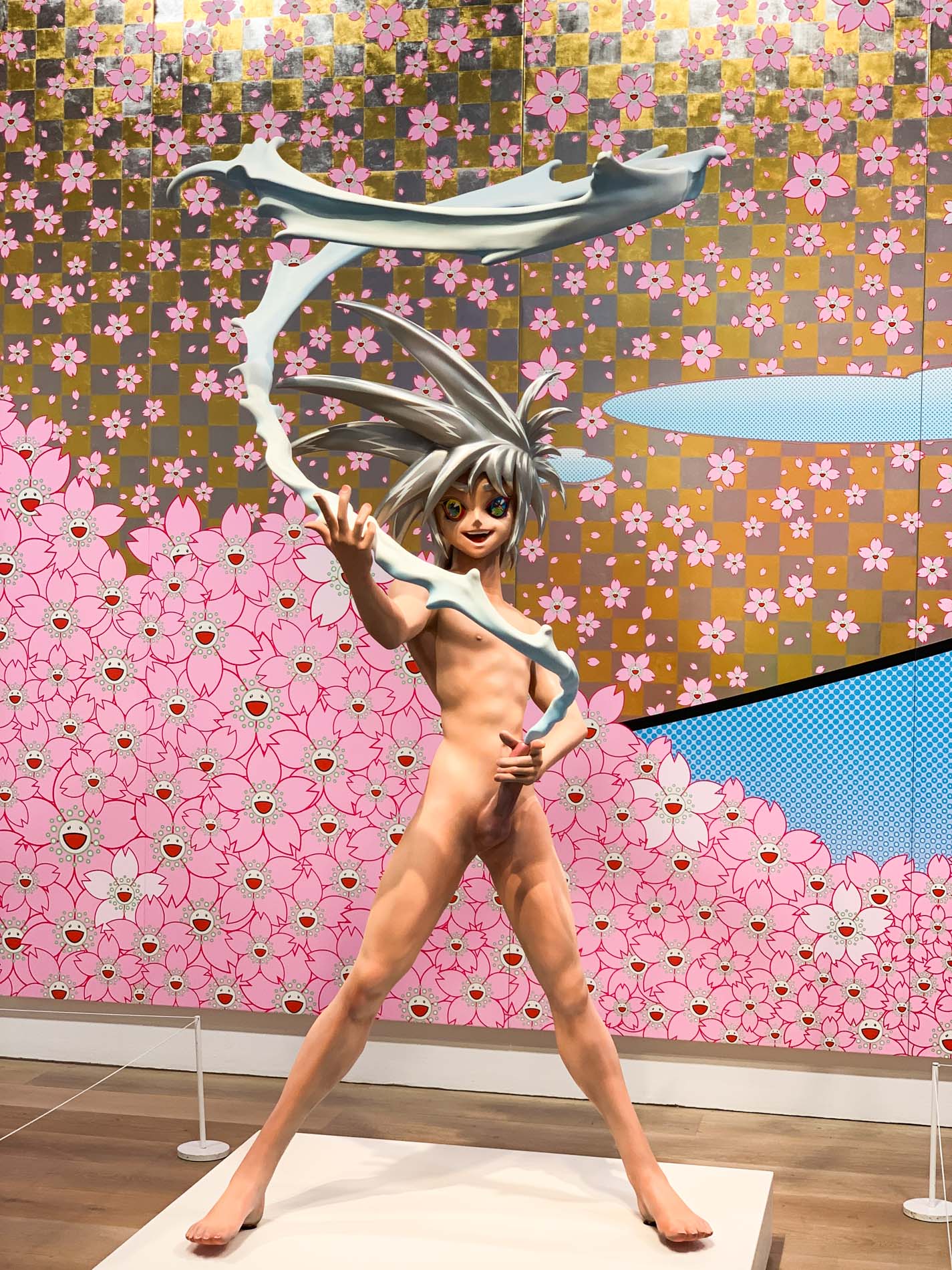
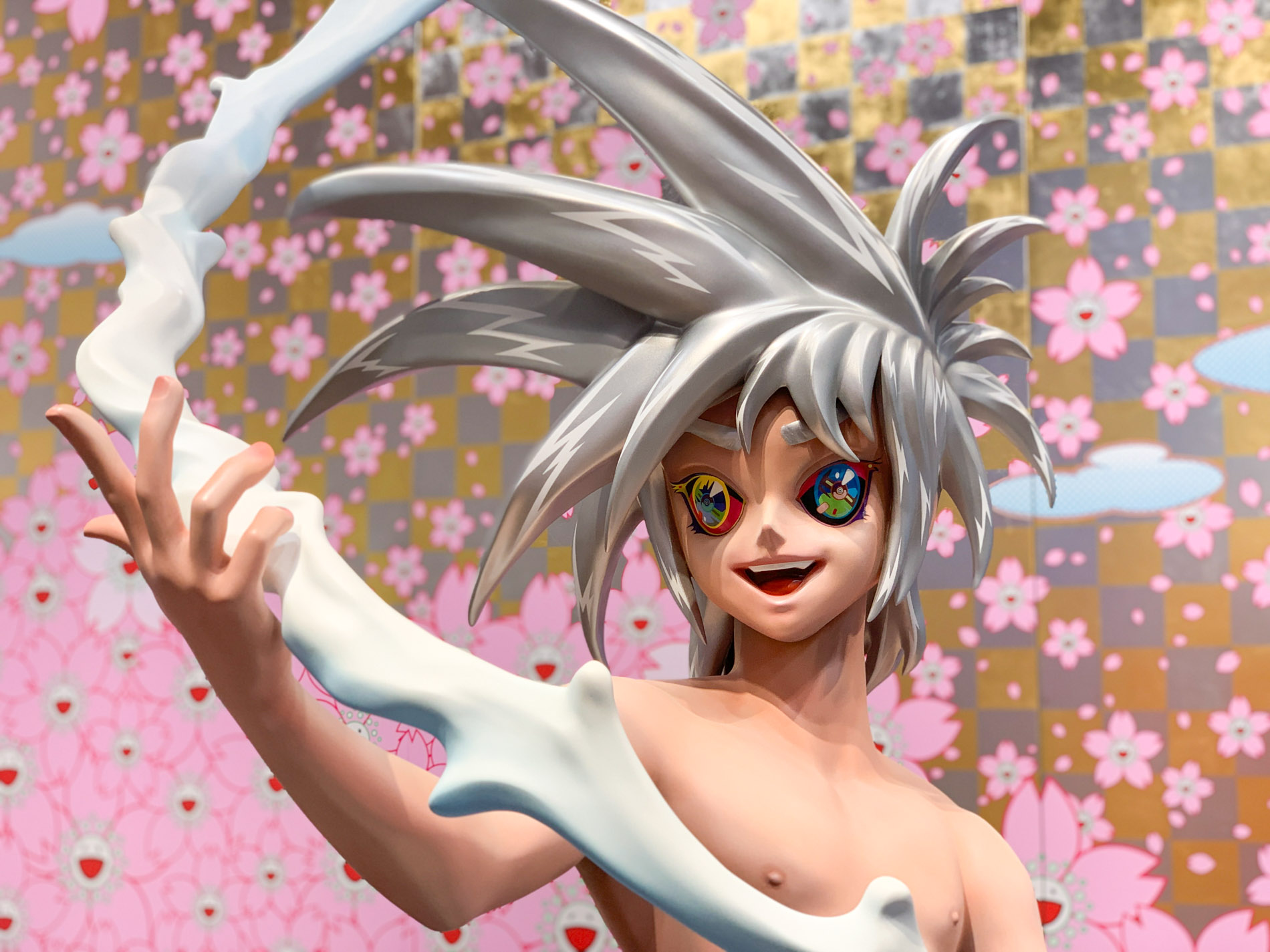
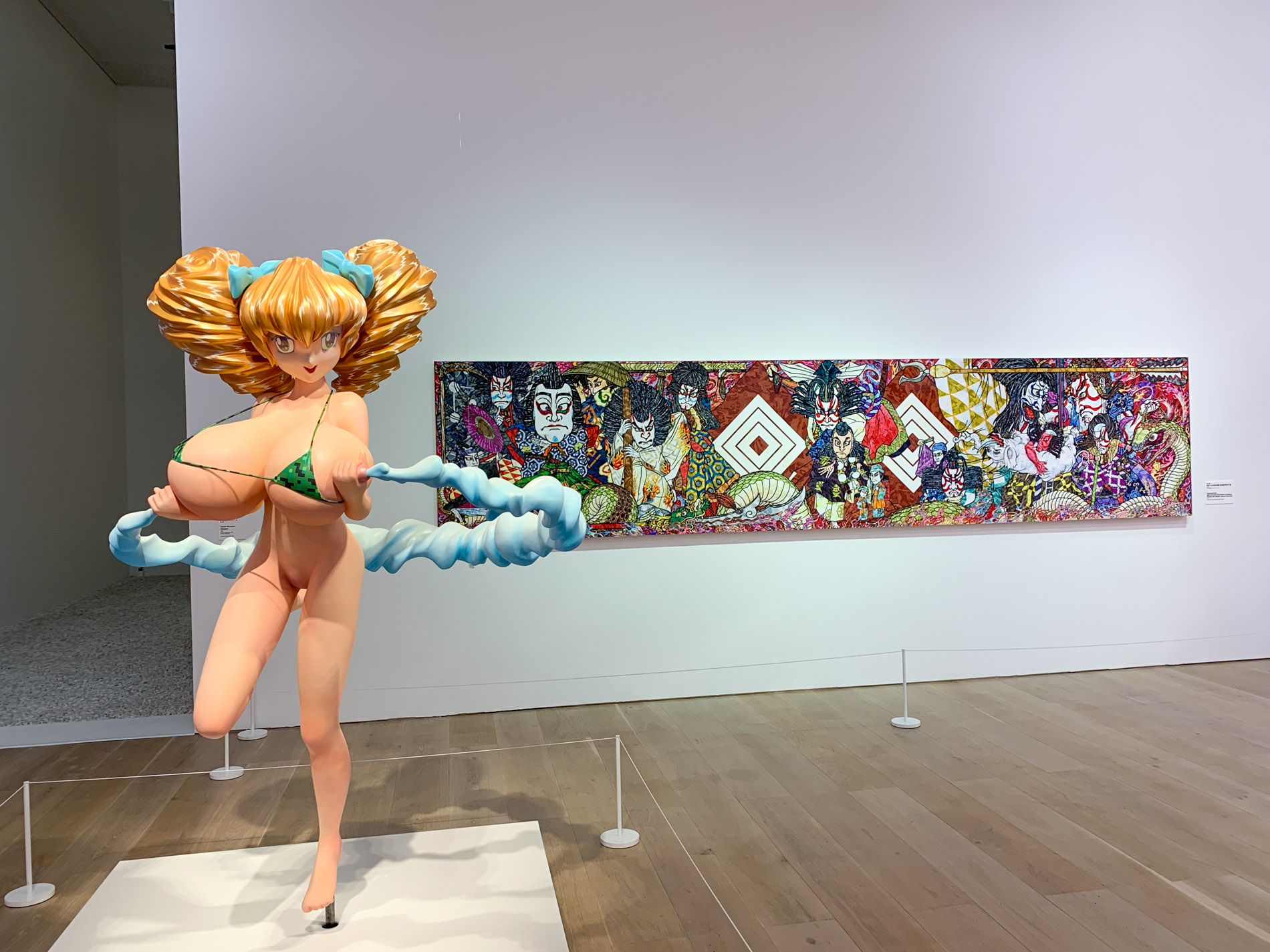
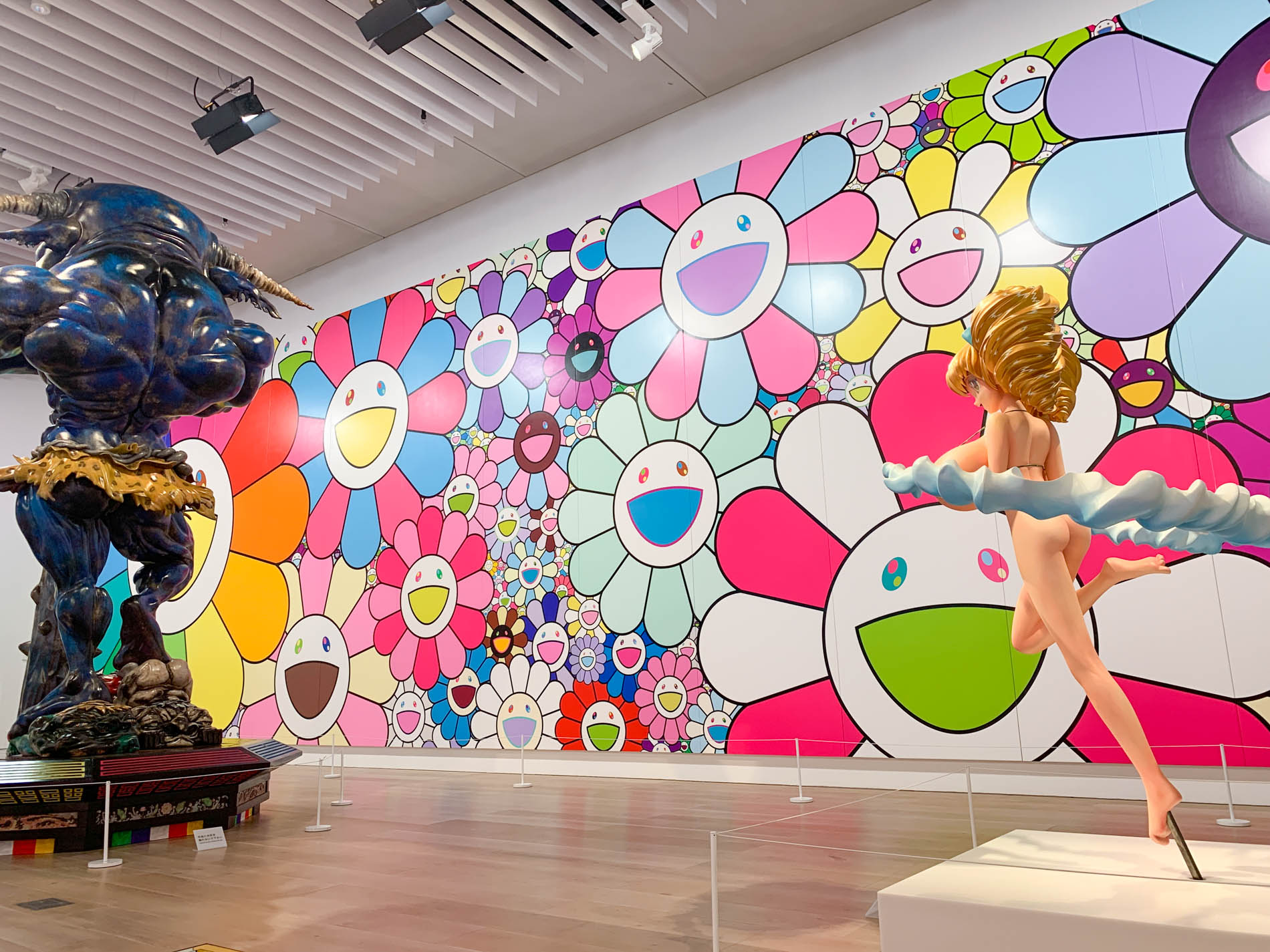
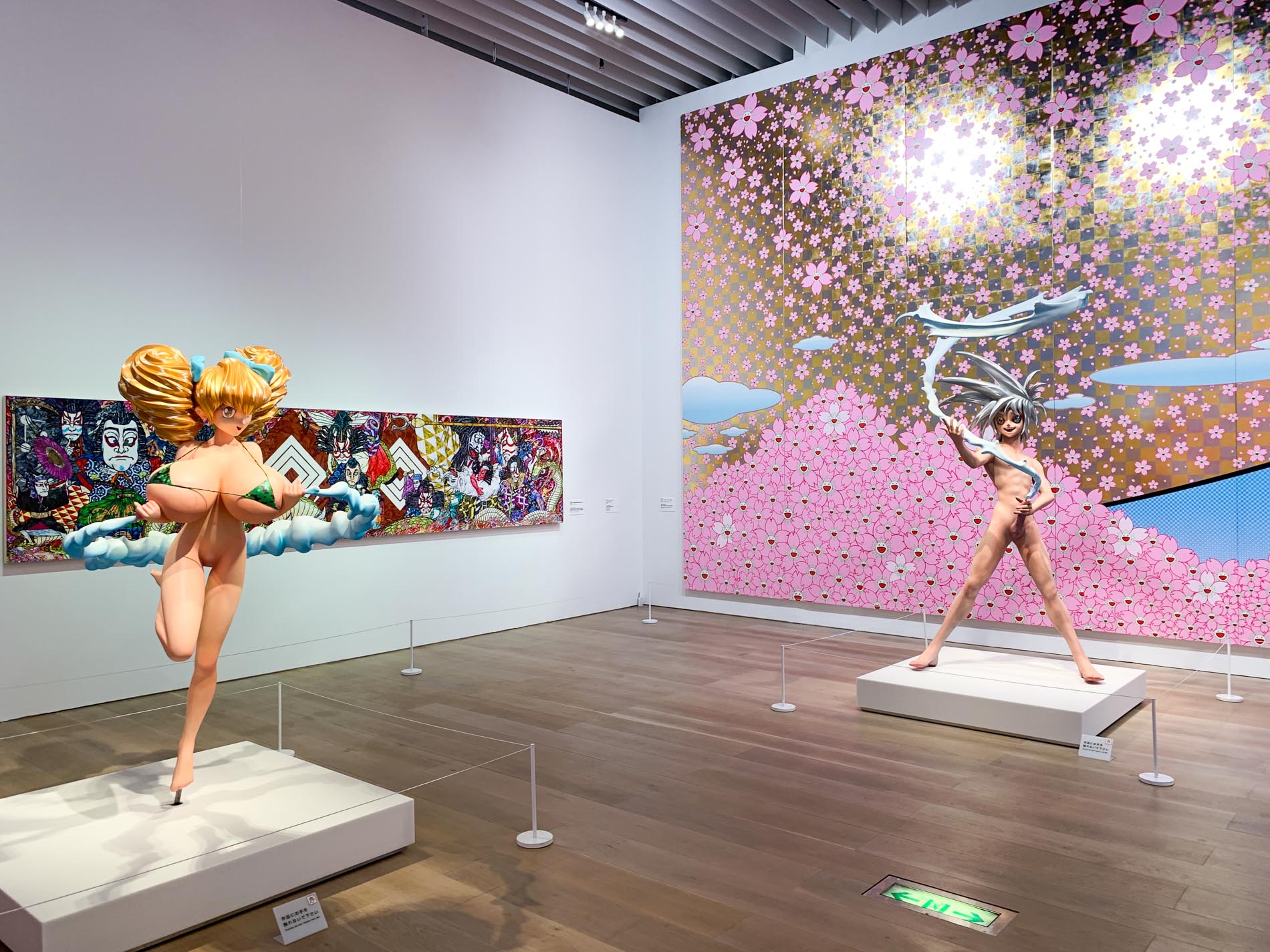
Among the participating artists, including his giant new works and video pieces, this felt like the most emphatically mounted display.