STARS: Six Contemporary Artists from Japan to the World
We visited “STARS: Six Contemporary Artists from Japan to the World,” currently on view at the Mori Art Museum.
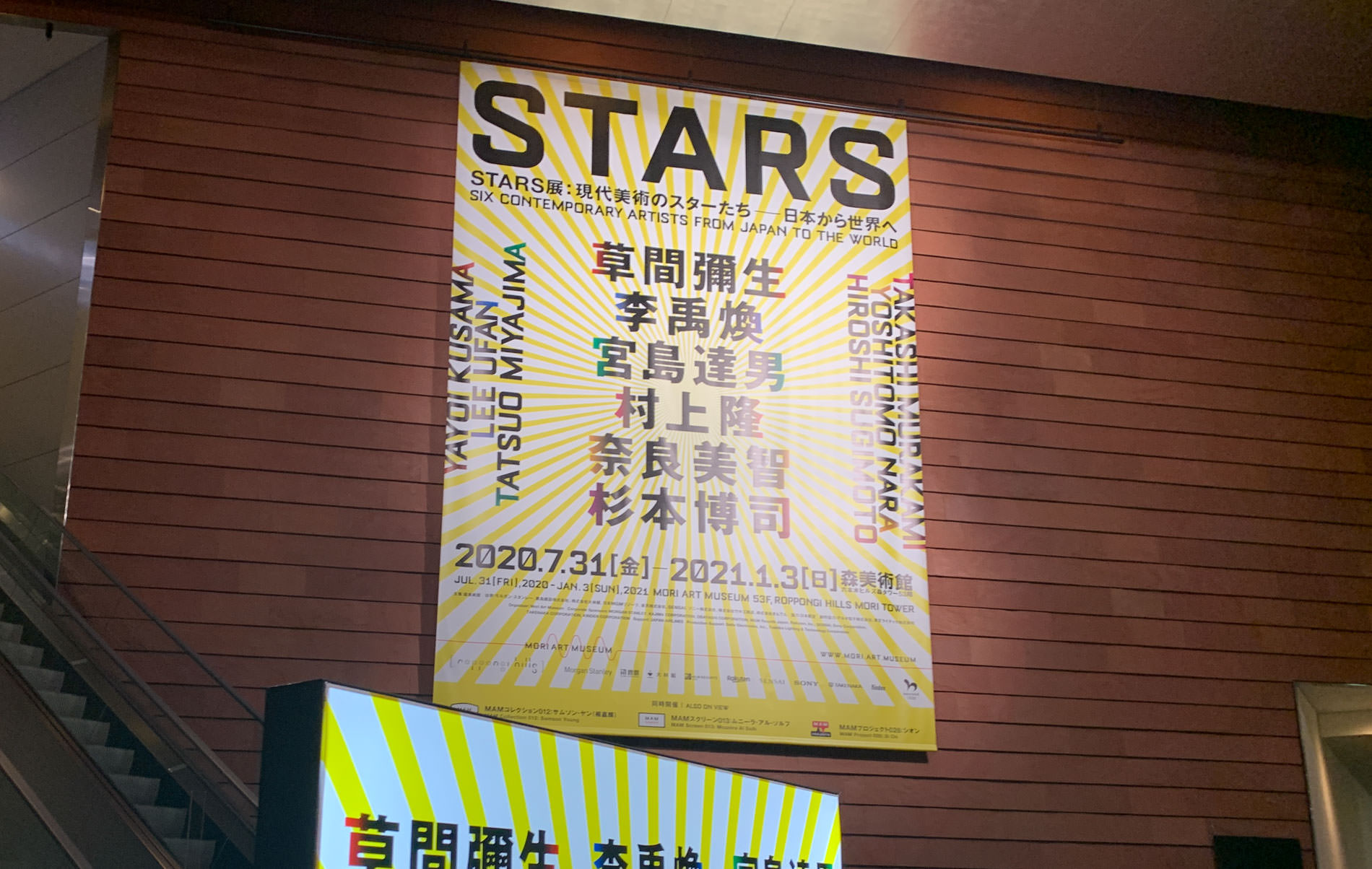
The STARS exhibition was originally planned to coincide with the Tokyo Olympics in 2020, but due to the impact of COVID-19, it opened on a delayed schedule.
The exhibition presents six artists who have transcended the framework of “Japan” to become internationally active, receiving high acclaim today across a wide range of regions and generations. It traces the arc of their careers by pairing early works with the most recent ones.
How have their practices been evaluated by the world? The show explores the pursuit of universal themes that cross borders and cultures — tradition and aesthetics, technology and subculture — against the backdrop of Japan’s unique social, cultural, and economic context.
Materials related to major exhibitions of Japanese contemporary art held abroad from the 1950s to today are also on view, offering a chance to examine the evaluative frameworks and genealogies of each era.
Tatsuo Miyajima
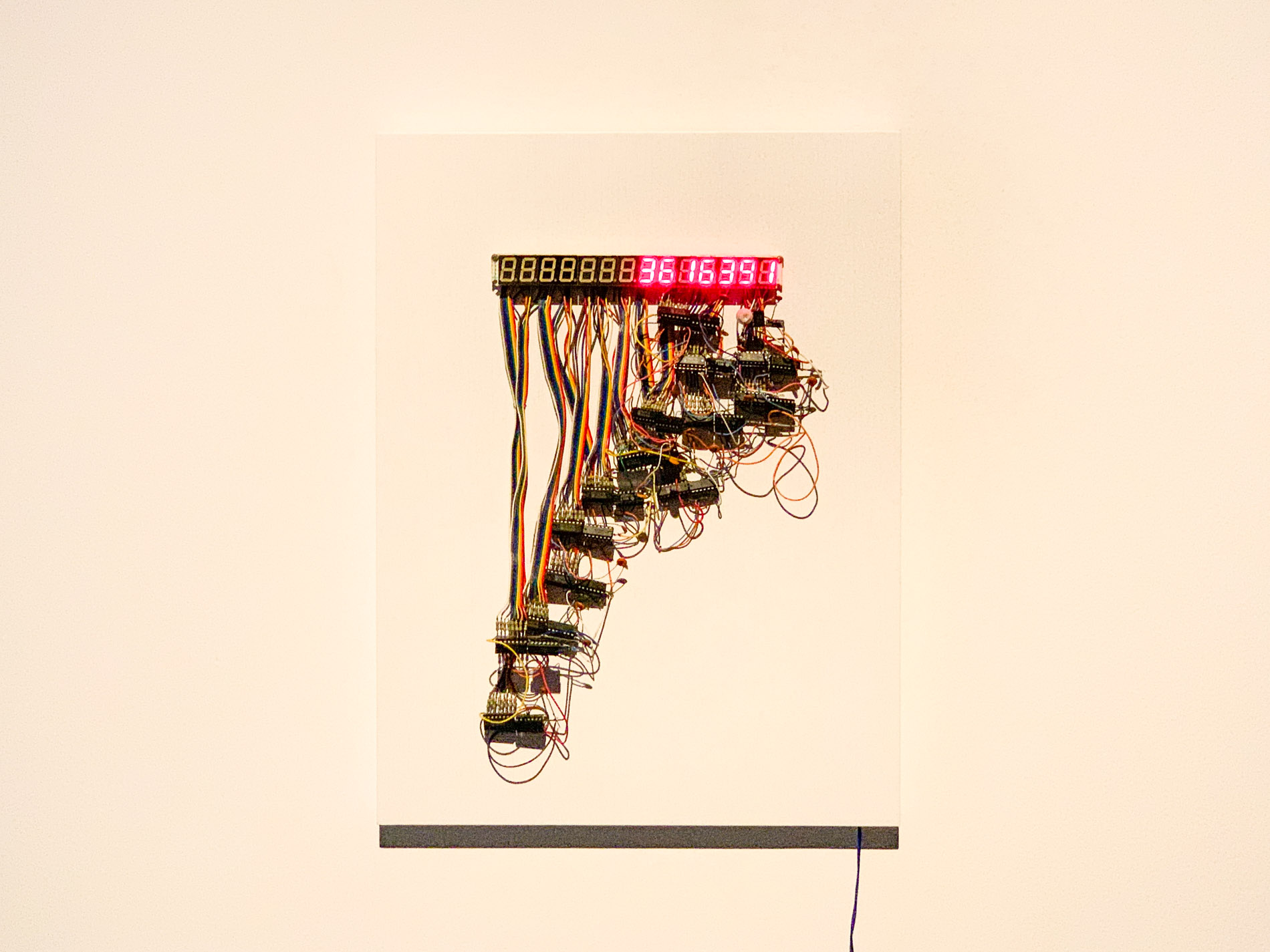
This article focuses on the works of Tatsuo Miyajima, an artist known for LED-based works such as digital counters that use light-emitting diodes (LEDs).
Three of his signature works are featured this time.
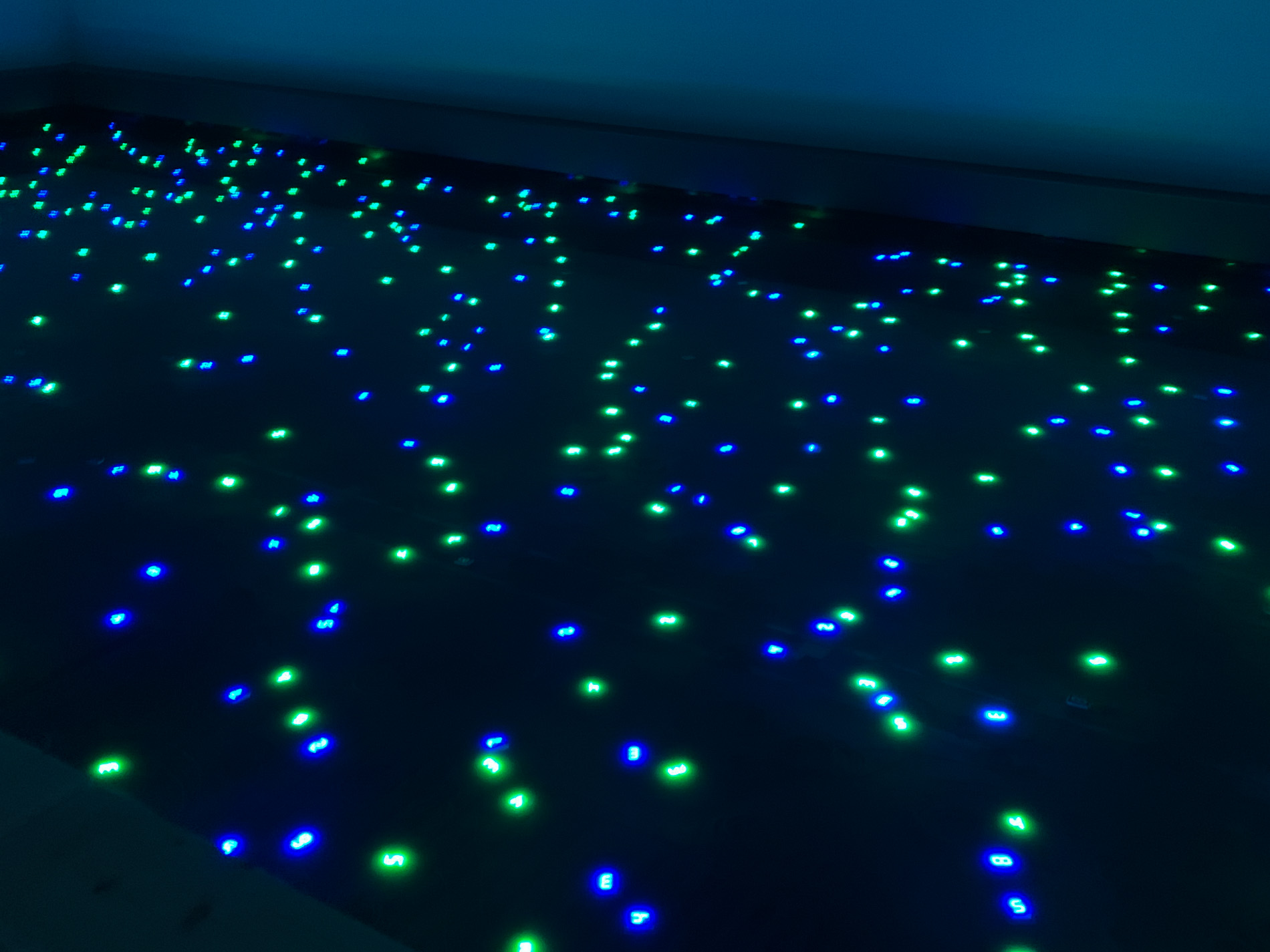
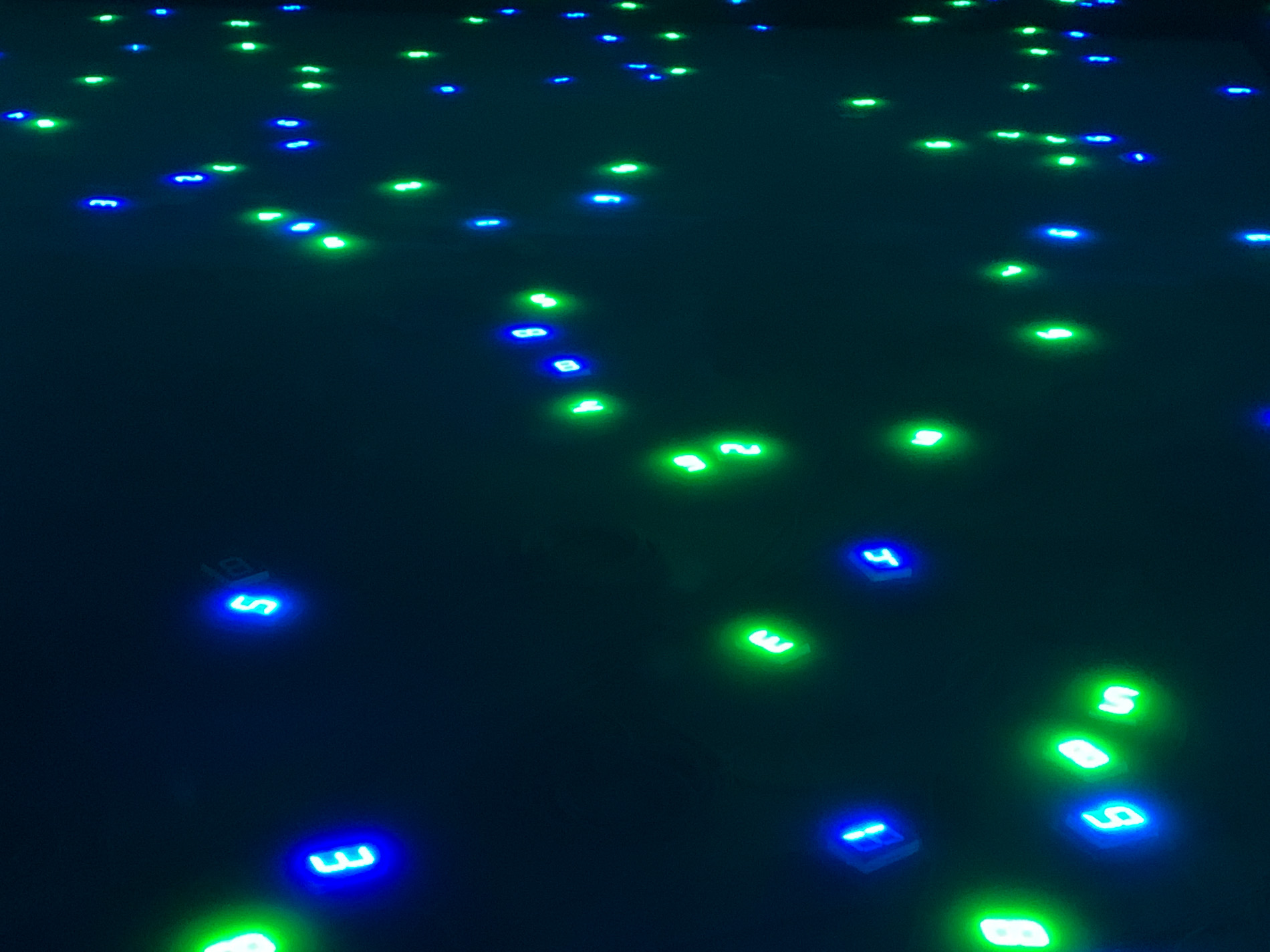
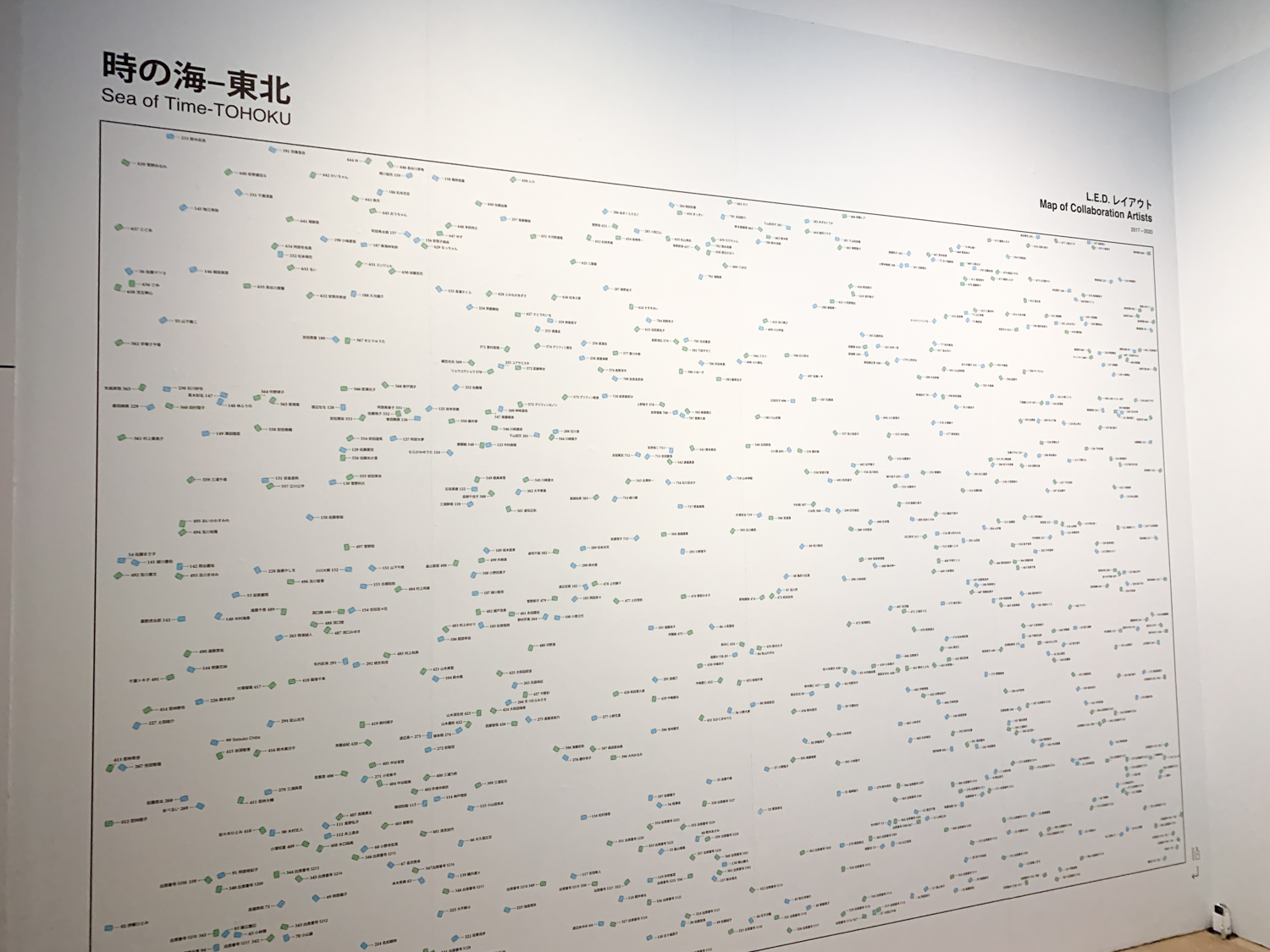
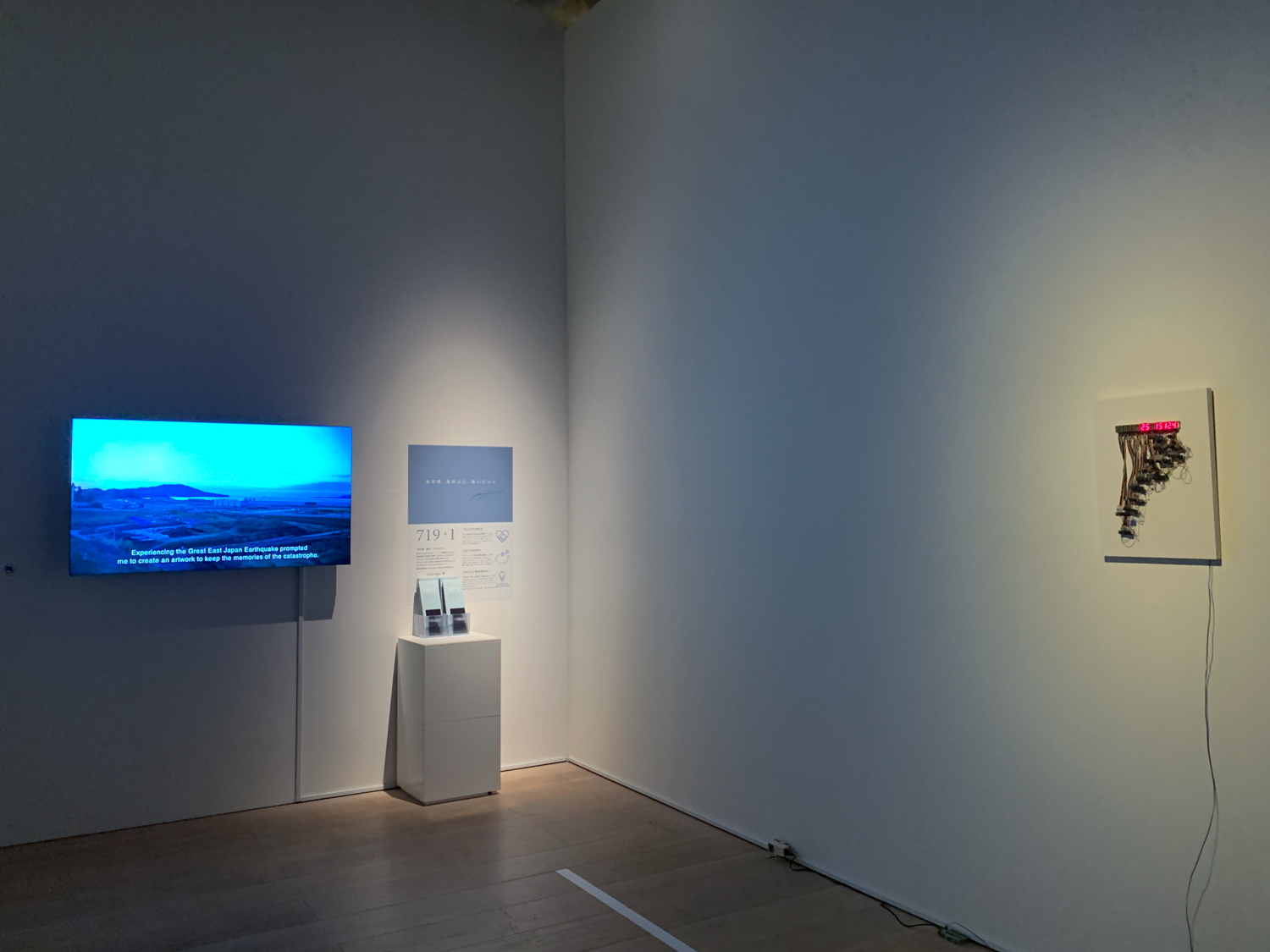
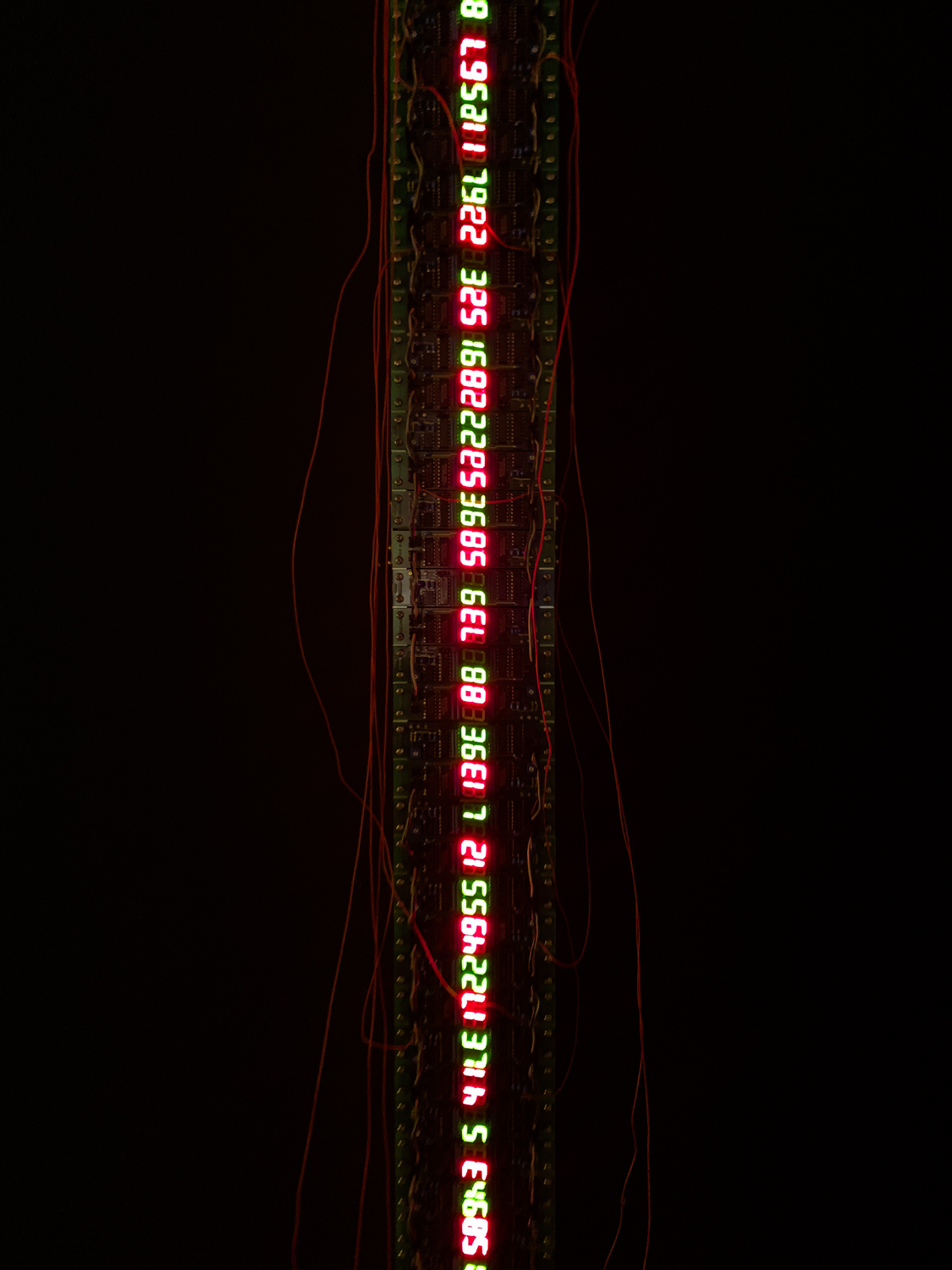
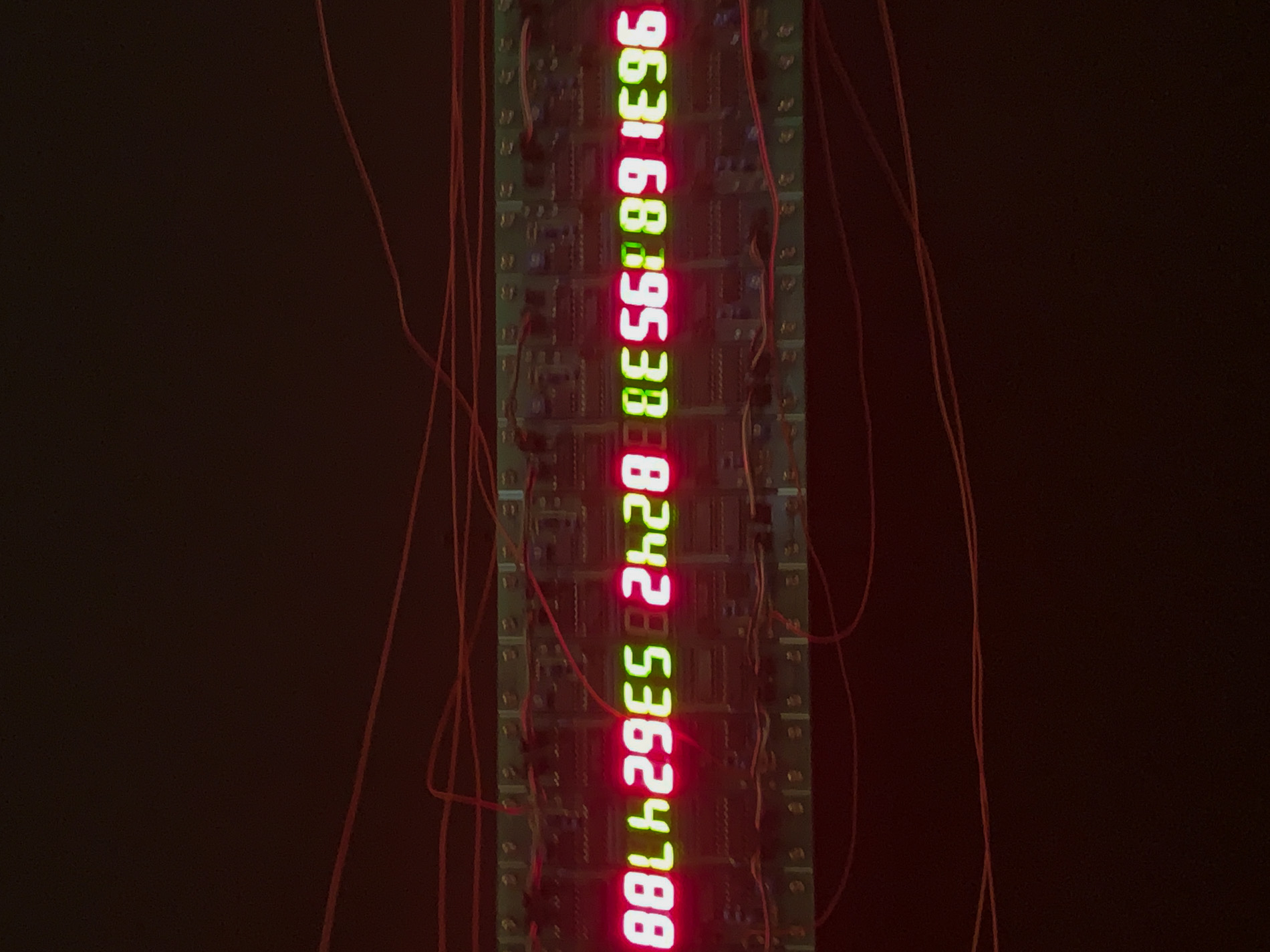
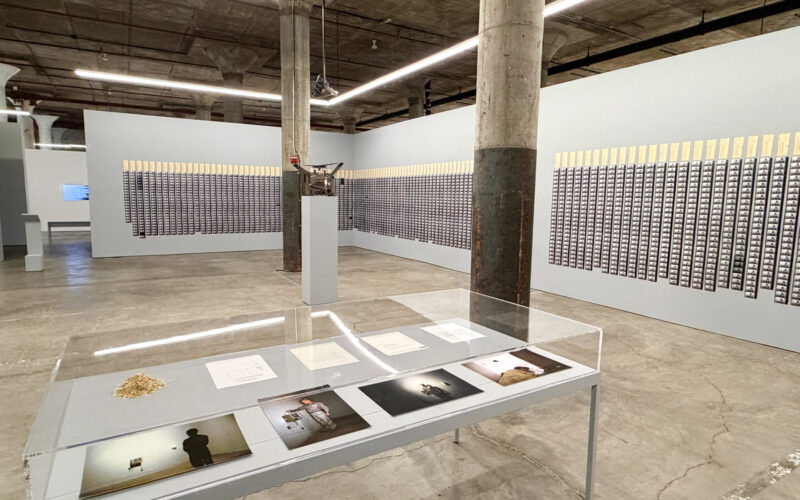
Notably, “Sea of Time — Tohoku Project (2020 Tokyo)” (2020) is an installation that mourns the victims of the Great East Japan Earthquake and seeks to pass on the memory of the disaster. It is also a development of “Sea of Time,” presented in 1988 at “Aperto 88” at the 43rd Venice Biennale.
Comprising 719 LEDs, this is one of the largest installations in the series.
Tatsuo Miyajima
Born in Tokyo in 1957.
Based on the three concepts “It keeps changing,” “It connects with everything,” and “It continues forever,” Miyajima primarily creates installations and three-dimensional works using digital counters that display shifting numbers.
In 1988, he presented “Sea of Time” in the young-artist section “Aperto 88” of the 43rd Venice Biennale, drawing international attention. He has since held solo exhibitions worldwide, including a 1997 show at the Hayward Gallery in London.
In 1999, he was selected to represent the Japan Pavilion at the 48th Venice Biennale. His works engage the universal concept of time while fusing Buddhist thought with technology, earning international acclaim. In recent years, solo shows have been held at UCCA Beijing and Minsheng Art Museum Shanghai, among other venues.
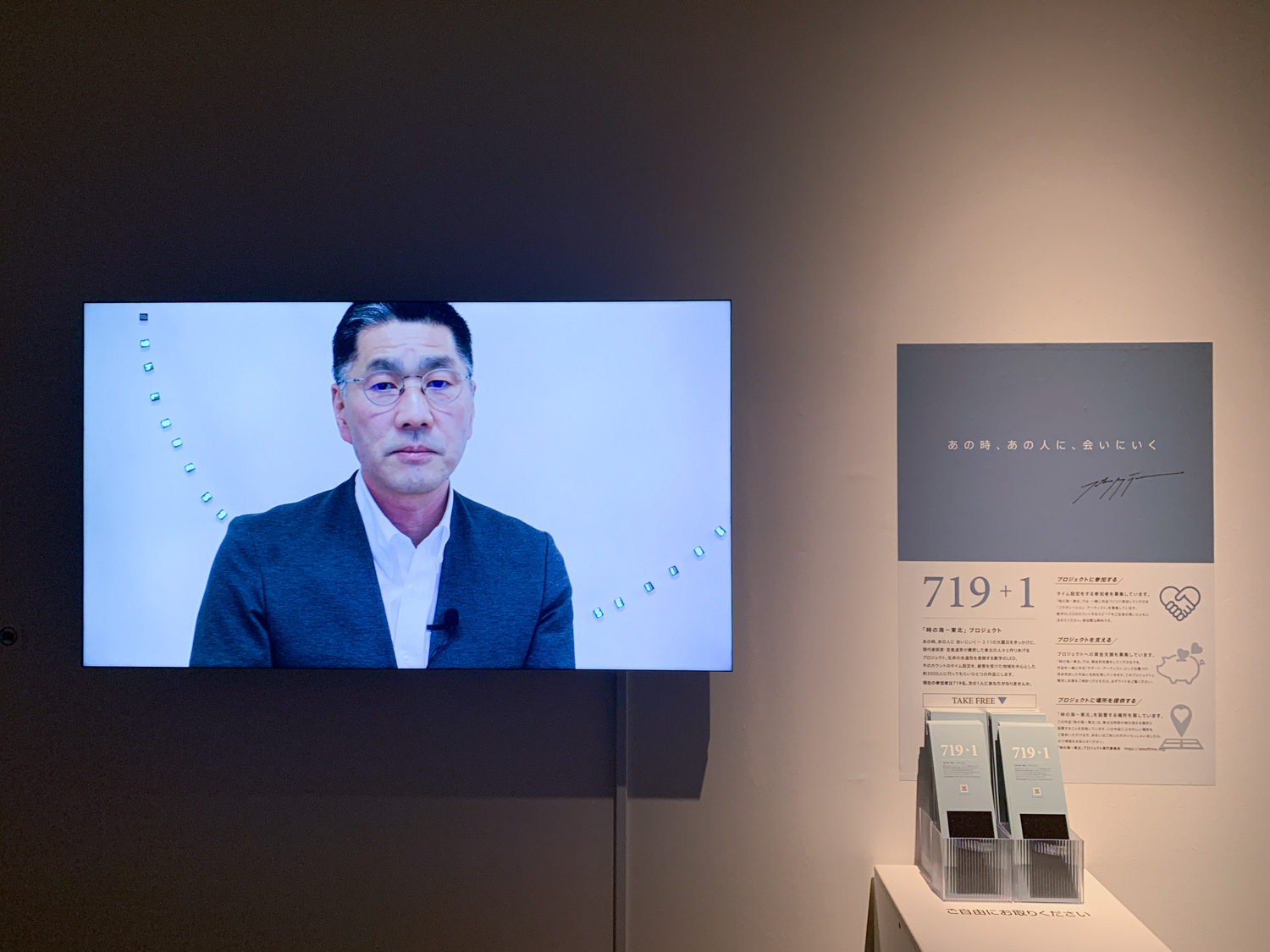
At the same time, in 1996 he launched the “Revive Time: Kaki Tree Project,” planting saplings around the world grown from a persimmon tree that had survived the Nagasaki atomic bombing. Since 2017, he has been continuously creating “Sea of Time — Tohoku” to mourn the victims of the Great East Japan Earthquake and preserve the memory of the disaster, actively engaging in socially participatory projects.
Tatsuo Miyajima’s monumental work is permanently installed at the Museum of Contemporary Art Tokyo. Please also see the article below.