STARS: Six Contemporary Artists from Japan to the World
We visited “STARS: Six Contemporary Artists from Japan to the World,” now on view at Mori Art Museum.
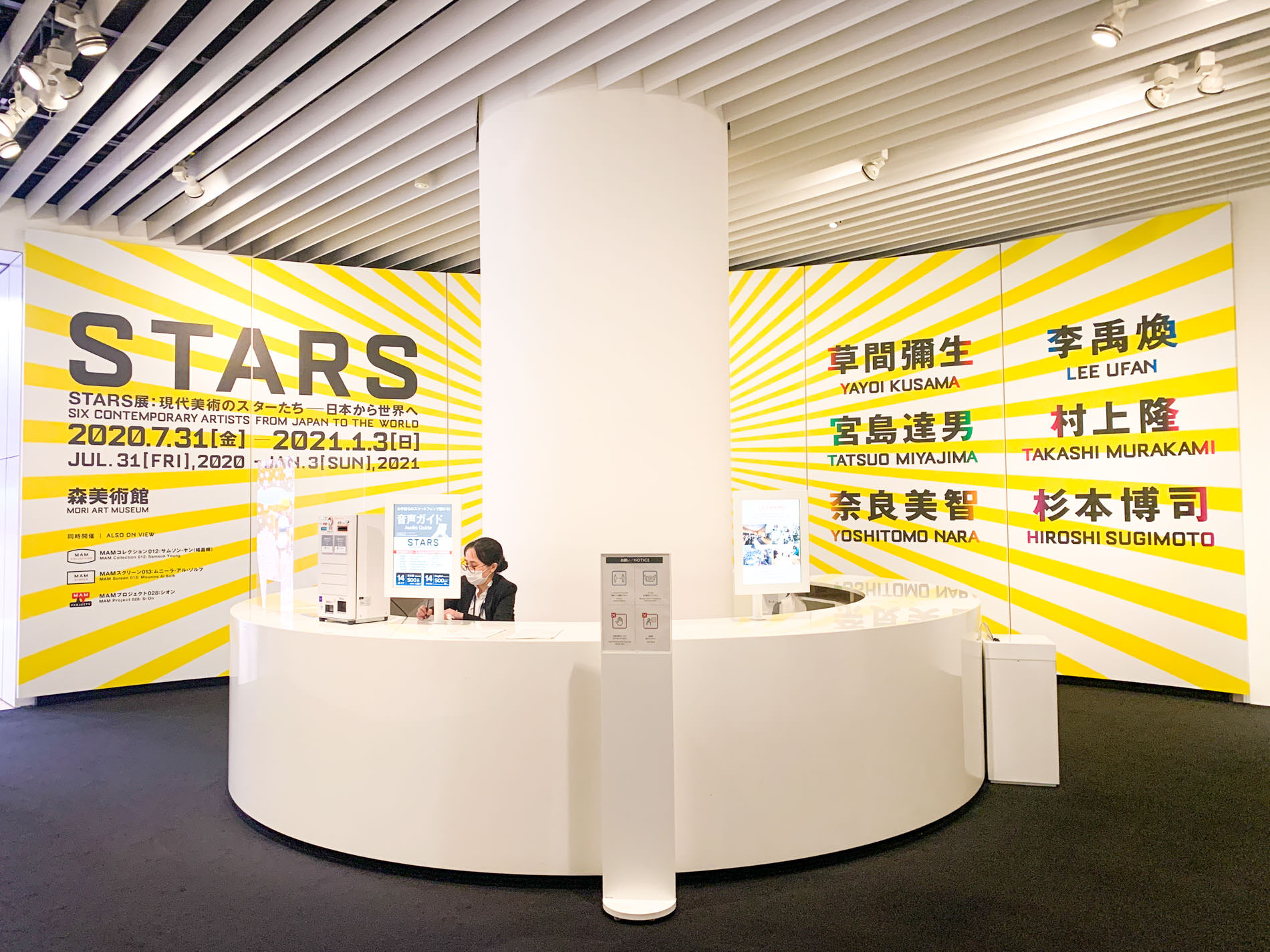
The STARS exhibition was originally planned to coincide with the 2020 Tokyo Olympics, but its opening was pushed back due to the impact of the novel coronavirus.
The exhibition selects six artists who have moved beyond the framework of “Japan” to become active internationally, and who today enjoy high acclaim from diverse regions and generations. It traces their trajectories by linking early works with their most recent ones.
How have their practices been evaluated on the world stage? The exhibition explores this through the pursuit of universal themes that cross borders and cultures, and through Japan’s unique social, cultural, and economic backgrounds—tradition and aesthetics, technology and subculture.
It also displays archival material from major exhibitions of Japanese contemporary art held abroad since the 1950s, examining the evaluative standards and genealogies of each era.
Yayoi Kusama
In this article, we focus on the exhibit of Yayoi Kusama, the eldest among the six artists.
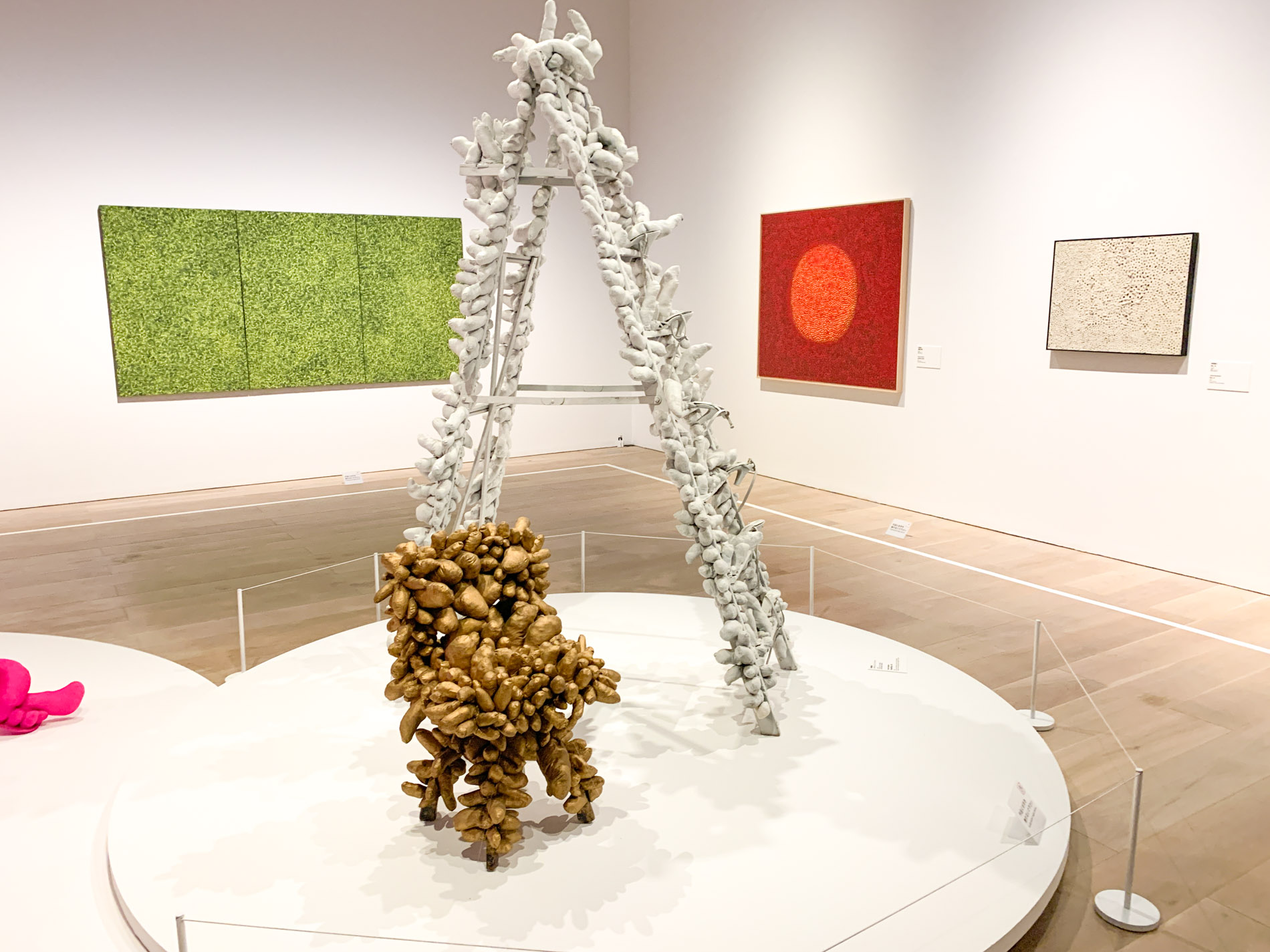
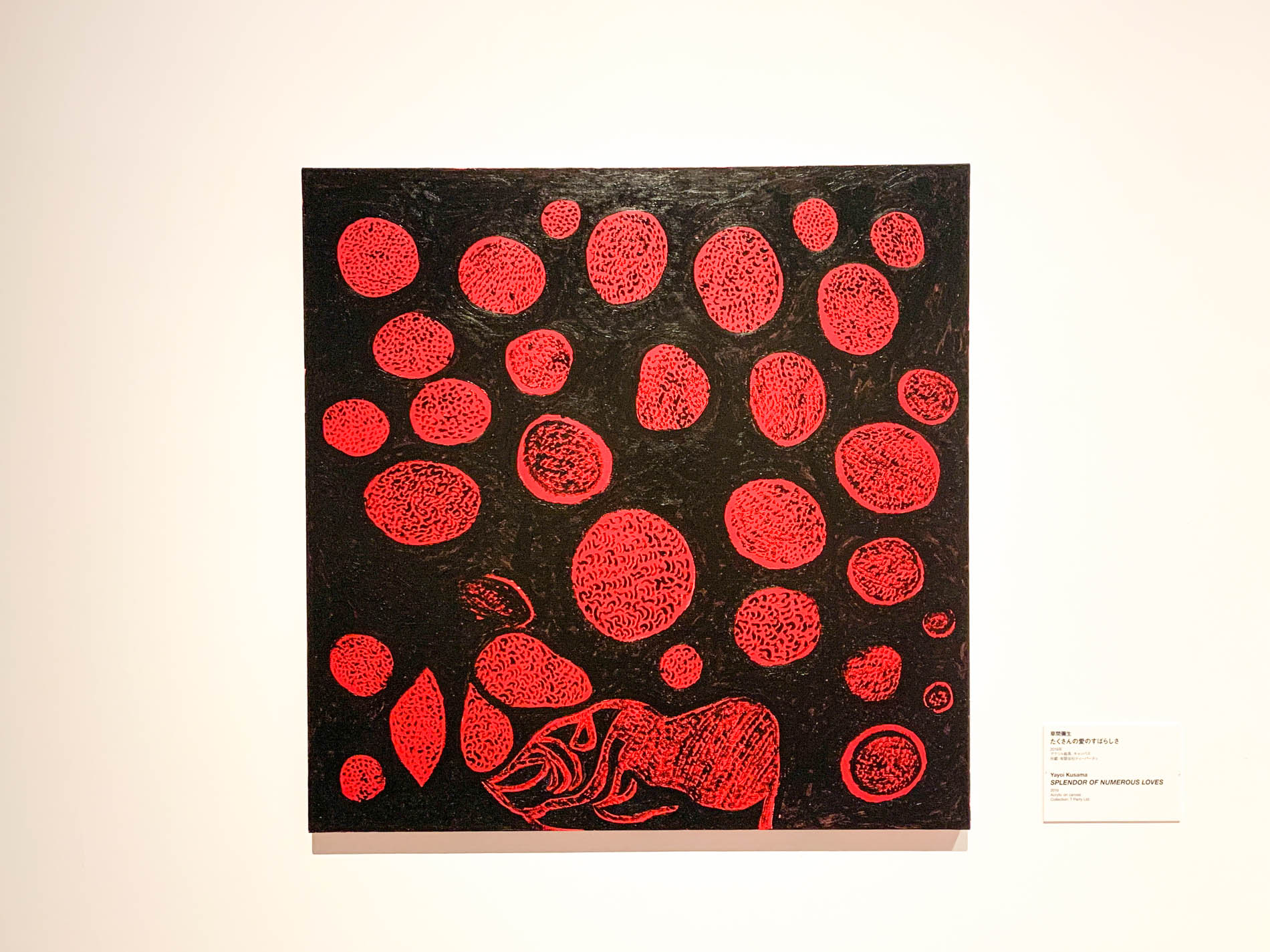
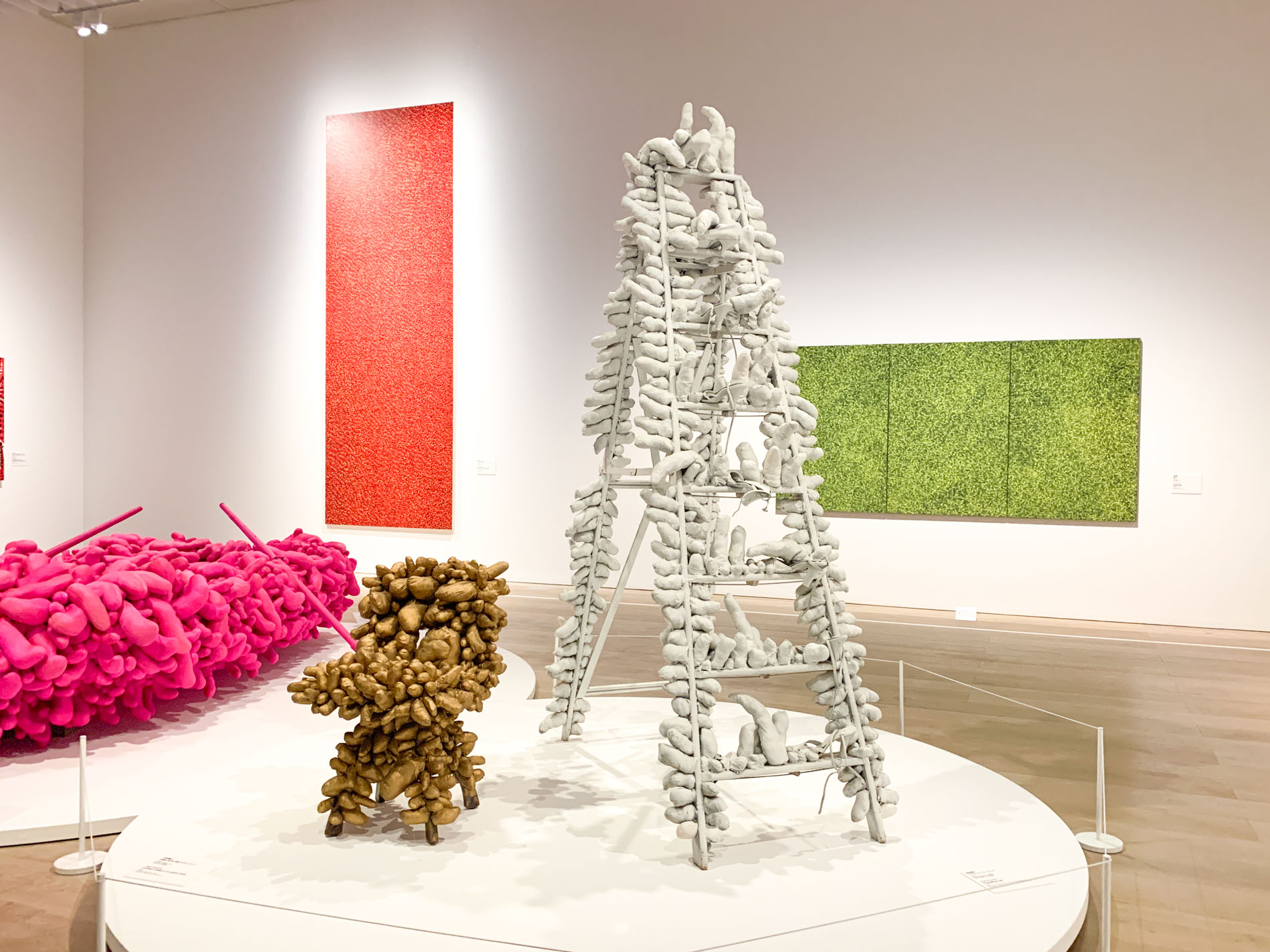
The Yayoi Kusama room featured everything from early works around 1960 when she was based in New York, to Revelation from Heaven (B) (1993) and Pink Boat (1992)—both shown as part of the Japan Pavilion at the 45th Venice Biennale in 1993—the mirrored installation Infinity Mirrored Room—Lamps of Shinano (2001), and her latest painting series My Eternal Soul (2009– ).
Yayoi Kusama
Born in 1929 in Matsumoto, Nagano Prefecture. Moved to the United States in 1957.
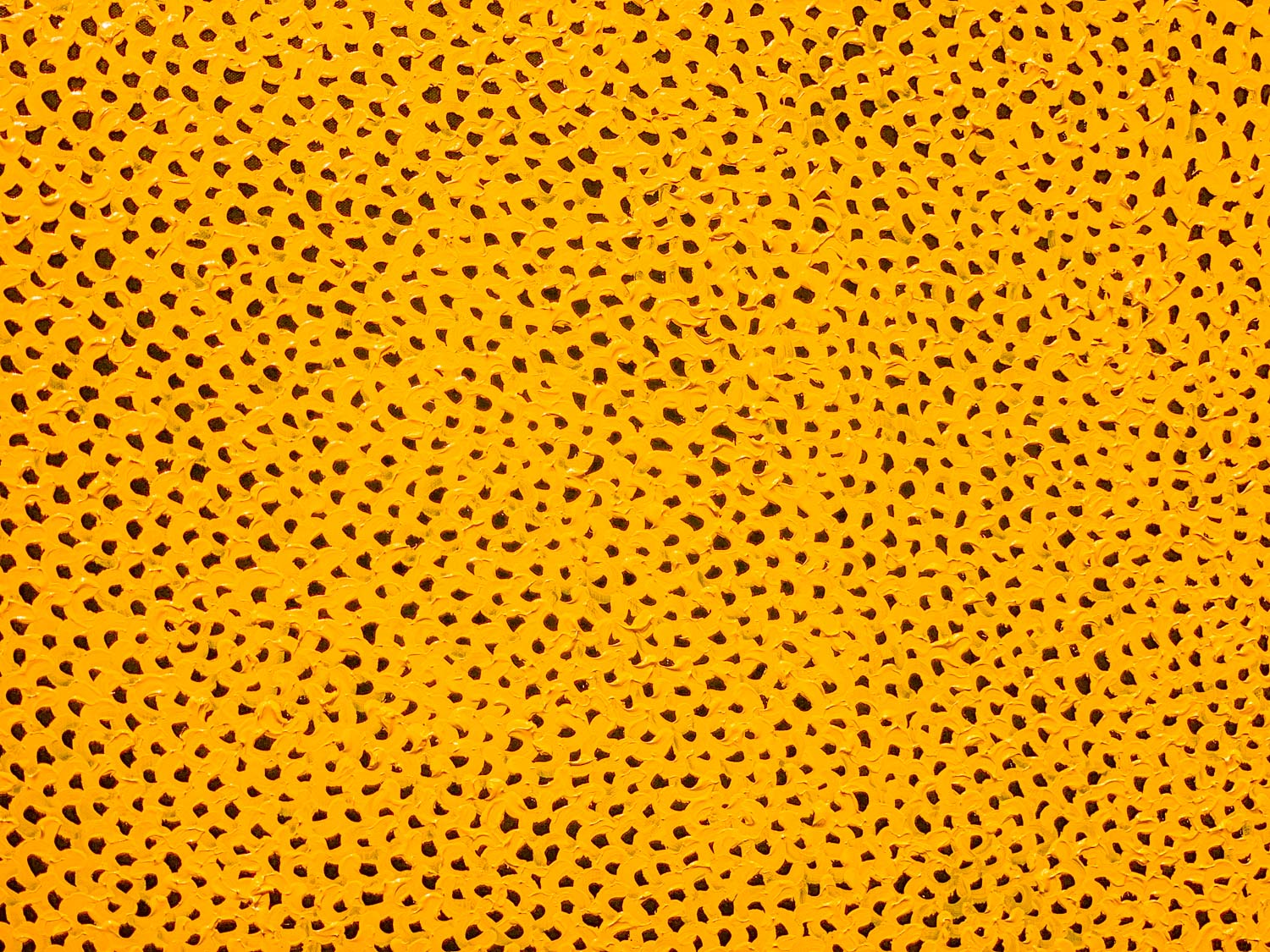
She attracted attention with her net paintings, which cover entire canvases with mesh-like patterns, and her soft sculptures whose surfaces are enveloped with fabric protrusions. The repetition seen in these works stems from the hallucinations and obsessive thoughts she has experienced since childhood, and forms an underlying characteristic of her practice.
In the late 1960s she gained attention through fashion shows and anti-war happenings, becoming a significant presence in the New York art scene.
Returning to Japan in 1973, she has continued her prolific practice, releasing numerous public artworks and large-scale installations from the 1990s onward. Works featuring her pop colors and familiar motifs such as pumpkins and flowers have won overwhelming popularity.
She participated in the 45th Venice Biennale in 1993 as the representative of the Japan Pavilion.
Beginning with the 1998 solo exhibition “Love Forever: Yayoi Kusama,” co-organized by the Los Angeles County Museum of Art and the Museum of Modern Art, New York, she has held large-scale solo exhibitions worldwide.
From 2011 to 2012, a retrospective toured four cities in Europe and North America, including Tate Modern (London) and the Whitney Museum of American Art (New York).
In 2016, she was named one of TIME magazine’s “100 Most Influential People in the World.”
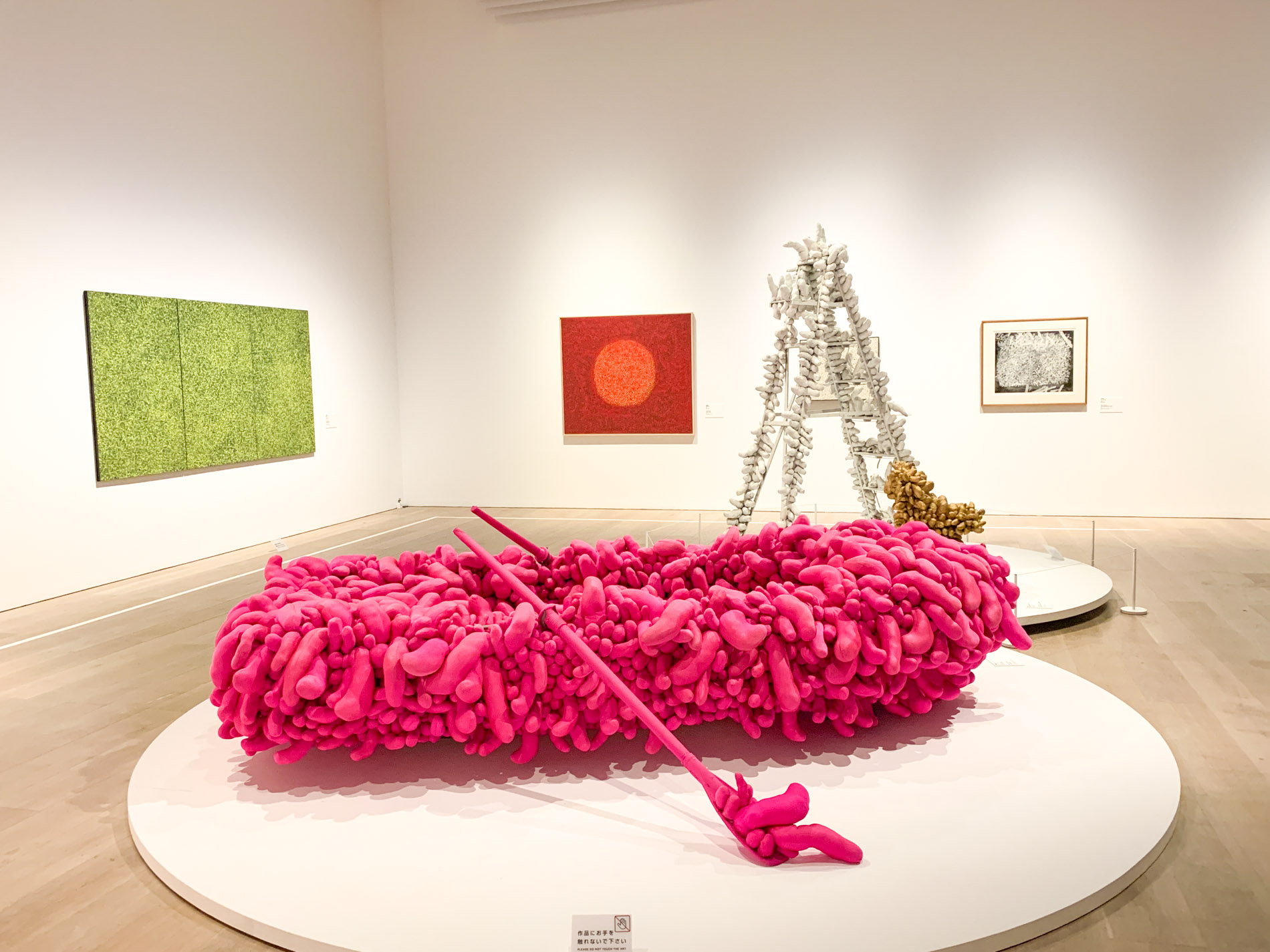
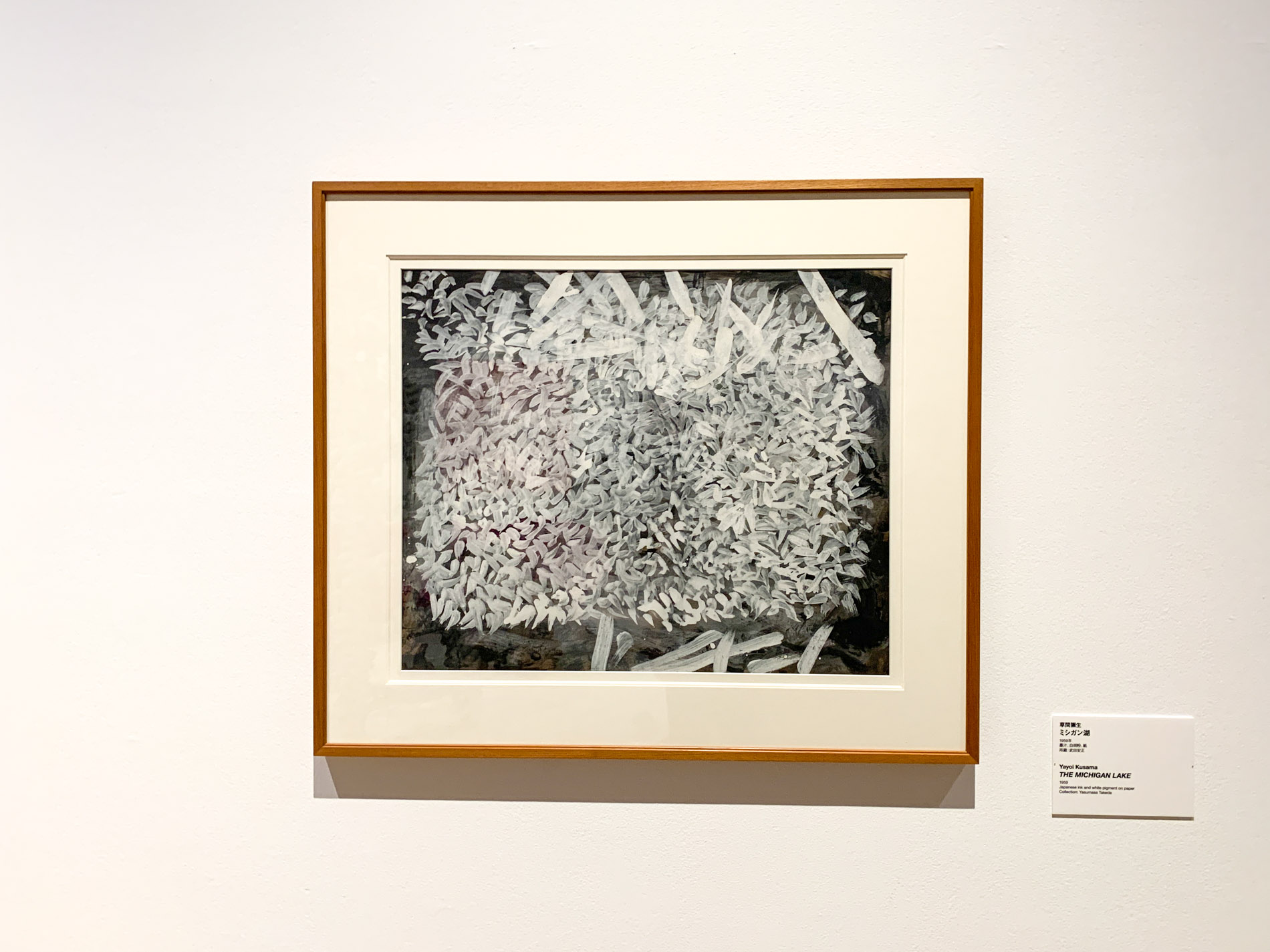
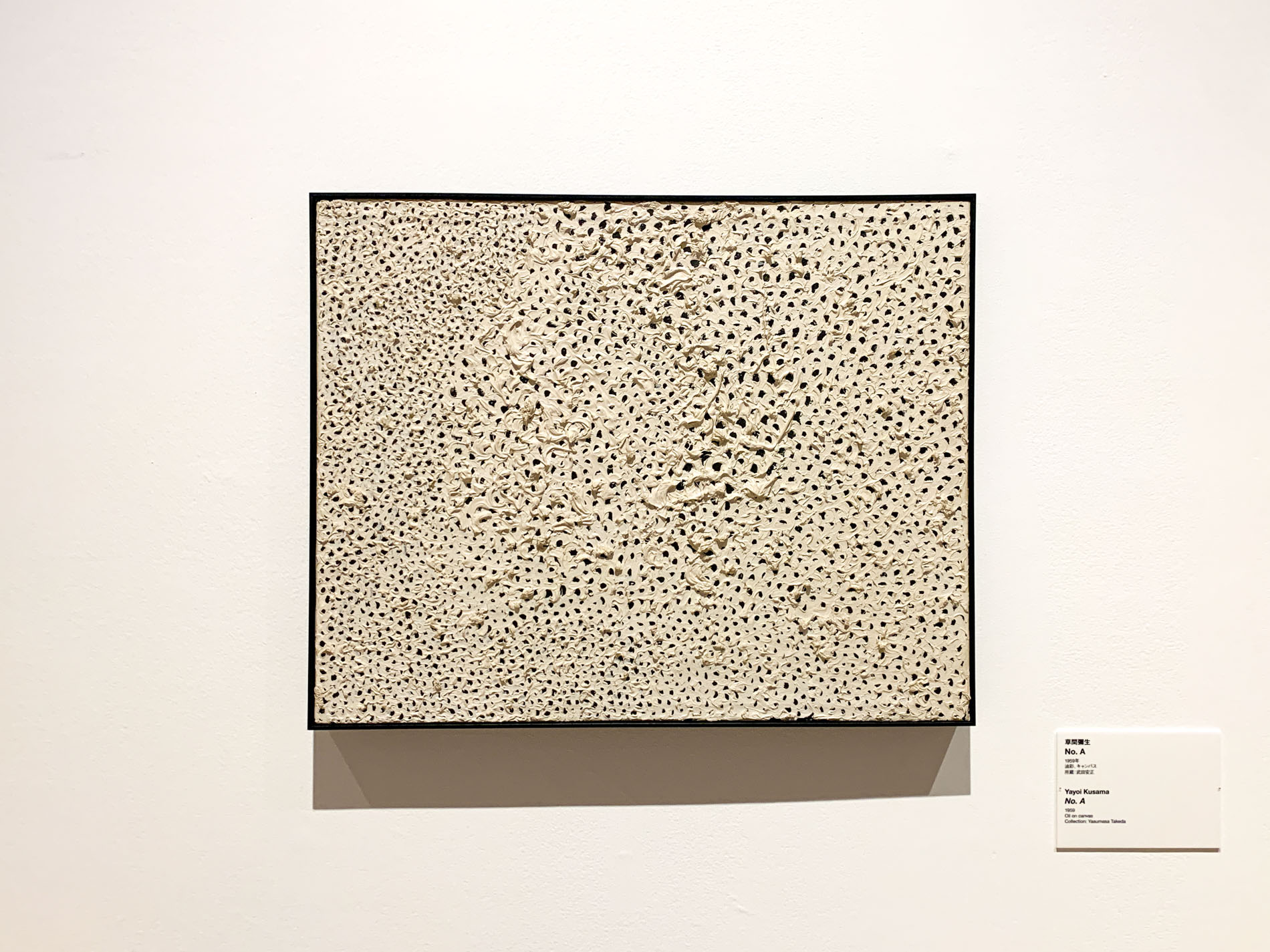
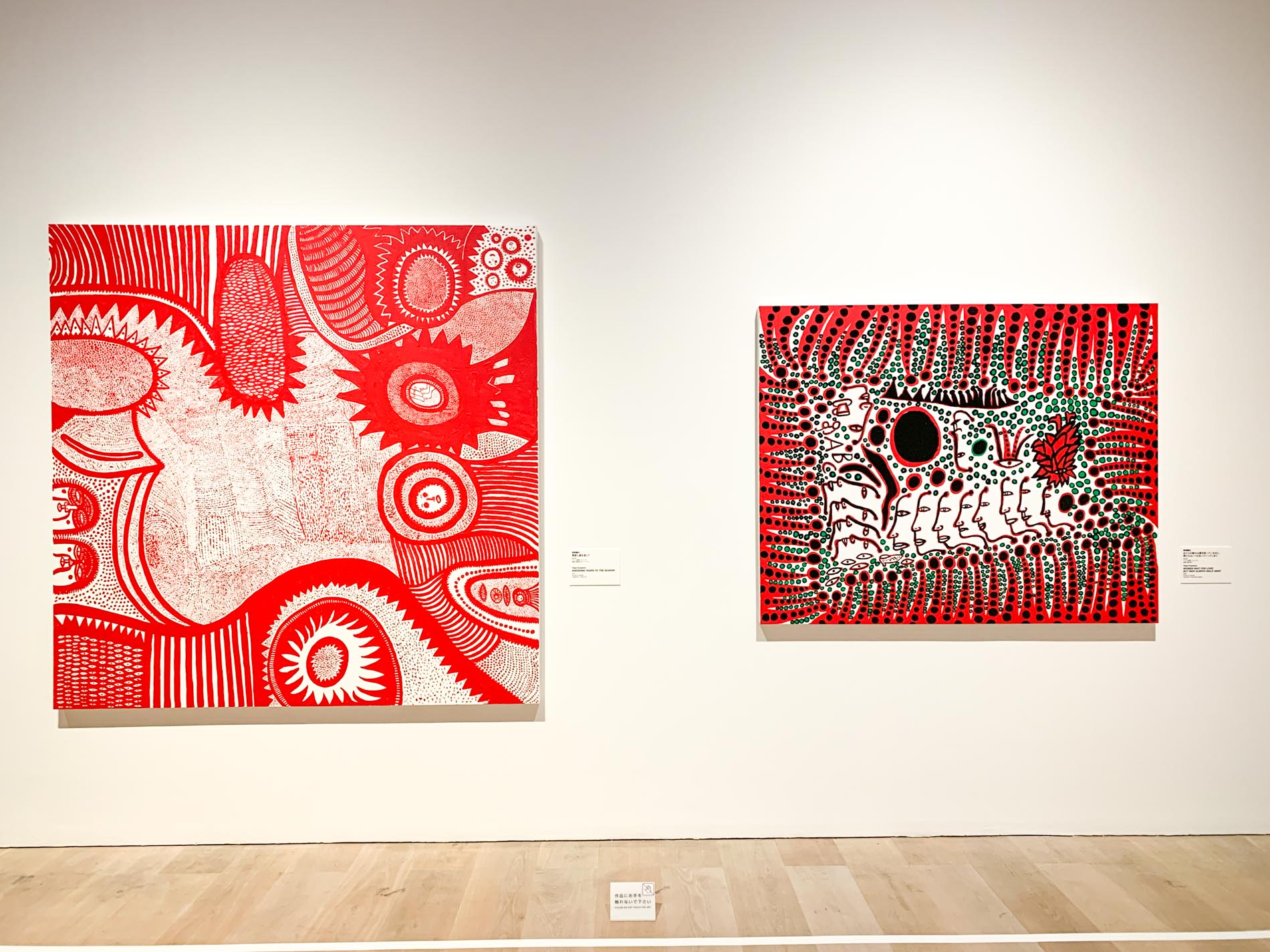
Right: Yayoi Kusama, The Group of Women Await Love, but the Men Always Depart, 2009, acrylic on canvas, 130×162 cm, Collection: Yasumasa Takeda
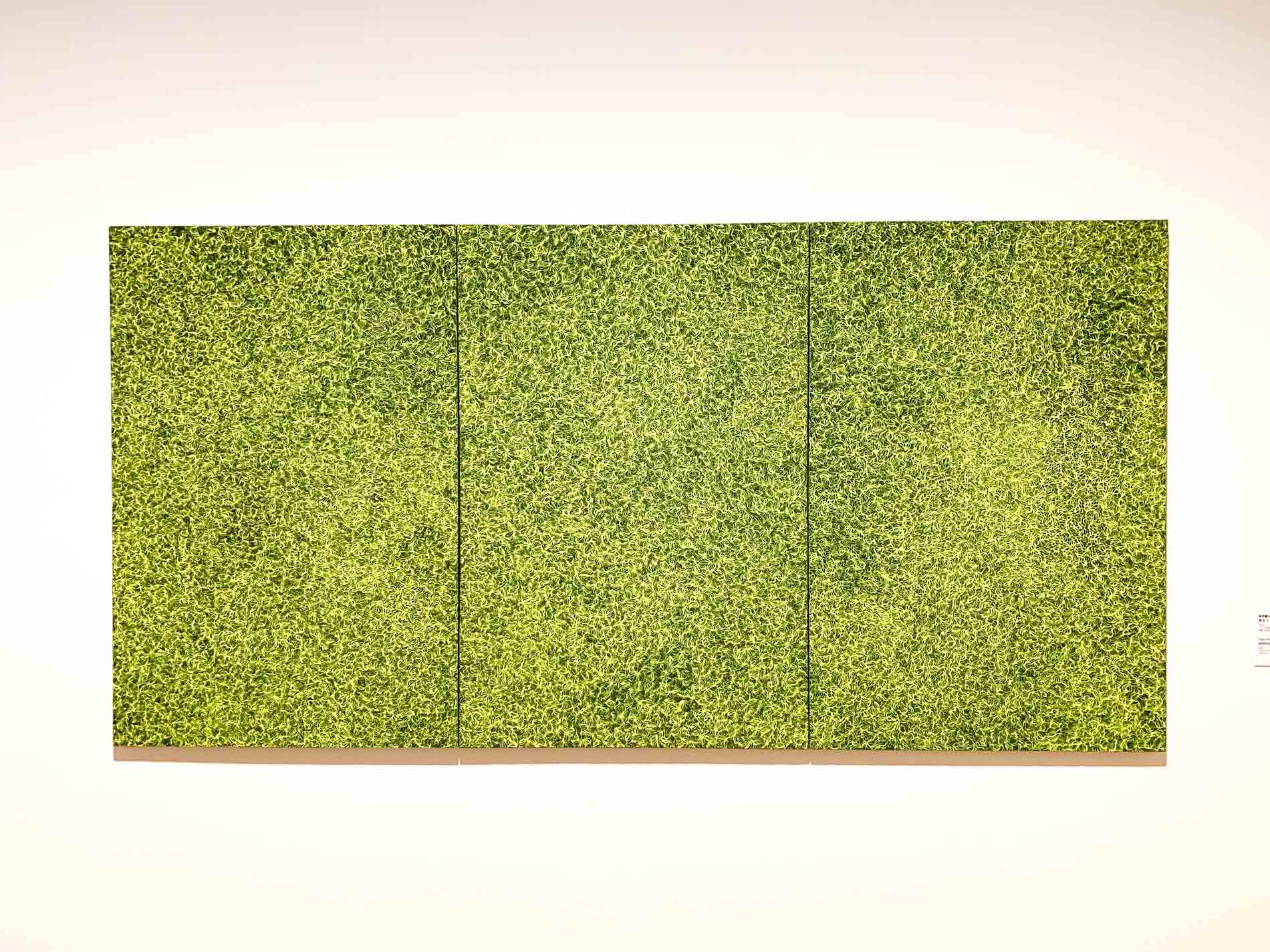
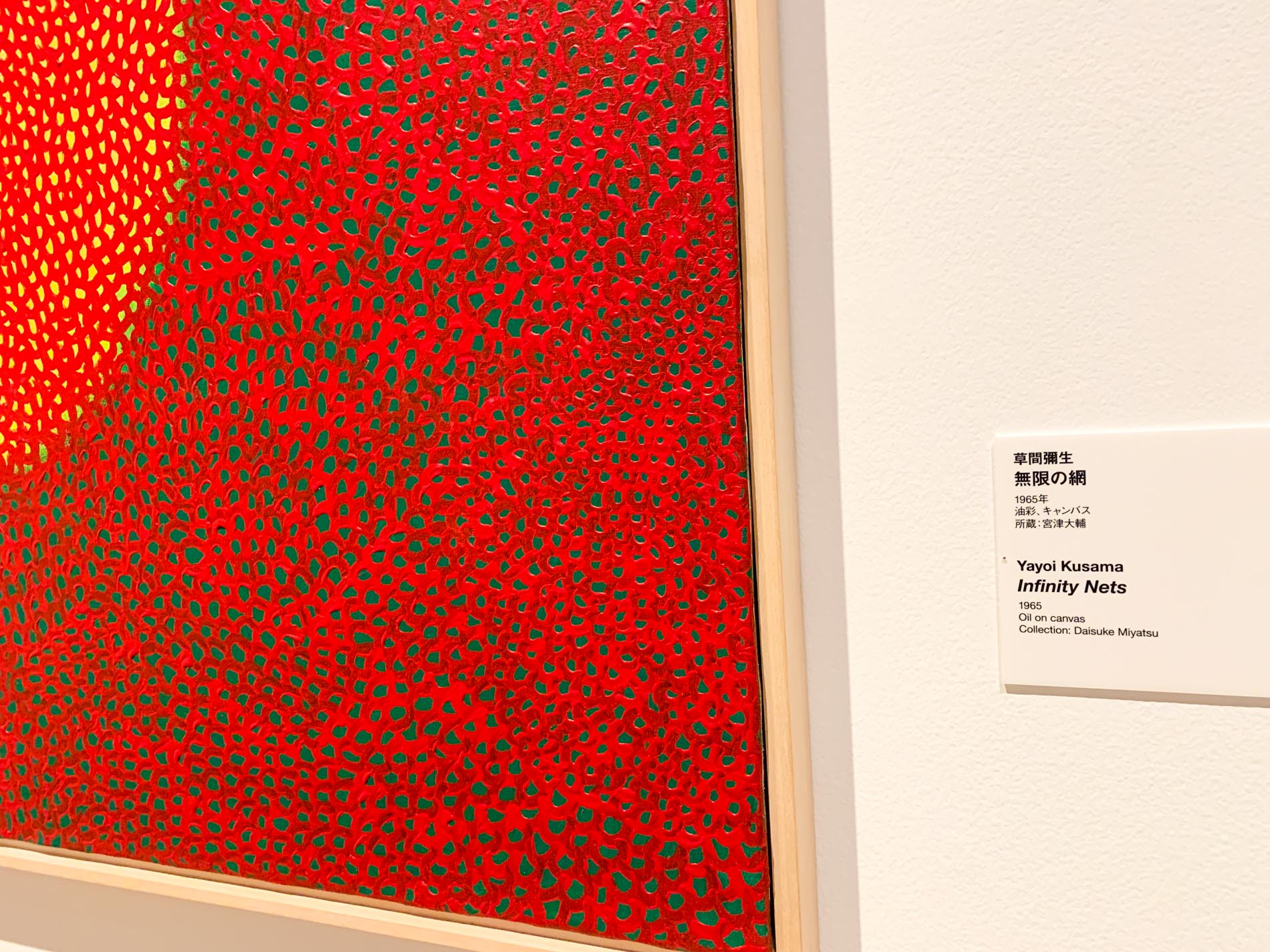
On view was Infinity Nets, a collection piece introduced by collector Daisuke Miyazu in his book Let’s Buy Contemporary Art!
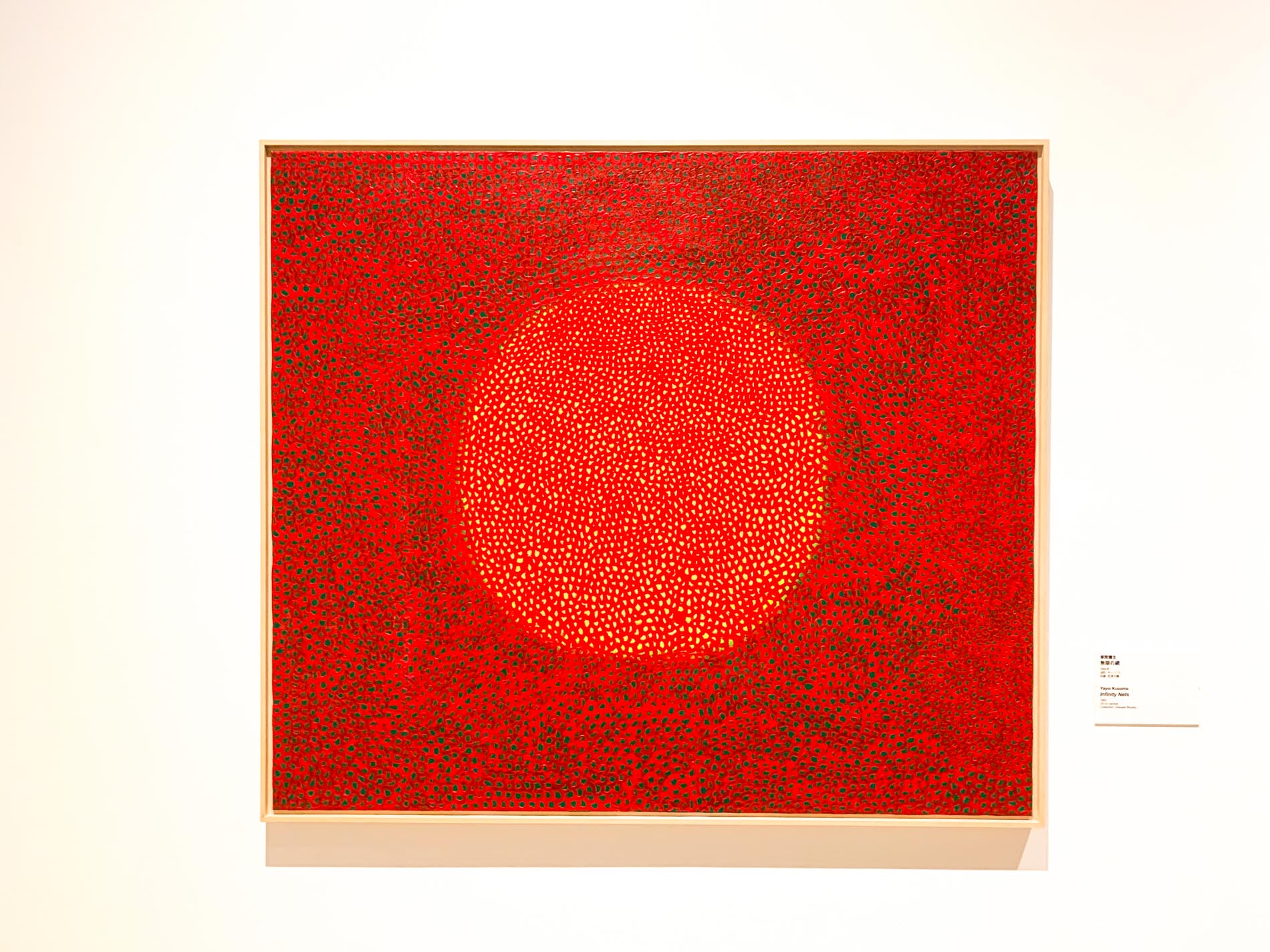
This is an early work from the Infinity Nets series.
Though it dates back more than 50 years, it was striking how well it has been preserved. It was also fascinating to compare it with recent works in the same series.
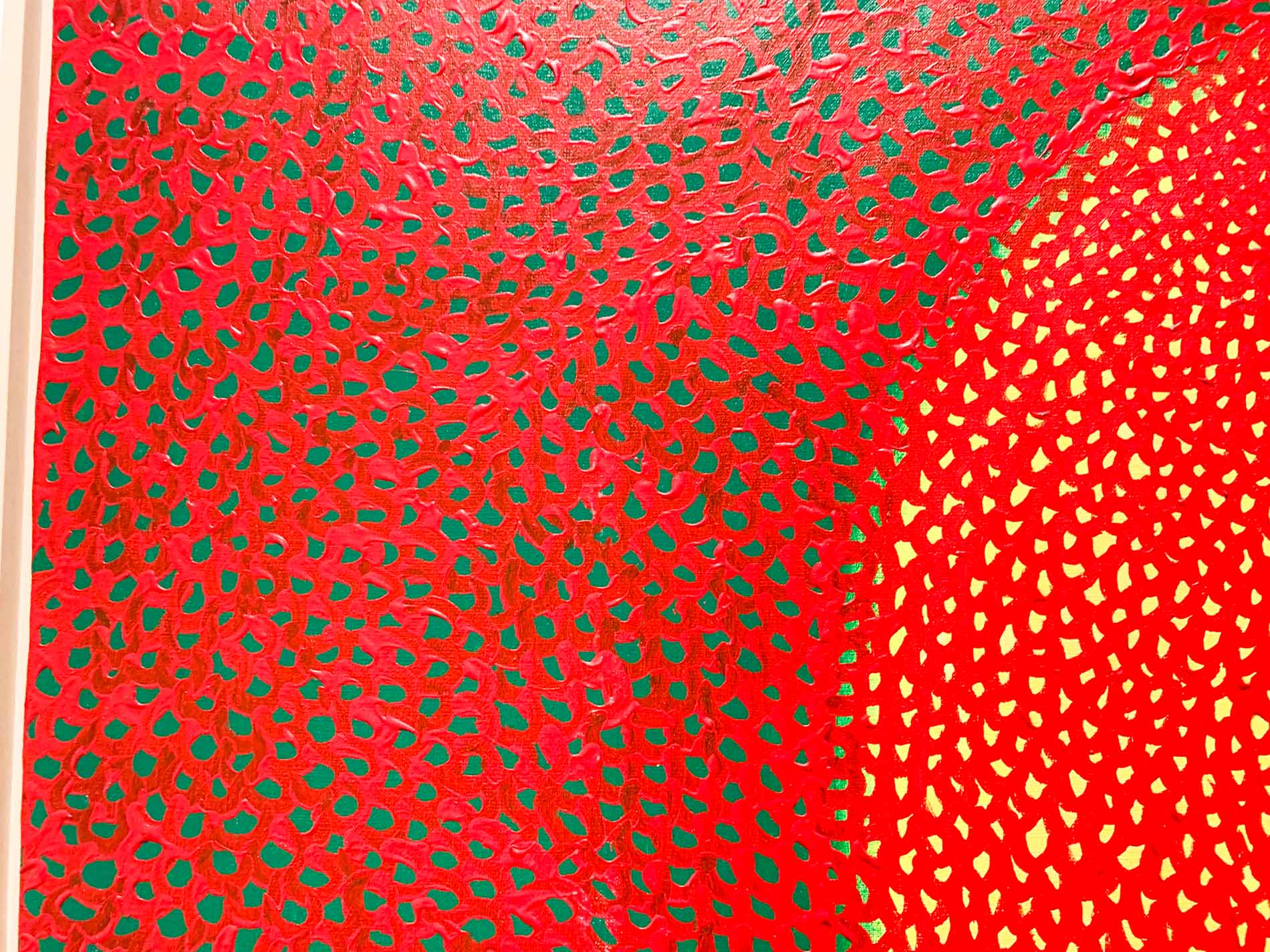
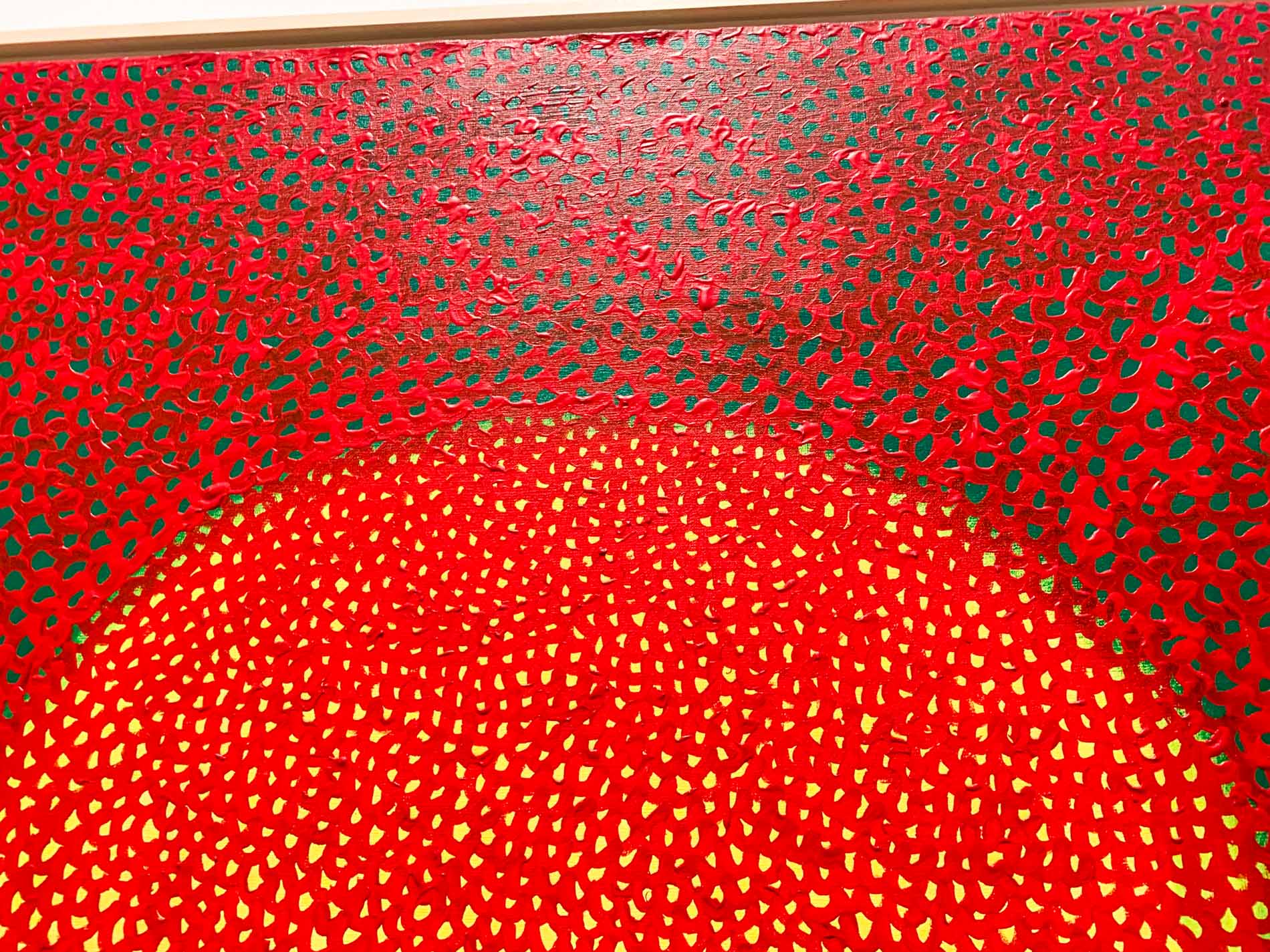
At the OKETA COLLECTION exhibition held immediately before, a 2012 Infinity Nets work was on view. Comparing the two, the brushwork has clearly shifted, offering a delightful contrast to observe.