STARS: Six Contemporary Artists from Japan to the World
We visited “STARS: Six Contemporary Artists from Japan to the World,” currently on view at the Mori Art Museum.
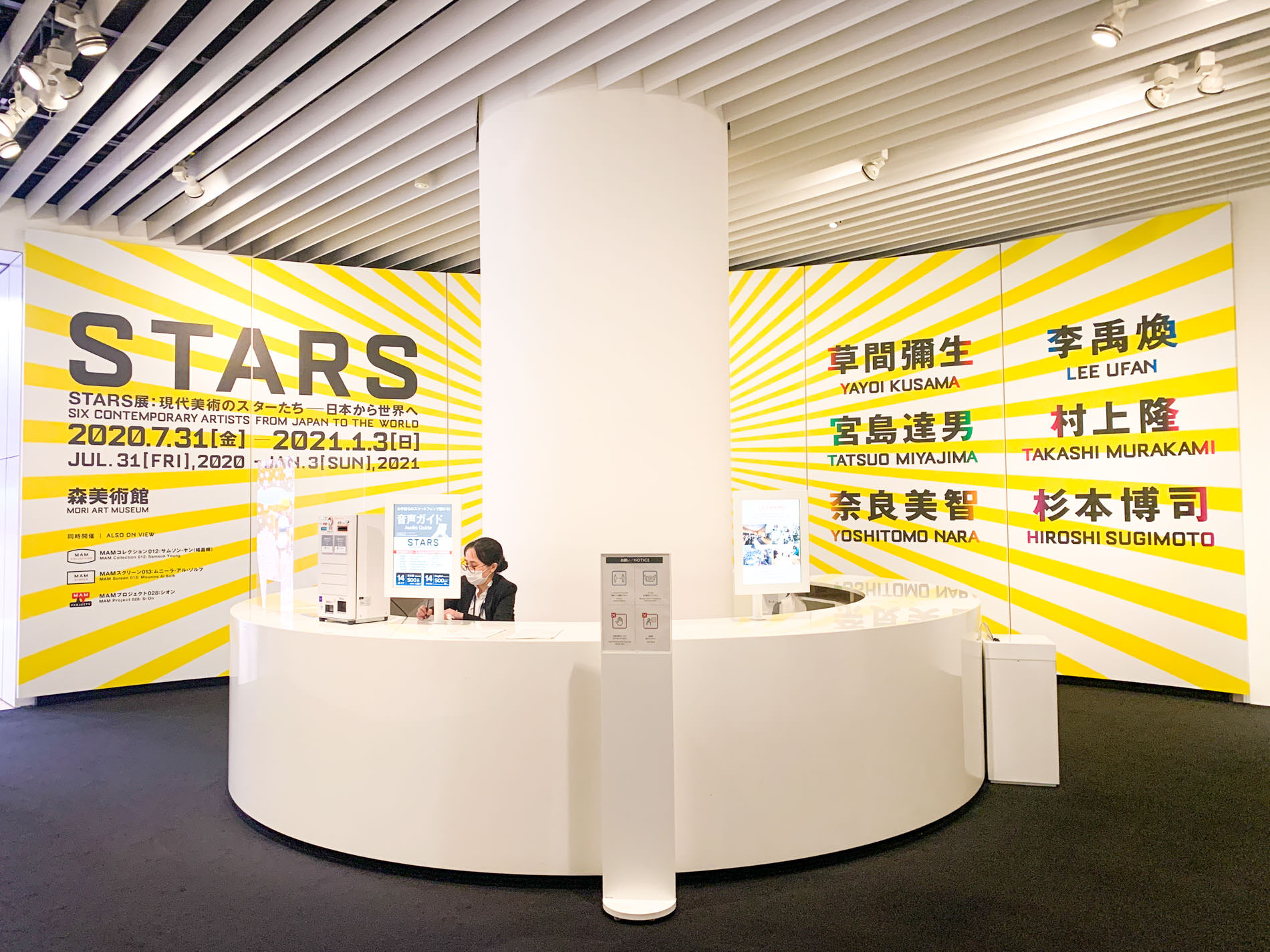
The STARS exhibition was originally planned to coincide with the Tokyo Olympics in 2020, but due to the impact of COVID-19, it opened on a delayed schedule.
The exhibition presents six artists who have transcended the framework of “Japan” to become internationally active, receiving high acclaim today across a wide range of regions and generations. It traces the arc of their careers by pairing early works with the most recent ones.
How have their practices been evaluated by the world? The show explores the pursuit of universal themes that cross borders and cultures — tradition and aesthetics, technology and subculture — against the backdrop of Japan’s unique social, cultural, and economic context.
Materials related to major exhibitions of Japanese contemporary art held abroad from the 1950s to today are also on view, offering a chance to examine the evaluative frameworks and genealogies of each era.
Yoshitomo Nara
The exhibition features approximately 20 drawings from the early 1980s to recent years (including 15 shown for the first time), a signature mid-career installation whose scope was broadened through collaborations, “Voyage of the Moon (Resting Moon) / Voyage of the Moon” (2006), large-scale portrait paintings including the new work “Miss Moonlight” (2020), and a diverse selection from Nara’s own personal collection.
Yoshitomo Nara
Born in 1959 in Hirosaki, Aomori Prefecture; based in Tochigi Prefecture.
Nara works in drawing, painting, and sculpture. His works, which frequently feature children, animals, and plants, hold seemingly contradictory qualities in coexistence — familiarity and holiness, innocence and cruelty — stimulating the viewer’s imagination. Sometimes seen as embodying Japan’s “kawaii” culture, these unstable and powerless protagonists are in fact spokespersons for those living on the peripheries and borders, for the free spirits that escape structures of power. He is also known for his deep love and knowledge of music, and for a cross-genre style that connects pop culture with contemporary art.
He began his artistic career in the late 1980s and was based in Germany from 1988 until 2000. In 2000, the year he returned to Japan, he solidified his reputation in the West with solo exhibitions at the Museum of Contemporary Art Chicago and the Santa Monica Museum of Art (now the Institute of Contemporary Art, Los Angeles). In 2001, his first major solo show in Japan traveled through five cities including the Yokohama Museum of Art. In the 2000s, attention grew not only in Korea, China, and Taiwan but also across Southeast Asia; in 2015, he held a solo show at Asia Society Hong Kong Center. A major solo exhibition at the Los Angeles County Museum of Art opened in 2020, and a solo show at Dallas Contemporary is scheduled for 2021 — his reputation continues to rise year by year.
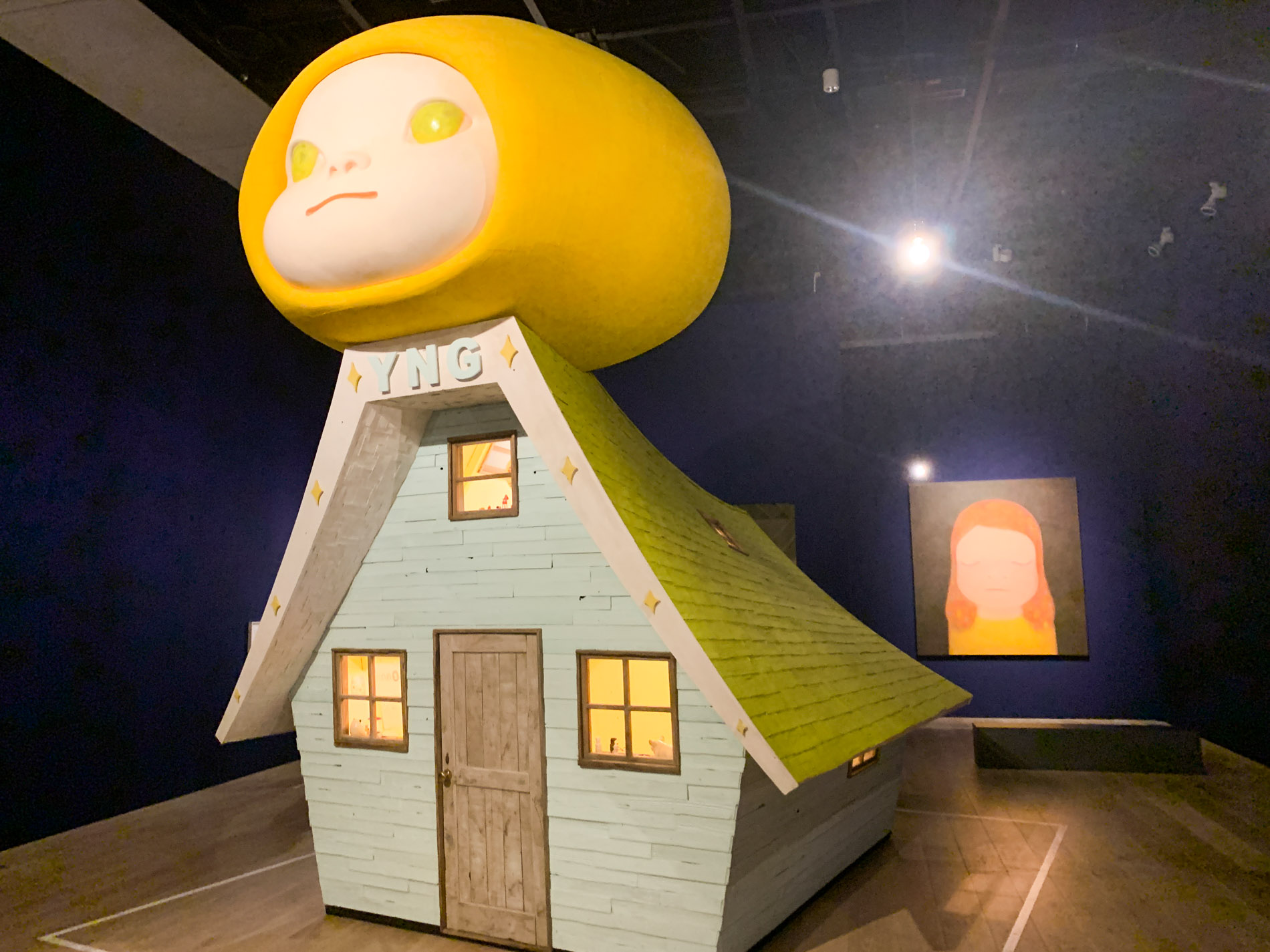
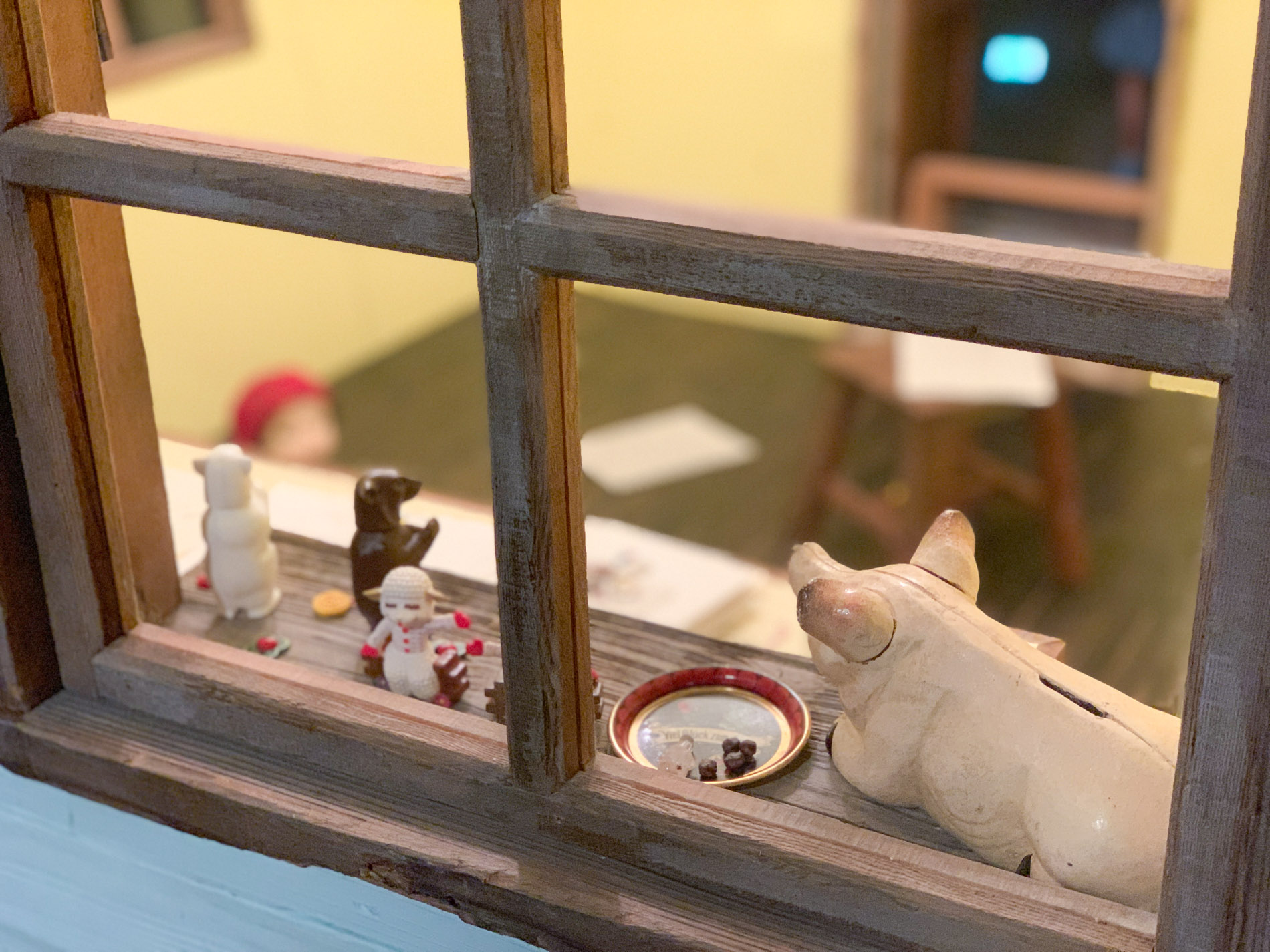

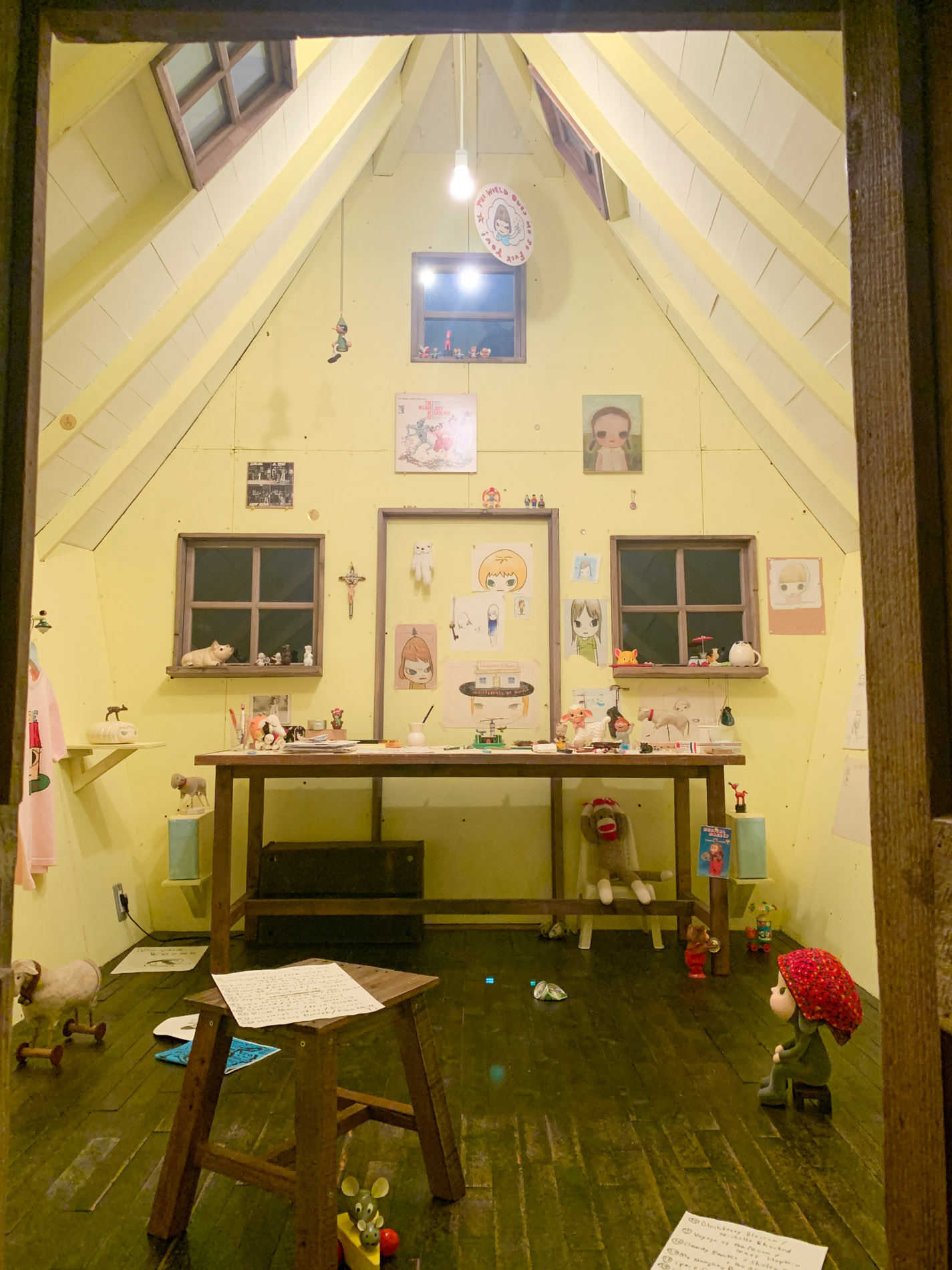
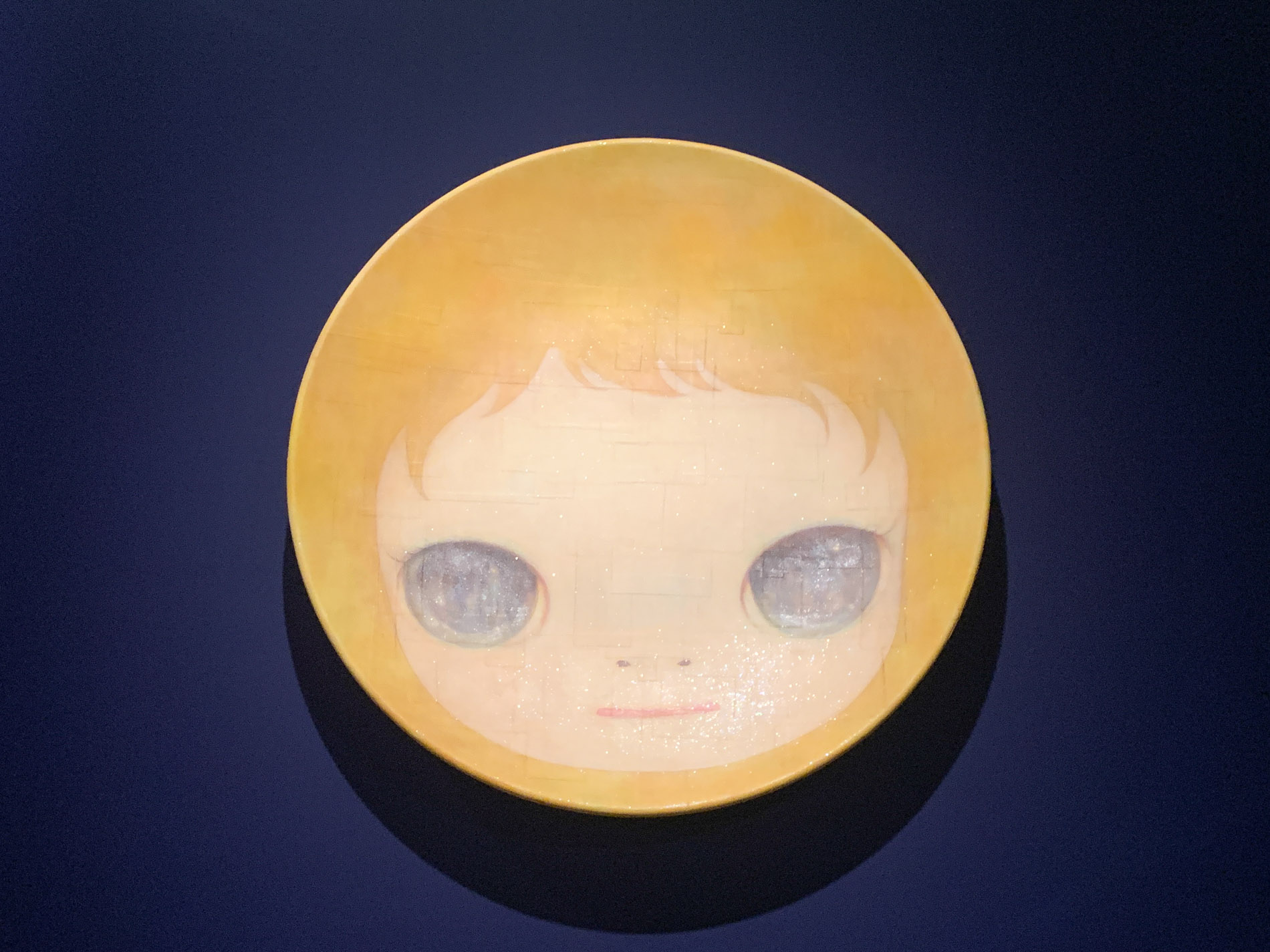
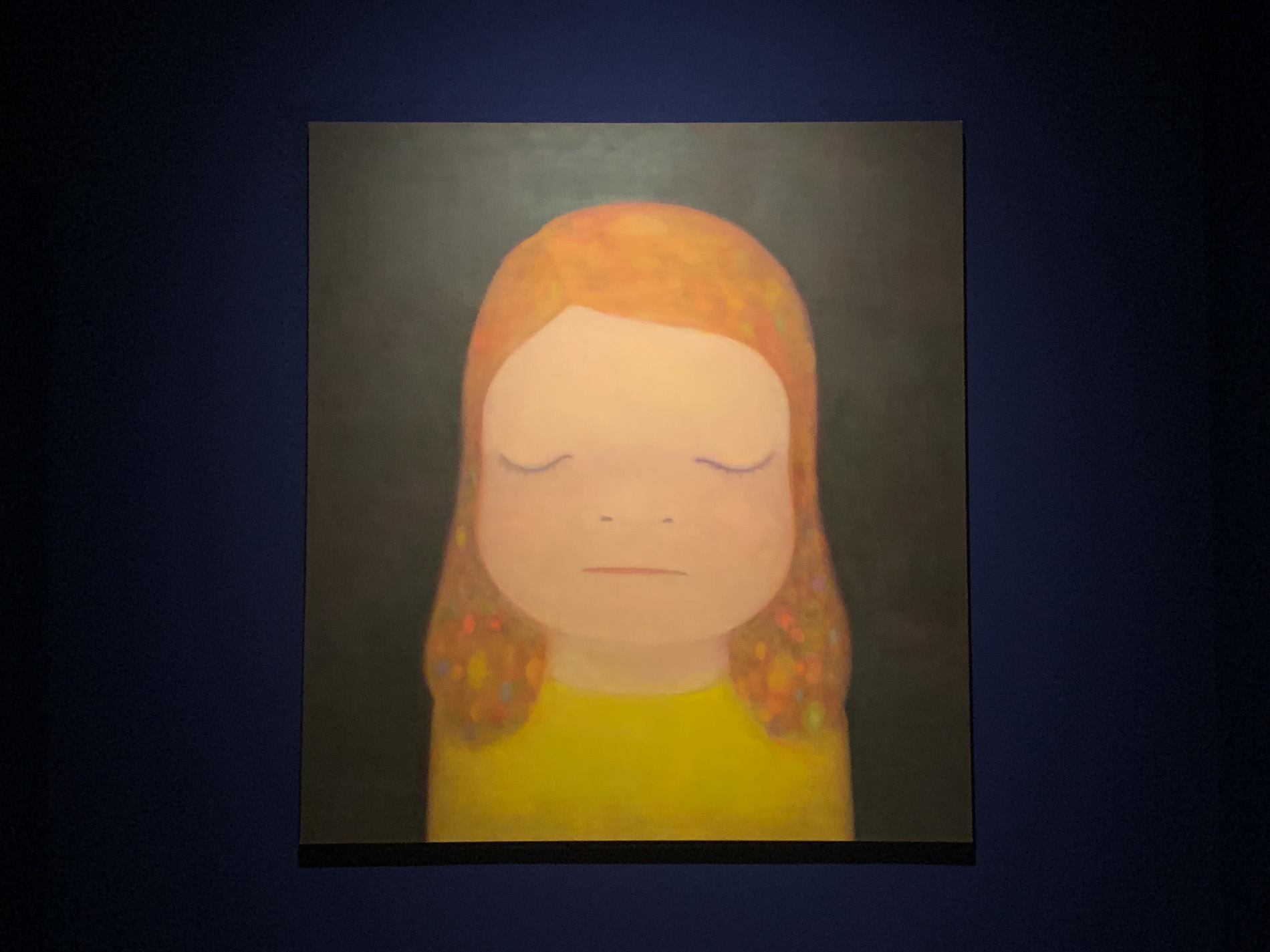
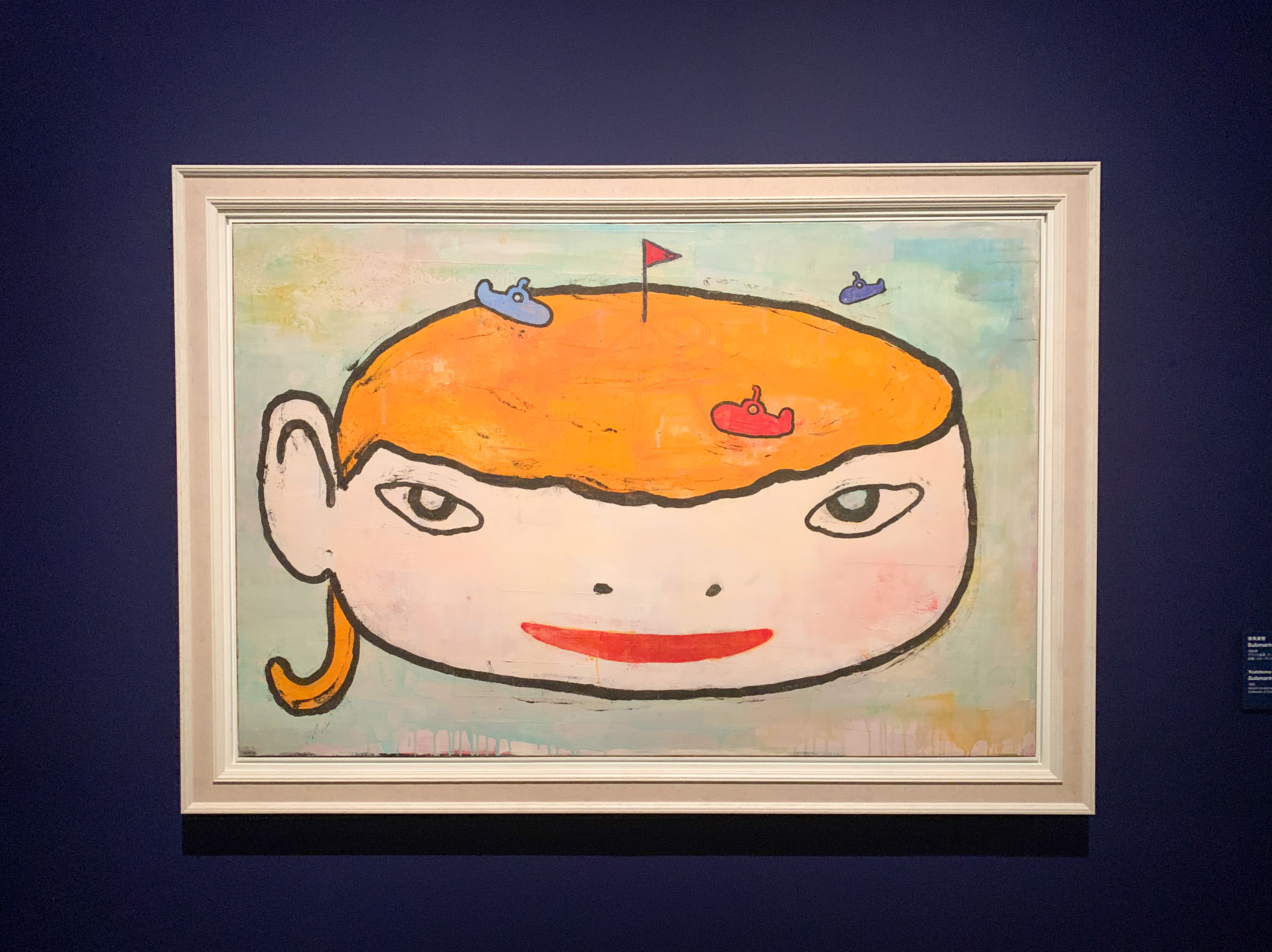
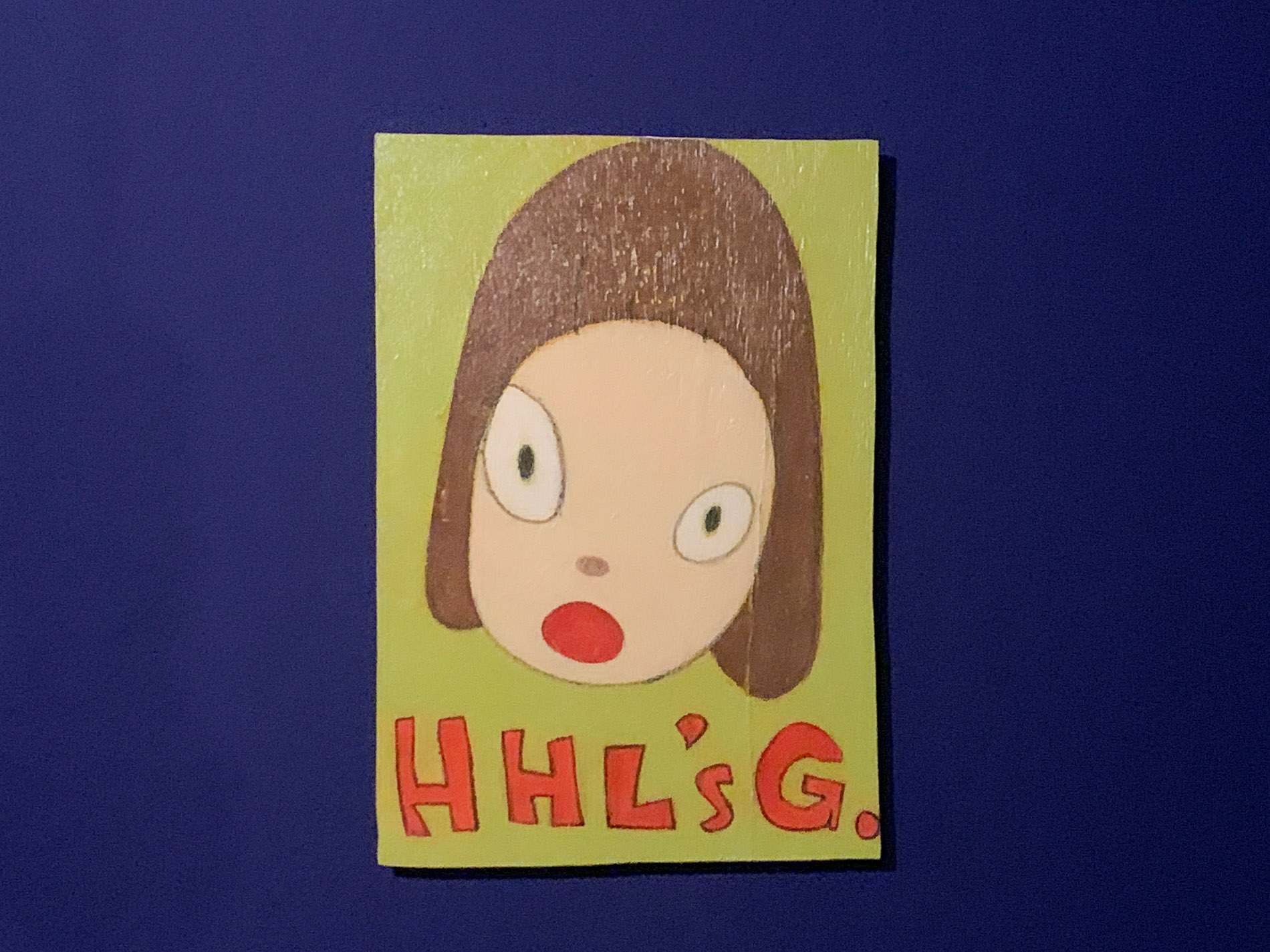
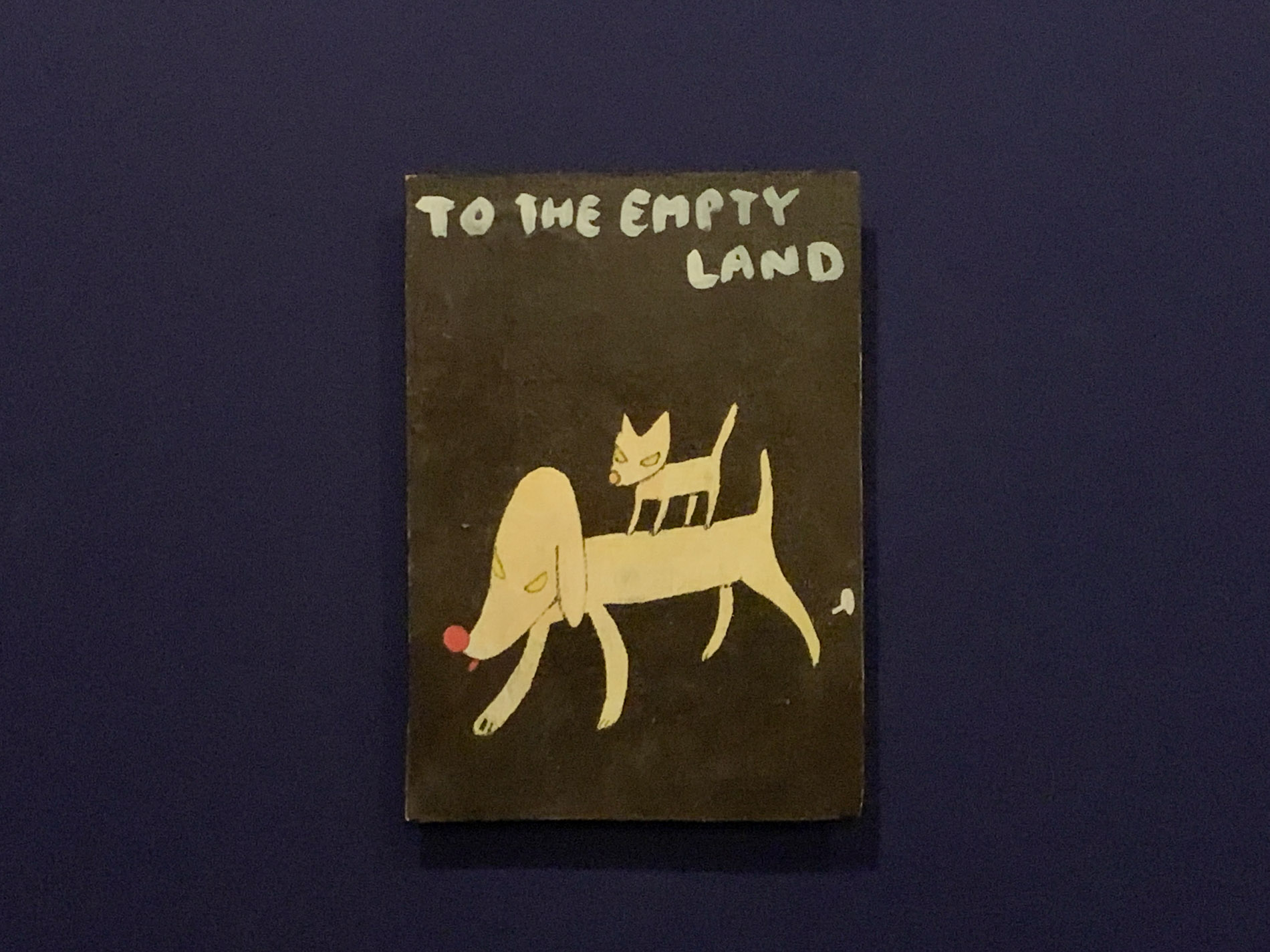
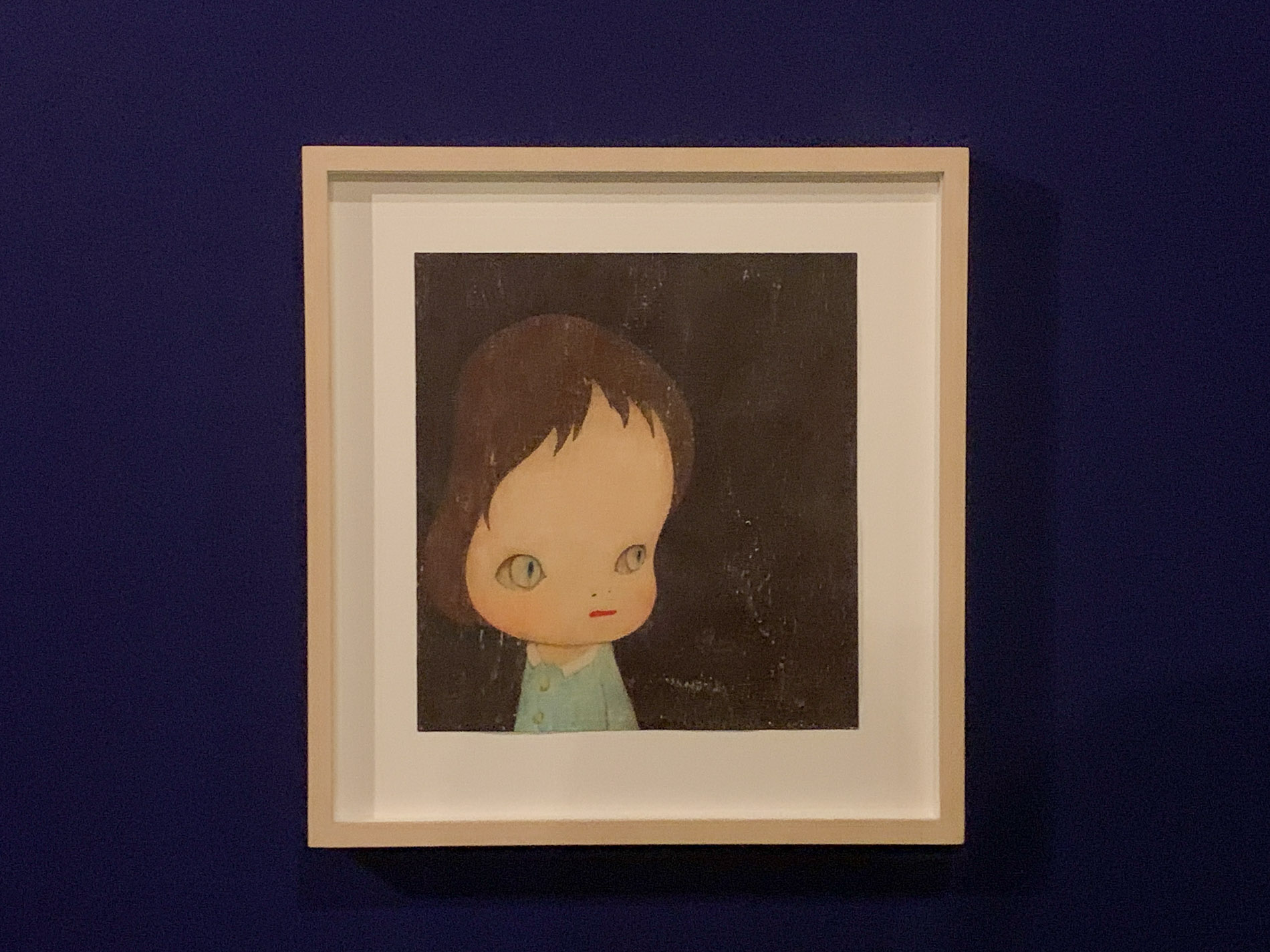
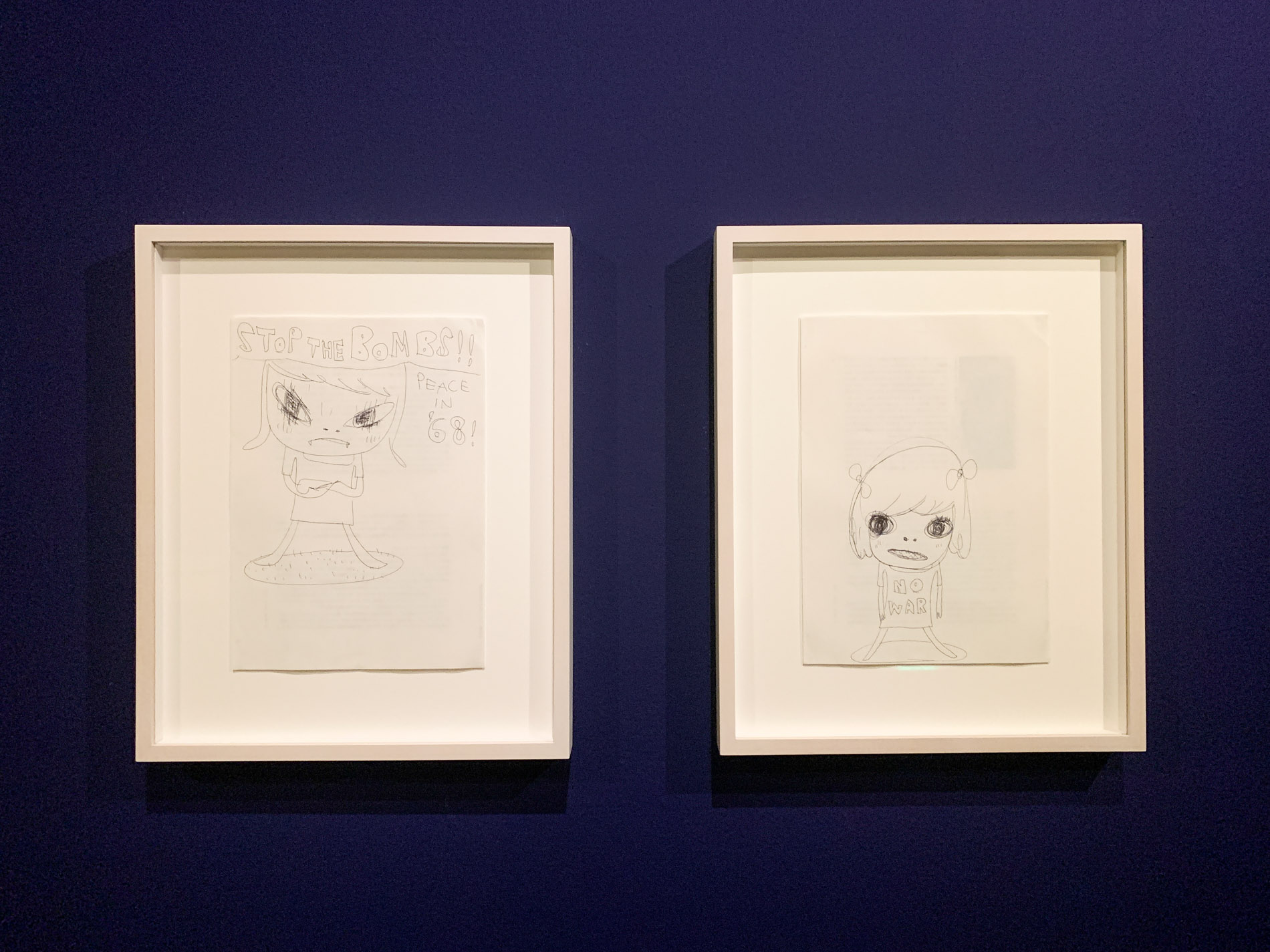
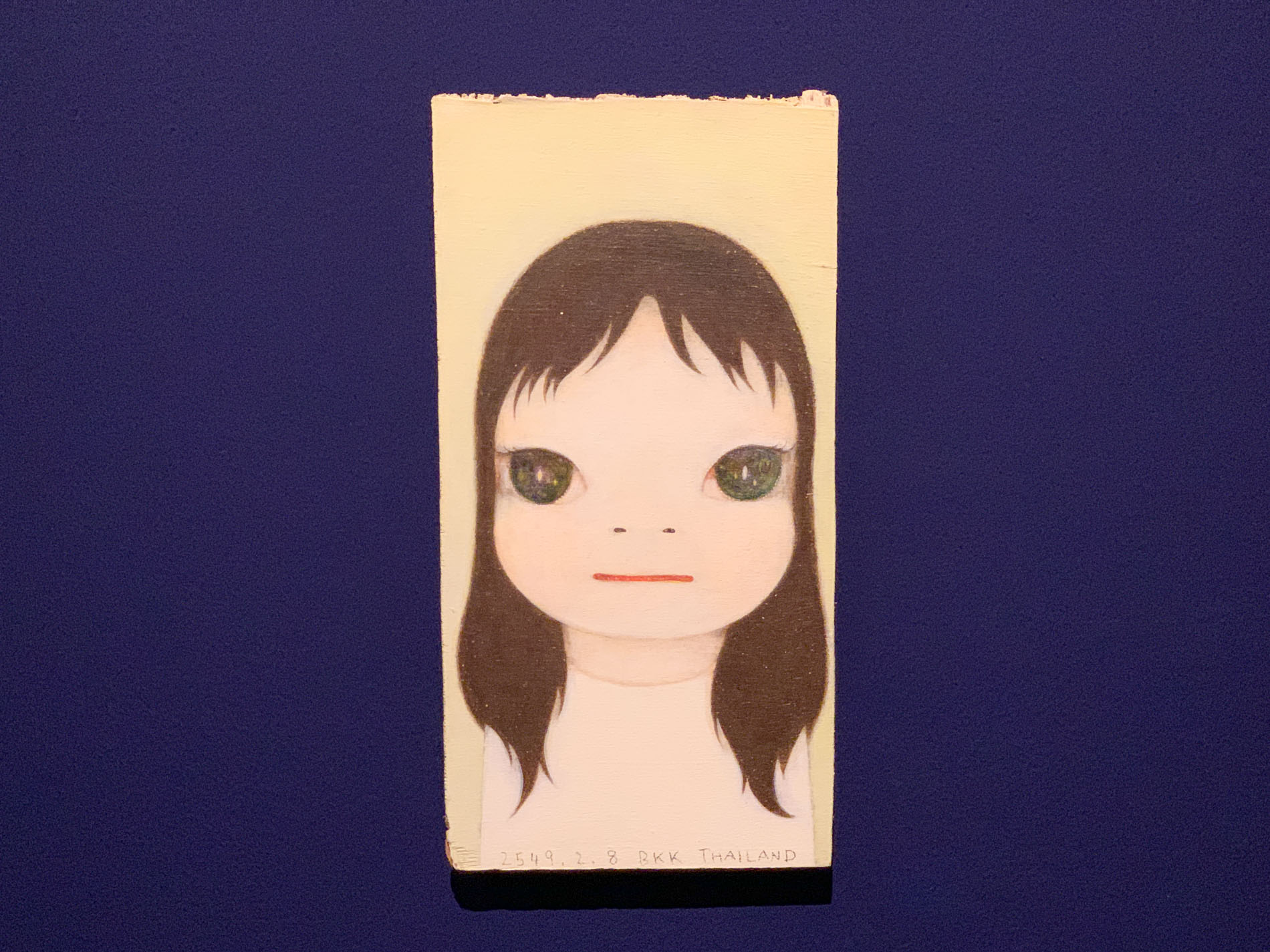

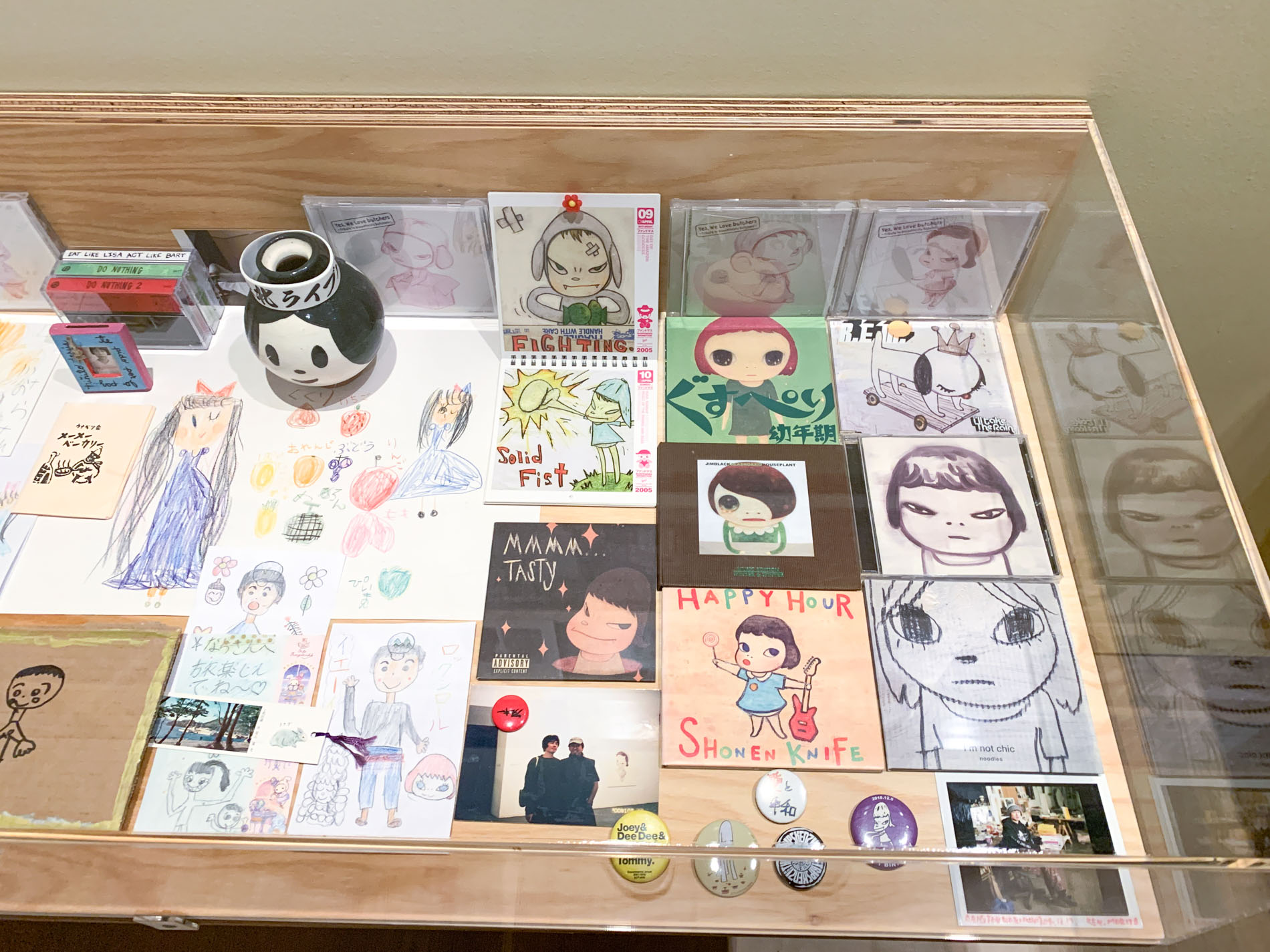
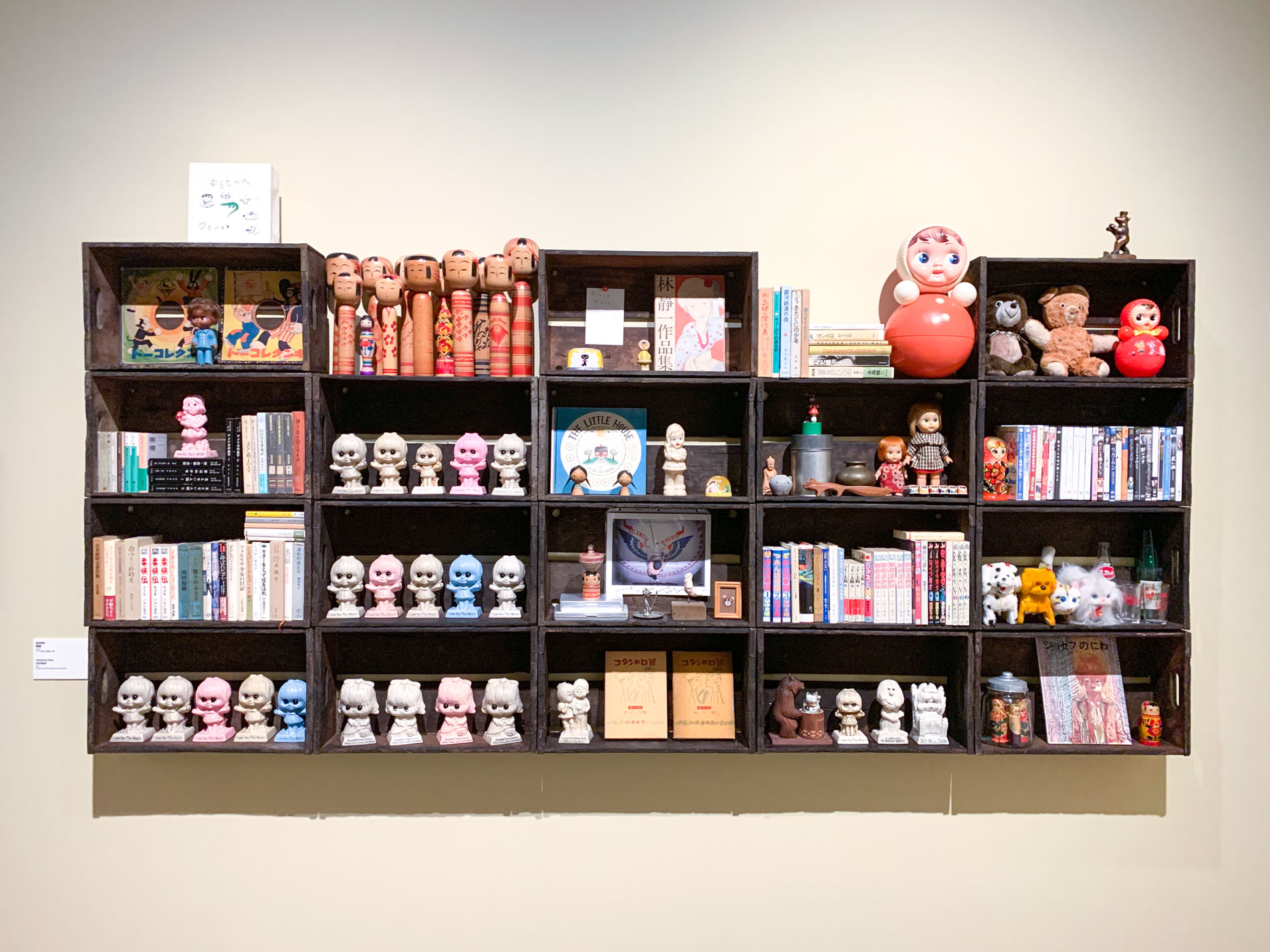
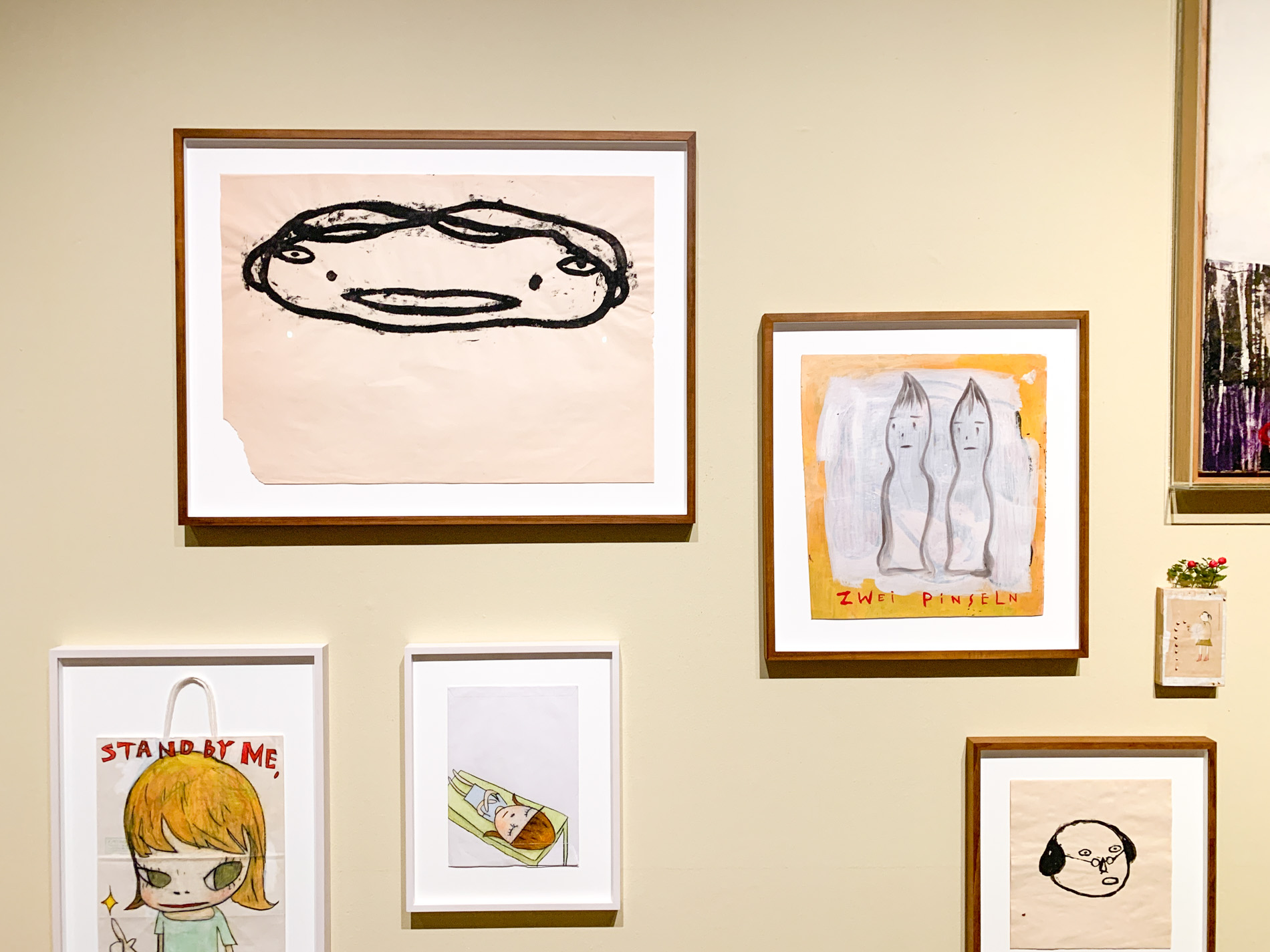
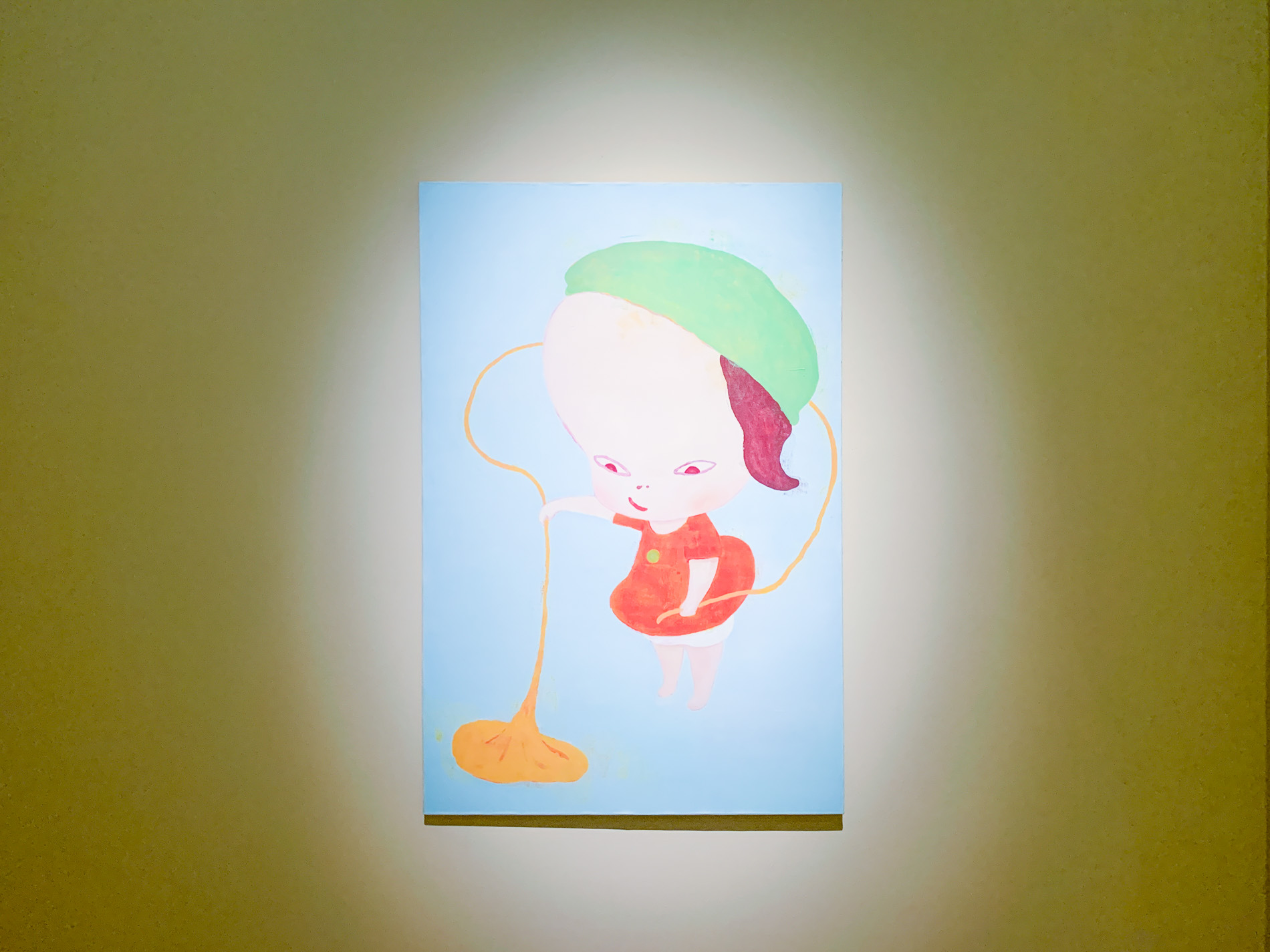
Yoshitomo Nara had the largest number of works on display.
The presentation, which framed his personality and background alongside his art, felt remarkably inviting.
The moonlit-night exhibition space in particular felt like the very heart of Nara’s practice.