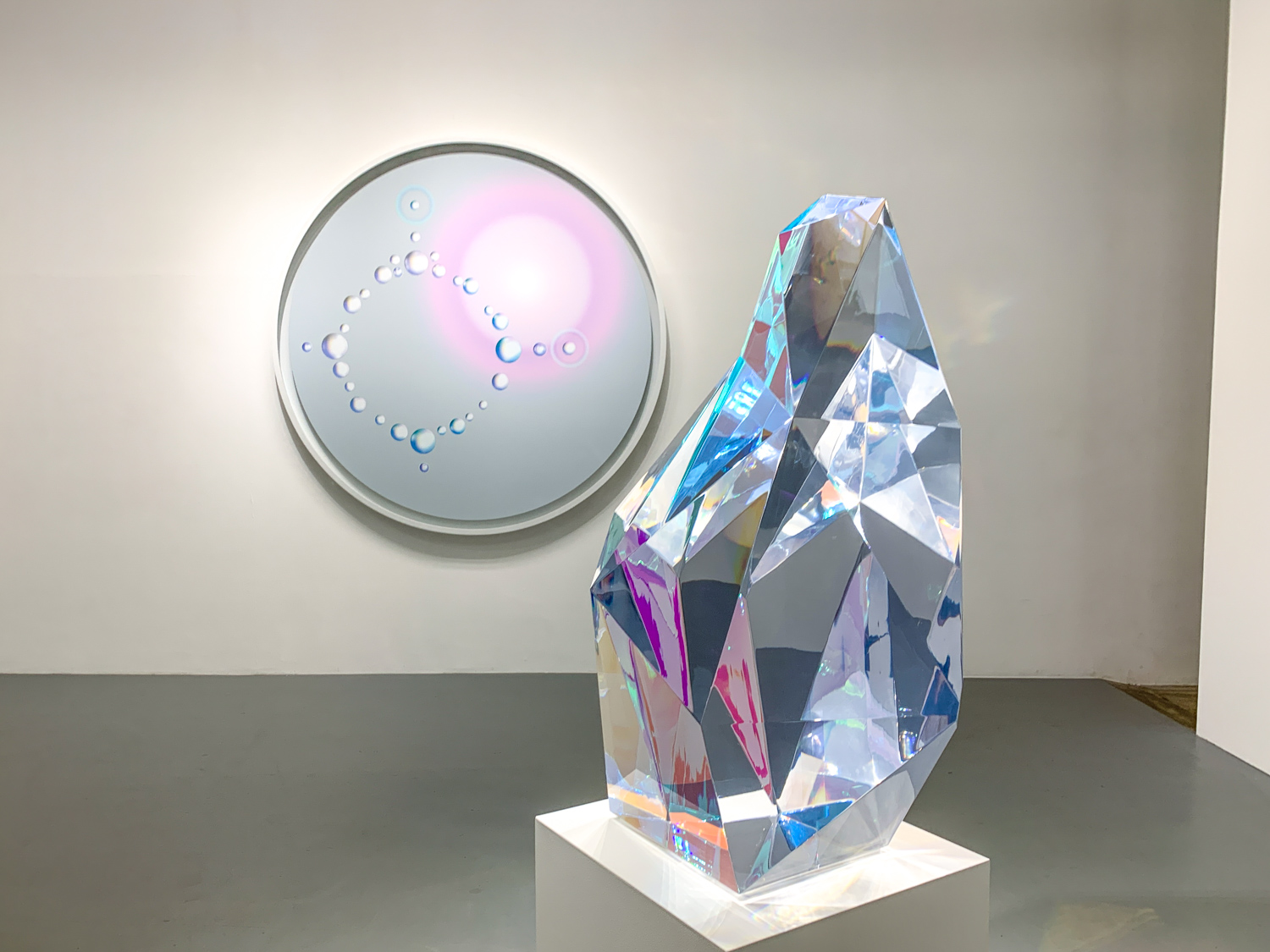
Mariko Mori “Central”
I visited Mariko Mori’s solo exhibition “Central.” The venue was SCAI THE BATHHOUSE, a gallery converted from a former public bathhouse.
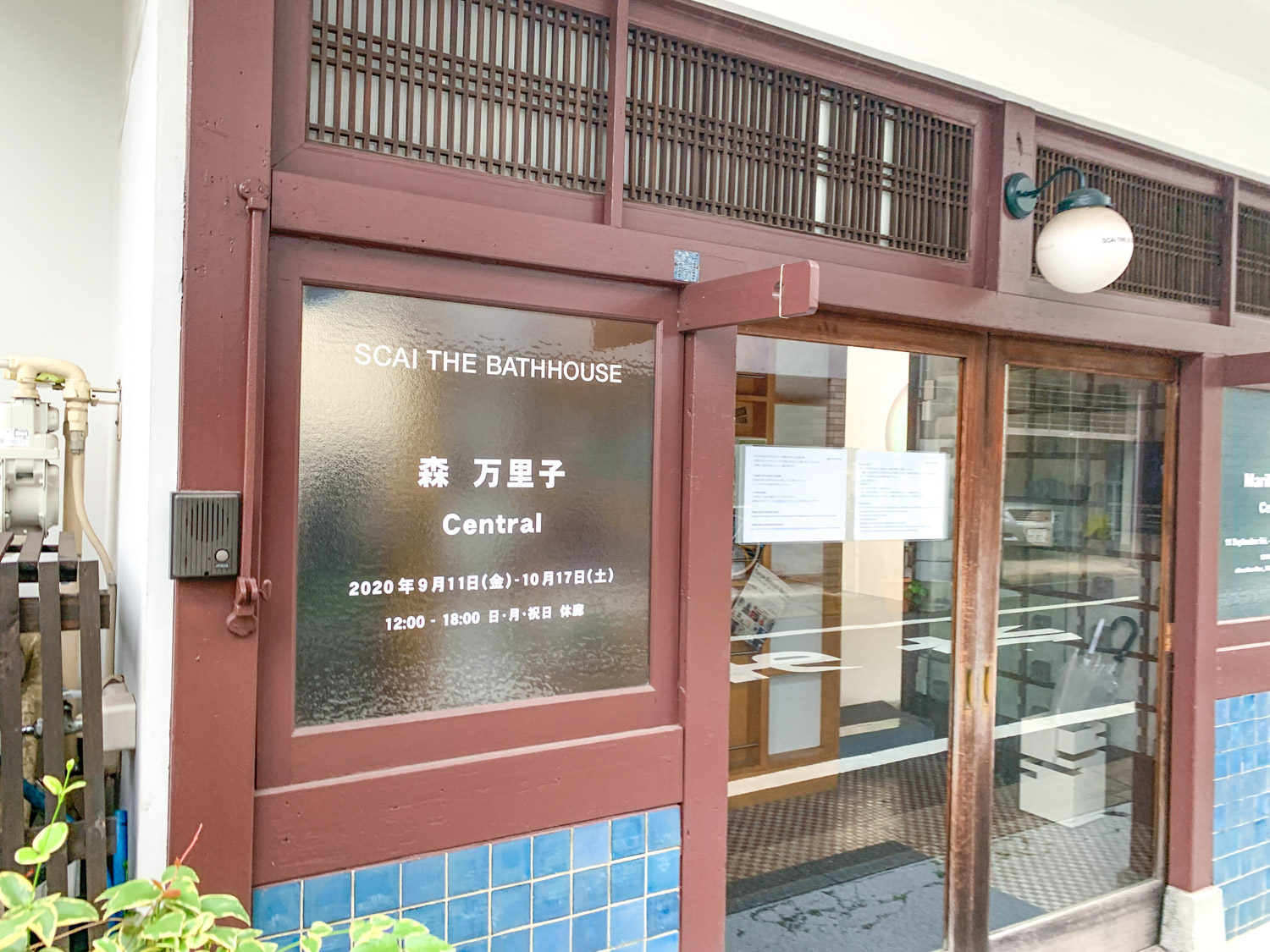
Here is Mariko Mori’s statement for the exhibition.
Central — The Inner Sun
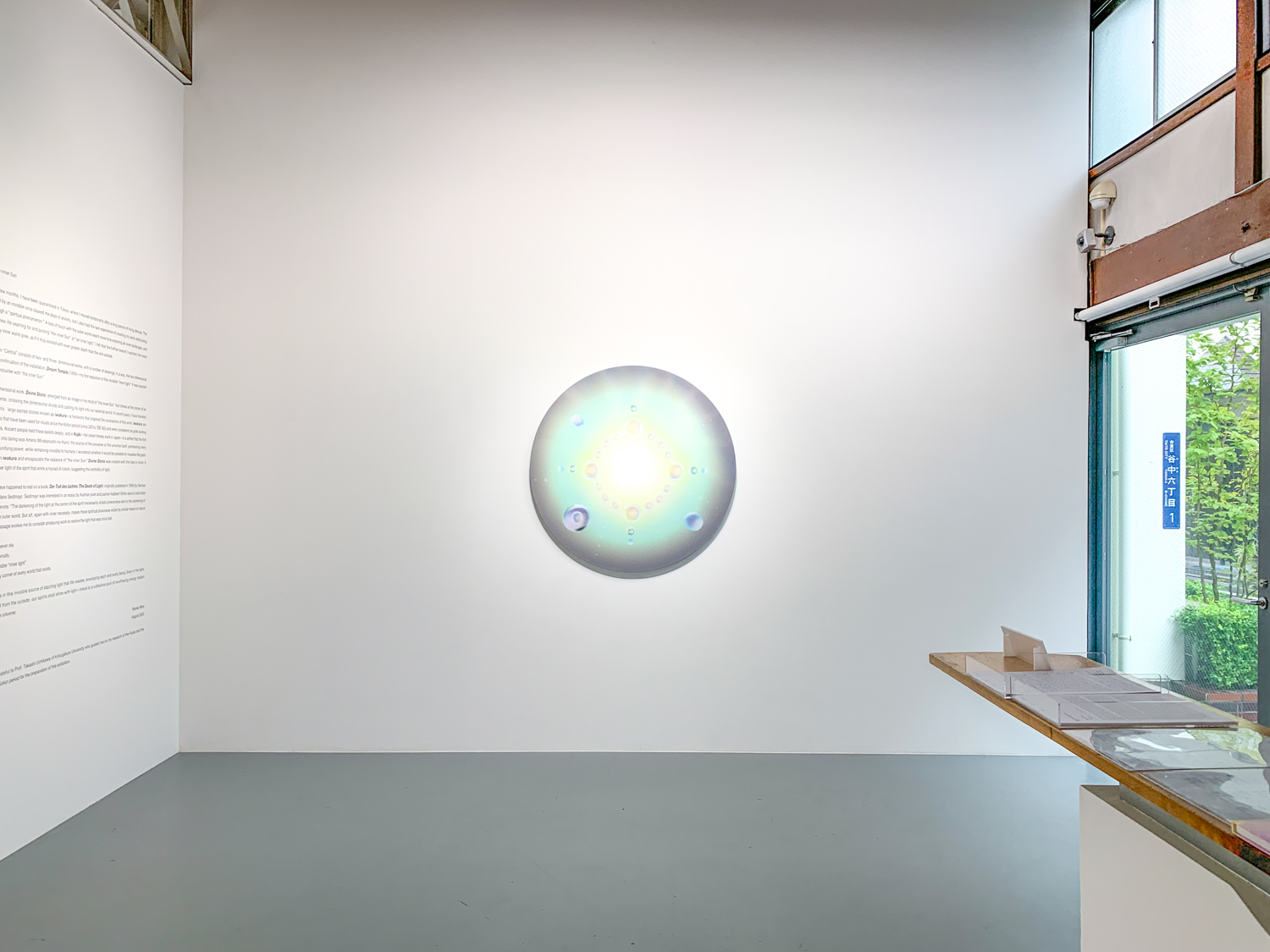
Over the past several months, due to the effects of the pandemic, I have temporarily returned to Japan from my long life abroad and have been living in seclusion in Tokyo. Certainly, in the face of the threat of the invisible virus that is this infectious disease, I have had many anxious days. Yet I have also been able to have the rare experience of being guided by a certain “psychic phenomenon” and creating art. By becoming estranged from the external world, I have spent much time exploring the inner world. I have gained a new daily life in which I seek “the inner sun” or “the inner light.” The further I go inward, the wider the world becomes, and I felt as if a cosmic space even deeper than the external universe existed there.
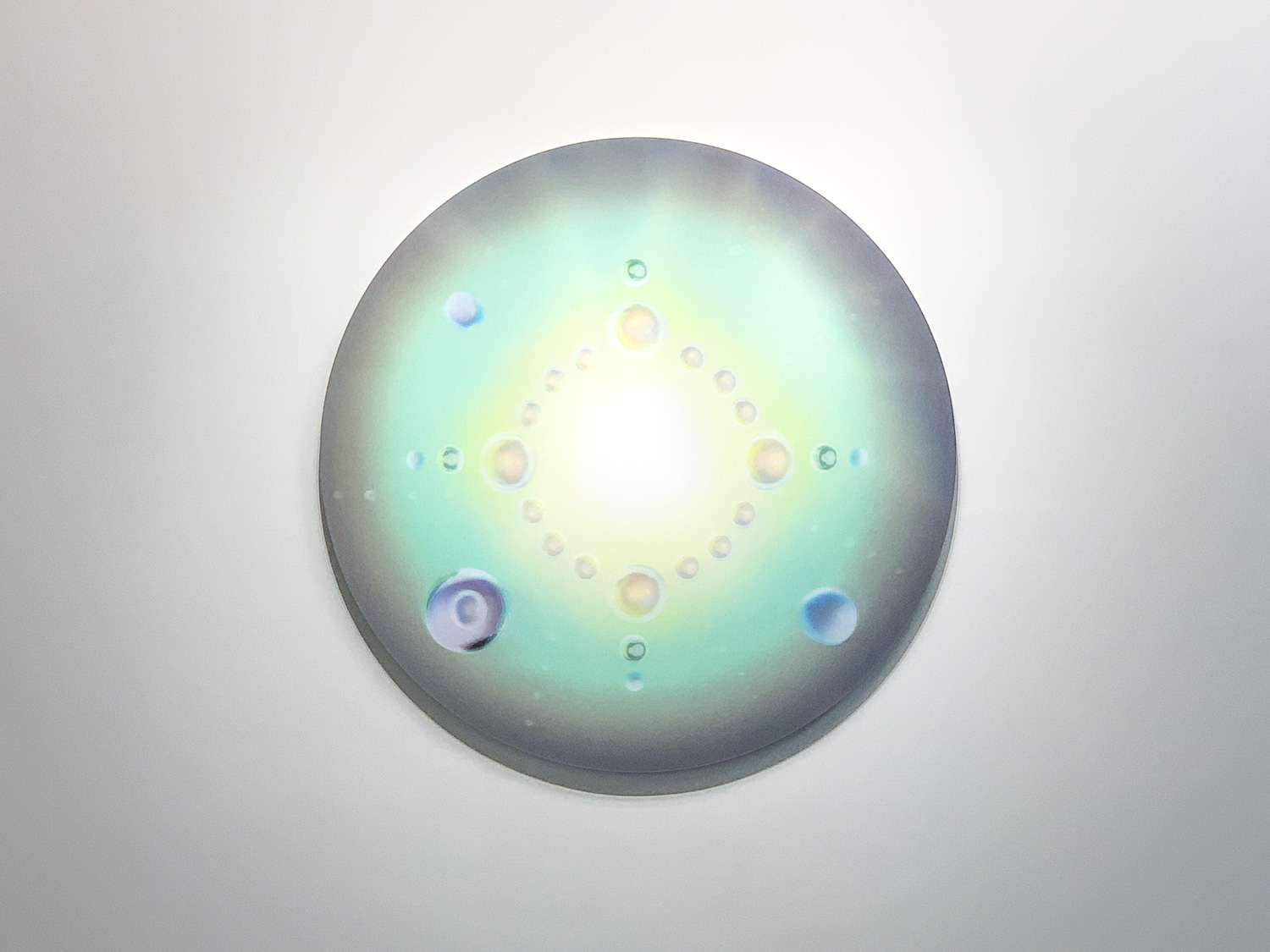
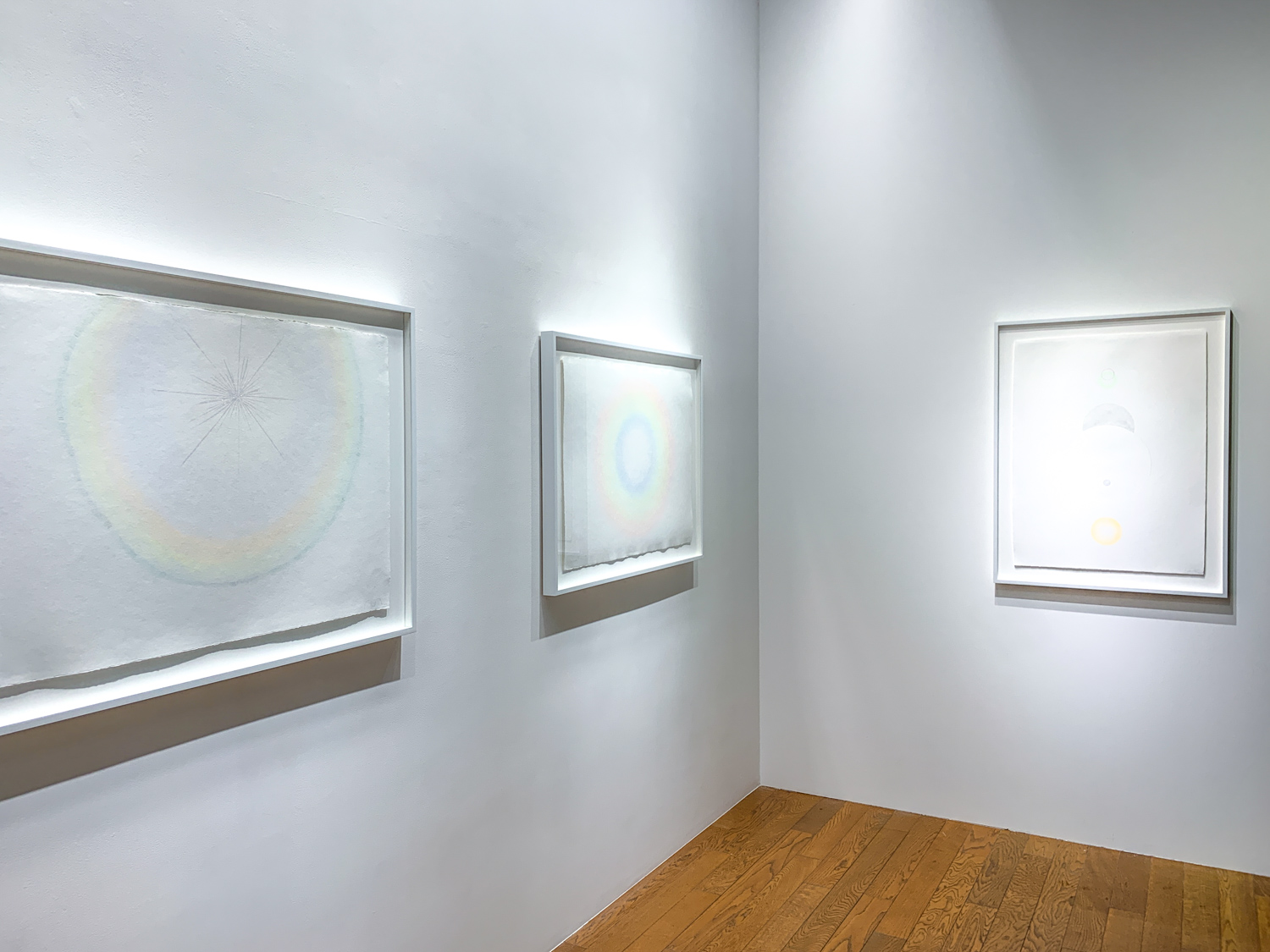
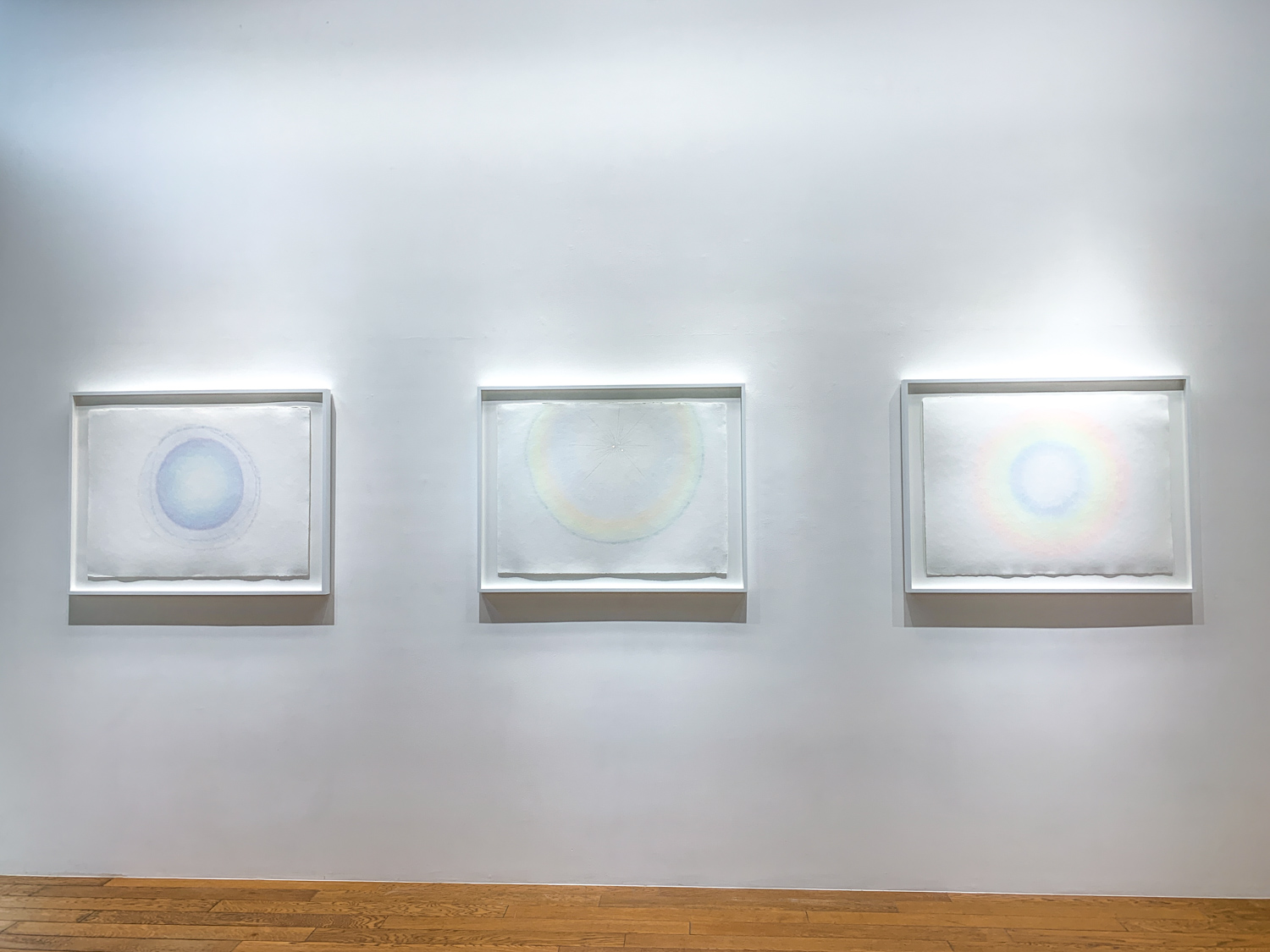
The present exhibition, “Central,” is composed of two-dimensional works, drawings, and three-dimensional works. The two-dimensional works can be seen as a continuation of the imagery of my earlier work “Dream Temple” (1999), which depicted the invisible “inner light.” That is because the impetus for its creation came from my very first encounter with the “inner sun.” All the drawings were made over these past several months.
The sculptural work “Divine Stone” was created with the image of the “inner sun,” shining at the center of the inner cosmos, leaping across dimensions and projecting its light into this world. In recent years I have visited many iwakura (sacred rocks) across Japan, and I have drawn inspiration from that fieldwork. Iwakura are natural stones used for ritual worship from the Kofun period, seats where deities are invited to be enshrined; ancient people worshipped them deeply. The Kojiki records that the name of the first deity to appear was Amenominakanushi. This deity is the origin of the cosmos itself, or the cosmos itself, yet is said not to reveal its form and to be omnipresent everywhere as the unifier from a place unseen. As I was developing the concept, I wondered whether I could visualize the radiance of the “inner sun” within the work, as if it were an iwakura upon which the gods descend. From this idea, “Divine Stone” became a work that emits the many colors of the “inner light” and suggests the centrality of that light.
One day, I happened upon “The Death of Light” (originally published in 1964) by the German aesthetician Hans Sedlmayr. Inspired by an essay on total solar eclipses written by the Austrian poet and painter Adalbert Stifter, he stated: “When the light at the center of the spirit becomes darkened, a phenomenon analogous to the darkening of external light necessarily arises. Yet art, too, by inner necessity, manifests this spiritual event in a way similar to nature itself.” When I encountered that passage, I began to think whether I could make a work that revives lost light anew.
Light never dies
Never will it die.
The great “inner light,” invisible to the eye,
reaches every corner of every existing world.In other words, it is precisely this invisible, dazzling source of light that houses life and enfolds all that exists. Even if we are cut off from the light of the outside world, if we can join the collective, overflowing energy that exists in this world, may we not be filled with the radiant light of the spirit?
Mariko Mori
August 2020
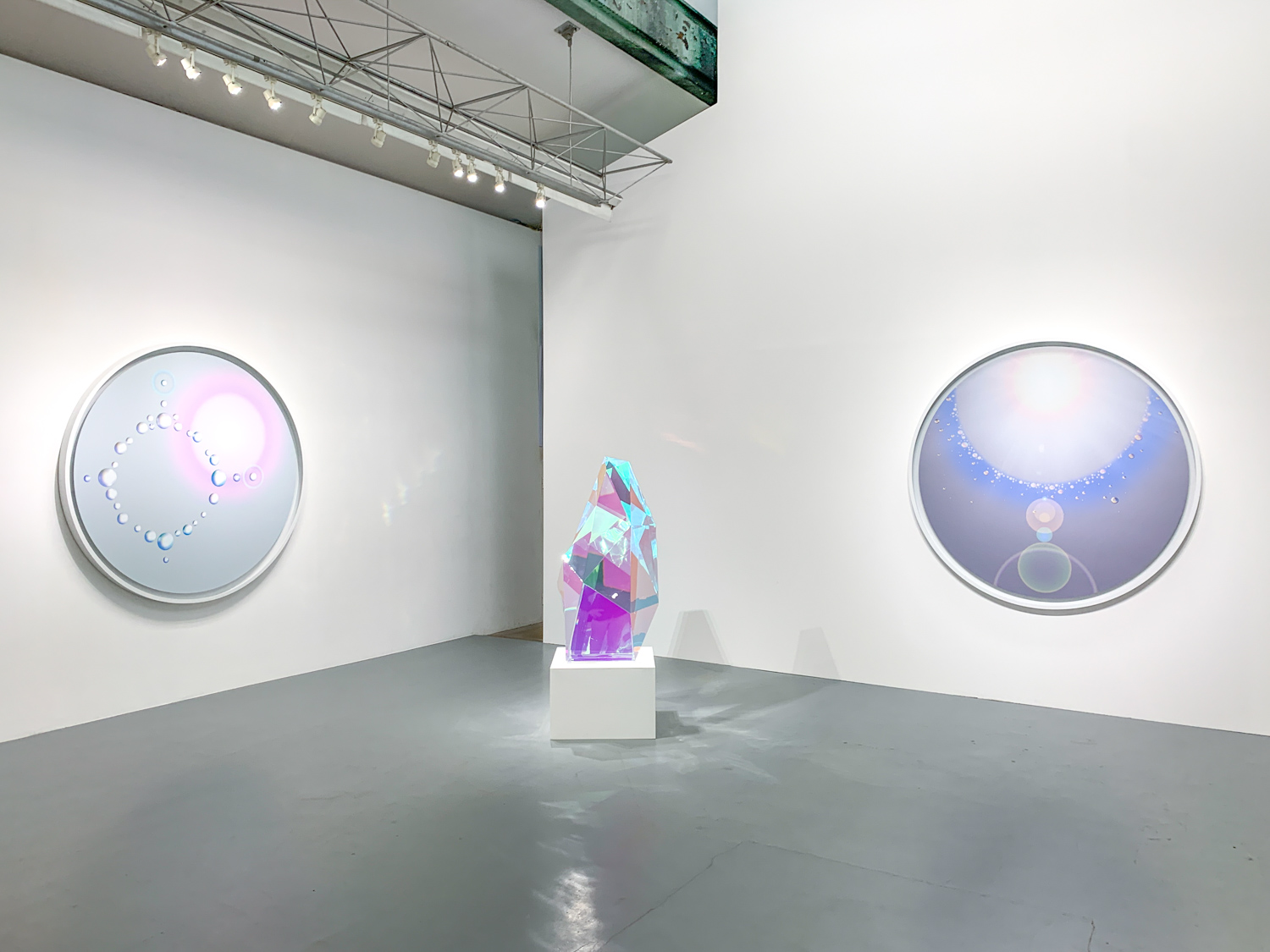
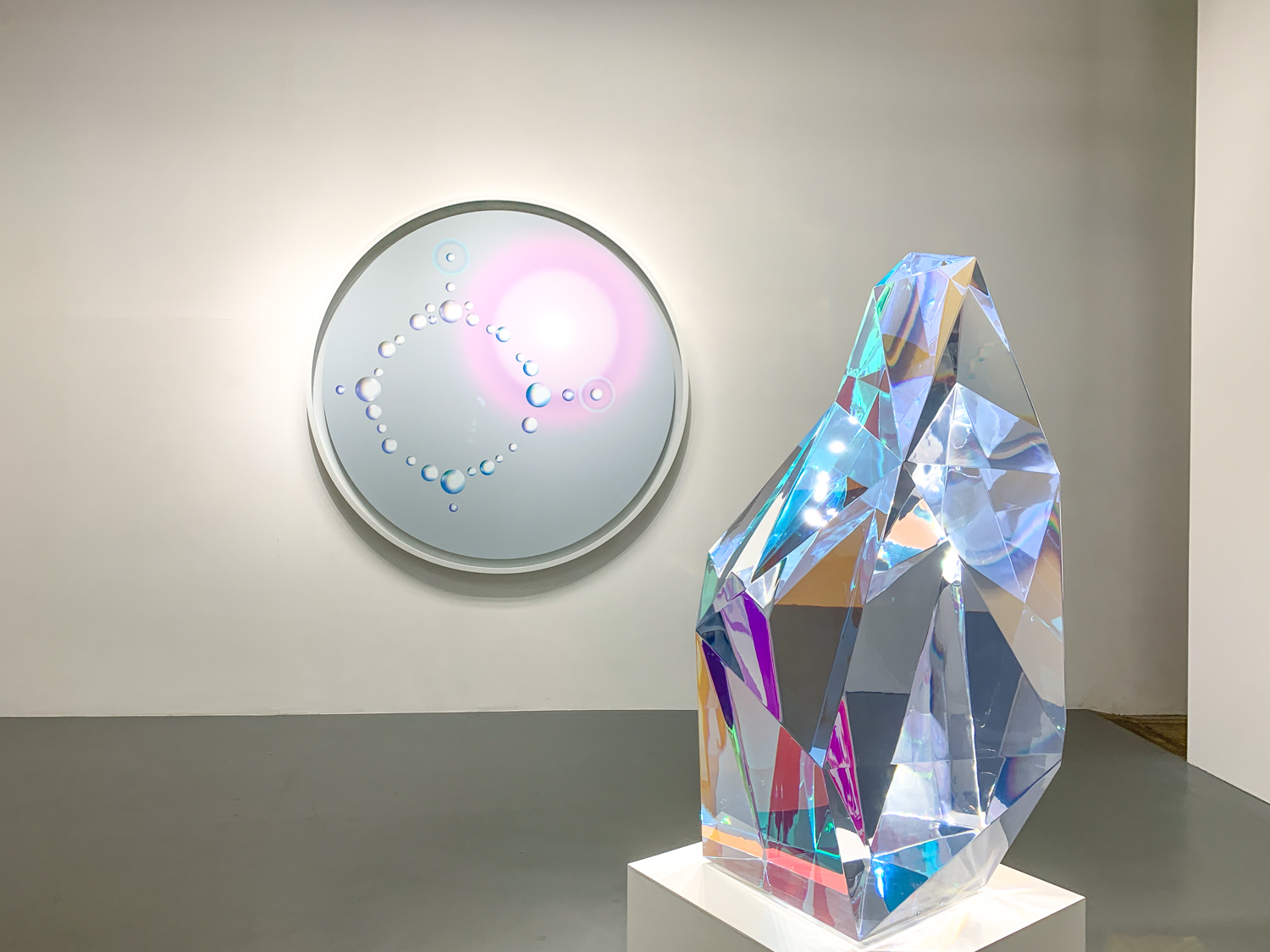
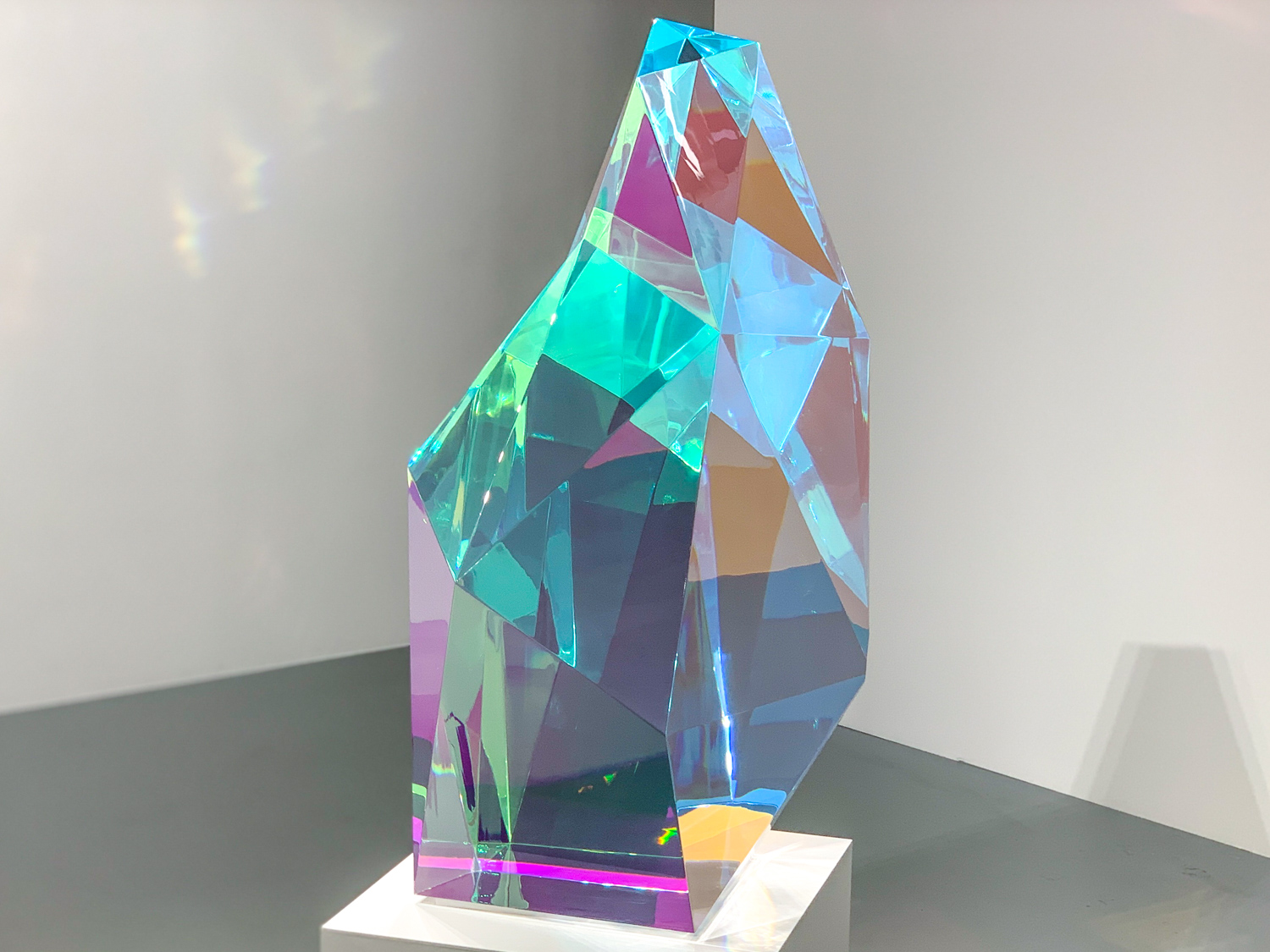
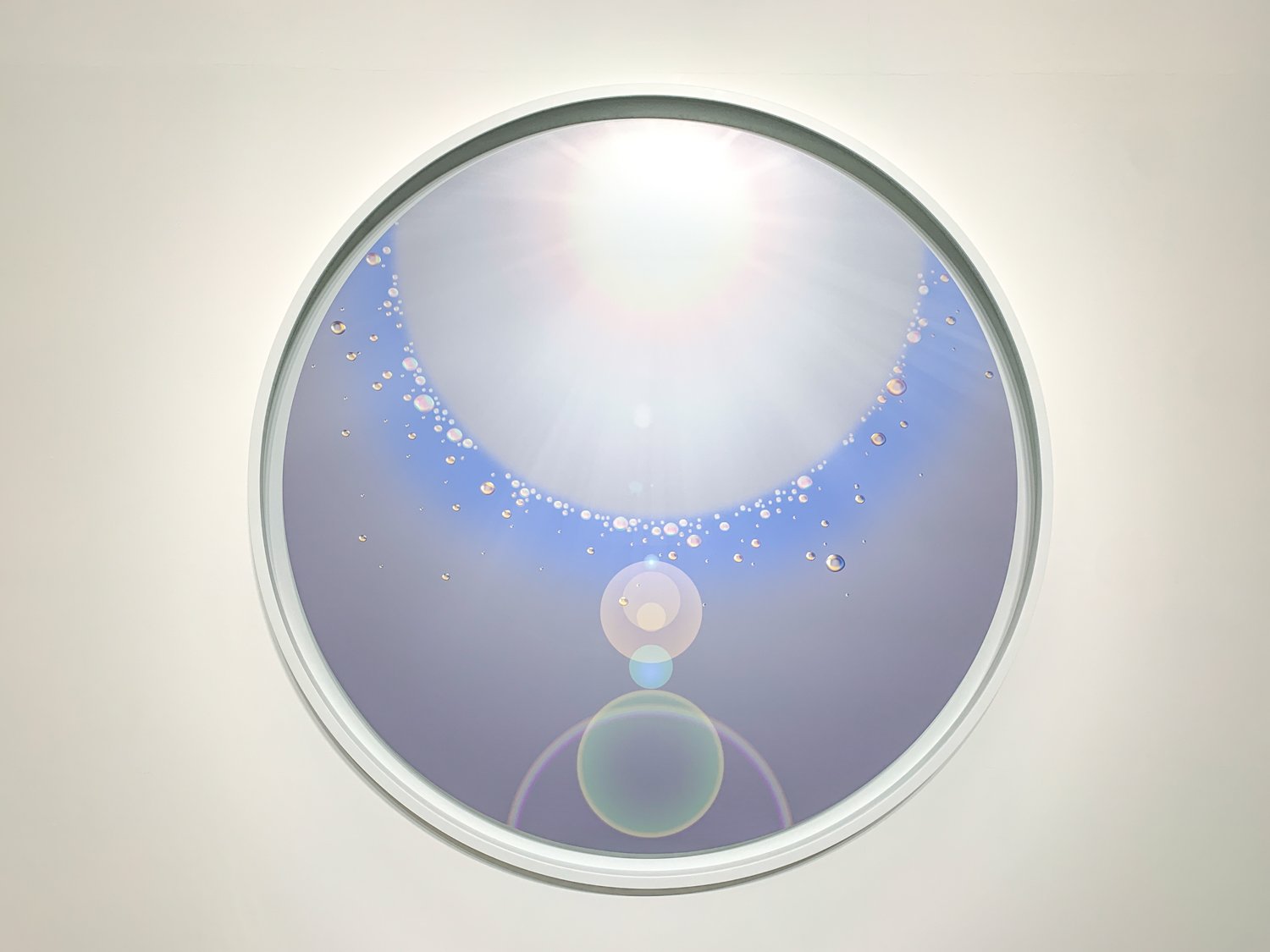
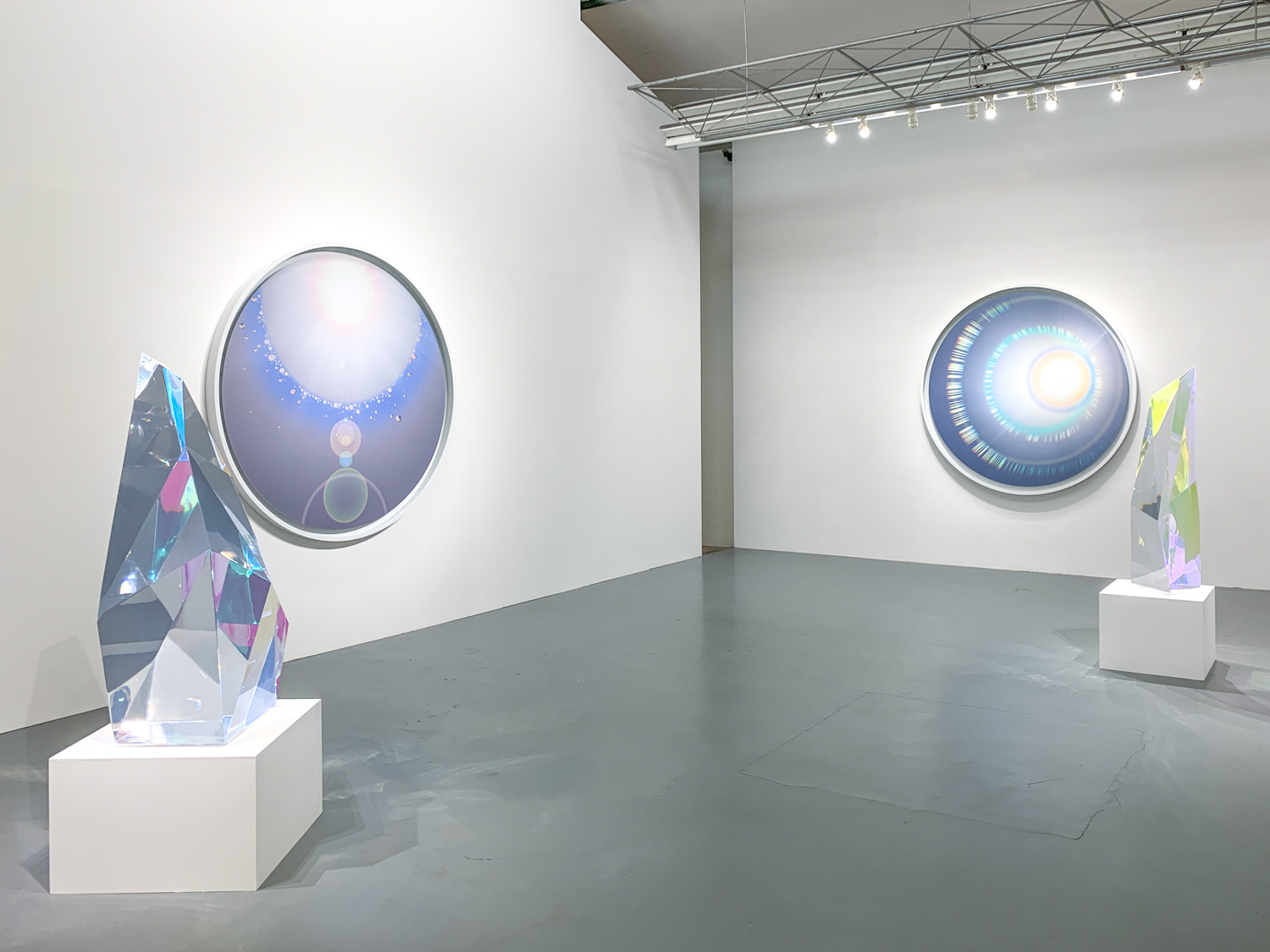
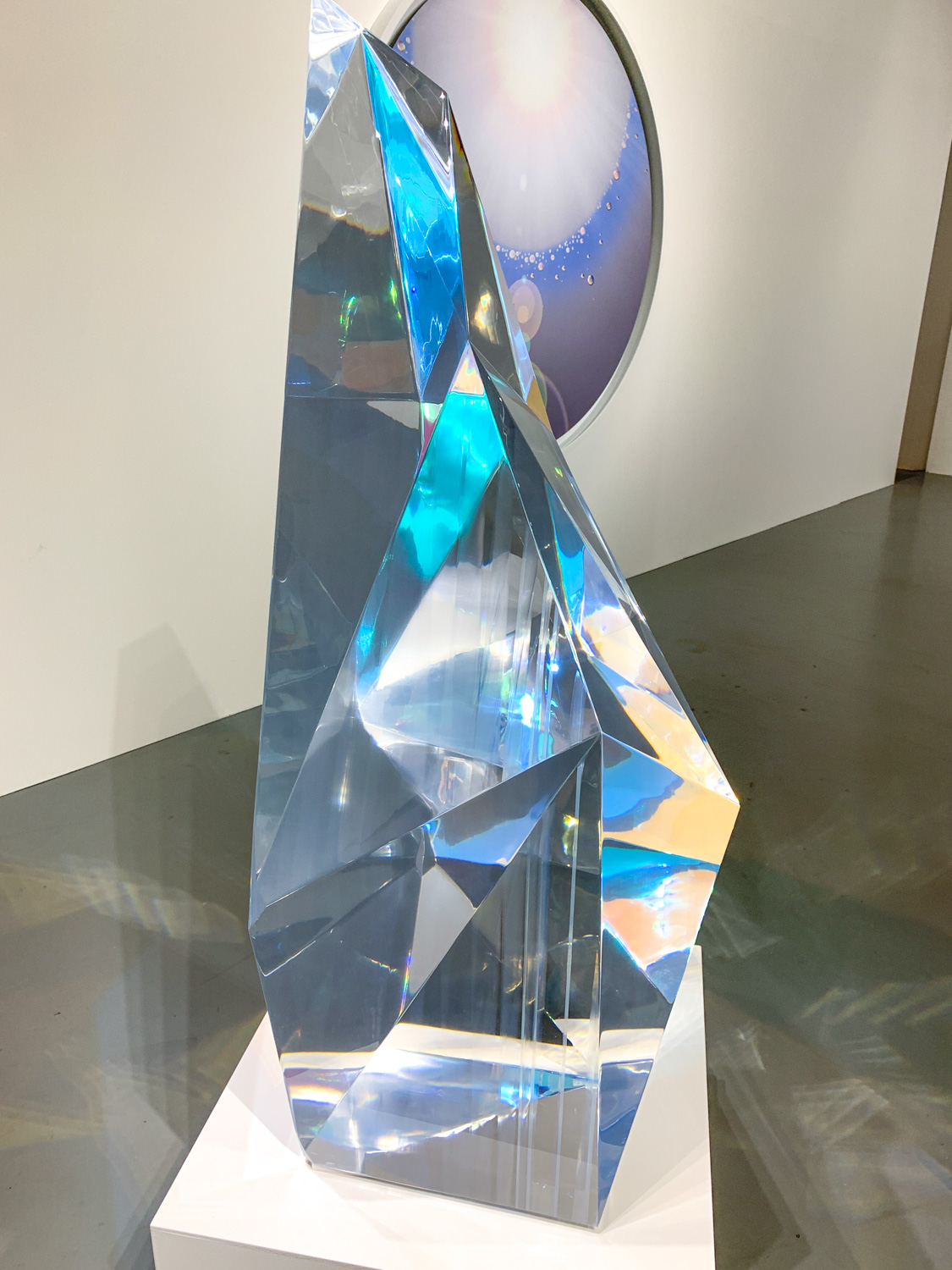
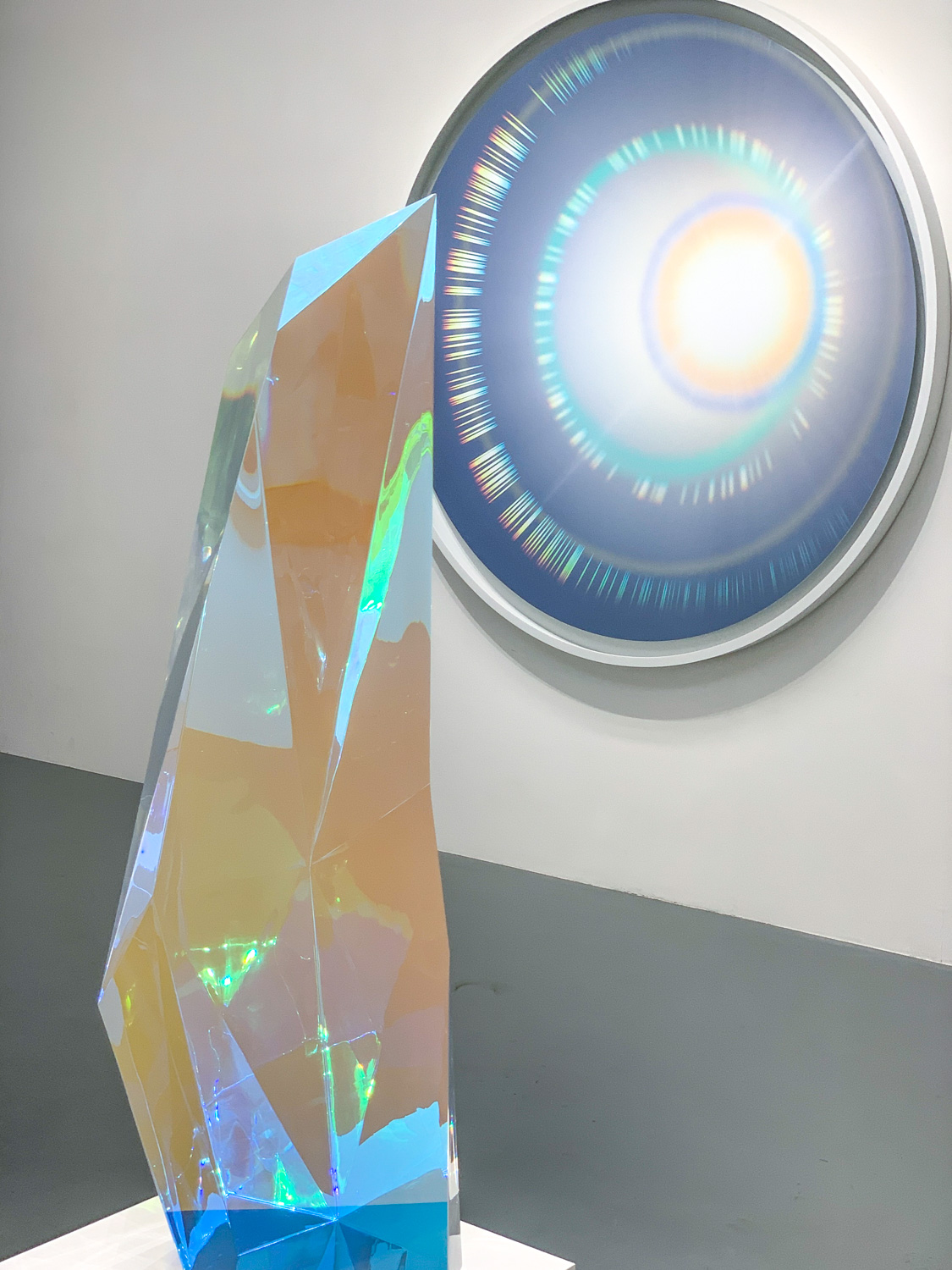
The “Divine Stone” series is a custom-made piece commissioned from a workshop that produces acrylic glass also used in aquariums.
The work, which projects various colors depending on the viewing angle, felt as though it was mirroring the very interior of the viewer’s own heart.
Through the work, my awareness turned toward my own inner self, and it was an experience that felt in sync with an inner emotion.