Ayako Rokkaku “Magic Hand”
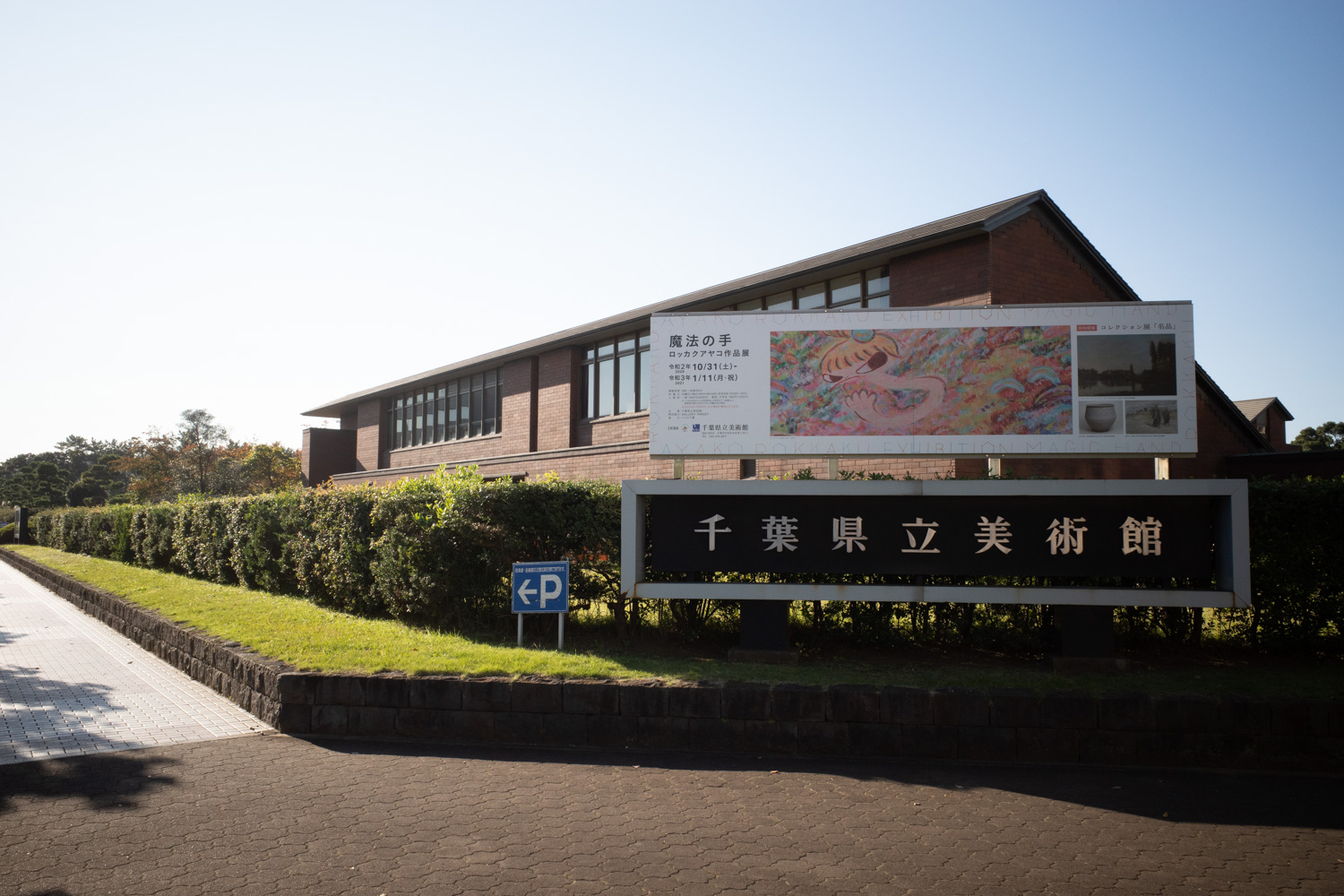
We visited Ayako Rokkaku’s (rokkakuayako) solo exhibition “Magic Hand.” The venue is Chiba Prefectural Museum of Art.
Ayako Rokkaku is based in Portugal, but after returning to Japan in February 2020, she has continued her practice domestically throughout the COVID pandemic.
She is highly regarded in the contemporary art field, and her works command high prices on the secondary market such as auctions. On the same day this solo show opened, one of her works fetched roughly 25 million yen at SBI Art Auction.
Amid this surging market, the fact that Chiba Prefectural Museum of Art — a domestic public museum — is presenting a solo exhibition of her work is arguably a hugely significant undertaking for the contemporary art world. Combined with the very affordable admission of 300 yen, this is a wonderful opportunity to casually enjoy a contemporary artist’s exhibition.
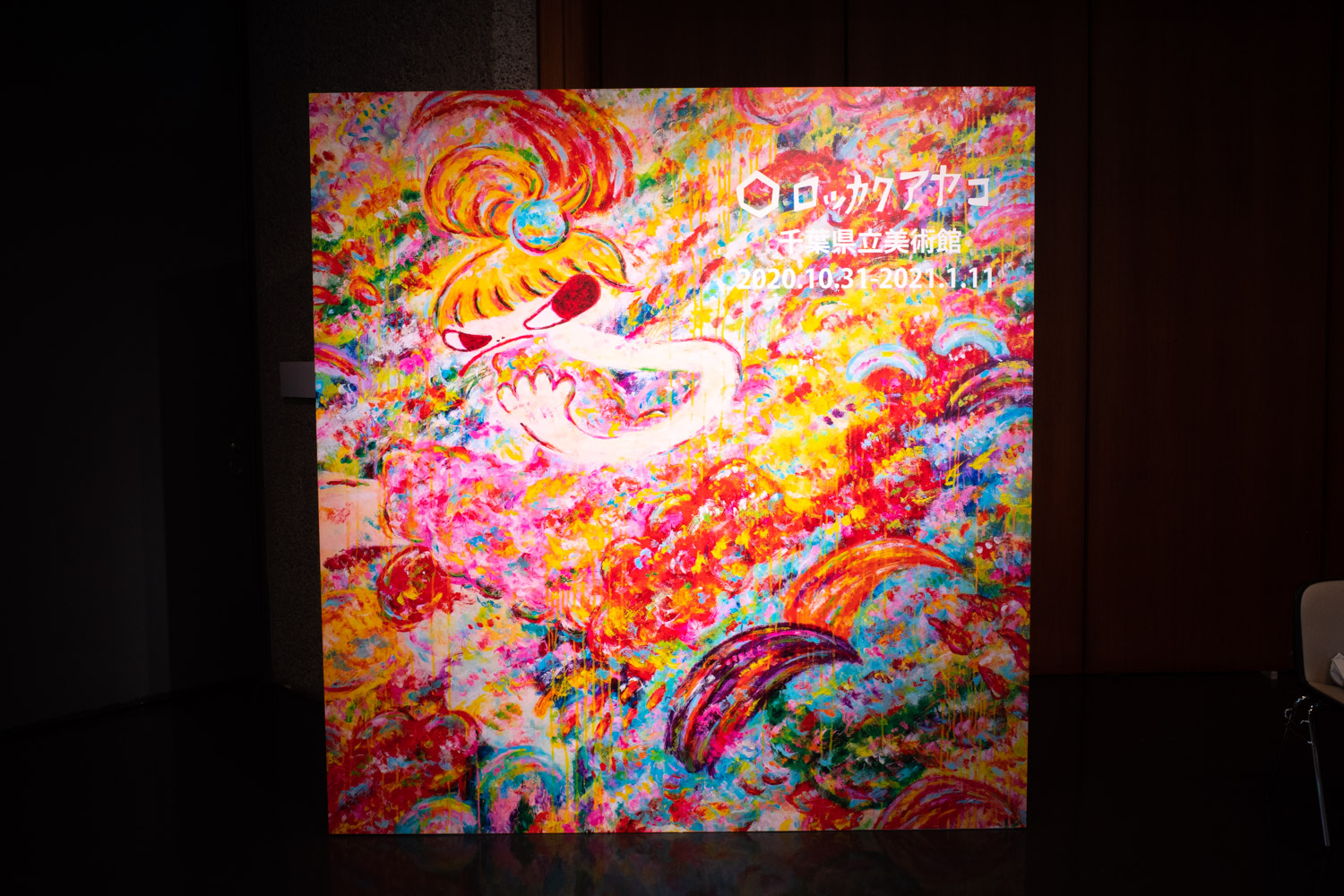
Works on view and highlights
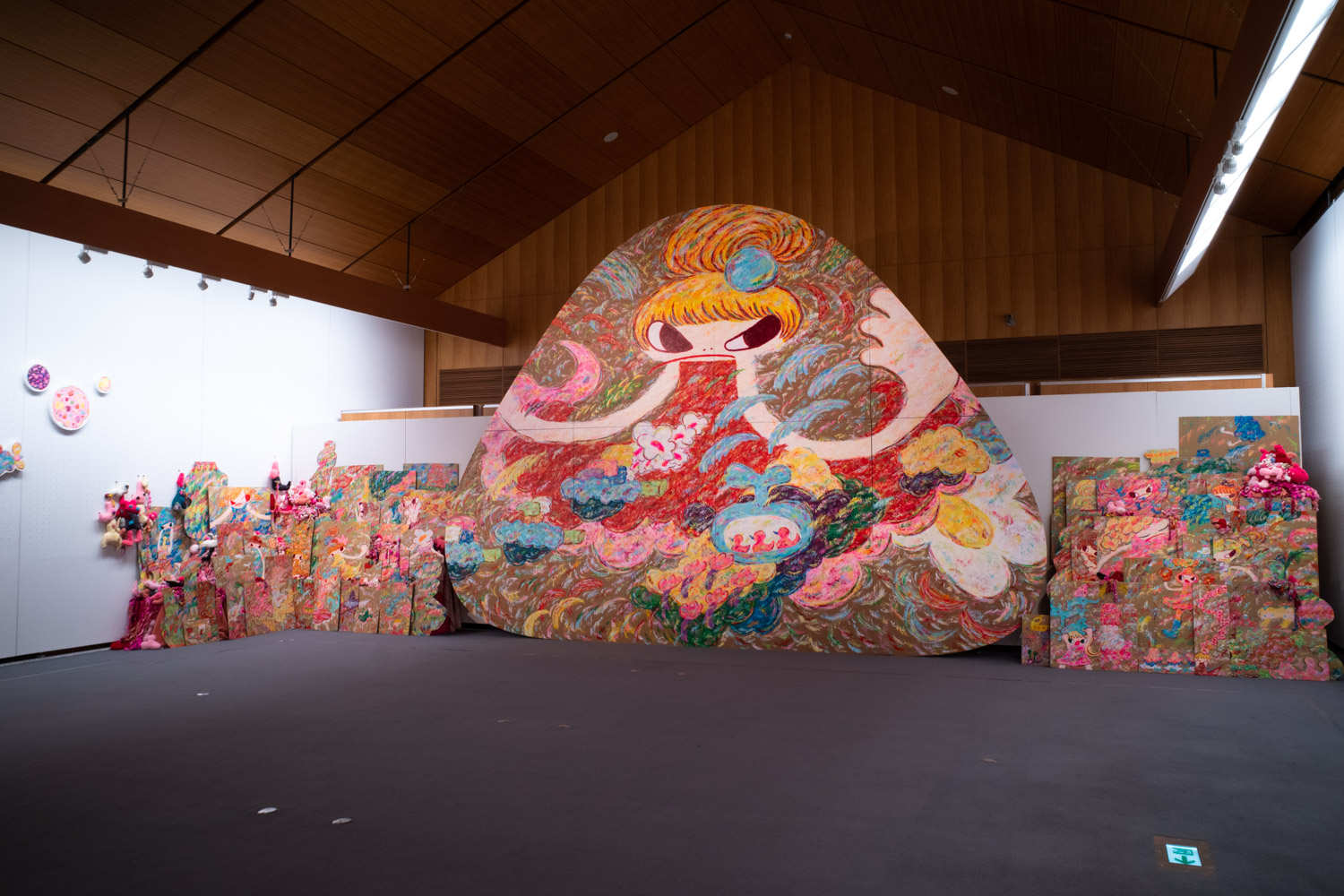
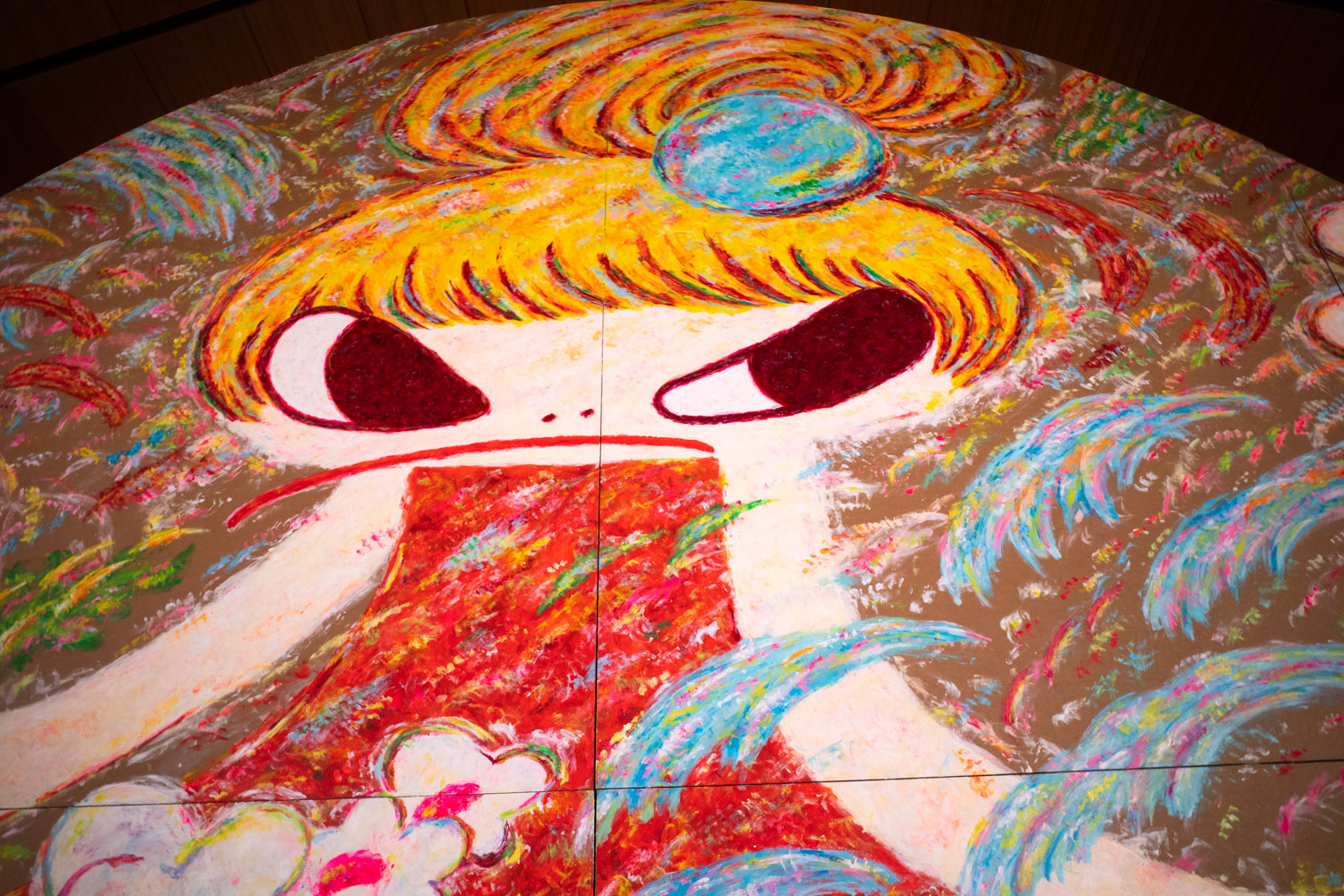
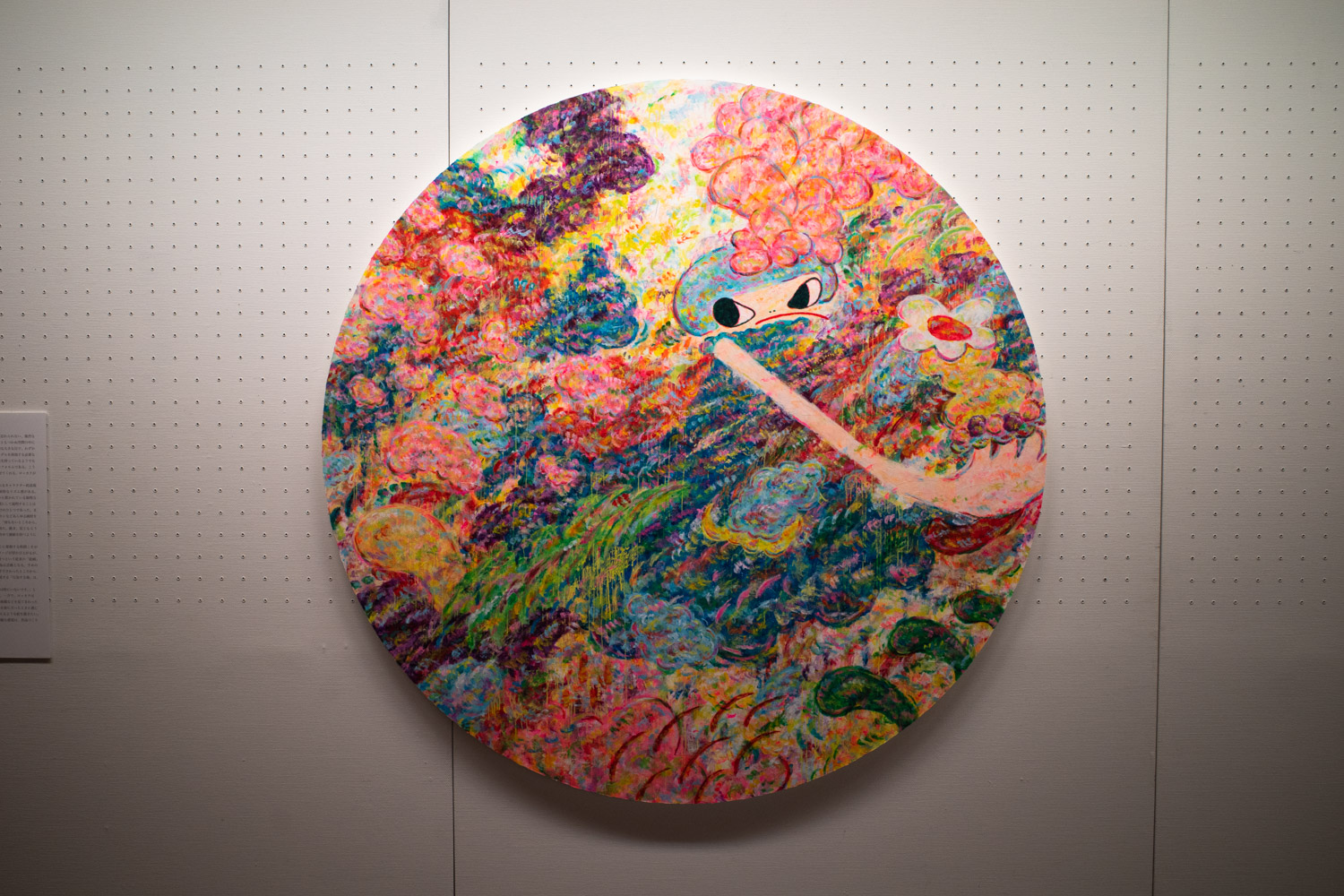
(1) A monumental 7m × 5.5m work, and a wealth of new pieces
This exhibition centers on the most recent works produced in 2020, with an emphasis on previously unpublished pieces.
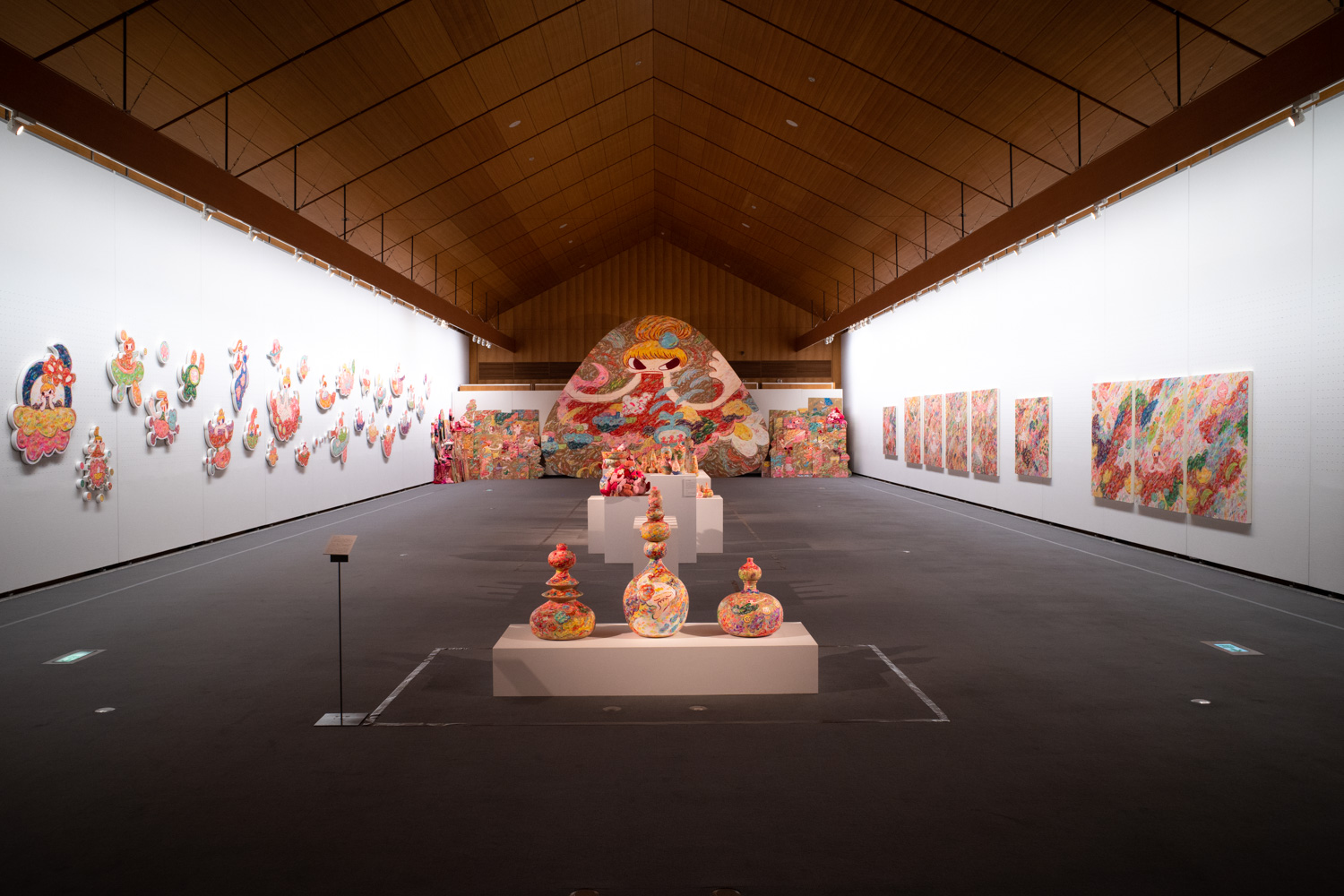
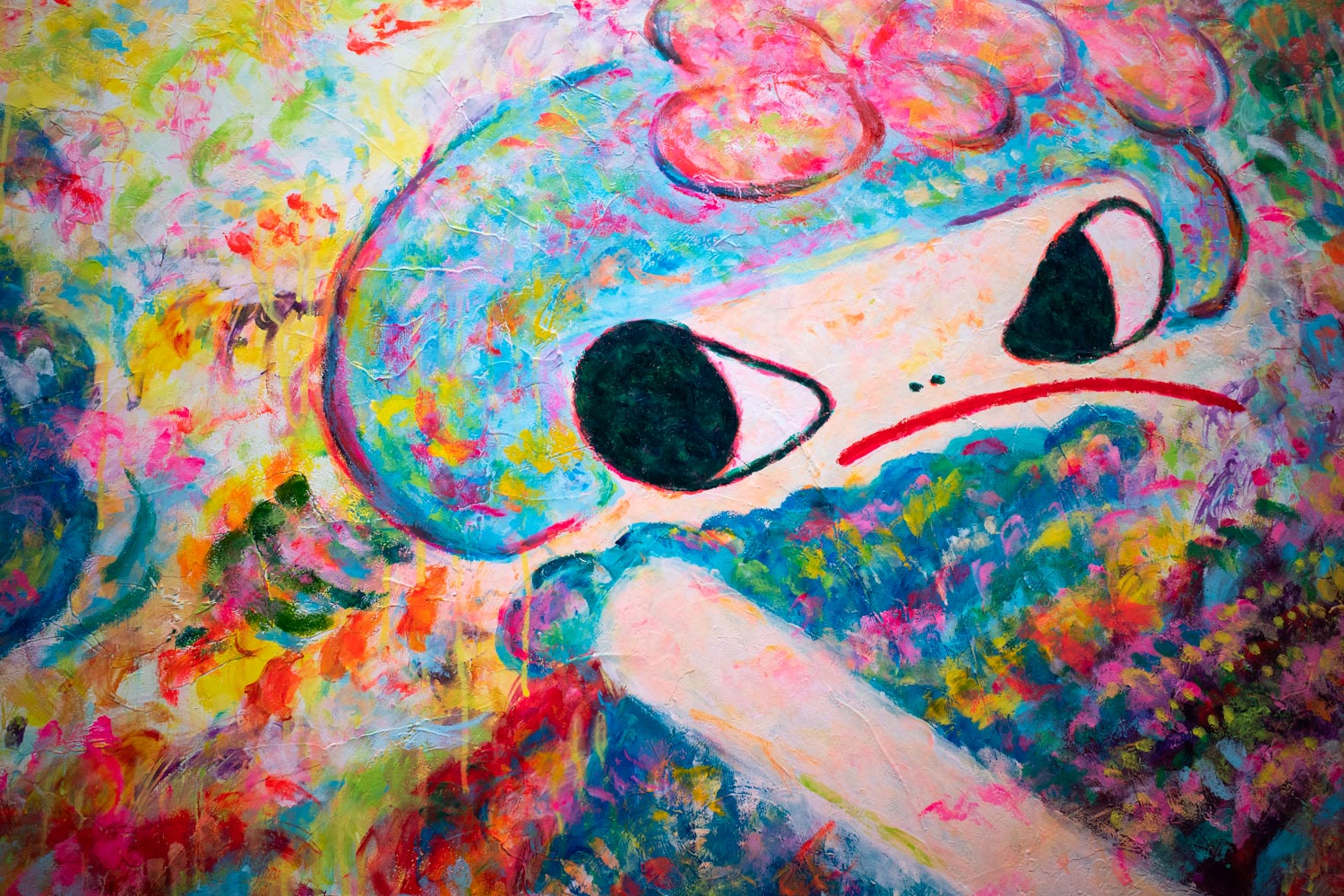
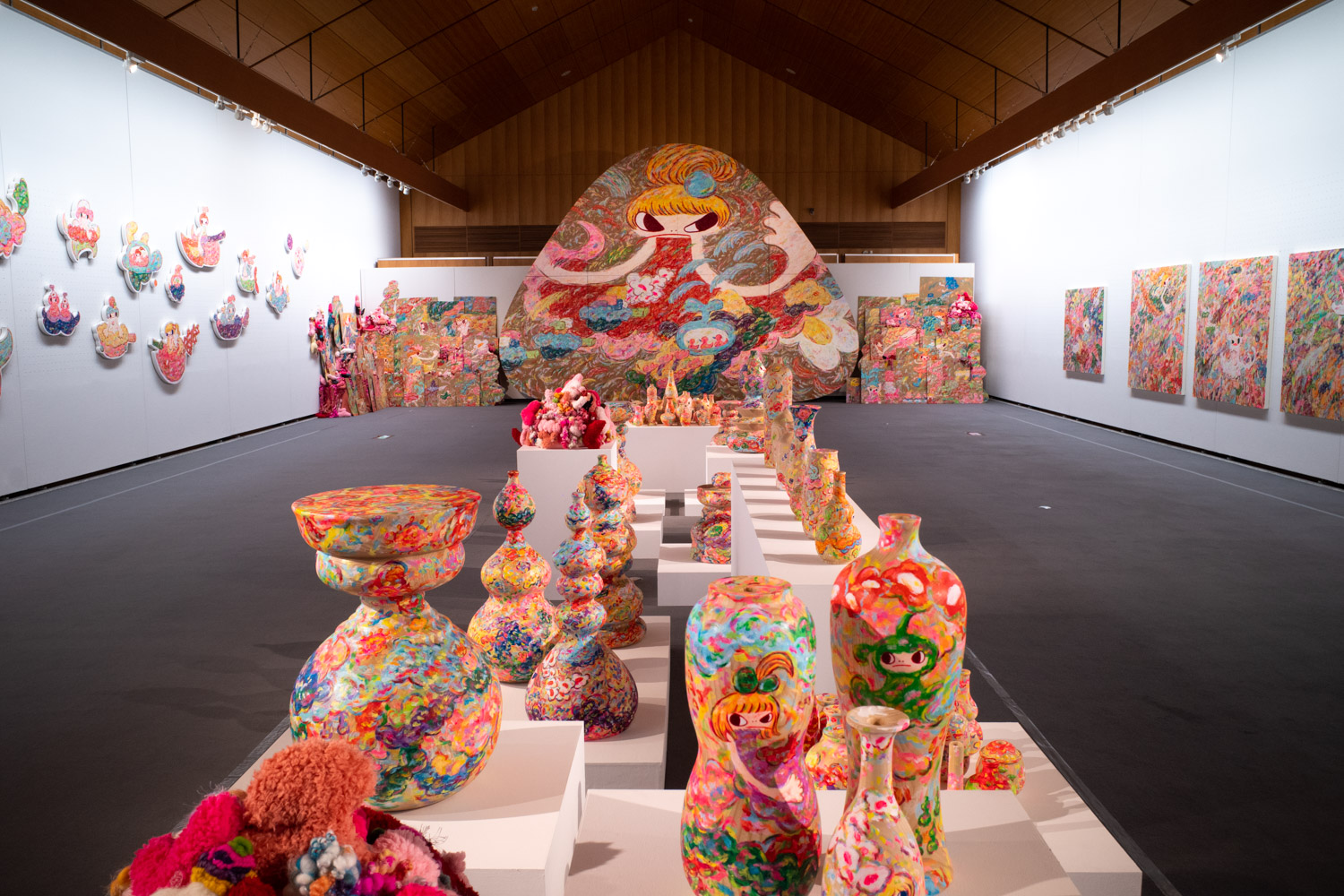
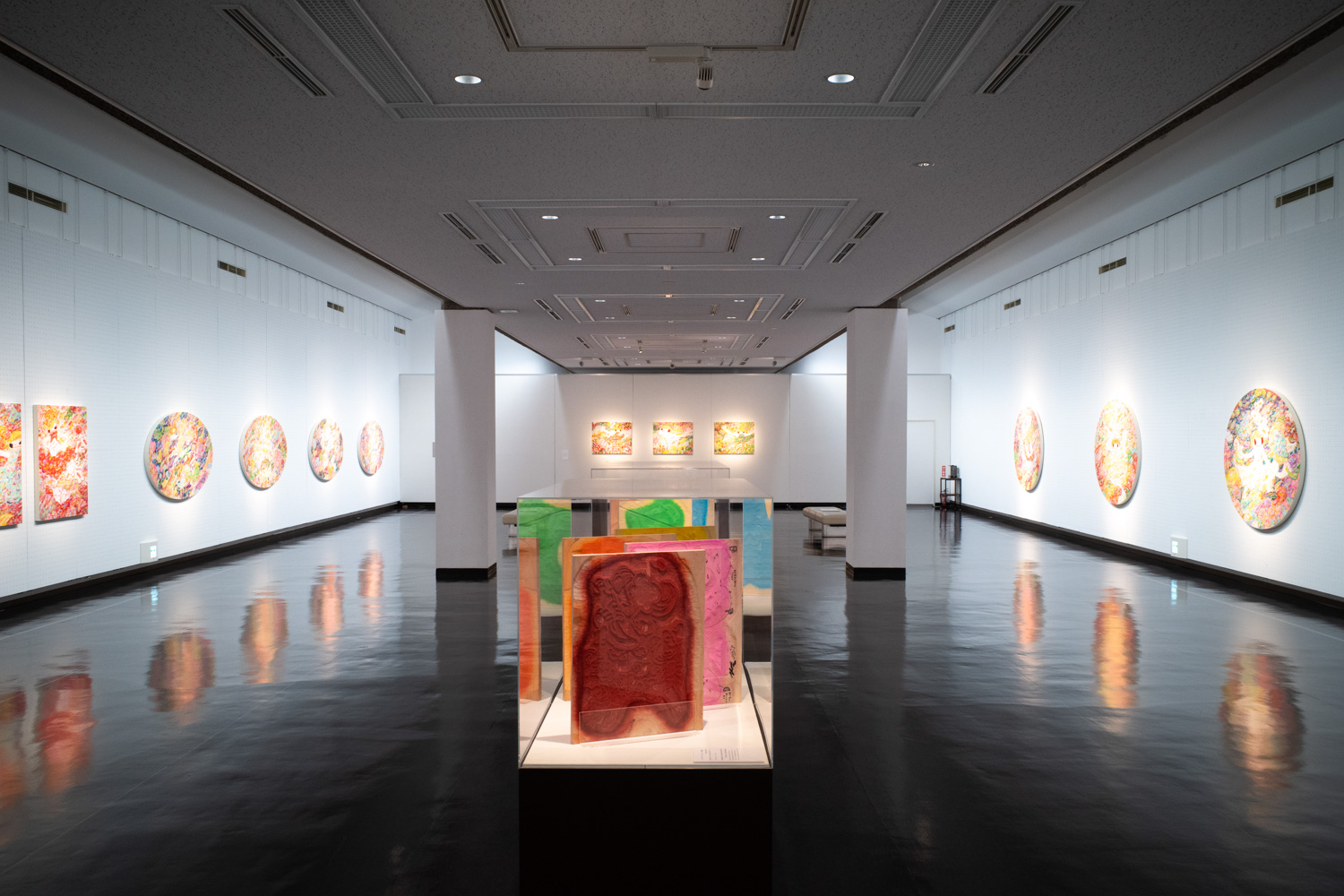
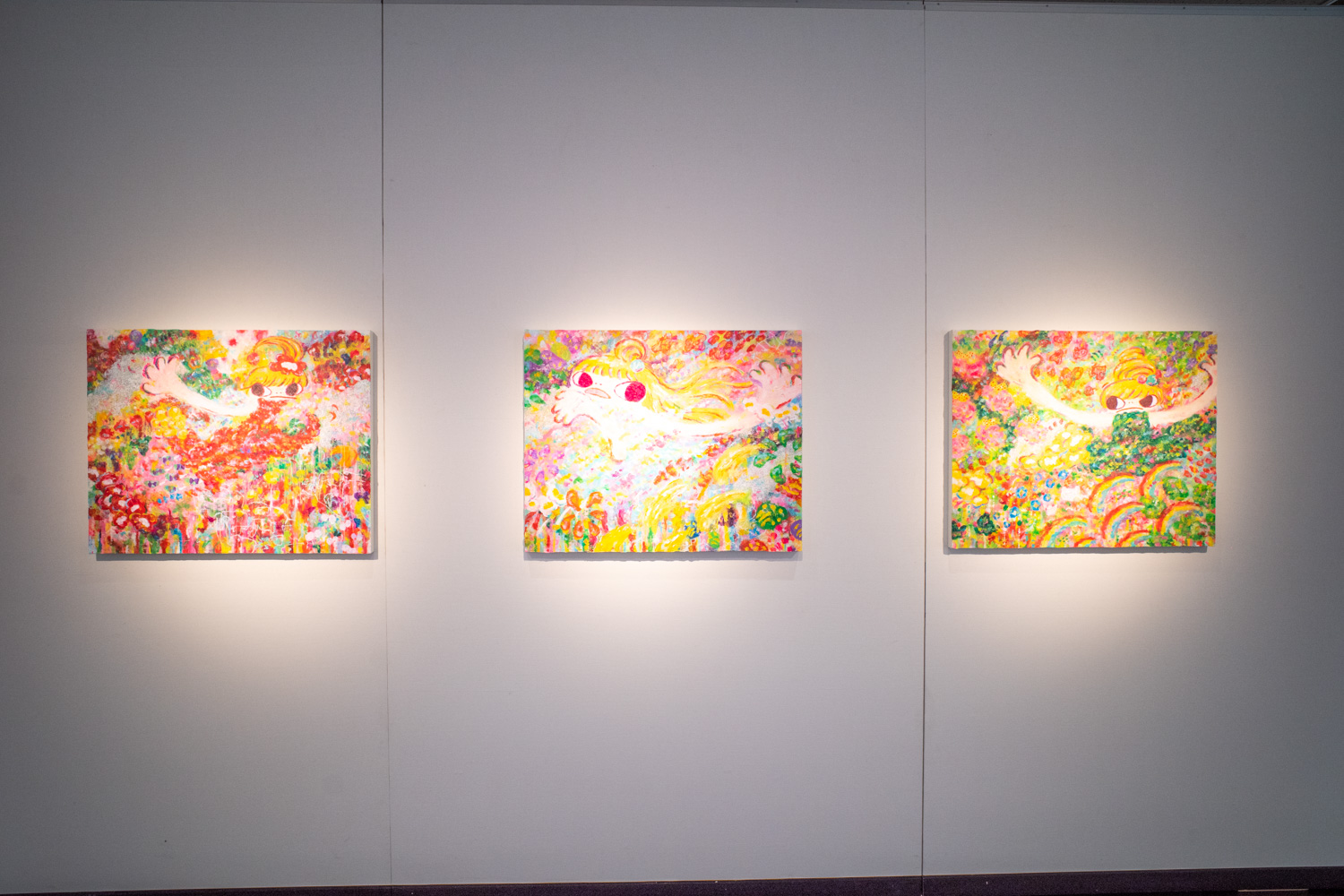
A total of 160 two-dimensional and three-dimensional works are gathered here. Especially eye-catching is the monumental piece Magic Hand, created during a residency at Chiba Prefectural Museum of Art in October 2020.
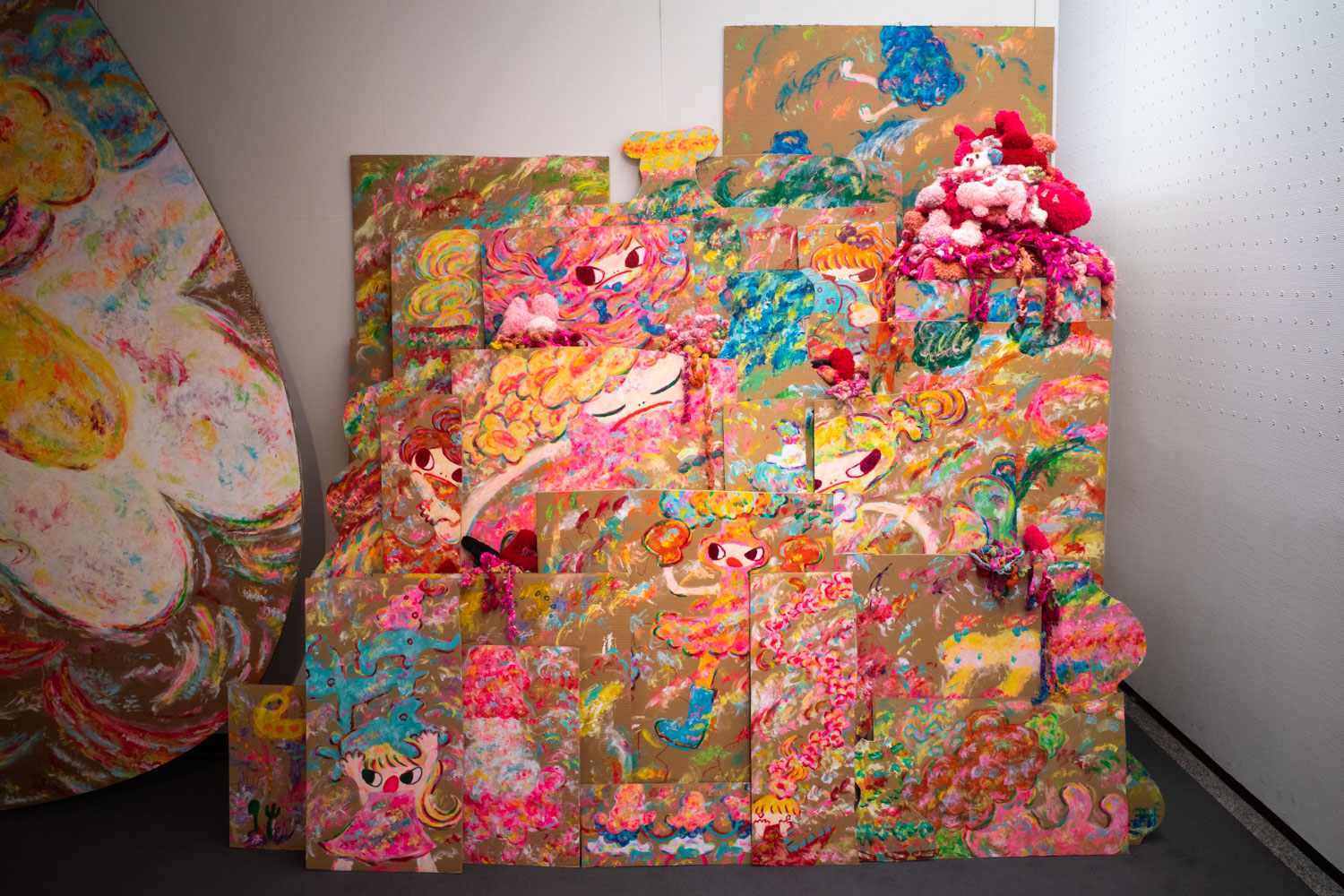
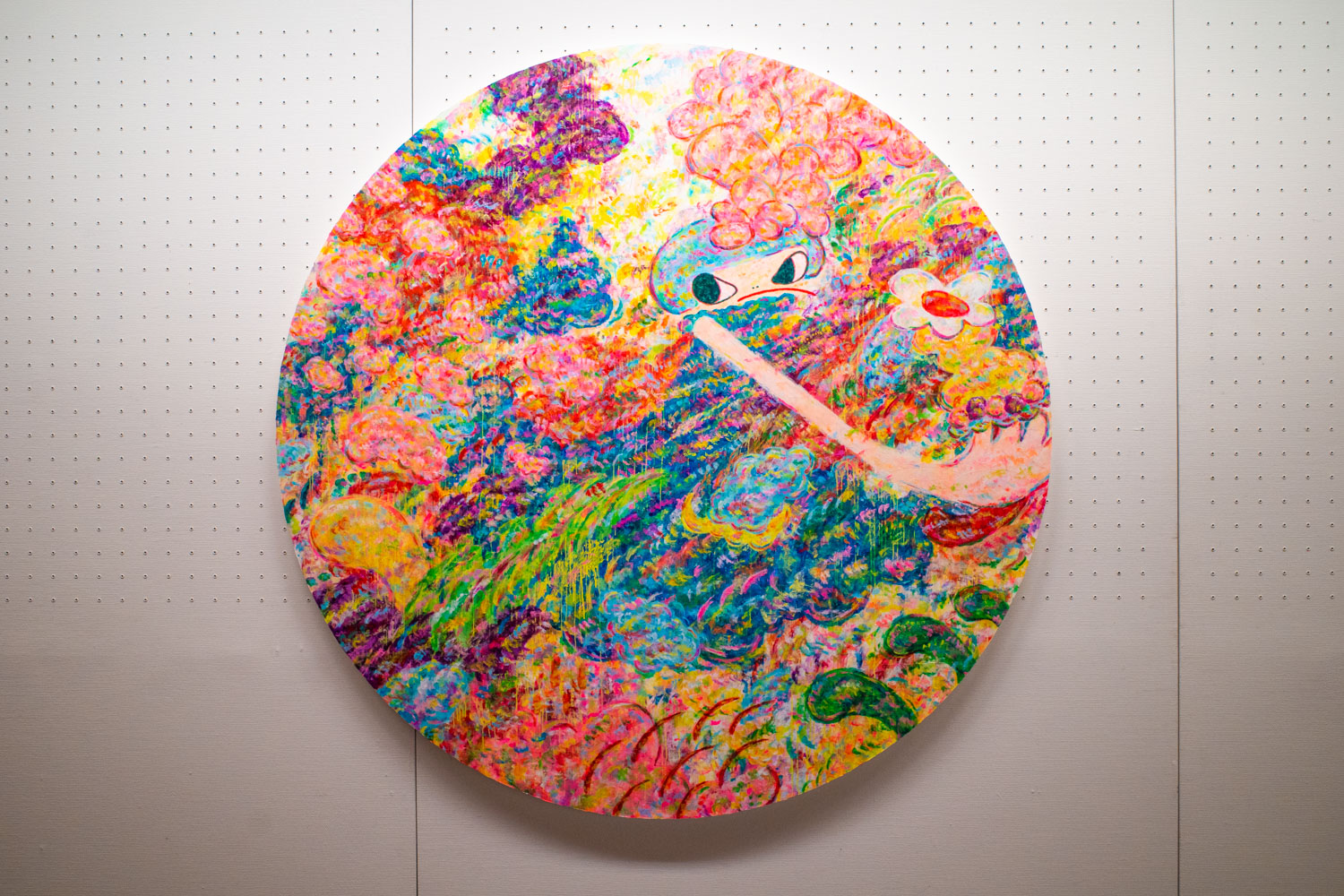
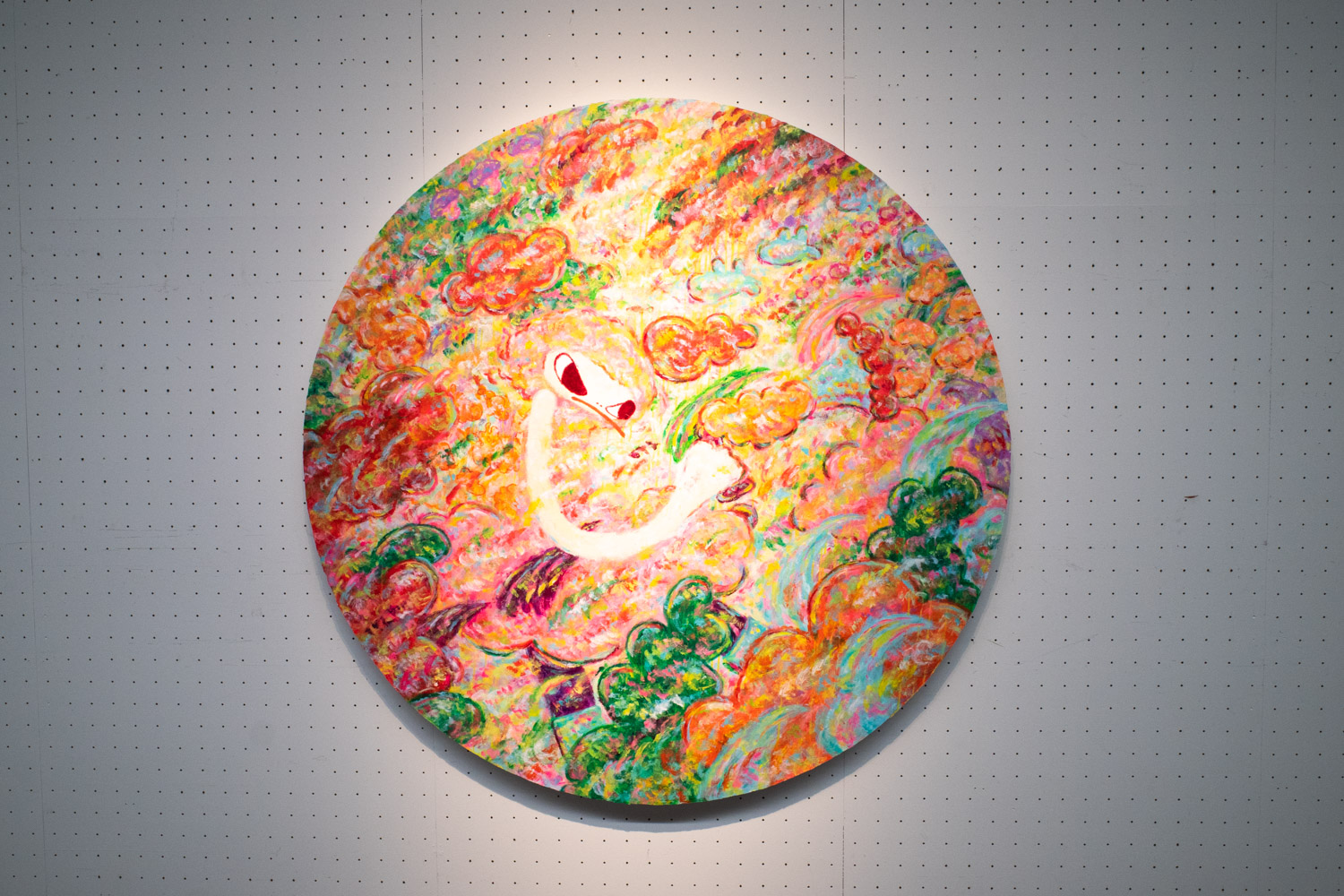
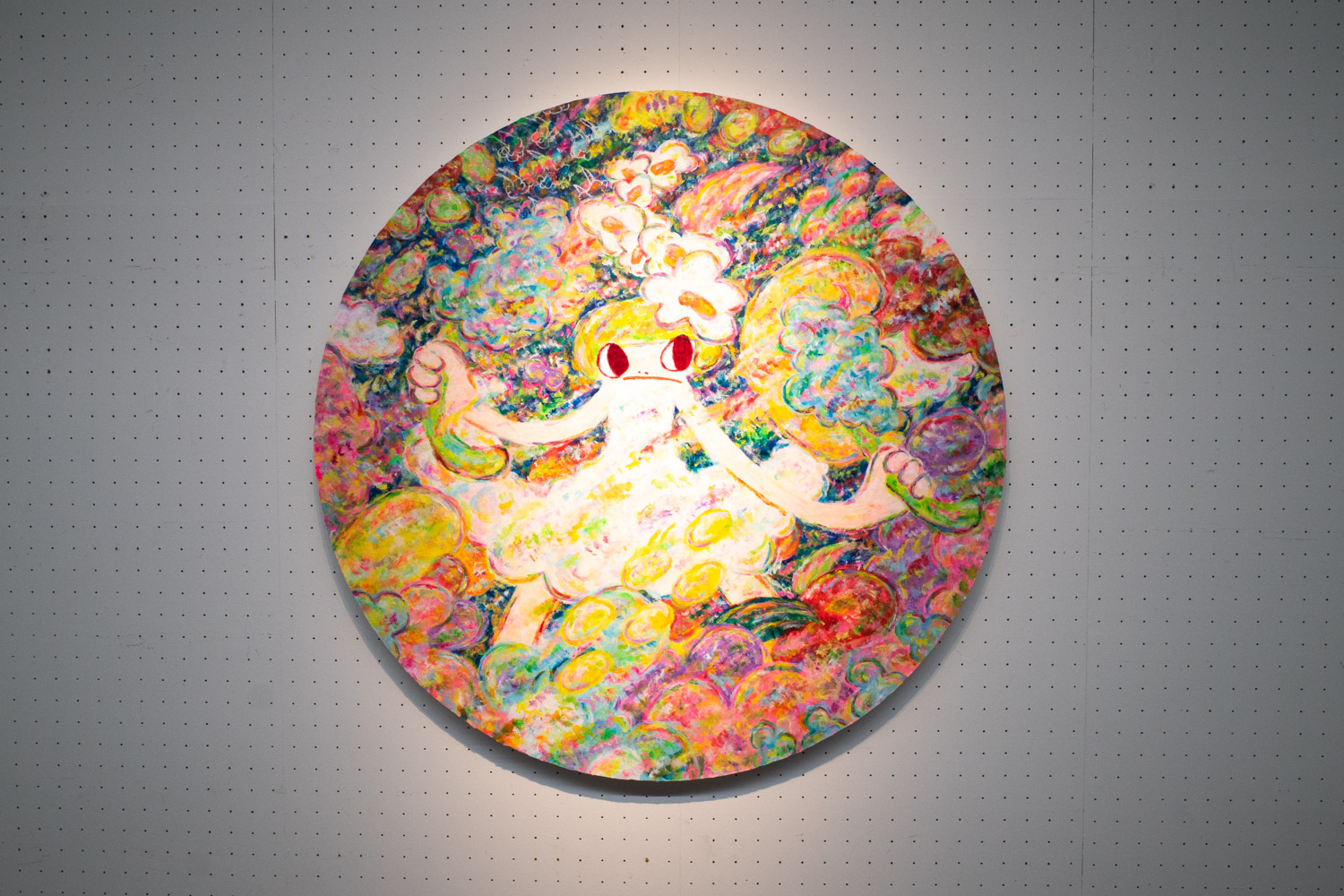
(2) Rokkaku’s War of the Worlds
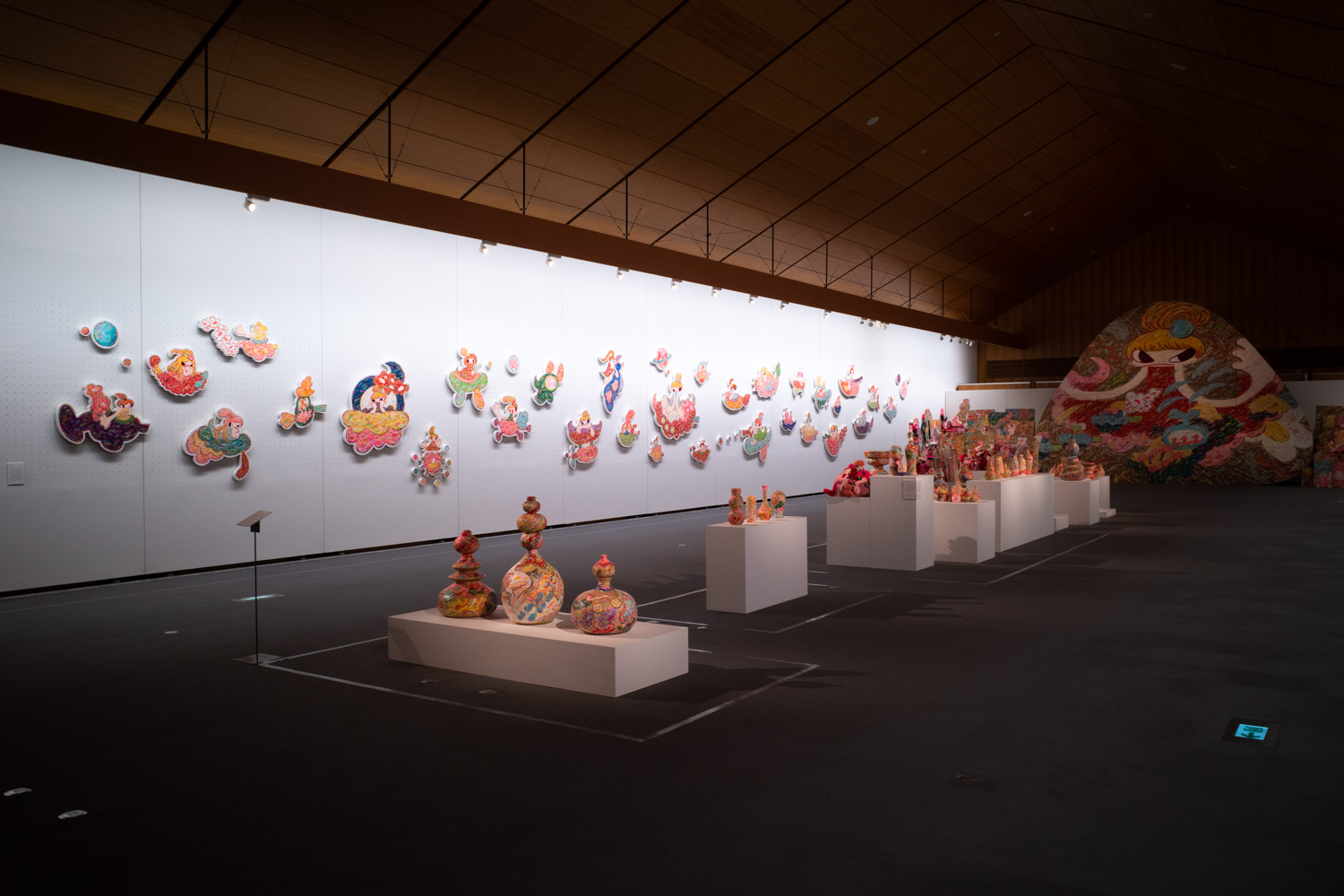
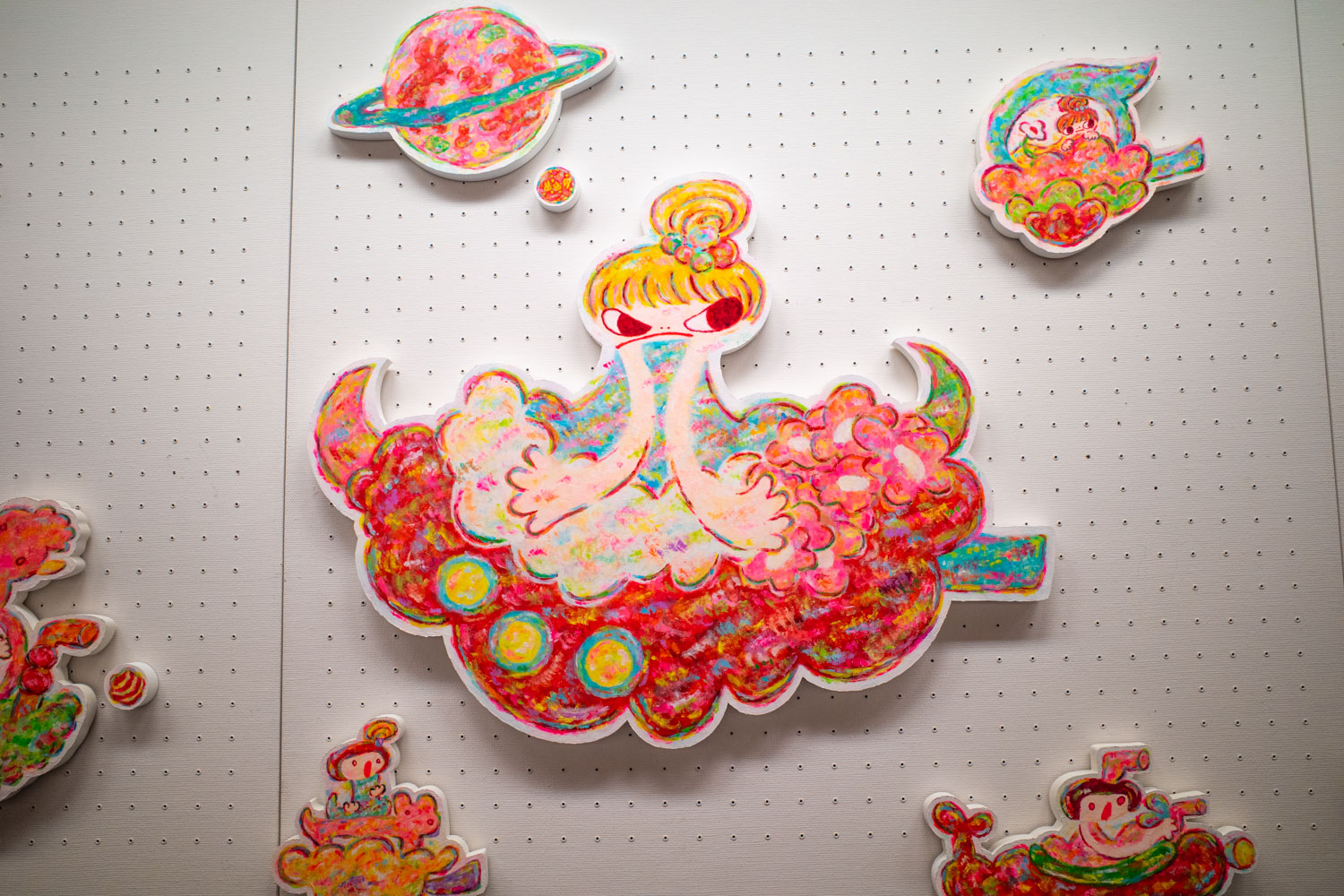
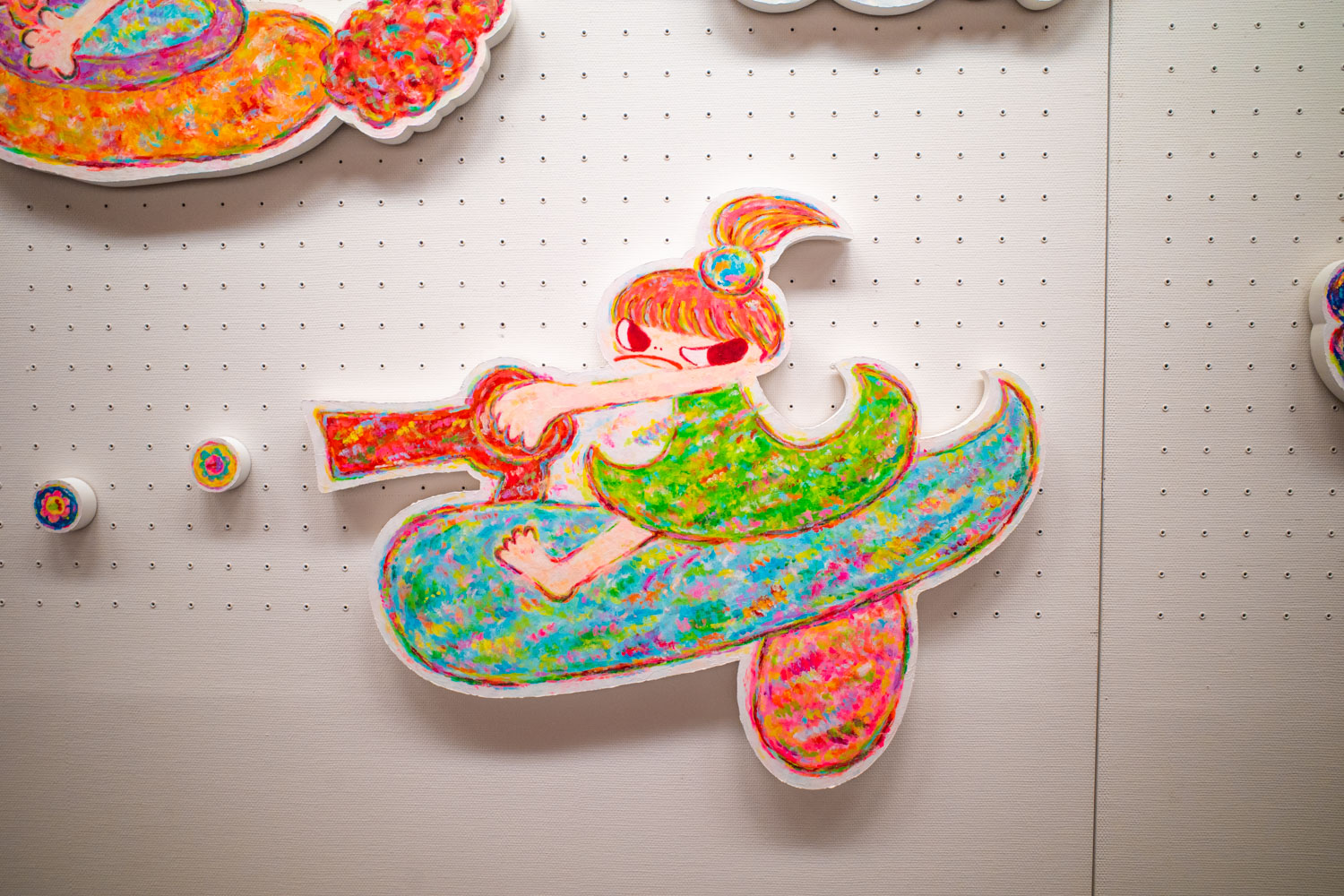
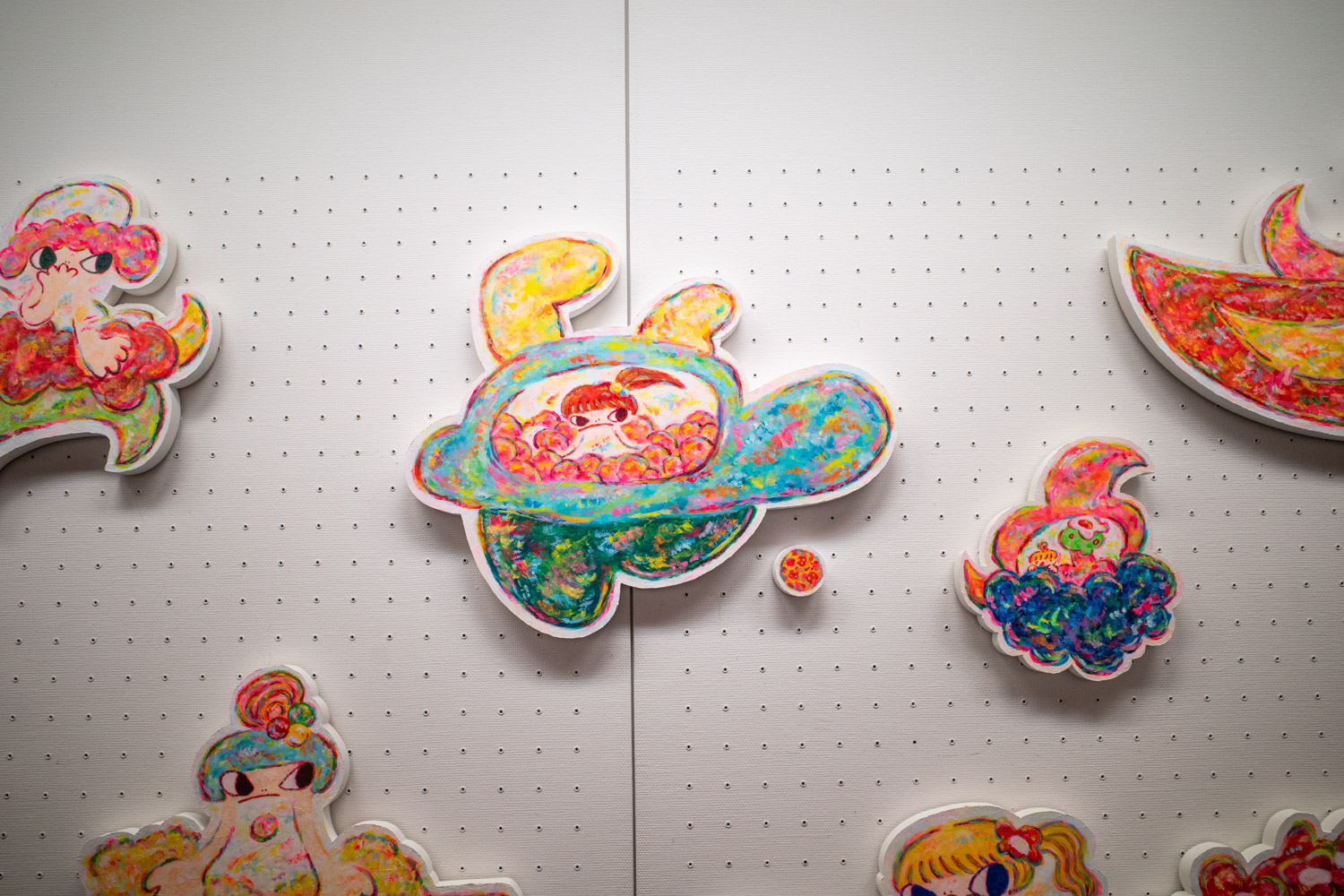
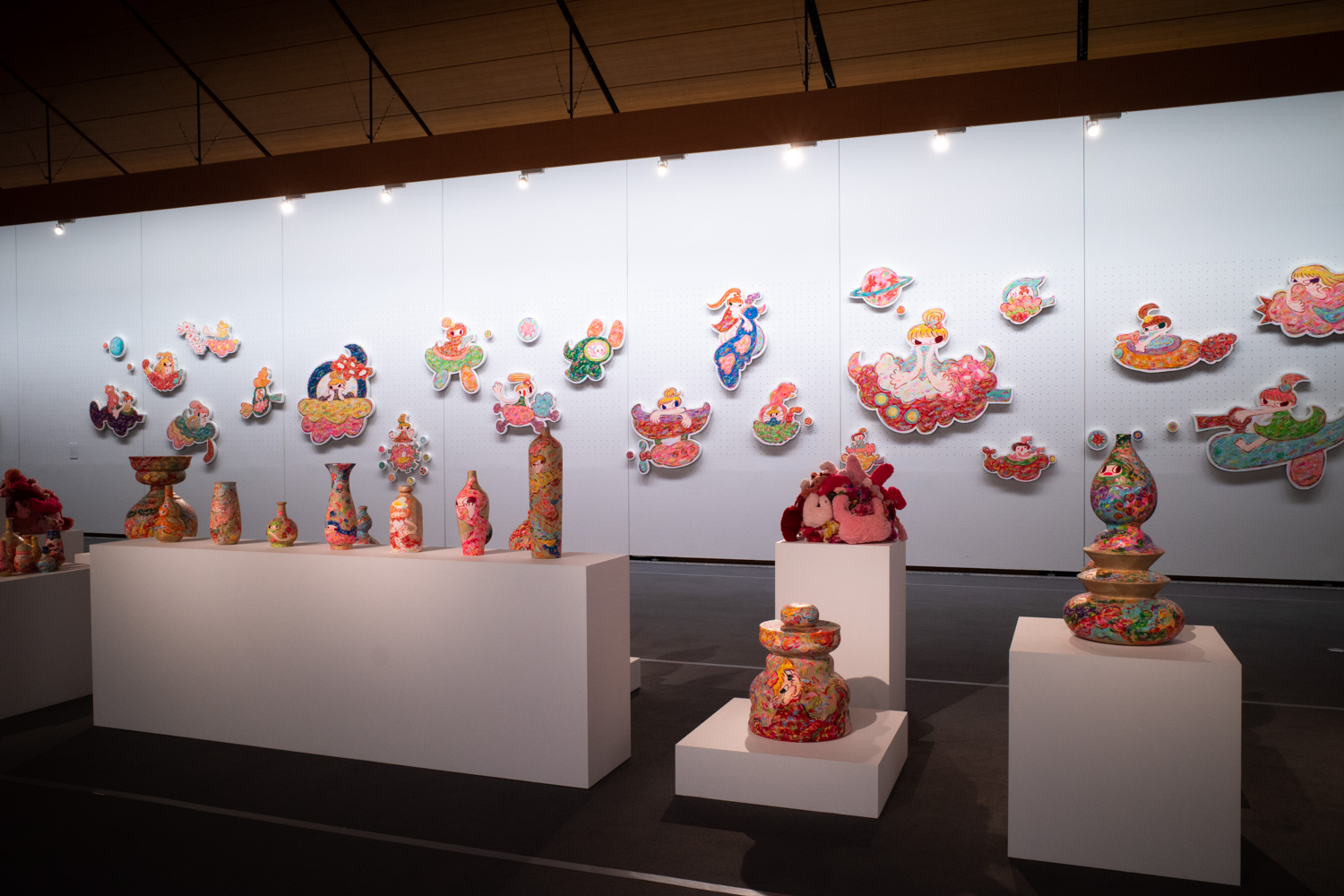
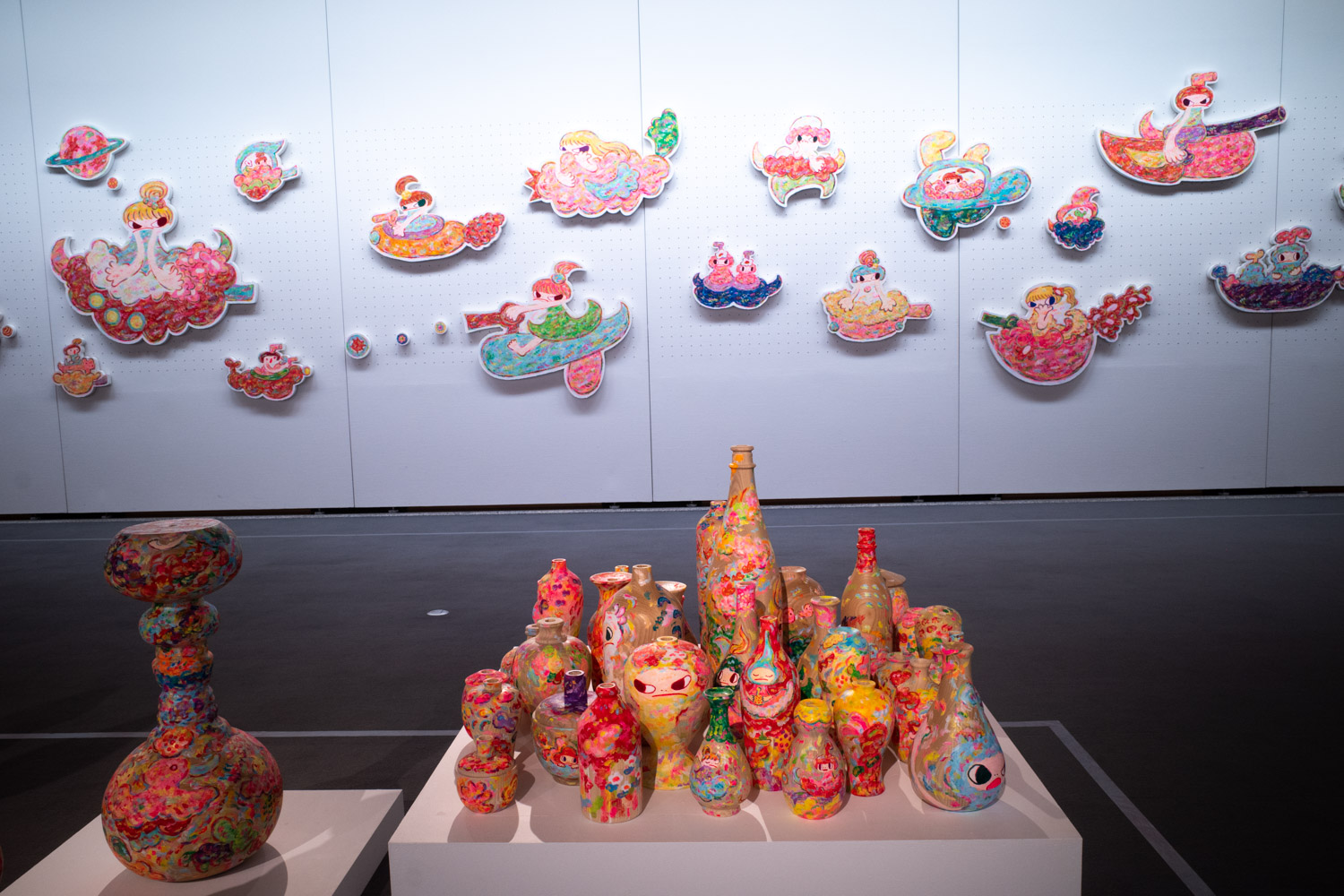
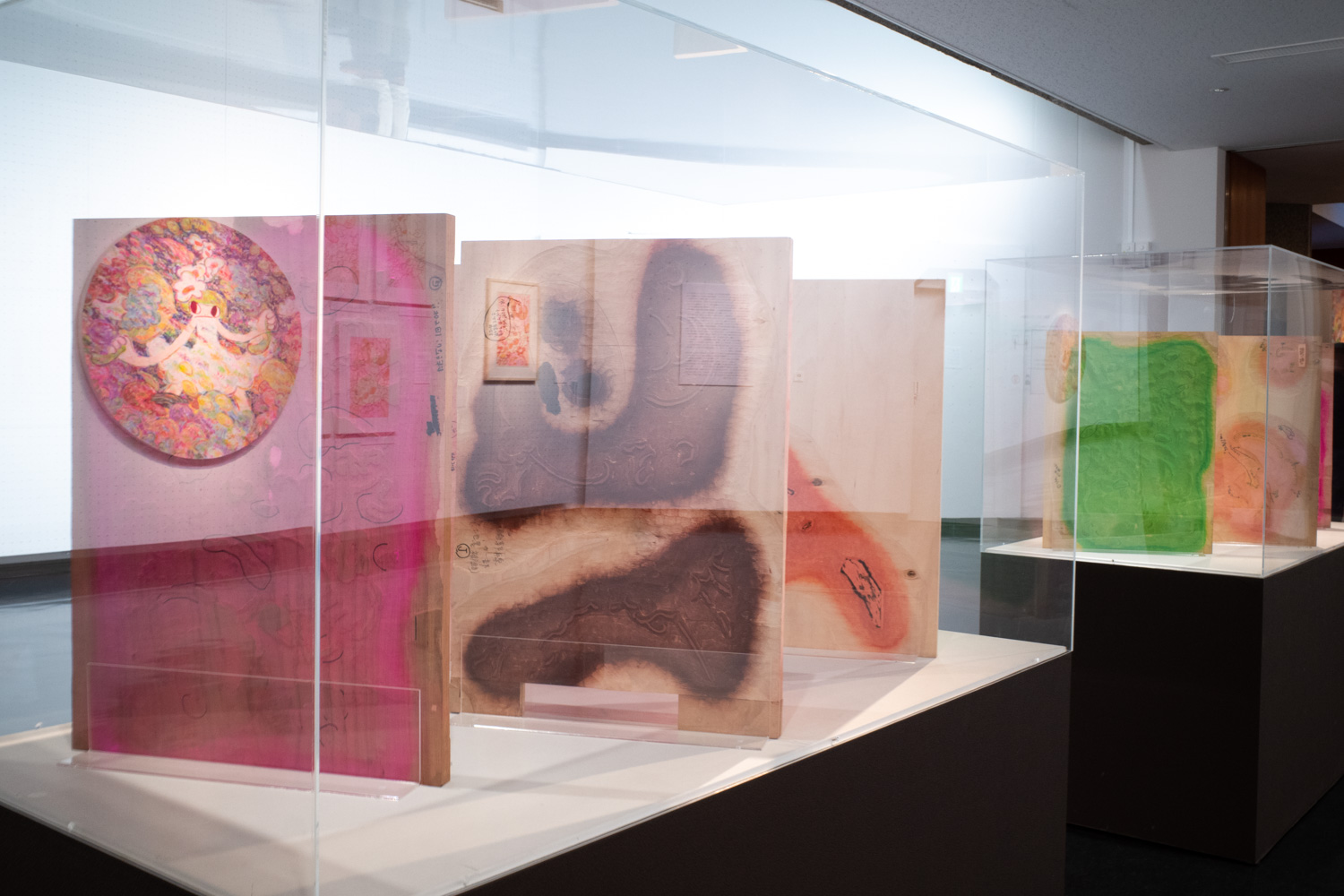
The War of the Worlds series, lined up along the wall, is a standout in the show.
Preliminary drawings are transferred onto custom shaped canvases, on which cloud-like billows, round rolling shapes, and pointed forms take shape — girls board spacecraft of various shapes and drift through outer space. The series comprises roughly 30 works.
(3) Flower vases
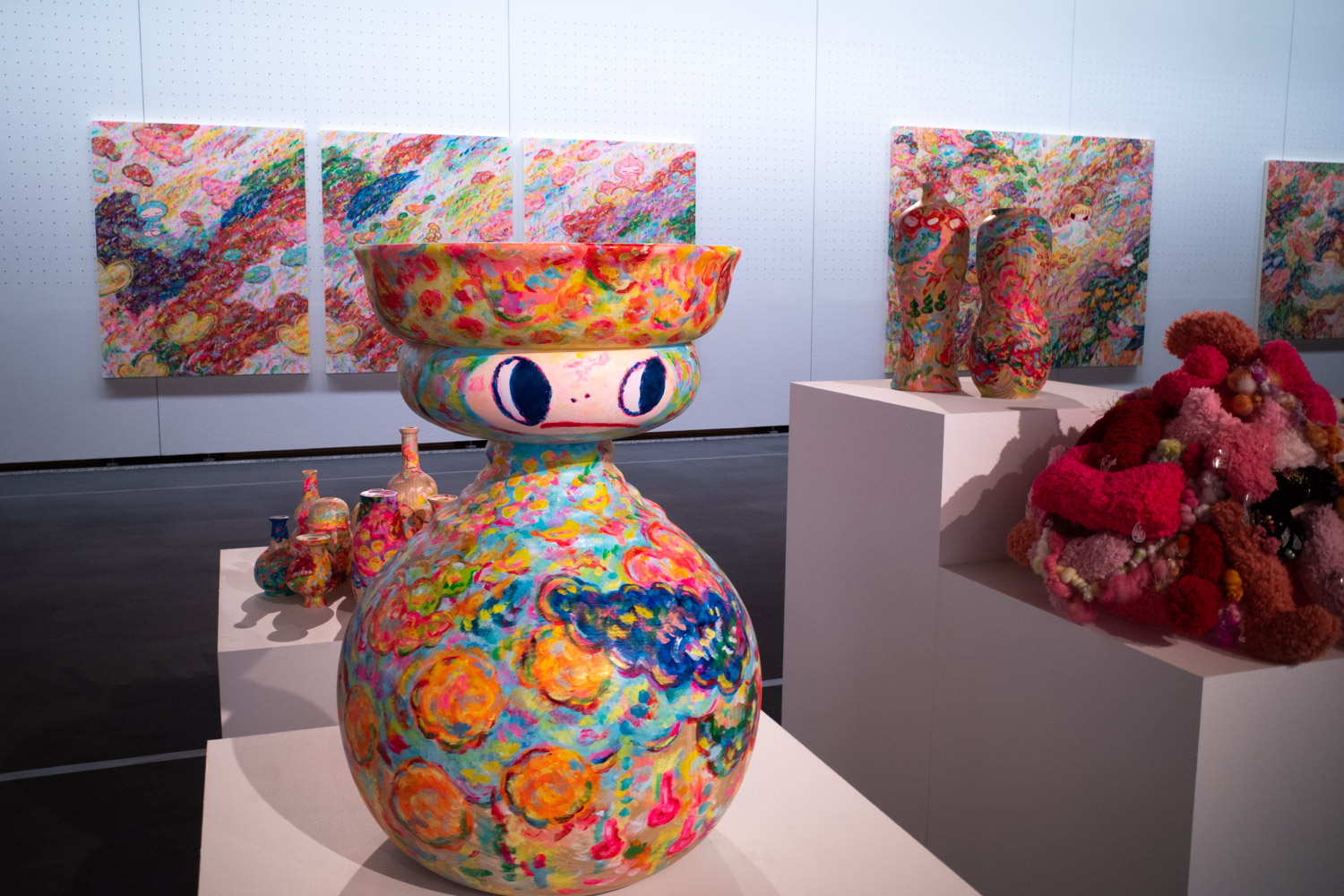
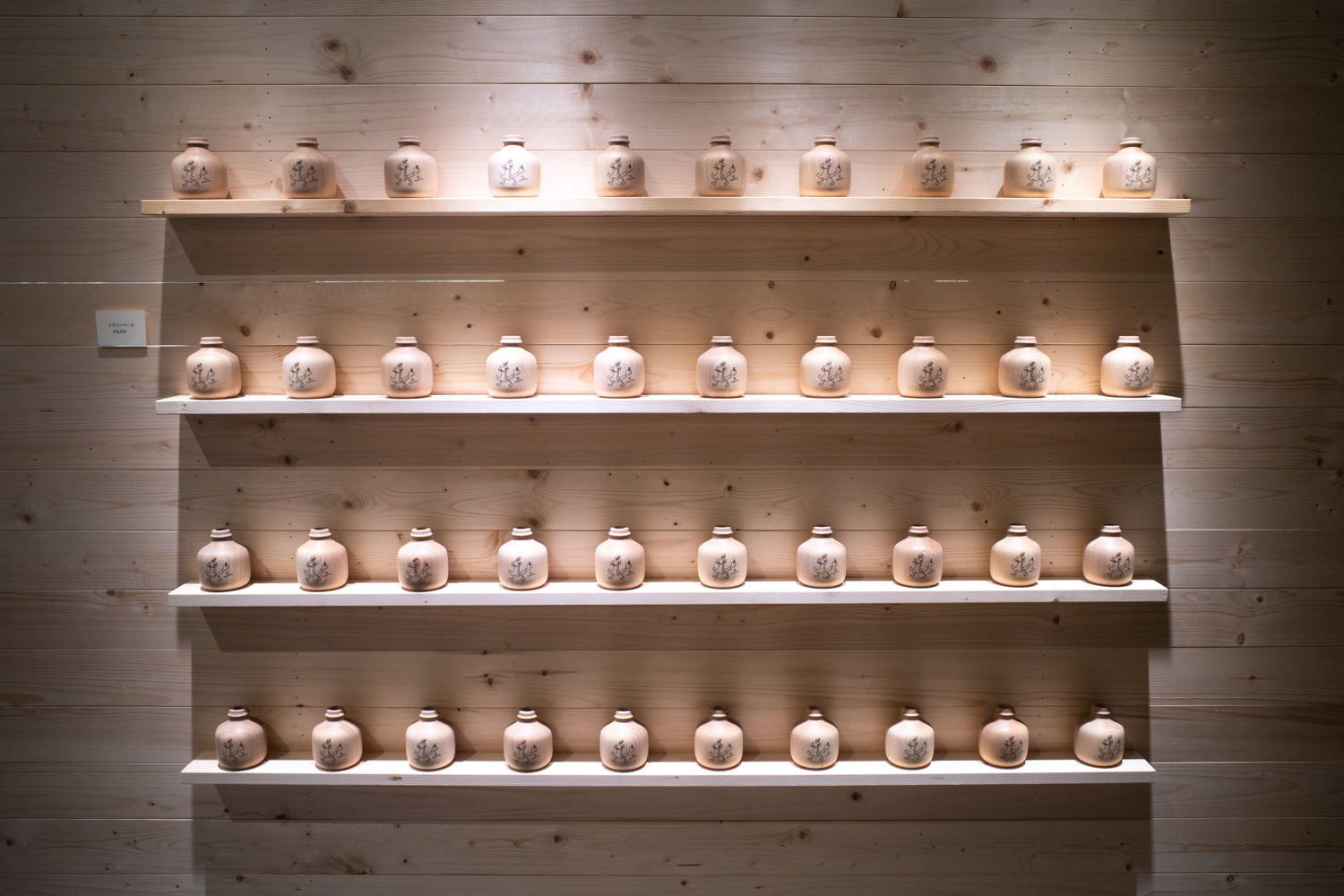
The single-stem ash-wood vases in various forms are by SeeSee, a brand of the traditional craft “Shizuoka Hikimono” (turned woodware) — works that fuse traditional technique with fresh, contemporary sensibilities. Around 60 pieces of various sizes are gathered at the center of the exhibition hall.
(4) Woodblock prints
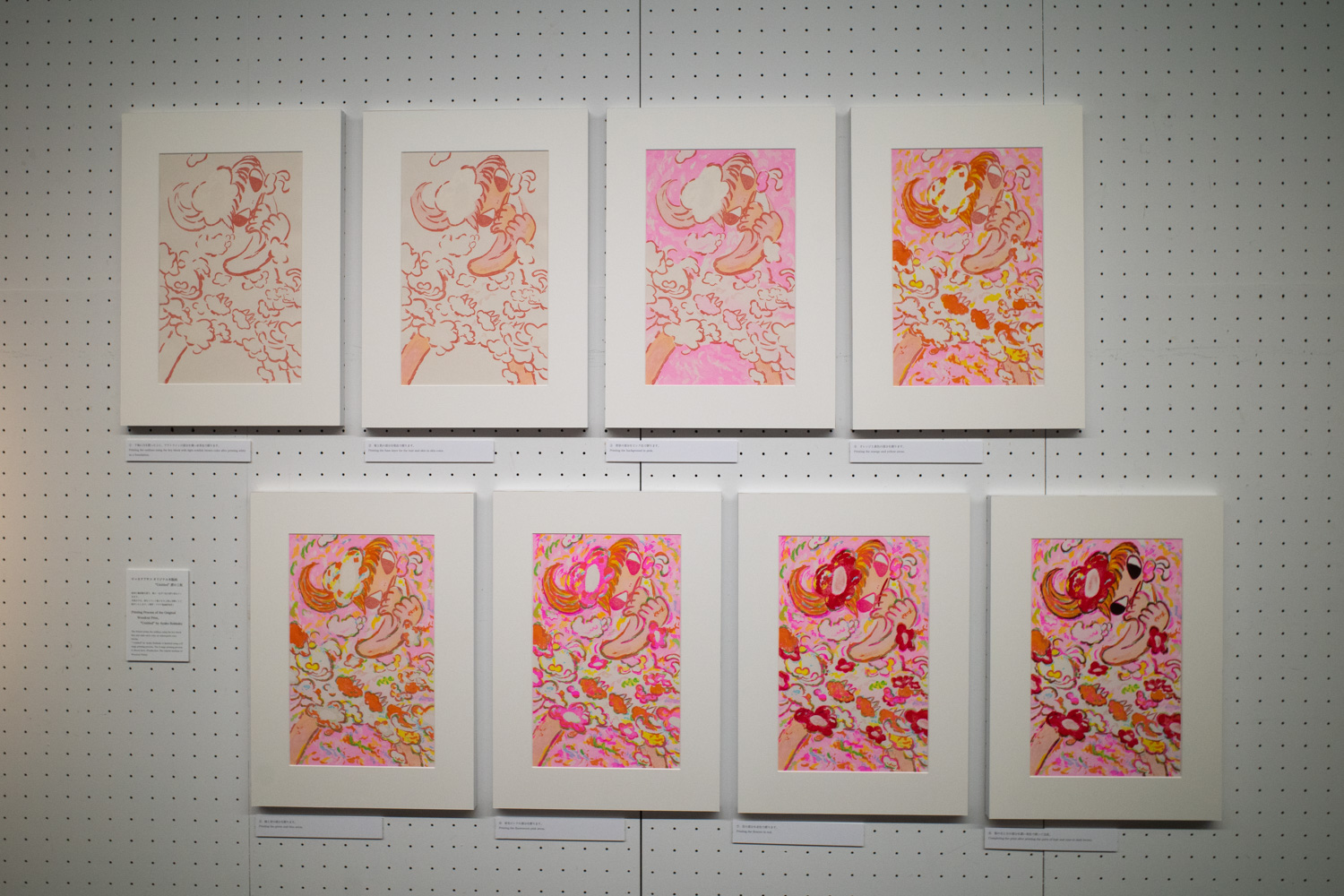
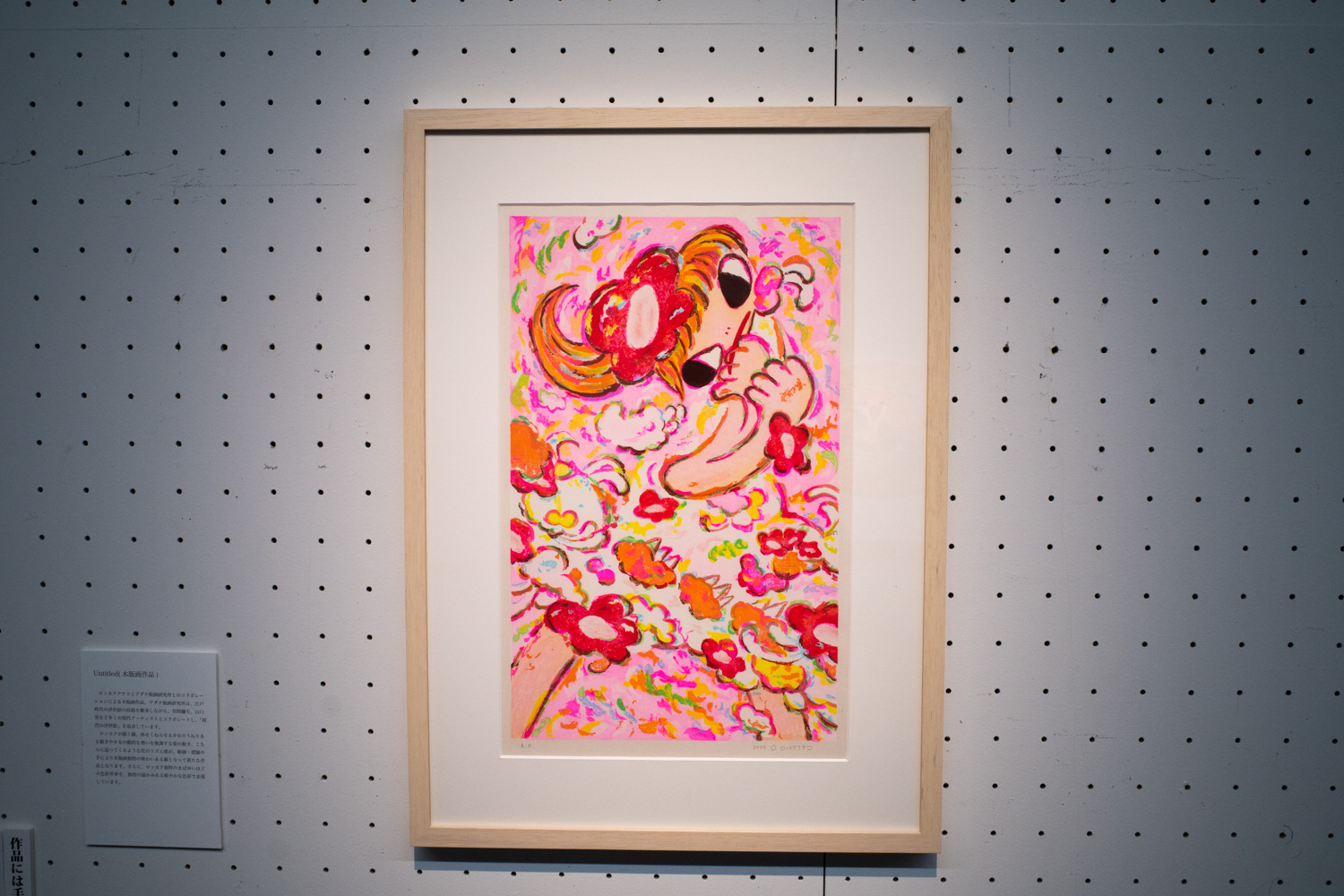
Another highlight is the woodblock prints produced in collaboration with the Adachi Institute of Woodcut Prints.
The Adachi Institute inherits Edo-period ukiyo-e techniques and has collaborated with numerous contemporary artists — Yayoi Kusama and Izumi Kato among them — in pursuit of “contemporary ukiyo-e.” The display method was designed to make the production process easy to understand. The saturated color, achieved through repeated impressions, gave a striking sense of depth.
Original merchandise
Long lines formed before the museum opened on the first day.
Original merchandise, including the 1,000-copy limited-edition poster, drew particular attention.
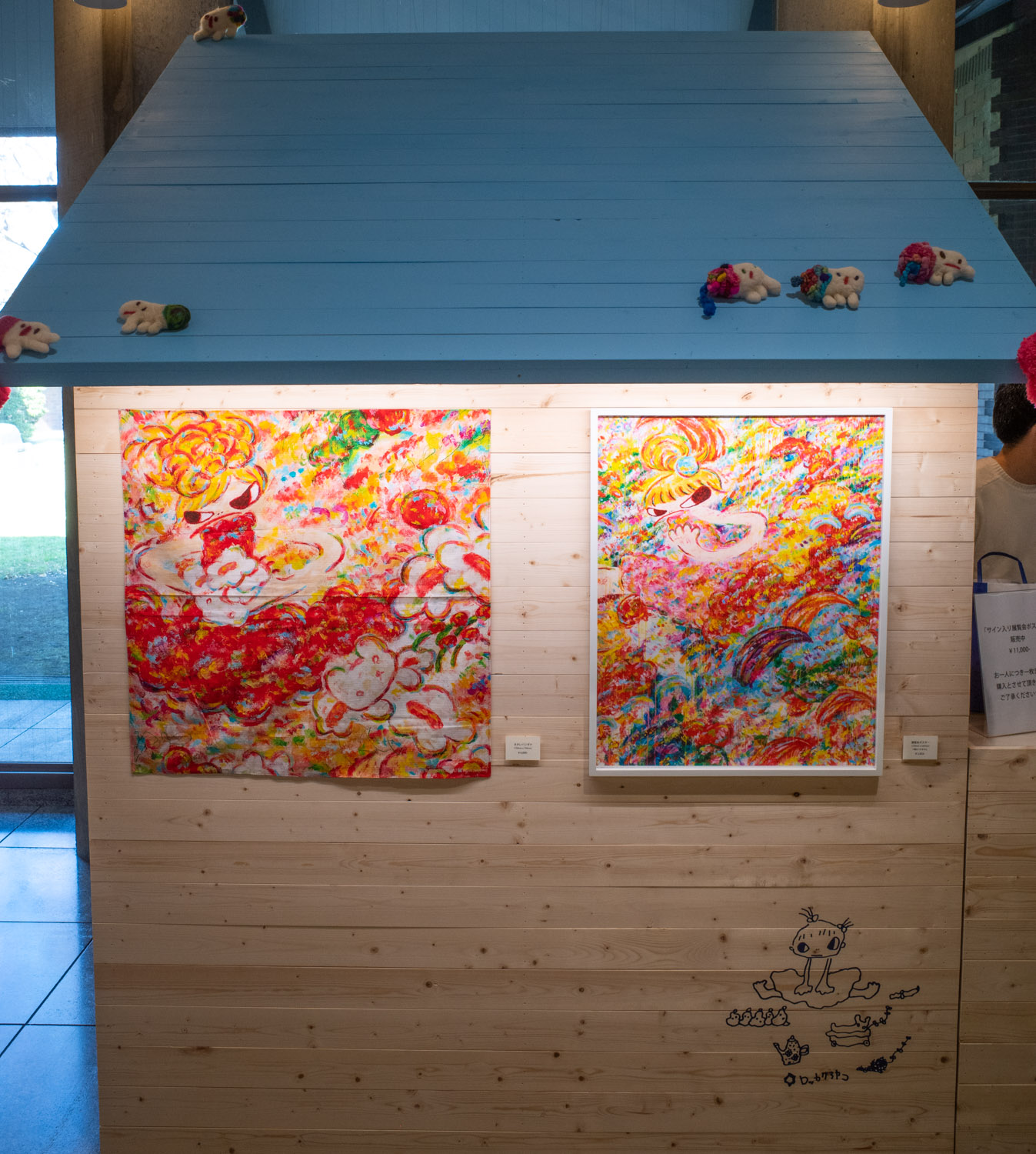
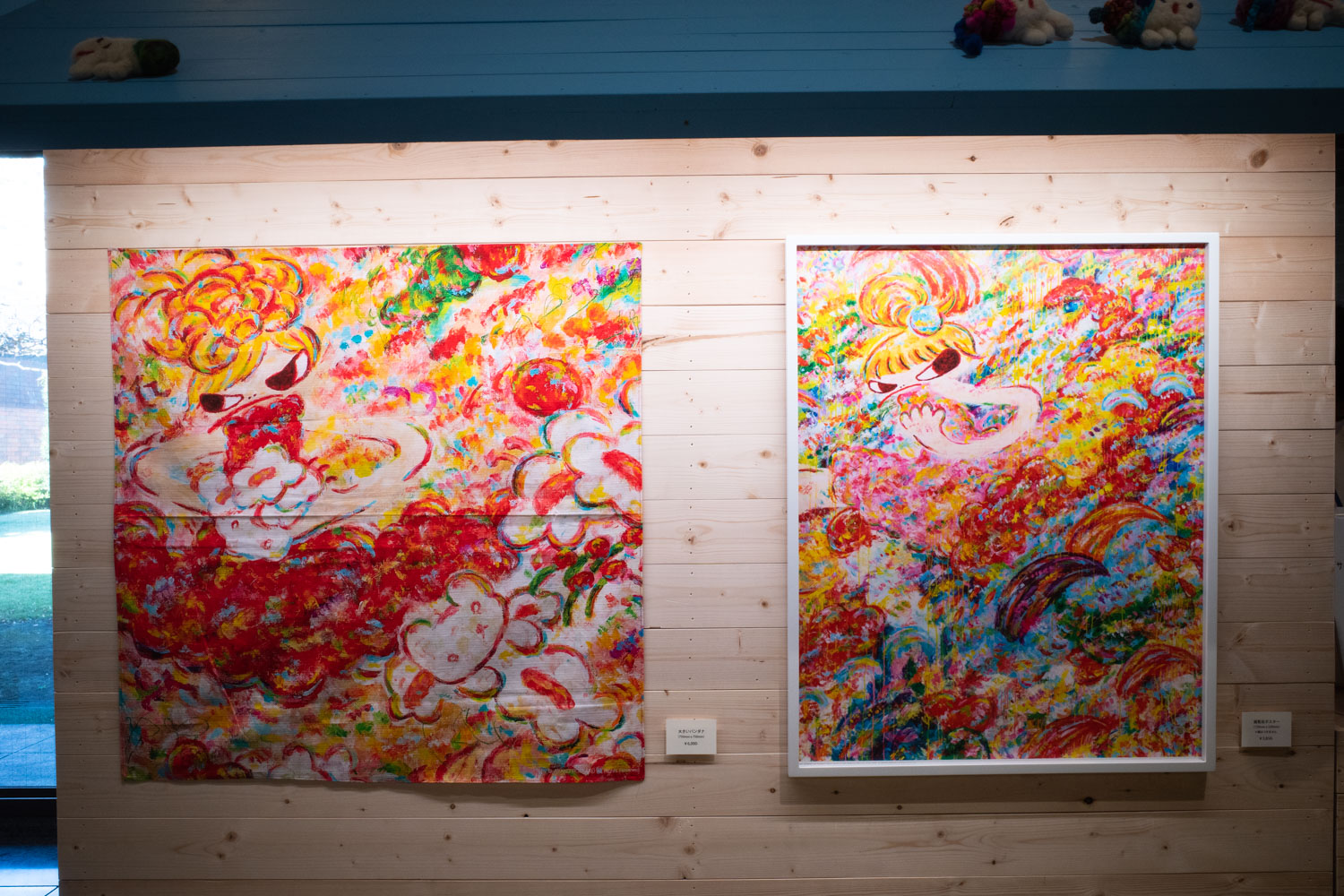
Right: B2 poster (720mm × 520mm), 3,850 yen (limited to 1,000 copies)
Summary
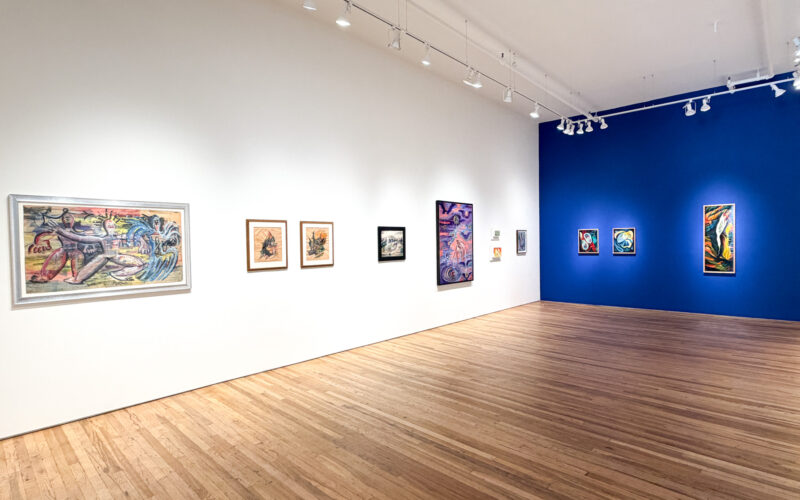
“Magic Hand” occupied two large exhibition halls.
The show made full use of the museum’s expansive galleries, weaving together new experiments — woodblock prints, shaped canvases, flower vases, monumental works — into a magnificent space.
Ayako Rokkaku’s message from the interview granted at the moment the museum opened on the first day left us feeling that further leaps forward lie ahead.
Ayako Rokkaku:
“At the Dutch museum the show was framed as a 10-year survey, so I wanted this one to take a different shape. Given the chance to do what I want to do right now, I ended up packing in a lot of new things (laughs). I feel I’ve done what I can do at this moment, and I sense that this show could be a starting point for many more things to come.”
Her message conveyed a strong, dependable creative attitude, unswayed by market movements.