WHAT
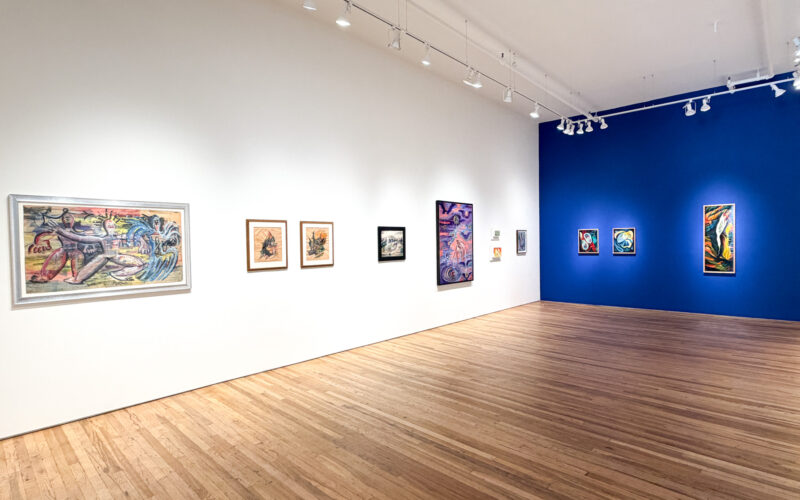
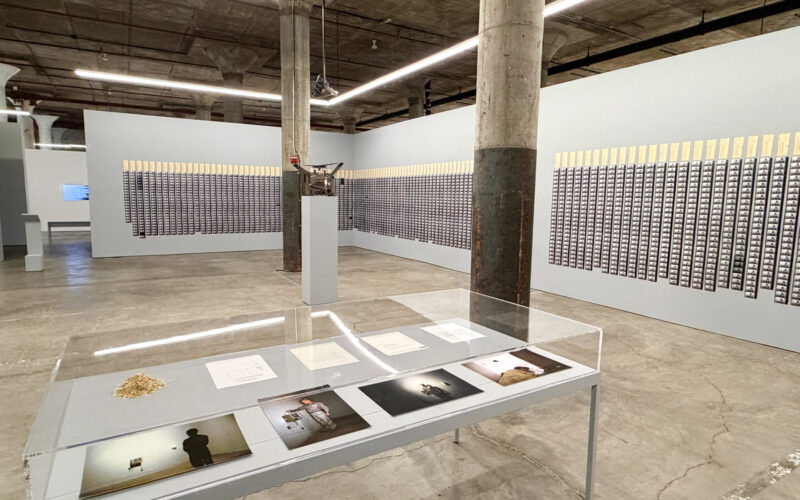
Warehouse TERRADA, which develops a wide range of art-related businesses centered on fine art storage, has opened the collectors’ museum “WHAT.”
Its aim is to open up works sleeping in the warehouses and create encounters with works collected by Japan’s leading collectors according to their own criteria of value.
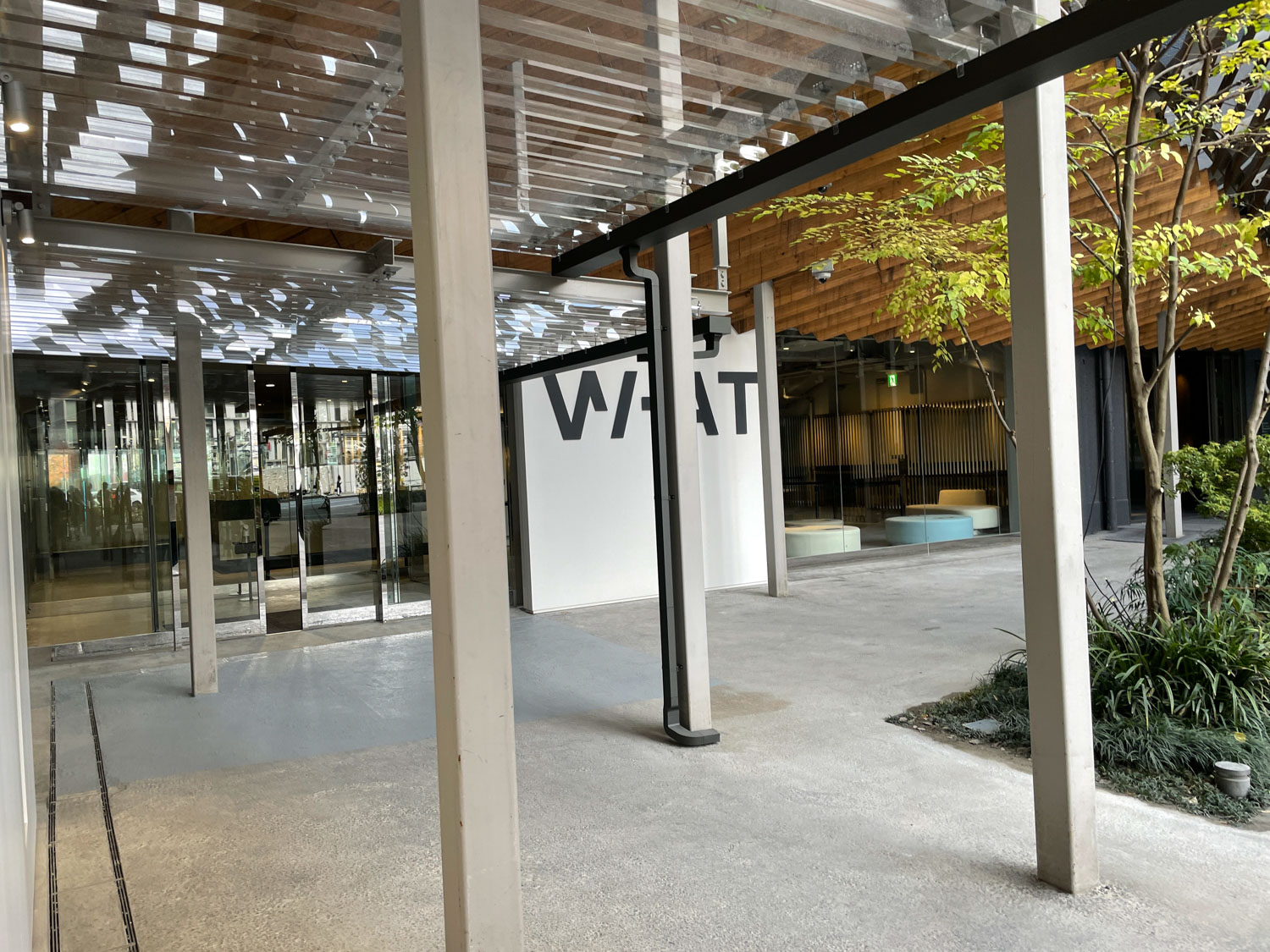
The official name is “WHAT (WAREHOUSE OF ART).”
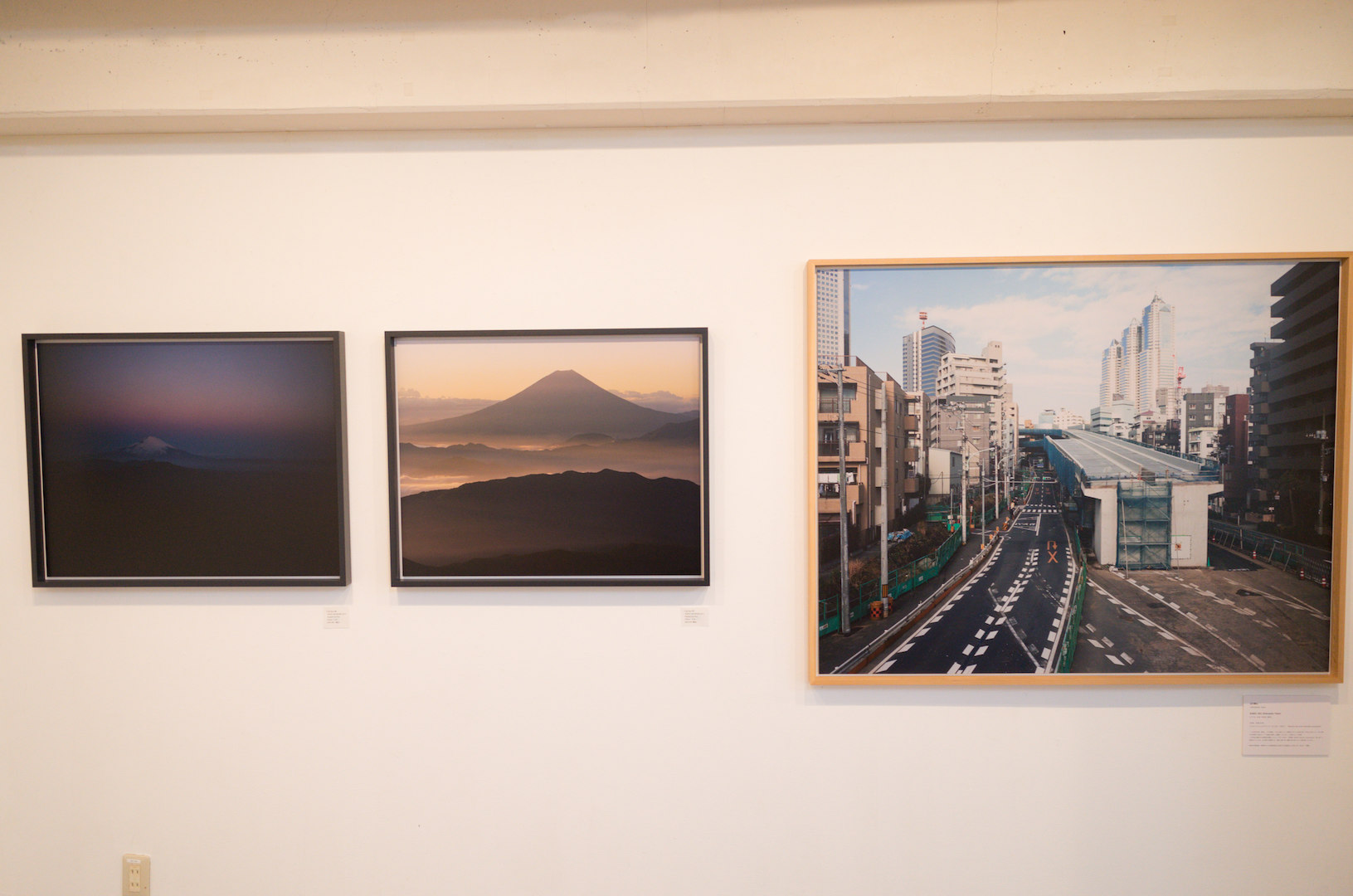
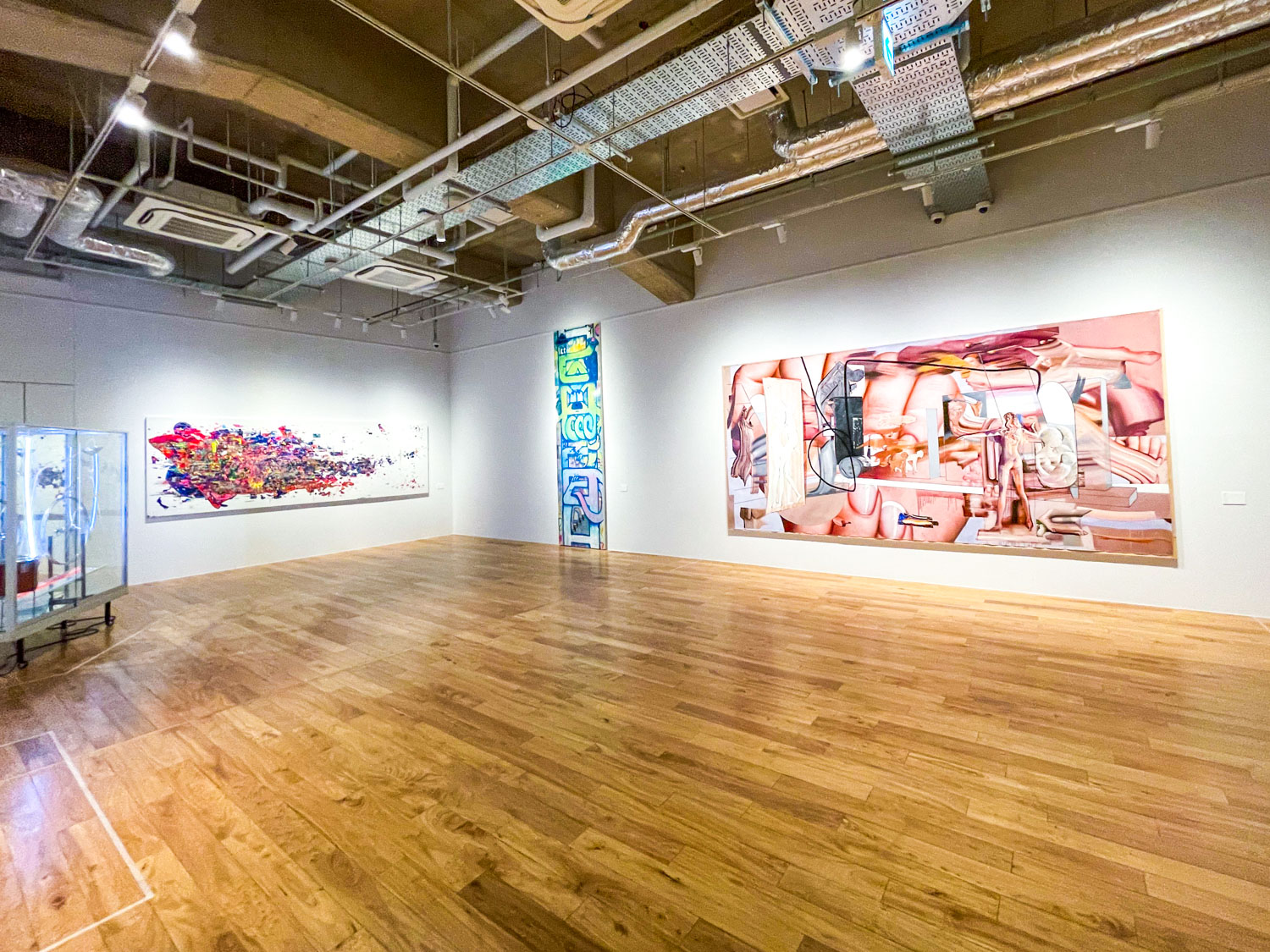
Under the concept of “opening up the warehouse to peek at art that cannot usually be seen,” works by artists active in the contemporary art scene are exhibited. The collectors chosen for the opening are Ryutaro Takahashi, known for the Takahashi Collection, and the anonymous Mr. A.
Ryutaro Takahashi Collection
Unusually, the Takahashi Collection featured many works by young artists.
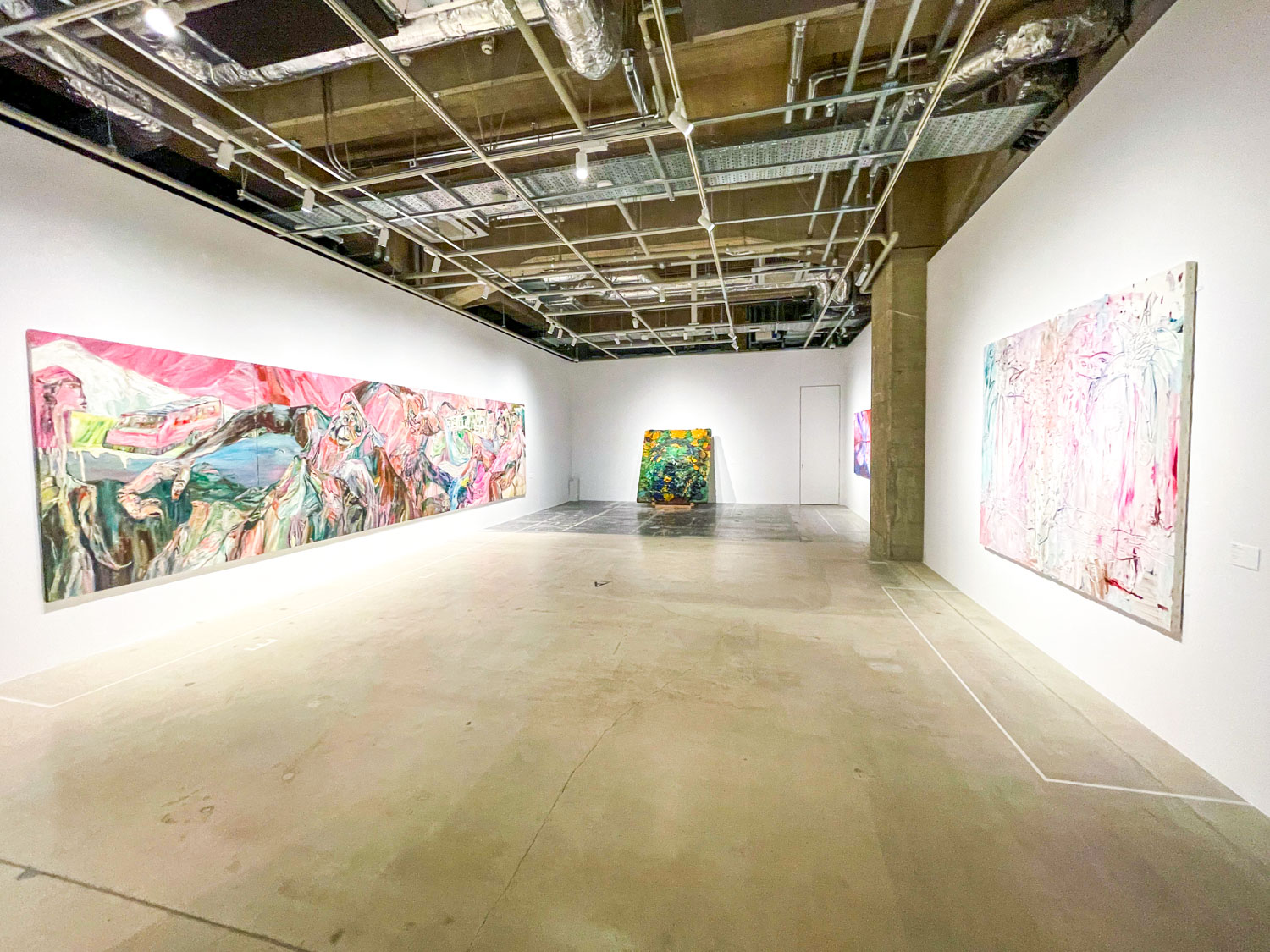
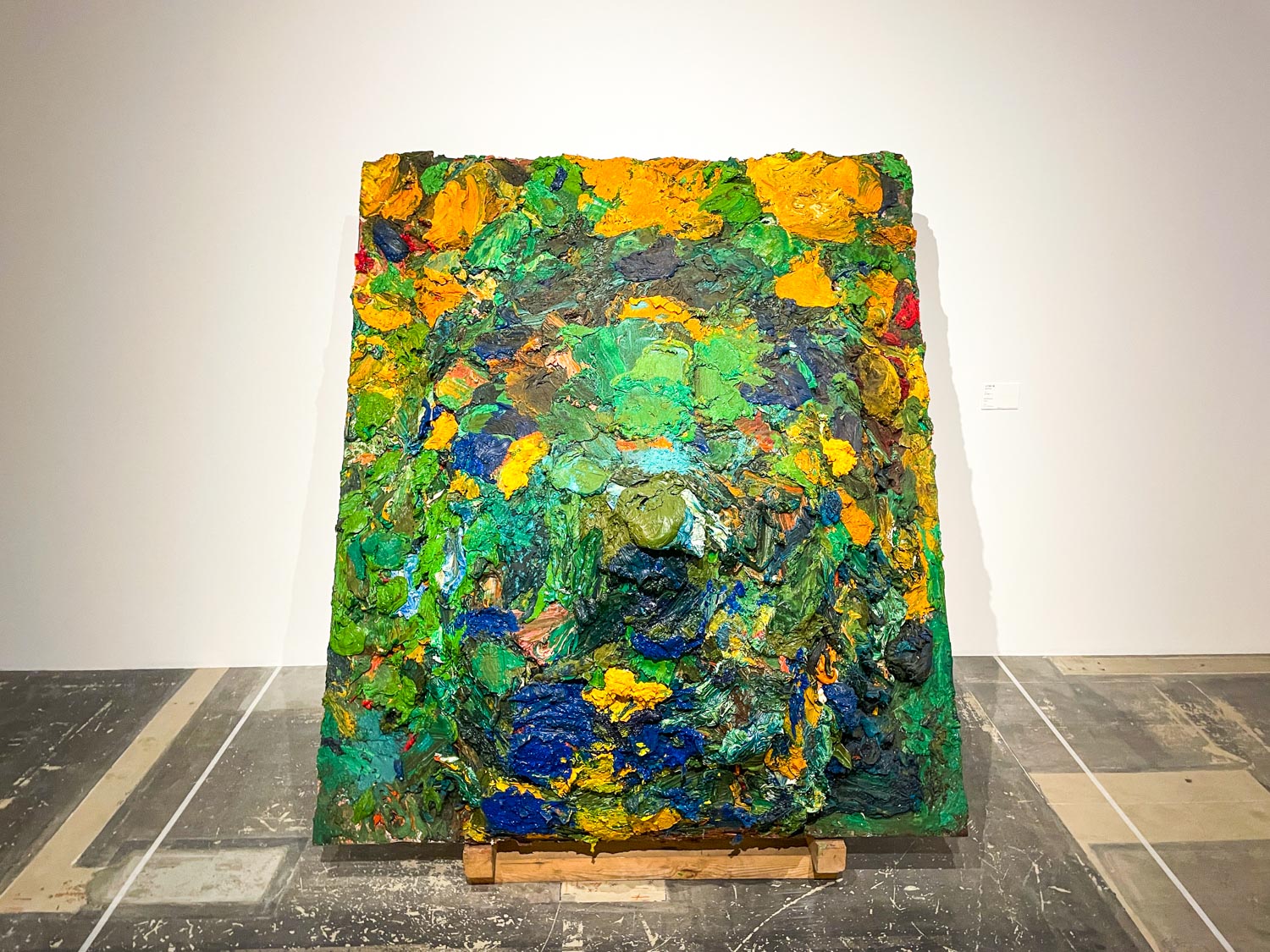
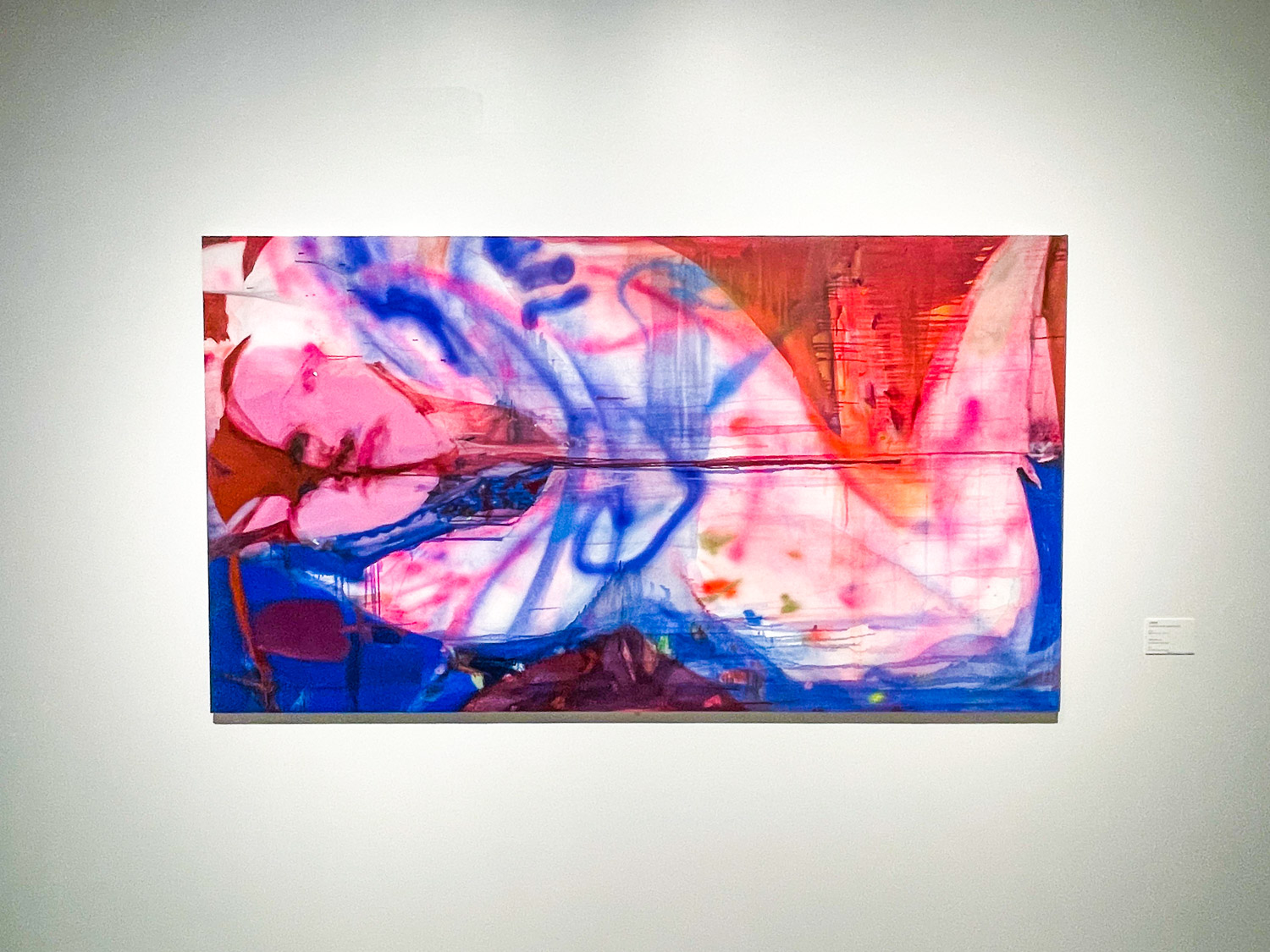
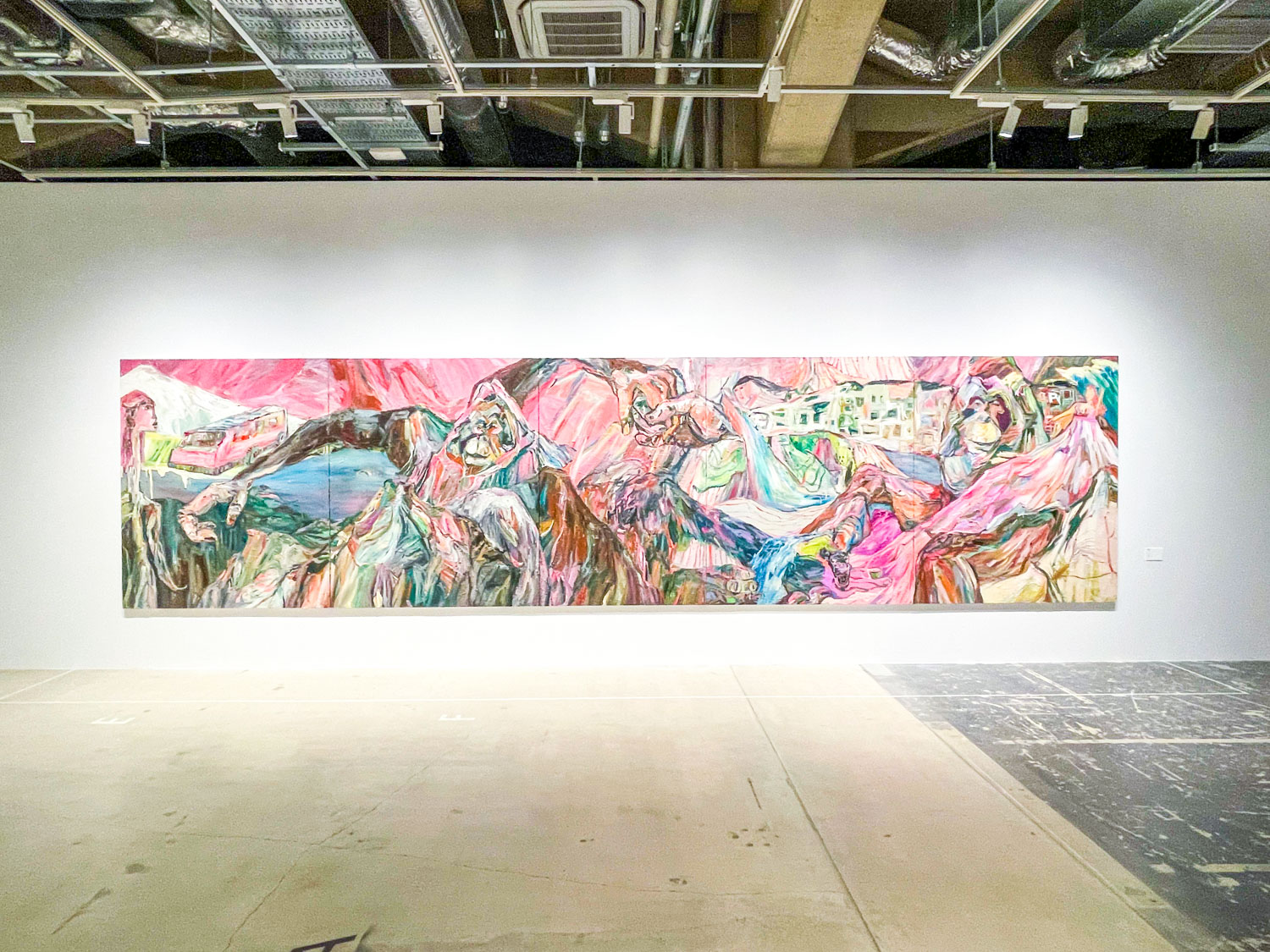
Ryutaro Takahashi’s very first collected artwork was extremely small in size, and moreover, he paid for it in installments. It was very much a start similar to that of ordinary collectors, and I felt a sense of closeness.
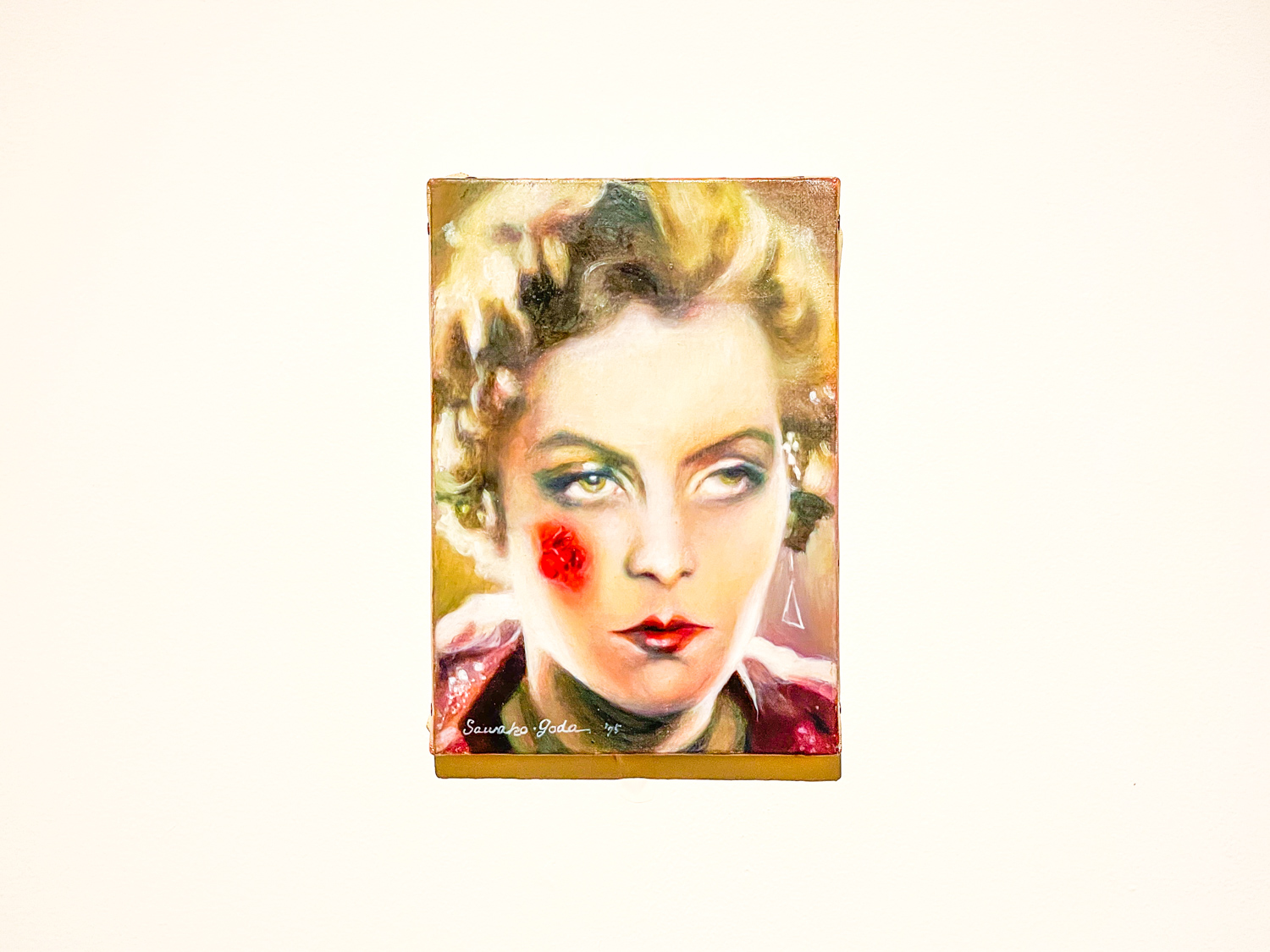
Ryutaro Takahashi — Actually, my first painting purchase was earlier than that. In 1979, just after I became a doctor, I bought a small portrait titled “Greta Garbo” by Sawako Goda at a gallery in Iikura. It was a wonderful work. But I had no money, so I remember paying it off at 10,000 yen a month. My struggle with payments had already begun at that time. Perhaps that made me wary, and for nearly 20 years after that, I did not want to buy paintings.
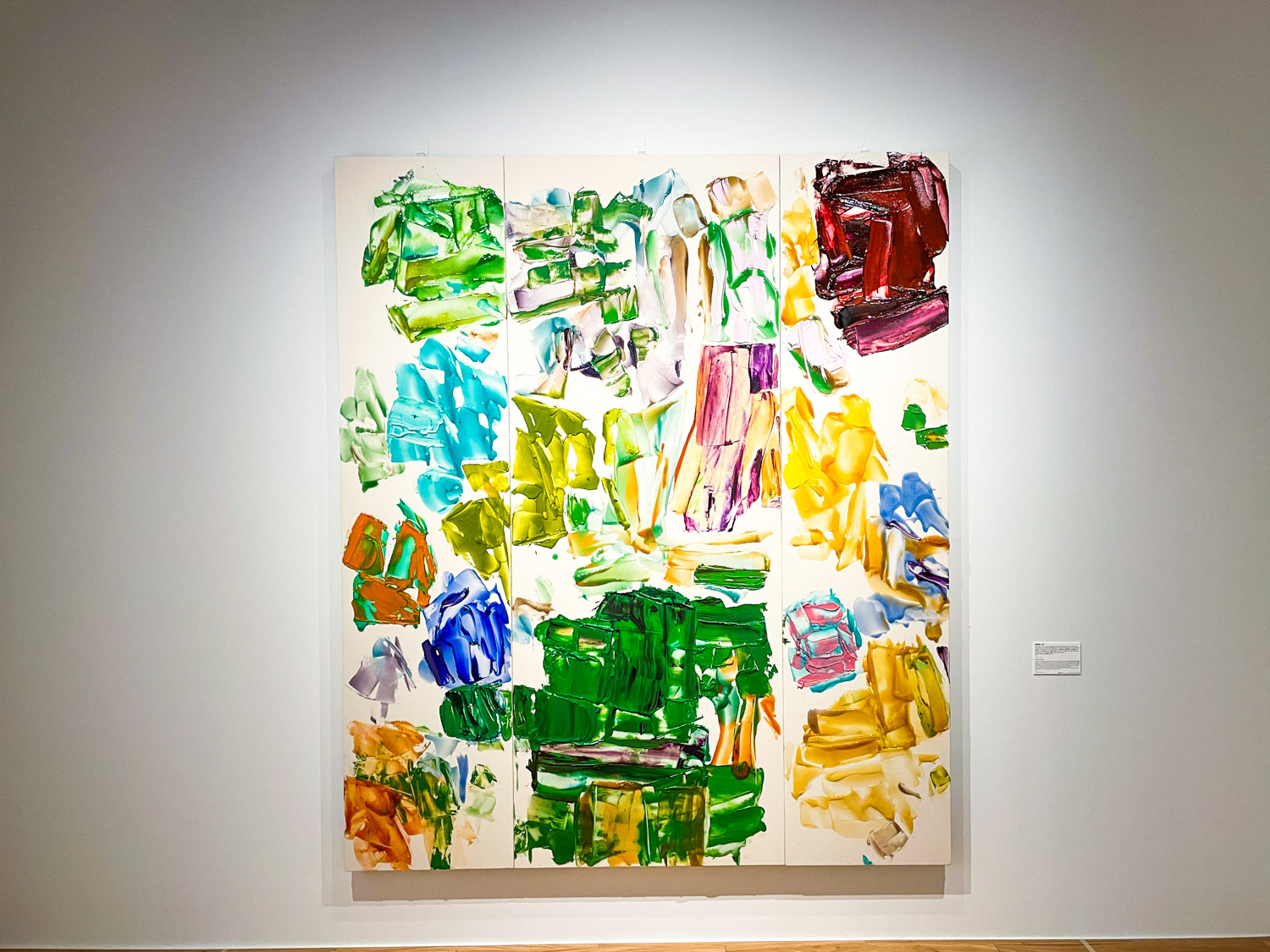
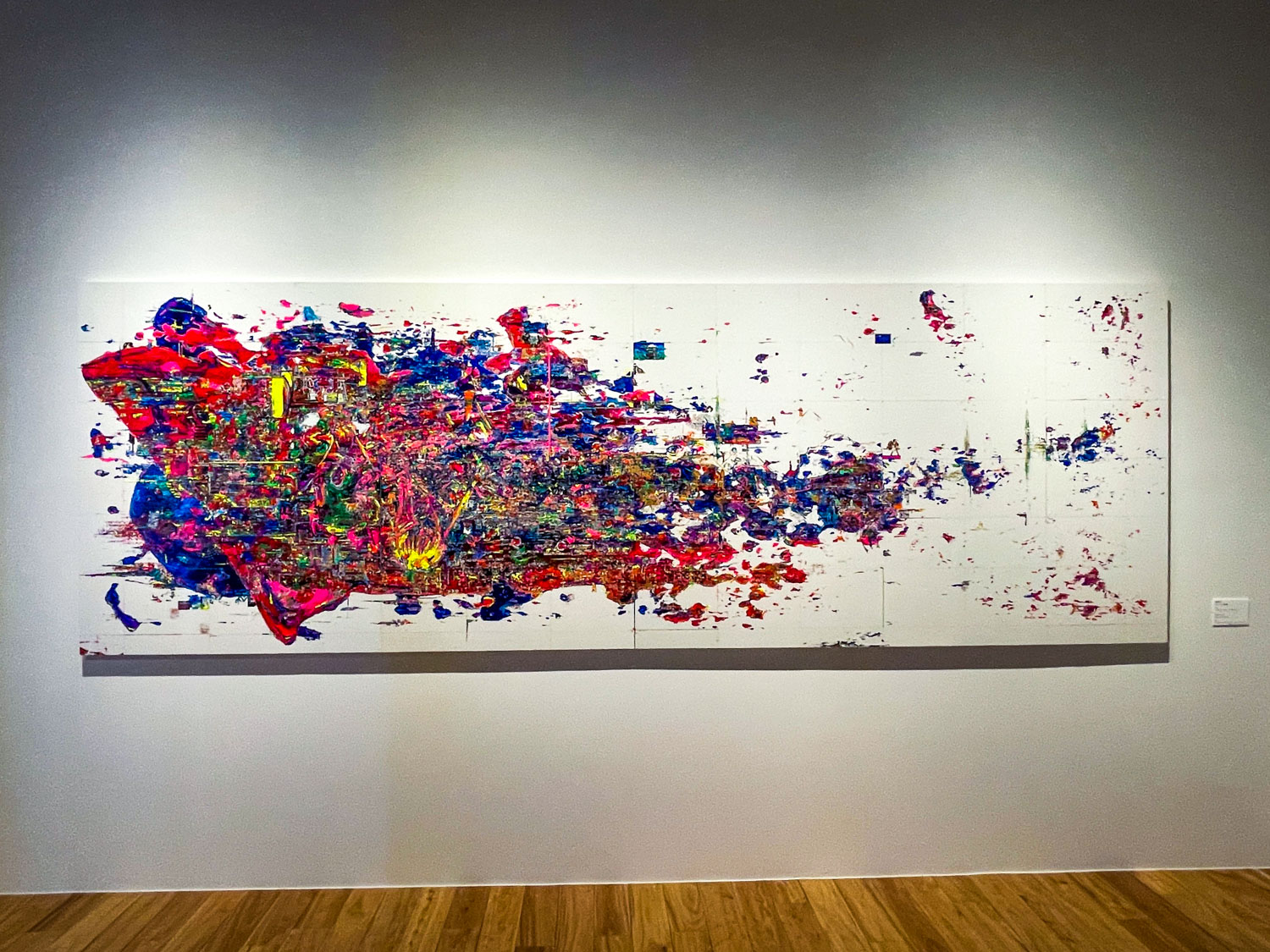
Ryutaro Takahashi — When I bought a small drawing by Kenjiro Okazaki made in 1997, I was truly nervous, and I asked myself whether I really had the ability to evaluate such abstract work.
Generally, when buying a figurative work, a collector can decide arbitrarily whether they like it or not and act with confidence, but with abstract works I feel as if the very limits of my aesthetic sense are being tested.In addition to the essence of the masterpieces, Kenjiro Okazaki extracts the essence of every medium of expression — literature, music, architecture, and more, from ancient to modern — and turns them into works. His overflowing impulse to express appears in these long titles. It is no exaggeration to say that I trust the Japanese art scene more than anywhere else because Kenjiro Okazaki exists.
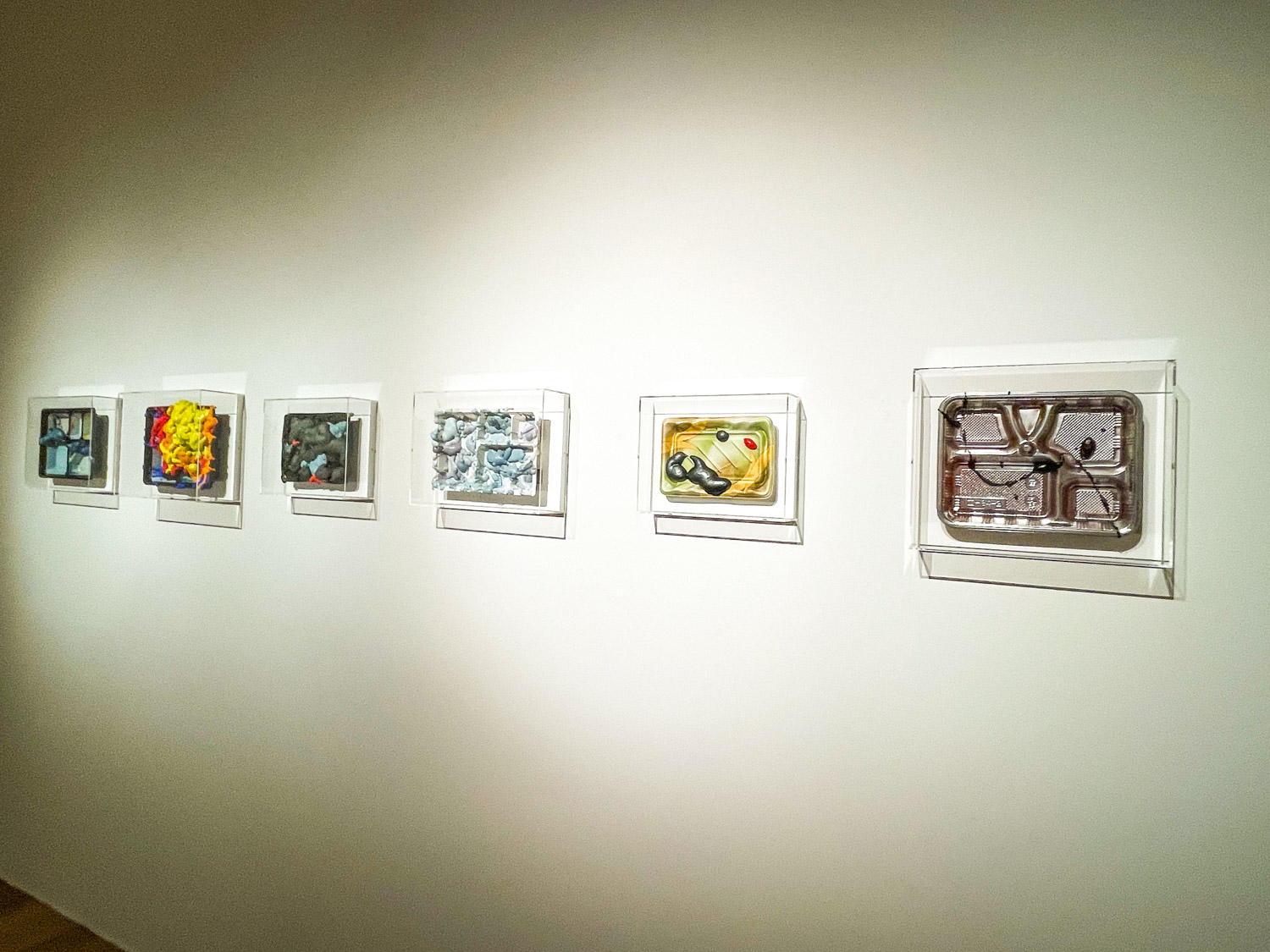
Ryutaro Takahashi — When I had a dialogue with Makoto Aida at the “Takahashi Collection: Face and Abstraction” exhibition held at the Kiyoharu Art Colony in 2018, I was convinced when I heard that every artist accumulates favorite lines and colors in their sketchbooks and, in a sense, is drawing a kind of abstract painting. This work by Makoto Aida painted on a lunch box can be called the crystallization of Aida’s aesthetic sense. He extracts only the essence from ancient and modern masterpieces and expresses it as abstract painting. This is that series.
About Ryutaro Takahashi
Psychiatrist and contemporary art collector. Born in Yamagata Prefecture in 1946, he spent his time from elementary school through high school in Nagoya. After graduating from Toho University School of Medicine, he entered the Department of Psychiatry and Neurology at Keio University. Following a stint dispatched to Peru as a medical specialist for the Japan International Cooperation Agency, he opened Takahashi Clinic in Kamata, Tokyo in 1990 and became its director. He began collecting contemporary art in earnest in 1997, and his holdings now exceed 2,000 works. To date, Takahashi Collection exhibitions have been held at 21 museums and other venues in Japan and abroad. Notable examples include the 2015 “Takahashi Collection Exhibition: Mirror Neuron” (Tokyo Opera City Art Gallery) and the 2015–2016 “Cosmos/Intime — Collection Takahashi: Inner Cosmos — The Takahashi Collection” (Maison de la culture du Japon à Paris). His publications include “Contemporary Art Collector” (Kodansha Modern Library) and many others.
Mr. A’s Collection
The anonymous Mr. A is a male collector currently in his early 50s.
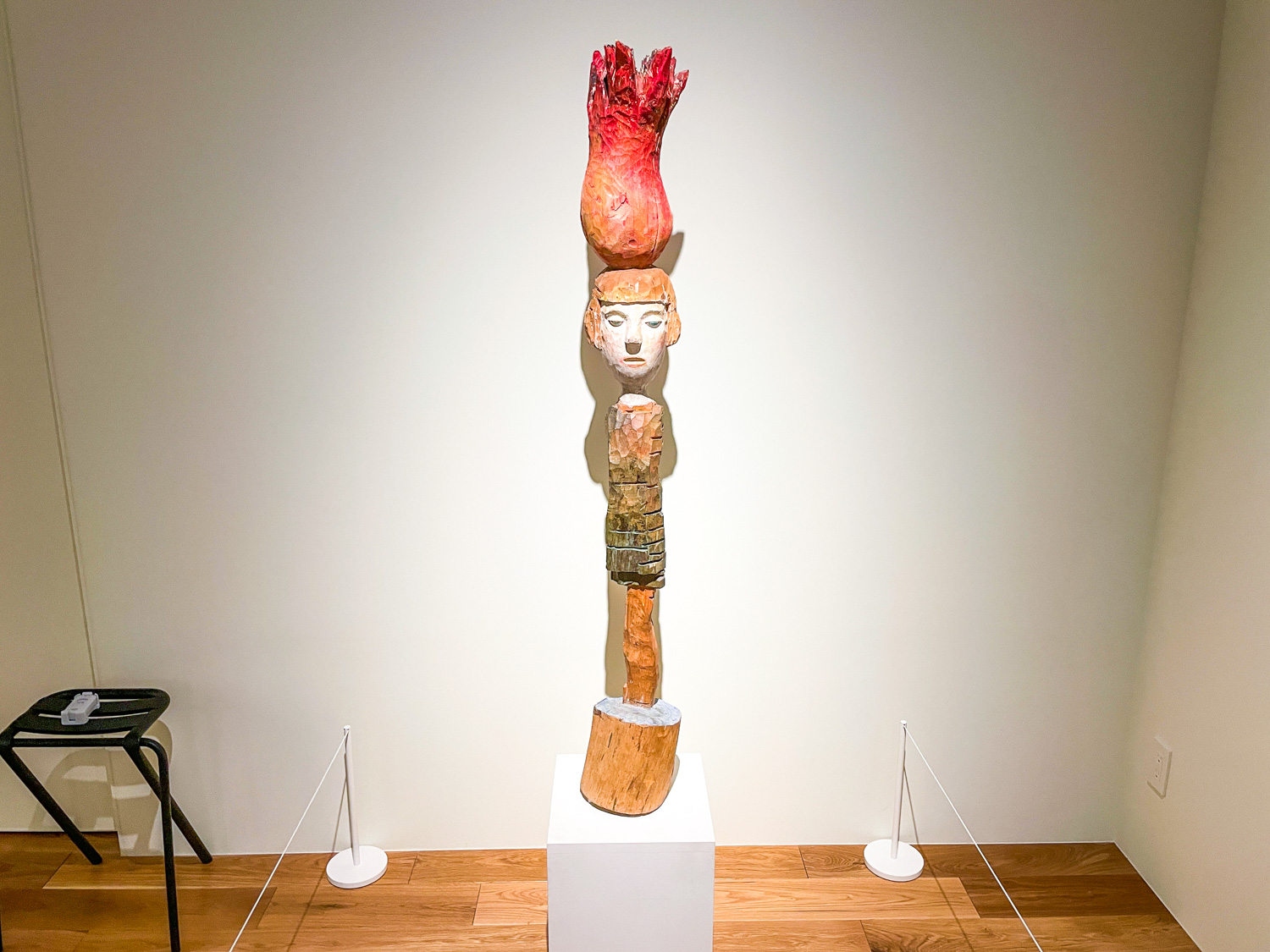
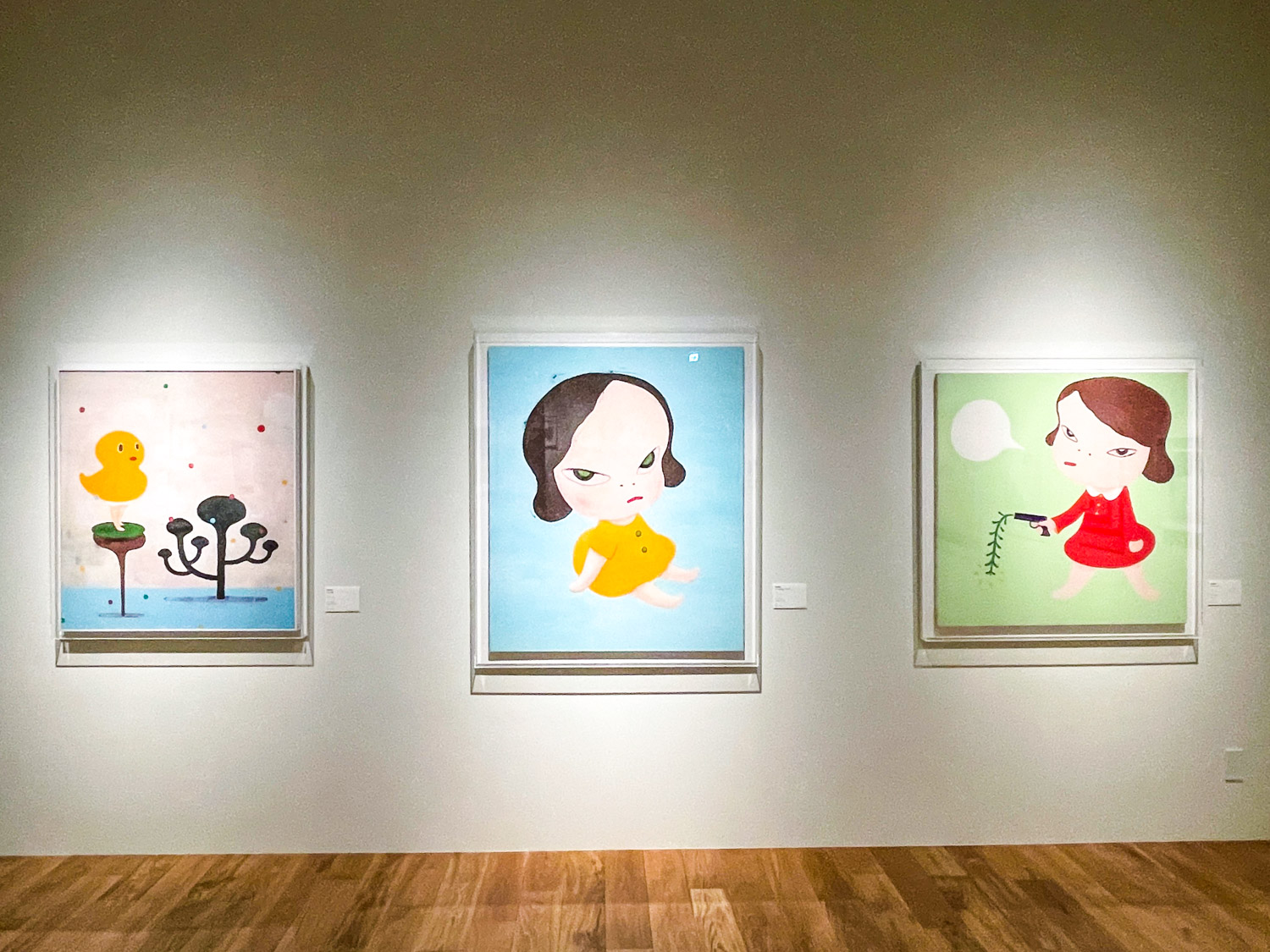
He exhibited only works by Yoshitomo Nara. The form of intensively collecting a single artist was expressed through the display.
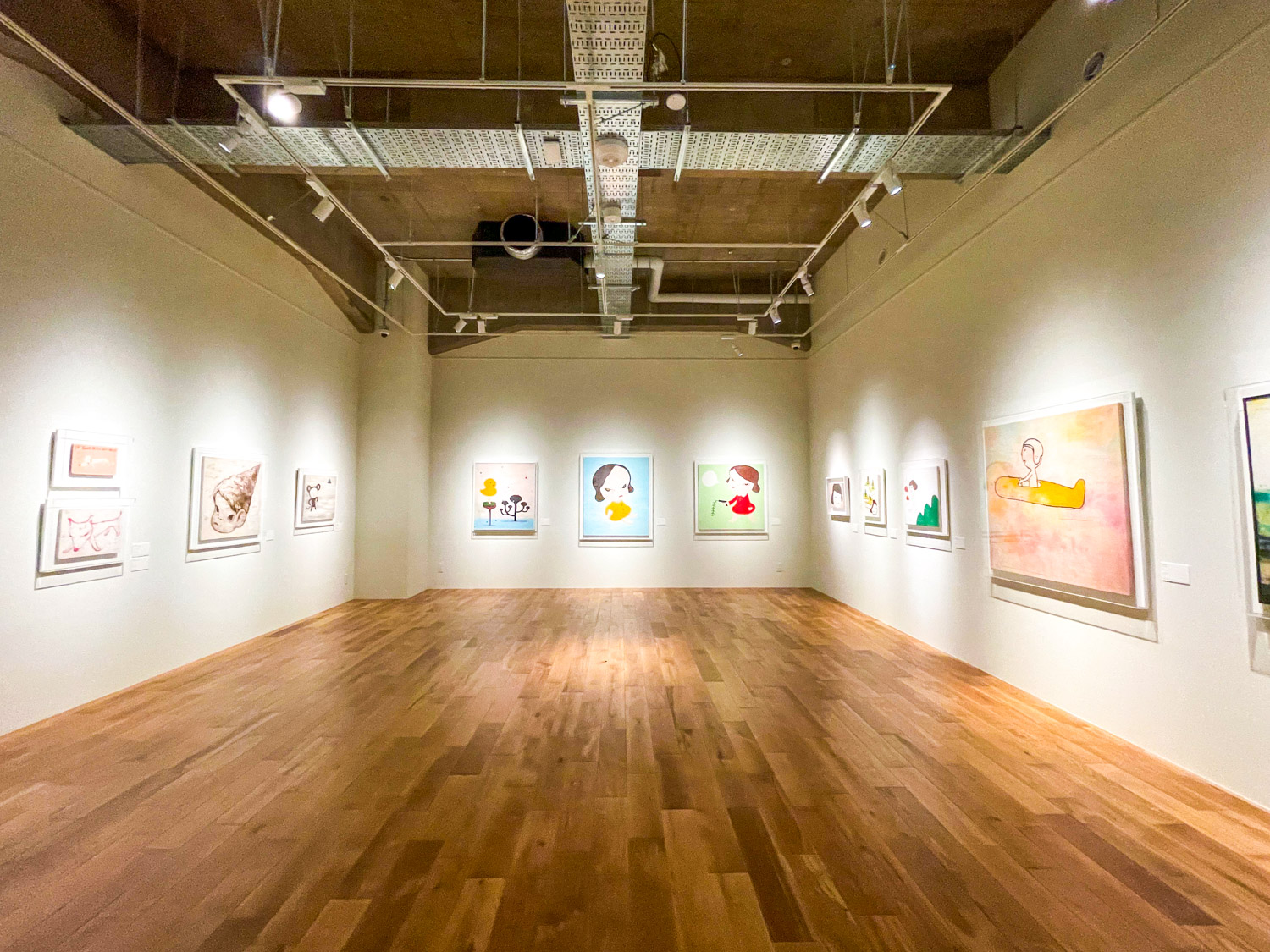
His encounter with Yoshitomo Nara’s work was the solo exhibition “I DON’T MIND, IF YOU FORGET ME.” held at the Yokohama Museum of Art in 2001. He was captivated by the works, and his collecting began soon after.
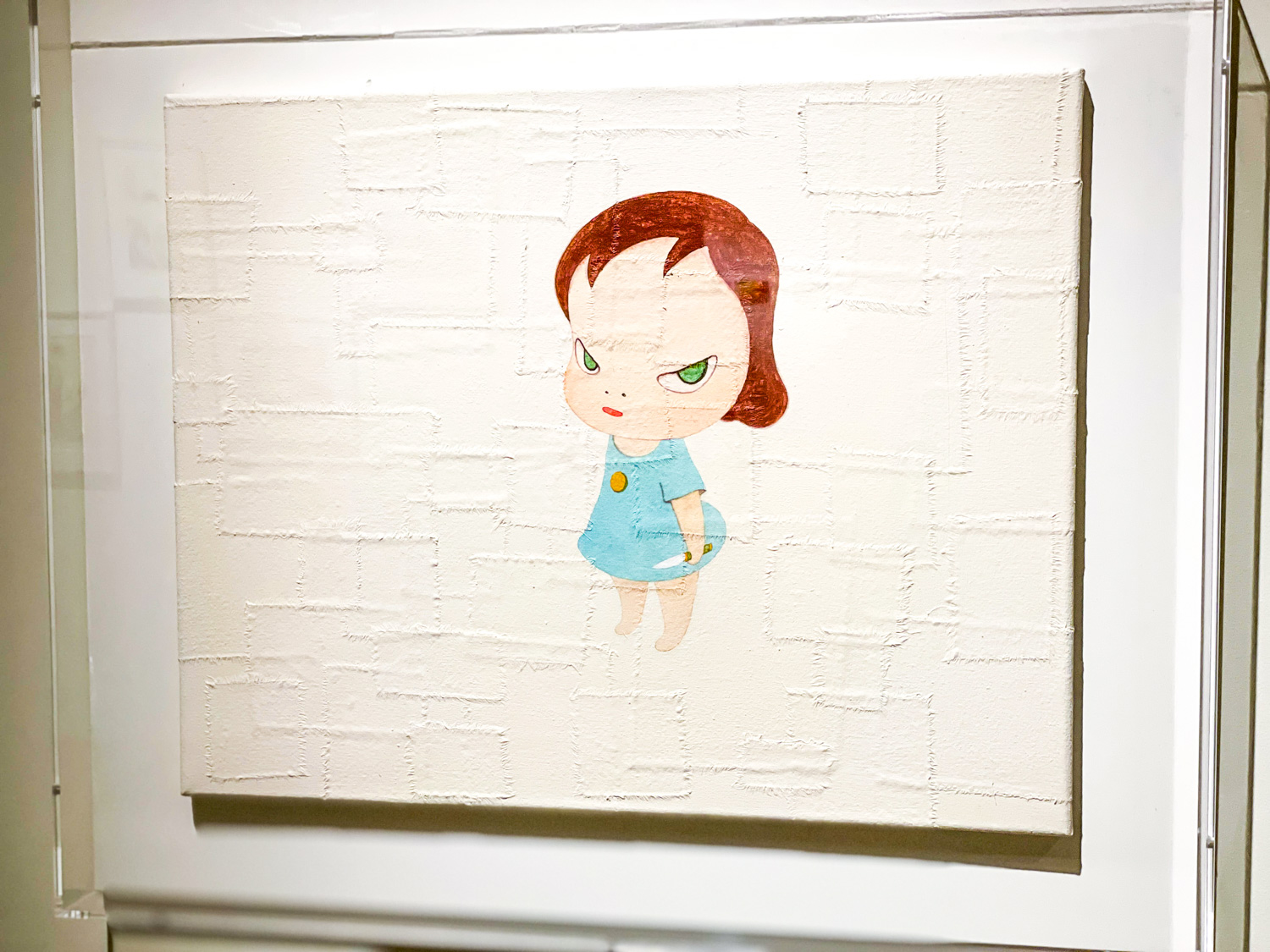
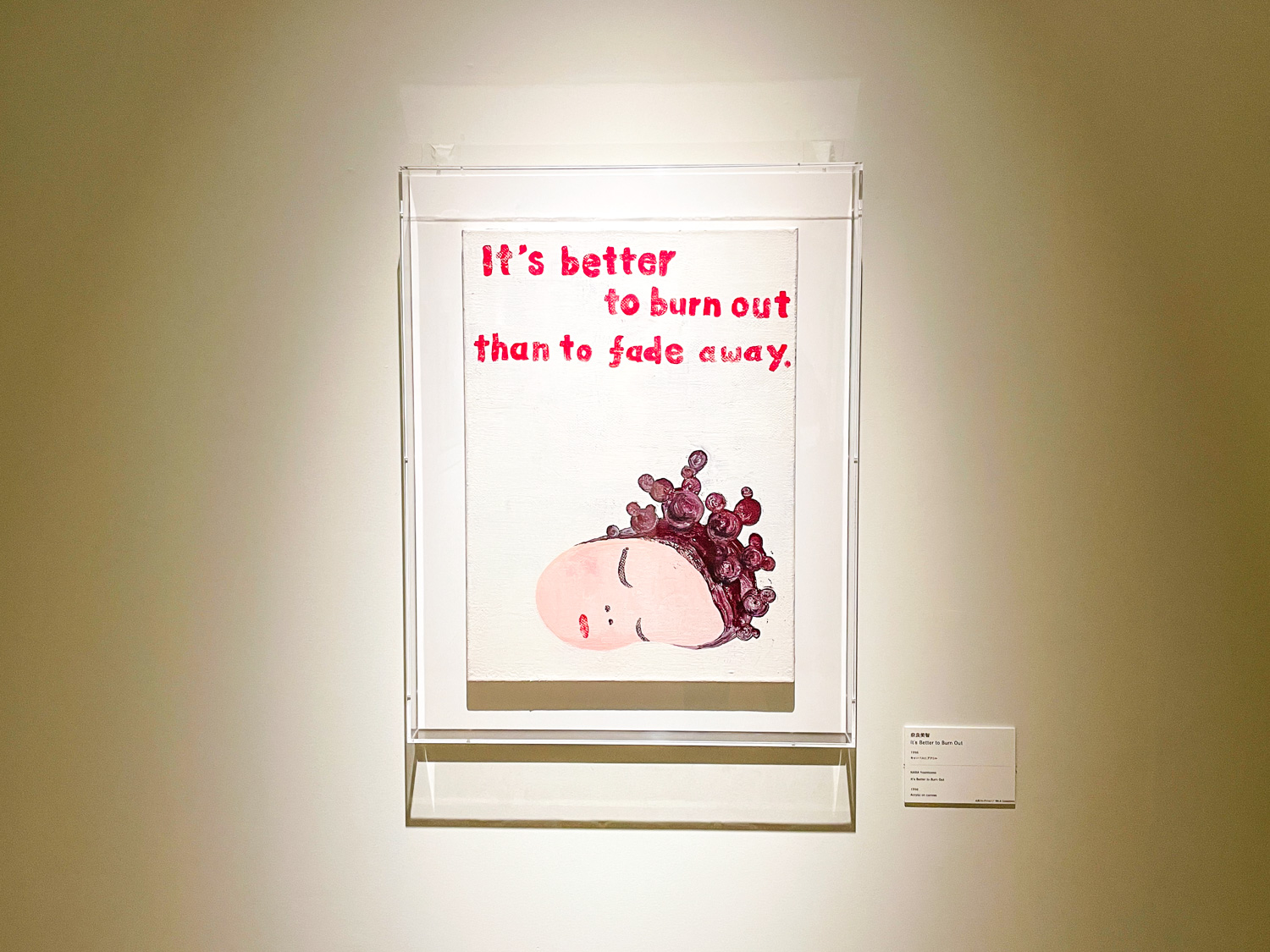
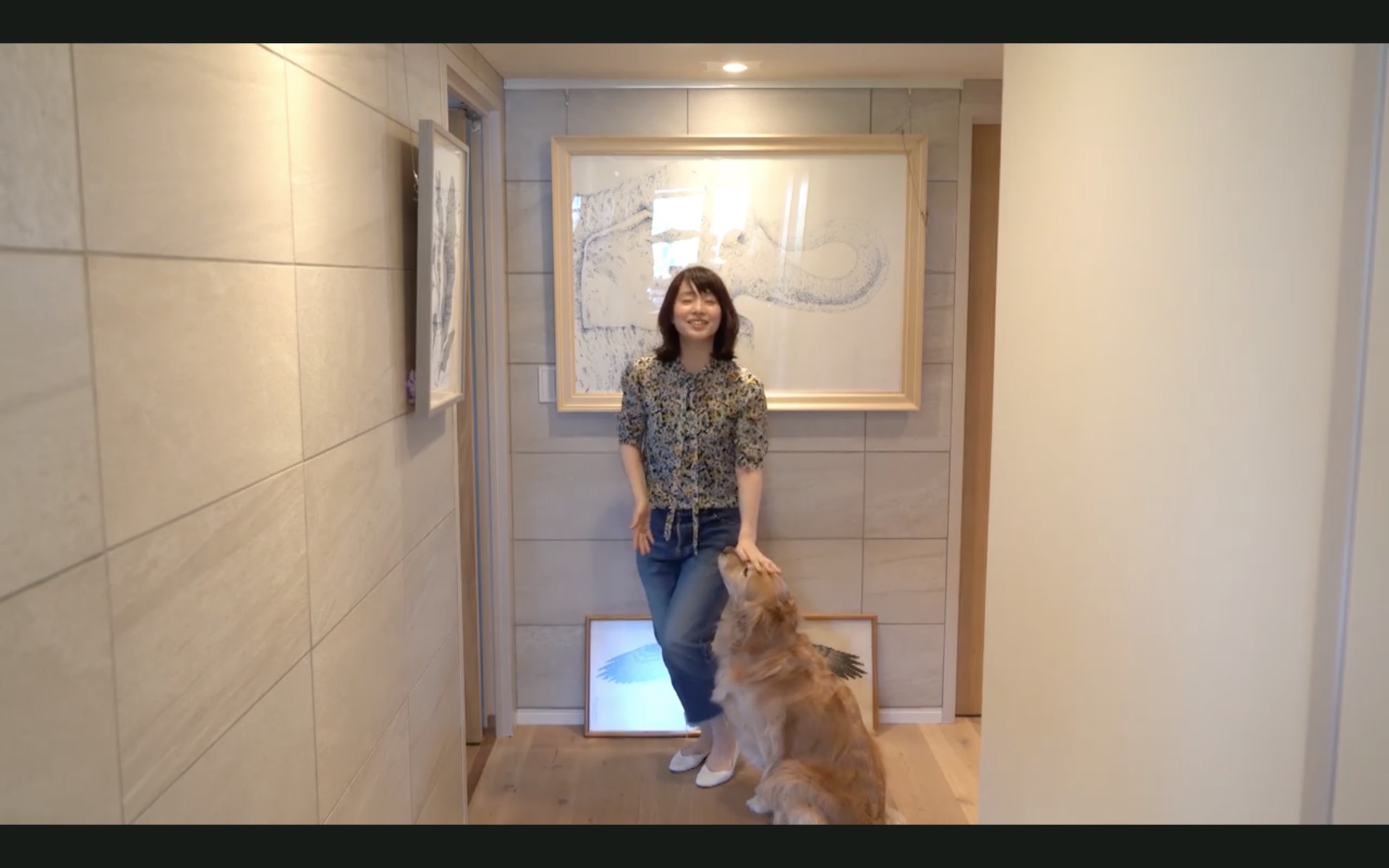
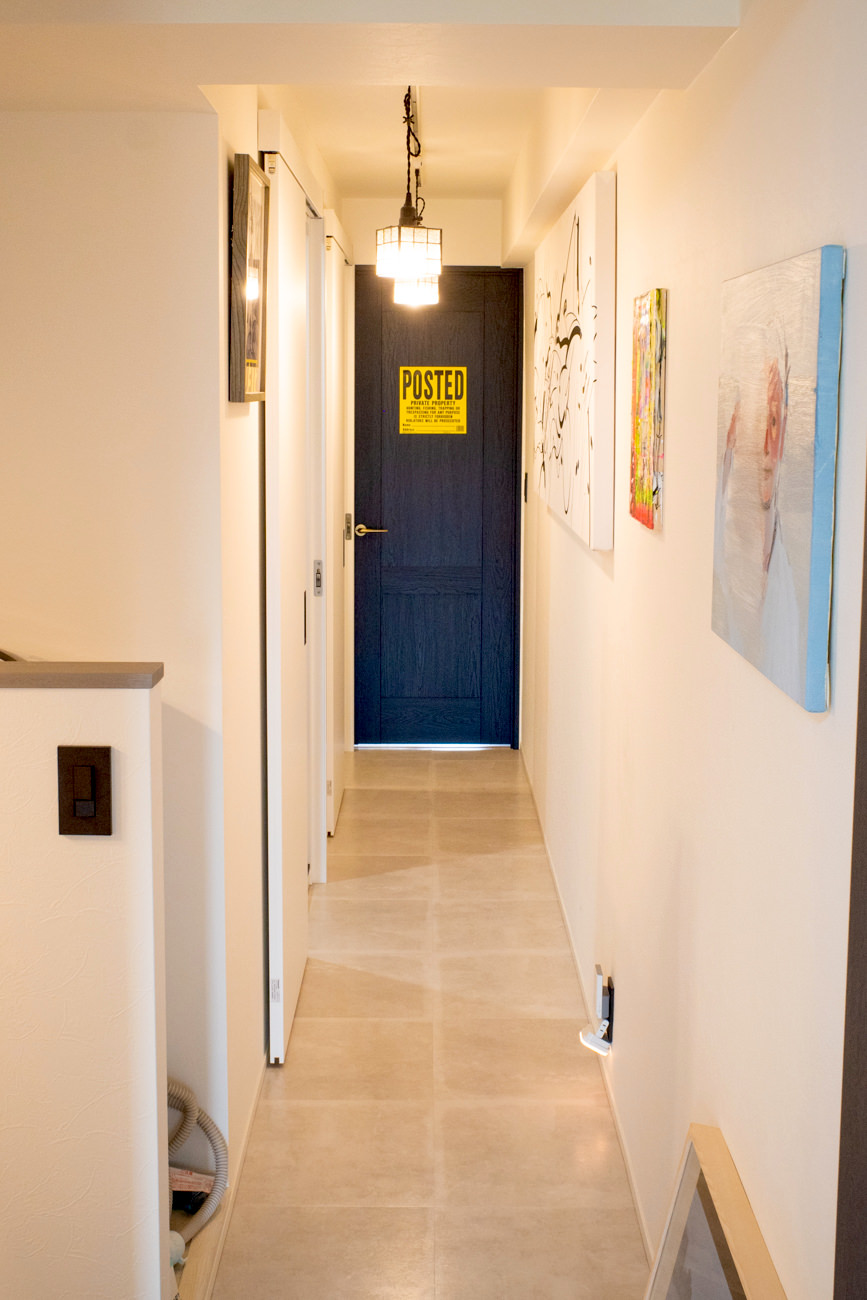
Basically all works are framed, and he told episodes of a life in which art is intimately intertwined with daily living — he rotates the display of works at home.
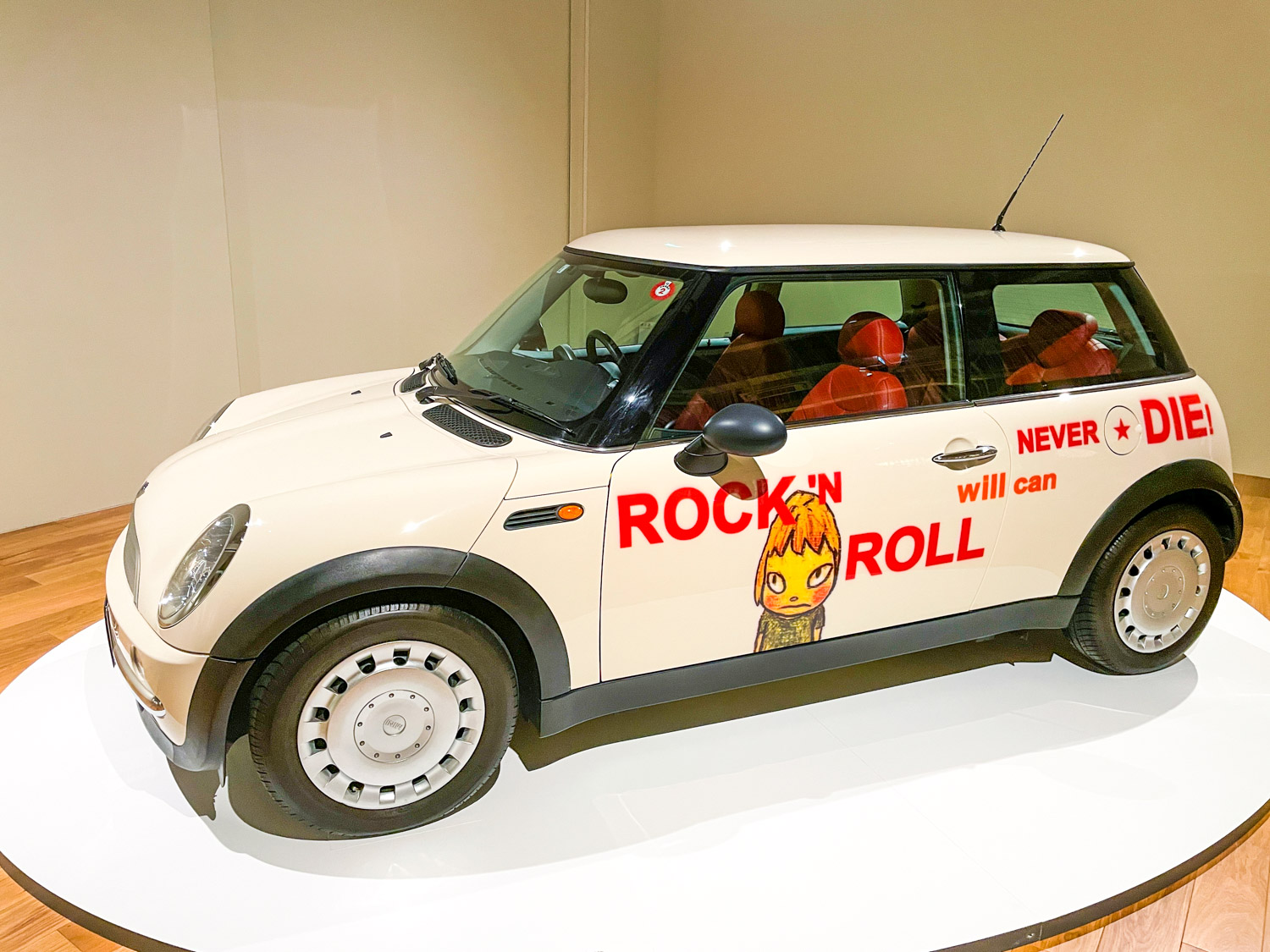
He also occasionally enjoys driving the painted MINI he purchased at auction.
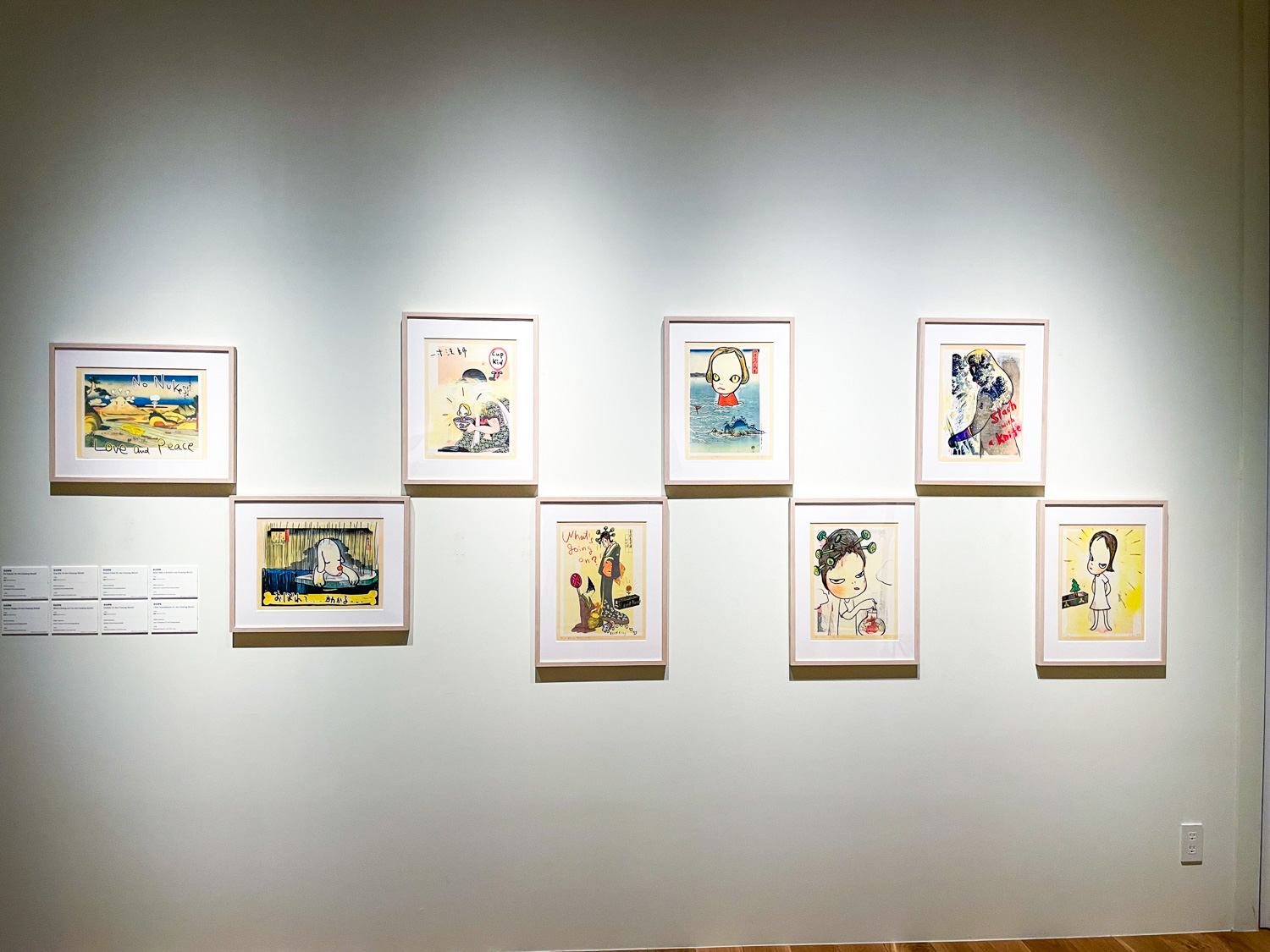
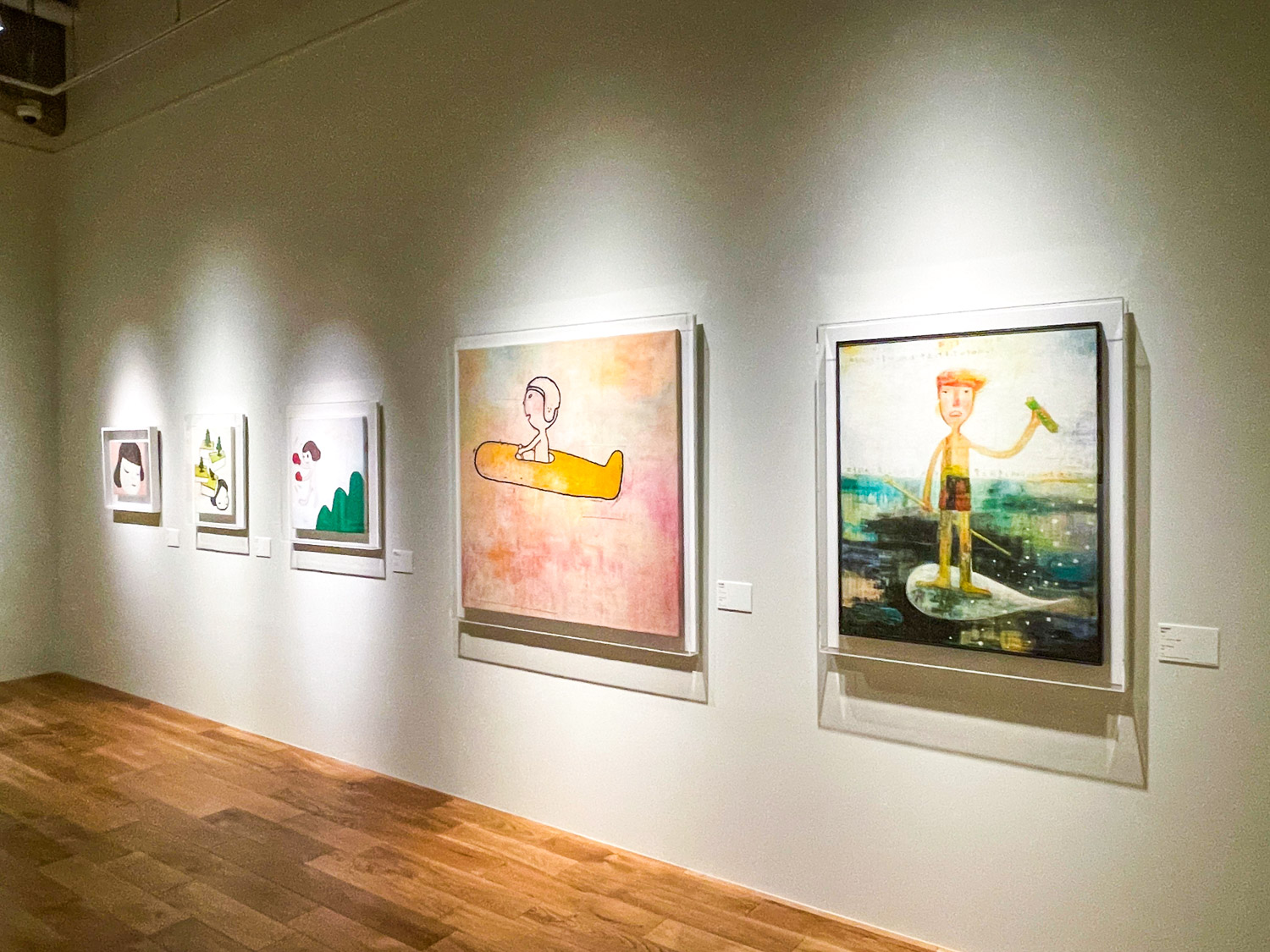
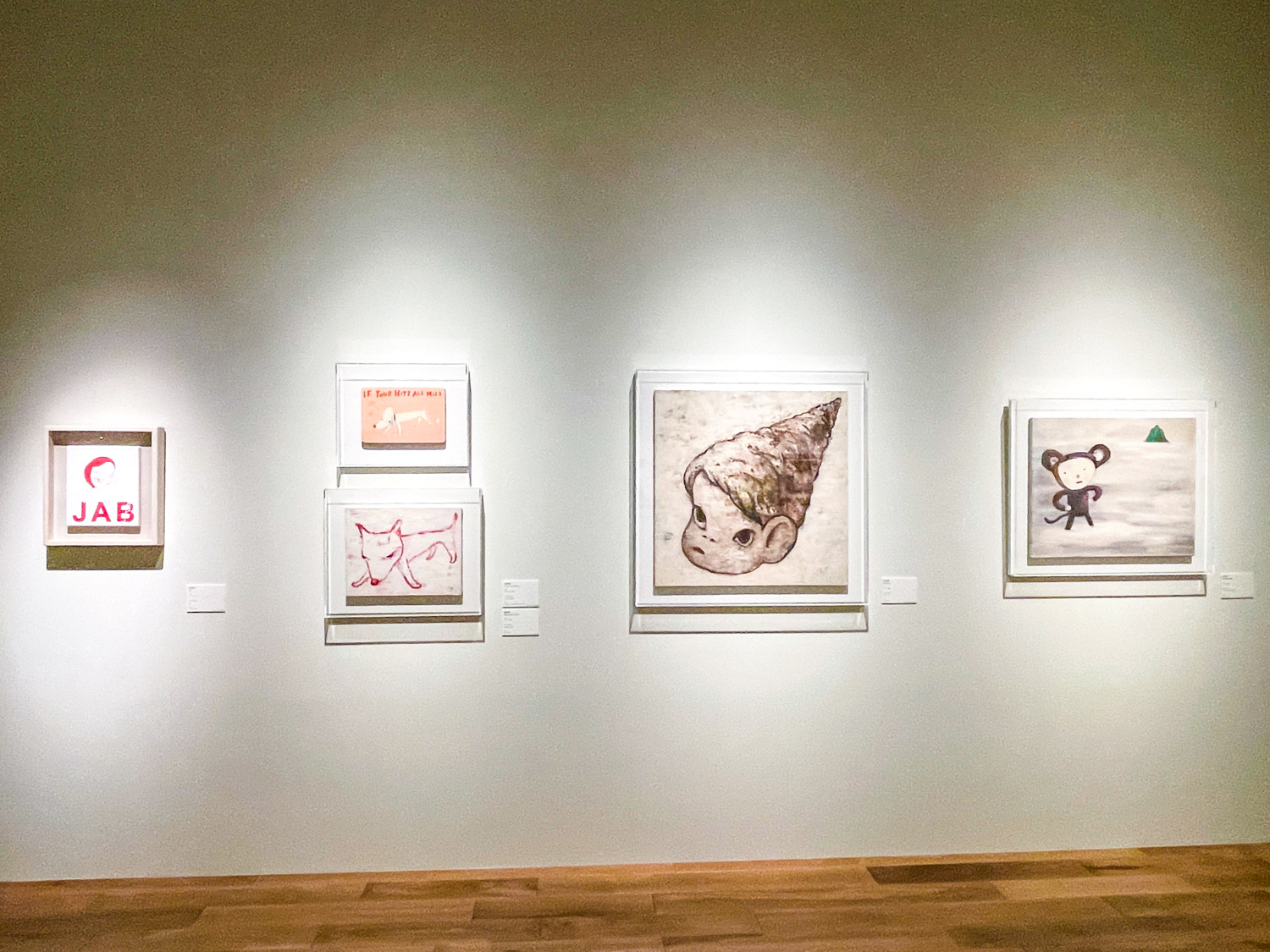
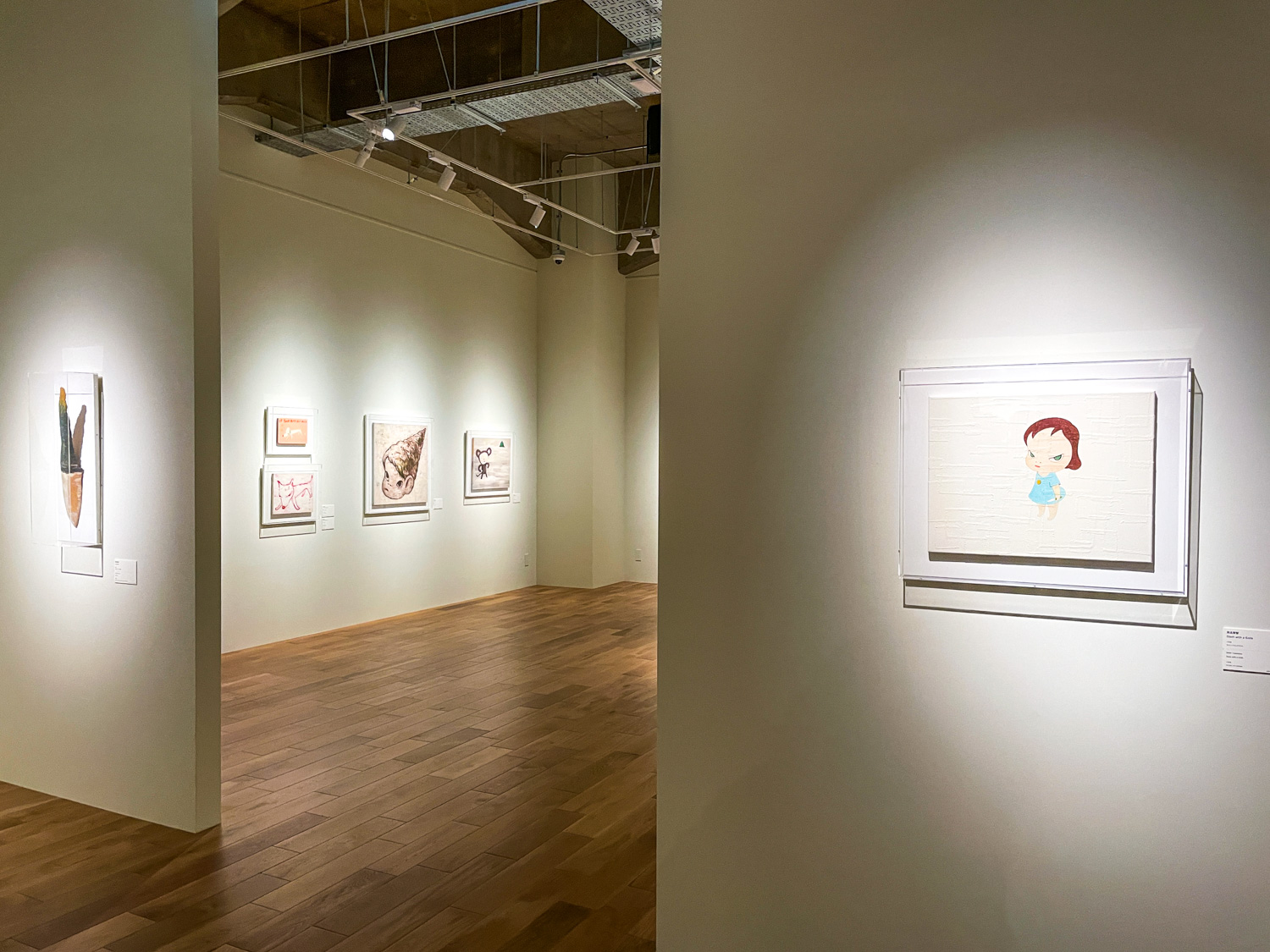
About Mr. A
Japanese entrepreneur and investor. Born in 1969, from Chiba Prefecture. After graduating from university, he joined an investment firm and was responsible for investing in and nurturing venture businesses. He then took several companies public, and while currently serving as CEO of a listed company, he is also active as an angel investor in various venture businesses. His collecting began in 2001 when he saw Yoshitomo Nara’s works at a museum. While collecting focuses on Yoshitomo Nara, he continues to collect without restricting himself to contemporary art.
Both showed collections with strong personal convictions.
I want to applaud the initiative to present collectors’ collections in a splendid space, and the opportunity to see so many precious works at once.