Nana Kuromiya “Utsushiki Awohitokusa”
We visited “Utsushiki Awohitokusa,” a solo exhibition by Nana Kuromiya, a contemporary artist based in Kyoto.
The venue is KYOTO-ba.
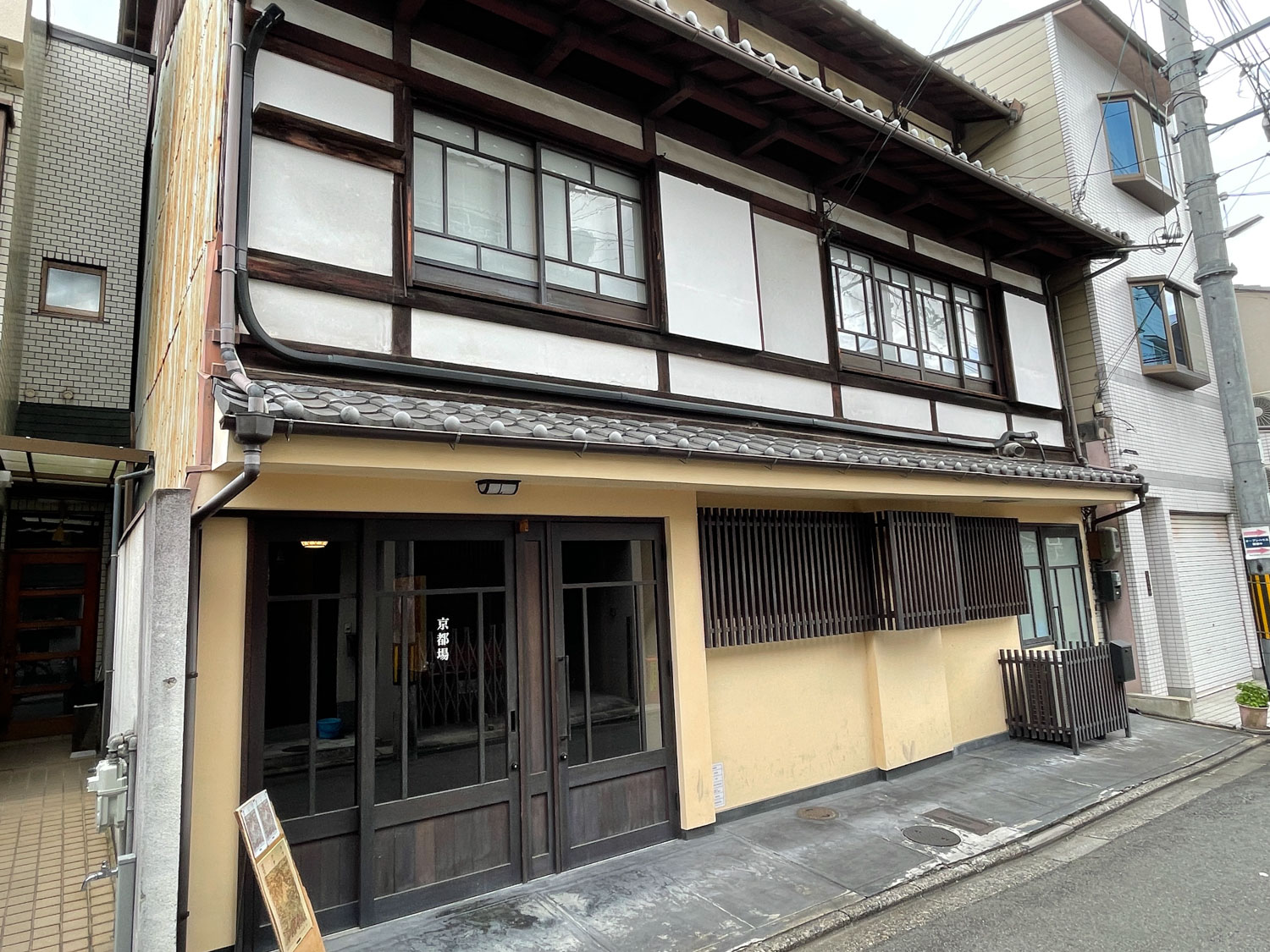
KYOTO-ba is a machiya townhouse built in the Taisho era that was once used as a workshop for Kyo-zome (Kyoto-style dyeing).
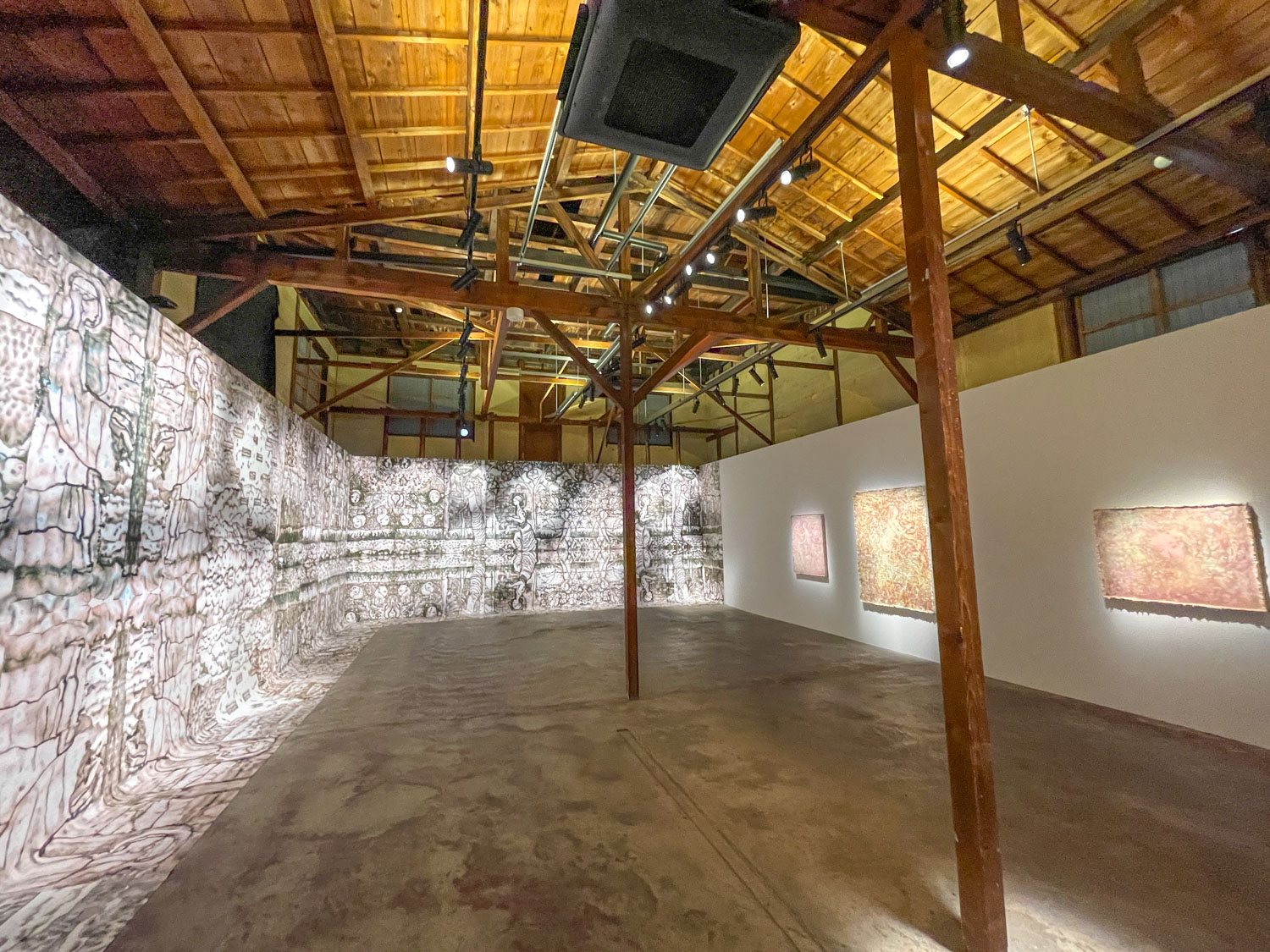
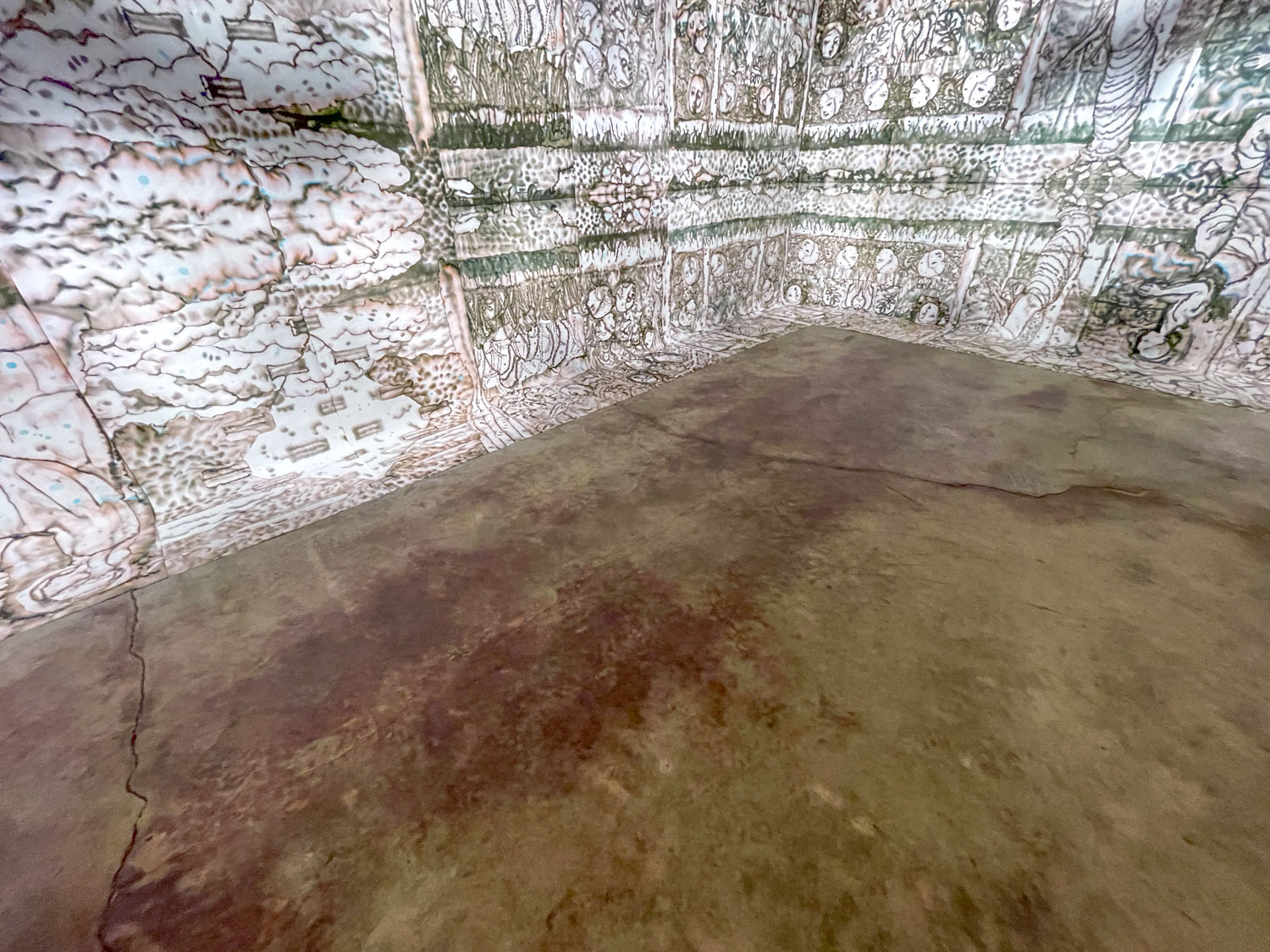
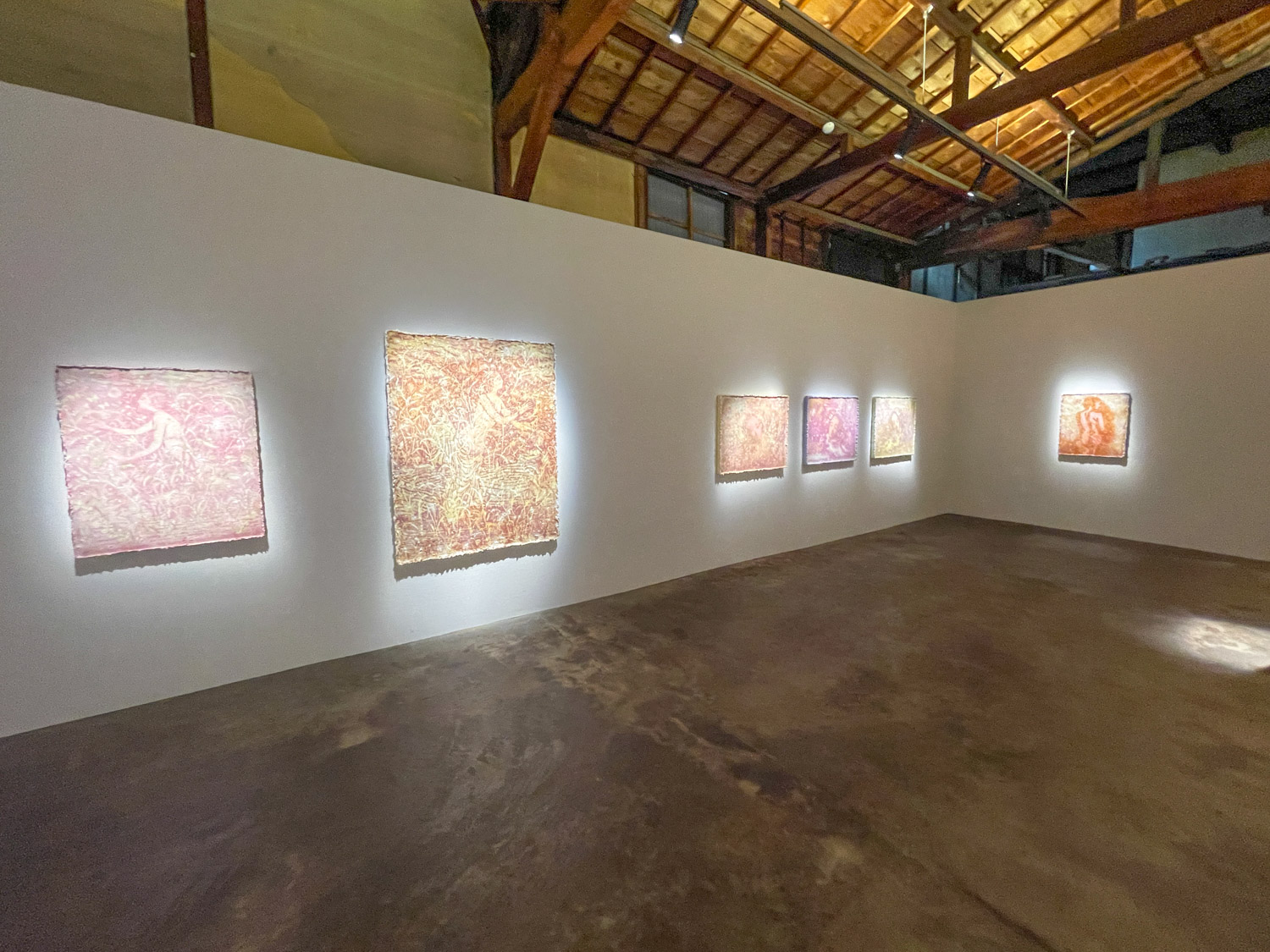
The exhibition program centers on works related to “dyeing,” and the greatest highlight of this show was a monumental piece using dyes, spanning 17,100 mm (17.1 meters) wide and 3,600 mm (3.6 meters) tall.
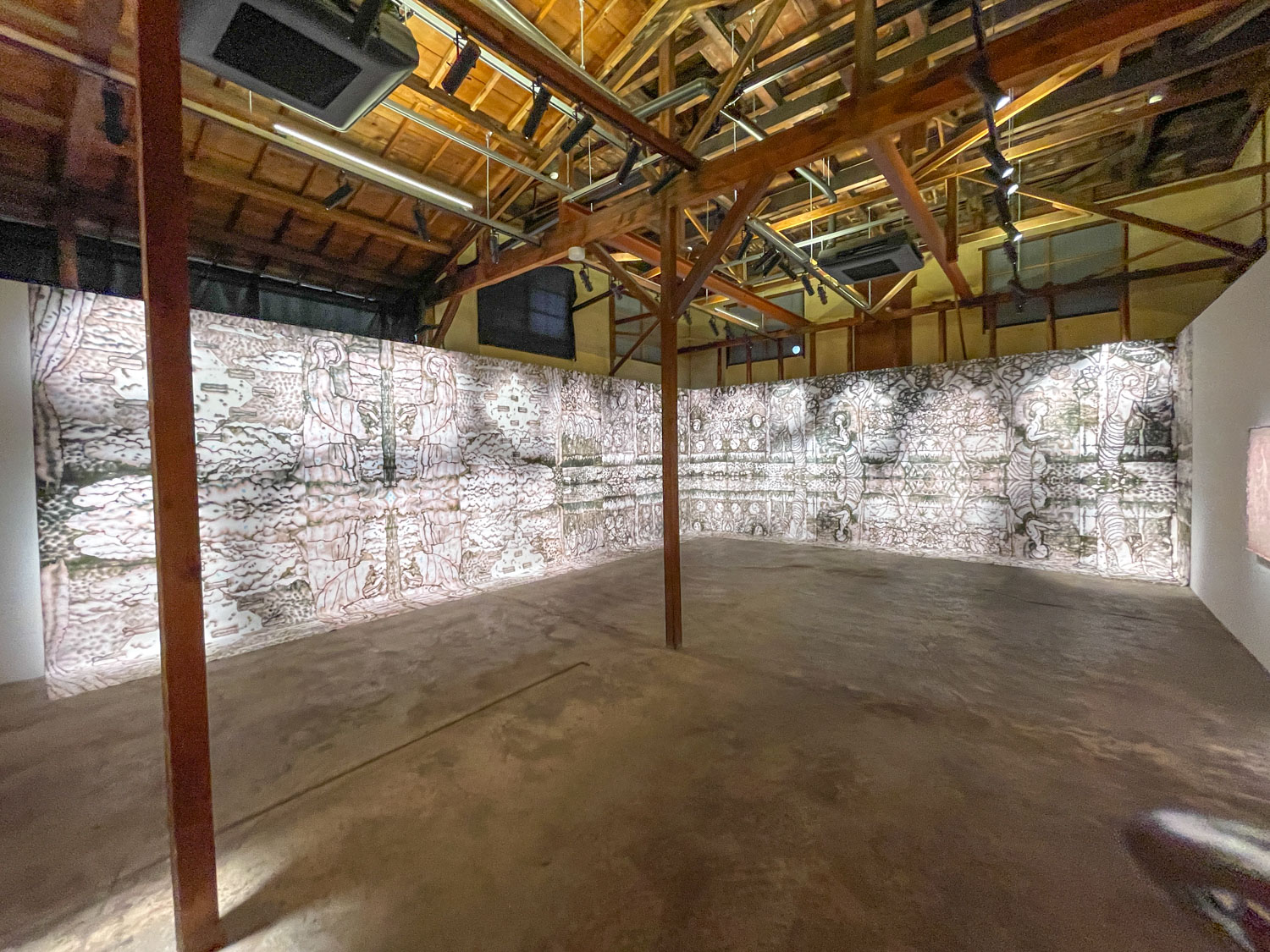
This work “Utsushiki Awohitokusa” was created by layering four sheets of washi and painting with dyes.
The pale surface of the dyes soaking into the washi blended comfortably with the space, offering a soothing viewing experience.
Nana Kuromiya is an artist who draws inspiration from the Kojiki and expresses it through painting. She received the Encouragement Prize at the VOCA 2020 exhibition.
While this exhibition draws attention to the wall painting, her signature works are her distinctive oil paintings.
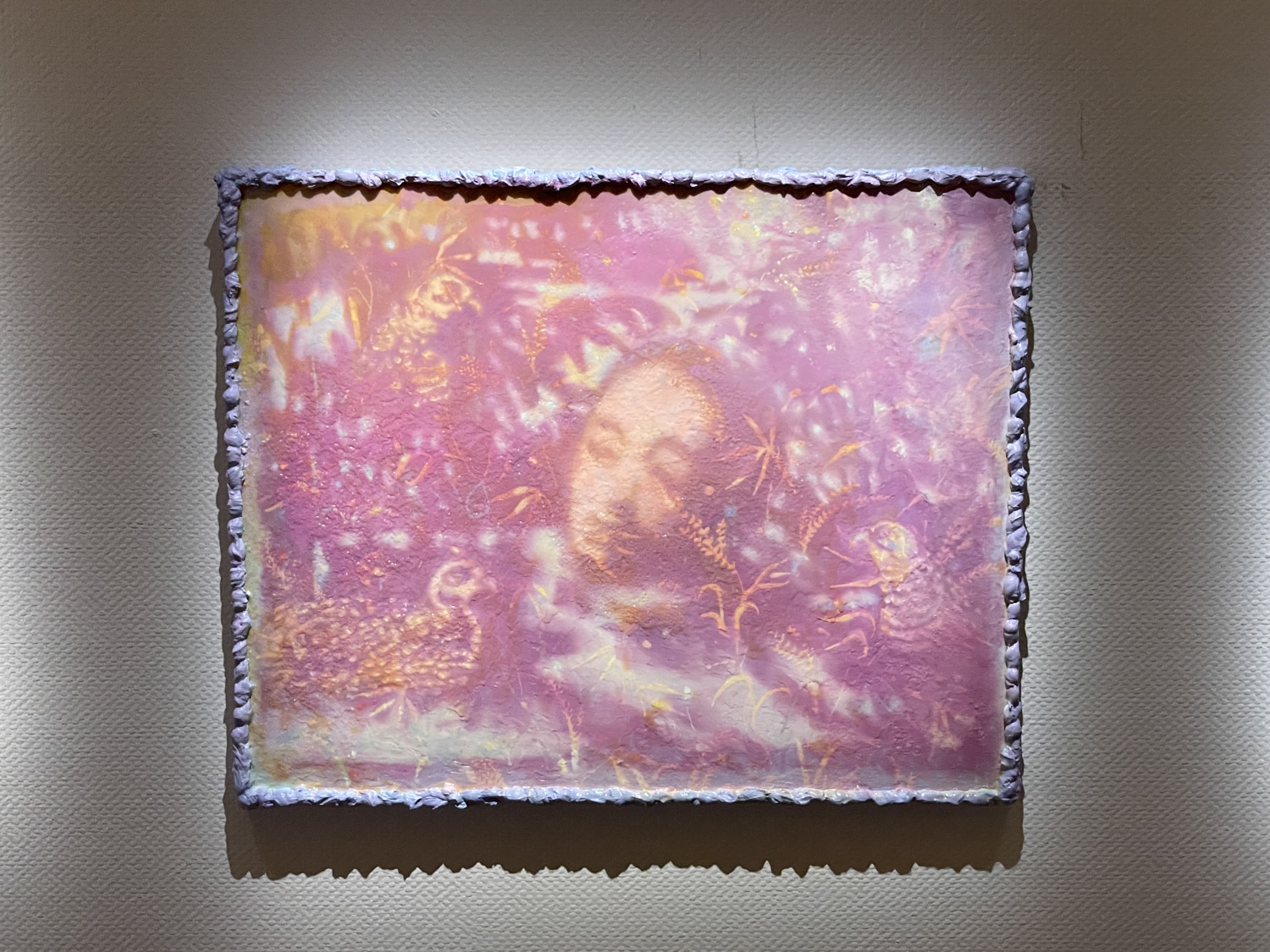
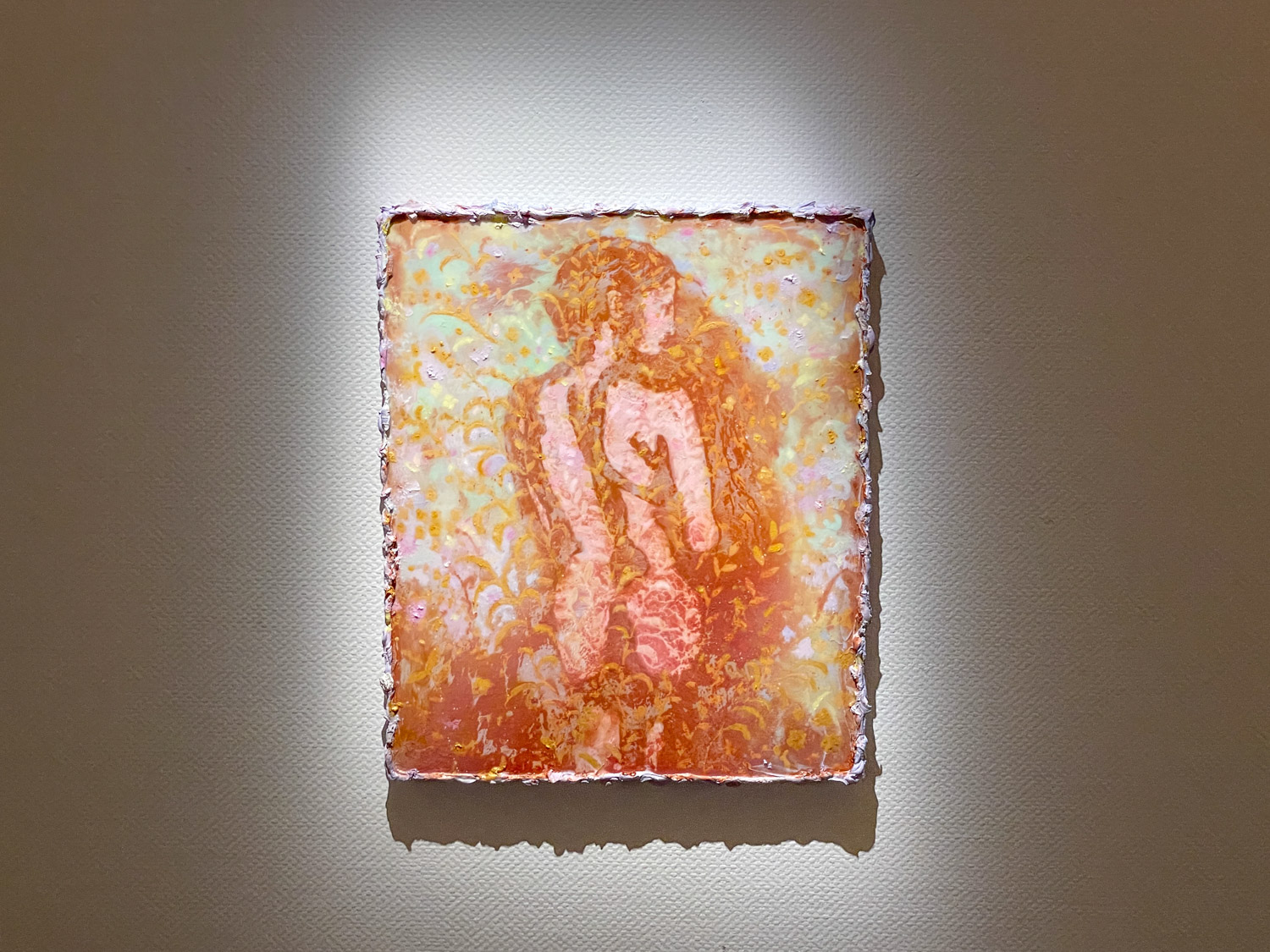
The distinctive expression of her works arises from a unique production method.
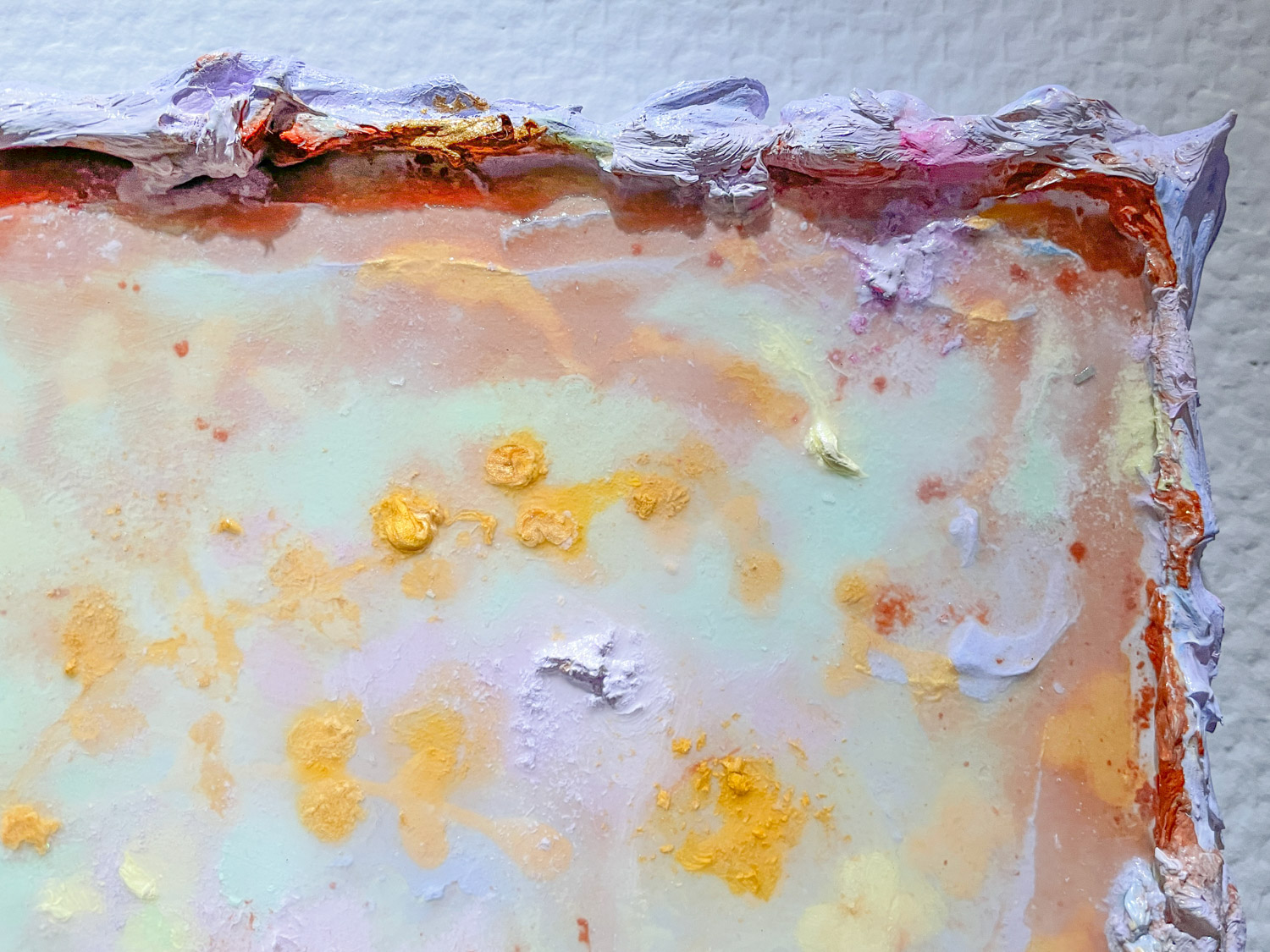
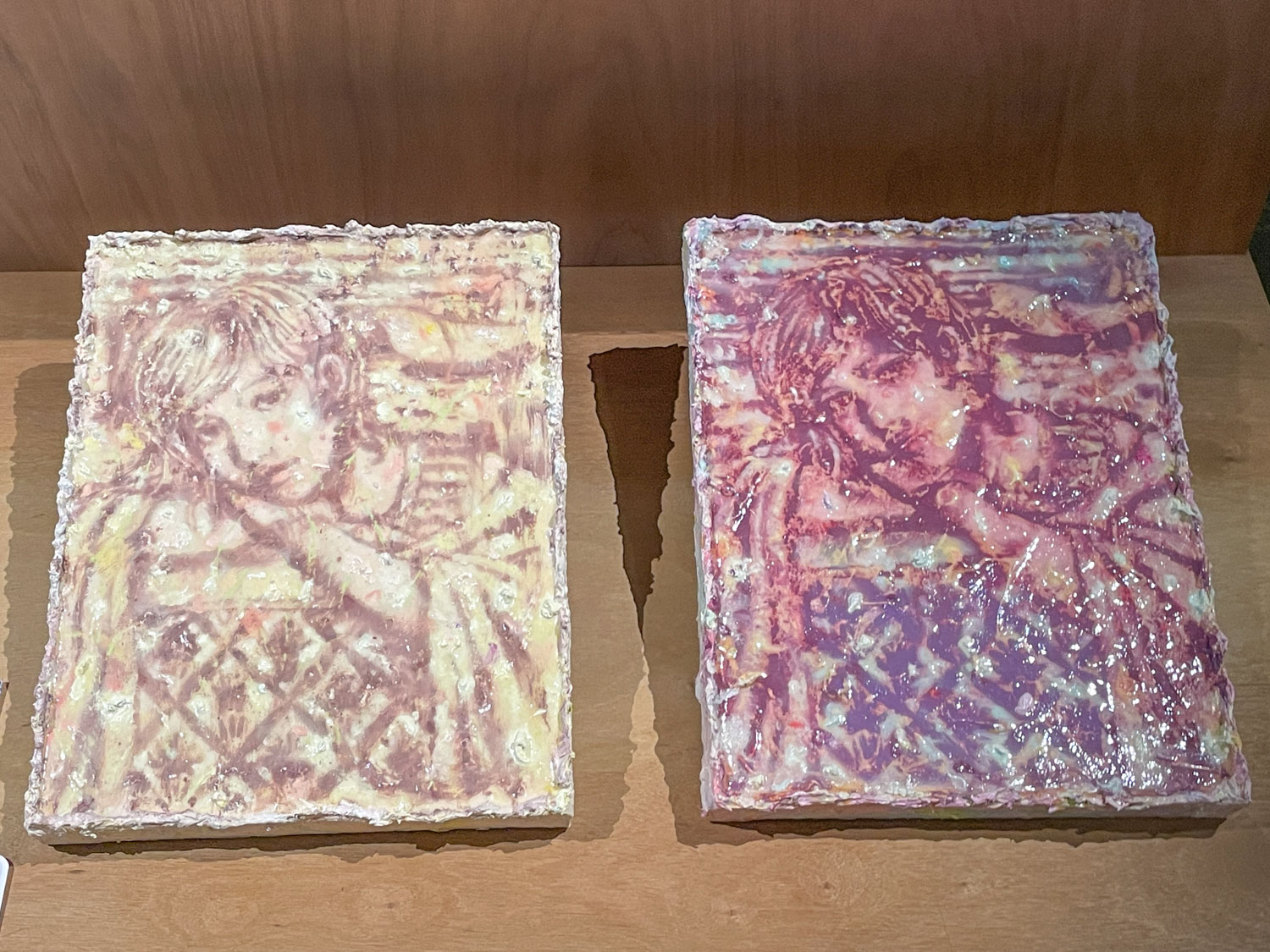
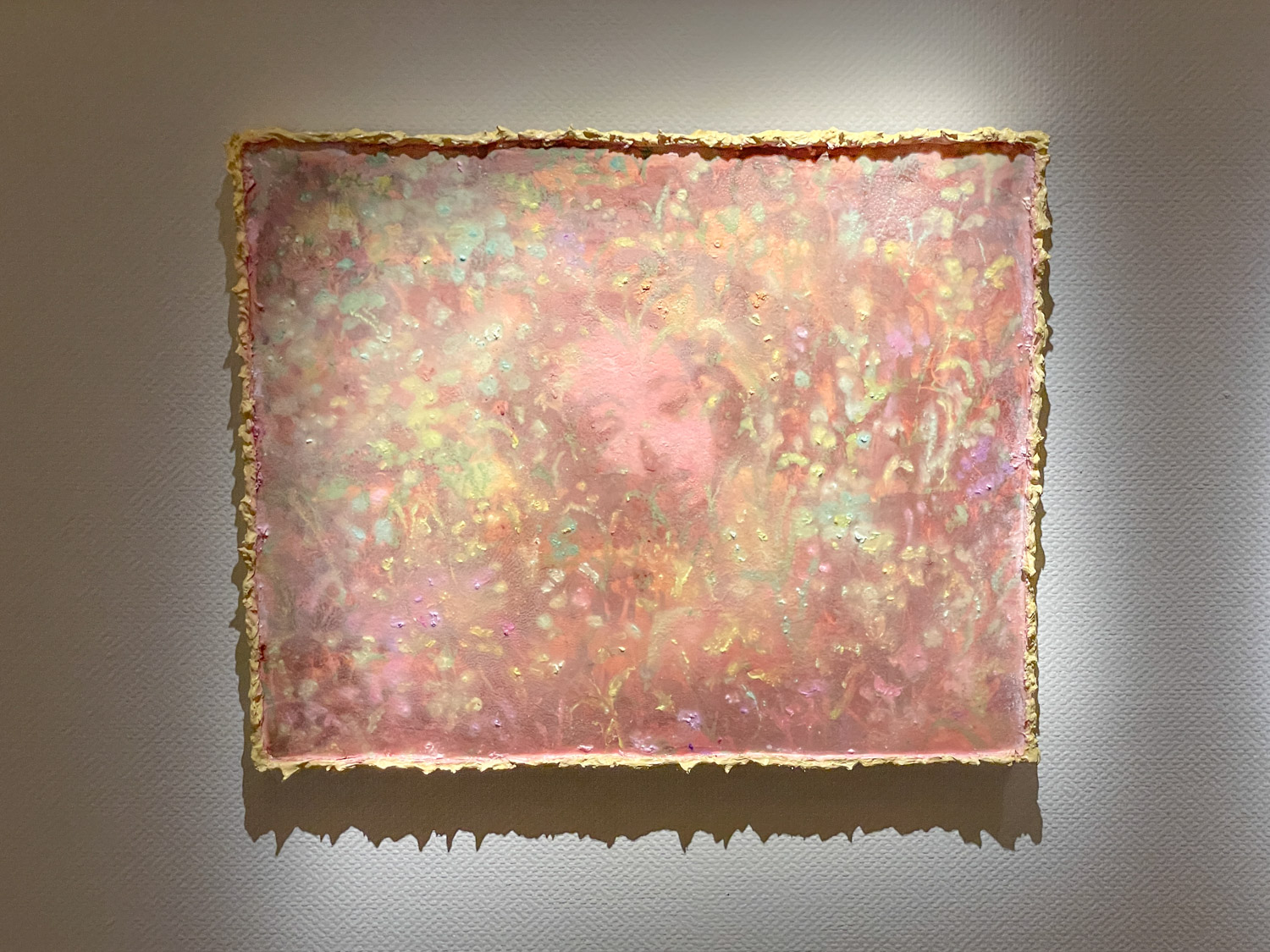
Modeling paste of acrylic paint is heaped along the four edges of the canvas like a levee, and then oil paint is applied to the canvas within. Before the paint dries, solvent is poured onto the surface to blur the motifs.
By blurring the outlines, works are completed that feel soft and give a sense of floating.
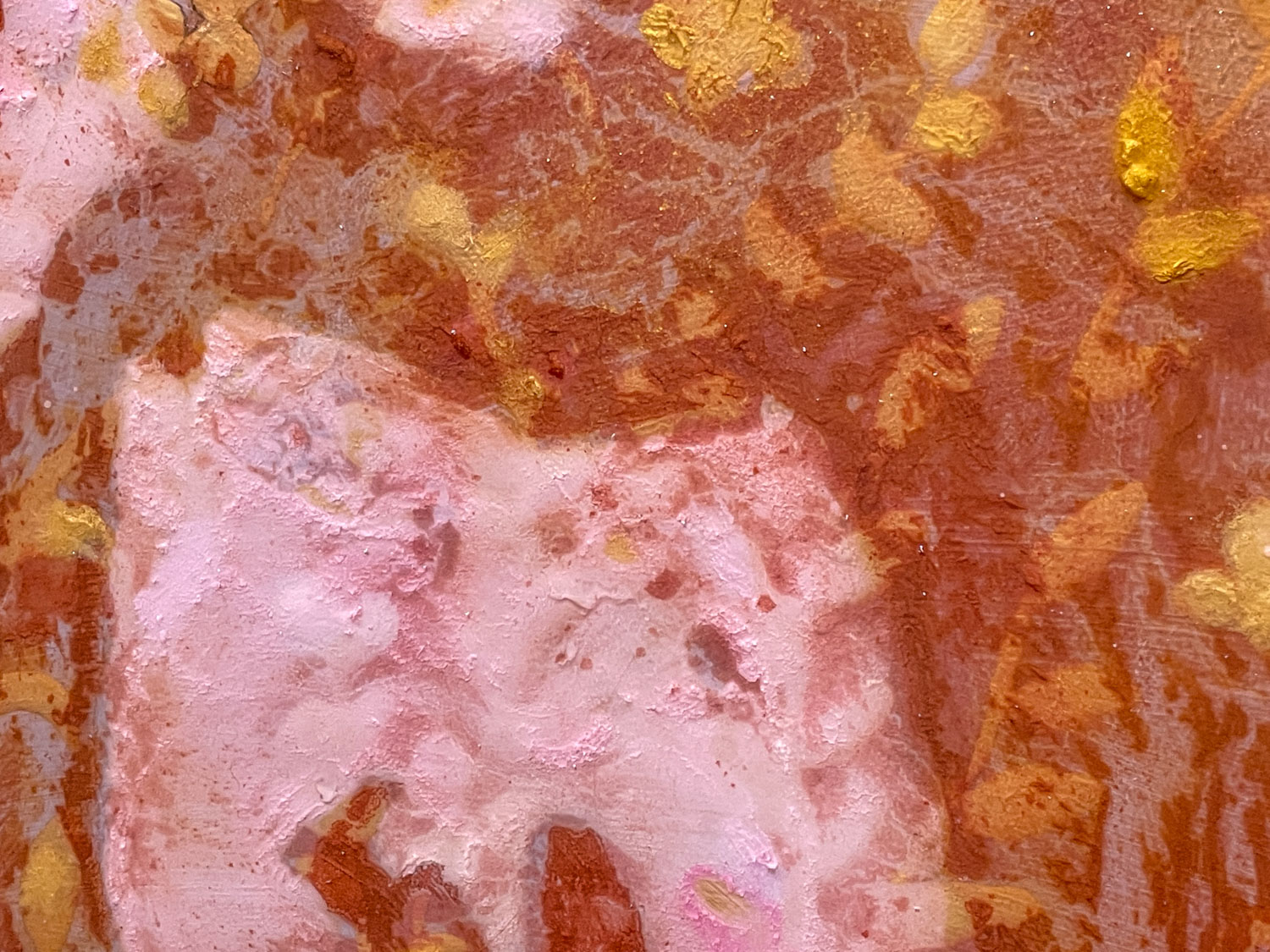
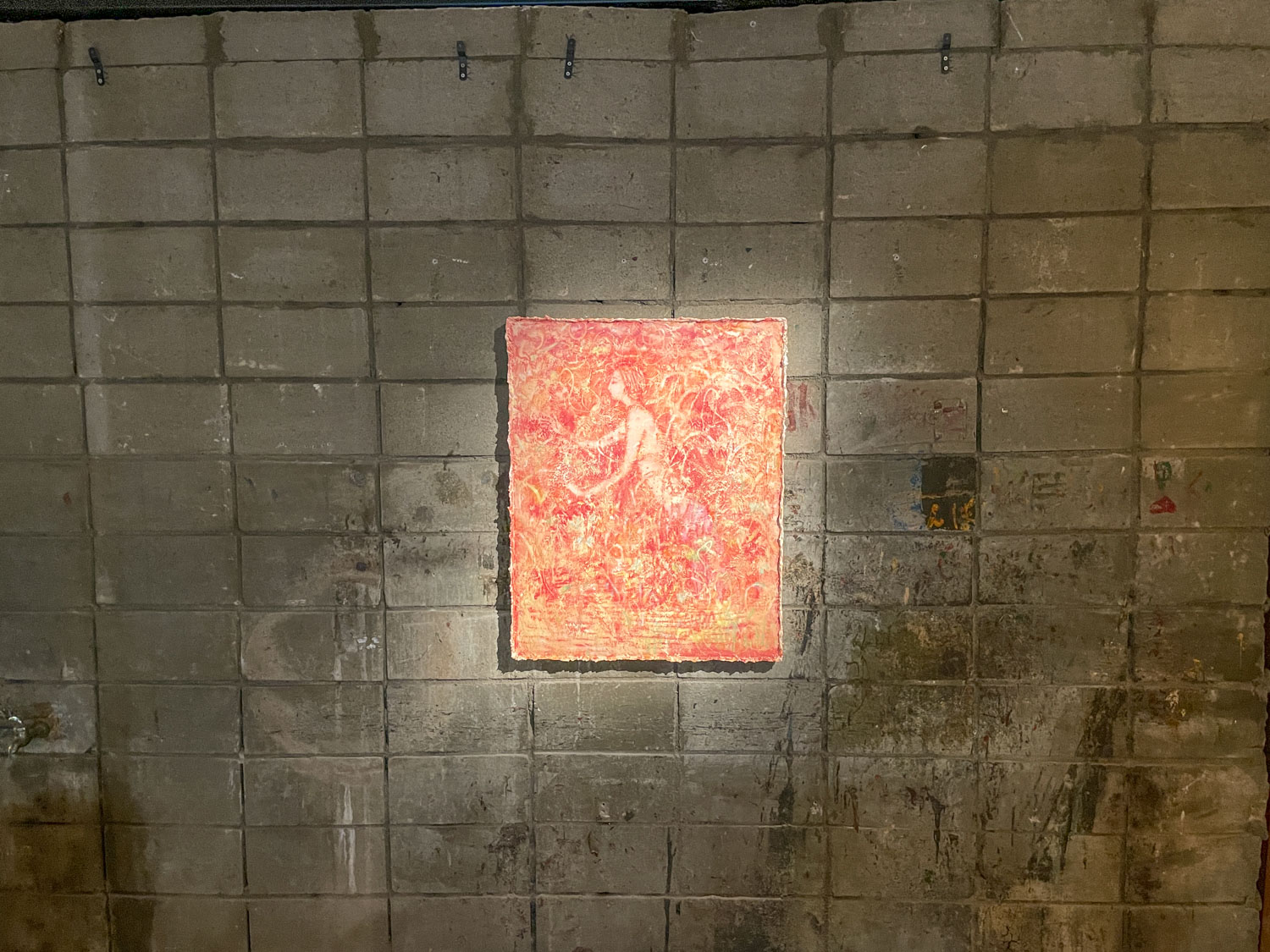
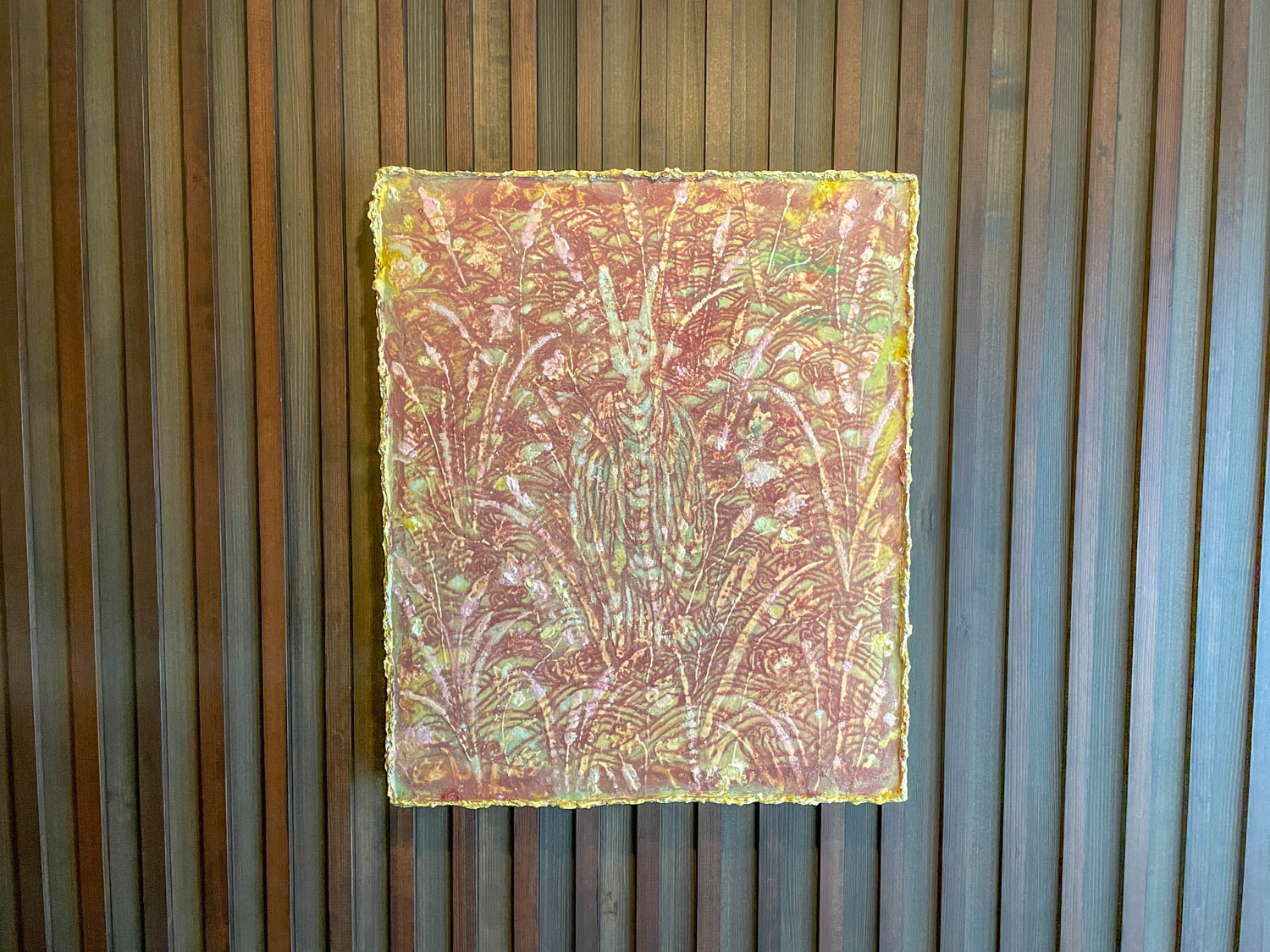
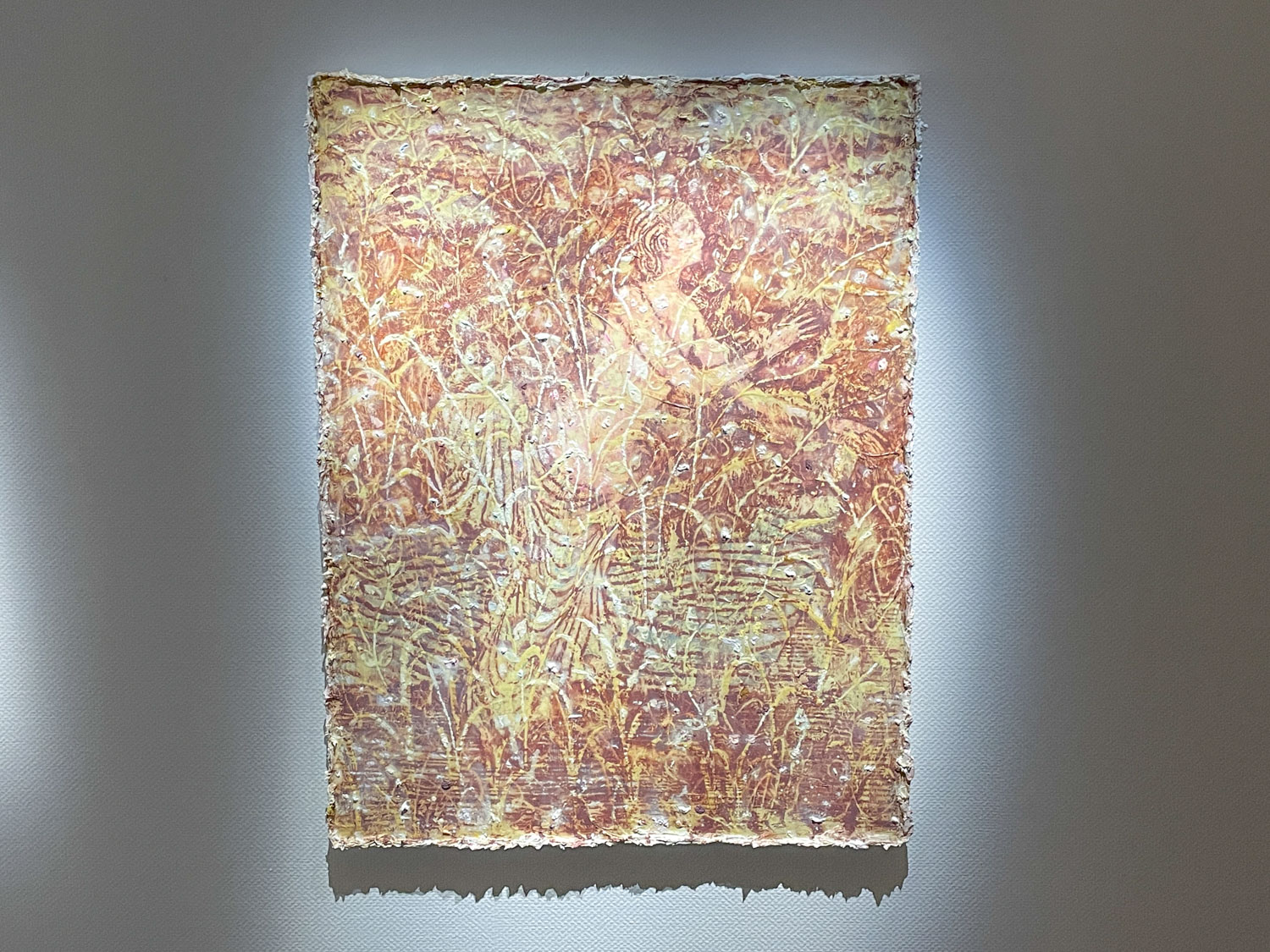
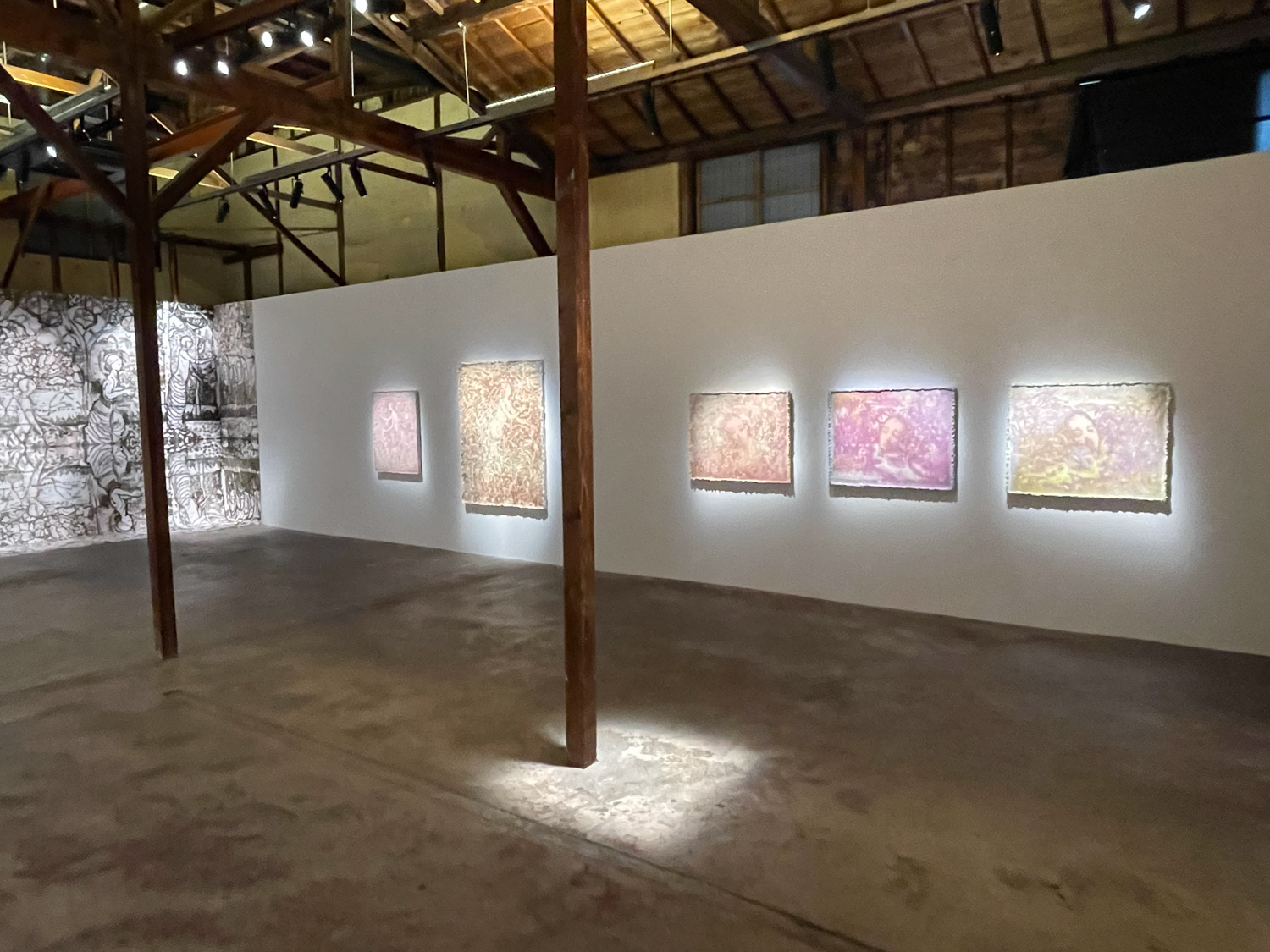
“Nana Kuromiya: Paintings Evoked by the Words of the Kojiki”
“For this exhibition, I wanted to focus especially on the phrase ‘Awohitokusa’ (青人草) that appears in the Kojiki. It is a word used in a conversation between Izanaki and Izanami to refer to human beings, and is translated as ‘green people, who are grasses.’ The idea is: people = grass (trees). Reading the Kojiki, the greatest shock and emotion for me was learning that ancient Japanese people were understood in this way,” Nana Kuromiya said, standing before her own work in her atelier. “Awohitokusa” implicitly suggests that Japan, since ancient times, has been a warm and humid land where grasses and trees quickly grow throughout the four seasons. And human beings, too, like grass and trees. Kuromiya must have been moved by the words of the Kojiki and its worldview, which expresses the sense of human life as “Awohitokusa.” For example, “ao (blue/green)” signifies vigorous vitality. In ancient Japan, the color “ao” was close to green. Perhaps feeling life and sanctity in the green of grasses and trees is a Japanese kind of animism. In the West, by contrast, people were expressed as “clay.” In the Book of Isaiah of the Old Testament, it is written: “But now, O Lord, You are our Father; we are the clay, and You are the potter. We are all the work of Your hand.” The difference between a culture that describes people as “clay” and a culture that describes people as “grass.” The “Awohitokusa” of the Kojiki — what a different origin theory of human beings this is from the Western one. In this way, “the way of seeing the world, nature, and things” in the Kojiki can also be understood as the origin of the Japanese view of nature. In her past works too, Kuromiya has been moved by the words of literature and, from there, evoked images and expressed them as paintings. Kuromiya, from painting techniques and materials born of her own experience, draws forth uniquely liminal paintings. “I am always first drawn in by the words of literature and moved. The images I build afterwards. When I encounter a beautiful sentence or an interesting keyword, my emotions rise. And then I search for how I might visualize the worldview of those words,” Kuromiya murmurs. In this exhibition, I hope you will see how Kuromiya — moved by the word “Awohitokusa” from the Kojiki — has woven images and given them concrete form as paintings.
Yasuo Nakano, Director, KYOTO-ba