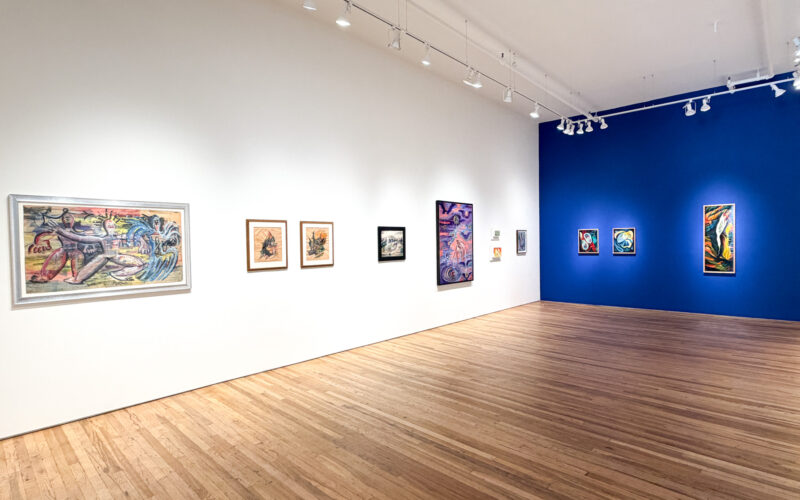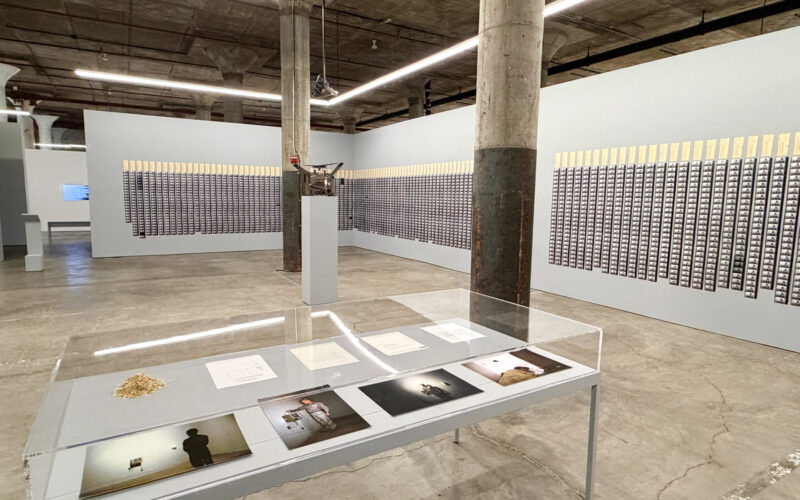
I visited rin art association, an art space near Takasaki Station, where Nanae Mitobe’s solo exhibition “Black Face, White Face” is being held.
The exhibition space at rin art association spans three floors, from the 1st to the 3rd floor.
This exhibition uses the 1st and 2nd floor spaces.
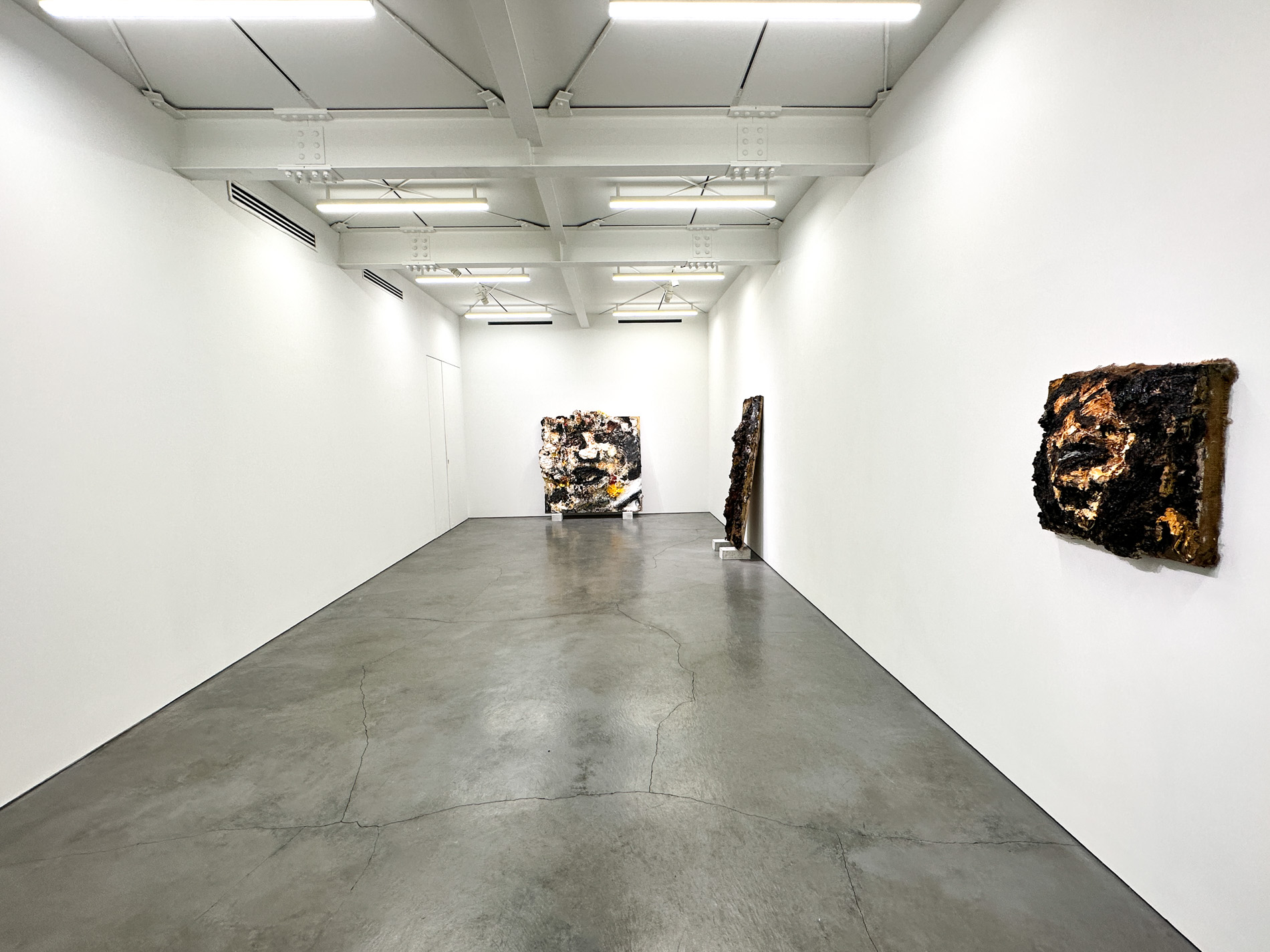
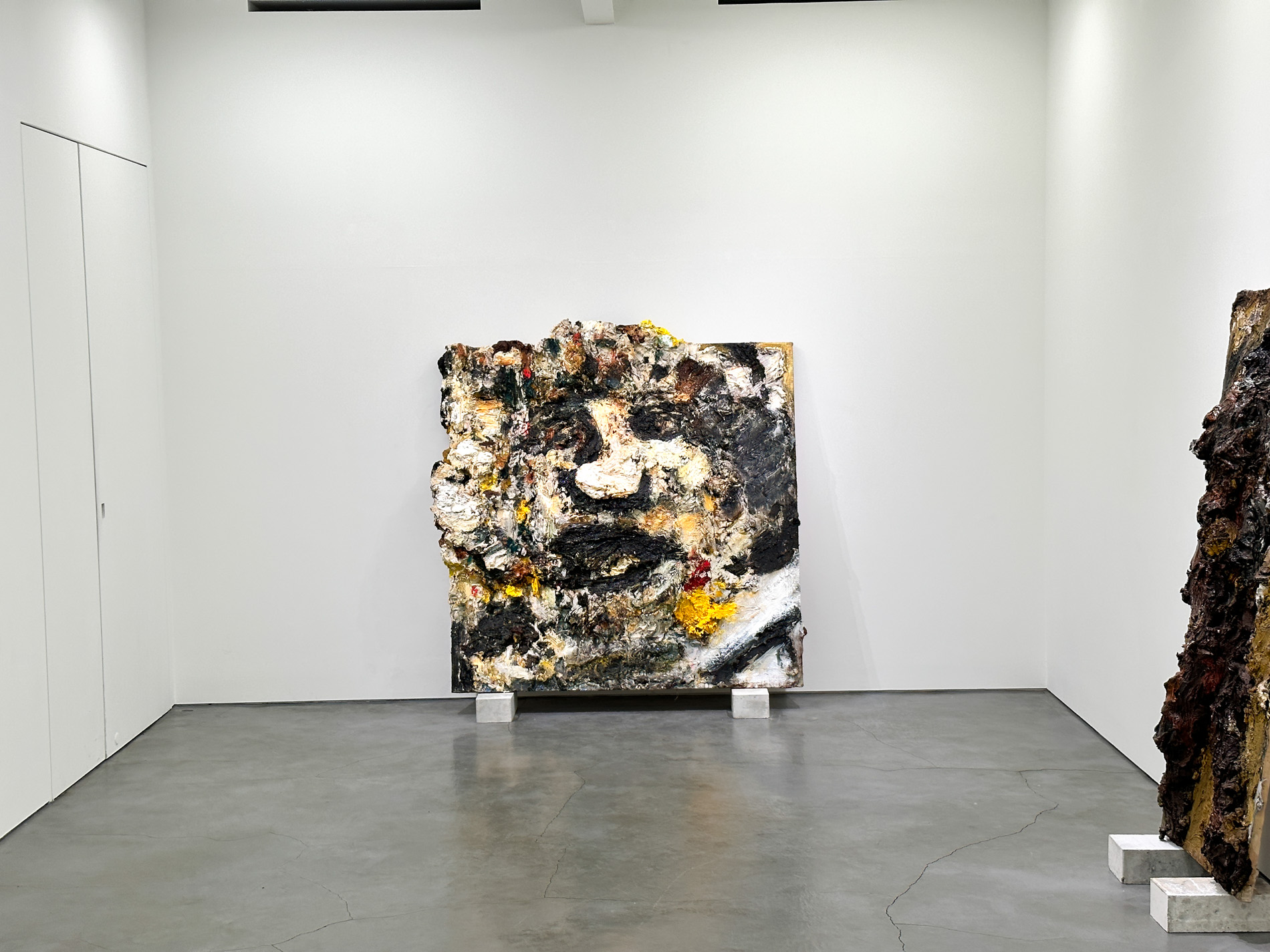
At the heart of the show are anonymous “face” paintings — rendered in white and black paint on supports of black-skinned iron and canvas — including a work that took six years to complete.
The face is the boundary line between the self and the other. When that boundary is transgressed and one comes into contact with the outside, all sorts of dissonance and misunderstanding — friction — can arise. At times this friction sparks violence and even escalates into war.
The face is the part where emotion is laid bare, yet it is also capable of concealing what lies within. Meanwhile, practices such as makeup and cosmetic surgery may appear to imitate a universal beauty, but on the other hand they strip away individuality and produce faces without difference, homogenized faces.
Here are paintings rendered in white and black. They do not depict any specific person; they are anonymous faces. The only condition I set for painting was: on a white canvas, “paint a black face”; on a black-skinned iron support, “paint a white face.” Then, into those white and black tones, I sprinkled a little greige sand gathered from the sea.
Painting portraits — handling the face of another — comes with responsibility. At the same time, gazing at the face of another as a motif is paradoxically also a way of looking again at oneself. The process of choosing colors, sculpting forms, and judging beauty and ugliness happens almost unconsciously. Simultaneously, I am made aware of the prejudices dormant within me, forced to choose between them. Through the repetition of this act, a painting of a face comes into being. The act of painting a face is, in a sense, an image of recognition — of the other and of oneself — arrived at after interrogating oneself. In painting others, an “I” — an ego — takes root, and the self is thrown into relief.Nanae Mitobe
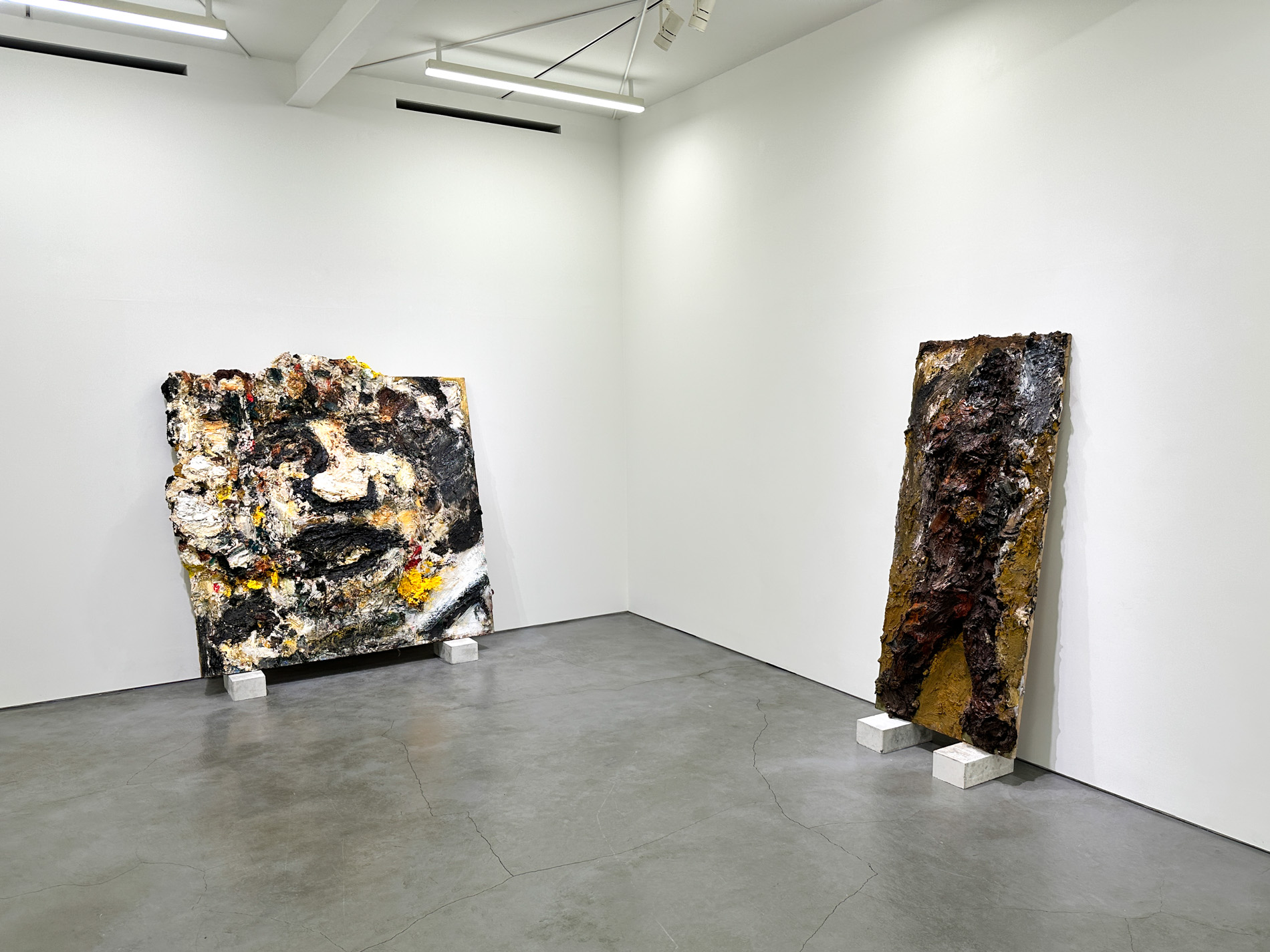
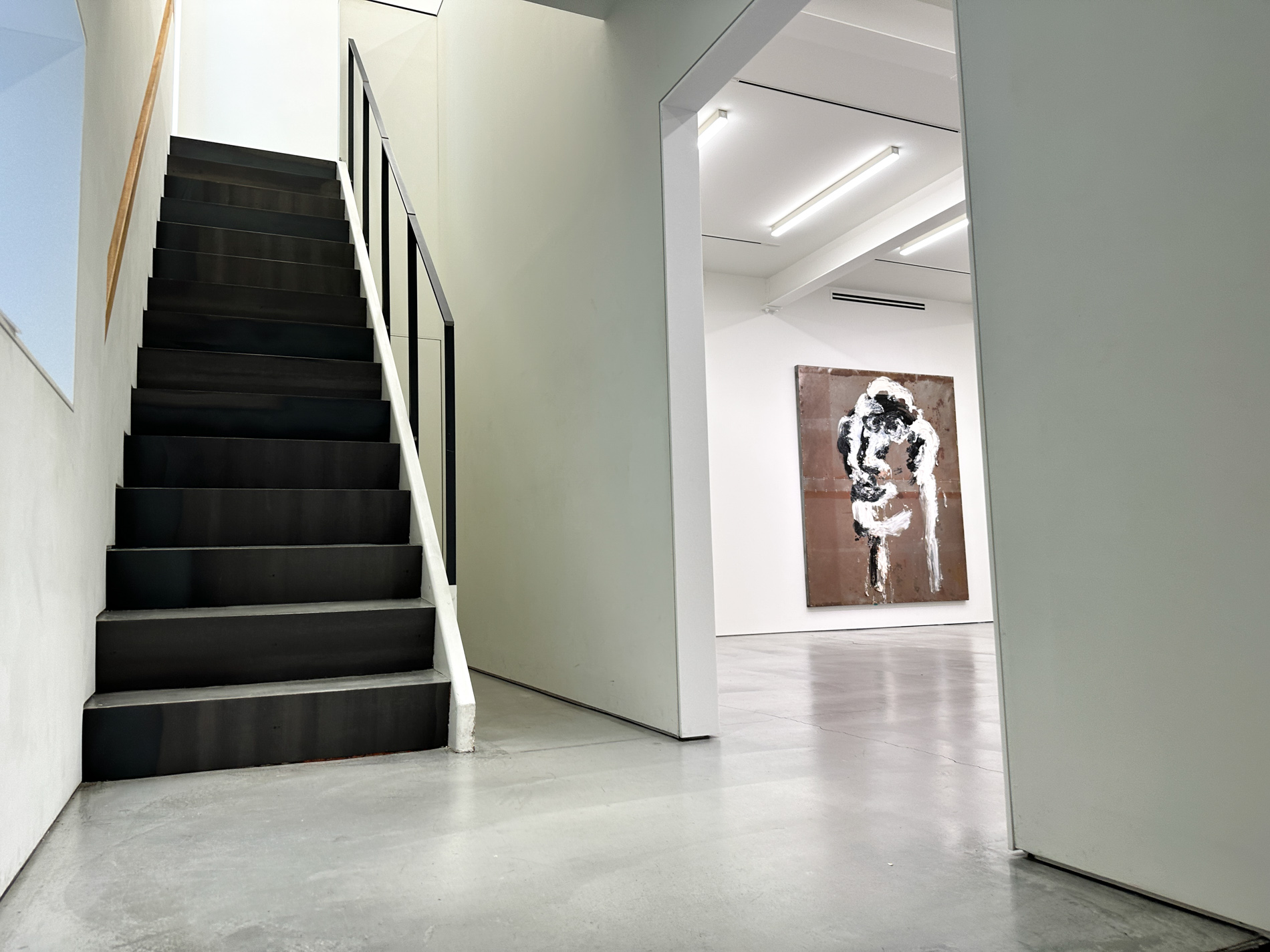
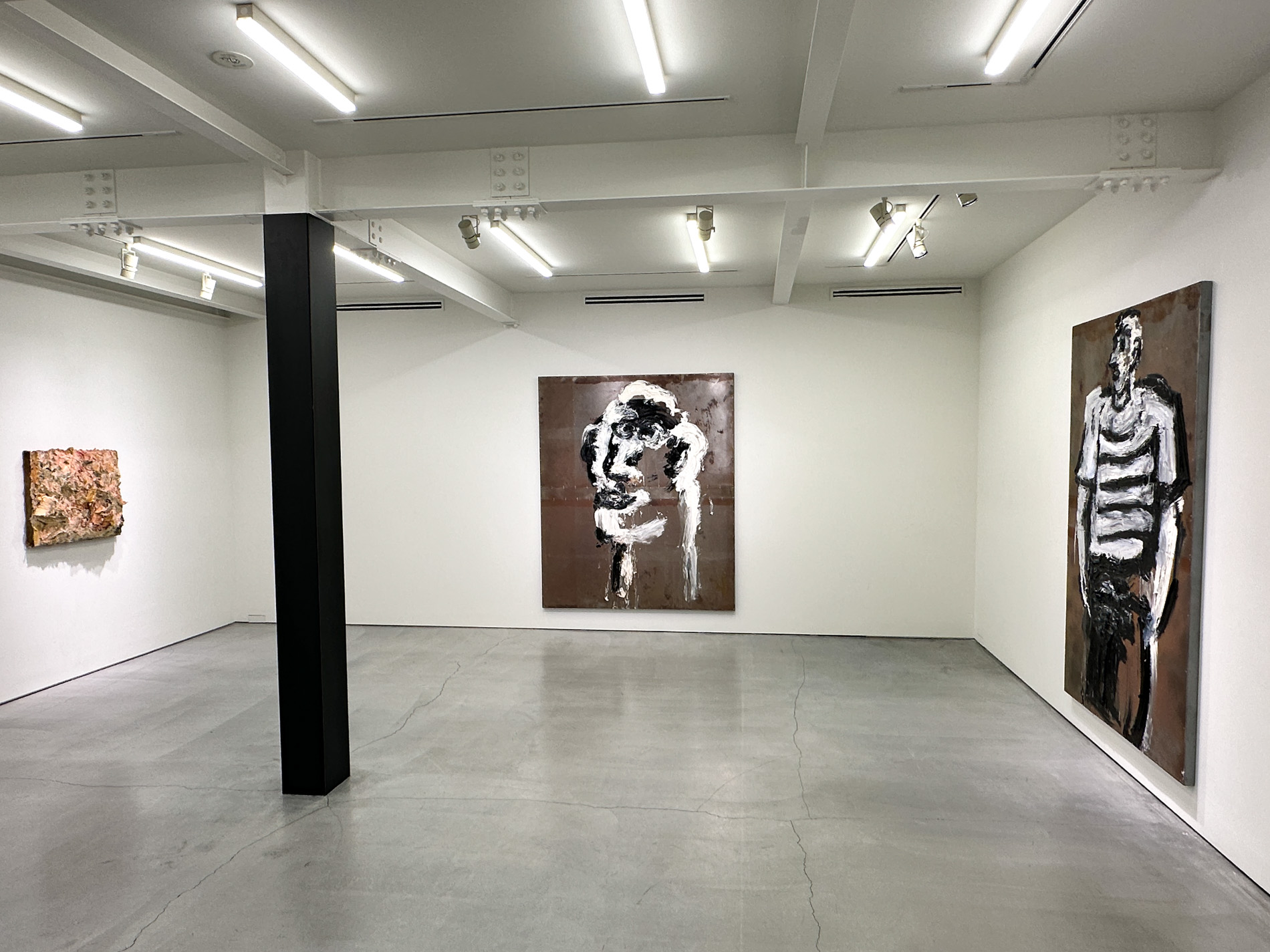
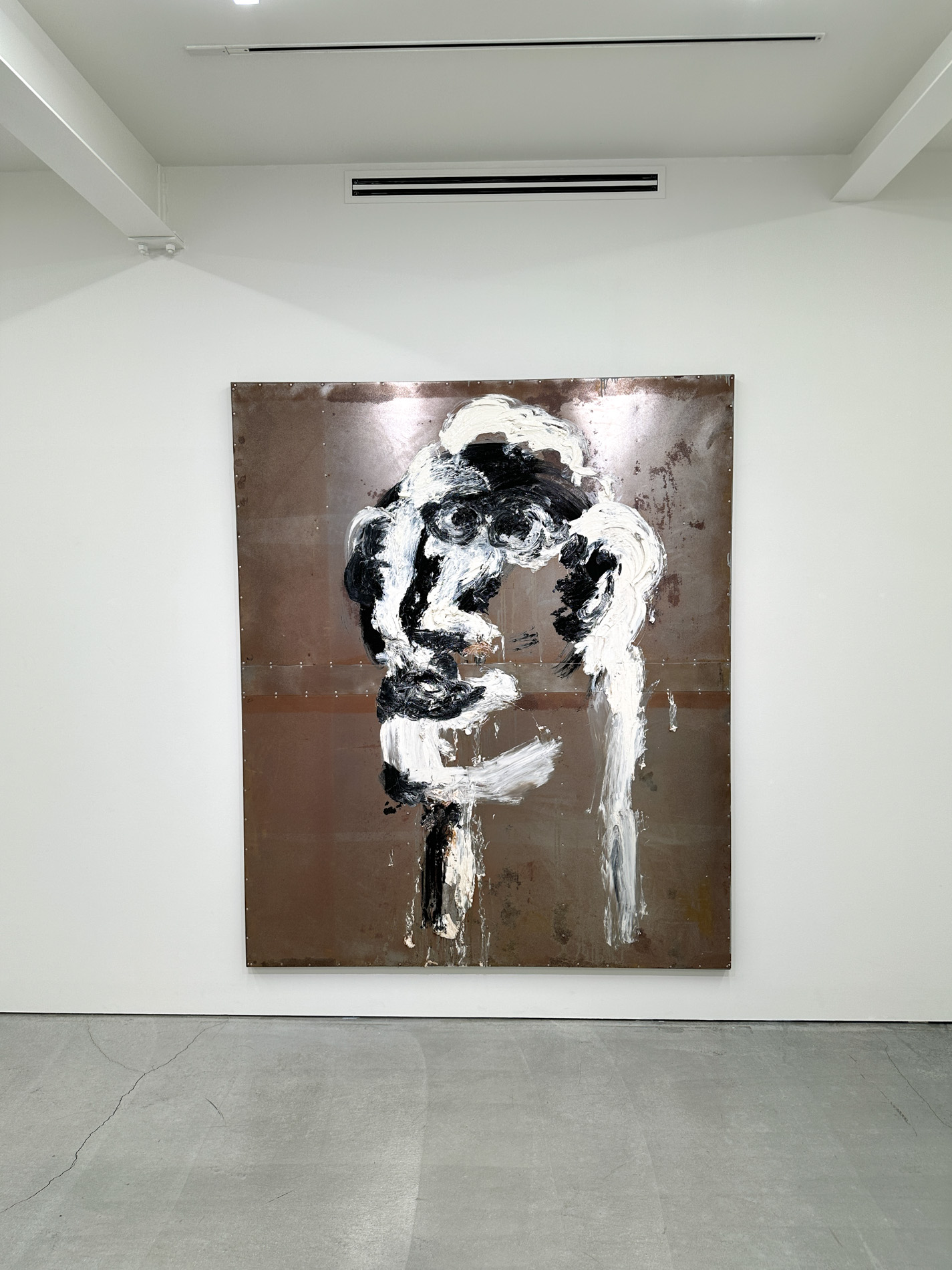
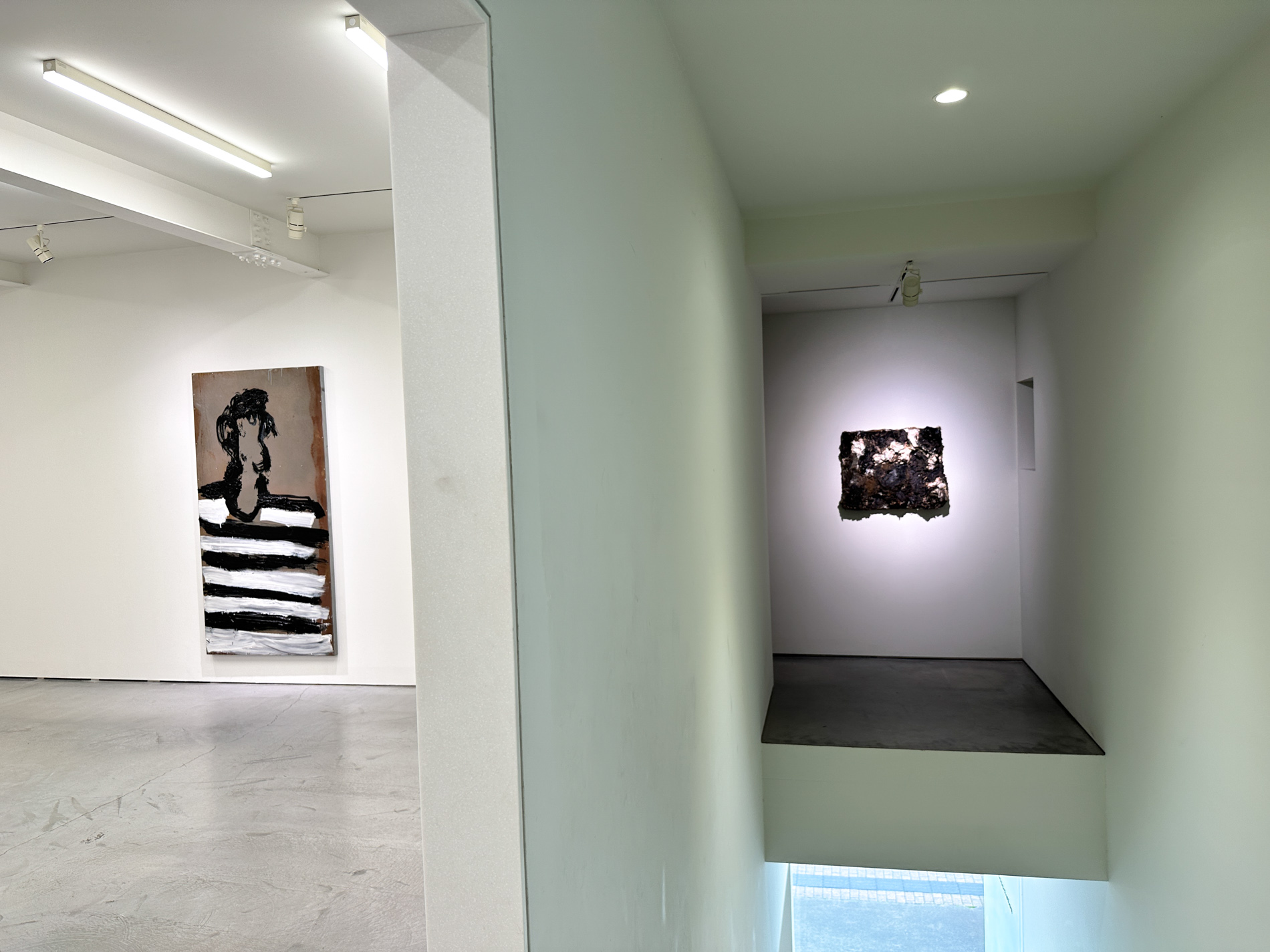
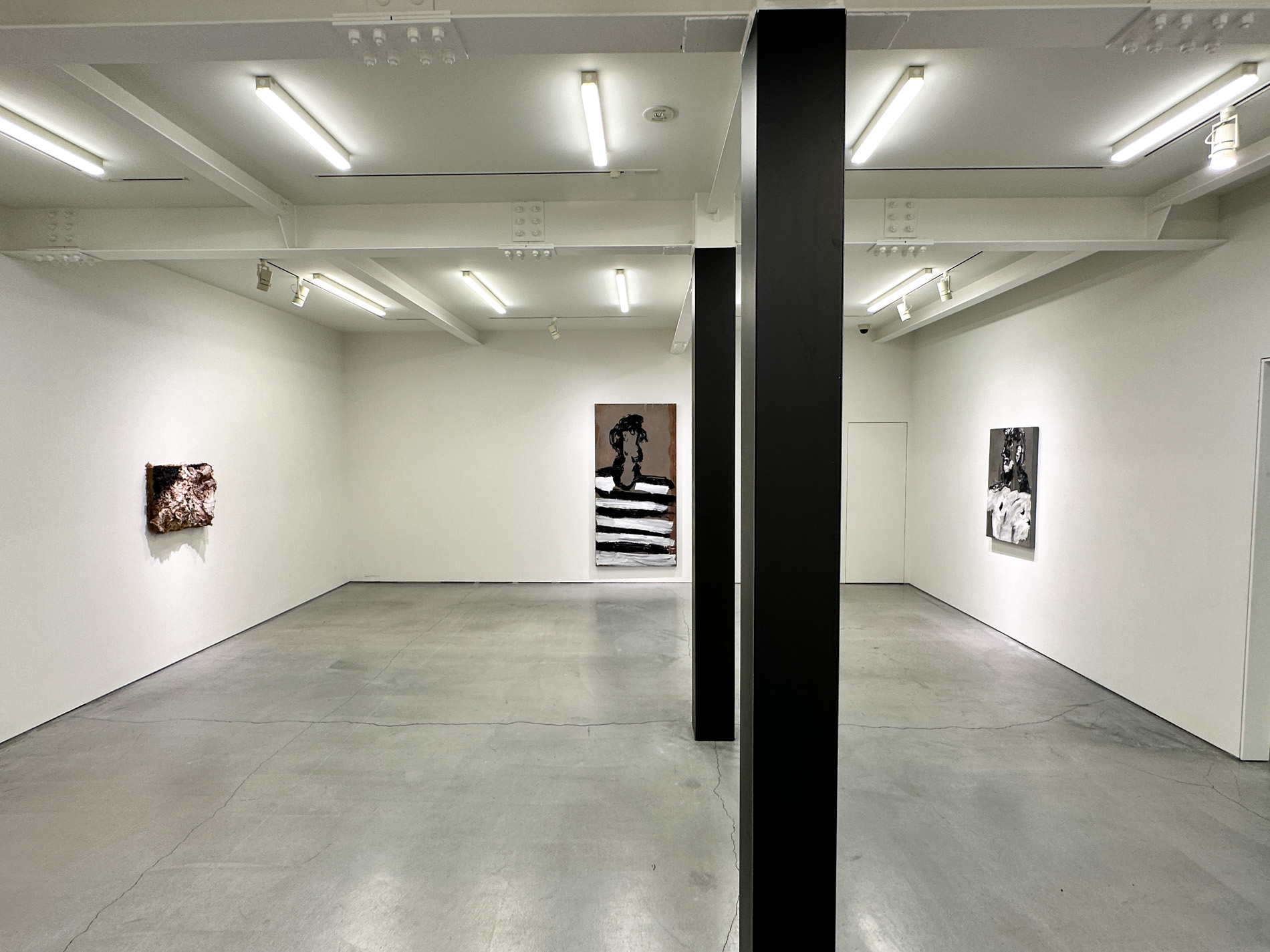
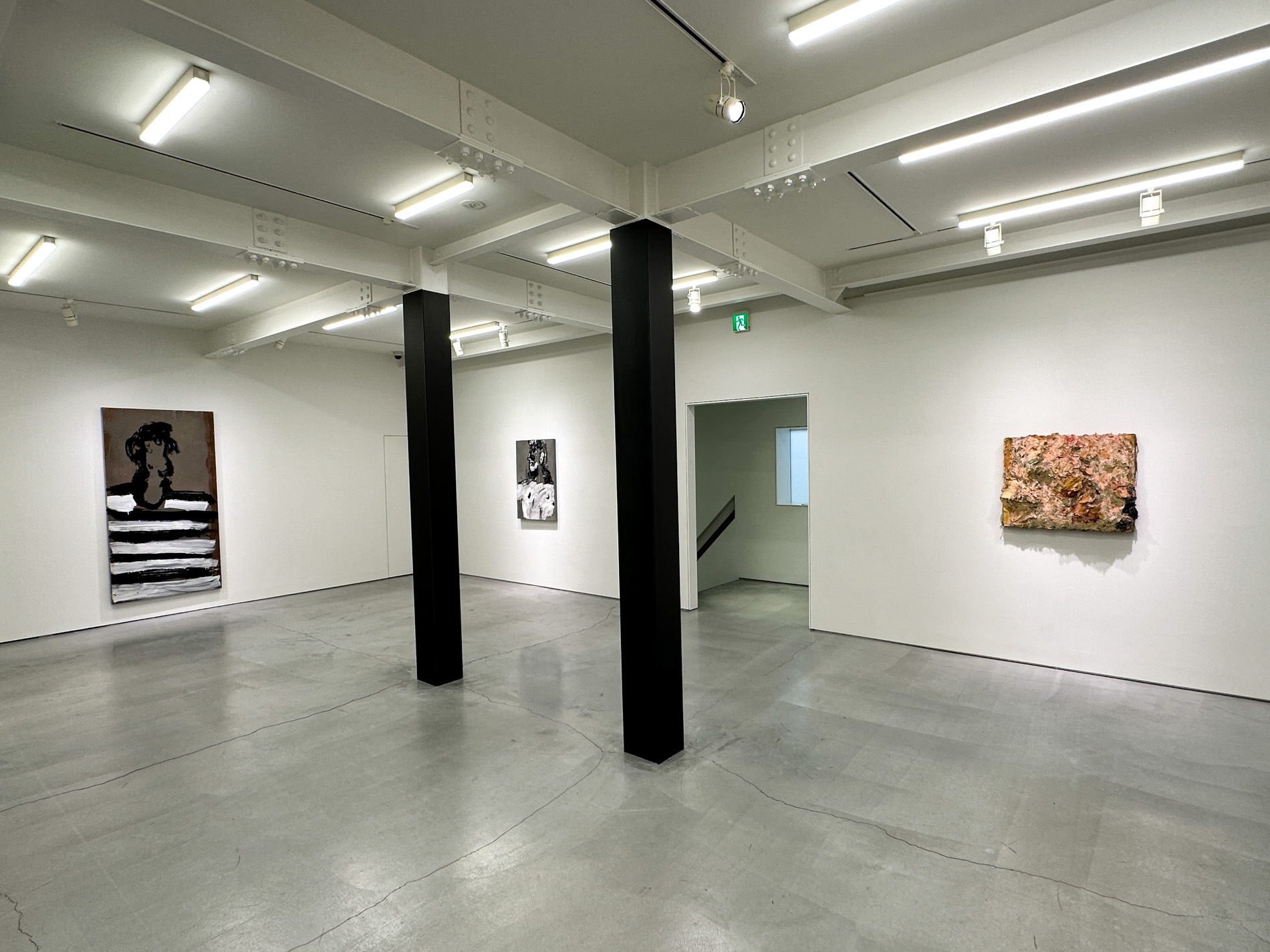
This new series — paintings on iron plate supports in a subdued palette — carries a presence unlike anything in Mitobe’s previous work.