What Is Framing?
When you buy an artwork, many people choose to “have it framed.”
After making an expensive purchase and welcoming home a work you love, it’s natural to want to display it properly framed rather than storing it in the box it came in.
So what does “framing” actually mean?
Framing refers to mounting an artwork using a frame in order to display it. But it is more than mere “decoration.” Beyond visual beauty, it also plays an important role from the standpoints of preservation and display.
Why Frame?
Surprisingly few people may be able to answer this simple question properly. Reorganizing the meaning of framing, I think it distills into the following three points.
- Prepare it for display
- Protect the work (prevent deterioration)
- Decorate so the work stands out
(1) Prepare it for display
Needless to say, this is the purpose of getting a work into a “displayable state,” such as hanging it on a wall.
For example, it’s not impossible to tape a drawing on drawing paper to a wall with cellophane tape, but that’s kind to neither the paper nor the wall.
Recently I myself had the chance to store a drawing, and wondering “how can I preserve paper beautifully and safely?”, I consulted a framing shop.
There I learned anew about the problem of “oxidation.”
Paper reacts with acids, humidity, and components in the air, deteriorating more and more.

(2) Protect the work (prevent deterioration)
For me, this “protection” role feels the most important.
Many people may store their purchased works in a closet or storeroom still in their original box. But that way the work deteriorates.
Framing has the function of protecting a work from factors such as the following.
- Heat and light (especially ultraviolet)
- Dust and oils in the air
- Humidity
- Mold and bacteria
- Insect damage
(3) Decorate so the work stands out
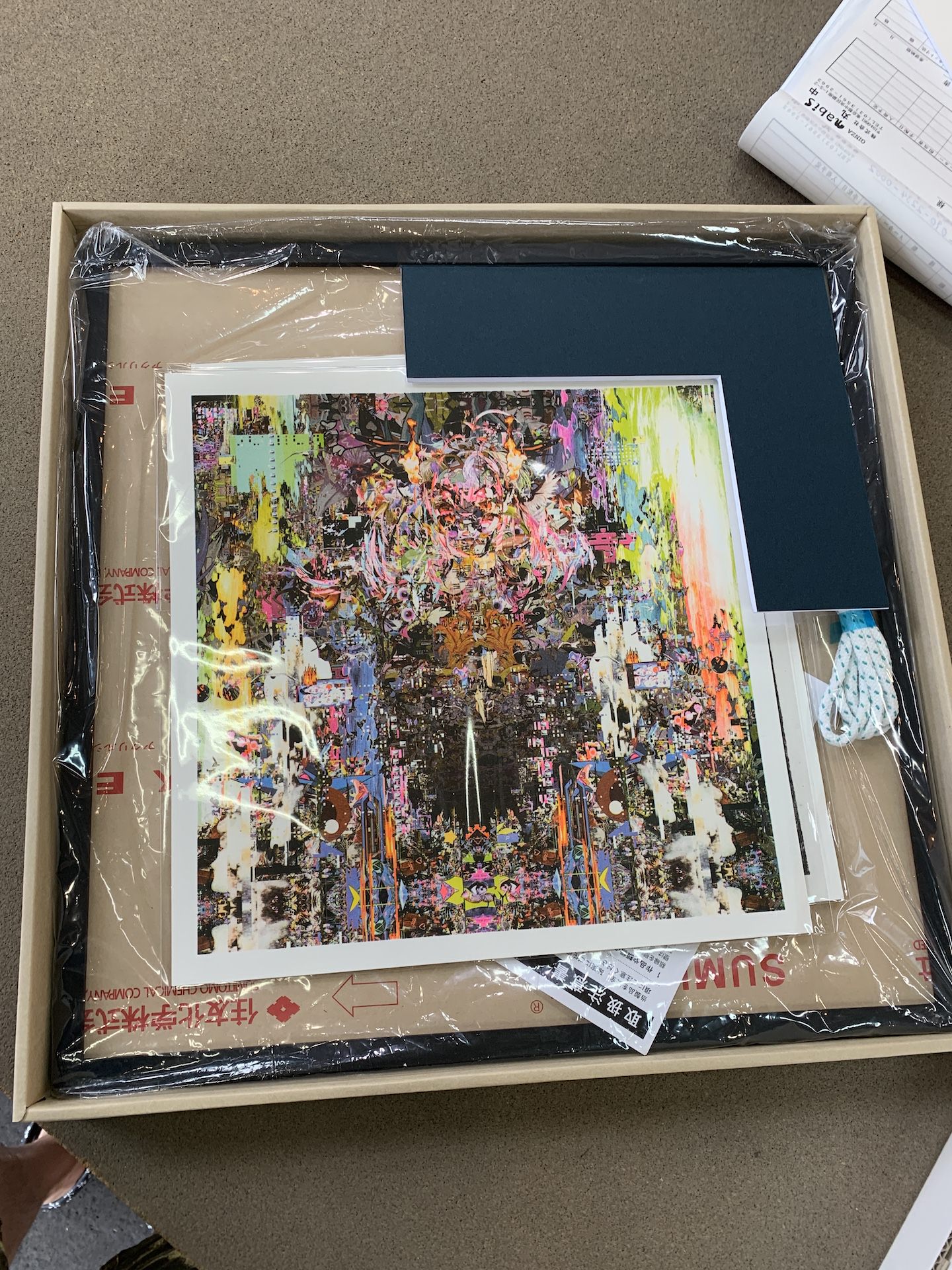
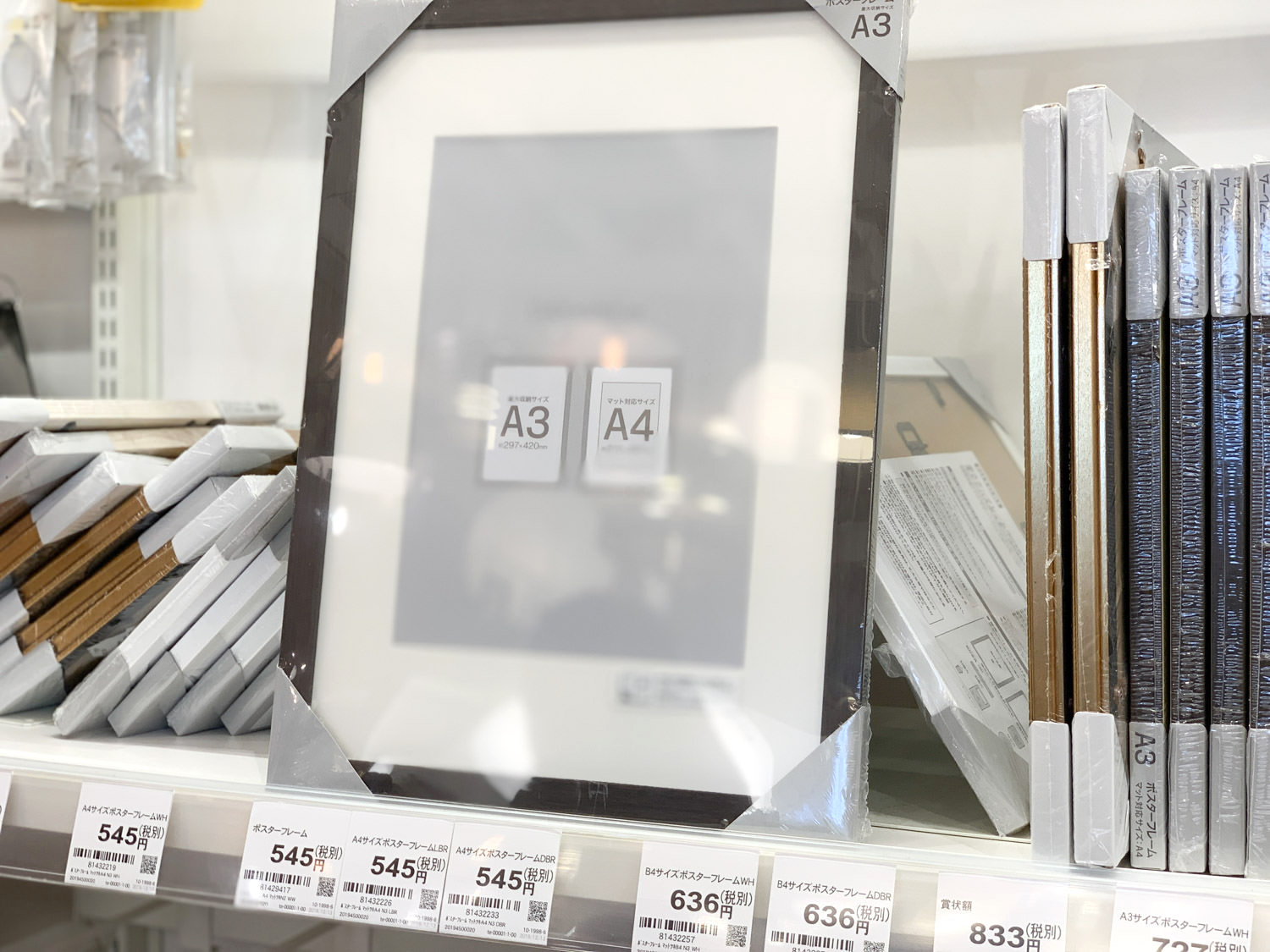
Visual beauty is also a major role of framing. The presence of the mat (mat board) is especially important. It brings the following effects.
- Gives the work breadth and depth
- Its color can create harmony with the display space
- Prevents direct contact with the surface cover (glass or acrylic)
- Prevents deterioration from humidity or adhesion
For example, works with delicate surfaces such as photographs or drawings tend to stick to glass if they touch it directly, and can even become impossible to peel off. Inserting a mat greatly reduces that risk.
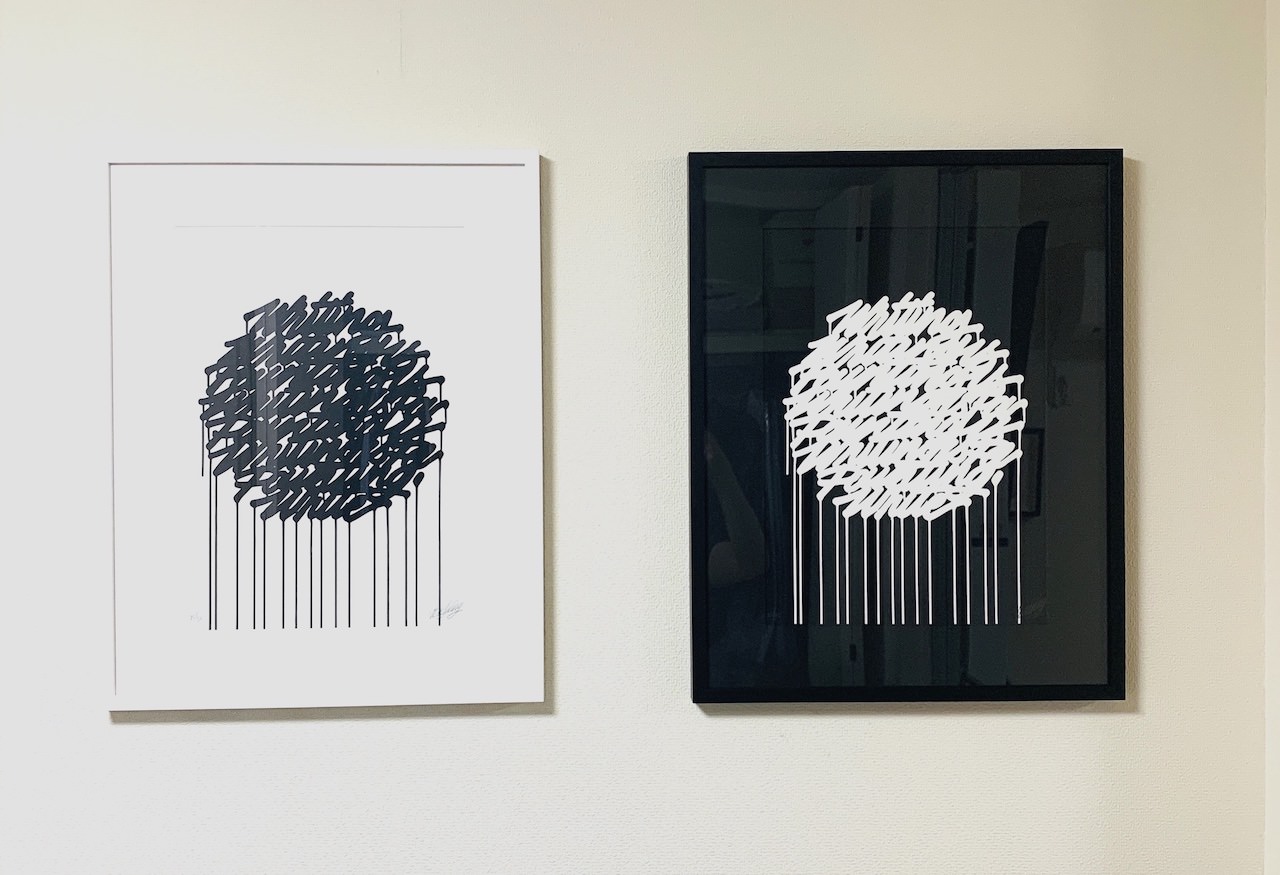
Incidentally, I too was once into simple framing with just an acrylic sheet, but recently I’ve come to step back and reconsider the idea that “not decorating is the optimal decoration.”
Points to note when framing
- Use a UV-cut acrylic sheet for the front surface.
- Seal the back cover without using turn buttons.
- Adopt “shina plywood” as the back-cover material.
- Use protective materials such as acid-free paper or a super barrier sheet.
- Make use of mat board, but if you do, do so carefully (watch out for fading).
- Make as much use as possible of materials to prevent oxidation.
In Closing
If reading this article sparked your interest, first try consulting a framing shop near you. Finding a framer who understands the key points and responds to various requests will, I think, broaden your world. Frame with care for preservation, not just appearance, and enjoy a wonderful art life.
My recommended framing shop is here.