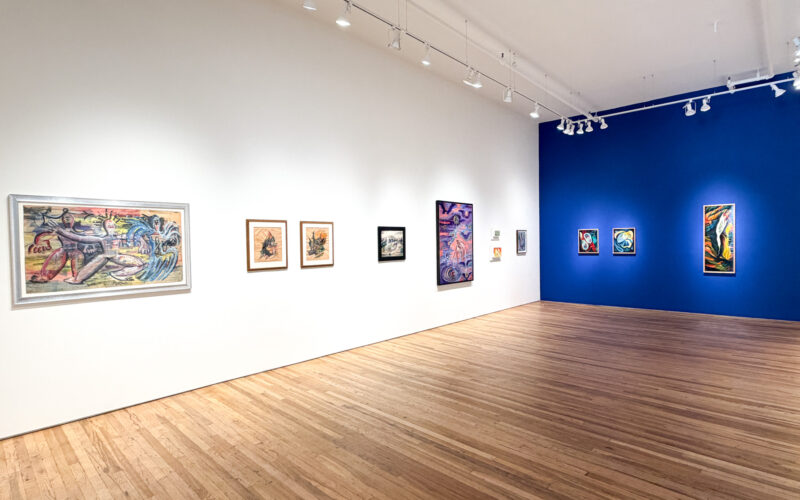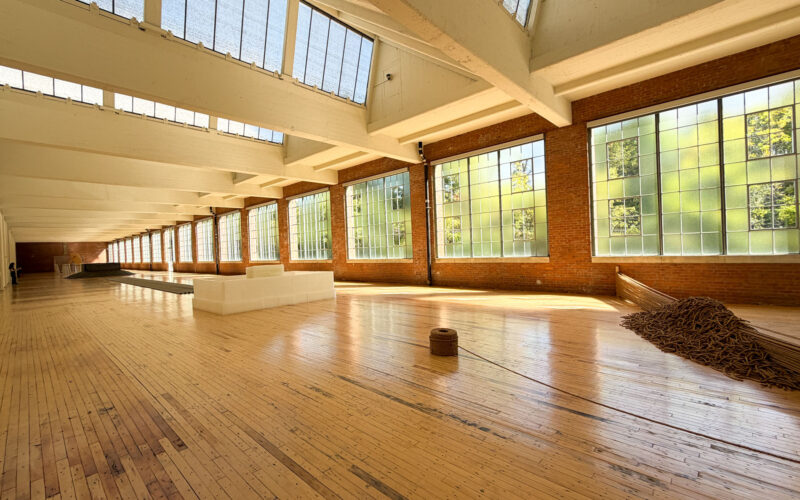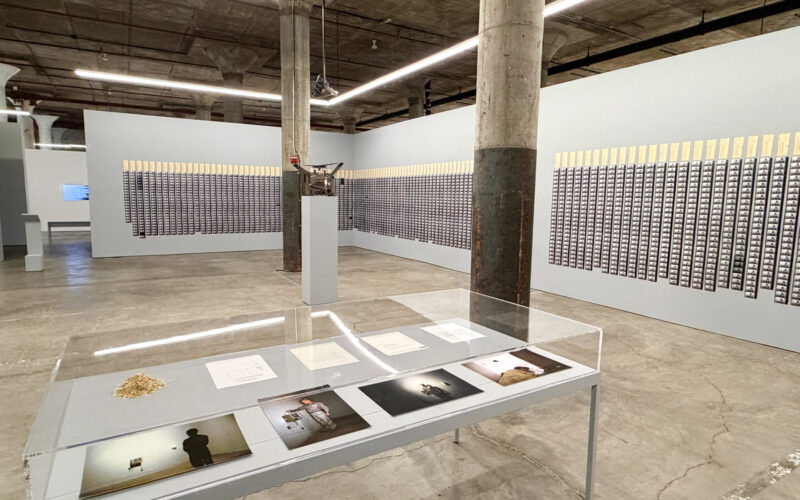
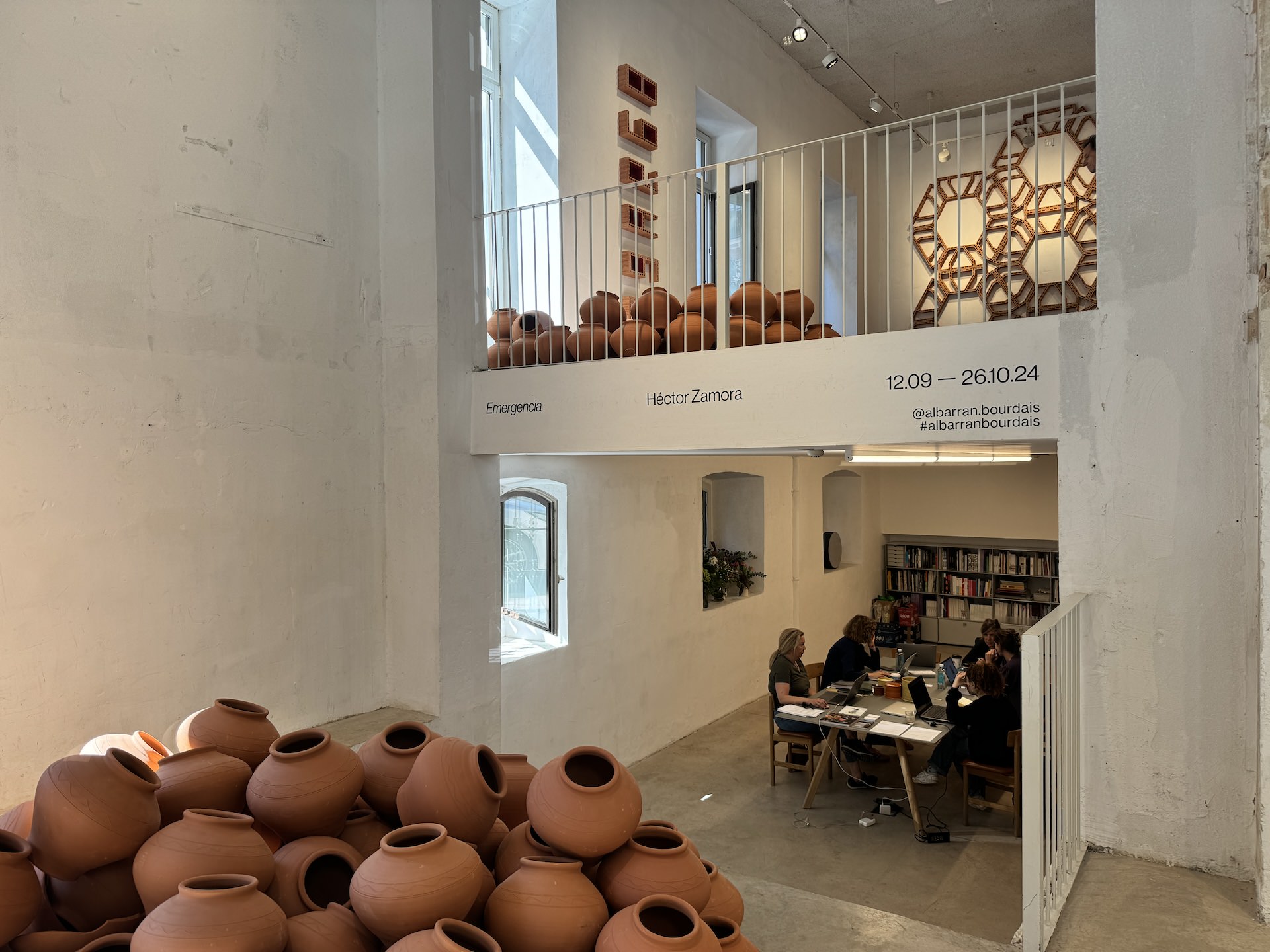
I visited Héctor Zamora’s solo exhibition “Emergencia” held at the Madrid-based gallery “Albarrán Bourdais” in Spain.
Héctor Zamora
Héctor Zamora is a Mexico-born artist whose installations and performance works engage primarily with themes of architecture, space, and social relations.
His works aim to unsettle the perceptions of space and society that viewers habitually carry, and to raise questions about how we see things and what it means to exist.
His principal concepts and themes are as follows.
1. Redefining architecture and space
Zamora’s works often attempt to redefine space itself through architectural elements. He treats buildings and structures as material to be dismantled, rearranged, and reconstructed, offering new perspectives. His works are designed to change our perception of everyday architecture and physical space.
2. Tension between harmony and destruction
Zamora frequently explores the tension between the opposing concepts of harmony and destruction. For instance, by deliberately destroying works built from everyday objects or by introducing random elements, he expresses how destruction can give rise to new beauty and order. This process highlights the possibility of generating new forms and expressions by incorporating chance and unpredictability into his works.
3. Circulation and social interaction
Through his works, Zamora examines the interactions between people and the flow of objects. His installations are often not merely static pieces but include movement and participation, with viewers or participants sometimes functioning as part of the work. This weaves social interaction, collective movement, and processes of collaboration into the work, giving it a larger social and cultural significance.
4. Commitment to materials and process
Zamora is deeply committed to the choice of materials and to process. He is often interested in producing spectacular results from simple, everyday materials (for example, bricks, sand, ceramics, plastic). Through this, materials that are usually overlooked are reinterpreted as things possessing new value.
5. Social and political messages
His works do not stop at aesthetic inquiry alone; many carry social and political messages, including critiques of labor, community, and structures of power. In particular, one often finds reflections on the working class and on how public space is used.
Héctor Zamora “Emergencia”
This exhibition “Emergencia” spanned two floors of the gallery space.
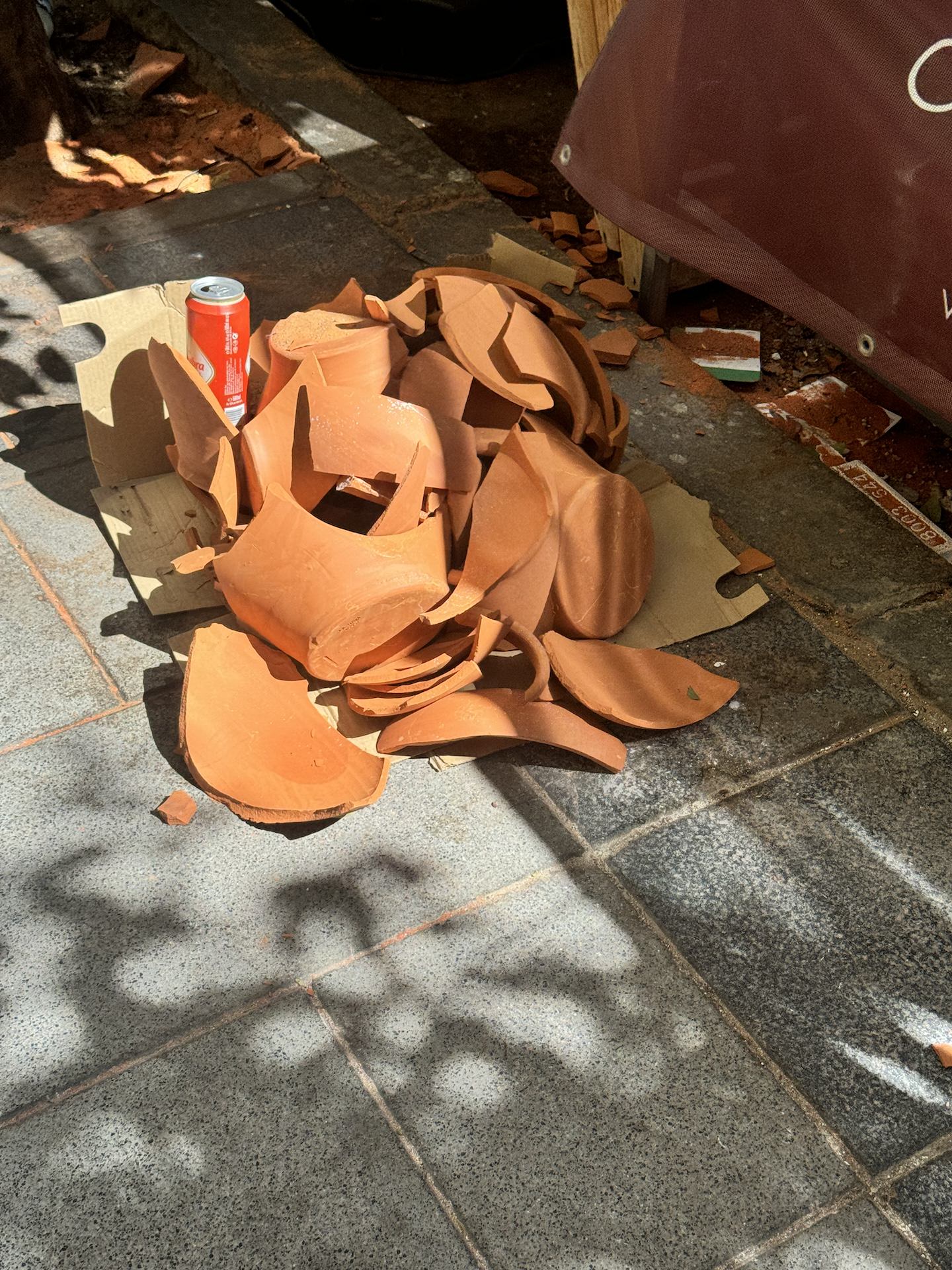
The main work is a video piece documenting a performance in which about 30 performers throw hundreds of terracotta pots to each other with both hands.
The performance unfolds across the space, cutting through the gallery from the interior all the way outdoors. The performers shout as they pass the pots between them with movements reminiscent of rugby players.
Though it may look playful, the rapid pace sometimes results in a pot falling, and the piece carries a real sense of tension as it progresses.
The performance was also staged before the audience on the exhibition’s opening day, drawing hundreds of viewers into the event.
The artist himself showed me a video of it, and I was struck by the lively atmosphere, which felt like a celebration of the exhibition.
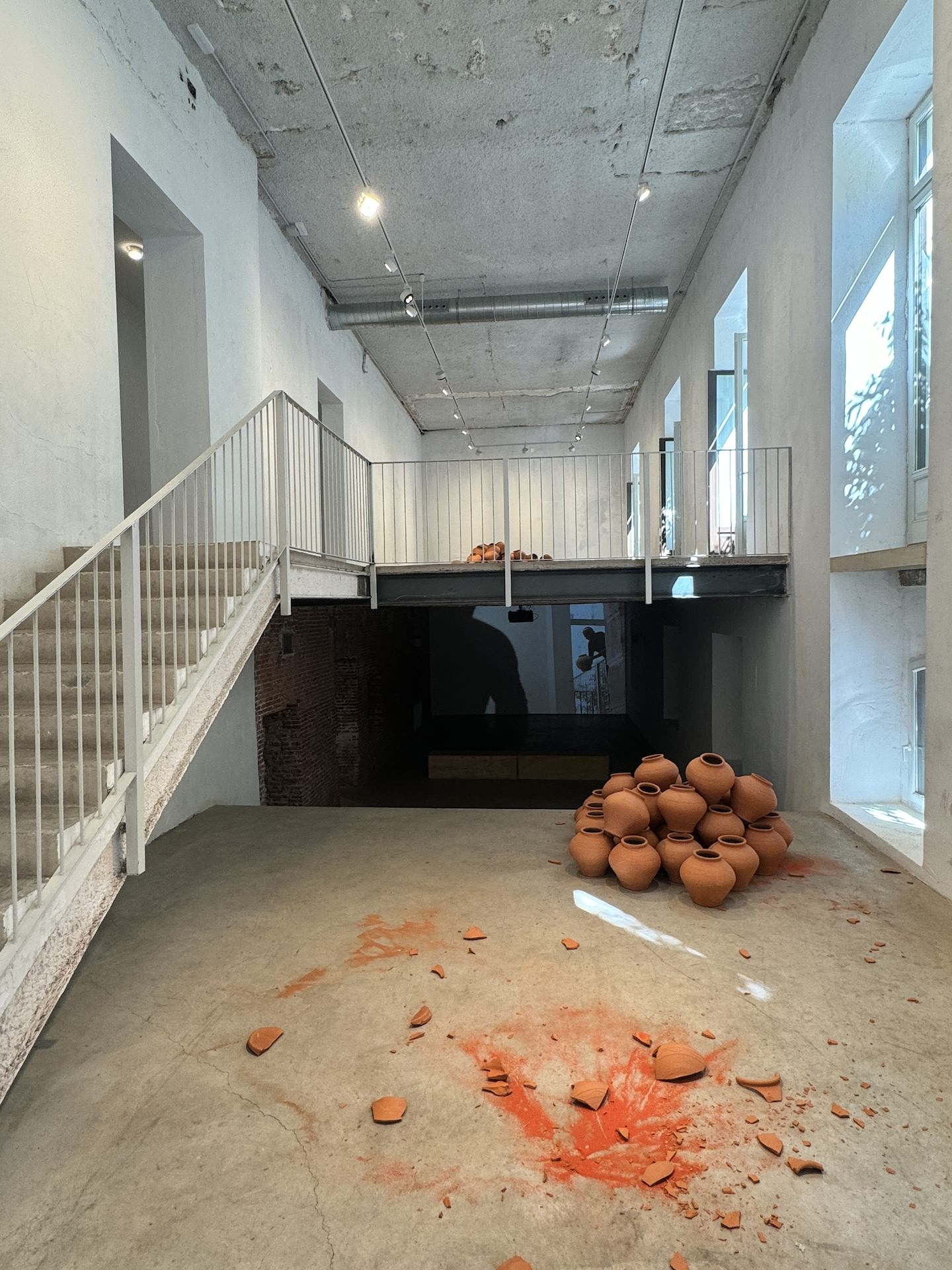
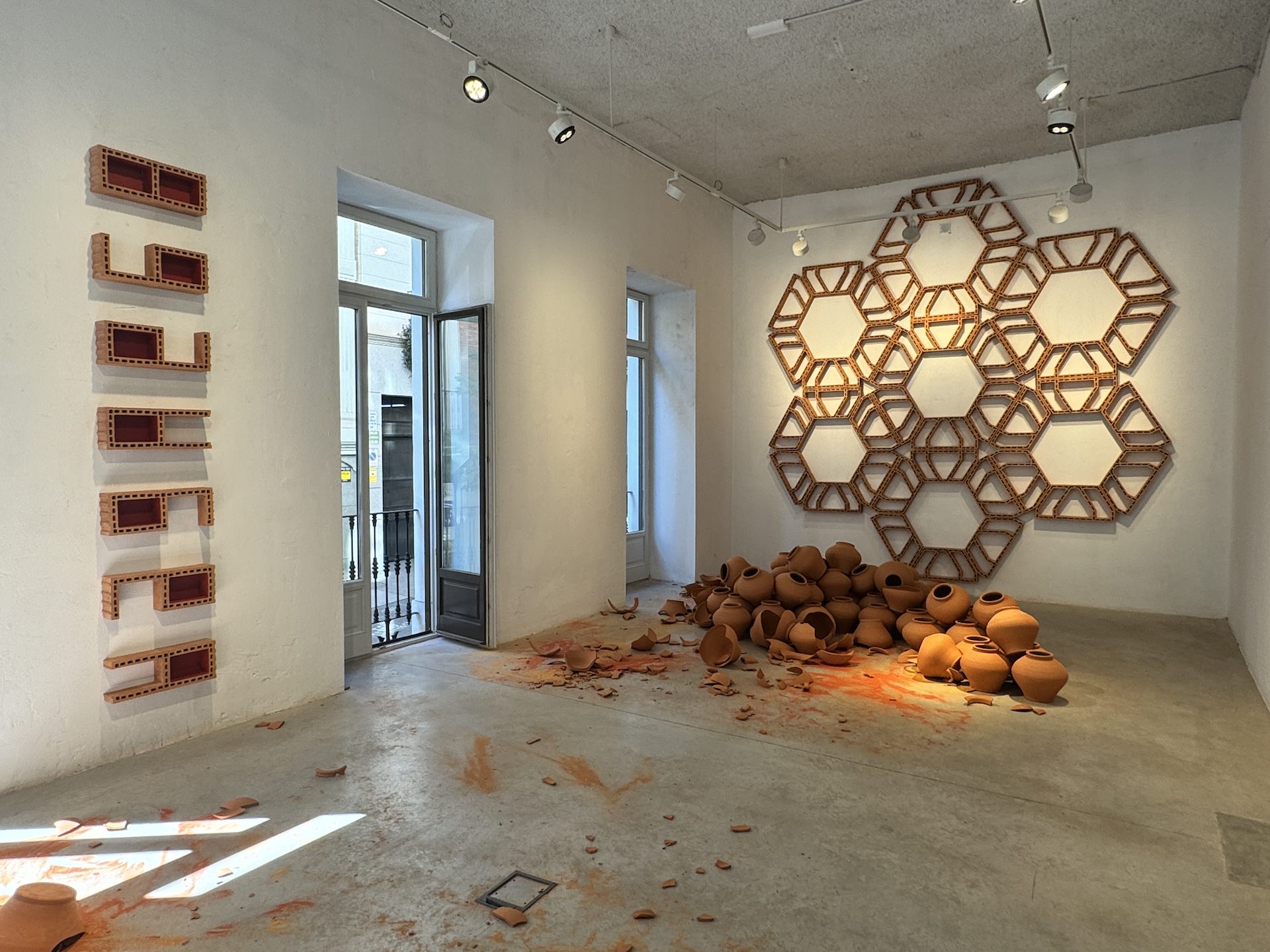
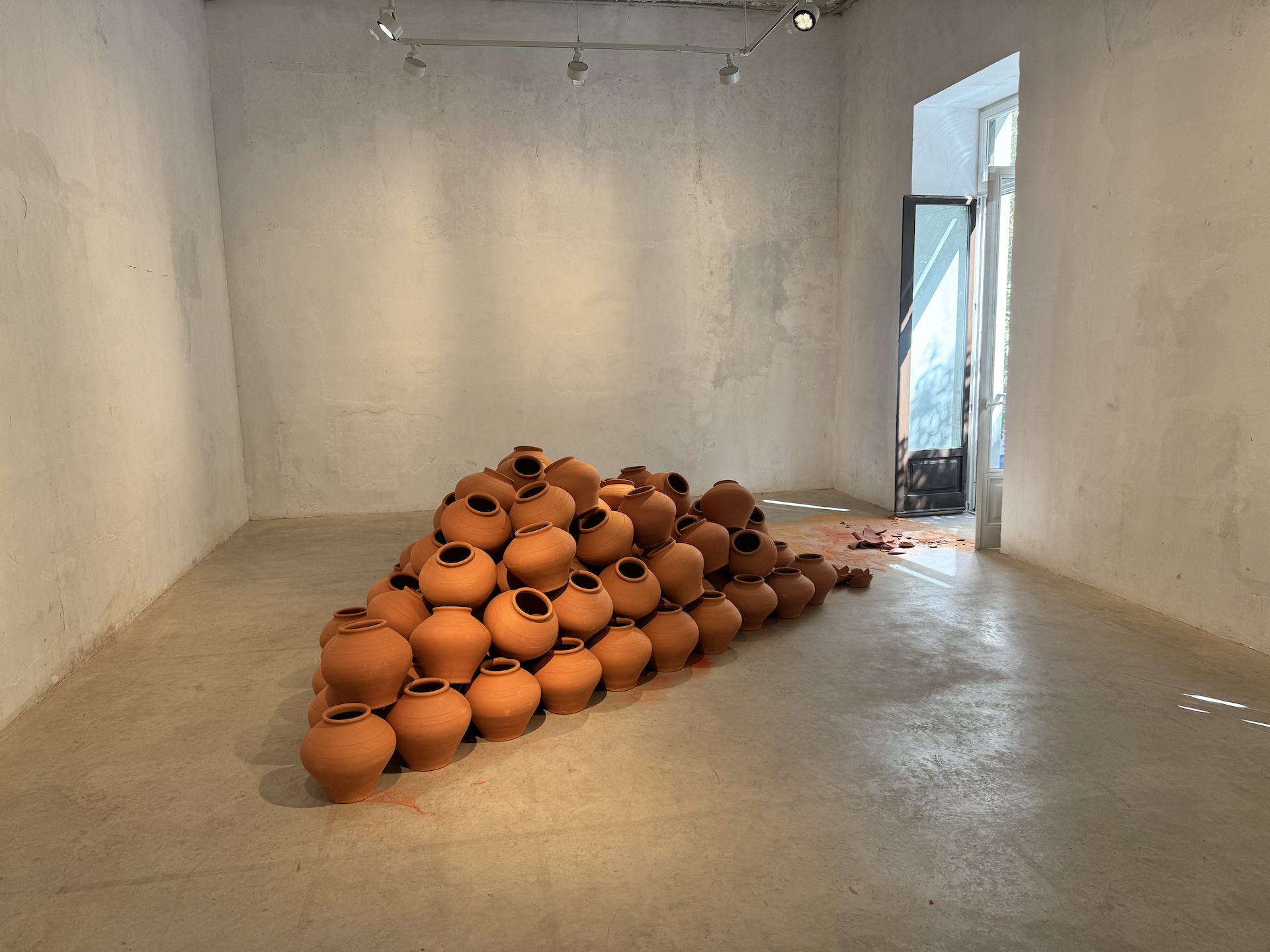
Héctor Zamora’s works, while addressing universal themes that transcend social and cultural contexts, have the power to make viewers reflect on their own actions and on the workings of society.
The performance expressed through this exhibition “Emergencia” also mirrored Zamora’s concepts, leaving a very strong impression as a viewing experience.