Bice Lazzari “un espandersi ai margini dei labili confini selected works 1950 -1975”
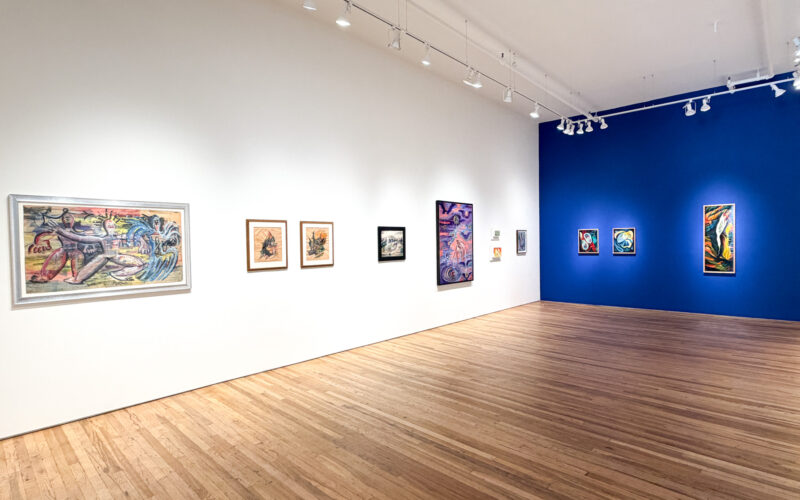
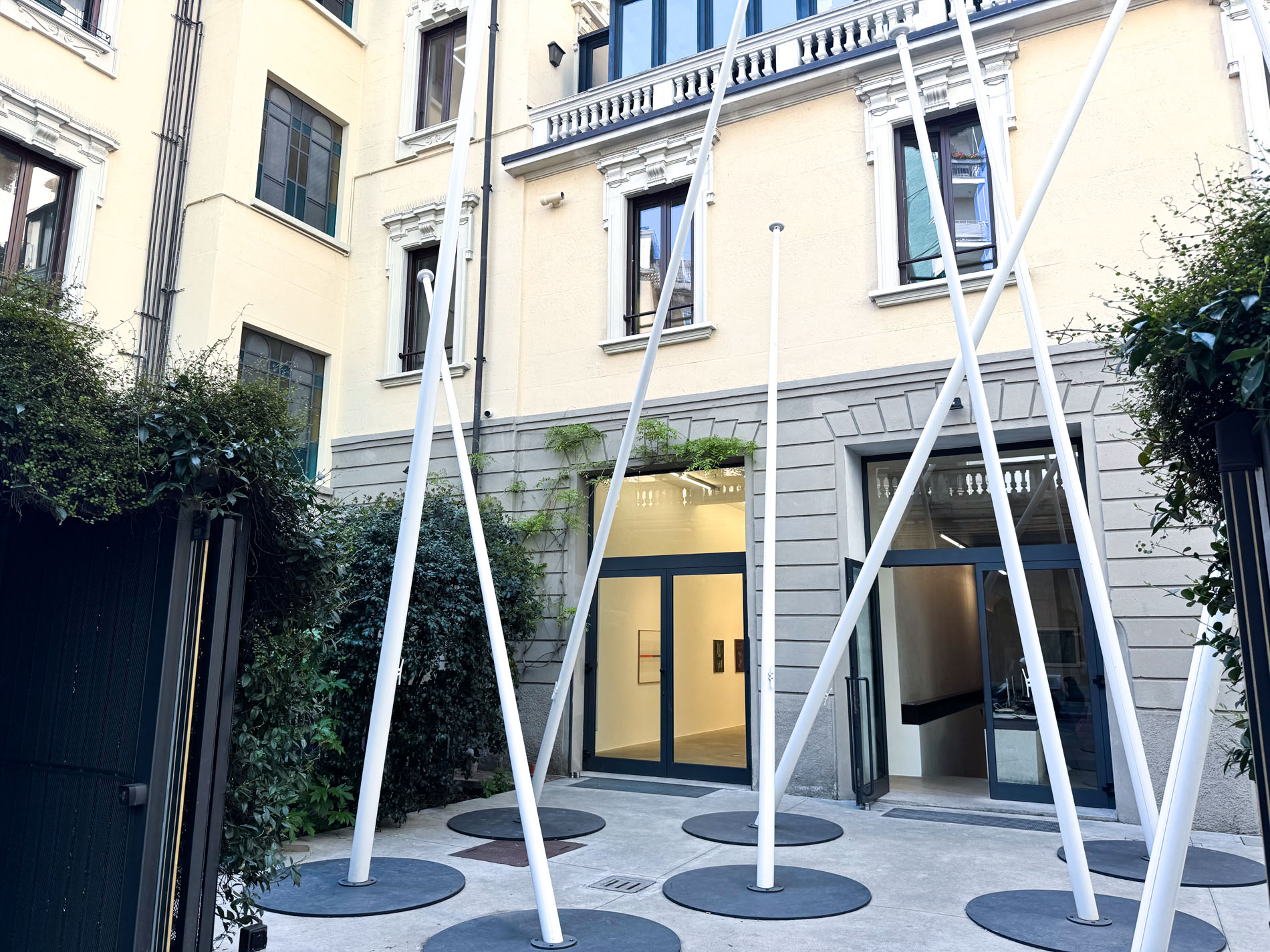
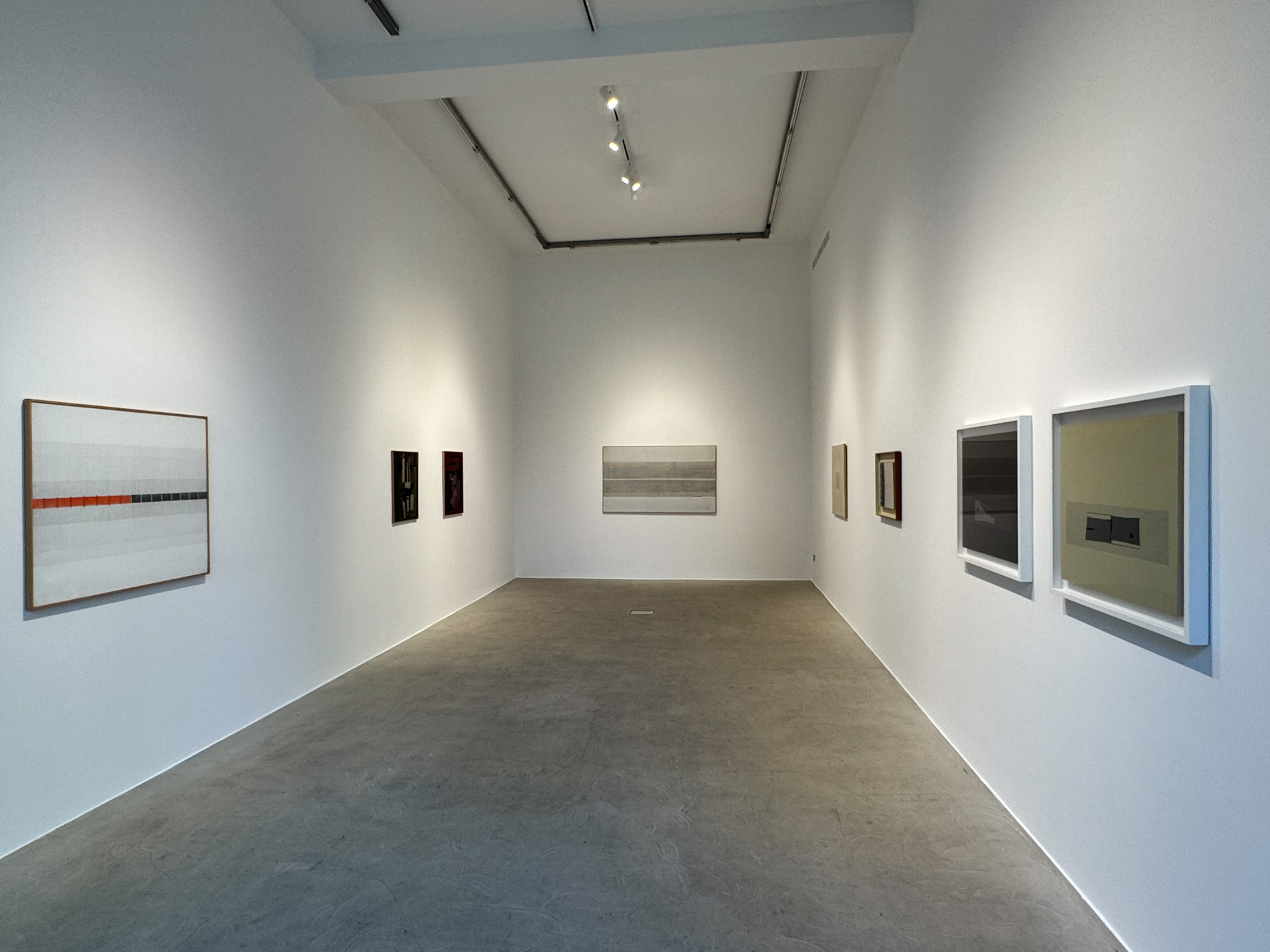
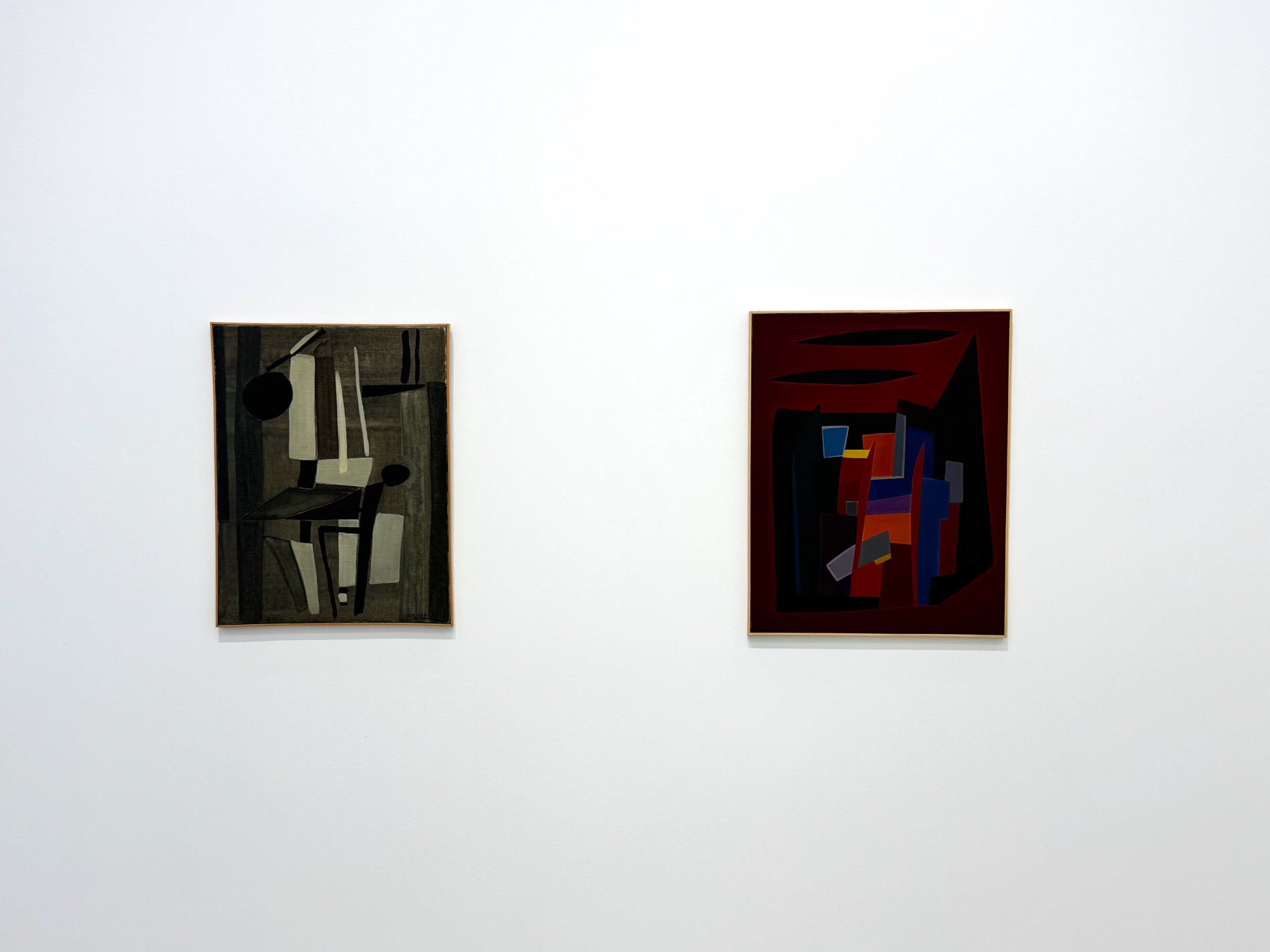
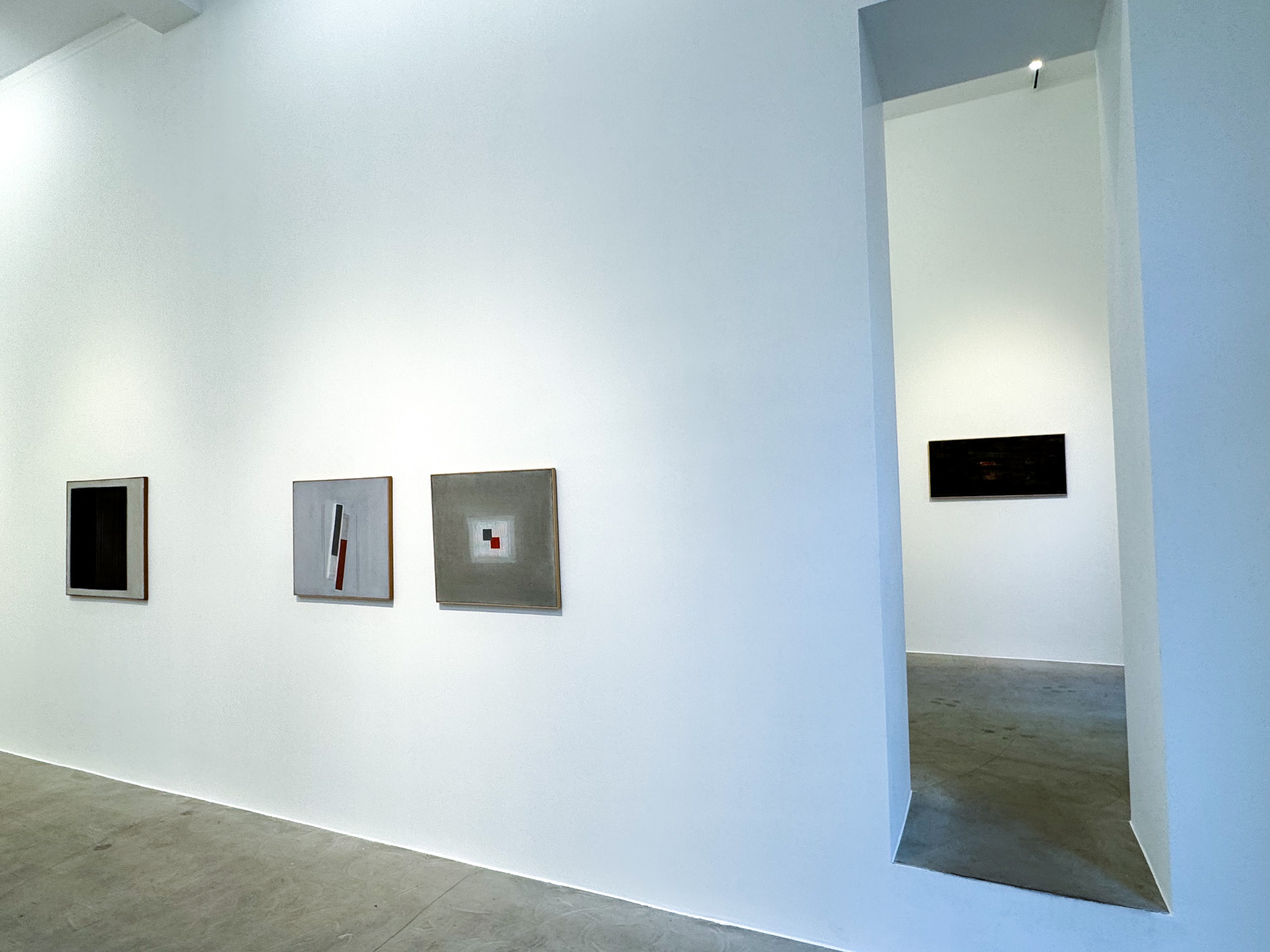
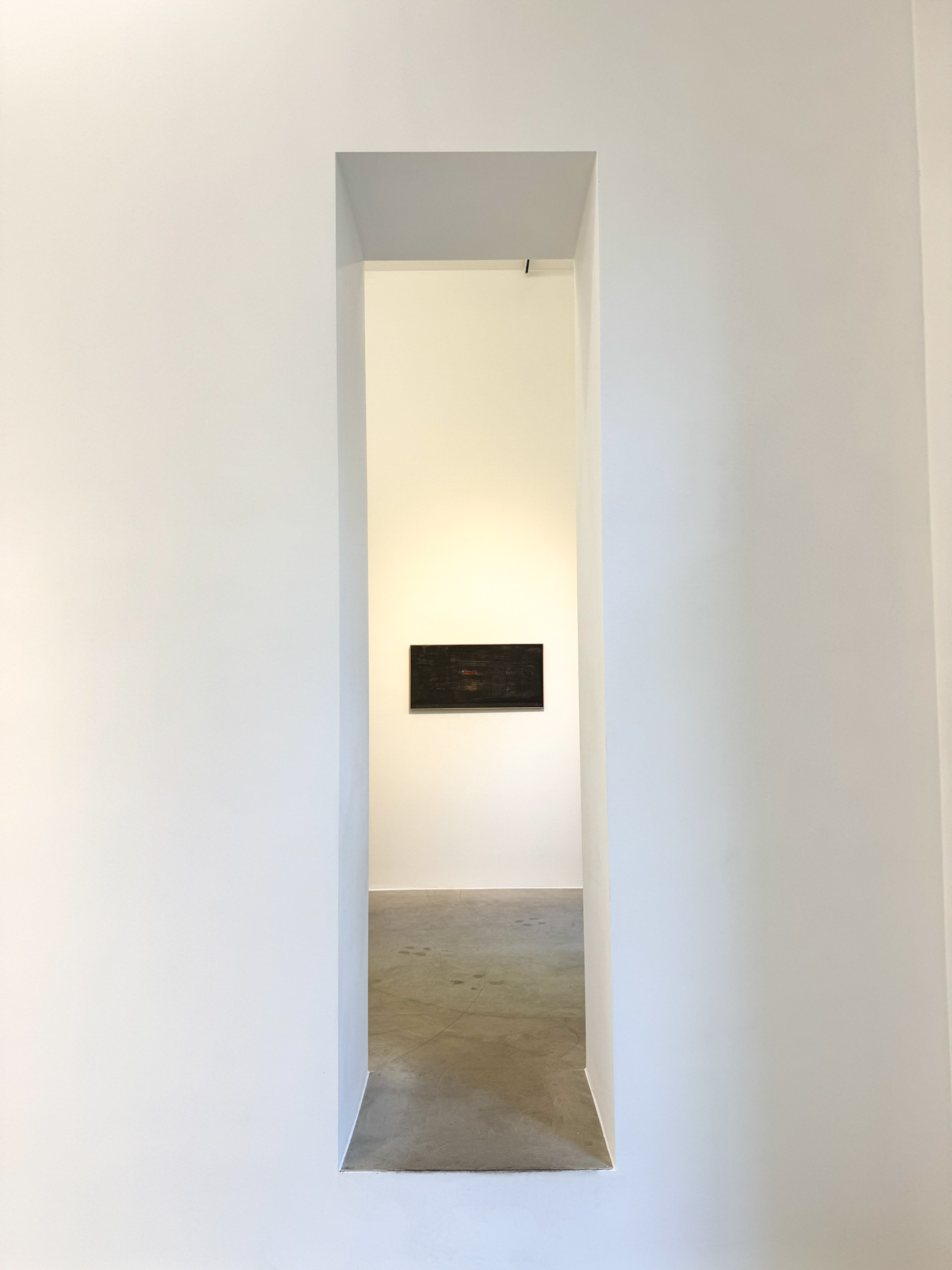
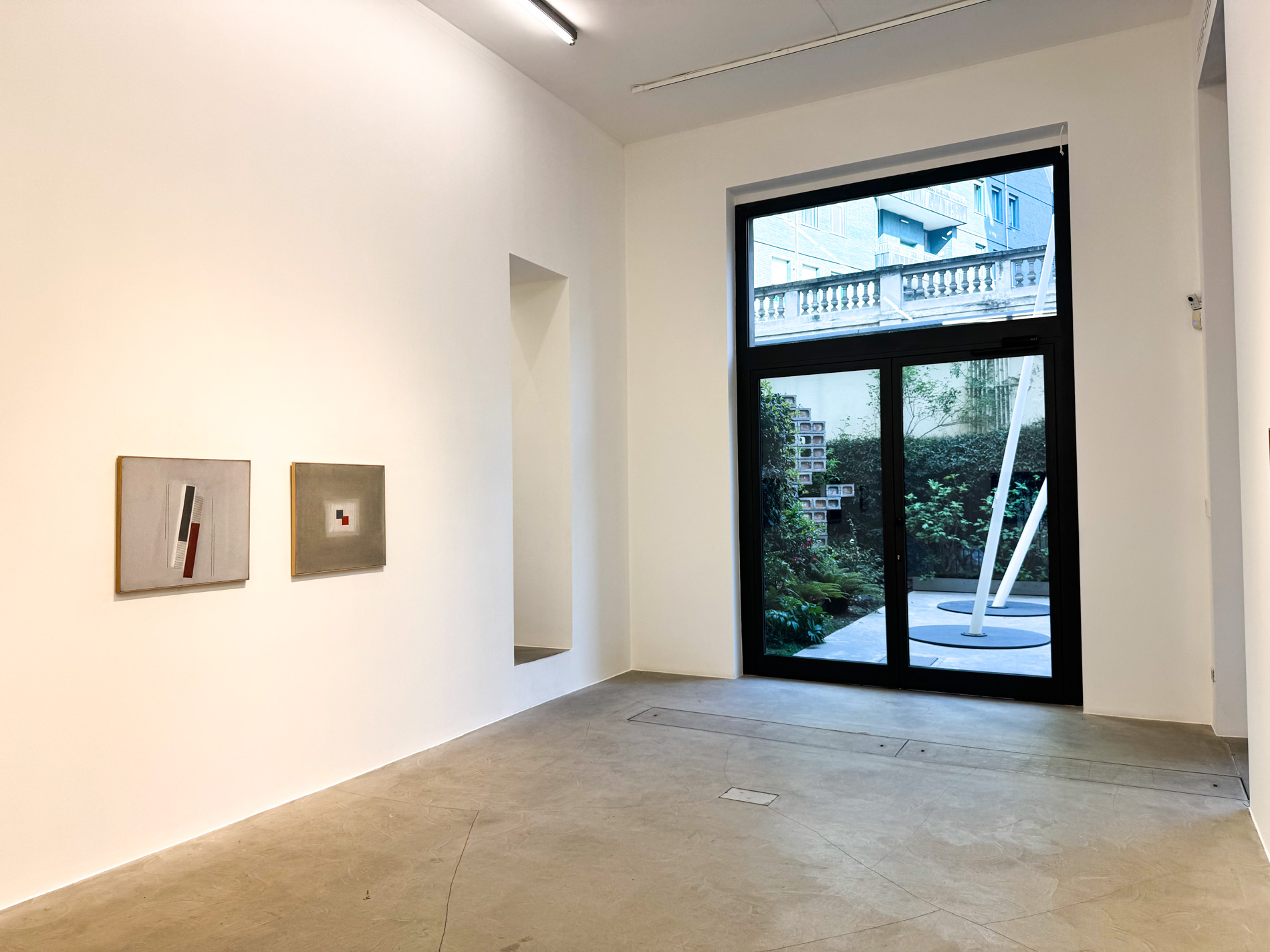
A solo exhibition of Bice Lazzari (1900–1981), a painter who led Italian modernism, was on view at kaufmann repetto (Milan).
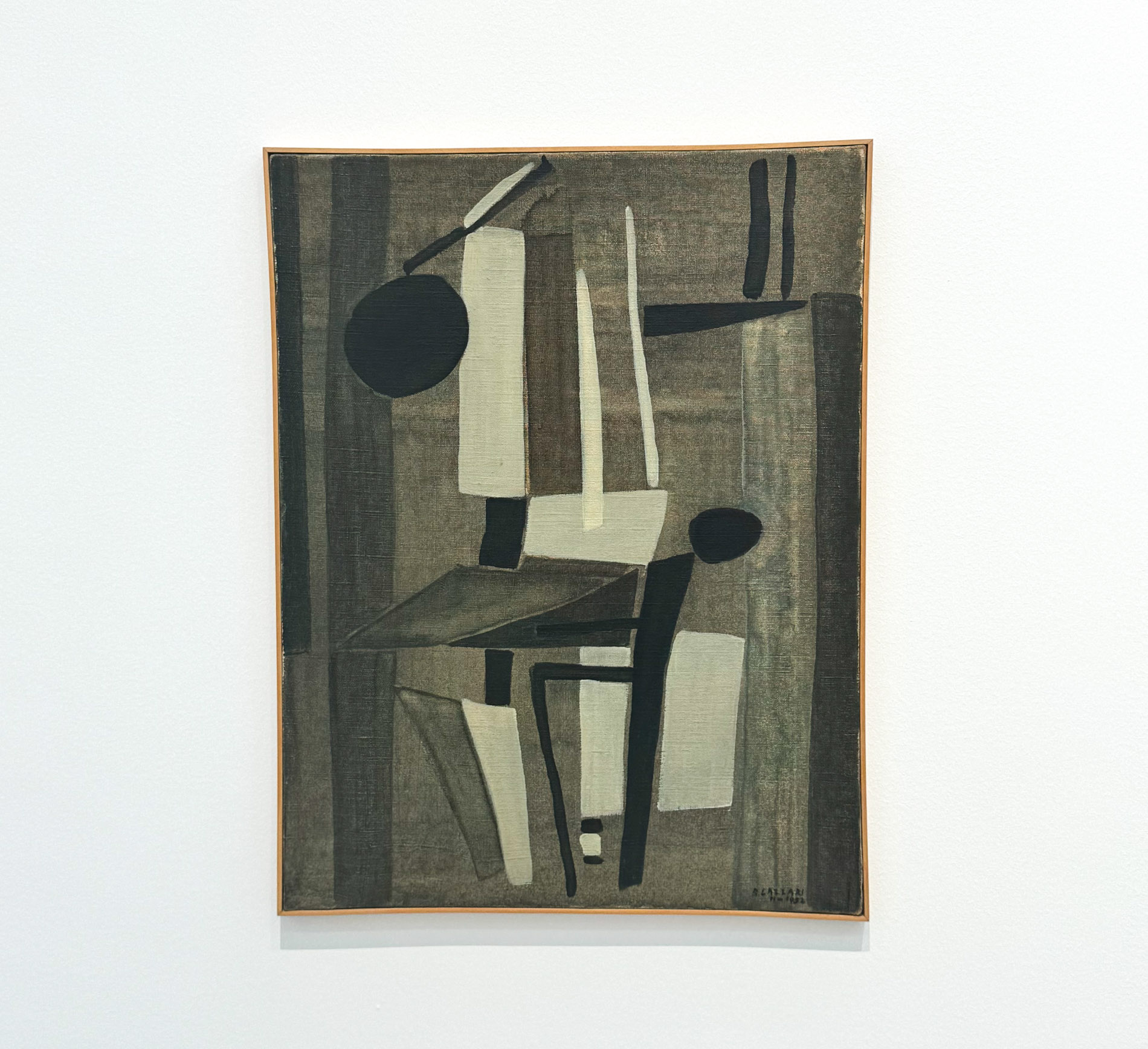
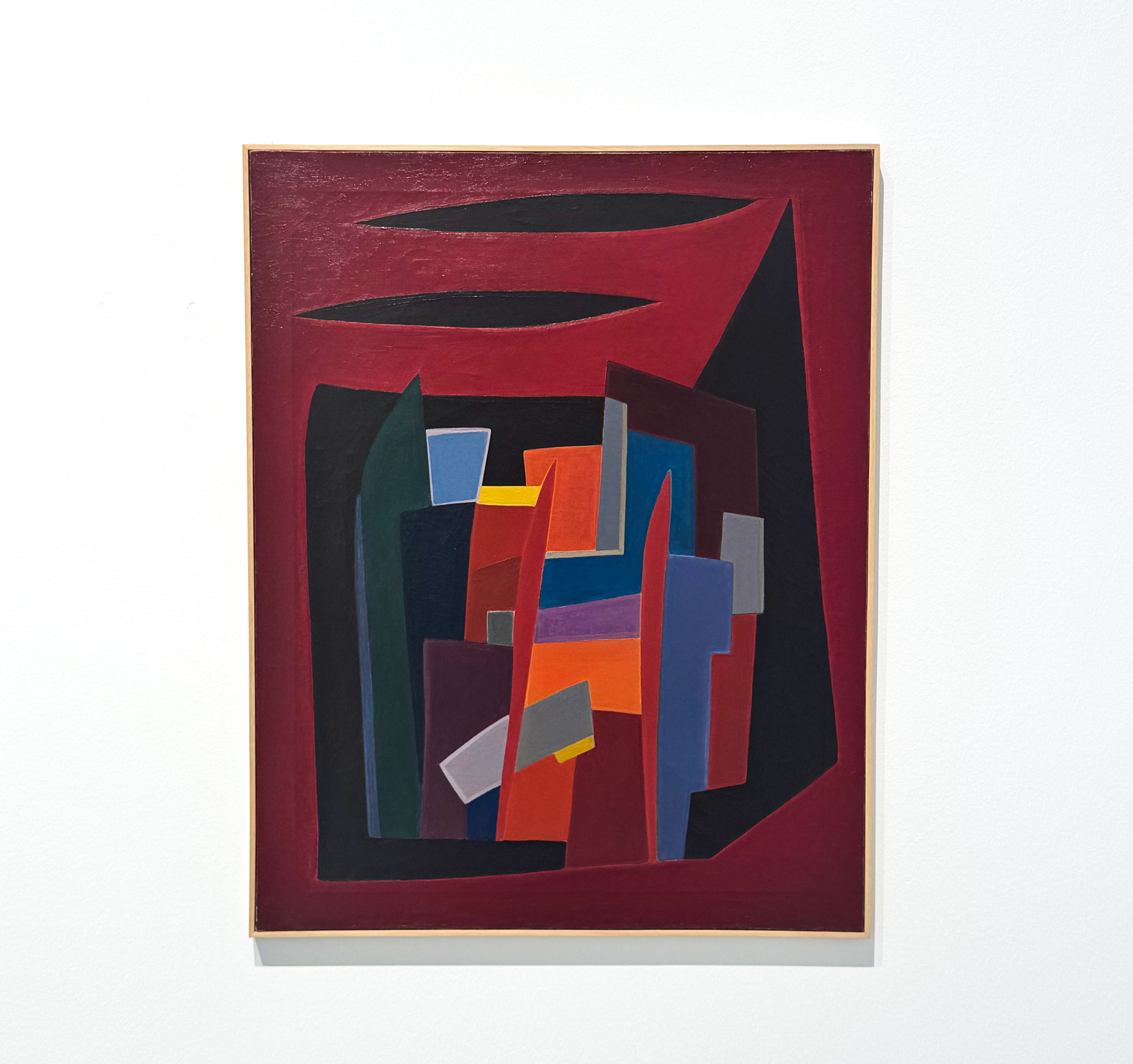
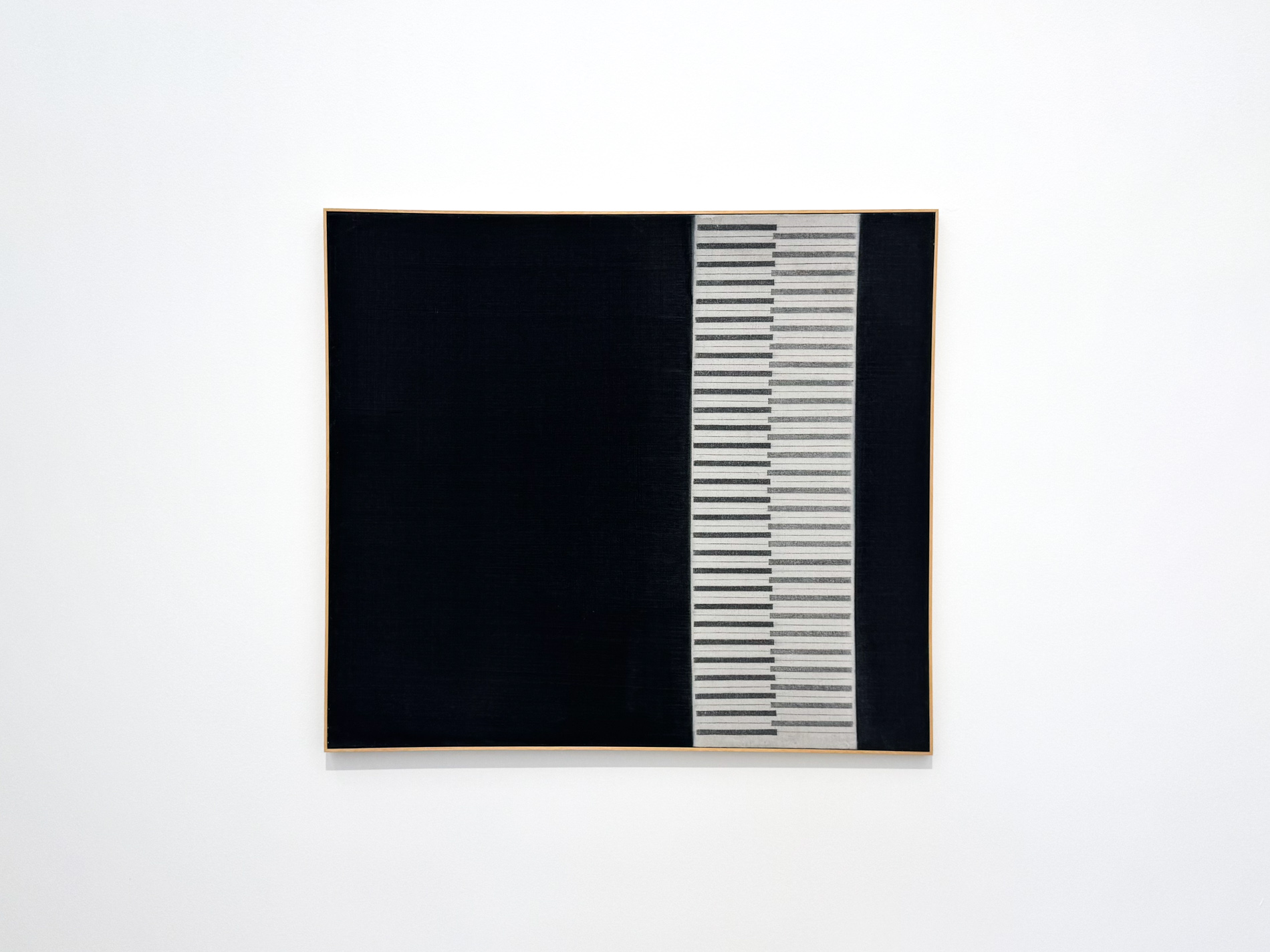
This exhibition shed light on Lazzari’s contributions to abstraction and Minimalism through her representative works from the 1950s to the 1970s.
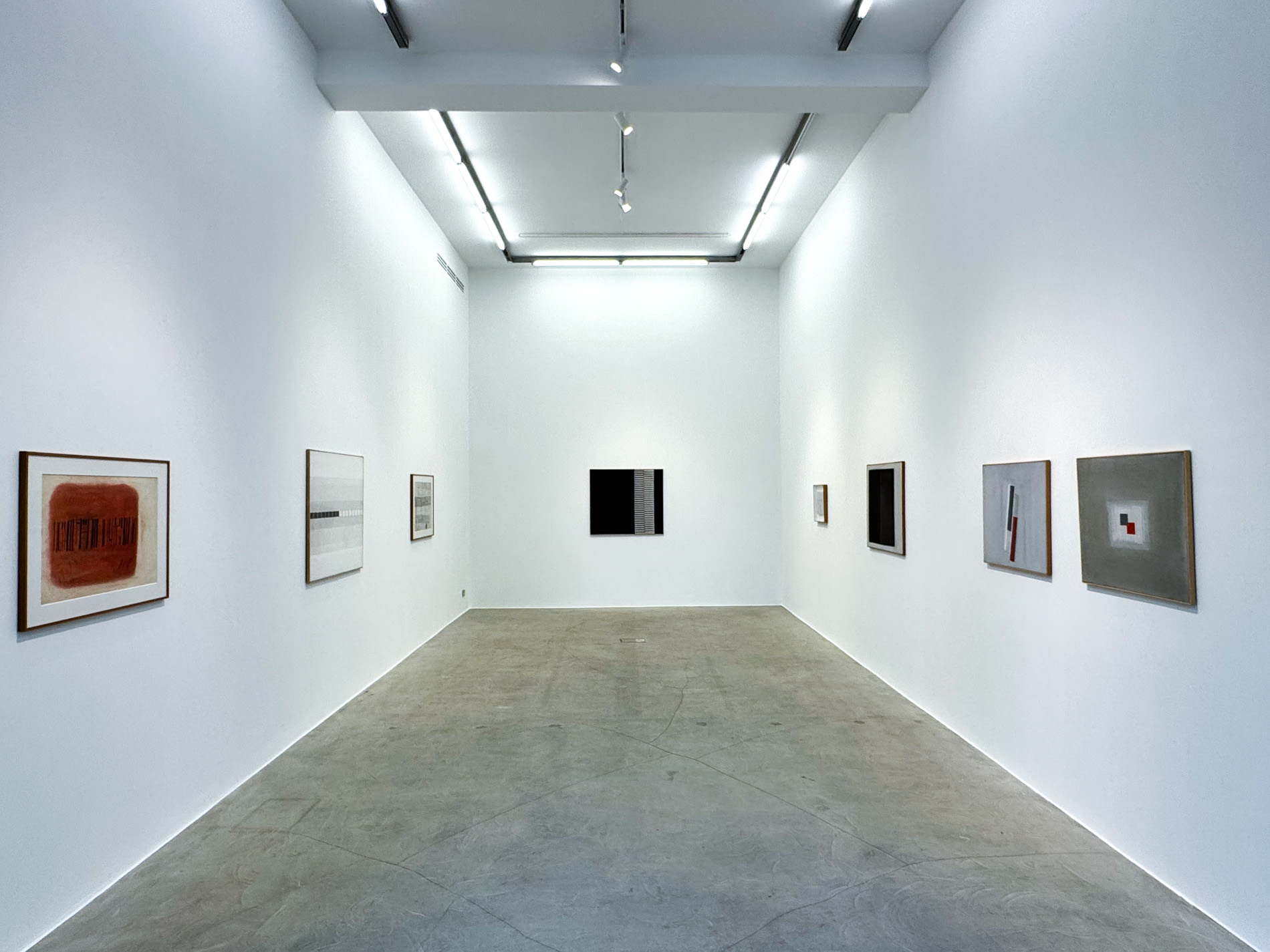
Bice Lazzari (1900–1981) is one of the leading women abstract painters of 20th-century Italy. She is known for continuing to work even after losing most of her sight in her later years.
Medically, Lazzari’s loss of vision was caused by glaucoma.
Glaucoma is a disease that damages the optic nerve, and it became the main cause of her declining eyesight in old age. Even before that, toxicity from painting materials had been adversely affecting her vision. In fact, it was determined that the solvents used to thin oil paint were gradually harming her sight, and in 1962 she gave up working in oils. Contemporary reports at the time also stated that she moved away from traditional oil painting in 1959 due to “poisoning (intossicazione) from oil paints,” and from then on Lazzari shifted her practice toward relatively safer materials such as tempera, crayon, and acrylic. Thanks to this change in materials, she was able to continue working while temporarily holding off the deterioration of her sight.
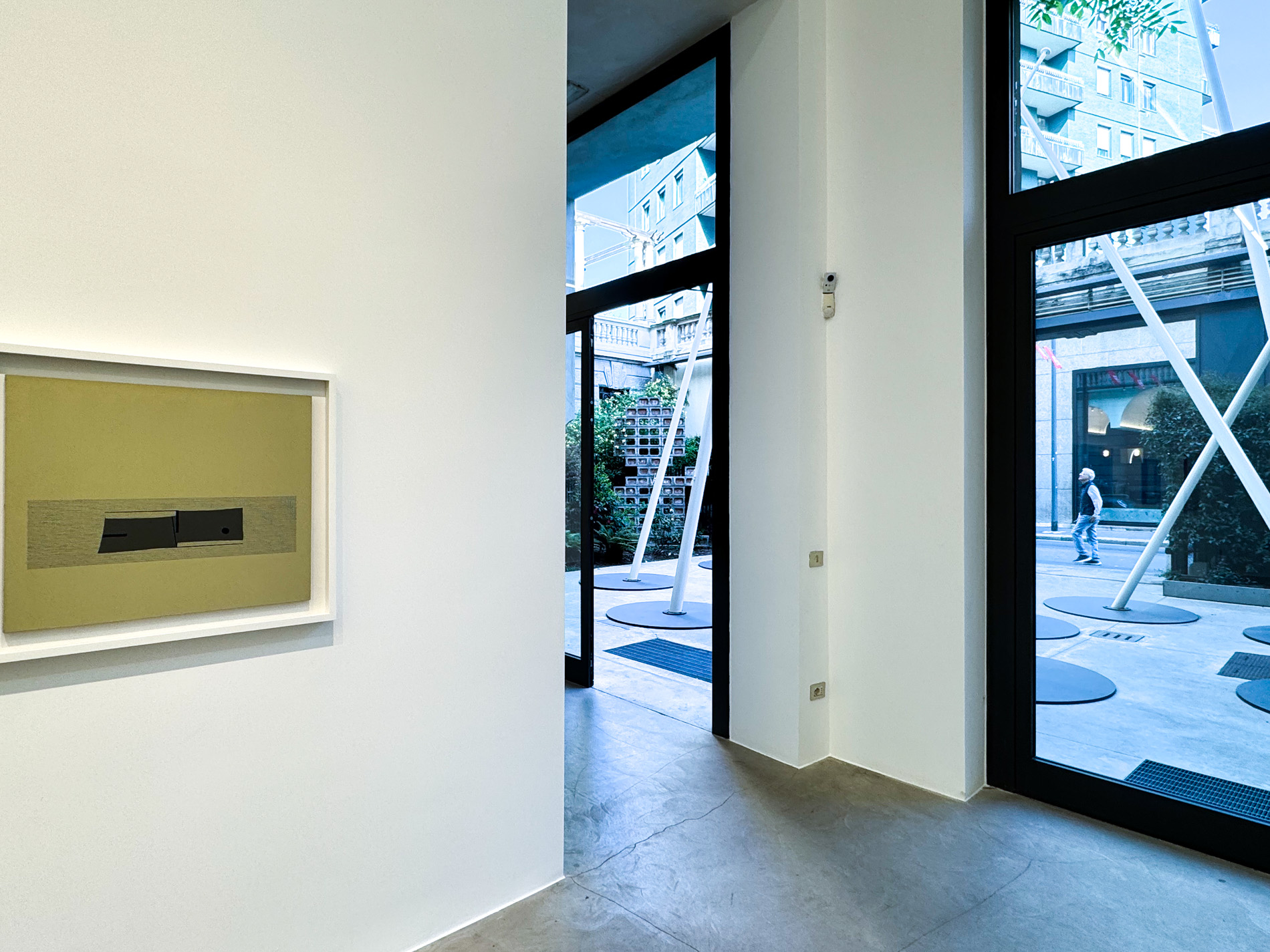
Lazzari’s vision began to deteriorate significantly in the 1970s, and it is said she reached a state of near-blindness by the late 1970s. The works in this exhibition are drawn from the period leading up to that point.
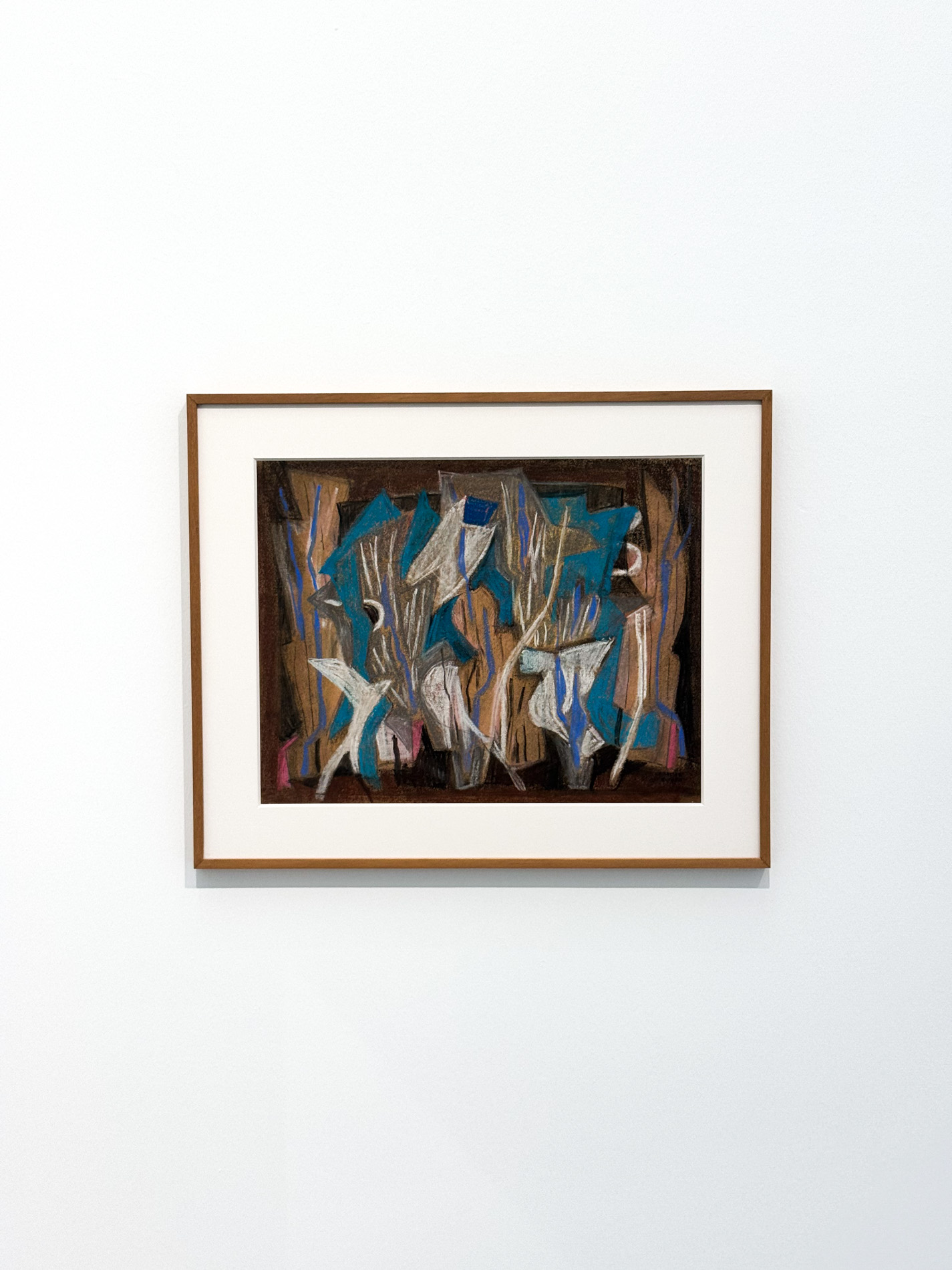
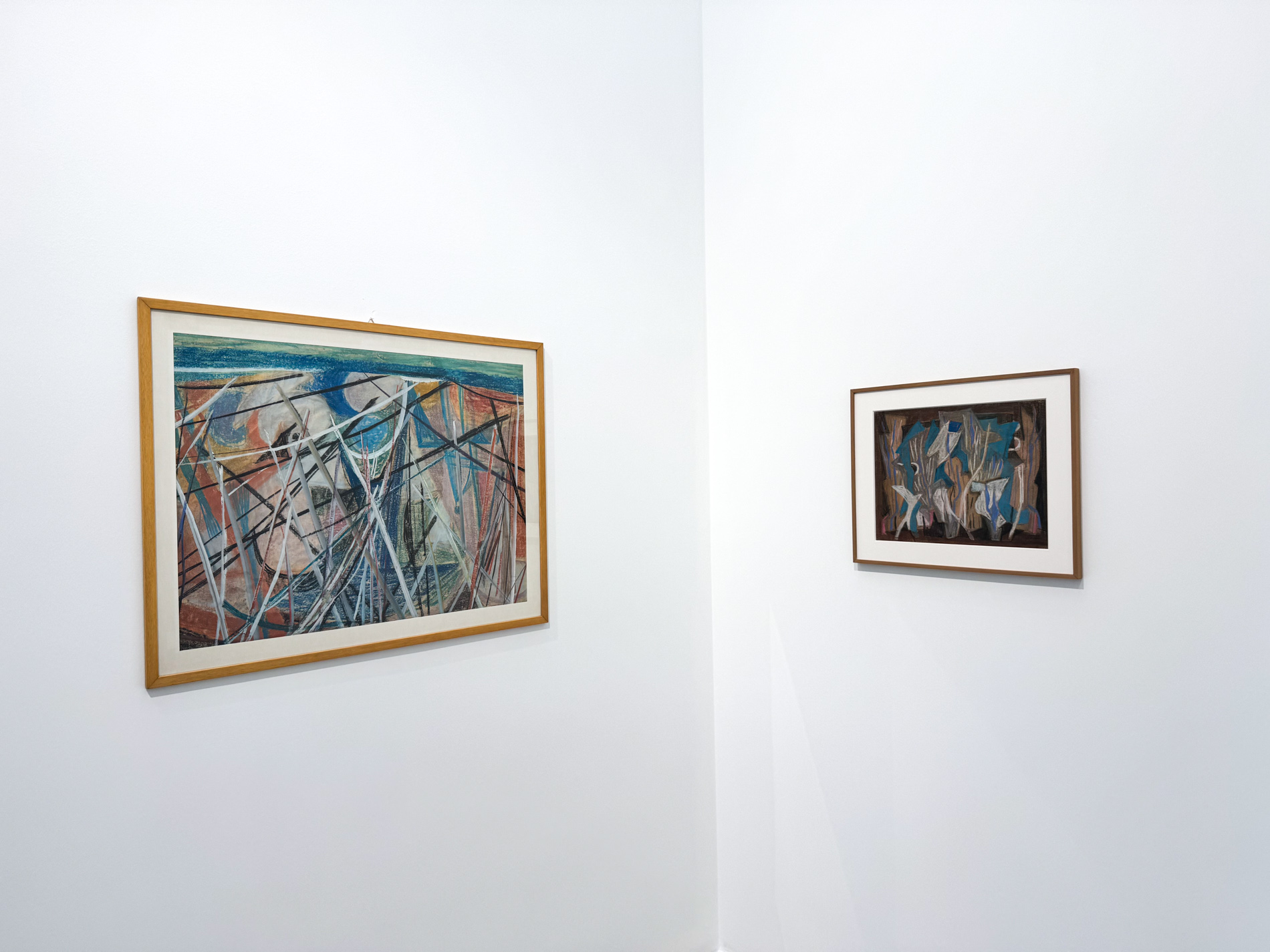
In her later years, she was reevaluated alongside the rise of feminism. Her figure — continuing to create even as she lost her sight — surely embodies the spirit of an art that is at once serene and powerful.