Kohei Yamada “The Lightness That Supports”
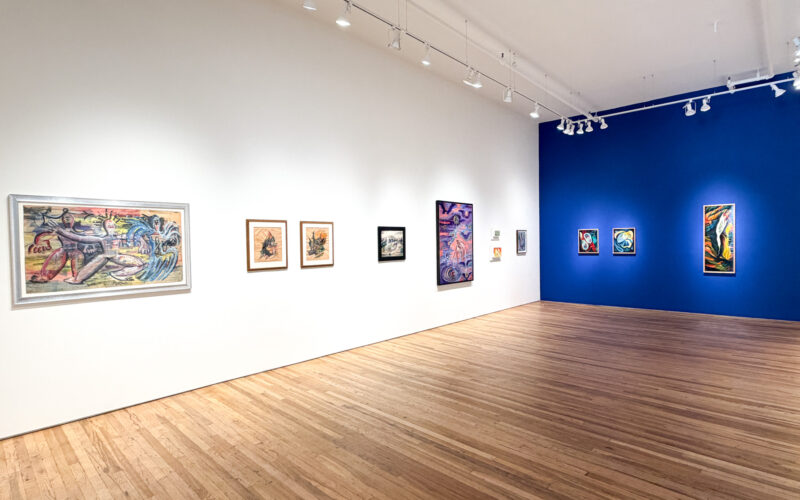
I visited Kohei Yamada’s solo exhibition “The Lightness That Supports.”
The venue is the space “Sukima” in Kuramae.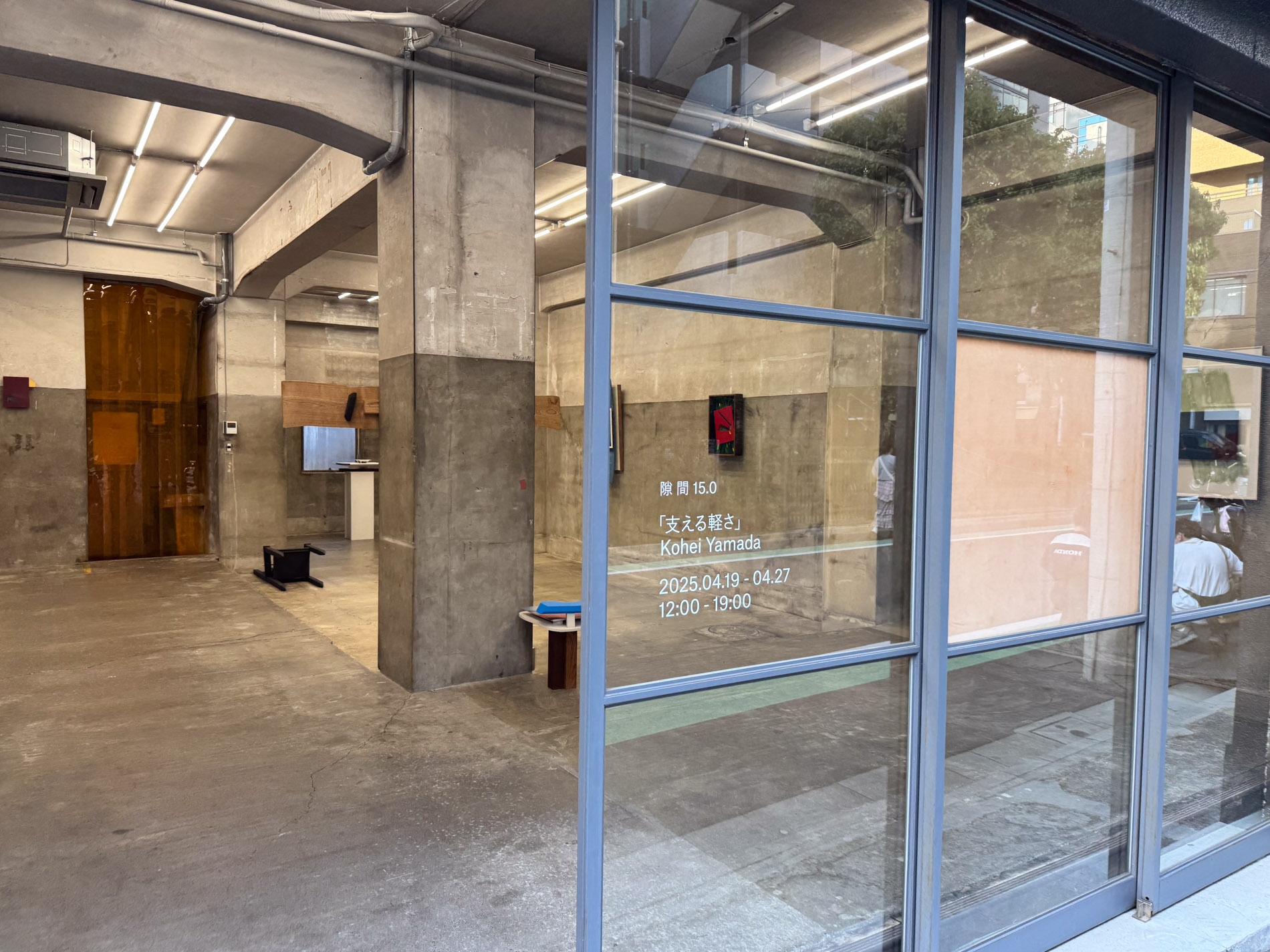
All the works are for sale, but one of them becomes a piece Sukima collects through “barter.”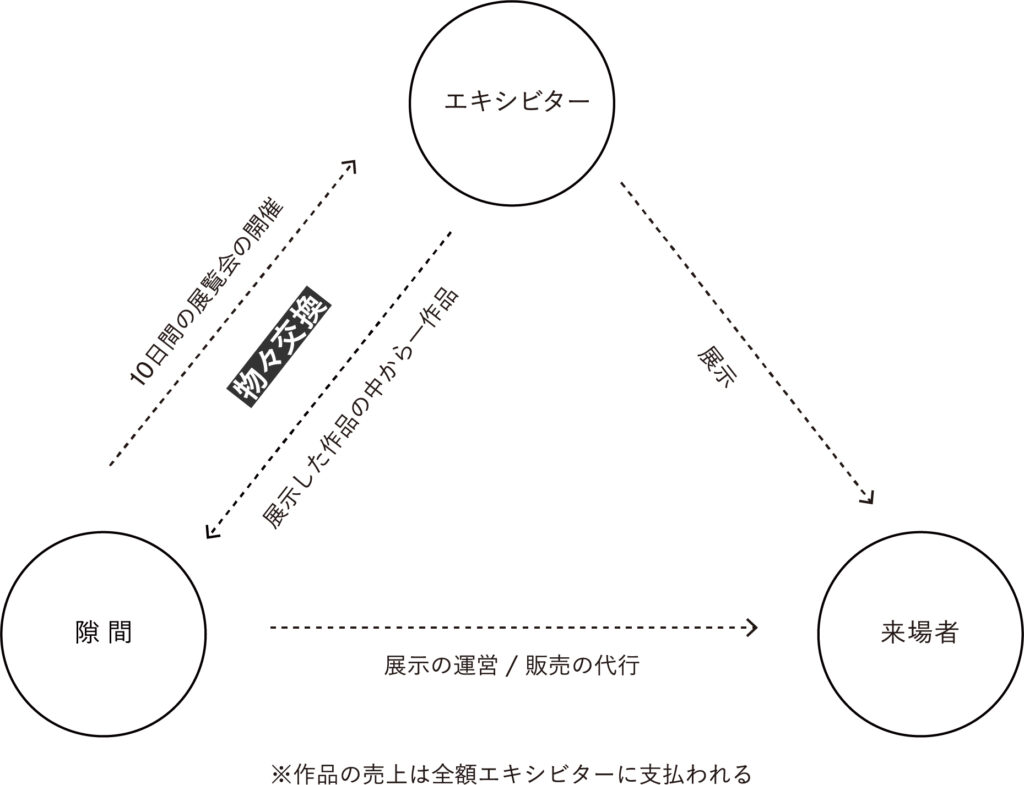
Sukima’s “barter” is an alternative system for holding exhibitions between the space and the exhibitor without money changing hands.
In this exchange of value, Sukima provides the exhibitor with the operation, publicity, and artist dinner surrounding the exhibition, and the exhibitor provides Sukima with one work from the show.
With no space-usage fee or sales commission arising in the gallery’s operation, this “exchange” is an attempt to consider a “value” beyond economic rationality. — from the Sukima official site
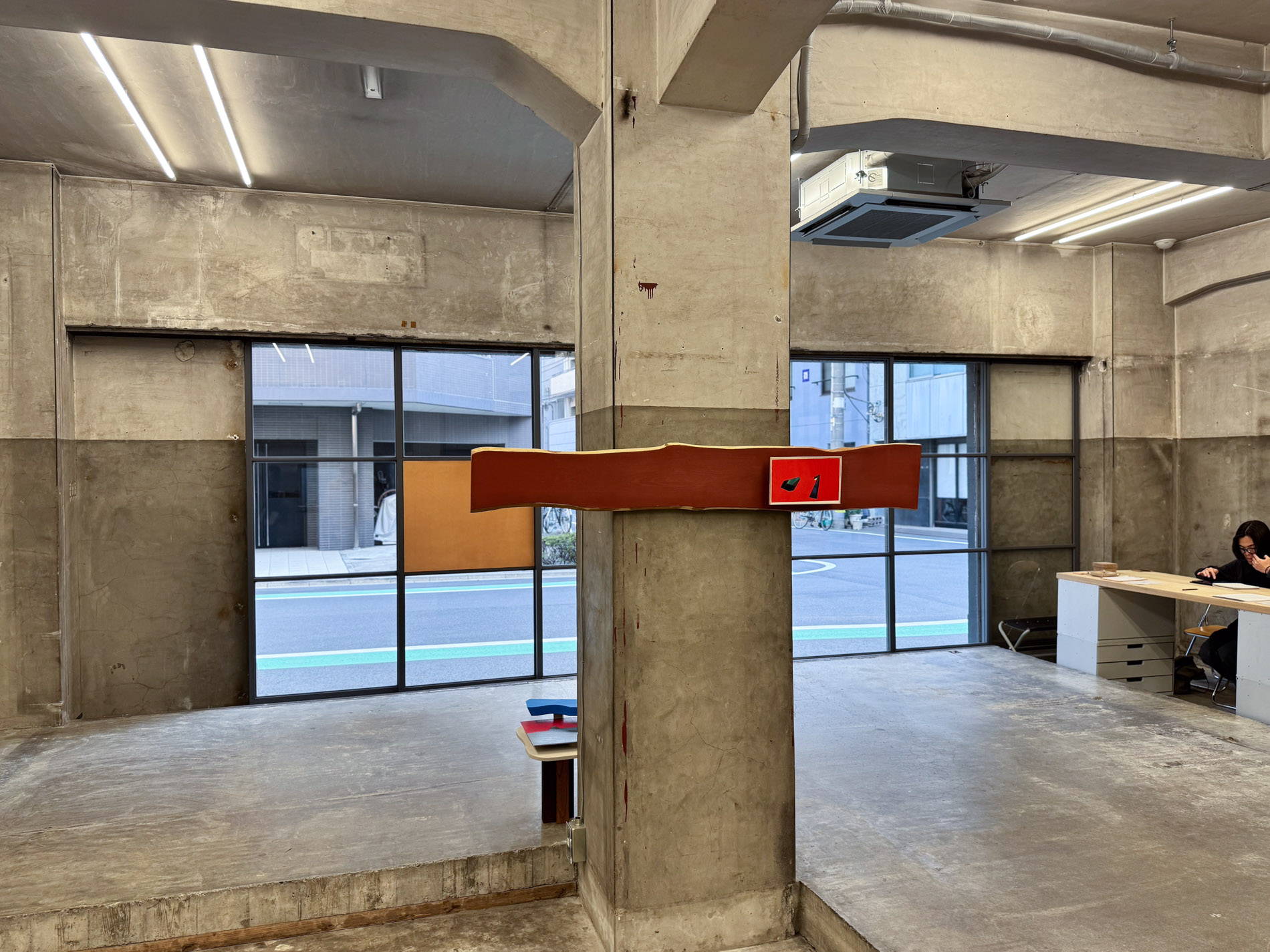
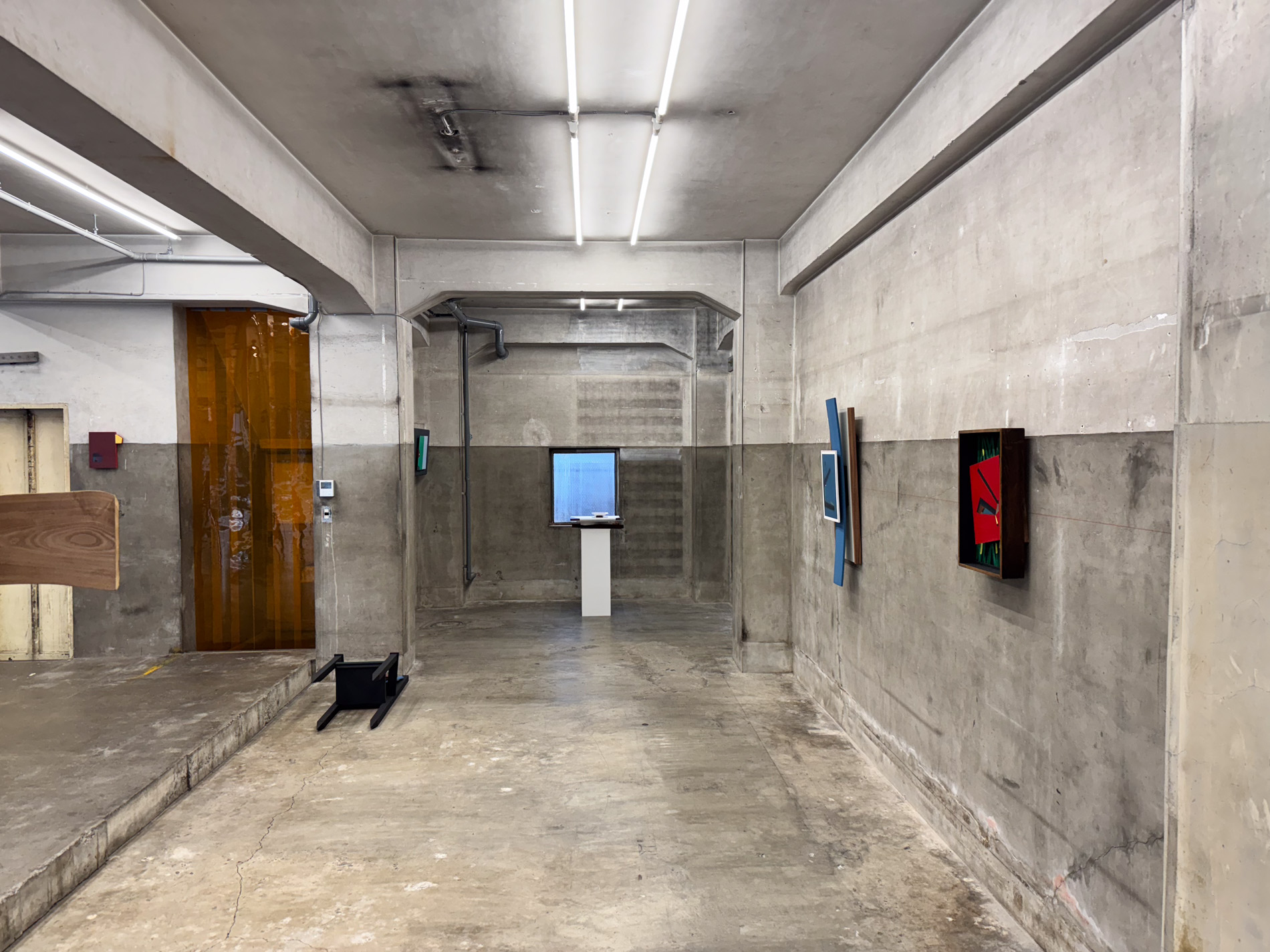
All the works are new pieces made in 2025 (all titled “untitled”).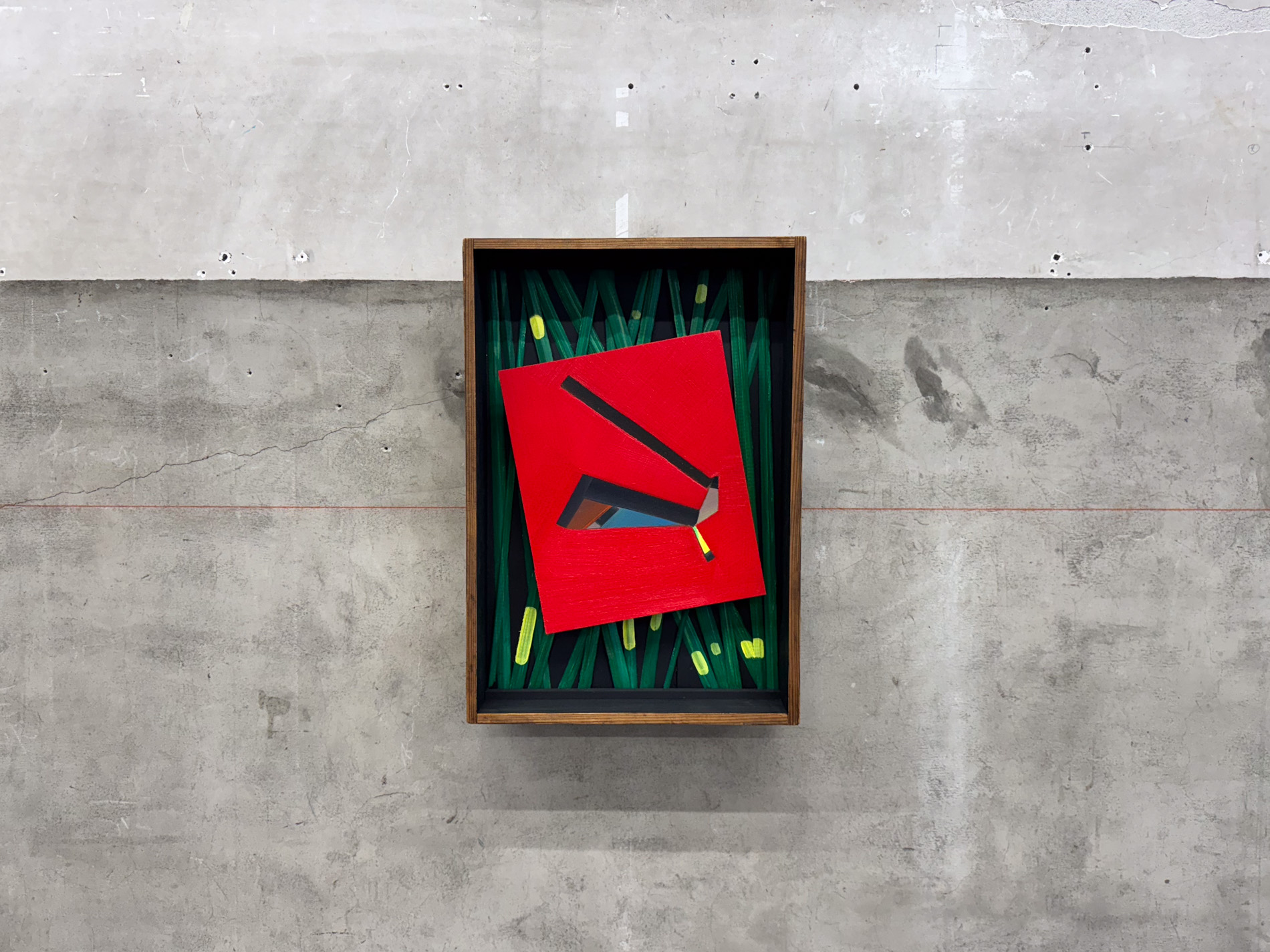
Artist statement
What kind of support should one choose to make a paper work hold together? This exhibition grew out of that question. I feel my paper works don’t fit existing frames — why is that? When I think about existing frames, I consider them to serve the function of supporting the work. Even a floppy piece of paper, even some doodle, is pulled taut by the support of the frame and its adhesion to the board inside, and rises up as a work. There, the way that support should be is determined by the properties of paper as a material (lightness, thinness, form, surface texture, how it is handled) and by what is drawn on it (its various orientations). And the determined support discovers the optimal relationship for what is drawn on that paper. The newly discovered form of support functions only for what is drawn on that paper and applies to nothing else. Yet once it is chosen, the support ceases to be a support and transforms into an integrated object.Kohei Yamada
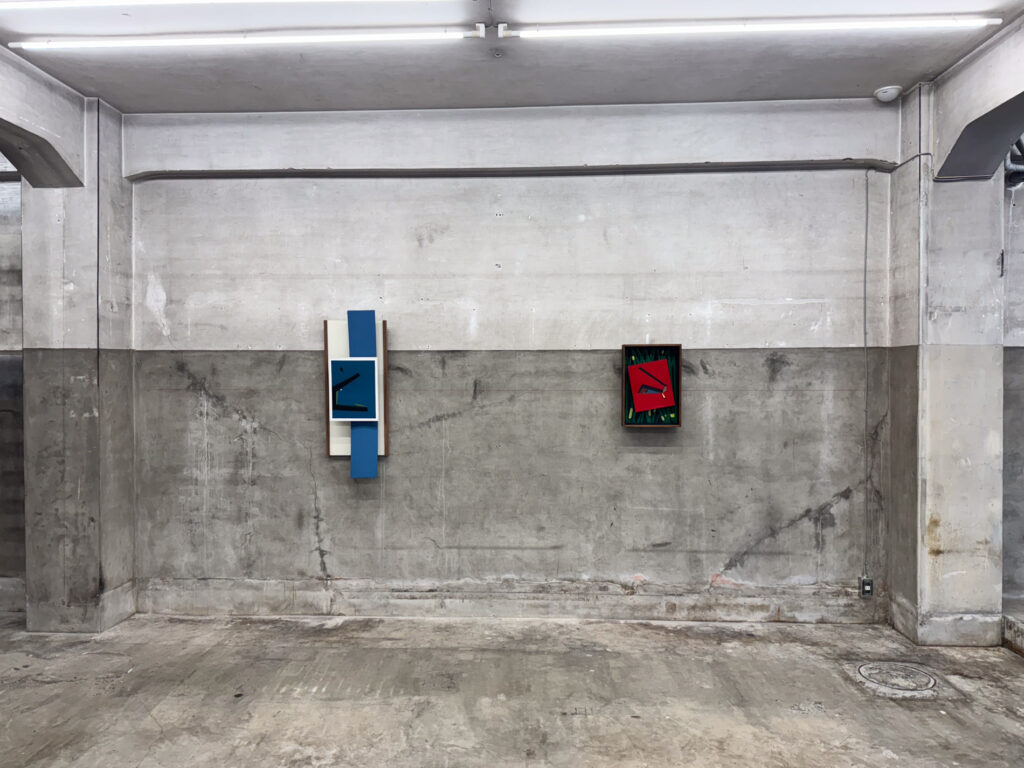
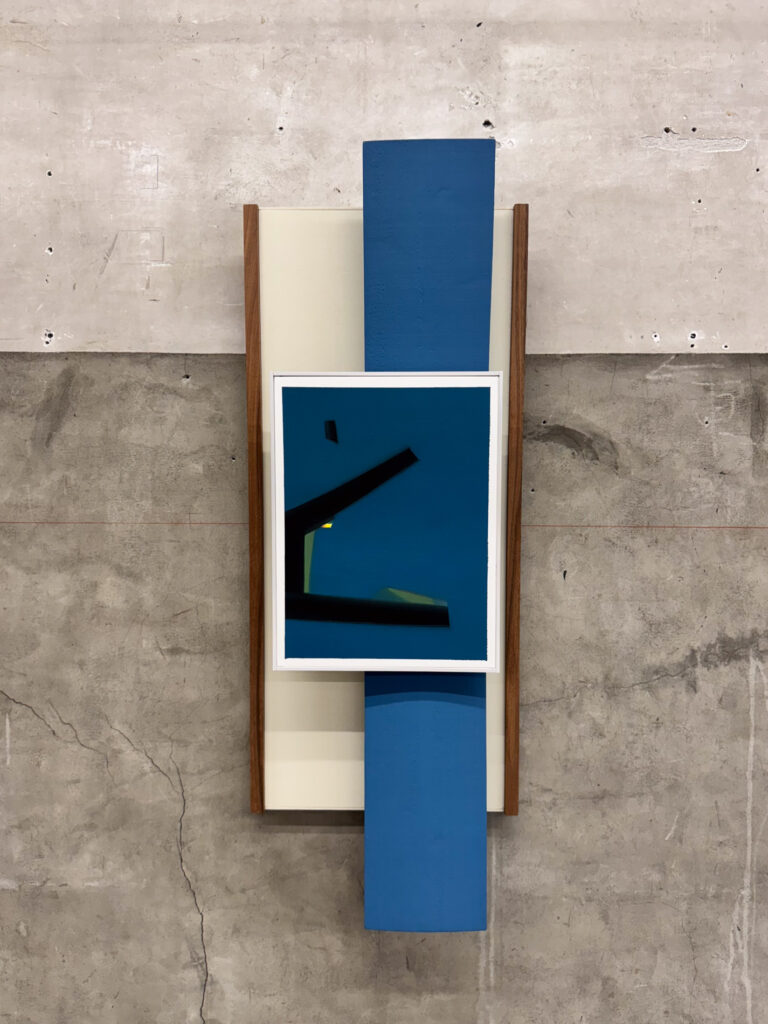
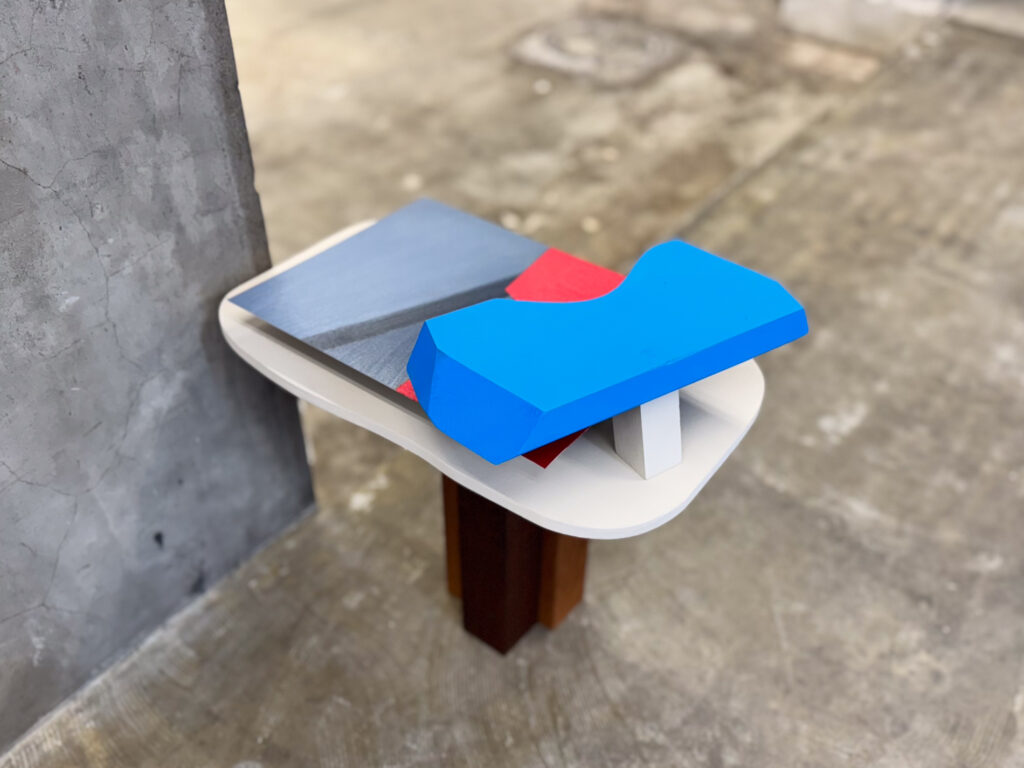
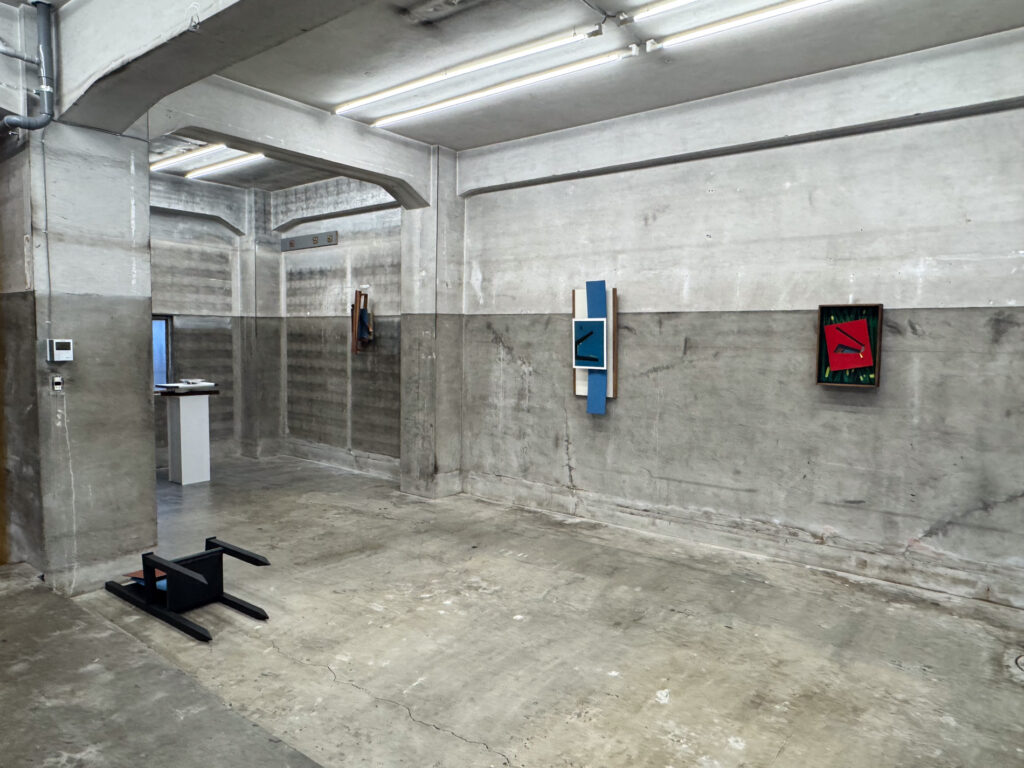
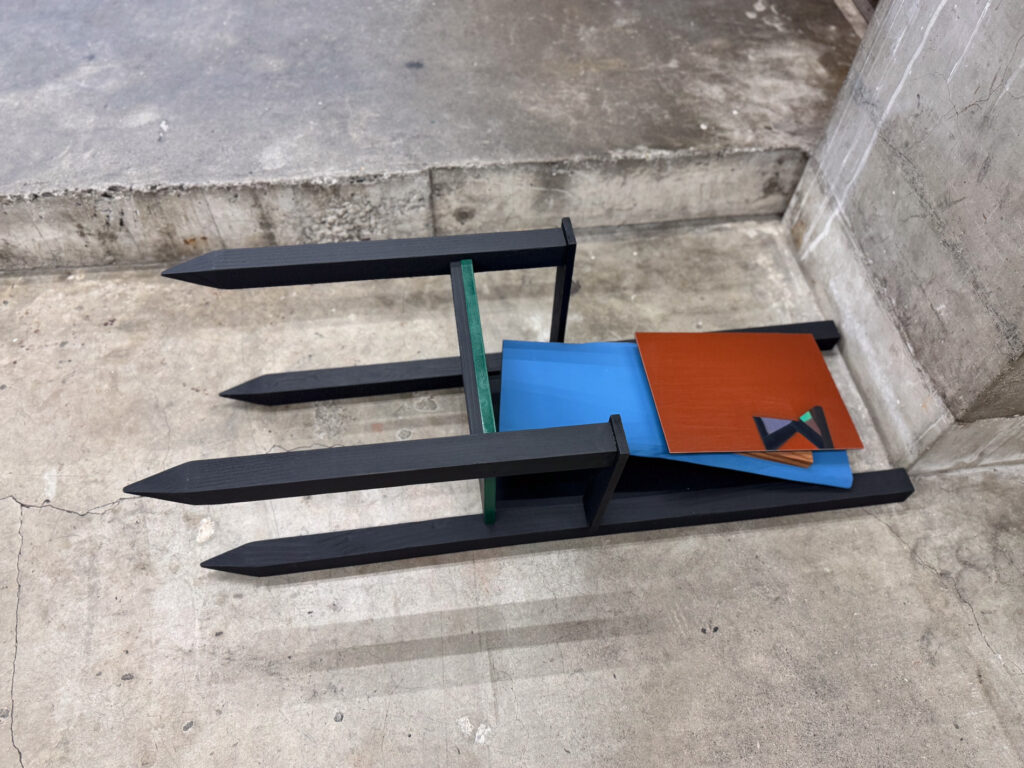
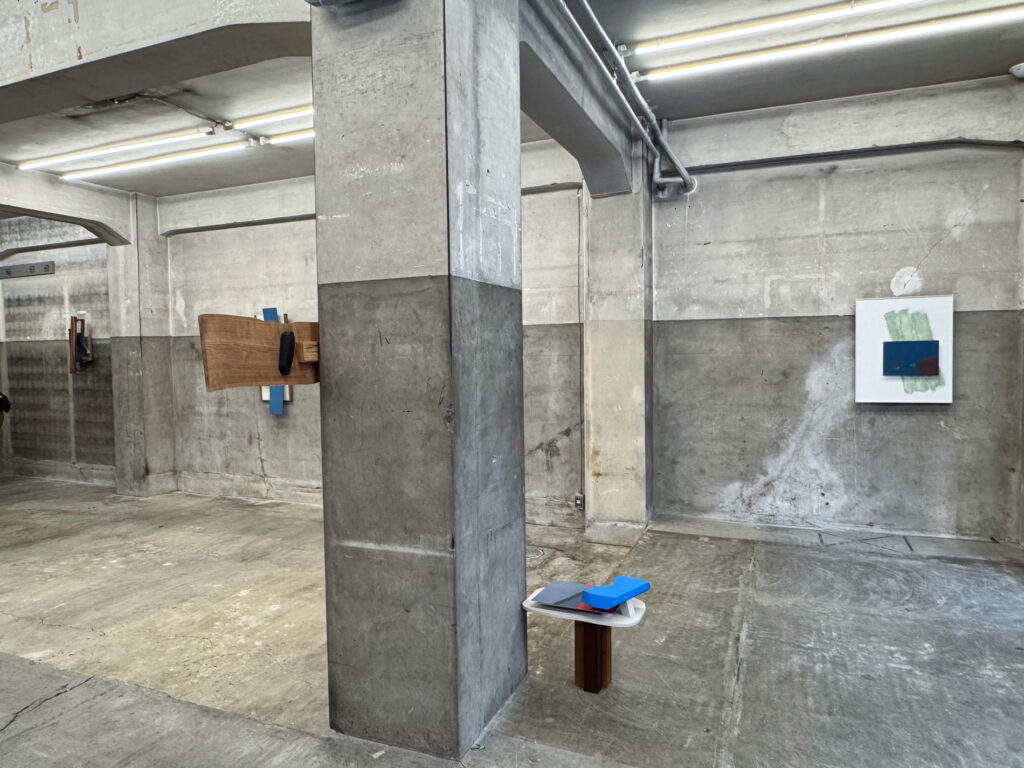
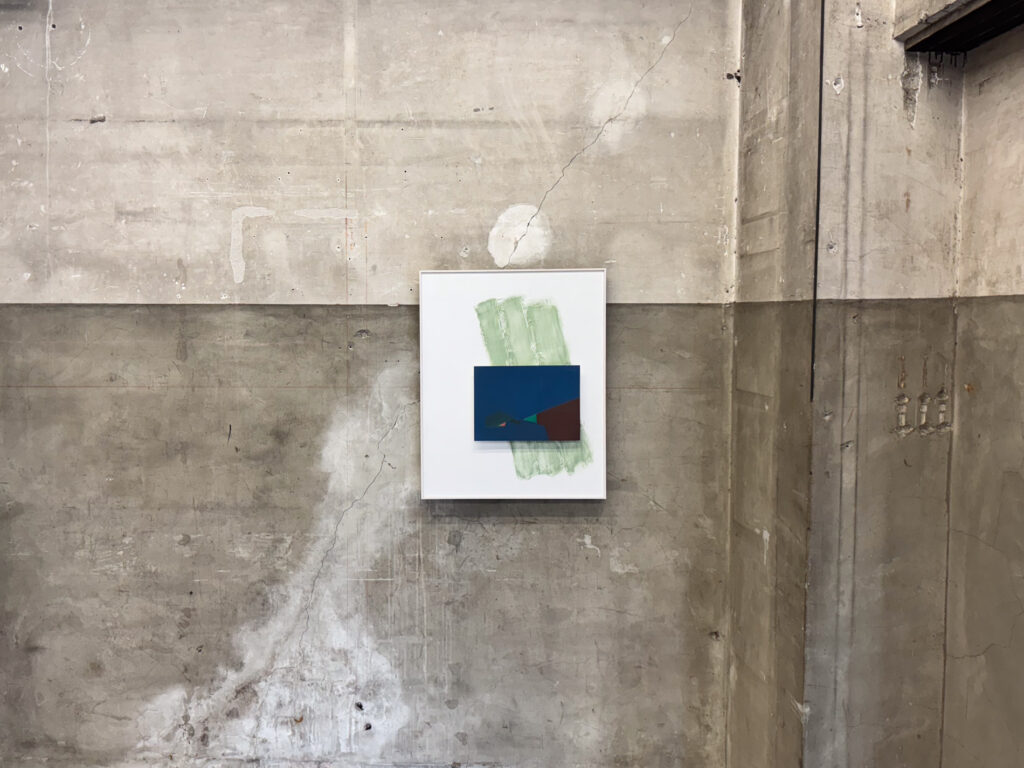
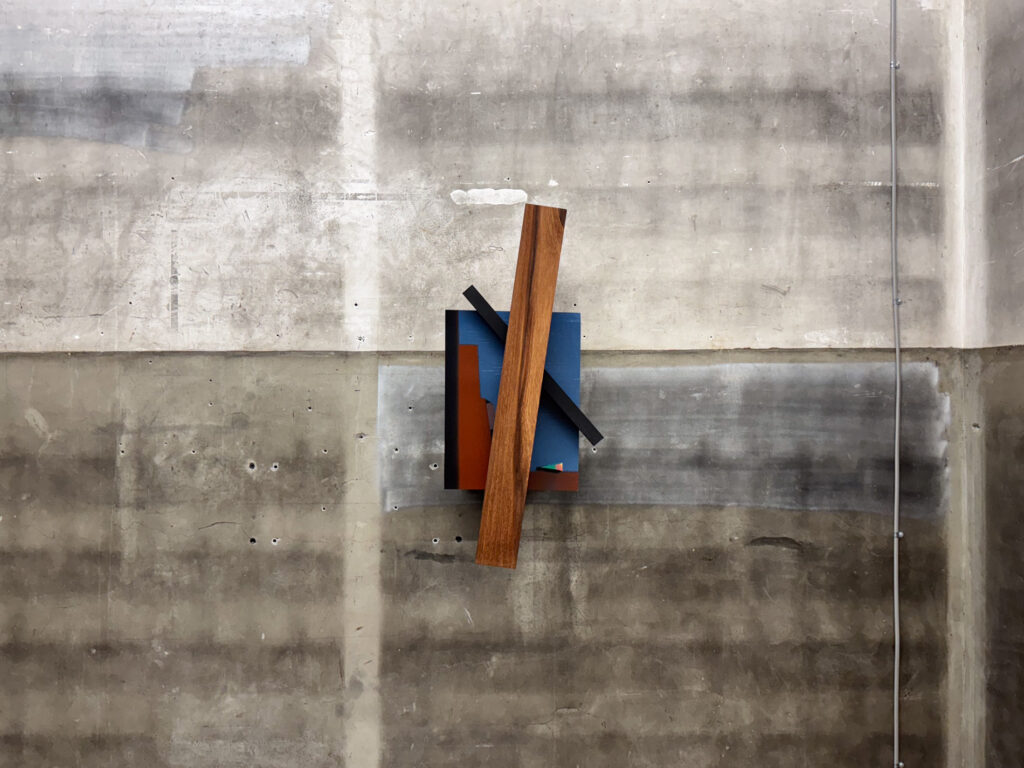
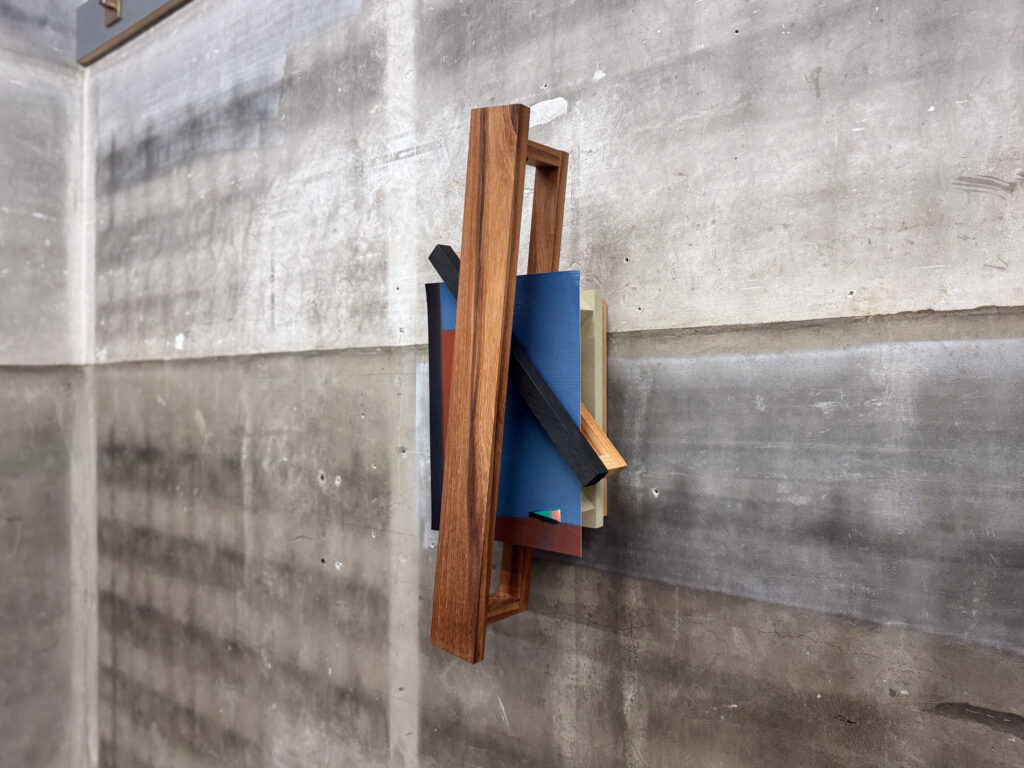
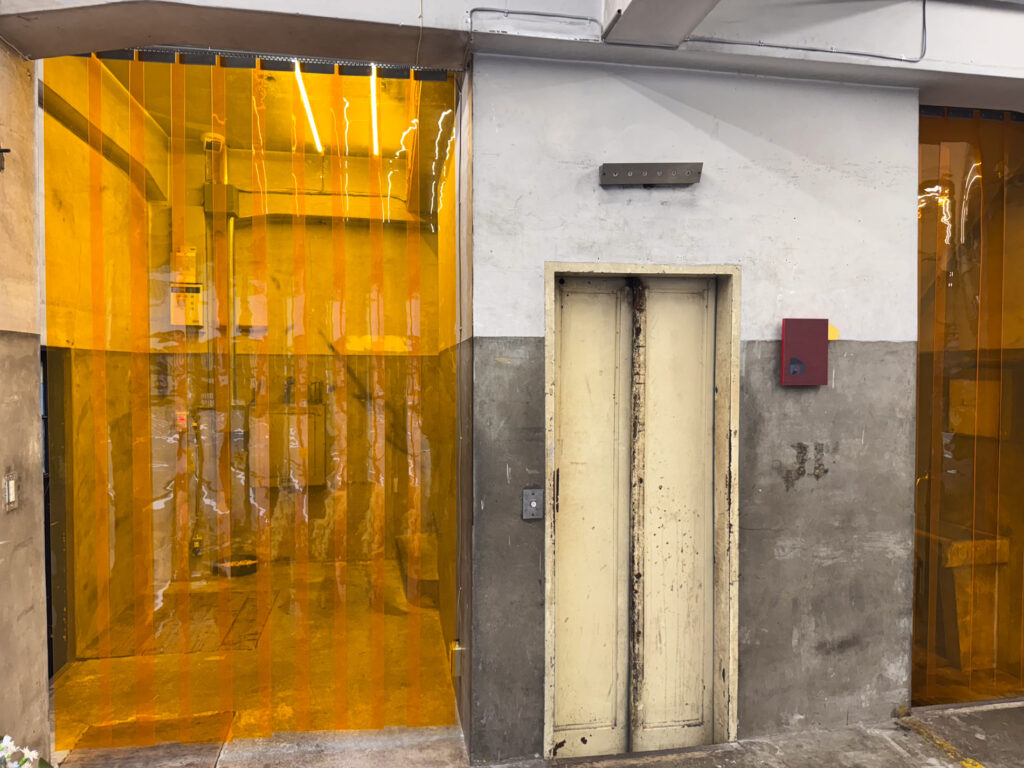
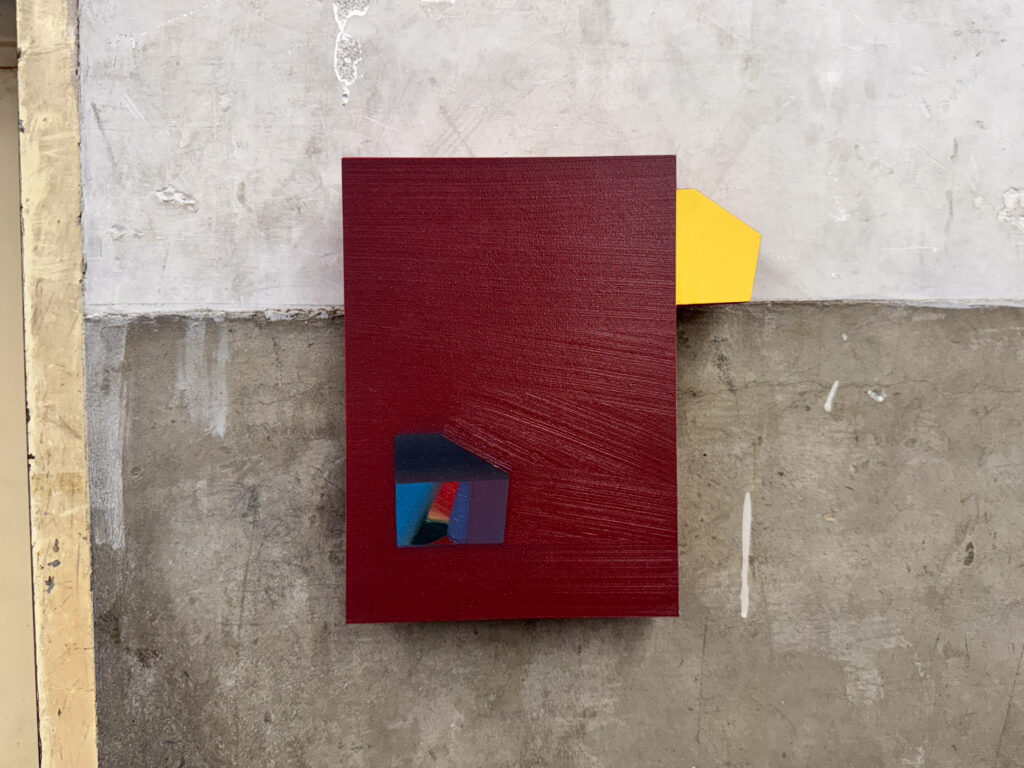
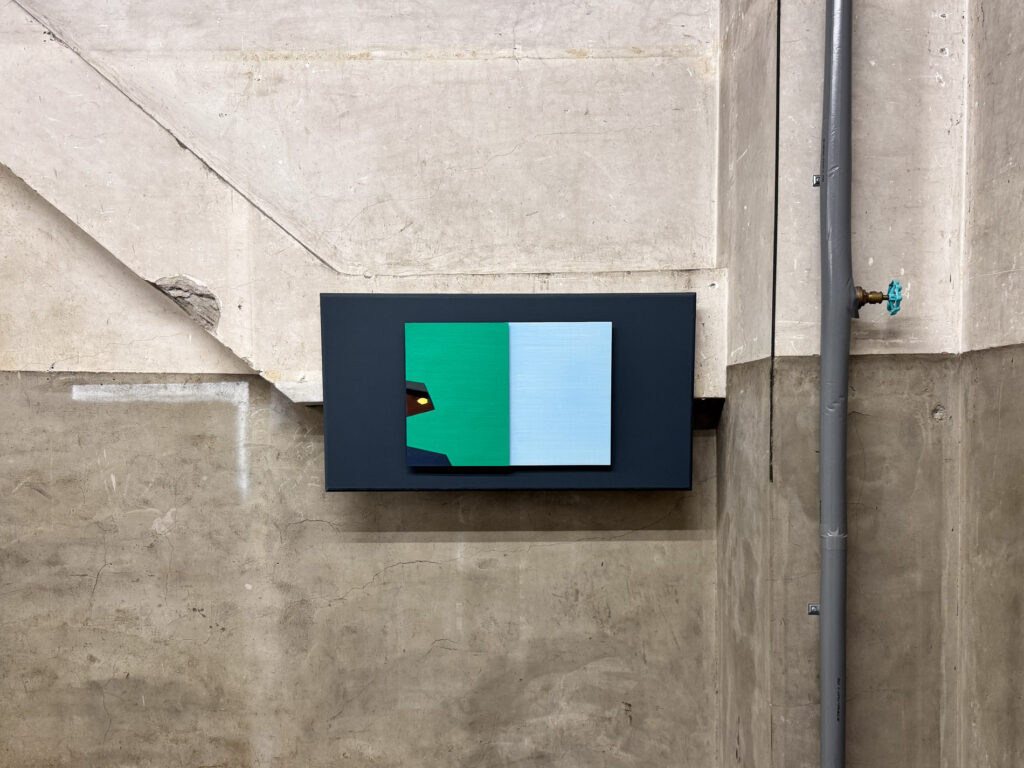
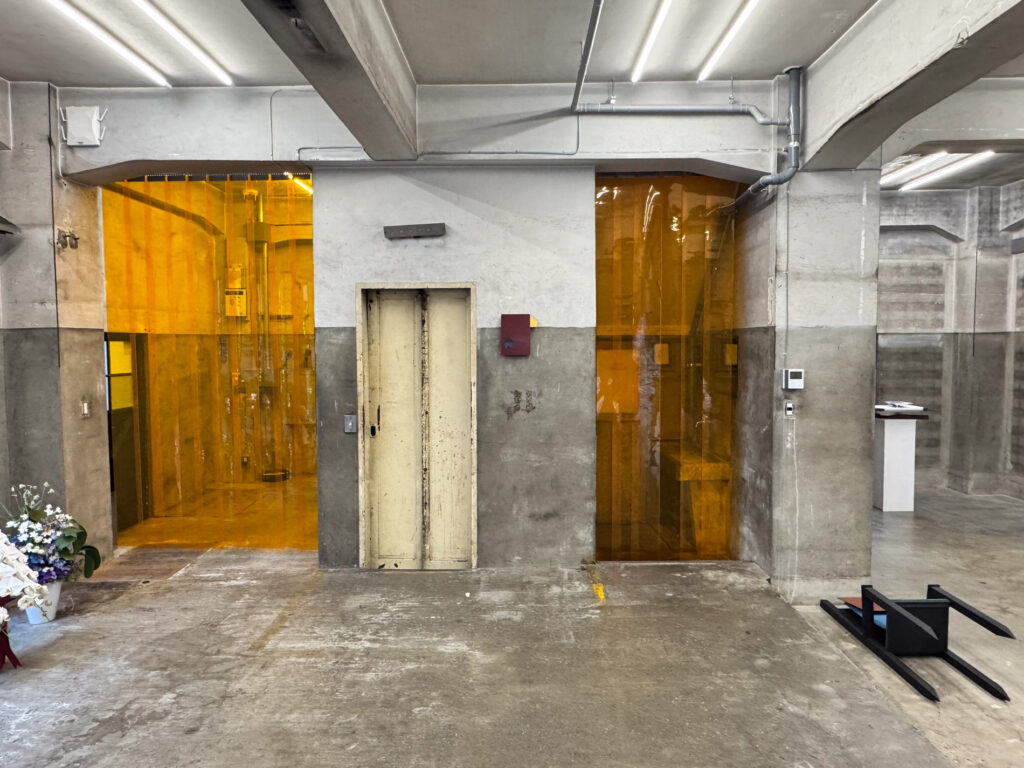
A painting comes into being not through what is drawn alone; how it is supported also changes what it is. By turning his eye to that structure and incorporating the form of support into the work itself, Yamada seemed to draw peripheral presences — frames and supports — into the painting. The balance with Sukima’s space was also exquisite, and I felt it was a wonderful exhibition.
And finally, the text by Ken Kobayashi was likewise an indispensable element for understanding this show. Constructed as if traveling back and forth between sensibility and reason, his writing always quietly guides my own thinking as a viewer. If only there were also a text to read “after” viewing this exhibition — I couldn’t help but wish…