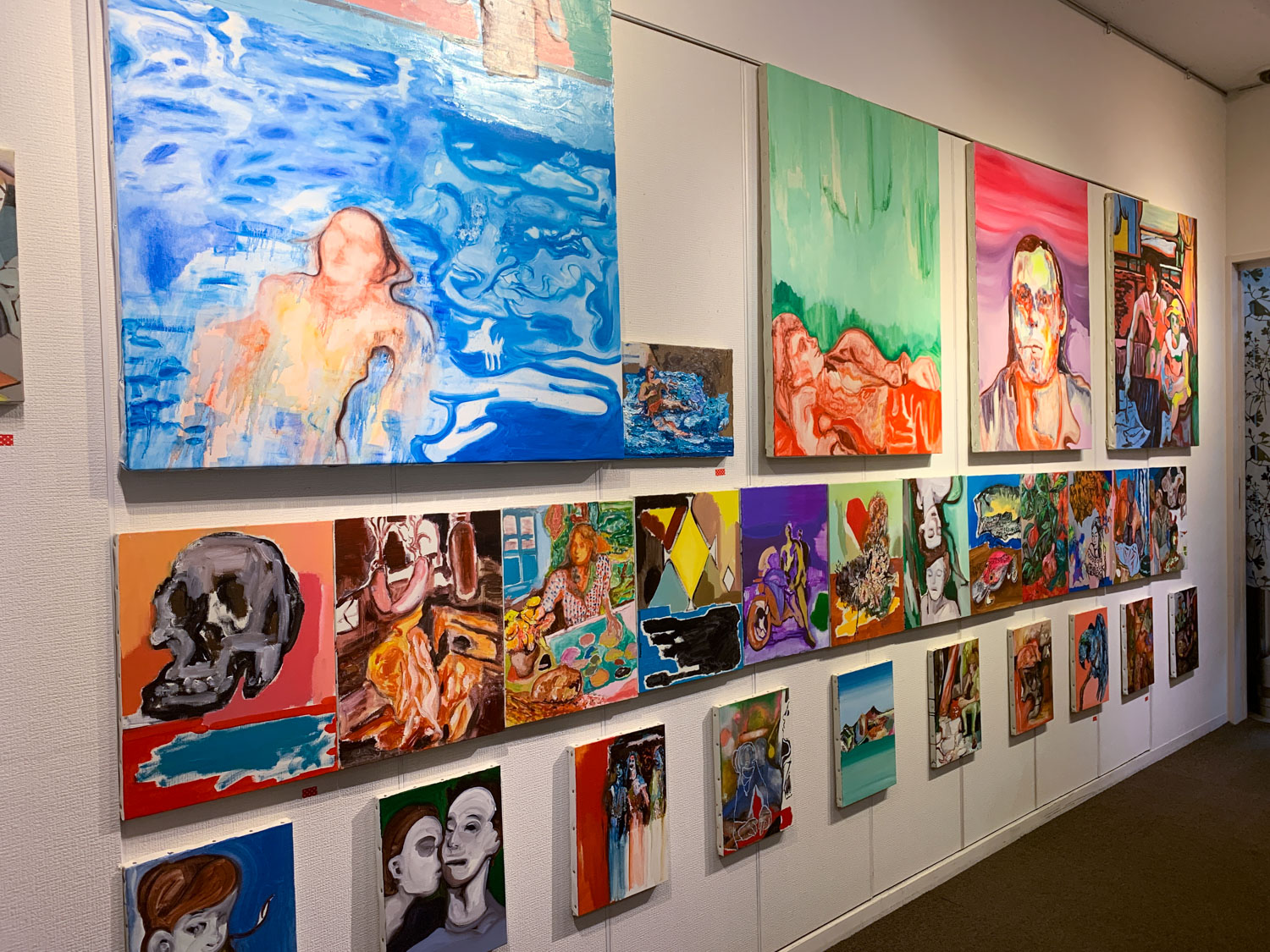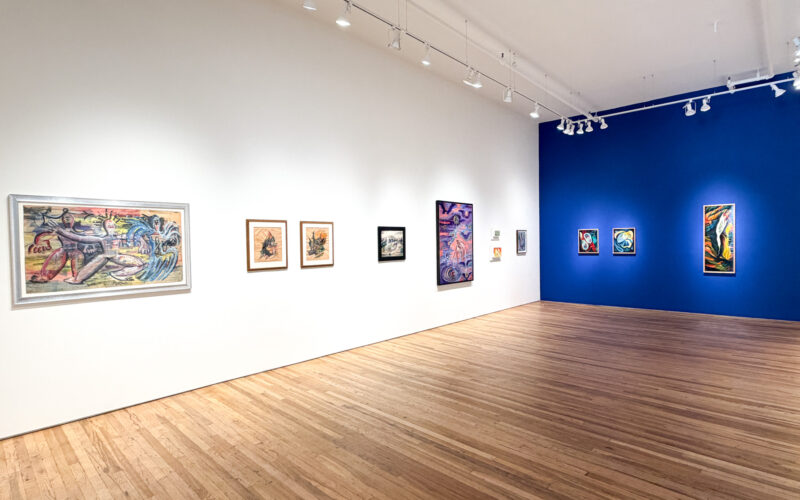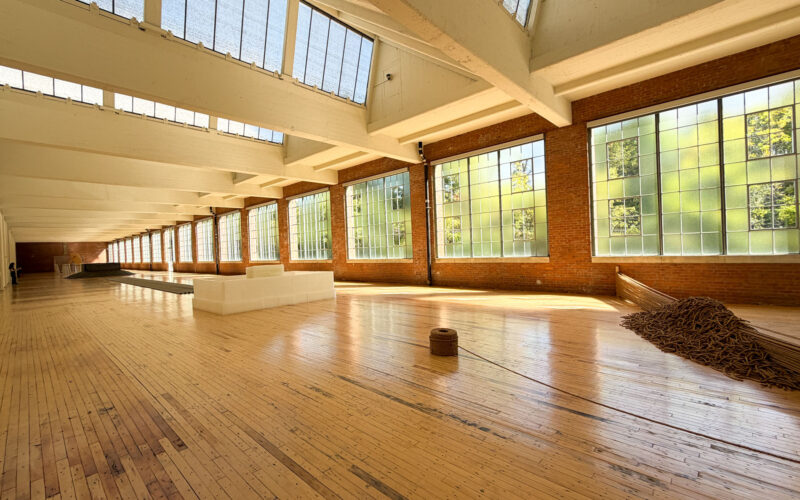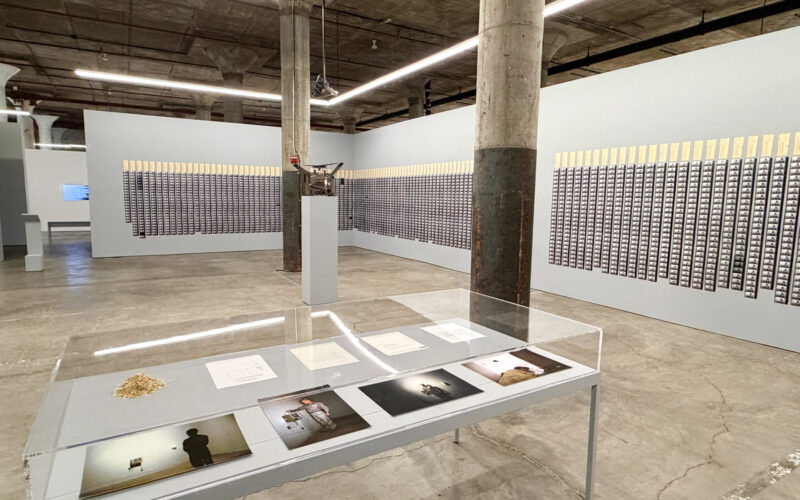
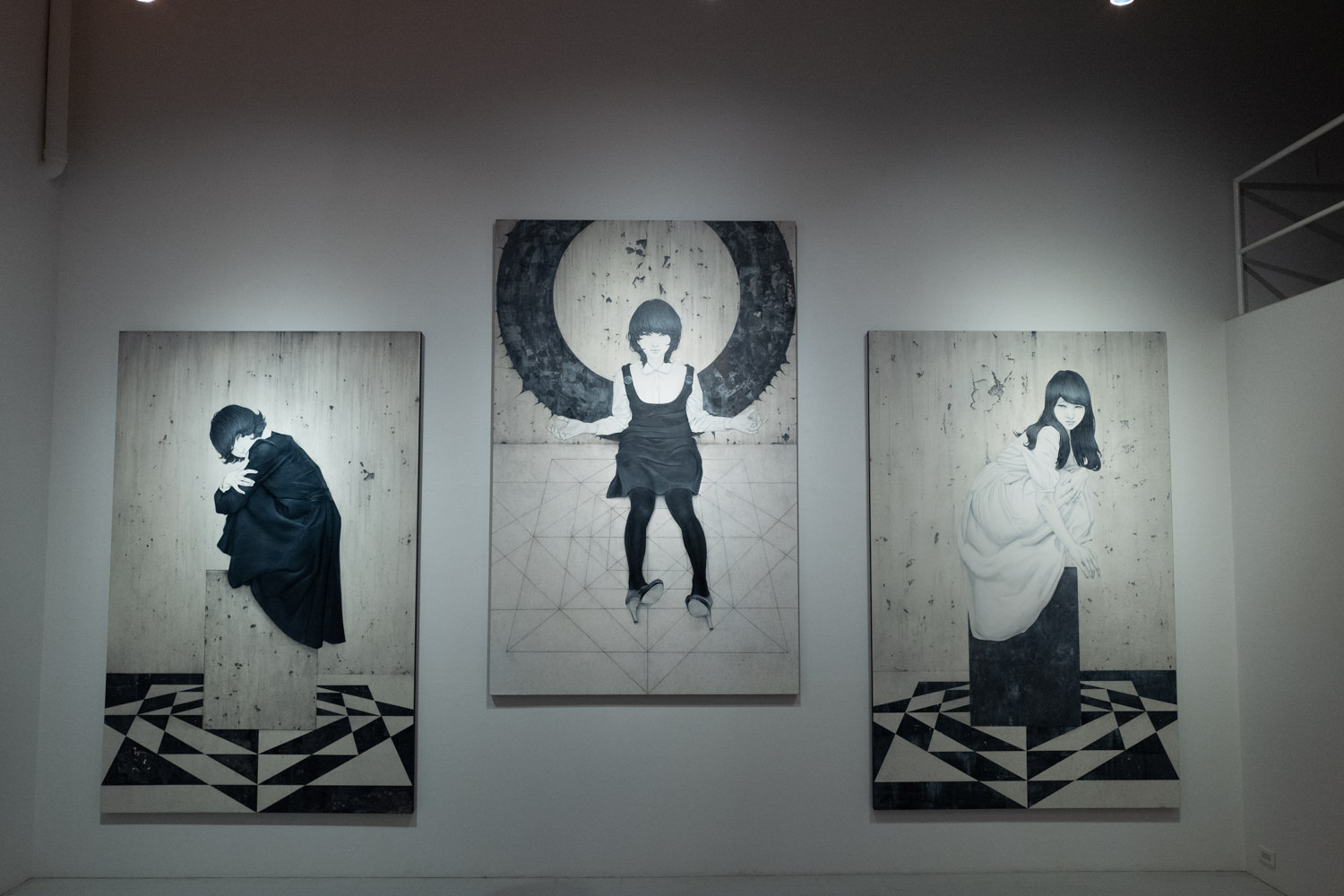
I visited Yu Kawashima’s solo exhibition “Reactor.” The venue is FUMA Contemporary Tokyo.
Yu Kawashima earned her doctoral degree from Aichi University of the Arts in 2018. The title of her doctoral dissertation was “Painterly Expression as the Dialectical Symbolization of Inner Emotions — the ‘Ré-forme’ of Anxiety.” In other words, these are paintings that “ré-form” (Ré-former) Kawashima’s own anxieties.
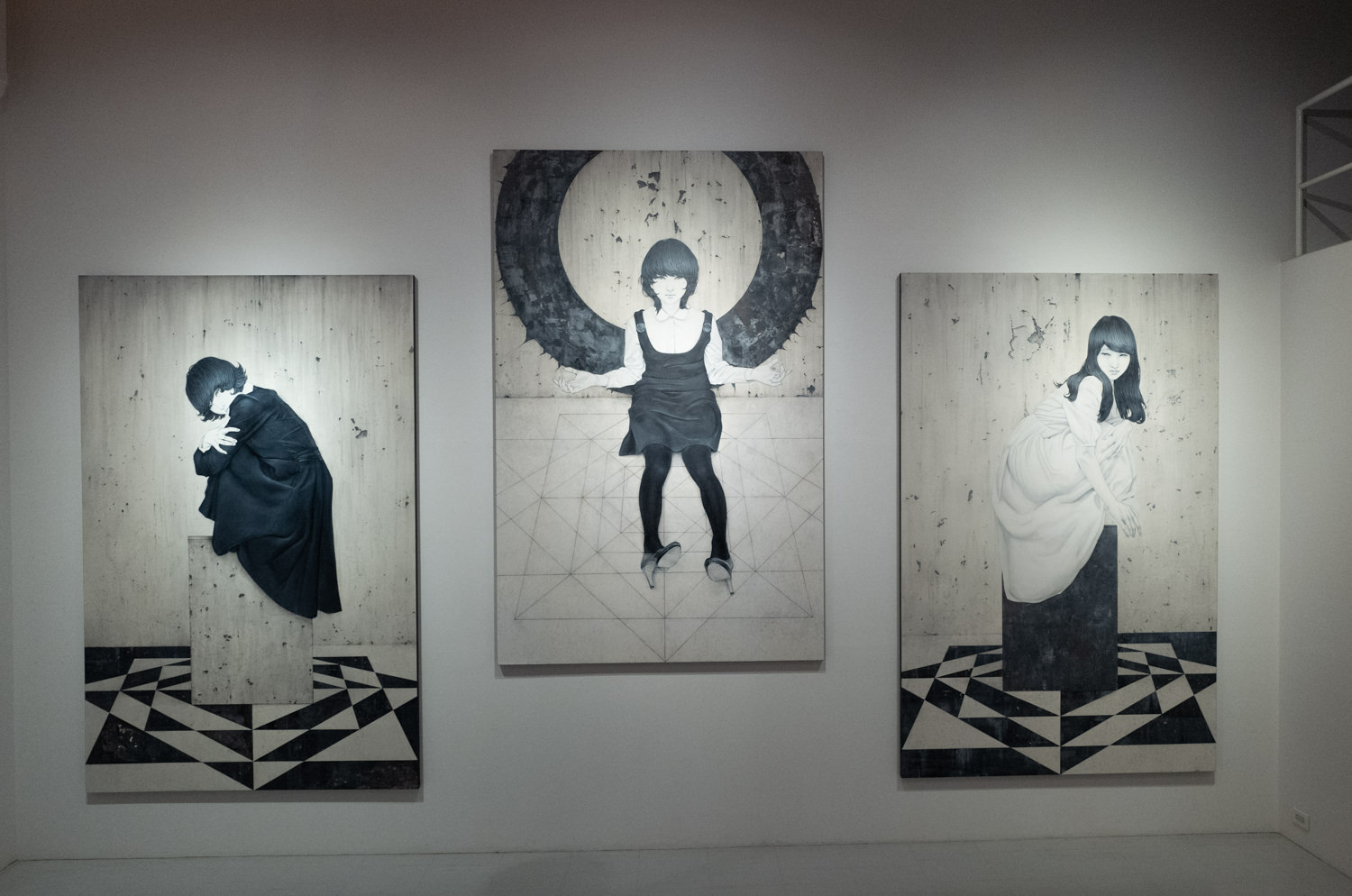
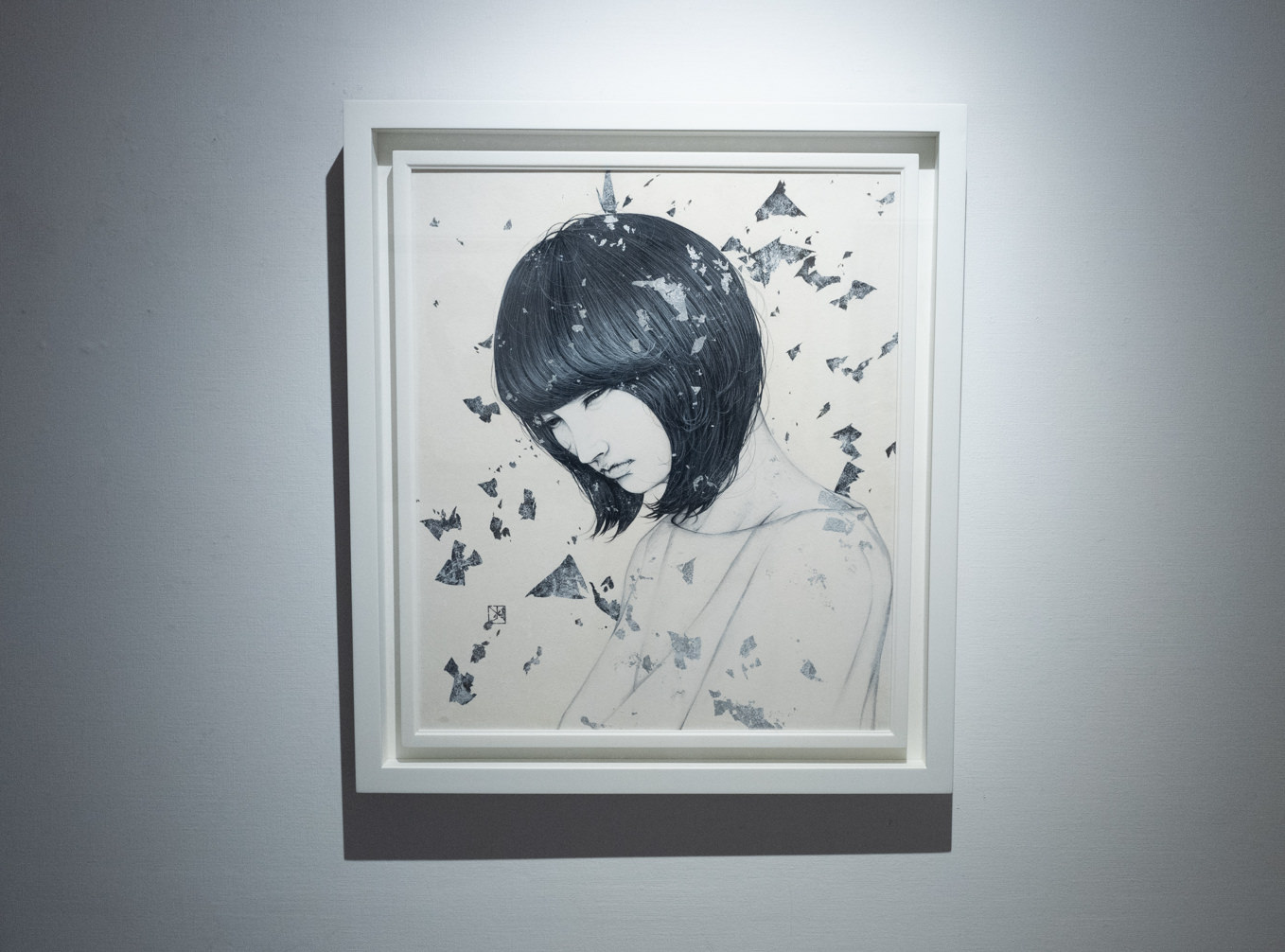
mineral pigment, sumi ink, silver leaf, copper powder, hemp paper, panel; size 150
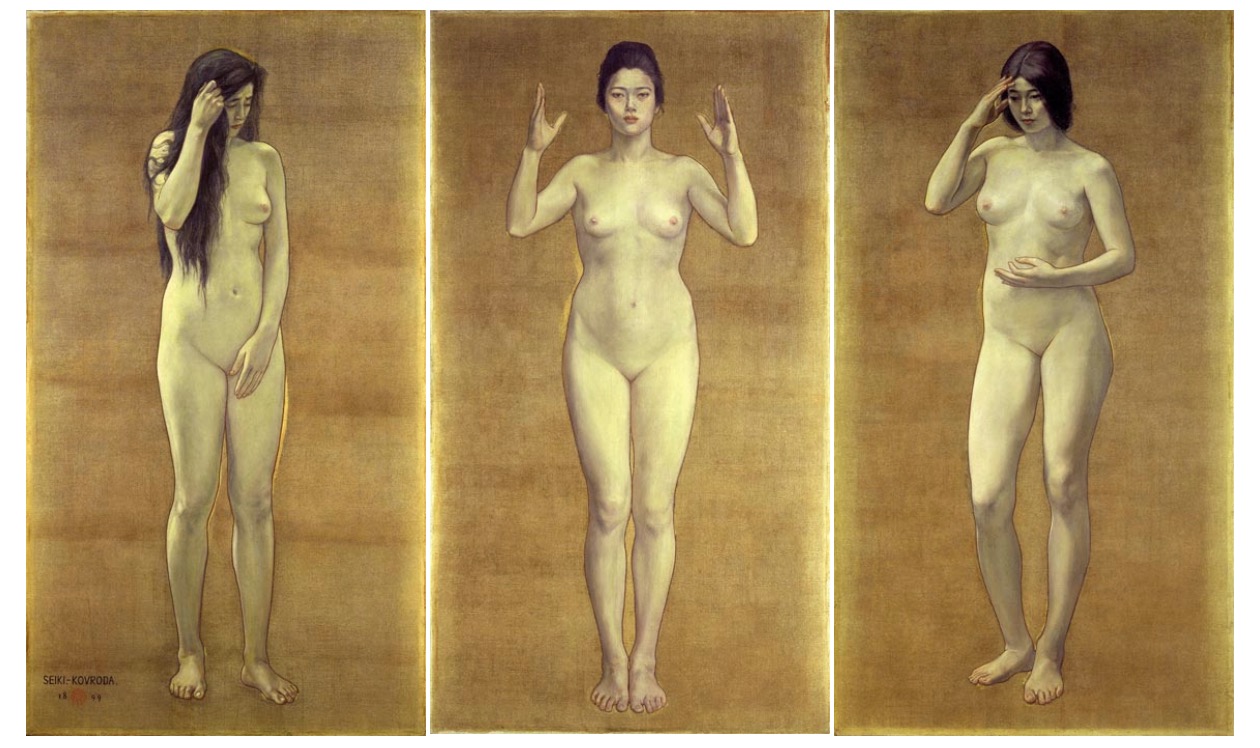
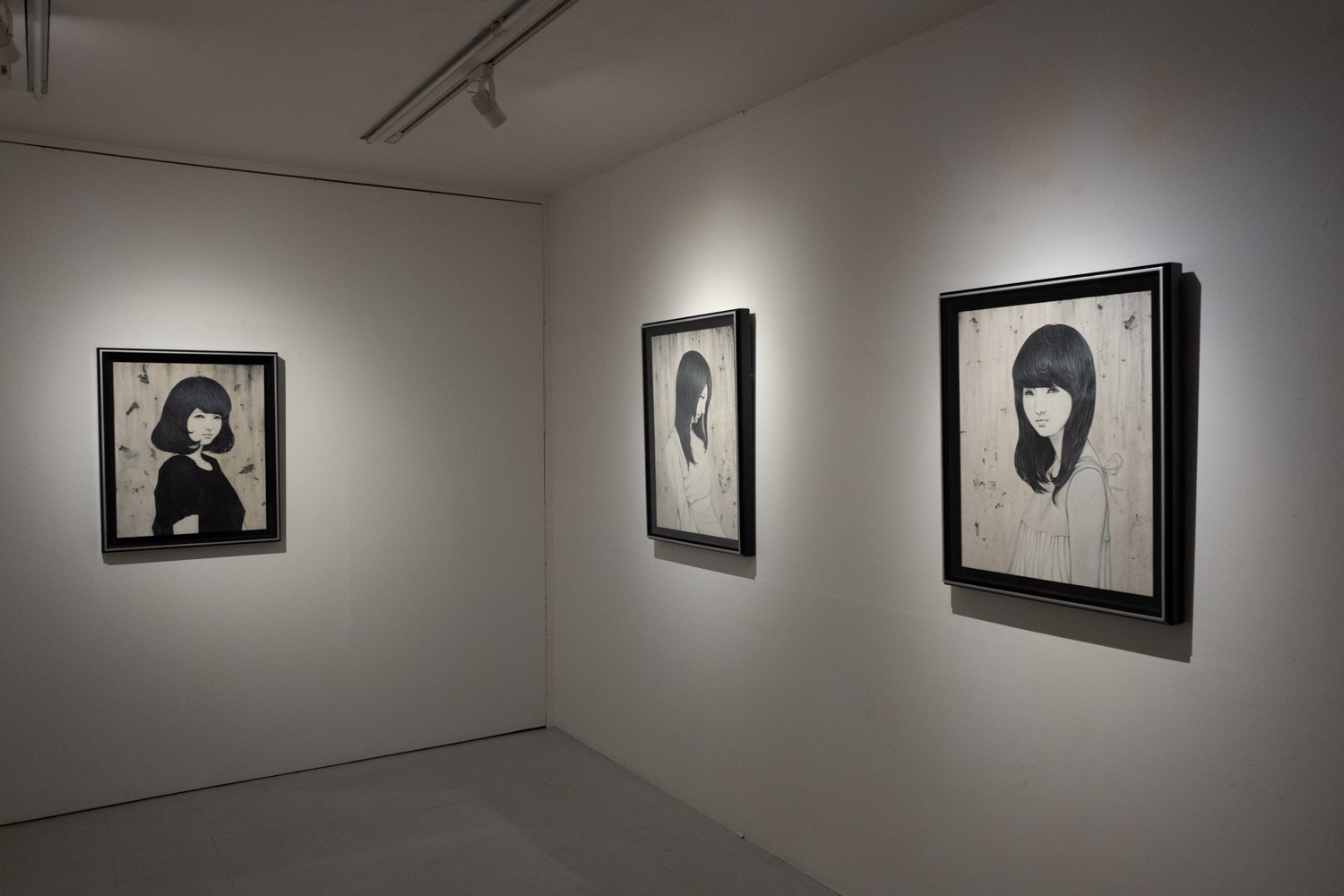
The triptych Re-actor was submitted to her dissertation together with Radiant (not shown in this exhibition). Kawashima drew inspiration from Unkei’s Seated Dainichi Nyorai and Seiki Kuroda’s Wisdom, Impression, Sentiment. The way the three works are hung at differing heights conjures the feeling of an altarpiece, successfully evoking a solemn atmosphere.
Rising toward the gallery’s high ceiling, Re-actor presents three stately, noble female figures that seem to radiate an overwhelming aura. I gazed at them again and again, absorbing the work and letting time pass.
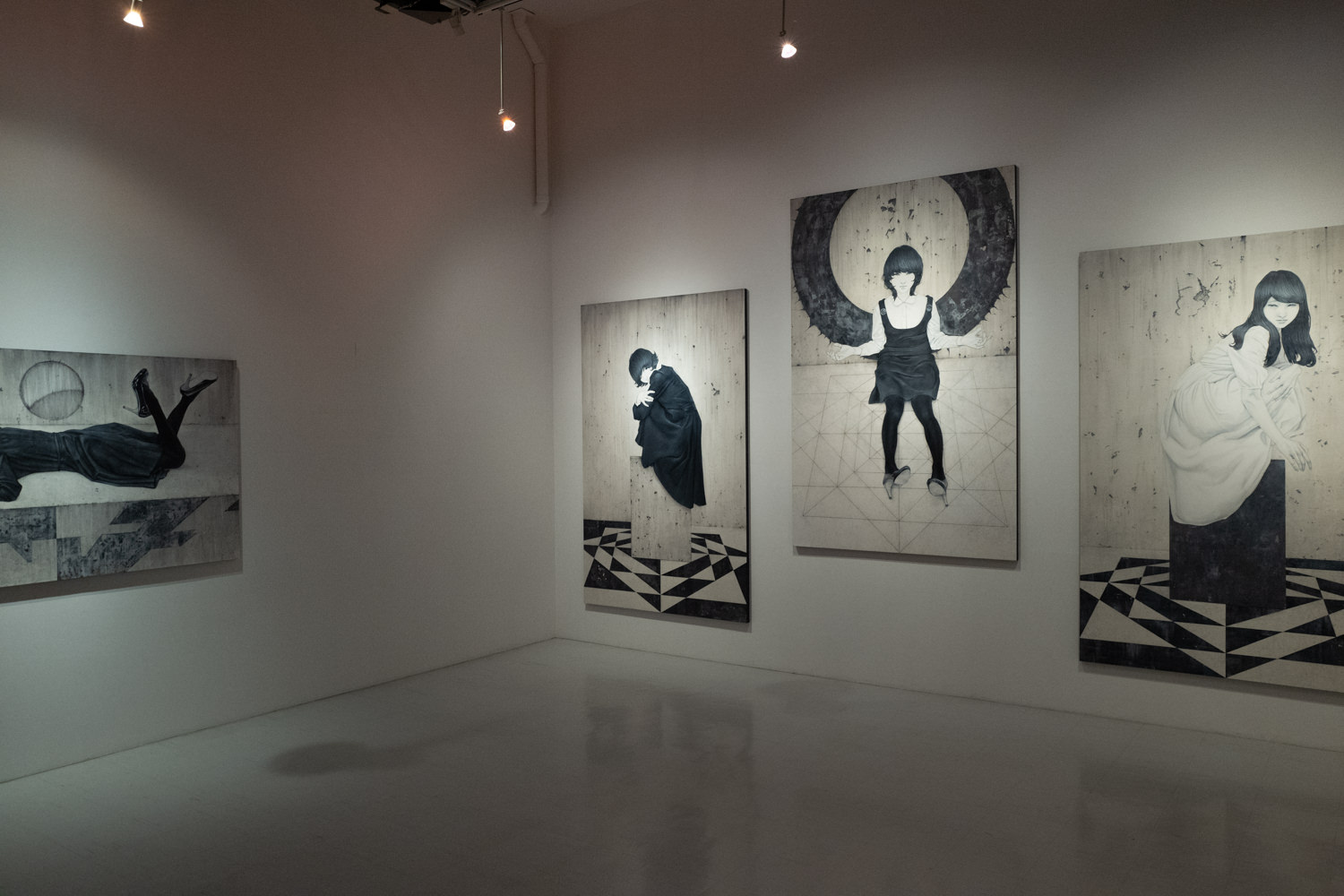
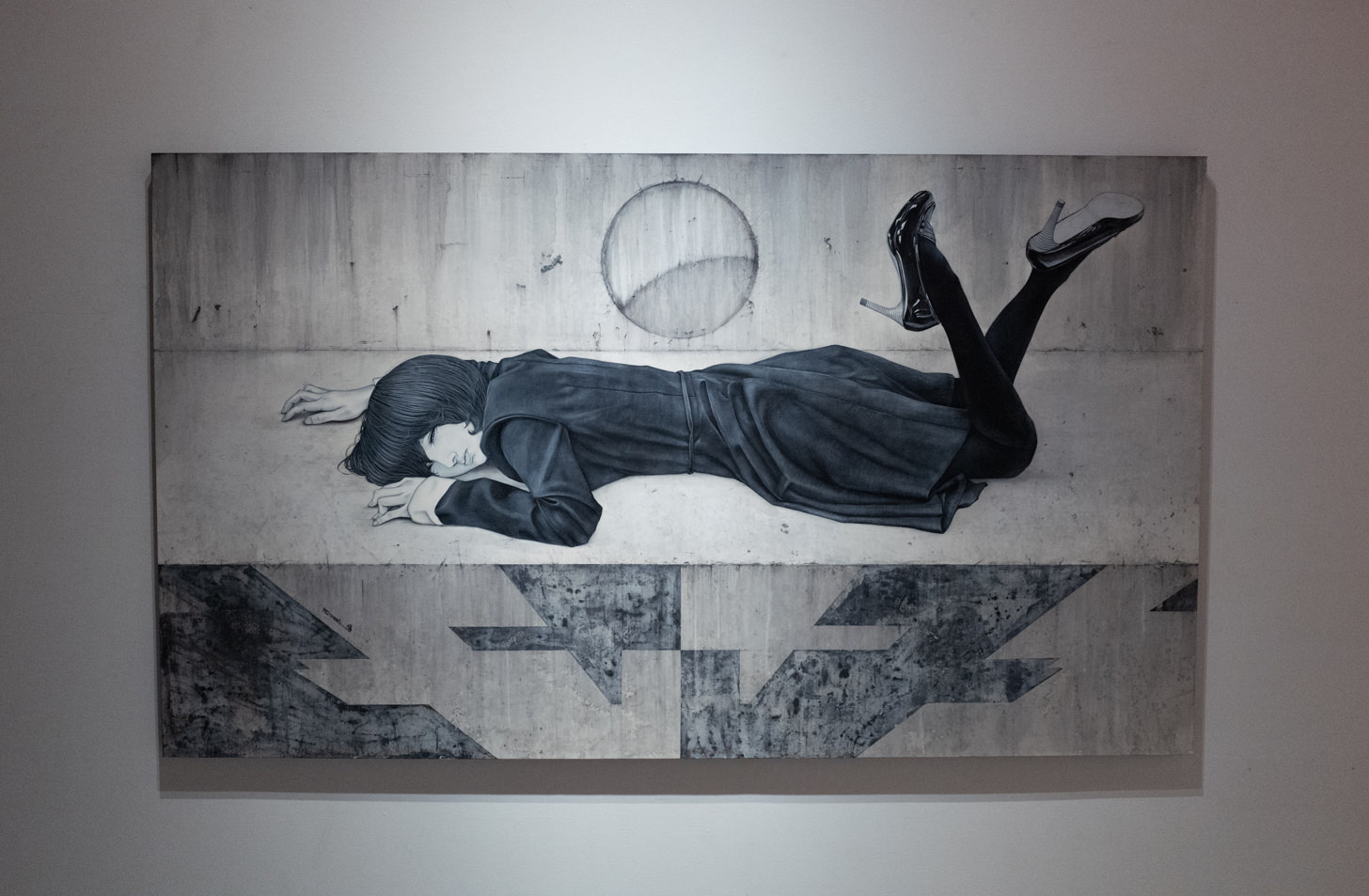
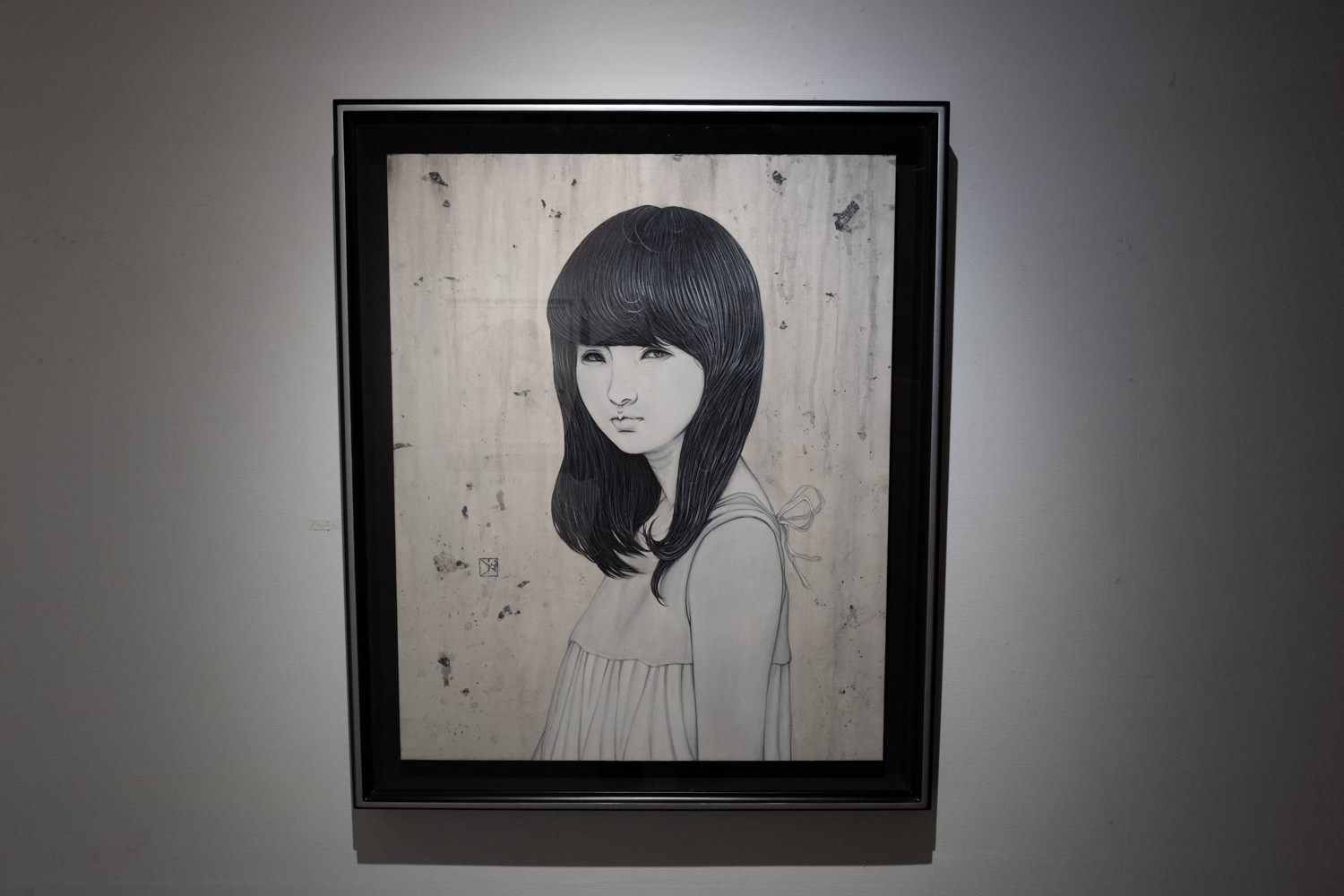
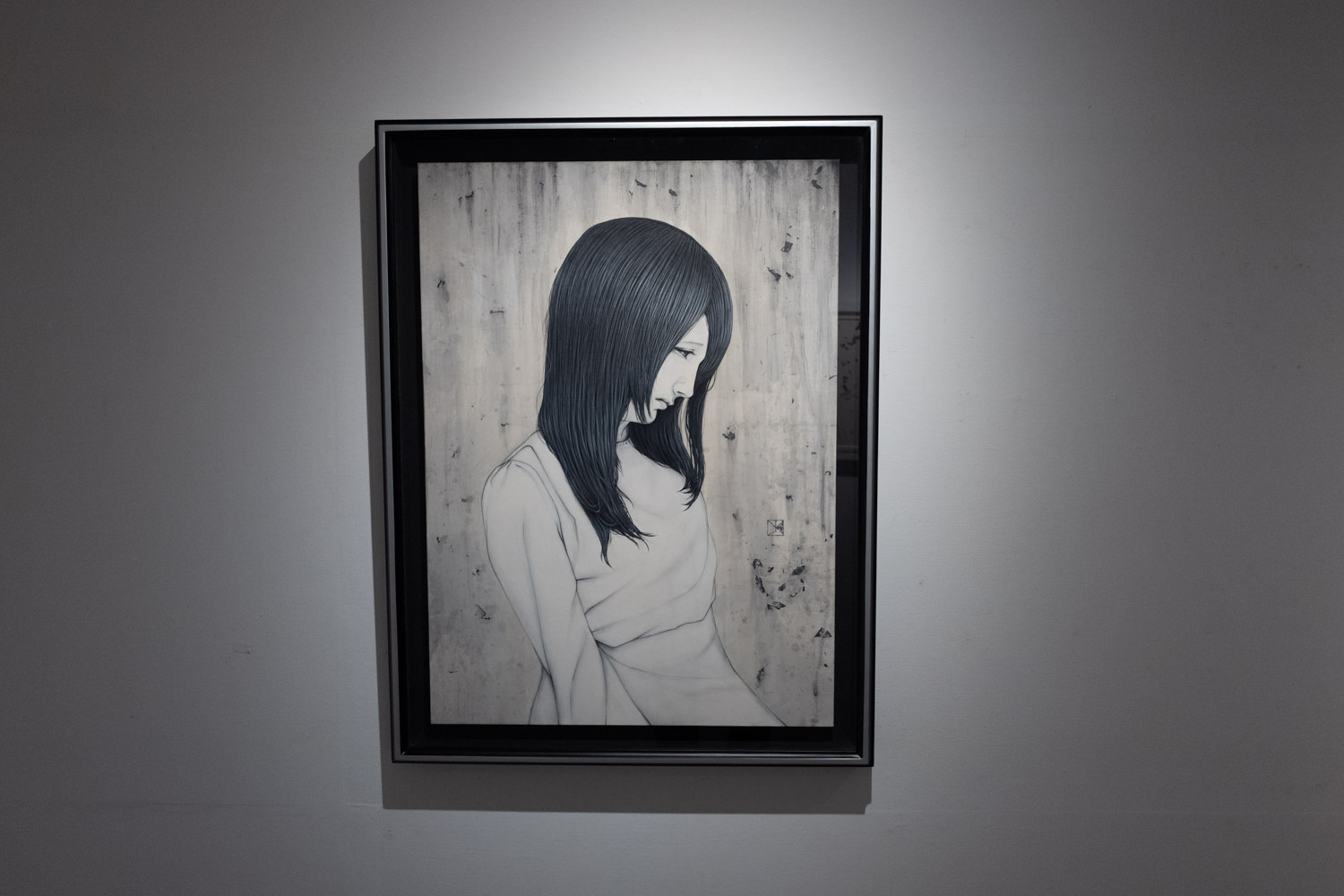
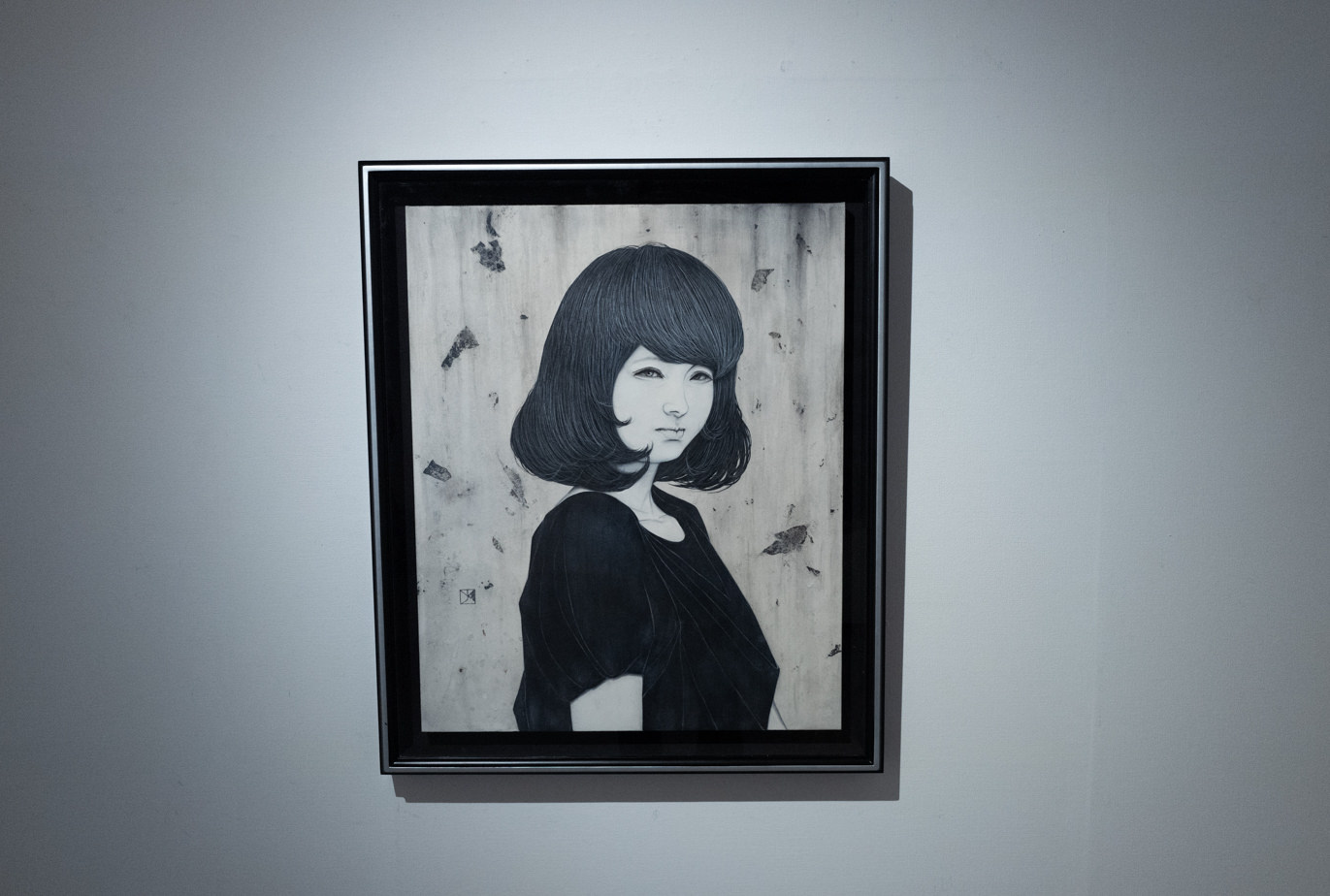
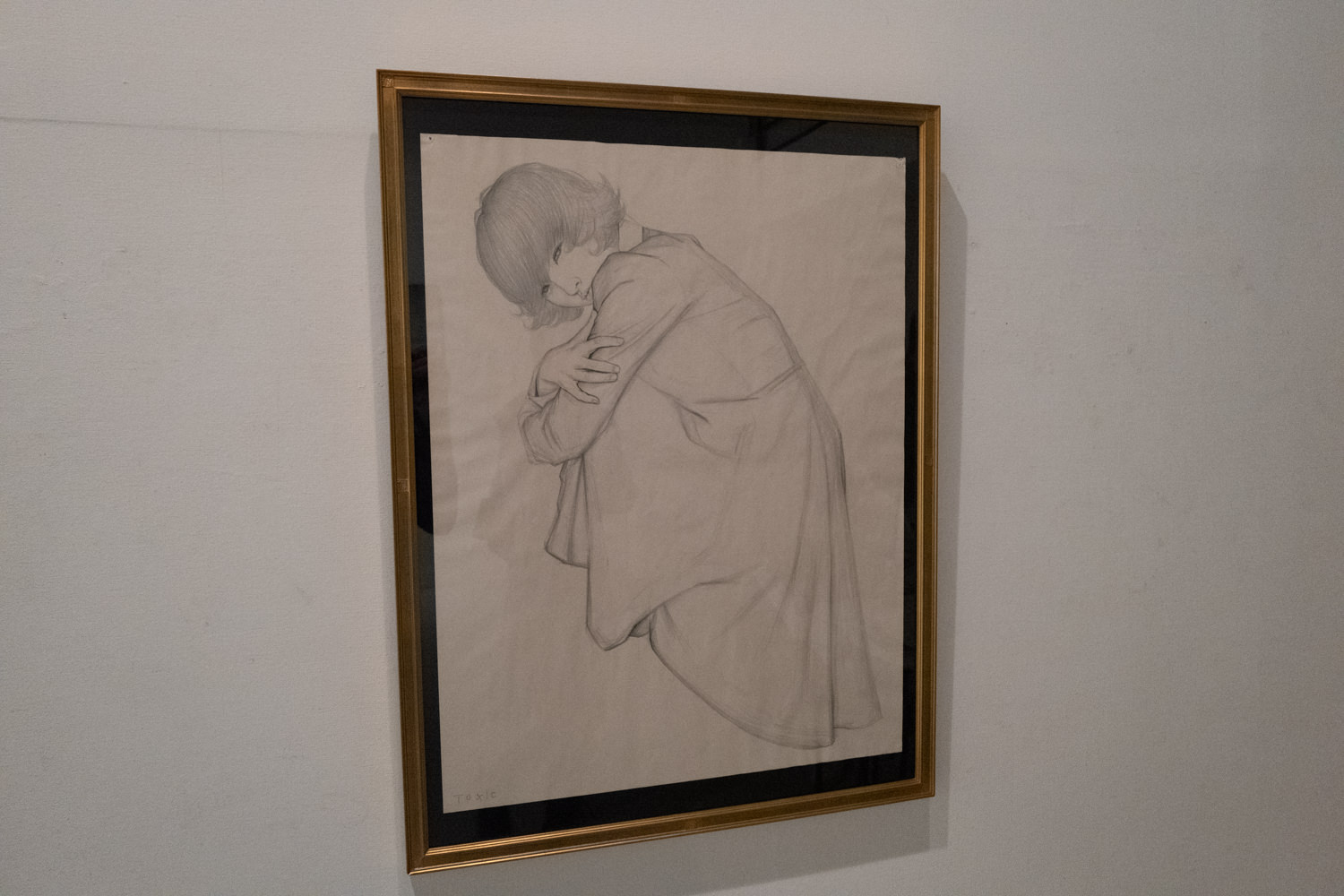
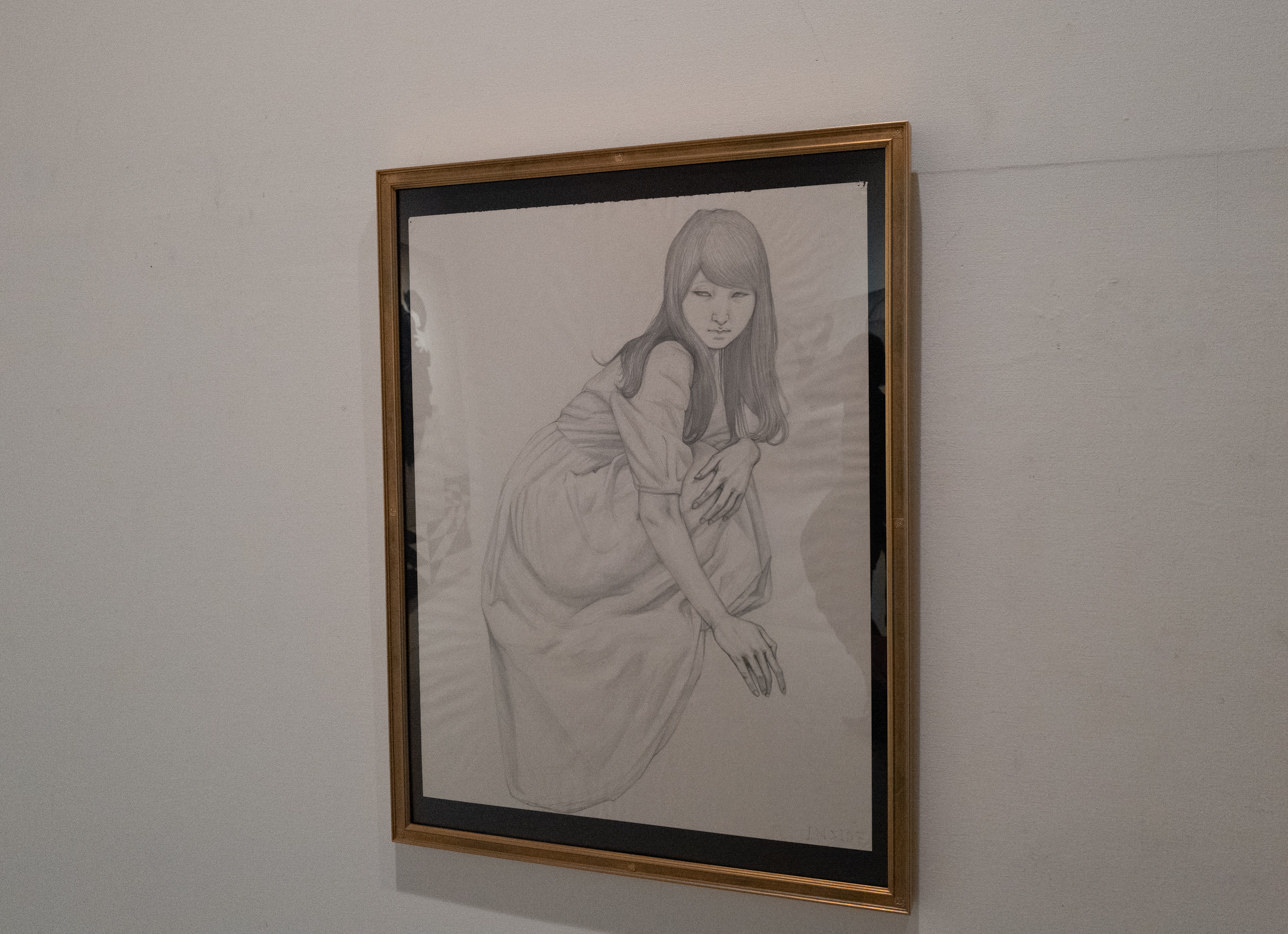
The other works are her most recent pieces, produced in 2018.
Just before this solo exhibition, I saw Tomoko Konoike’s show at the Akita Museum of Modern Art. A remark I heard from Konoike herself still echoes in my ears.
“To exhibit work is to produce something through contact and friction with the outside world. It is through many different points of contact with the outside that emotions swell within you, and those emotions eventually take shape as art.”
Yu Kawashima, by contrast, puts it this way:
“To live in contemporary society, one must confront one’s own existence and reality anew; for me, that confrontation is nothing other than the act of painting itself. Expressing my inner world visually within contemporary society is, I believe, a means of searching for my own existence without being swayed by the events and difficulties before me.” — from the abstract of her dissertation.
It was a rare chance to encounter two contrasting approaches to being an artist. For me, what is interesting is not which approach is correct, but the artistic stance itself.
As viewers, we can face each artist’s posture and thinking, savor the shifts in emotion and the tremors of the heart, and enjoy art from many angles.
Confronted with works that express Yu Kawashima’s anxieties, I found myself imagining her painting career to come.
What kind of transformation might the work that lies beyond anxiety undergo? Having followed Yu Kawashima’s practice for some time, I am very much looking forward to what comes next.